Why Transparency Matters in Gemstones: A Buyer's Guide
Posted by AOD on 6th Jul 2026
Why Transparency Matters in Gemstones: A Buyer’s Guide

TL;DR:
- Transparency in gemstones involves full disclosure of treatments, origin, and certification before sale to ensure ethical and informed purchasing. Proper documentation and direct relationships with miners build trust and protect buyers from misrepresentation and overpayment. Certified reports from reputable labs like GIA, AIGS, or GIT enhance long-term value and verify treatment status and origin.
Transparency in gemstones is defined as the full disclosure of a stone’s treatments, geographic origin, and independent certification status before any sale. This standard protects buyers from misrepresentation and anchors ethical sourcing in verifiable fact rather than marketing language. The World Jewellery Confederation and leading gemological bodies recognize that why transparency matters in gemstones goes beyond aesthetics. It determines whether a purchase is an informed investment or an expensive mistake. Australianopaldirect builds every transaction on this foundation, offering documented provenance and honest disclosure for each earth-mined Australian opal it sells.
Why transparency matters in gemstones: treatments and disclosure
Gemstone treatments are physical or chemical processes applied after mining to improve a stone’s appearance. The most common include heat treatment, fracture filling, beryllium diffusion, and irradiation. Each one changes a gem’s color, clarity, or durability in ways that directly affect its market value.
Industry guidance mandates full disclosure of these treatments to ensure ethical sales and accurate pricing. A fracture-filled ruby, for example, may look identical to an untreated stone under casual inspection but can sell for a fraction of the price once its treatment is confirmed. Selling it at untreated prices without disclosure is misrepresentation, not a gray area.
The economic impact of nondisclosure is significant. Treatments that improve clarity or color can increase a stone’s apparent value considerably, which means buyers who pay premium prices for undisclosed treated stones are overpaying in real terms. Reputable sellers adjust pricing to reflect treatment status, and buyers who understand this distinction protect their own investments.
Common treatments and their disclosure implications:
- Heat treatment: Widely used on sapphires, rubies, and tanzanite to intensify color. Must be disclosed; untreated stones of equivalent quality command significantly higher prices.
- Fracture filling: Glass or resin injected into surface-reaching fractures to improve clarity. Dramatically reduces durability and resale value; always requires disclosure.
- Beryllium diffusion: Adds trace elements to change color at a molecular level. Considered a major treatment requiring explicit documentation.
- Irradiation: Used on topaz and some diamonds to alter color. Disclosure is legally required in many markets.
- Surface coating: Thin films applied to enhance color or luster. Highly unstable and must always be disclosed.
Pro Tip: Always request a lab report from GIA, AIGS, or GIT before purchasing any colored gemstone above a modest price point. These reports confirm treatment status using advanced spectroscopic detection that no visual inspection can replicate.
How does traceability build trust in gemstone sourcing?
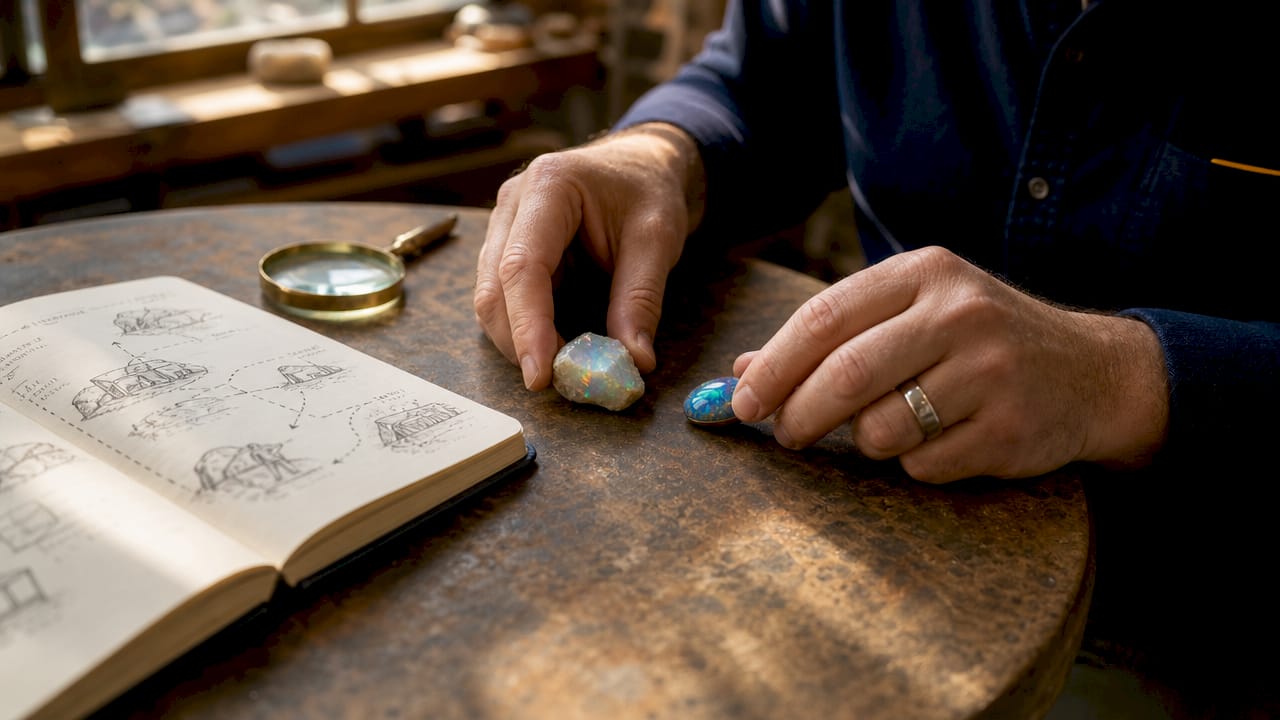
Traceability is the documented record of a gemstone’s journey from mine to market. It answers the question every ethical buyer should ask: where exactly did this stone come from, and under what conditions?
No universal certificate guarantees responsible mining. The absence of a single global standard means buyers cannot rely on a single label or stamp to confirm ethical sourcing. Geographic origin reports from independent labs like GIA, AIGS, and GIT anchor a stone in its geological history, confirming the region of formation. These reports do not, however, confirm the social or environmental conditions at the mine. That distinction matters enormously for investors and collectors who care about the full ethical picture.
The strongest form of traceability goes beyond paper. Direct, multi-year relationships with mining cooperatives, combined with physical visits to source locations, provide more credible provenance than any generic certificate. A seller who can name the specific cooperative, the mining region, and the individual miners involved offers a level of accountability that documentation alone cannot match.
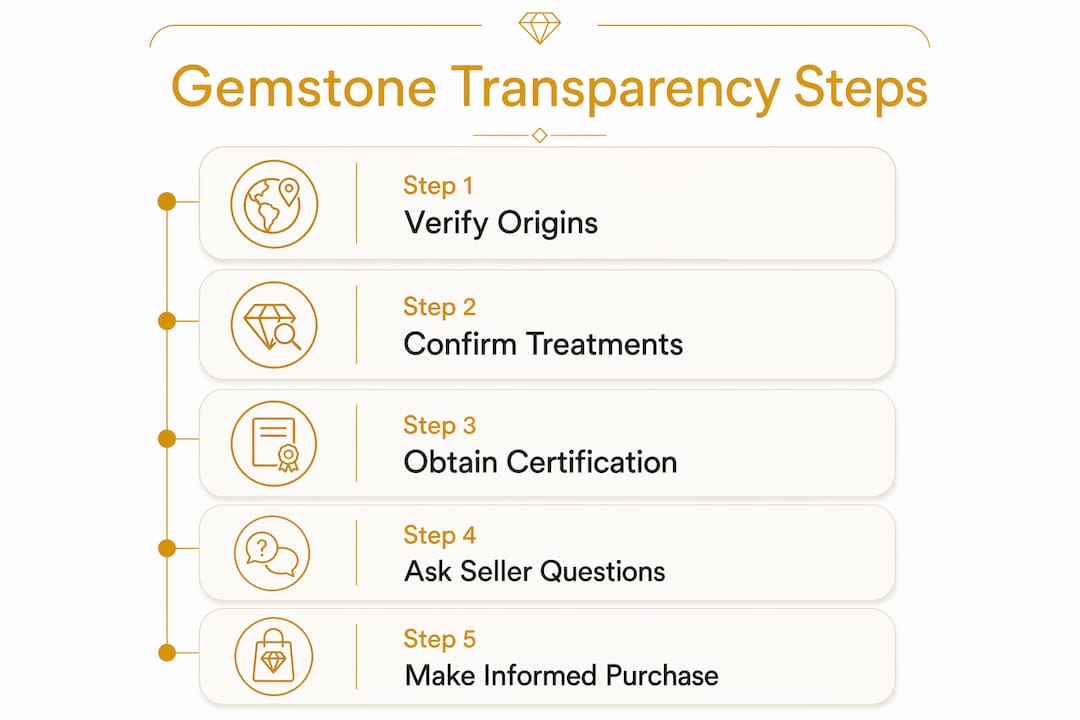
Buyers can evaluate a seller’s traceability claims by asking these questions in sequence:
- Can you name the mine or cooperative where this stone was extracted?
- Do you have a geographic origin report from GIA, AIGS, or GIT?
- Have you or your sourcing team visited the mine directly?
- How long have you maintained this supplier relationship?
- Can you provide a documented chain of custody from extraction to sale?
A seller who answers these questions with specific, verifiable details inspires confidence. Vague answers or deflection signal a gap in the supply chain that buyers should treat as a red flag. Australianopaldirect sources directly from miners in Lightning Ridge, Coober Pedy, and Queensland, maintaining relationships that allow for exactly this level of accountability. You can read more about these opal sourcing standards and what they mean for buyers.
Does lab certification really protect your investment?
Lab certification is the most reliable tool a buyer has for confirming what a gemstone actually is. Lab reports from GIA, AIGS, or GIT confirm treatment status, geographic origin, and natural versus synthetic classification using methods no retail buyer can replicate independently. These reports are not marketing materials. They are scientific documents with legal weight in disputes over misrepresentation.
Certified stones hold or increase value better over time than undisclosed treated stones. The reason is simple: a certified stone has a verifiable identity. Its treatment status is confirmed, its origin is documented, and its natural status is defended by a reputable institution. An uncertified stone, regardless of how beautiful it appears, carries uncertainty that erodes resale value.
Reputable labs use advanced detection methods including spectroscopy, photoluminescence analysis, and UV fluorescence to confirm untreated status. These techniques detect treatments invisible to the naked eye and even to standard gemological loupes. Untreated status confirmed by a lab report is the gold standard for collectors and investors who prioritize long-term value.
| Document type | What it confirms | Investment relevance |
|---|---|---|
| GIA colored stone report | Treatment, origin, natural status | High: widely recognized, legally defensible |
| AIGS origin report | Geographic origin, treatment | High: specialist authority for Asian-origin stones |
| GIT certificate | Treatment detection, species confirmation | High: respected for colored stones |
| Seller disclosure letter | Stated treatment and origin | Low: not independently verified |
| Generic “authenticity” certificate | Varies widely | Low to none: no standardized criteria |
Pro Tip: Never pay untreated stone prices without a lab report confirming untreated status. A seller’s verbal assurance, however sincere, carries no weight in a resale or insurance dispute.
Are treated gemstones unethical? Clearing up the misconceptions
The most persistent misunderstanding in the gemstone market is that any treatment makes a stone unethical. This is false. Treated gemstones sold with full disclosure and accurate pricing are entirely ethical. The ethical breach occurs only when treatment is concealed or when pricing does not reflect treatment status.
Consumers often associate treatment with deception, but the reality is more nuanced. Heat treatment has been practiced for centuries and is accepted as standard in many gem categories, including sapphires and rubies. The gemological community does not consider heat treatment inherently deceptive. What it does require is clear, upfront communication.
Natural, untreated stones carry their own distinct appeal. Untreated gemstones carry geological authenticity prized by collectors for rarity, character, and investment longevity. A Lightning Ridge black opal that displays its play-of-color without any enhancement carries the full story of its formation in the Australian earth. That authenticity commands a premium, and rightfully so. You can explore more about why natural gems matter for collectors and investors.
Trustworthy sellers use language that separates confirmed fact from marketing claim. Look for these signals:
- Specific treatment disclosure: “This stone has been heat treated” rather than “enhanced for beauty.”
- Priced accordingly: Treated stones priced below equivalent untreated stones of the same quality grade.
- Lab report offered proactively: Certification provided without the buyer needing to request it.
- Origin stated precisely: “Mined in Lightning Ridge, New South Wales” rather than “Australian origin.”
- Questions welcomed: A seller who answers sourcing questions without defensiveness demonstrates confidence in their supply chain.
Sellers who welcome specific questions about sourcing and treatment without deflecting build the kind of trust that sustains long-term buyer relationships. Broad marketing claims without precise language, on the other hand, often signal a transparency gap. Jewels by Ares notes that retail transparency in treatments is one of the clearest signals of a seller’s integrity in the fine jewelry market.
Key Takeaways
Gemstone transparency is the single most reliable indicator of ethical selling and investment security, requiring full disclosure of treatments, certified origin, and documented chain of custody.
| Point | Details |
|---|---|
| Treatment disclosure is non-negotiable | Sellers must disclose all treatments and price stones accordingly to avoid misrepresentation. |
| No universal mining certificate exists | Buyers must rely on lab origin reports and direct seller relationships for ethical sourcing assurance. |
| Lab certification protects long-term value | Certified stones from GIA, AIGS, or GIT hold value better than undisclosed treated alternatives. |
| Treatment does not equal unethical | Disclosed and correctly priced treated stones meet ethical standards; concealment is the real breach. |
| Seller behavior signals transparency | Sellers who answer sourcing questions specifically and proactively offer documentation earn buyer trust. |
What I’ve learned from years of watching buyers get this wrong
The single most expensive mistake I see buyers make is conflating a beautiful stone with a trustworthy transaction. These are not the same thing. A gem can be genuinely stunning and still be misrepresented, overpriced, or sourced from conditions no ethical buyer would support if they knew the full story.
The buyers who protect themselves best are the ones who ask uncomfortable questions before they fall in love with a stone. They ask for the lab report before they ask the price. They want to know the mine’s name, not just the country. They treat vague answers as the red flag they are. This is not cynicism. It is the minimum standard for any purchase above a few hundred dollars.
Transparency is less about perfect labeling and more about consistent, clear communication. I have seen sellers with impeccable documentation who still communicate poorly, and I have seen sellers with thinner paperwork who communicate with extraordinary honesty. The ideal is both. But if I had to choose one signal of a seller’s integrity, it would be how they respond when you push back. A seller who gets defensive when you ask for a lab report is telling you something important.
For collectors drawn to Australian opals specifically, the transparency question carries extra weight. The play-of-color in a Lightning Ridge black opal or a Coober Pedy crystal opal is not something that can be faked convincingly, but the stone’s origin and treatment history absolutely can be obscured. Demand the documentation. The right seller will hand it over without hesitation.
— Renee
Australianopaldirect: transparent sourcing, stone by stone
Australianopaldirect was built on the principle that every buyer deserves to know exactly what they are purchasing. Each opal in the collection comes with clear disclosure of its origin, whether it is a black opal from Lightning Ridge or a boulder opal from Queensland, along with honest communication about its natural, earth-mined status.

The team at Australianopaldirect maintains direct relationships with miners across Australia’s most celebrated opal fields, cutting out the intermediaries who introduce uncertainty into the supply chain. Buyers receive detailed information about each stone’s origin and character, and the team welcomes specific questions about sourcing and documentation. For collectors and investors who want to understand ethical jewelry practices before they buy, Australianopaldirect’s resources offer a clear, honest starting point.
FAQ
What is gemstone transparency in the context of buying?
Gemstone transparency means full disclosure of a stone’s treatments, geographic origin, and certification status before purchase. It is the standard that separates ethical sellers from those who misrepresent their inventory.
How do treatments affect gemstone value?
Treatments like heat treatment, fracture filling, and irradiation alter a stone’s appearance and reduce its value relative to an untreated equivalent. Full disclosure and accurate pricing are required for an ethical sale.
Which labs provide the most trusted gemstone certification?
GIA, AIGS, and GIT are the most widely recognized independent gemological laboratories. Their reports confirm treatment status and geographic origin using advanced detection methods.
Are untreated gemstones always worth more?
Untreated stones of equivalent quality command higher prices due to their rarity and geological authenticity. However, a treated stone disclosed and priced correctly can still represent strong value for the right buyer.
What questions should I ask a gemstone seller before buying?
Ask for the lab report, the specific mine or cooperative of origin, and whether the seller has a direct relationship with their supplier. Sellers who answer specifically and without defensiveness demonstrate the transparency that protects your investment.
Recommended
- Why opal transparency is highly valued by collectors - Australian Opal Direct
- Why Natural Gems Matter: A Gemologist’s Guide - Australian Opal Direct
- Questions to Ask Gemstone Retailers Before You Buy - Australian Opal Direct
- Explaining Gemstone Diversity: A Collector’s Guide - Australian Opal Direct