Why opal transparency is highly valued by collectors
Posted by AOD on 14th Mar 2026
Why opal transparency is highly valued by collectors

Many collectors assume that a transparent opal automatically commands premium prices, but this common belief oversimplifies the complex factors that determine an opal’s true worth. While transparency plays a crucial role in showcasing an opal’s beauty, it works in concert with body tone, play-of-color intensity, and structural integrity to create value. Understanding how these elements interact empowers you to make informed decisions when evaluating and purchasing Australian opals for your collection.
Table of Contents
- Understanding Opal Transparency And Its Impact On Value
- The Science Behind Transparency: Silica Structure And Light Interaction
- Balancing Transparency With Body Tone And Play-Of-Color In Valuation
- Practical Tips For Evaluating Opal Transparency When Collecting And Buying
- Explore Authentic Australian Opals And Expert Guidance
- FAQ
Key takeaways
| Point | Details |
|---|---|
| Transparency enhances visibility | Clear opals allow light to penetrate deeper, revealing vibrant play-of-color effects that increase value. |
| Body tone matters equally | Darker body tones create contrast that makes colors appear more vivid and dramatic. |
| Inclusions reduce worth | Internal flaws scatter light and diminish transparency, lowering the opal’s market value. |
| Grading is standardized | Industry professionals use transparency as a key metric in formal opal valuation. |
| Balance drives premium prices | The most valuable opals combine high transparency with dark body tone and intense color play. |
Understanding opal transparency and its impact on value
Transparency in opals refers to how much light passes through the stone, ranging from completely opaque to fully transparent. This characteristic directly affects how you perceive the stone’s most prized feature: its play-of-color. When light penetrates a transparent opal, it interacts with internal silica structures to create the mesmerizing rainbow effect that collectors seek.
Transparency enhances play-of-color by allowing light to travel deeper into the stone before reflecting back to your eye. This creates a three-dimensional depth that makes colors appear to float within the gem rather than sitting on its surface. The result is a more dynamic, captivating appearance that commands higher prices in the market.
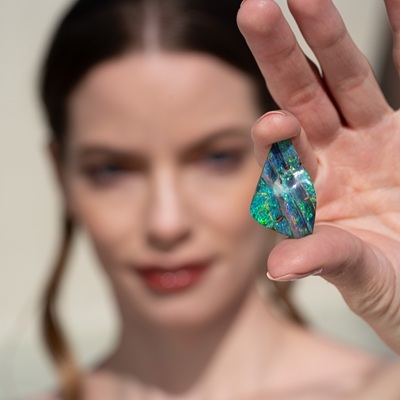
Crystal opals, which exhibit high transparency, are particularly prized among collectors because they showcase this depth effect beautifully. The clear body allows you to see layers of color shifting and changing as you move the stone. This visual complexity creates an emotional connection that opaque stones simply cannot match, regardless of their color intensity.
Pro Tip: Examine opals under both natural daylight and incandescent lighting to fully assess transparency. Natural light reveals true color play, while warmer indoor lighting helps you spot inclusions that might reduce transparency and value.
When evaluating transparency, consider these visual indicators:
- Light penetration depth through the stone’s body
- Clarity of internal color patterns and layers
- Absence of cloudy or milky areas that block light
- Sharpness of color boundaries within the play-of-color effect
The relationship between transparency and value becomes clear when you compare two opals with similar color patterns. The more transparent specimen will typically command a premium because it offers superior visual drama and depth. However, transparency alone does not guarantee value, as you will discover in the following sections.
The science behind transparency: silica structure and light interaction
Opals form from microscopic silica spheres arranged in regular patterns. The size and uniformity of these spheres determine both the play-of-color and the stone’s transparency. When spheres are consistently sized and perfectly aligned, light passes through with minimal scattering, creating the clear appearance collectors desire.
Structural imperfections scatter light, reducing transparency and diminishing the stone’s ability to showcase its color play. Internal inclusions like potch (common opal without play-of-color) and sand spots act as obstacles that block or deflect light before it can interact with the color-producing structures. Each inclusion reduces the three-dimensional effect that makes transparent opals so captivating.
The mechanics of light interaction explain why some opals appear milky or cloudy. When silica spheres vary in size or arrangement, incoming light bounces randomly rather than traveling in predictable paths. This scattering effect creates visual noise that masks the play-of-color and reduces the stone’s market appeal.
Several key factors influence an opal’s transparency:
- Silica sphere diameter and consistency throughout the stone
- Uniformity of sphere arrangement in three-dimensional space
- Presence and distribution of non-precious opal material
- Body tone darkness, which affects perceived transparency
- Natural or artificial treatments that alter internal structure
Pro Tip: Use a jeweler’s loupe to examine the stone’s surface and just beneath it. Look for tiny dark spots, cloudy patches, or areas where color seems muted, as these indicate inclusions that compromise transparency and reduce value.
This table shows how structural factors correlate with transparency levels:
| Structural Factor | High Transparency | Medium Transparency | Low Transparency |
|---|---|---|---|
| Sphere uniformity | 95%+ consistent | 70-95% consistent | Below 70% consistent |
| Inclusion density | Minimal to none | Scattered throughout | Heavy concentration |
| Light penetration | 5mm+ depth | 2-5mm depth | Surface level only |
| Visual clarity | Crystal clear | Slightly hazy | Milky or opaque |
Understanding these scientific principles helps you appreciate why certain opals command premium prices. A stone with perfectly arranged silica spheres and minimal inclusions represents geological rarity. The formation conditions required to create such structural perfection occur infrequently, making highly transparent opals with strong color play genuinely scarce.
The relationship between inclusions and value extends beyond simple aesthetics. Inclusions can indicate structural weaknesses that might affect durability. A transparent opal with clean internal structure typically proves more stable over time than one riddled with imperfections, adding practical value to its visual appeal.
Balancing transparency with body tone and play-of-color in valuation
Body tone describes the background color of an opal, measured on a scale from N1 (black) to N9 (white). This characteristic interacts powerfully with transparency to determine how colors appear to your eye. Darker body tones enhance color contrast, making even subtle play-of-color appear more vivid and saturated.
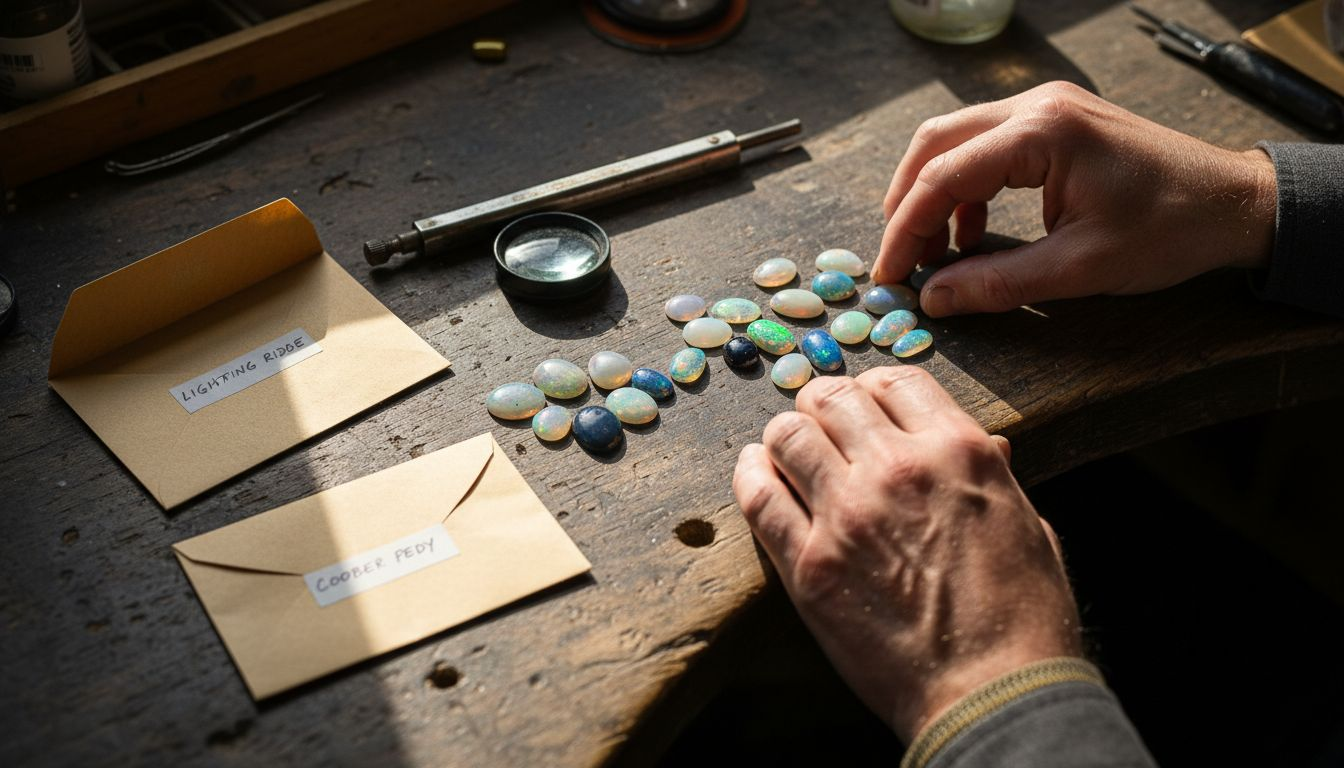
Black opals from Lightning Ridge demonstrate this principle perfectly. Their dark body tone provides a canvas that makes colors pop with extraordinary intensity. When you add high transparency to this dark background, the result is a stone where colors seem to glow from within, creating the most dramatic visual effect possible in natural opals.
The misconception that transparency alone determines value ignores this crucial interaction. A highly transparent light opal might showcase beautiful color play, but it will rarely match the visual impact of a semi-transparent black opal with strong color. The dark background amplifies color perception, while transparency allows depth and dimension.
Consider how these factors combine to influence value:
- Black opals with high transparency and intense color play command the highest prices
- Crystal opals need exceptional color intensity to compete with darker body tones
- White opals require near-perfect transparency to achieve premium valuations
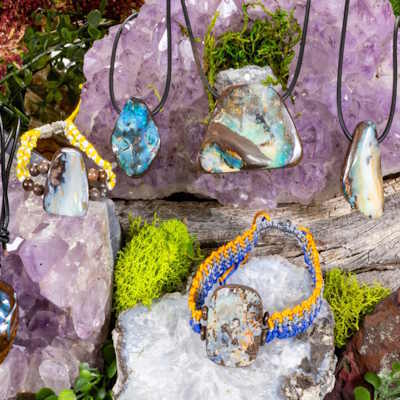
- Boulder opals balance natural ironstone backing with transparent precious opal layers
This comparison shows how different opal types balance these characteristics:
| Opal Type | Body Tone Range | Typical Transparency | Color Vibrancy | Approximate Value Range |
|---|---|---|---|---|
| Black opal | N1-N4 | Medium to high | Exceptional | $500-$20,000+ per carat |
| Crystal opal | N7-N9 | High | Good to excellent | $100-$5,000 per carat |
| White opal | N8-N9 | Low to medium | Moderate | $10-$500 per carat |
| Boulder opal | N1-N6 | Variable | Good to excellent | $50-$3,000 per carat |
The sweet spot for collectors combines N2-N4 body tone with high transparency and broad-spectrum color play. These stones are exceptionally rare because the geological conditions required to produce dark body tone often include impurities that reduce transparency. When nature creates a black opal with crystal clarity, you are looking at a truly premium specimen.
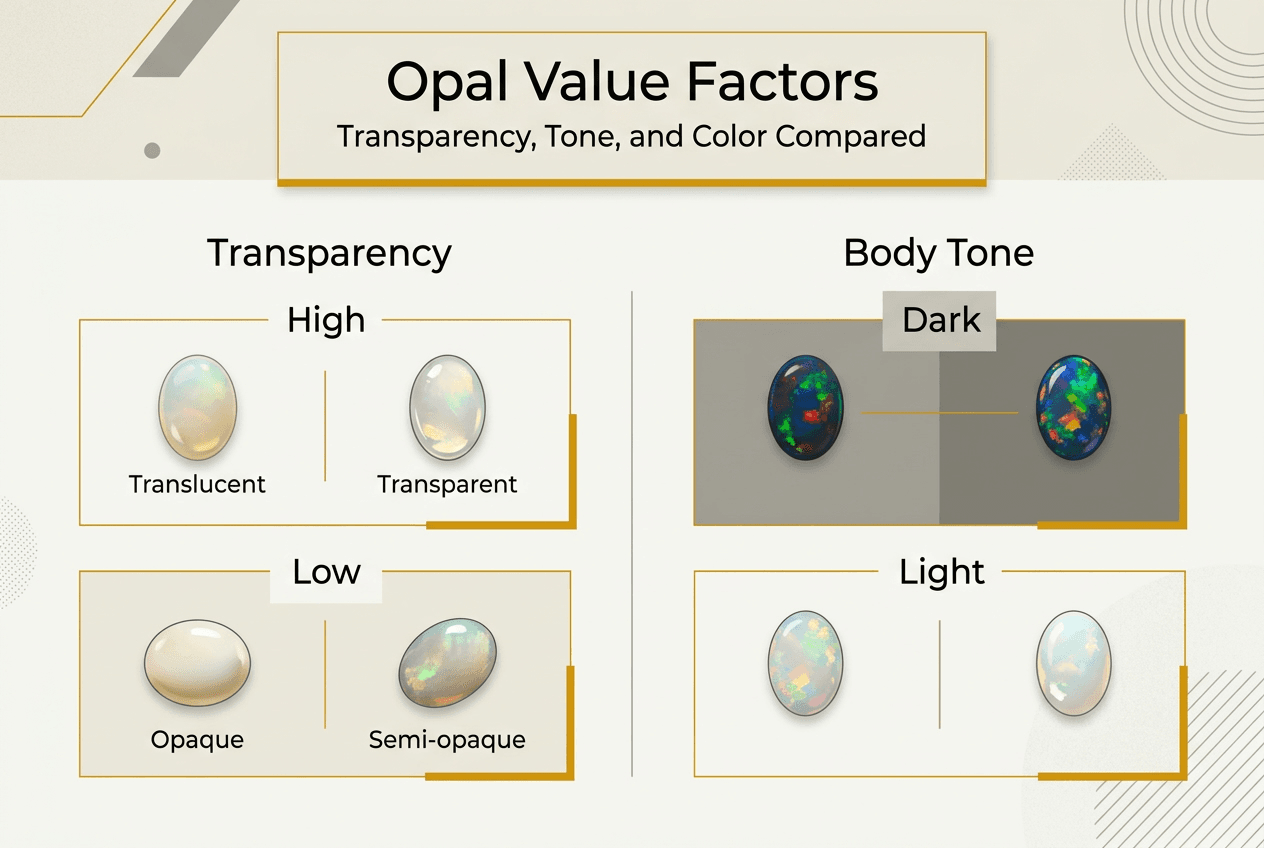
You should evaluate these three factors as an integrated system rather than isolated characteristics. A stone might score perfectly on transparency but disappoint on color intensity. Another might have moderate transparency but extraordinary color on a dark body tone that creates stunning visual impact. The complete picture of value factors requires assessing all elements together.
Understanding how opacity affects perception helps you recognize when a less transparent stone might actually suit your preferences better. Some collectors prefer the subtle mystery of a semi-transparent opal over the stark clarity of a crystal stone. Your personal aesthetic matters as much as market valuations when building a collection.
Practical tips for evaluating opal transparency when collecting and buying
Clarity assessment requires systematic inspection under controlled conditions. Start by examining the stone in bright, indirect natural light, which reveals true transparency without the color distortion of artificial lighting. Hold the opal against a white background to see how much light passes through and whether any cloudy areas block transmission.
Follow these steps to evaluate transparency effectively:
- Position the stone 6-8 inches from your eye under bright natural light
- Rotate the opal slowly to observe how light penetrates from different angles
- Look for dark spots, cloudy patches, or areas where color appears muted
- Compare the stone’s edges to its center, checking for consistent clarity
- Use a jeweler’s loupe to inspect for micro-inclusions near the surface
- Photograph the stone against both white and black backgrounds to document transparency
Inclusions manifest in various ways that affect transparency differently. Sand spots appear as tiny dark specks that block light in concentrated areas. Potch lines create bands of non-precious opal that interrupt color play. Crazing (fine surface cracks) scatters light before it can penetrate the stone. Each type of inclusion reduces value, but their impact varies based on size, location, and density.
Be cautious of treatments designed to enhance apparent transparency. Sugar and acid treatments can improve appearance temporarily by darkening body tone and creating the illusion of greater clarity. These treatments may compromise long-term stability, causing the stone to deteriorate over time. Always ask sellers directly about any treatments applied to the opal.
Warning signs of artificial enhancement include:
- Unusually dark body tone for the opal type and origin
- Perfect clarity that seems inconsistent with visible surface texture
- Color play that appears painted on rather than emanating from within
- Suspiciously low prices for apparently high-quality specimens
- Reluctance from sellers to provide treatment disclosure or certification
When purchasing significant pieces, request documentation from recognized gemological laboratories. Certifications should specify whether the stone is natural, treated, or synthetic. Reputable sellers provide this information transparently because they understand informed buyers make confident, satisfied customers.
The role of inclusions in craftsmanship becomes important when evaluating cut stones. Skilled cutters orient opals to minimize the visual impact of inclusions while maximizing color display. A well-cut stone with minor inclusions might outperform a poorly cut stone with perfect clarity. Consider the overall quality of the cabochon as part of your transparency assessment.
Develop your evaluation skills by examining many stones across different quality levels. Visit reputable dealers who encourage hands-on inspection and education. The more opals you examine personally, the better you will become at quickly assessing transparency and its interaction with other value factors.
Explore authentic Australian opals and expert guidance
Navigating the complexities of opal valuation becomes easier when you have access to genuine Australian specimens and expert knowledge. Australian Opal Direct offers a curated collection of earth-mined opals from Lightning Ridge, Coober Pedy, and Queensland, each piece selected for its authentic quality and documented provenance.
Our direct relationships with Australian miners ensure you receive stones that have been ethically sourced and accurately represented. Every opal comes with detailed information about its transparency characteristics, body tone, and play-of-color intensity, empowering you to make informed decisions aligned with the principles outlined in this guide. Whether you seek a crystal opal with exceptional clarity or a black opal with dramatic color contrast, our collection provides options across the transparency and value spectrum.
FAQ
What does opal transparency mean?
Transparency describes how much light passes through an opal’s body, ranging from completely opaque to fully transparent. Higher transparency allows light to penetrate deeper into the stone, interacting with internal structures to create a three-dimensional play-of-color effect. This depth enhances visual appeal and typically increases the stone’s value when combined with strong color and appropriate body tone.
Is a more transparent opal always more valuable?
Transparency contributes to value but does not guarantee it. Play-of-color intensity and body tone are equally crucial factors in determining worth. An opaque black opal with vibrant, broad-spectrum color can command higher prices than a transparent white opal with weak color play. The most valuable stones balance all three characteristics, with opacity playing a supporting role rather than determining value alone.
How can I tell if an opal’s transparency has been enhanced artificially?
Treatments like sugar and acid can temporarily improve transparency appearance by altering the stone’s structure. Ask sellers directly about any treatments applied and request certification from recognized gemological laboratories. Examine the stone under various lighting conditions and compare its appearance to documented natural specimens. Suspiciously perfect clarity combined with unusually low prices often indicates enhancement.
Why do black opals with high transparency command higher prices?
Dark body tone provides maximum contrast for play-of-color, making colors appear more vivid and saturated. When you add high transparency to this dark background, light penetrates deeply and creates dramatic three-dimensional color effects. This combination is geologically rare because the conditions that produce black body tone often introduce impurities that reduce transparency. The scarcity of stones that achieve both characteristics drives premium pricing, as explained in our comprehensive value factors guide.