Value Factors of Opal: What Drives Worth
Posted by AOD on 4th Feb 2026
Value Factors of Opal: What Drives Worth
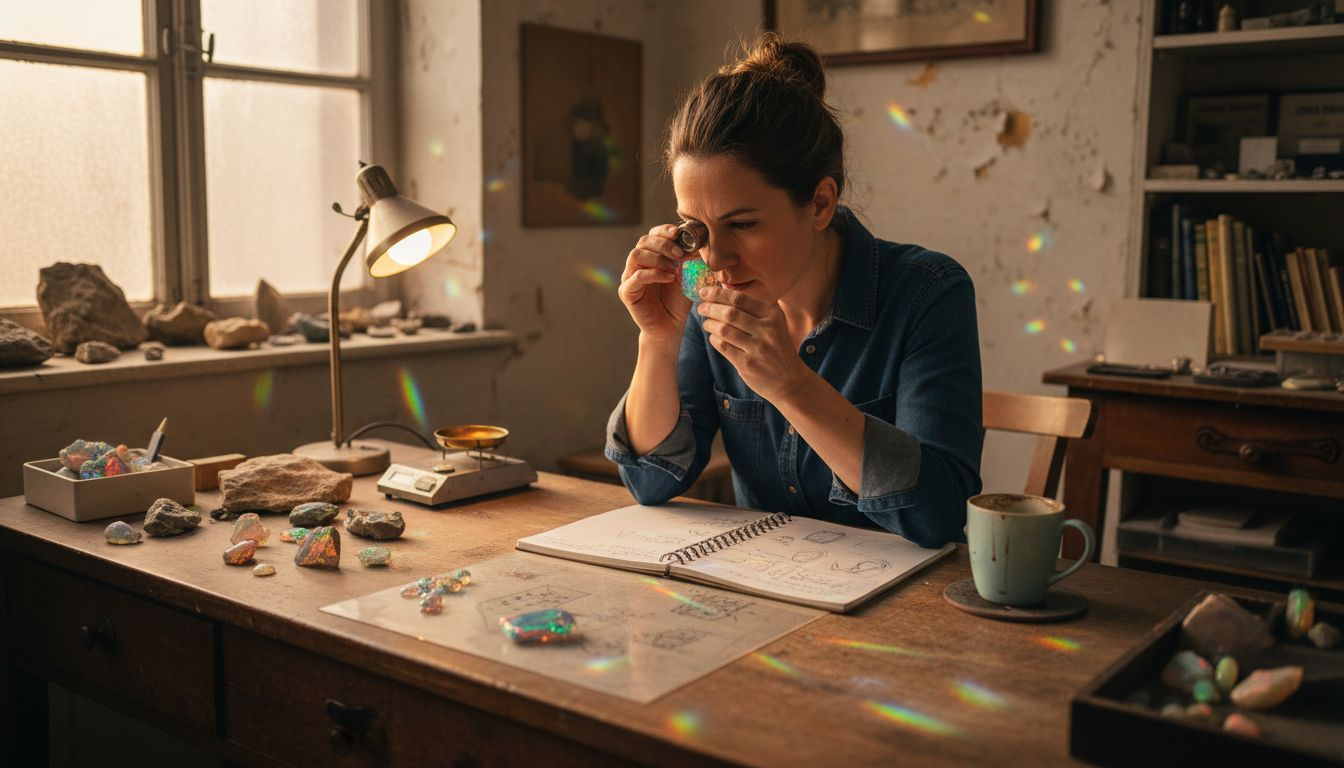
Choosing opals for a luxury collection is more than a search for beauty—it is an embrace of rich history, rare artistry, and bold individuality. Opals stand apart from other gemstones through their mesmerizing play-of-color and intricate origins, captivating collectors who appreciate meaningful provenance and stunning craftsmanship. With Australia leading the world in precious opal production, ethical sourcing and genuine regional characteristics set elite opals apart. Delving into opal myths and truths reveals new depth, empowering connoisseurs to recognize and value these remarkable natural wonders.
Table of Contents
- Defining Opal and Common Myths
- Types of Opal and Regional Differences
- Key Value Drivers: Color and Pattern
- The Role of Rarity and Provenance
- Importance of Cut, Clarity, and Size
- Common Mistakes When Valuing Opal
Key Takeaways
| Point | Details |
|---|---|
| Opal Myths | Many myths, such as opals bringing bad luck, have been debunked; modern perspectives recognize their value based on unique characteristics. |
| Opal Varieties | Opals come in multiple types, including Black, White, and Fire Opals, each with unique appearances and origins that influence their value. |
| Value Factors | The intrinsic value of opals is driven by color intensity, pattern uniqueness, and rarity, especially based on geographic source. |
| Evaluation Mistakes | Common valuation mistakes include overemphasizing base color and ignoring structural details; a holistic understanding is essential for accurate appraisal. |
Defining Opal and Common Myths
Opals are extraordinary gemstones known for their mesmerizing play of color and complex geological origins. Unlike traditional gemstones with consistent appearance, opals exhibit a unique optical phenomenon where multiple colors shimmer and dance across their surface, creating an almost mystical visual experience. These stunning stones are formed from silica spheres that have been compressed and hardened over millions of years, primarily in sedimentary rock formations.
The history of opals is deeply intertwined with myths and cultural perceptions that have dramatically shifted over centuries. While some historical narratives portrayed opals as unlucky or mystical, modern understanding reveals a far more nuanced appreciation for these remarkable stones. Opal Stone 101: History, Symbolism, and Uses provides deeper insights into these complex cultural narratives.
Several persistent myths have long surrounded opals, creating misconceptions about their value and characteristics:
- Luck Myth: Historically believed to bring bad luck, particularly after Sir Walter Scott’s 1829 novel portrayed them negatively
- Fragility Misconception: Often perceived as extremely delicate, when in fact high-quality opals can be quite durable
- Color Consistency Myth: Many believe opals always look the same, when they actually have incredibly diverse color patterns
- Origin Folklore: Some cultures believed opals were created from lightning strikes or divine tears
Understanding the true nature of opals requires moving beyond these mythological interpretations. Modern gemologists recognize opals as complex mineral formations with scientific and aesthetic significance far beyond superstitious beliefs. Their value stems from intricate formation processes, color intensity, and unique structural characteristics.
Here is a quick reference guide to common opal myths and their modern interpretations:
| Myth or Misconception | Historical Belief | Modern Perspective |
|---|---|---|
| Luck | Opals bring misfortune | No evidence of opals causing bad luck |
| Fragility | All opals are extremely delicate | Many are quite durable with proper care |
| Color Consistency | Opals always look the same | Opals display a wide range of colors |
| Origin | Created by lightning or divine events | Formed by complex geological processes |
Pro tip: When evaluating an opal, focus on its actual physical properties and color play rather than outdated superstitious narratives.
Types of Opal and Regional Differences
Opals represent a fascinating and diverse family of gemstones, characterized by their remarkable optical properties and regional variations. These extraordinary minerals are scientifically classified as a hydrated form of silica, with unique crystalline structures that contribute to their distinctive appearance and value. What Are the Different Types of Opal? offers comprehensive insights into the nuanced world of these captivating stones.
Globally, opals are categorized based on several critical characteristics that influence their market value and aesthetic appeal:
- White Opals: Characterized by a light body color with pastel play-of-color
- Black Opals: Featuring a dark body tone with vibrant color spectral displays
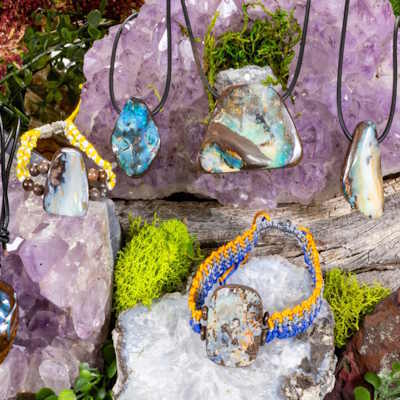
- Boulder Opals: Naturally attached to their host rock, creating unique matrix patterns
- Crystal Opals: Transparent or semi-transparent with exceptional color play
- Fire Opals: Known for intense orange, red, and yellow hues
- Fossil Opals: Rare formations created through mineral replacement of organic materials
Regional differences play a significant role in opal production and characteristics. Australia dominates the global precious opal market, with specific regions renowned for distinctive varieties:
- Lightning Ridge, Australia: Produces the world’s most prized black opals
- Queensland, Australia: Known for exceptional boulder opals
- Mexico: Famous for vibrant fire opals with intense red and orange tones
- Ethiopia: Emerging source of stunning crystal and black opals
- United States: Contains smaller opal deposits in Nevada and Oregon
The geological conditions and mineral compositions of each region directly influence the unique characteristics and value of opal formations.
Understanding these regional nuances is crucial for collectors and investors seeking to appreciate the true complexity of these remarkable gemstones. Each opal tells a geological story, reflecting millions of years of environmental processes and mineral transformations.
The following table compares major opal varieties by their main features and sources:
| Opal Type | Appearance Highlights | Notable Source Region |
|---|---|---|
| Black Opal | Dark body, vivid color play | Lightning Ridge, Australia |
| Boulder Opal | Color in host rock matrix | Queensland, Australia |
| Fire Opal | Intense orange to red hues | Mexico |
| Crystal Opal | Transparent, vibrant colors | Ethiopia, Australia |
| White Opal | Light background, pastel hues | Coober Pedy, Australia |
Pro tip: When evaluating opals, consider not just the color and transparency, but also the specific regional origin which can significantly impact the stone’s overall value and rarity.
Key Value Drivers: Color and Pattern
Opals are extraordinary gemstones defined by their breathtaking play-of-color, a mesmerizing optical phenomenon that transforms these minerals into living, dynamic works of art. The interaction between microscopic silica spheres creates a spectacular light display that determines an opal’s intrinsic value and collector appeal. What Are the Different Types of Opal? provides deeper insights into the complex world of these remarkable stones.
The most critical factors influencing an opal’s value are its color characteristics, which can be broken down into several key components:
- Color Intensity: The vibrancy and saturation of colors displayed
- Color Range: Number of distinct colors visible within the stone
- Color Distribution: How evenly colors are spread across the gem
- Dominant Color: Rarity of specific hues, with red being the most valuable
- Background Tone: The base color that provides context for the play-of-color
Opal patterns represent another crucial valuation element, with certain configurations being significantly more desirable:
- Broad Flash Pattern: Large, sweeping color movements considered extremely valuable
- Rolling Fire Pattern: Dynamic color shifts that create a sense of movement
- Pinfire Pattern: Small, discrete color points with intricate detail
- Harlequin Pattern: Rare, mosaic-like color arrangement highly prized by collectors
- Ribbon Pattern: Structured, linear color distributions
The most exceptional opals display a combination of intense color, remarkable pattern, and dynamic light interaction that captivates even seasoned gemstone experts.
Understanding these nuanced value drivers requires a sophisticated approach to evaluating opals. The interplay between color, pattern, and light creates a unique signature for each stone, making every opal a singular masterpiece of natural artistry.
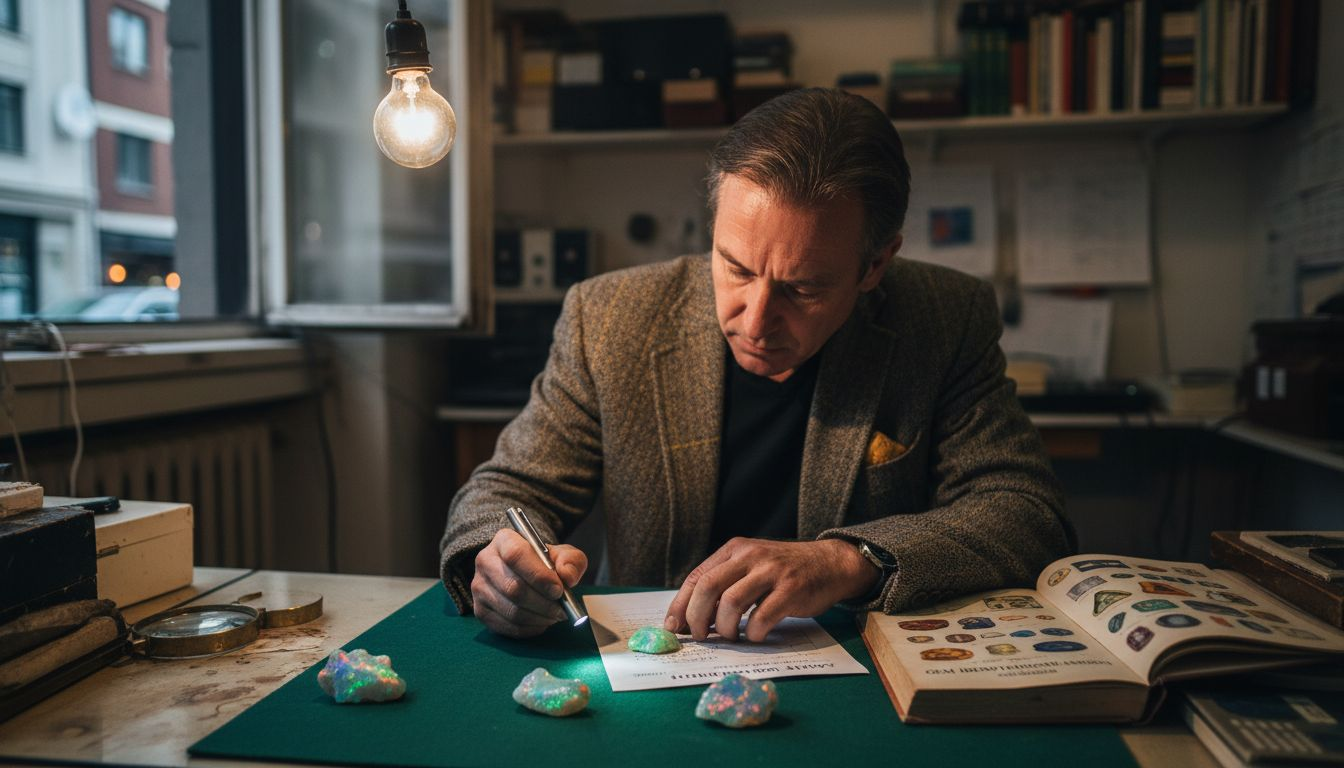
Pro tip: Always examine opals under multiple light sources to fully appreciate their complex color dynamics and potential value.
The Role of Rarity and Provenance
Rarity transforms opals from mere gemstones into extraordinary collectors’ treasures, with geographic origin and unique characteristics driving their intrinsic value. Opals From Australia vs. Other Regions: True Value Unveiled delves deeper into the nuanced world of geographical significance in opal valuation.
The rarity of exceptional opals is staggeringly precise, with critical factors including:
- Geographical Concentration: Primarily centered in Australian mining regions
- Color Complexity: Less than 5% of mined opals display premium play-of-color
- Size Limitations: Large, high-quality stones are exponentially rarer
- Pattern Uniqueness: Specific color configurations that occur infrequently
- Geological Formation: Complex mineral conditions required for exceptional stones
Provenance emerges as a pivotal value determinant, with certain regions commanding premium pricing:
- Lightning Ridge, Australia: Renowned for black opals with extraordinary color intensity
- Coober Pedy, Australia: Known for crystal and white opals of exceptional quality
- Ethiopian Wollo Region: Emerging source of remarkable crystal and black opals
- Mexican Fire Opal Regions: Specialized in vibrant, intense orange-red stones
- Nevada, United States: Small but significant source of unique opal varieties
The geological narrative of an opal’s origin can dramatically amplify its collector value, transforming a beautiful stone into a geological artifact with a compelling story.
Understanding rarity requires more than surface-level assessment. It demands a sophisticated appreciation of geological complexity, color dynamics, and the intricate processes that create these mesmerizing gemstones.
Pro tip: Always request detailed provenance documentation when investing in high-value opals to verify their authentic geographic origin and potential worth.
Importance of Cut, Clarity, and Size
Opals represent a unique gemstone category where cut, clarity, and size interplay in complex ways that distinguish them from traditional faceted stones. Understanding the Difference Between Opal Doublets vs. Opal Triplets offers additional insights into the nuanced world of opal evaluation.
The critical factors influencing an opal’s cut and presentation include:
- Cabochon Cutting: Preferred method to maximize play-of-color
- Dome Height: Impacts light reflection and color display
- Surface Symmetry: Influences overall visual appeal
- Thickness: Determines stone durability and color intensity
- Orientation: Maximizes the most vibrant color zones
Clarity assessment for opals involves unique considerations:
- Transparency Levels
- Crystal Opals: Highly transparent with exceptional light penetration
- Milky Opals: Partially translucent with softer color displays
- Opaque Opals: Solid body with distinct color patterns
- Inclusion Evaluation
- Acceptable Inclusions: Natural minerals that don’t compromise structure
- Problematic Inclusions: Cracks, cloudiness, or structural weaknesses
- Surface Characteristics
- Smooth Finish: Enhances light interaction
- Minor Imperfections: Can add unique character
An exceptional opal balances cut precision, remarkable clarity, and strategic size to create a truly extraordinary gemstone.
Size remains a critical factor, with larger stones commanding premium prices. However, size alone does not guarantee value - the interplay of color, pattern, and overall quality ultimately determines an opal’s true worth.
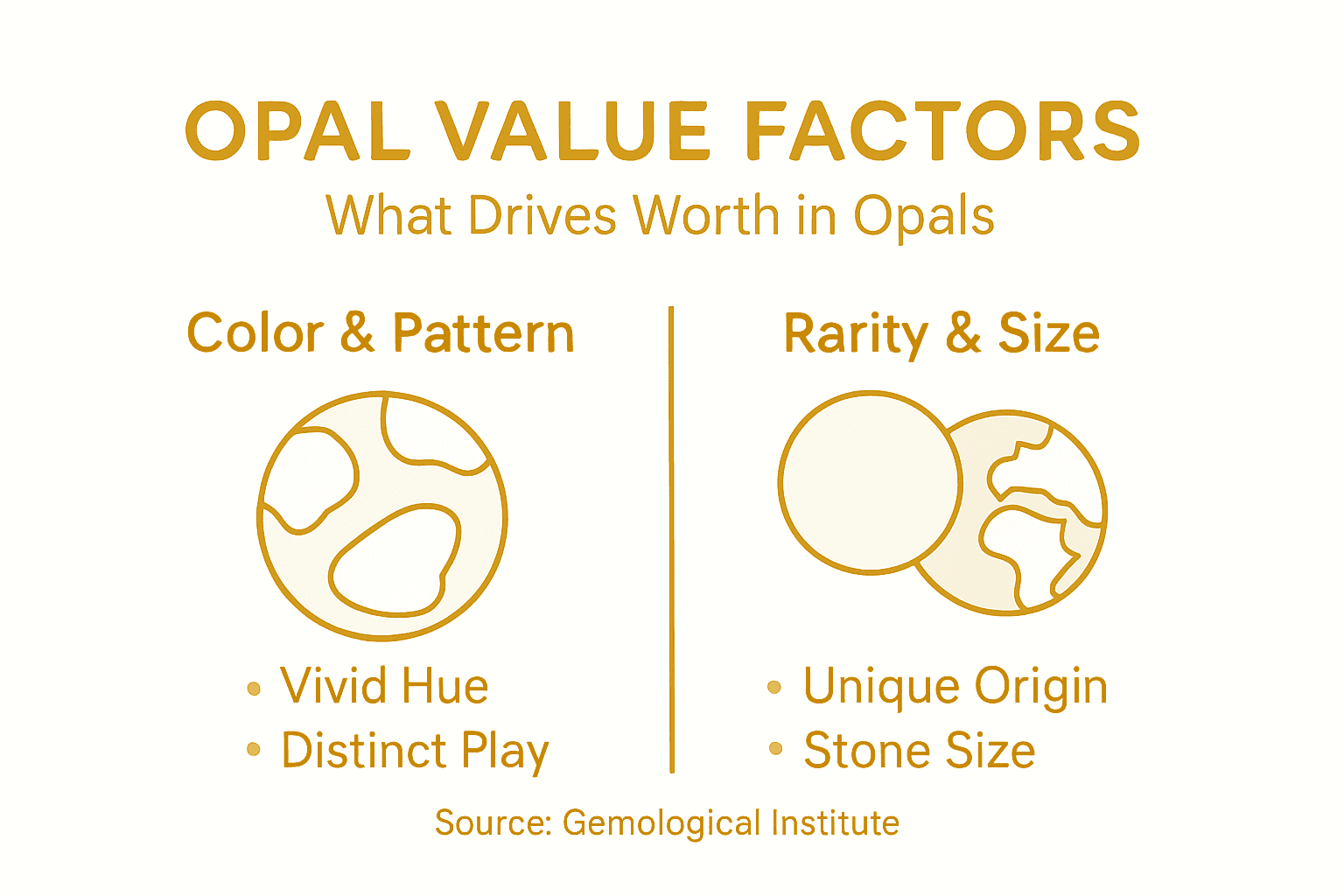
Pro tip: When evaluating opals, prioritize overall quality over mere size, examining how cut and clarity enhance the stone’s natural color display.
Common Mistakes When Valuing Opal
Valuing opals requires a sophisticated understanding that extends far beyond surface-level observations. What Affects Opal Value – Insights for Collectors provides critical context for navigating the complex world of opal appraisal, highlighting the nuanced factors that determine true worth.
The most prevalent mistakes collectors and investors make when evaluating opals include:
- Color Misinterpretation: Focusing solely on base color without evaluating play-of-color
- Synthetic Stone Confusion: Failing to distinguish between natural and laboratory-created opals
- Overly Simplistic Valuation: Neglecting subtle factors like body tone and pattern complexity
- Durability Misconceptions: Underestimating the delicate nature of certain opal varieties
- Treatment Ignorance: Not recognizing or understanding potential stone enhancements
Detailed breakdown of critical valuation errors reveals multiple layers of potential misjudgment:
- Color Evaluation Mistakes
- Overemphasizing single color dimensions
- Ignoring color distribution and intensity
- Misunderstanding how body tone impacts color perception
- Authenticity Challenges
- Inability to detect synthetic substitutions
- Overlooking subtle treatment indicators
- Misinterpreting complex geological formations
- Structural Assessment Errors
- Undervaluing cut and clarity nuances
- Neglecting potential internal structural weaknesses
- Misinterpreting inclusion characteristics
Professional opal valuation demands a holistic approach that considers geological origin, optical properties, and intricate structural details.
Most collectors underestimate the complexity of opal valuation, treating these extraordinary gemstones as simple commodities rather than complex natural phenomena with unique individual characteristics.
Pro tip: Always consult multiple expert sources and request comprehensive documentation when evaluating high-value opals to mitigate potential valuation errors.
Discover and Invest in Authentic Australian Opals with Confidence
Navigating the complex world of opal valuation means understanding color intensity, pattern rarity, provenance, and cut quality. These factors can be challenging when you want to ensure your gemstone is truly exceptional and a worthy investment. Whether you are a seasoned collector or a passionate enthusiast, securing a premium opal that embodies natural beauty and verified origin is essential to avoid common valuation pitfalls.

Explore our curated selection at Australian Opal Direct where every stone is ethically sourced from iconic Australian regions like Lightning Ridge and Coober Pedy. Benefit from our direct miner relationships and expert craftsmanship showcased in our custom-designed opal jewelry collections. Take the next step toward owning an opal that reflects both stunning natural artistry and verified provenance. Visit us today and experience trust, quality, and rarity all in one place.
Frequently Asked Questions
What are the main factors that influence the value of opal?
The value of opal is primarily influenced by color characteristics, pattern uniqueness, rarity, cut, clarity, and size. Each of these elements plays a crucial role in determining the stone’s overall worth.
How does the play-of-color affect the value of an opal?
The play-of-color is a mesmerizing optical phenomenon that significantly impacts an opal’s value. Factors such as color intensity, color range, and distribution of colors all contribute to how appealing and valuable an opal can be.
What are the common mistakes to avoid when valuing opal?
Common mistakes include misinterpreting color, confusing synthetic with natural stones, oversimplifying valuation by ignoring subtle factors, and underestimating the importance of clarity and cut. It’s important to consider all aspects of an opal to accurately assess its value.
How do different opal types vary in value?
Different opal types, such as black opals, boulder opals, and fire opals, vary significantly in value based on their unique characteristics, including color quality, patterns, and rarity. The rarity of specific types also greatly influences their market worth.
Recommended
- How Opal Value Is Determined: Insights for Collectors - Australian Opal Direct
- Opal Stone 101: History, Symbolism, and Uses - Australian Opal Direct
- Opal Value Explained: A Complete Collector’s Guide - Australian Opal Direct
- Valeur émotionnelle des opales : histoire, symboles et impact - Australian Opal Direct