How Opal Value Is Determined: Insights for Collectors
Posted by AOD on 21st Jan 2026
How Opal Value Is Determined: Insights for Collectors
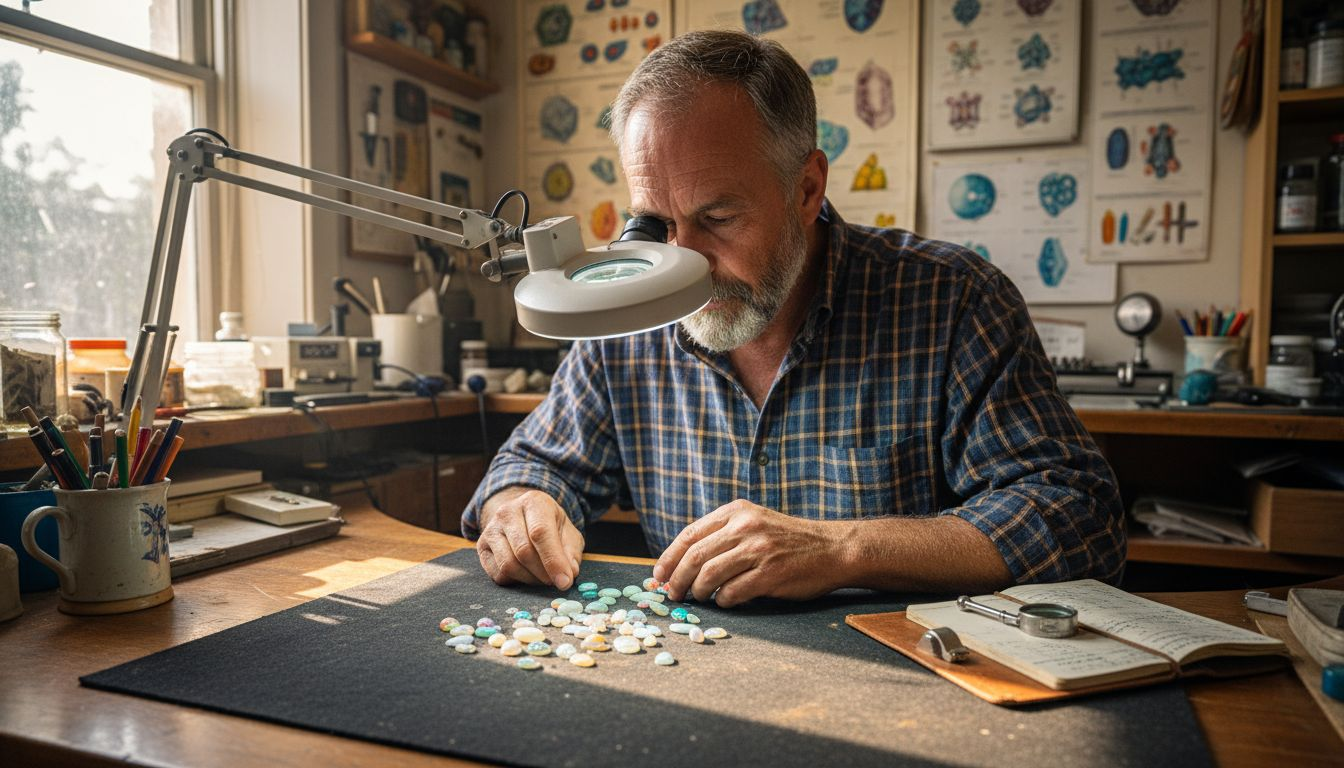
What makes one opal stand out among the rest in the eyes of discerning collectors and jewelry designers worldwide? For those who appreciate genuine Australian opals, separating fact from fiction is essential when sourcing stones for high-end creations. Myths about bad luck and confusion over what truly determines quality often cloud decision-making. By focusing on authenticity, ethical sourcing, and the measurable traits that signal real value, you can confidently select opals reflecting both artistry and integrity.
Table of Contents
- Defining Opal Value And Common Myths
- Types Of Australian Opals And Key Differences
- Core Factors That Influence Opal Pricing
- Role Of Origin And Ethical Sourcing
- Avoiding Valuation Pitfalls And Misconceptions
Key Takeaways
| Point | Details |
|---|---|
| Opal Value Determinants | Opal value is primarily based on characteristics such as body tone, play of color, pattern, brightness, and durability. Understanding these factors is essential for making informed purchasing decisions. |
| Myths and Superstitions | Superstitions about opals, particularly the idea that they bring bad luck, can mislead collectors and affect market demand. Recognizing these myths allows for more objective valuation. |
| Types of Australian Opals | Australia produces varied opal types, including black, white, crystal, and boulder opals, each with distinct characteristics influencing their market value. Knowing these differences is crucial for collectors and designers. |
| Ethical Sourcing | The origin of an opal impacts its value, and purchasing directly from miners ensures authenticity and ethical practices. Always seek documentation about an opal’s provenance for informed investments. |
Defining Opal Value and Common Myths
When you hold a genuine Australian opal, you’re experiencing something that has captivated collectors, jewelers, and cultures for thousands of years. But what actually determines its value? The answer involves understanding both tangible qualities like color play and body tone, as well as recognizing the myths that have clouded opal appreciation for centuries. Many collectors unknowingly let superstitions influence their purchasing decisions, which can lead to passing on exceptional pieces or overpaying for inferior stones based on misconceptions rather than actual worth.
The value of an opal fundamentally rests on several measurable characteristics that gemologists and experienced collectors evaluate. Body tone refers to the darkness or lightness of the opal’s background color, with darker opals commanding higher prices because their play of color appears more vivid. Play of color represents the visible light flashes and color patterns within the stone, determined by the arrangement of microscopic silica spheres. The more vibrant, varied, and widespread these color flashes, the more valuable the opal becomes. Pattern describes how these colors are distributed across the stone, whether in broad sweeps, pinpoint dots, or distinctive designs like rolling waves or harlequin patterns. Brightness indicates how intense the color displays are, while durability considers factors like inclusions, cracks, or thin vulnerable layers that affect how safely the opal can be worn in jewelry. Understanding how opal value is determined through these specific criteria prevents you from being swayed by appearance alone.
Now let’s address the elephant in the room: the superstition surrounding opals. Many people believe opals bring bad luck, a notion so pervasive that some jewelry designers and collectors avoid them entirely. This myth largely originated not from ancient civilizations but from 19th century literature that promoted the idea of opal misfortune. The actual historical record tells a different story. Ancient Romans, Greeks, and Arab cultures viewed opals as symbols of hope, love, protection, and prophecy. The very name “opal” comes from the Sanskrit word “upala,” meaning precious stone, reflecting its revered status across multiple cultures. Aboriginal traditions speak of opals being formed by the Creator’s footsteps bringing color to the earth. What modern collectors often fail to realize is that superstitions became weaponized during the Victorian era when diamond merchants sought to reduce competition from opals, deliberately spreading negative stories to diminish demand.
The confusion between genuine opal characteristics and invented superstitions creates real obstacles for serious collectors. A stunning dark opal with a brilliant play of color has inherent value based on its geological formation and optical properties, not on fictional curses. Similarly, treating opals as fragile objects to avoid rather than as wearable jewelry pieces prevents you from enjoying them properly. Yes, opals do require care. They contain water and shouldn’t be subjected to extreme heat or prolonged drying. But this scientific reality about their composition is entirely separate from superstition. For jewelry designers creating high end pieces, dismissing opals due to bad luck folklore means missing access to unique gemstones that offer unmatched visual impact. The value proposition of genuine Australian opals lies in their rarity, their distinctiveness, and the craftsmanship required to work with them effectively.
When evaluating opal value, separate the science from the story. Examine the actual play of color, assess the body tone against light sources, consider the pattern distribution, and evaluate the stone’s structural integrity. These factors determine what you should pay. Superstitions don’t change how an opal looks or performs. They don’t affect its durability compared to other gemstones. What they do affect is market psychology and availability, which paradoxically means some of the most beautiful opals on the market may be undervalued simply because outdated myths continue to influence purchasing behavior. This creates genuine opportunity for informed collectors who understand the difference between folklore and geology.
To clarify the major qualities influencing opal value, see the summary below:
| Attribute | How It Affects Value | Typical Range in Opals |
|---|---|---|
| Body Tone | Darker tones increase price | White, Light, Crystal, Black |
| Play of Color | More vibrant colors increase value | Faint to vivid, spotty to broad |
| Pattern | Unique, rare patterns are valued | Pinpoint, Harlequin, Rolling Flash |
| Brightness | Intense brightness is preferred | Dull, Moderate, Brilliant |
| Durability | Fewer cracks or inclusions boost value | Fragile to robust |
Pro tip: When evaluating an opal’s value, request documentation of its body tone classification and origin region, then examine the piece under both daylight and incandescent light sources to see how the play of color shifts in different conditions, which is the most honest assessment of its true worth.
Types of Australian Opals and Key Differences
Australia produces approximately 95 percent of the world’s precious opals, and within those mines lie several distinct types that fundamentally differ in appearance, composition, and value. For collectors and jewelry designers sourcing genuine pieces, understanding these categories is essential because each type performs differently in jewelry applications and commands different market prices. The three primary categories are black opals, white opals, and crystal opals, each with unique characteristics that emerge from the specific geological conditions of their mining regions. Additionally, boulder opals represent a fourth significant category where opals form naturally within host rock. Knowing these distinctions prevents costly mistakes when purchasing and helps you select the right opal for your specific design vision.
Black opals come exclusively from Lightning Ridge in New South Wales and represent the most valuable and sought after category in the opal world. They feature a dark body tone, typically ranging from dark gray to jet black, which creates extraordinary contrast that makes their play of color appear intensely vivid and brilliant. When you examine a black opal, the color flashes seem to jump off the stone because the dark background amplifies the light refraction. This is why collectors often pay premium prices for black opals with strong color patterns. White opals originate primarily from Coober Pedy in South Australia and represent the largest volume of commercial opal production. These stones have a light cream to white body tone, giving them a more delicate appearance than black opals. Their play of color tends to be gentler and more diffuse because the light background doesn’t create the same dramatic contrast. White opals are excellent for jewelry designers seeking versatility in design because their lighter appearance coordinates easily with various metal choices and complementary gemstones. Crystal opals, found across multiple Australian regions including Queensland and New South Wales, are transparent to translucent with a glass like quality. Their distinctive feature is that you can see light passing through the stone itself, creating color play from both the surface and within the body of the opal. Crystal opals offer designers remarkable dimensional possibilities because light interacts with them differently than opaque varieties.
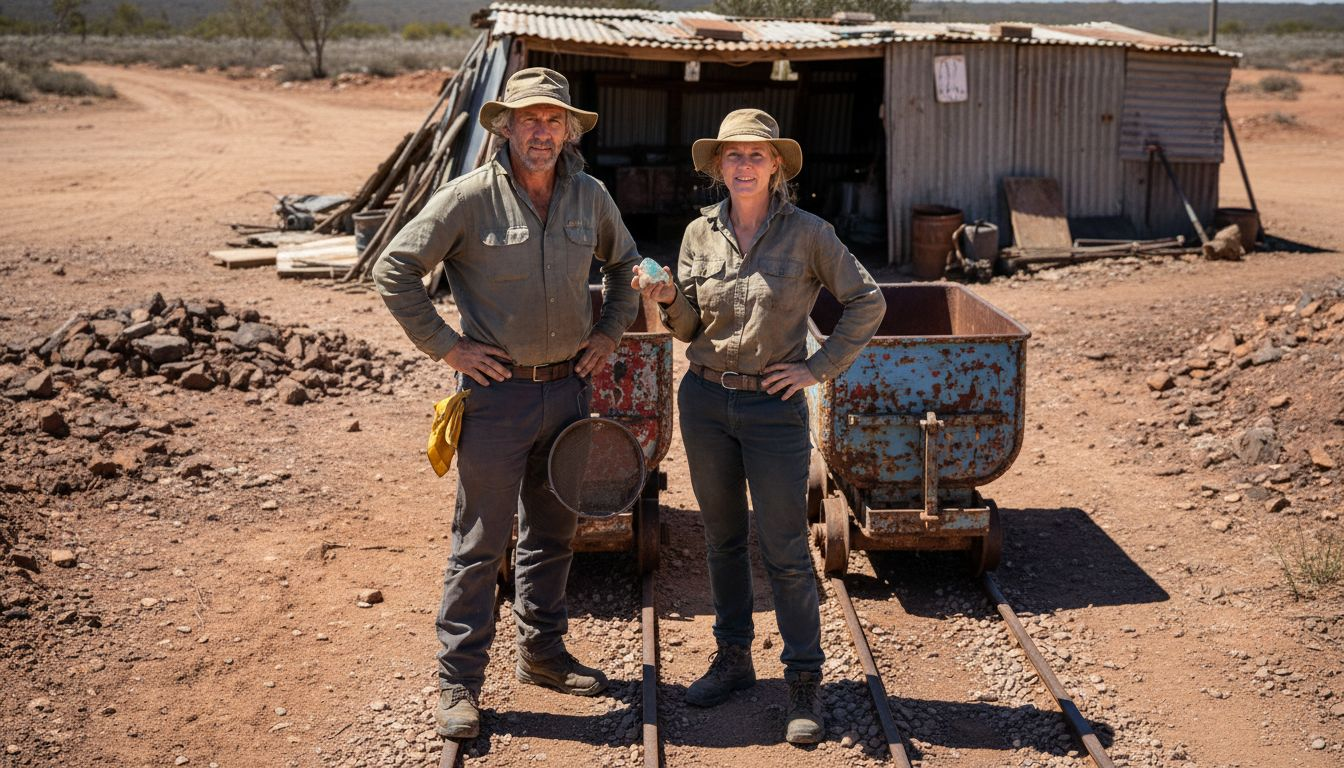
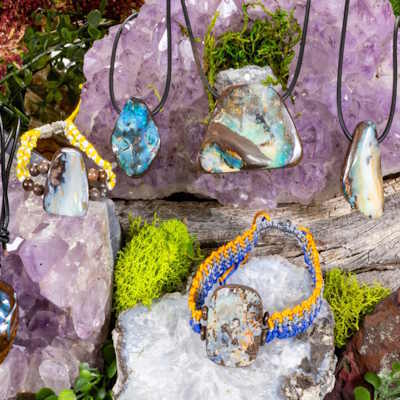
Boulder opals occur when opal naturally forms within the host ironstone rock, and they’re primarily sourced from Queensland’s fields. In this case, the stone remains attached to or partially embedded in the original host material, which becomes part of the finished piece. Jewelry designers often appreciate boulder opals because the host rock provides natural backing and structural support, making them inherently more durable for certain applications. The contrast between the dark ironstone and the opal’s color play creates a distinctive aesthetic that cannot be replicated with other opal types. Understanding how different Australian opal types vary in their geological origins and characteristics helps you evaluate authenticity when making purchases.
Each type also performs differently depending on the specific mining region and depth of extraction. Lightning Ridge black opals are renowned for their saturation and brightness of color, while Coober Pedy white opals tend to showcase broader, flowing color patterns. Queensland opals, whether crystal or boulder varieties, often display distinctive pinpoint and rolling flash patterns that collectors find exceptionally attractive. When you’re evaluating opals for a commission or personal collection, consider how the opal type aligns with your aesthetic goals and the jewelry application. A black opal might be the perfect centerpiece for a statement ring where its drama matters, while a white opal could be ideal for a delicate pendant where its lighter tone maintains grace and subtlety. Boulder opals work beautifully in modern designer pieces where the natural host rock becomes an intentional design element rather than something to hide.
The value differences between types are substantial. Black opals command the highest prices due to their rarity and visual impact, typically ranging from hundreds to thousands of dollars per carat for quality stones. White opals are considerably more affordable, usually costing a fraction of black opal prices while still offering genuine beauty and durability. Crystal opals fall somewhere between, with pricing dependent heavily on the transparency quality and color saturation. Boulder opals vary widely based on the proportion of opal to host rock and the quality of the color play visible in the stone. For jewelry designers building a collection or acquiring stones for client projects, this price spectrum means you can source exceptional Australian opals at various investment levels without compromising on authenticity or quality.
Pro tip: When comparing Australian opals of different types, view each stone under consistent lighting conditions such as daylight-balanced LEDs, since black opals will appear dramatically different under warm incandescent light compared to crystal opals, which can help you make authentic comparisons rather than relying on in store lighting that may distort perception.
This table helps you quickly compare the major types of Australian opals:
| Opal Type | Appearance | Mining Region | Value Trend |
|---|---|---|---|
| Black Opal | Dark body, vivid colors | Lightning Ridge | Highest per carat |
| White Opal | Pale, gentle colors | Coober Pedy | Most affordable |
| Crystal Opal | Transparent, dimensional color | Multiple regions | Moderate to high |
| Boulder Opal | Host rock visible, strong contrast | Queensland | Wide value range |
Core Factors That Influence Opal Pricing
Opal pricing isn’t determined by a single characteristic or a simple formula. Instead, collectors and jewelry designers need to understand how multiple factors work together to establish market value. Think of opal pricing like a weighting system where each element contributes differently to the final price. A stone might excel in one category but fall short in another, and experienced buyers recognize how these trade offs affect what they should realistically pay. The key is understanding which factors carry the most weight in the market and how to evaluate them objectively rather than emotionally.
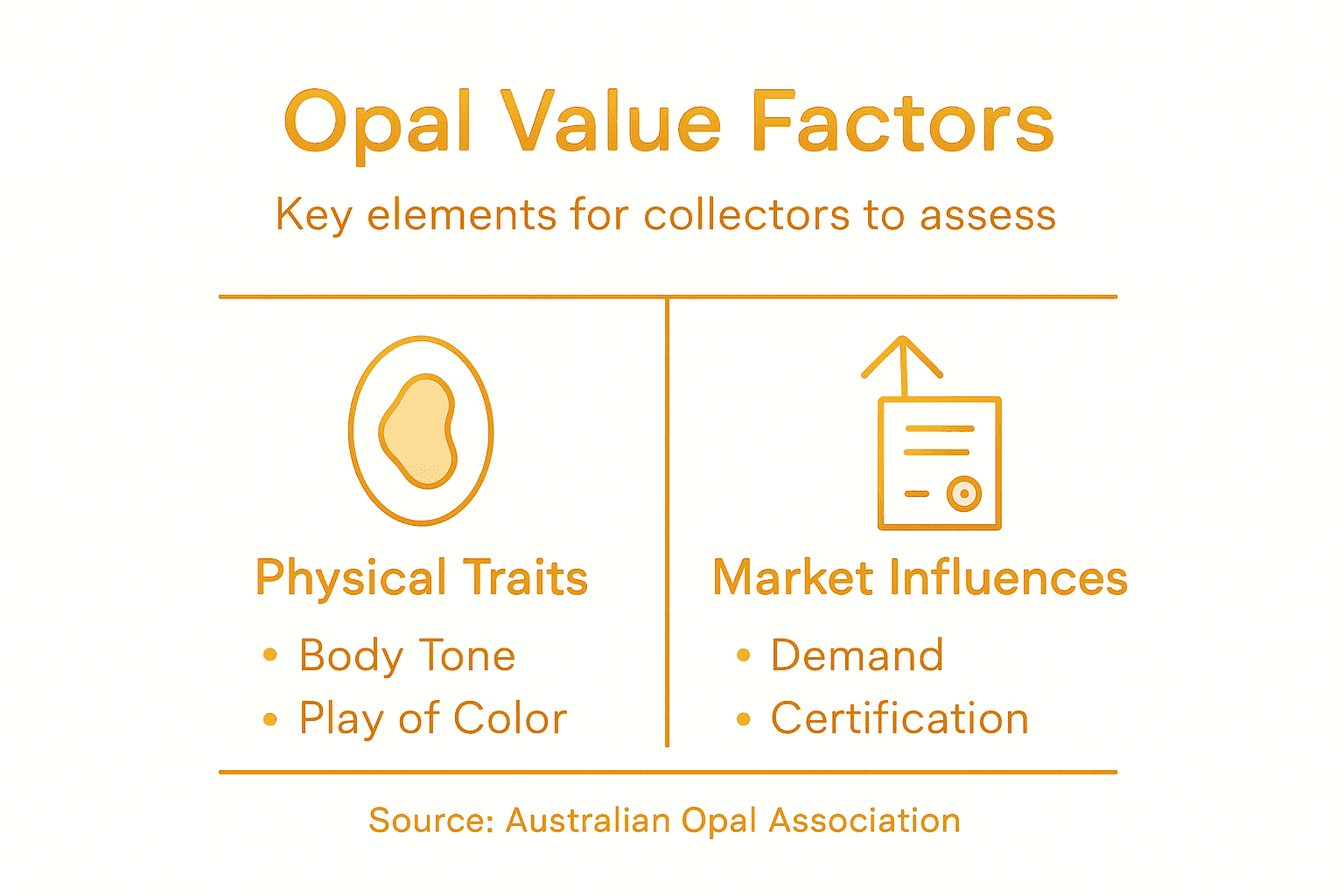
The most influential pricing factor is play of color, which encompasses both the range of colors present and their intensity and distribution across the stone. An opal displaying a full spectrum of vibrant colors that cover most of the visible surface commands significantly higher prices than one showing limited color in a small area. When evaluating play of color, consider the brightness of the color flashes, the pattern they create, and the saturation or purity of each hue. A stone with pinpoint color in restricted areas might be affordable, while one with rolling waves of brilliant color across the entire face could cost ten times as much. Body tone serves as the second major pricing factor and works in conjunction with play of color to determine overall value. Darker body tones amplify color visibility, which is why black opals command premium prices despite their rarity, while white opals with identical color patterns cost considerably less due to their lighter background. The interaction between these two factors creates the visual hierarchy that collectors use when making purchasing decisions. Size and weight matter more for opals than many people expect because larger stones with consistent quality become exponentially rarer. A two carat stone with excellent color play might cost three times more than a one carat stone of similar quality, reflecting both scarcity and the enhanced visual impact of a larger piece.
Durability and structural integrity form a critical pricing foundation that collectors often overlook until problems emerge. Opals containing visible fractures, thin windows, or internal inclusions command lower prices because they require special care and may become unwearable over time. A stone that appears visually stunning but has structural vulnerabilities represents a poor investment compared to a slightly less colorful stone with solid integrity. Origin and provenance increasingly influence pricing, particularly for collectors valuing authenticity and ethical sourcing. Lightning Ridge black opals from New South Wales, Coober Pedy white opals from South Australia, and Queensland boulder opals each carry distinctive market premiums based on their reputation for specific color characteristics and durability. When you’re purchasing through direct miner relationships, understanding how specific pricing factors affect the cost and value of opals prevents you from confusing regional prestige with actual quality differences.
Market demand and collector trends also shape pricing in ways that differ from traditional gemstones. Certain color combinations become fashionable, causing prices for stones displaying those hues to increase temporarily. Similarly, collector preference shifts between body tone categories affect prices at any given time. Historical pricing data shows that preferences rotate between preferring black opals for their drama and white opals for their versatility. Understanding this market psychology helps you make purchases based on intrinsic value rather than temporary trends. A white opal that seems undervalued compared to similar black opals might represent genuine opportunity, or it might reflect current market preference that will persist. Experienced collectors develop a sense for these distinctions by examining comparable sales and tracking how prices shift across different opal categories over time.
Certification and documentation add tangible value to opal purchases, particularly for high end pieces destined for important collections or client commissions. A stone accompanied by professional gemological assessment carries more certainty regarding its characteristics and structural stability. For jewelry designers commissioning custom pieces, this documentation protects both their reputation and their clients’ investment. Sellers offering transparent information about body tone classification, color pattern description, and any treatments or enhancements are asking appropriate prices that reflect the stone’s true market position. Conversely, vague descriptions or refusal to provide detailed information should raise questions about whether a seller understands their product or has something to hide.
Pro tip: When evaluating opal prices from different sources, create a comparison spreadsheet listing body tone, color pattern type, approximate coverage percentage, and origin for each stone, then divide the asking price by your subjective rating of color play quality to identify which stones offer genuine value rather than relying on instinctive appeal alone.
Role of Origin and Ethical Sourcing
When you purchase an opal, you’re not just acquiring a beautiful gemstone. You’re participating in a supply chain that extends from remote Australian mining regions through cutters, dealers, and eventually to your hands. The origin of your opal and how it was sourced fundamentally affects its value, authenticity, and your ability to wear it with confidence. For jewelry designers and collectors committed to ethical practices, understanding this supply chain isn’t optional. It’s essential to knowing exactly what you own and ensuring your purchasing decisions align with your values. The difference between an opal sourced directly from a miner versus one passing through multiple middlemen can affect both price and provenance documentation.
Australian opals derive from three primary mining regions, each with distinct geological characteristics and associated market premiums. Lightning Ridge in New South Wales produces the world’s finest black opals, known for their saturation, brightness, and the dark body tone that creates dramatic color play. These stones command the highest prices in the market, partly because of their genuine rarity and quality, but also because Lightning Ridge has cultivated a reputation spanning generations. Coober Pedy in South Australia accounts for the largest volume of precious opal production and specializes in white opals characterized by their lighter body tones and often broader, flowing color patterns. Coober Pedy opals offer excellent value for collectors seeking quality gemstones without the premium pricing of black opals. Queensland produces both crystal opals and boulder opals, with distinctive pinpoint and rolling flash patterns that appeal to collectors and designers seeking unique aesthetic qualities. Each region’s opals have traveled through different hands before reaching retail channels, and understanding this journey matters for determining authenticity and fair pricing.
Ethical sourcing begins with knowing whether your opal was extracted through responsible mining practices that respect both workers and the environment. Earth mined opals represent a genuine alternative to lab created or treated stones, but only when they come from legitimate mining operations that follow proper safety protocols and environmental standards. Direct miner relationships eliminate multiple layers of intermediaries who add markup without adding value or transparency. When you purchase opals from sellers with documented direct miner connections, you receive several advantages. First, you get more accurate information about the stone’s true characteristics because communication remains direct rather than filtered through multiple translations and interpretations. Second, you often pay fairer prices because markup layers disappear. Third, you can verify that the opal actually came from the claimed region and wasn’t misrepresented to command higher prices. The Australian Opal Direct model of maintaining relationships with earth mined opal producers ensures that each stone comes with authentic provenance and transparent sourcing information.
Beyond mining practices, ethical sourcing encompasses fair compensation for workers and sustainable environmental management. Legitimate opal miners invest in proper equipment, safety measures, and fair wages for their teams. They work toward minimizing environmental disruption and managing water usage responsibly in arid mining regions. When you choose opals sourced through ethical channels, you’re supporting these practices rather than funding operations that exploit workers or damage landscapes. This matters because the gemstone industry historically has struggled with labor exploitation and environmental concerns. Opals offer a meaningful alternative because Australia’s mining operations are subject to strict regulations and transparent supply chains that most collectors can actually verify. You can ask specific questions about mining conditions, worker treatment, and environmental practices, and legitimate sellers can provide substantive answers backed by documentation.
Authenticity verification becomes significantly easier when origin and ethical sourcing are transparent. Treated opals, synthetic stones, and opals from uncertain origins often command artificially low prices because sellers cannot document their provenance convincingly. Conversely, genuine earth mined opals with clear documentation about their mining region, extraction method, and supply chain history command appropriate market prices that reflect their true value. For collectors building serious collections or jewelry designers commissioning high end pieces, this documentation protects your investment and your professional reputation. When a client asks where their custom opal pendant came from, you need to provide confident, truthful answers supported by actual evidence. This level of transparency separates premium sources from casual dealers who may not fully understand their inventory or its origins.
The investment value of opals improves significantly when they come with documented provenance and ethical sourcing certification. Collectors purchasing for future appreciation need stones they can confidently sell or authenticate decades from now. A black opal with documentation showing Lightning Ridge origin, direct miner sourcing, and ethical extraction practices retains value far better than an identical looking stone purchased without these verifications. Similarly, jewelry designers building reputations for quality and integrity gain immense professional advantage by offering clients opals sourced through documented ethical channels. This becomes a genuine marketing point that resonates with conscious consumers who care about where their jewelry comes from.
Pro tip: Before purchasing opals, request documentation showing the mining region, extraction date if available, and confirmation that the seller maintains direct relationships with miners or verified suppliers, then cross reference this information by asking detailed questions about specific mining conditions and worker practices that legitimate sellers can answer substantively.
Avoiding Valuation Pitfalls and Misconceptions
Opal valuation can feel overwhelming when you’re navigating conflicting information, aggressive sales tactics, and widespread myths about what actually determines value. Many collectors and jewelry designers fall into predictable traps that cost them money or result in purchasing inferior stones. The good news is that most valuation pitfalls stem from easily avoidable mistakes. By understanding what goes wrong and recognizing the warning signs, you can protect yourself and make purchases with genuine confidence. The path forward requires separating what looks valuable from what actually is valuable, and that distinction matters far more than you might think.
One of the most common misconceptions is believing that all opals possess inherent high value simply because they’re gemstones. This assumption leads collectors to overpay for mediocre stones or accept inflated prices without questioning them. In reality, an opal with minimal play of color, poor body tone, and structural weaknesses might cost significantly less than a comparable sized diamond, yet sellers sometimes price them as if rarity alone justifies premium costs. This happens particularly with white opals from uncertain origins or with unclear documentation about their source. Understanding that opal value depends entirely on measurable quality factors prevents you from treating all opals as equally valuable. A stunning black opal with brilliant color play commands high prices because of its genuine scarcity and visual impact. A pale white opal with subtle color flashes costs far less because it lacks the characteristics that make opals desirable. Neither is inherently better, but the pricing difference reflects reality rather than marketing.
Assembled stones present another valuation challenge that catches many collectors off guard. Doublets consist of a thin opal layer bonded to a dark backing material, which artificially enhances color visibility and creates the illusion of a higher quality stone. Triplets add a clear protective cap on top of the doublet, further disguising the thin opal layer and making the stone appear more durable than it actually is. These assembled stones cost substantially less than solid opals because they contain minimal opal material, yet they’re sometimes sold with misleading descriptions that downplay this crucial fact. A doublet priced as a solid stone represents a significant overpayment, and the assembled structure limits how these stones can be set in jewelry or repaired if damage occurs. Legitimate sellers clearly identify assembled stones and price them accordingly. If you’re uncertain whether an opal is solid or assembled, request magnification or cross sectional documentation. This single question reveals whether a seller understands their inventory and operates with transparency.
Grading inconsistencies create valuation confusion when different sources assign conflicting value assessments to identical stones. One seller might claim a stone is exceptional while another describes it as mediocre, and neither may be deliberately dishonest. They may simply be using different grading standards or applying subjective criteria inconsistently. This is why expert certification from reputable gemological organizations matters. A professional assessment provides standardized evaluation using consistent criteria that experienced collectors understand and trust. Without this foundation, you’re essentially guessing whether a seller’s price reflects genuine value or represents optimistic interpretation of questionable characteristics. For high end pieces, certification isn’t an unnecessary expense. It’s protection that justifies its cost by establishing objective value benchmarks.
Treating opal valuation as a purely emotional decision rather than an analytical one represents a subtle but costly mistake. Yes, you should love how an opal looks. Visual appeal matters. But allowing emotional response to override technical assessment leads to overpaying for flawed stones or undervaluing exceptional pieces. The collector who falls in love with a stone’s color and ignores visible fractures is making a decision they’ll regret when that opal becomes unwearable. Conversely, the designer who dismisses a white opal because it lacks the drama of a black opal might be missing an opportunity to acquire an exceptional stone at fair pricing. Separating your aesthetic preferences from objective quality assessment takes practice, but it’s learnable. Create evaluation checklists addressing body tone, play of color, pattern, brightness, durability, origin, and certification status. Score each factor consistently across different stones. This systematic approach reveals which stones offer genuine value within your budget rather than relying on first impressions.
Final misconception worth addressing: assuming that expensive opals are always better quality than affordable ones. Price certainly correlates with quality, but not perfectly. Regional prestige, seller reputation, marketing costs, and availability all influence pricing independently of actual stone quality. A Lightning Ridge black opal naturally costs more than a Queensland crystal opal, but that doesn’t mean every black opal surpasses every crystal opal in objective quality measures. Similarly, opals sold through high end retailers cost more partly because of overhead and brand positioning. A comparable stone from a direct miner source might offer superior value without compromising quality. This means you shouldn’t automatically assume that high prices guarantee better purchases. Price should reflect quality characteristics you can verify, not serve as a substitute for actual evaluation.
Pro tip: Before committing to any opal purchase over a certain price threshold, request detailed documentation including body tone classification, color pattern description, clarity assessment, and confirmation of whether the stone is solid or assembled, then have an independent gemologist verify these claims if the purchase represents significant investment.
Discover Authentic Australian Opals Backed by Transparency and Expertise
Understanding how opal value is determined can feel complex and overwhelming. You want to avoid common pitfalls like confusing solid opals with doublets or falling for superstitions that obscure true worth. At Australian Opal Direct, we share your commitment to genuine knowledge and ethical sourcing. Our curated collection features earth-mined opals from renowned regions like Lightning Ridge, Coober Pedy, and Queensland, with transparent documentation so you can confidently assess body tone, play of color, and durability.

Explore premium rings, pendants, and custom designs crafted to highlight each opal’s unique character. By cutting out middlemen through direct miner relationships, we offer authenticity, fair pricing, and quality assurance including free shipping and 90-day warranties. Elevate your collection or design with stones whose true value you understand and trust. Visit Australian Opal Direct to start your journey toward expertly sourced Australian opals. Learn more about opal qualities in our detailed opal value guide and compare types at our opal comparison page today.
Frequently Asked Questions
How is the value of an opal determined?
The value of an opal is determined by several factors including body tone, play of color, pattern, brightness, and durability. Darker body tones and vibrant color displays typically command higher prices.
What is play of color in opals and why does it matter?
Play of color refers to the visible flashes and patterns of color within an opal. It’s a critical factor in determining value, as more vibrant and varied displays enhance the stone’s appeal and worth.
Are all opals equally valuable?
No, not all opals are equally valuable. Their worth depends on measurable characteristics such as body tone, play of color, and structural integrity. Factors like size and rarity also play a role in pricing.
What are common misconceptions about opal value?
Common misconceptions include believing that all opals have high value due to being gemstones, or that expensive opals are always of better quality. It’s essential to evaluate each stone based on its specific qualities rather than price alone.
Recommended
- Opal Stone 101: History, Symbolism, and Uses - Australian Opal Direct
- Opal Value Explained: A Complete Collector’s Guide - Australian Opal Direct
- Opal Pricing Explained: Key Factors for Collectors - Australian Opal Direct
- Valeur émotionnelle des opales : histoire, symboles et impact - Australian Opal Direct