Opal Pricing Explained: Key Factors for Collectors
Posted by AOD on 12th Jan 2026
Opal Pricing Explained: Key Factors for Collectors

Most collectors are surprised to learn that Australian opals set the global benchmark for quality, capturing over 95 percent of the world’s supply and shaping both American and international luxury markets. For serious investors and designers, it is not just about brilliance or rarity but also understanding the subtle grading and origin specifics that transform a gemstone’s price. This guide reveals what truly drives opal value, from play-of-color to region, and how informed choices support ethical and profitable collecting.
Table of Contents
- What Determines Opal Value And Price
- Distinct Types Of Australian Opals
- Key Grading Criteria: Color, Pattern, And Rarity
- How Region Of Origin Impacts Pricing
- Market Trends And Pricing Mistakes To Avoid
Key Takeaways
| Point | Details |
|---|---|
| Opal Value Factors | Key determinants of opal value include play-of-color, body tone, clarity, size, and rarity. Understanding these aspects is critical for collectors and investors. |
| Australian Opal Types | Australian opals, including Black, White, and Boulder opals, represent 95% of the global supply, each with unique characteristics that influence their market worth. |
| Grading Criteria | Critical criteria for opal grading involve body tone, color pattern, brightness, clarity, and rarity, which together significantly affect their pricing. |
| Regional Impact | The geographic origin of opals, especially Australian sources like Lightning Ridge, greatly influences market value due to varying qualities and characteristics. |
What Determines Opal Value and Price
Understanding opal value requires examining multiple complex factors that transform these remarkable gemstones from simple minerals into collector’s treasures. Each opal represents a unique geological canvas, with pricing determined by intricate characteristics that collectors and investors carefully evaluate. The most critical factors influencing an opal’s market value include play-of-color, body tone, clarity, size, and overall rarity.
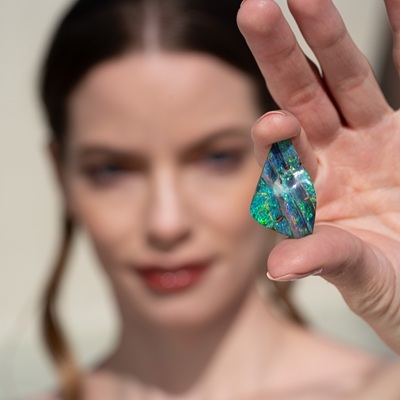
Play-of-color represents the most significant pricing element, determining an opal’s visual magic and desirability. This phenomenon describes the stunning multicolored light display that shifts and dances across the stone’s surface when viewed from different angles. The more vibrant, intense, and widespread the color display, the higher the potential value. Professional opal value assessments consider color brilliance, pattern complexity, and how consistently these colors appear throughout the stone.
Beyond color, an opal’s body tone plays a crucial role in establishing its market worth. Stones range from transparent white to deep black backgrounds, with black opals generally commanding the highest prices due to their dramatic color contrast. Clarity also matters significantly - stones with fewer internal fractures, inclusions, or imperfections are more valuable. Size further influences pricing, with larger stones typically demanding premium rates, especially when they maintain high-quality color characteristics.
The geographic origin of an opal can substantially impact its value, with Australian opals widely considered the global standard for exceptional quality. Rare variations like Lightning Ridge black opals or Boulder opals from Queensland often fetch extraordinary prices among serious collectors. Certification from recognized gemological institutes provides additional credibility and can significantly influence an opal’s market valuation.
Pro tip: Always request a detailed gemological certificate when purchasing high-value opals, as this documentation provides critical insights into the stone’s precise characteristics and authenticity.
Distinct Types of Australian Opals
Australian opals represent a breathtaking geological treasure, accounting for 95% of the world’s global supply and offering collectors an extraordinary range of unique gemstone variations. Types of Australian opals showcase remarkable diversity, each distinguished by distinctive characteristics that make them prized among international gem enthusiasts. The primary varieties emerge from specific geographic regions across the Great Artesian Basin, each contributing its own remarkable signature to the opal landscape.
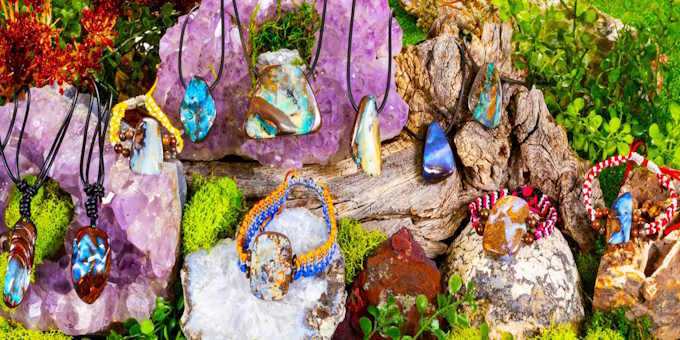
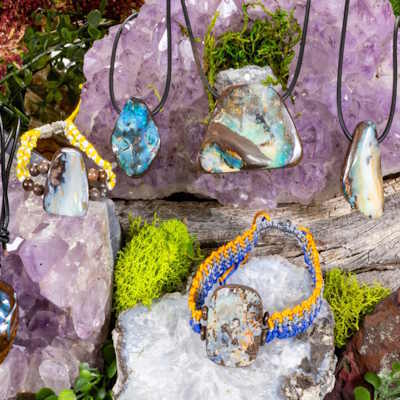
The most celebrated categories include black opals from Lightning Ridge, renowned for their dramatic dark body tone and intense color play, which make them the rarest and most valuable in the global market. White or light opals from Coober Pedy offer softer, more translucent appearances, while boulder opals from Queensland present unique patterns embedded within ironstone matrix. Each type demonstrates distinctive formation processes that contribute to their individual character and market value.
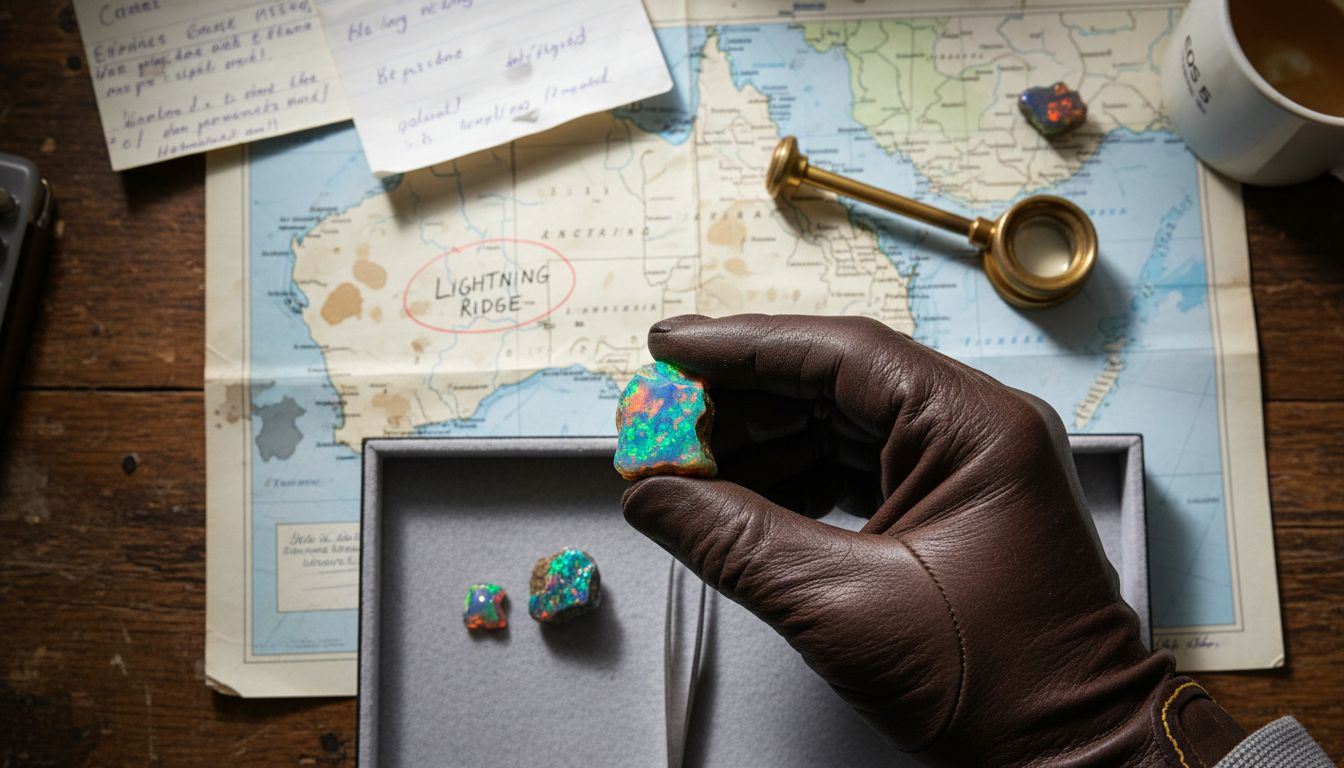
Unique regional variations like matrix opals, crystal opals, and the extraordinary Yowah nut opals from Queensland further illustrate the remarkable geological complexity of Australian opal deposits. The colors and patterns arise from precise nanostructures of silica spheres, creating mesmerizing displays that capture light in extraordinary ways. Collectors particularly prize opals with vibrant, consistent color play and minimal internal imperfections, which significantly enhance their aesthetic and monetary worth.
Geographic origin remains a critical factor in opal valuation, with certain regions like Lightning Ridge producing specimens of exceptional quality and rarity. The intricate interplay of geological conditions, trace mineral elements, and precise silica sphere arrangements determines each stone’s unique visual characteristics. Understanding these nuanced differences allows collectors to appreciate the remarkable geological story encapsulated within these extraordinary gemstones.
Here’s a concise comparison of the major Australian opal types and their distinctive attributes:
| Type of Opal | Typical Color Play | Region of Origin | Market Value Impact |
|---|---|---|---|
| Black Opal | Intense, vibrant colors | Lightning Ridge | Highest due to rarity |
| White/Light Opal | Soft, pastel tones | Coober Pedy | Moderate, widely available |
| Boulder Opal | Unique patterns in matrix | Queensland | High for top specimens |
| Crystal Opal | Transparent, bright | Multiple regions | Premium if color intense |
| Matrix/Yowah Nut | Swirled, dispersed color | Queensland | Niche collector interest |
Pro tip: When evaluating Australian opals, always examine the stone under multiple lighting conditions to fully appreciate its complete color spectrum and unique geological characteristics.
Key Grading Criteria: Color, Pattern, and Rarity
Opal grading represents a sophisticated art form where multiple nuanced characteristics combine to determine a stone’s ultimate value and collectibility. Comprehensive opal grading techniques reveal a complex evaluation process that goes far beyond simple visual assessment. Professional gemologists meticulously analyze each opal using a sophisticated scale that considers body tone, color intensity, pattern complexity, and overall visual performance.
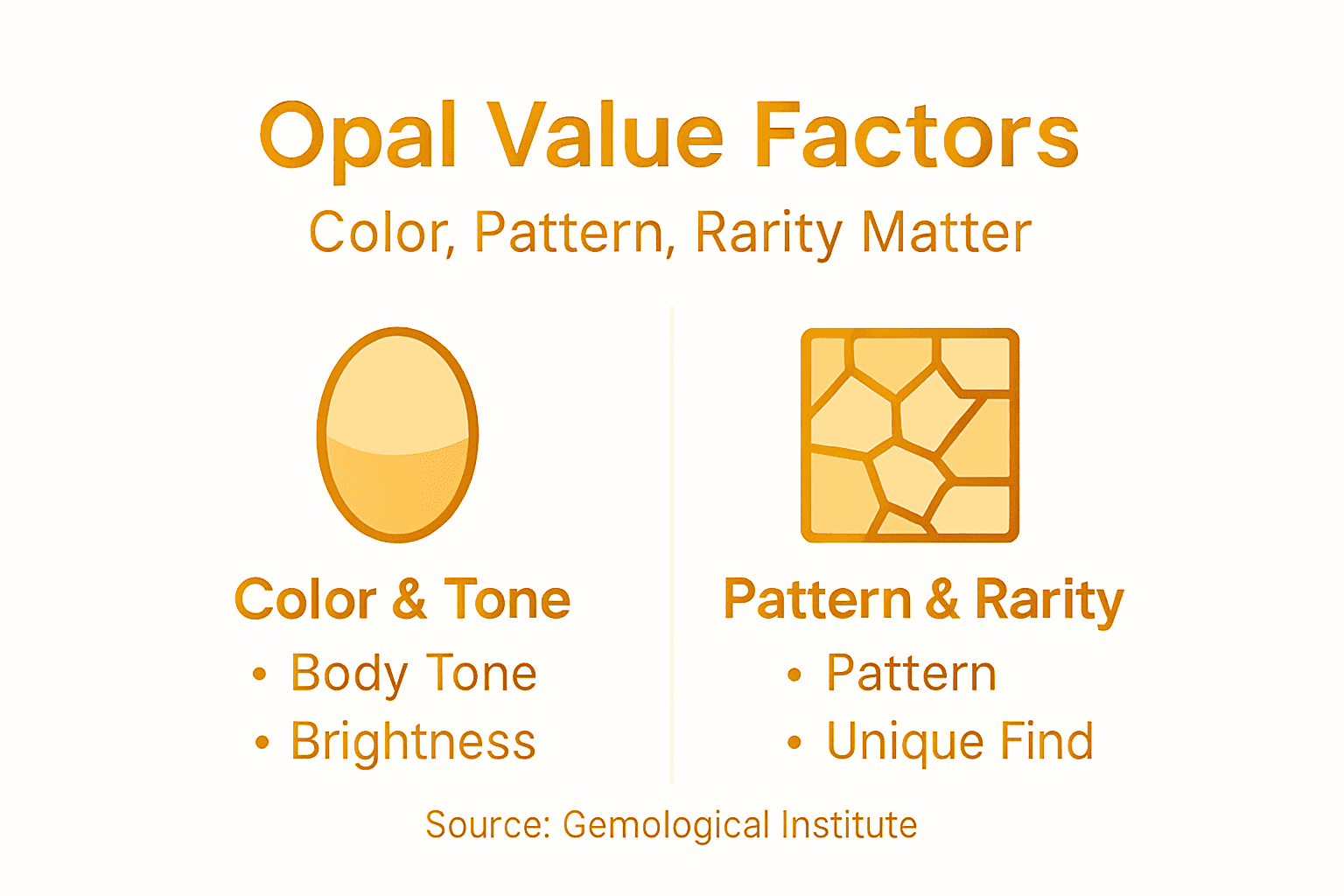
The body tone serves as the fundamental grading foundation, ranging from a scale of N1 (pure black) to N9 (pure white). Black opals from Lightning Ridge command premium prices due to their dramatic color contrast, while white or crystal opals offer more subtle visual experiences. Color patterns emerge as critical differentiators, with rare configurations like harlequin, pinfire, and broad flash dramatically increasing an opal’s market value. These intricate patterns represent the stone’s unique light-diffracting properties, creating mesmerizing displays that captivate collectors worldwide.
Brightness and color intensity represent another crucial evaluation dimension. Gemologists assess the number of distinct colors, their saturation, and how consistently they appear across the stone’s surface. Some opals display multiple vibrant colors that shift and dance with movement, while others present more muted, subtle color transitions. The most prized specimens demonstrate a full spectrum of colors with sharp, well-defined color boundaries and exceptional luminosity. Rarity compounds these visual characteristics, with certain color combinations and patterns becoming increasingly valuable as they become harder to find.
Understanding these grading criteria requires both scientific precision and artistic appreciation. Each opal tells a unique geological story, with its color patterns reflecting millions of years of complex mineral formation. The interplay of silica spheres, trace mineral elements, and precise structural arrangements creates these extraordinary gemstones that are simultaneously scientific marvels and artistic treasures. Collectors who deeply understand these nuanced grading principles can truly appreciate the remarkable complexity hidden within each opal.
The table below summarizes key opal grading criteria and their effects on pricing:
| Grading Factor | Description | Impact on Price |
|---|---|---|
| Body Tone | Scale from black (N1) to white (N9) | Darker tones typically cost more |
| Color Pattern | Complexity and uniqueness of color play | Rare patterns raise value |
| Brightness | Intensity and clarity of color display | Higher brightness increases price |
| Clarity | Presence of inclusions or imperfections | Fewer flaws means premium |
| Rarity | Availability of similar stones | Scarcer stones command more |
Pro tip: Always request a detailed gemological report that comprehensively breaks down an opal’s color patterns, body tone, and brightness measurements to ensure you understand its true value.
How Region of Origin Impacts Pricing
The geological origin of an opal serves as a critical determinant in its overall market value, with Australian sources standing definitively at the pinnacle of global opal production and quality. Opal origin analysis reveals a complex landscape where geographic nuances dramatically influence collector perceptions and pricing strategies. Australian regions like Lightning Ridge, Coober Pedy, and Queensland have established themselves as premier sources of exceptional gemstones, creating a benchmark for opal excellence worldwide.
Each Australian region produces opals with distinctive characteristics that profoundly impact their market value. Lightning Ridge is renowned for producing black opals with extraordinary color intensity and contrast, commanding the highest prices in the international market. Coober Pedy specializes in white and crystal opals with more subtle color displays, while Queensland is famous for unique boulder opals embedded in ironstone matrix. These regional variations reflect complex geological conditions that create dramatically different stone qualities, with some localities producing substantially more valuable specimens than others.
In contrast, international opal sources like Ethiopia, Mexico, Brazil, and the United States offer fascinating but generally less valuable alternatives. These regions produce opals with unique characteristics, yet they typically cannot match the consistency and vibrant play-of-color found in Australian stones. The geological formations, mineral composition, and precise silica sphere arrangements in Australian deposits create a superior product that collectors and investors consistently prioritize. Factors like color saturation, pattern complexity, and overall visual performance are intrinsically linked to the stone’s regional origin.
Understanding regional distinctions requires deep geological knowledge and appreciation for the complex formation processes that create these extraordinary gemstones. Experienced collectors recognize that an opal’s birthplace tells a profound story of geological transformation, with each stone representing millions of years of mineralogical evolution. The precise combination of temperature, pressure, mineral content, and structural arrangements in different Australian regions creates opals that are not just beautiful, but scientifically remarkable.
Pro tip: When evaluating opal investments, always prioritize documentation that clearly identifies the specific regional origin and provides detailed geological context about the stone’s formation.
Market Trends and Pricing Mistakes to Avoid
The opal market represents a dynamic landscape where collector knowledge and strategic insight can mean the difference between a remarkable investment and a costly mistake. Market trends in opal pricing reveal a complex ecosystem influenced by global demand, regional production, and increasingly sophisticated collector expectations. Understanding these nuanced market dynamics becomes crucial for both novice and experienced collectors seeking to make informed purchasing decisions.
Several critical pricing mistakes can dramatically undermine an opal investment. Synthetic and treated opals pose significant risks, with unscrupulous sellers potentially misrepresenting stone origins or applying undisclosed enhancements. Collectors must develop keen discernment, demanding comprehensive certification that verifies an opal’s natural status, precise geographic origin, and treatment history. The most common errors include overlooking critical grading criteria, failing to understand color pattern variations, and neglecting to verify authenticity through reputable gemological institutes.
Global market trends indicate a growing emphasis on ethically sourced and transparently documented opals. Emerging collector demographics prioritize stones with clear provenance, demonstrating increased sophistication beyond mere visual appeal. Australian opals continue to dominate the market, with black opals from Lightning Ridge maintaining their premier status. However, increasing global awareness has expanded collector interest in unique regional variations, creating more nuanced pricing structures that reward geological distinctiveness and scientific documentation.
Navigating this complex market requires a combination of technical knowledge, patient research, and strategic approach. Successful collectors develop networks with trusted gemologists, maintain updated understanding of market fluctuations, and continuously educate themselves about emerging geological discoveries. The most valuable skill is developing a discerning eye that looks beyond surface aesthetics to understand the deeper geological narrative embedded in each extraordinary stone.
Pro tip: Always request a comprehensive gemological certificate that details the opal’s precise origin, confirms its natural status, and provides a detailed analysis of its geological characteristics.
Discover Authentic Australian Opals with Confidence
Understanding the intricate factors that influence opal pricing such as play-of-color, body tone, and regional origin empowers you to make informed collector decisions. At Australian Opal Direct, we address the challenge of verifying authenticity and quality by offering ethically sourced opals from renowned regions like Lightning Ridge, Coober Pedy, and Queensland. Our direct relationships with miners ensure you receive genuine stones that showcase exceptional brightness and rare color patterns without middleman markups.

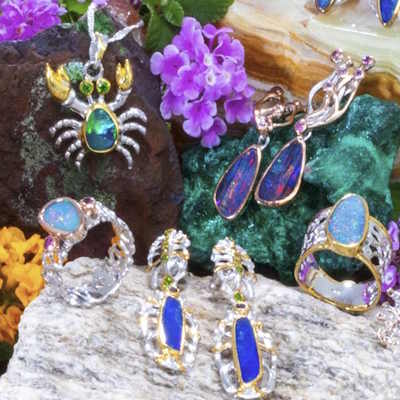
Explore our curated collection of meticulously crafted jewelry pieces that capture the geological stories and unique grading qualities discussed in the article. Whether you seek bold black opals or delicate white opals, each piece reflects superior craftsmanship and verified origin. Don’t let uncertainty hold you back from owning a premium Australian gem. Visit Australian Opal Direct to start your journey with authentic opals supported by complimentary insurance and 90-day warranties. Discover exclusive selections and custom designs available now and elevate your collection with confidence.
Frequently Asked Questions
What factors determine the value of an opal?
Opal value is primarily influenced by play-of-color, body tone, clarity, size, and rarity. The more vibrant and complex the color display, the higher its value.
How does the body tone of an opal affect its pricing?
Body tone ranges from black to white, with black opals generally commanding higher prices due to their striking contrast and color intensity compared to lighter opals.
What grading criteria should I consider when evaluating an opal?
Key grading criteria include body tone, color patterns, brightness, clarity, and rarity. These aspects collectively determine an opal’s market price and desirability.
Why is the geographic origin of an opal important for its value?
The geographic origin affects the quality and characteristics of an opal. Certain regions produce stones with unique attributes that can significantly increase their market value.