Opals From Australia vs. Other Regions: True Value Unveiled
Posted by AOD on 27th Dec 2025
Opals From Australia vs. Other Regions: True Value Unveiled
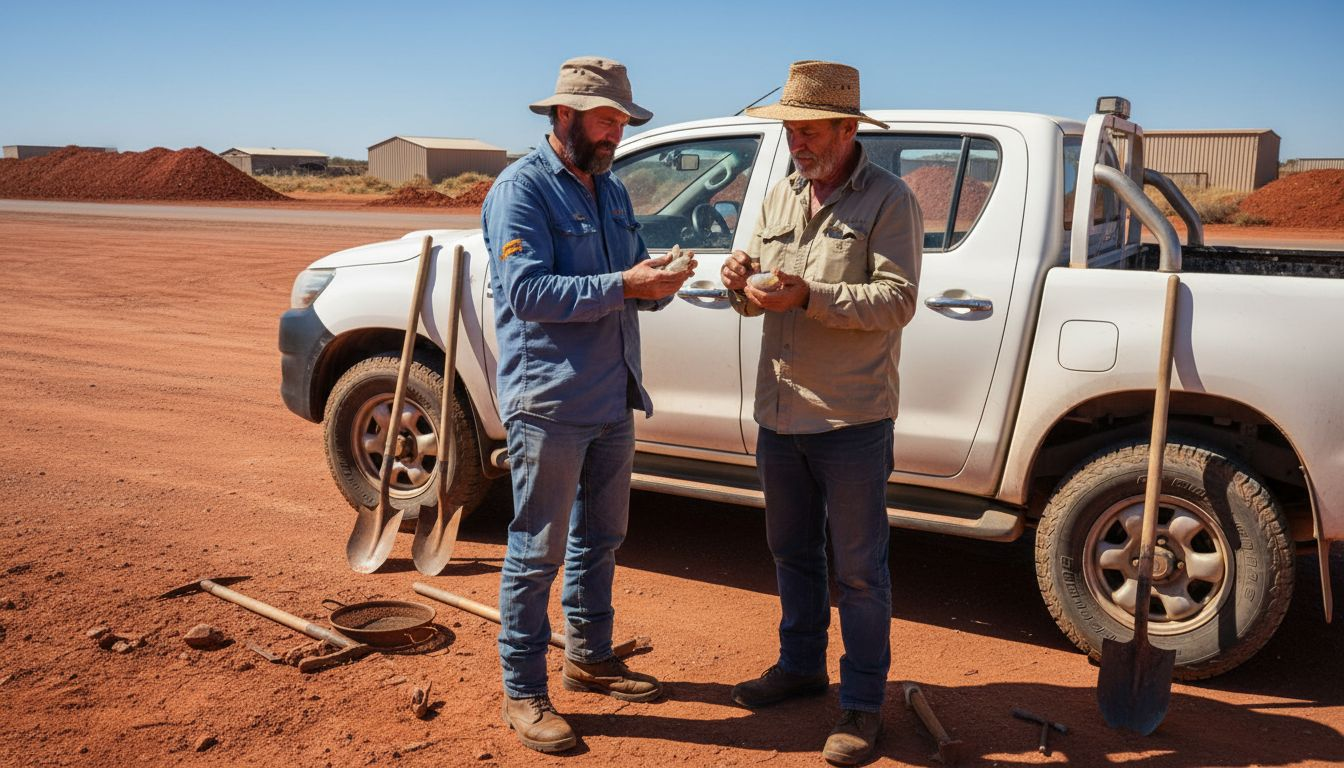
Most American and European collectors are surprised to learn that over 90 percent of the world’s finest opals come from Australia, setting a gold standard for both beauty and ethical sourcing. For buyers drawn to rare gemstones with lasting value, the true potential of Australian opals lies beyond their legendary color play. This guide illuminates what gives these prized stones their market dominance, why origin matters for investment, and the critical details every discerning collector should know.
Table of Contents
- Defining Opals: Origins And Core Traits
- Major Opal Types: Australian And Global Varieties
- Color, Durability, And Structural Differences
- Ethical Sourcing And Market Reputation
- Investment Value And Common Buyer Mistakes
Key Takeaways
| Point | Details |
|---|---|
| Opal Origins and Types | Opals are primarily sourced from Australia, Ethiopia, Mexico, and Peru, each variety exhibiting unique visual characteristics influenced by geological conditions. |
| Structural Integrity and Durability | Australian opals offer superior stability and durability, while Ethiopian varieties present higher variability and require careful handling. |
| Ethical Sourcing Importance | Responsible mining practices significantly impact market perception and value, making it essential for buyers to confirm provenance and labor standards. |
| Investment Considerations | Successful opal investment relies on understanding geological origins, structural integrity, and ethical sourcing, rather than just aesthetic appeal. |
Defining Opals: Origins and Core Traits
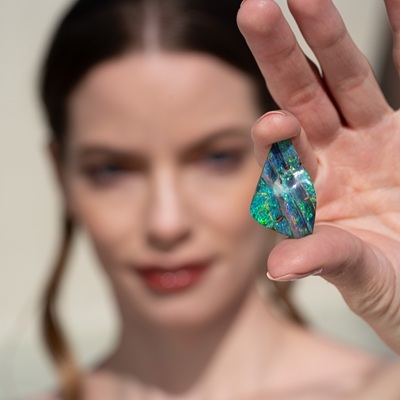
Opals represent one of nature’s most mesmerizing geological phenomena - a gemstone characterized by an extraordinary optical display known as play-of-color. Geological science reveals these unique stones emerge through a complex process where silica-rich water gradually deposits microscopic spheres within rock crevices, creating their signature iridescent shimmer.
The mineral composition of opals distinguishes them from other gemstones, featuring an amorphous structure primarily composed of silicon dioxide and water. Unlike crystalline gems, opals lack a defined geometric pattern, which contributes to their remarkable ability to diffract light. Mineralogical studies demonstrate that opals can form in sedimentary and volcanic environments, with their color and quality depending on factors like silica sphere size, arrangement, and geological conditions.
Geographically, while Australia dominates global opal production, significant deposits exist worldwide in regions like Ethiopia, Mexico, Brazil, and the United States. Each location produces opals with distinct characteristics - Australian opals are renowned for their vibrant black and crystal varieties, Ethiopian opals feature dramatic color play, and Mexican opals often display more subtle, ethereal tones. The diversity of opal origins underscores the gemstone’s remarkable geological versatility.
Pro tip: When evaluating opals, examine the stone under natural light to best appreciate its unique play-of-color and understand how geological origins influence its visual characteristics.
Major Opal Types: Australian and Global Varieties
Precious opals represent a complex family of gemstones with remarkable diversity across global geological regions. Scientific research examining over 230 worldwide samples reveals three primary scientific classifications: opal-A, opal-CT, and opal-C, each representing distinct structural characteristics that influence the stone’s visual properties and geological origin.
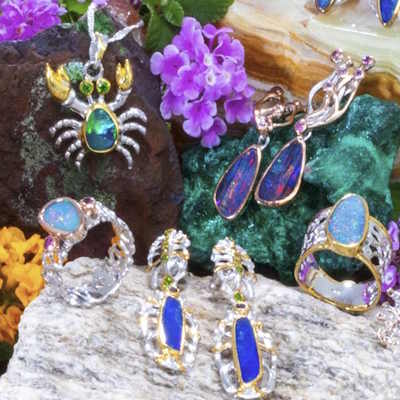
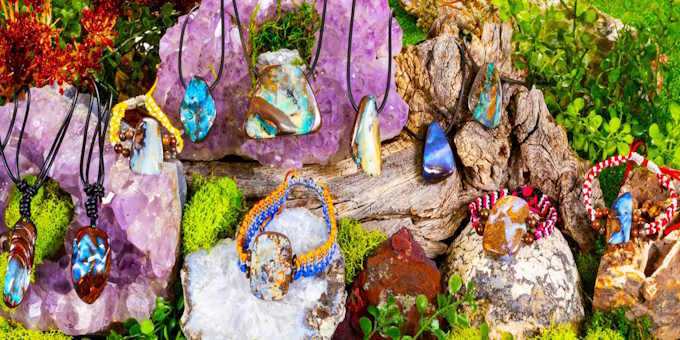
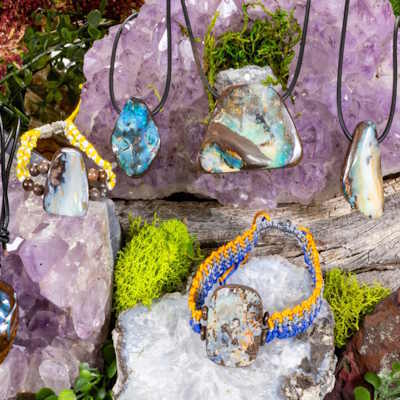
Australian opals stand out as the most renowned globally, featuring several distinctive varieties that collectors and gemstone enthusiasts prize. Professional geological analyses highlight four primary Australian types: black opals from New South Wales, white opals from South Australia, boulder opals from Queensland, and crystal opals with exceptional transparency. Each variety emerges from unique geological conditions, creating distinctive color patterns and internal structures that make them highly collectible.
Beyond Australia, global opal varieties offer fascinating alternatives. Mexican fire opals feature intense orange and red hues, Ethiopian hydrophane opals demonstrate remarkable color-changing properties, and Peruvian opals present soft blue-green tones. These international varieties demonstrate the gemstone’s incredible geological versatility, with each region’s specific mineral composition and formation process contributing to unique optical characteristics.
Pro tip: When collecting opals, prioritize understanding the specific geological origin, as each region’s unique environmental conditions directly impact the stone’s color, transparency, and overall value.
Here’s a comparison of major opal varieties by origin, core features, and durability:
| Origin | Key Variety | Visual Characteristics | Durability & Structure |
|---|---|---|---|
| Australia | Black, White, Boulder, Crystal | Vibrant play-of-color, deep hues | Highly stable, very compact |
| Ethiopia | Hydrophane | Dynamic color-changing effect | High water absorption, less stable |
| Mexico | Fire Opal | Intense orange and red tones | Moderate, lower water content |
| Peru | Blue-Green Opal | Soft blue-green, subtle play-of-color | Moderate, softer structure |
Color, Durability, and Structural Differences
Opals exhibit extraordinary variability in color, structural integrity, and long-term stability, with significant differences emerging between global varieties. Comparative research reveals stark contrasts in durability, particularly between Australian sedimentary opals and Ethiopian volcanic varieties. Australian opals are prized for their exceptional structural stability, featuring tightly compacted silica spheres that resist environmental changes and maintain consistent optical properties.

The color spectrum of opals represents a complex interplay between geological formation, mineral composition, and microscopic structural arrangements. Australian opals typically display more uniform and predictable color patterns, with black opals from New South Wales and white opals from South Australia showcasing remarkably consistent internal structures. In contrast, Ethiopian opals demonstrate more dynamic color-changing capabilities, with hydrophane varieties capable of absorbing water and temporarily shifting their visual characteristics.
Structural differences significantly impact an opal’s durability and long-term value. Australian sedimentary opals, formed through millions of years of geological processes, possess a more compact and stable molecular structure compared to their Ethiopian counterparts. This structural advantage translates into greater resistance to environmental factors, reduced porosity, and more consistent performance in jewelry applications. Ethiopian opals, while visually stunning, require more careful handling due to their higher water absorption rates and potential for structural changes under varying conditions.
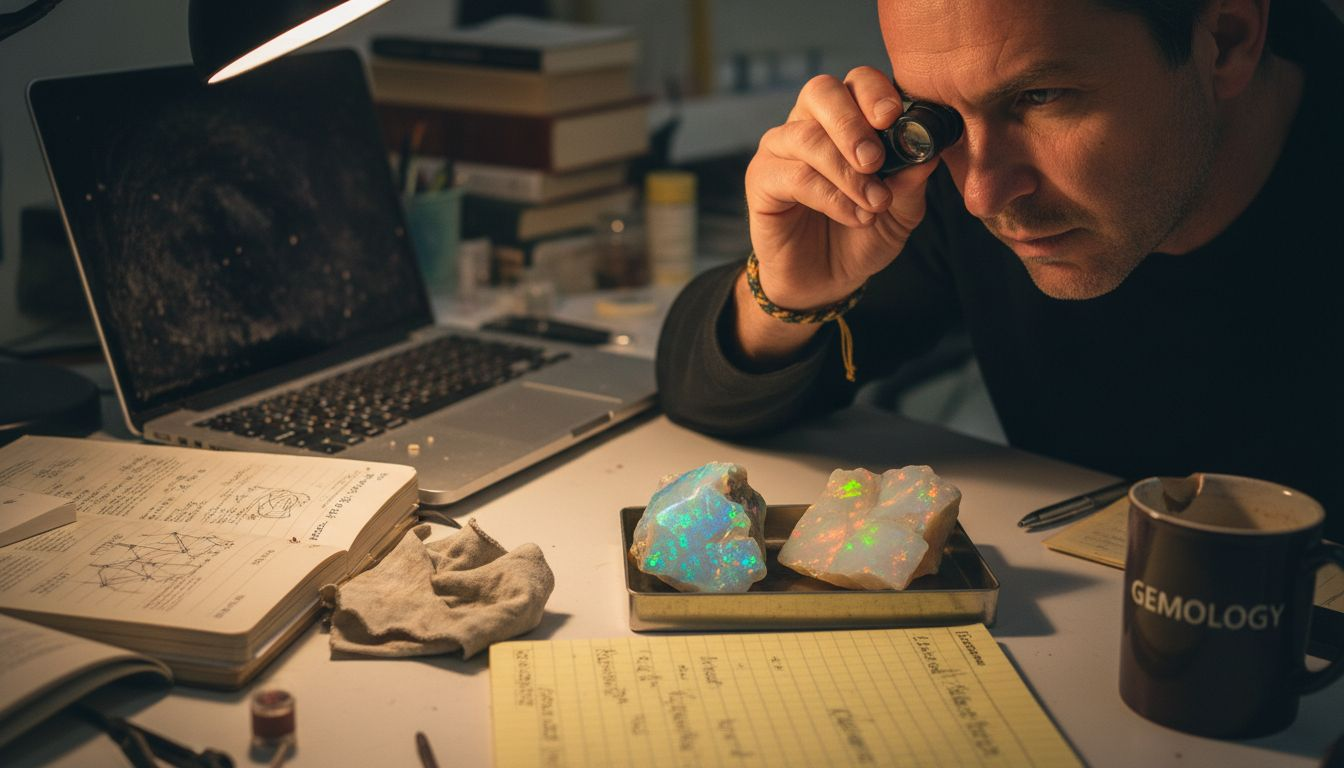
Pro tip: When selecting opals, examine the stone’s structural integrity by checking for consistent color dispersion and minimal surface irregularities, as these factors directly indicate the gemstone’s long-term durability and potential value.
Ethical Sourcing and Market Reputation
Ethical sourcing has become a critical determinant of market value and reputation in the global opal industry. Comprehensive academic research examining colored gemstone practices reveals the profound impact of responsible mining techniques on a region’s market perception and global trading potential. Australian opal producers have consistently demonstrated leadership in establishing transparent supply chains, implementing fair labor practices, and minimizing environmental disruption.
The nuanced landscape of opal mining presents significant challenges, particularly in emerging markets like Ethiopia. Systematic peer-reviewed studies highlight complex dynamics surrounding local mining ecosystems, worker compensation, and sustainable extraction methods. While Ethiopian opal regions show remarkable geological potential, inconsistent regulatory frameworks and limited infrastructure have complicated efforts to establish robust ethical sourcing standards, directly influencing international market confidence.
Market reputation in the gemstone industry extends far beyond aesthetic qualities, encompassing comprehensive assessments of environmental stewardship, worker welfare, and community impact. Australian opal producers have cultivated a reputation for rigorous documentation, transparent sourcing, and commitment to minimizing ecological disruption. In contrast, regions with less developed regulatory environments struggle to meet increasingly sophisticated global standards of responsible mining, which sophisticated collectors and jewelry designers now prioritize when making purchasing decisions.
Pro tip: Request detailed provenance documentation when purchasing opals, focusing on mining location, extraction methods, and evidence of fair labor practices to ensure you’re supporting ethical gemstone production.
Investment Value and Common Buyer Mistakes
Opal investment requires sophisticated understanding beyond surface-level aesthetics. Professional buying guides reveal critical nuances in assessing true gemstone value, emphasizing that successful investment depends on comprehensive evaluation of type, color stability, provenance, and potential market appreciation. Australian opals consistently demonstrate superior investment potential due to their documented geological origins, predictable performance, and established international reputation.
Comprehensive investment analysis highlights several common mistakes that can significantly undermine investment strategies. Novice collectors frequently chase visual trends without understanding fundamental value indicators, misinterpret opal classifications, and neglect critical factors like long-term durability and geological authenticity. Sophisticated investors recognize that true value extends beyond immediate visual appeal, encompassing factors like structural integrity, color consistency, and ethical sourcing documentation.
The most successful opal investments emerge from a strategic approach combining scientific understanding and market awareness. Black opals from Lightning Ridge, Australia, represent a premier investment category, characterized by exceptional color intensity, structural stability, and well-documented provenance. Conversely, investors should exercise caution with hydrophane opals from Ethiopia, which demonstrate higher variability and potential long-term performance risks. Expert evaluation, comprehensive documentation, and understanding regional geological characteristics become paramount in making informed investment decisions.
Pro tip: Always request comprehensive certification documenting the opal’s geological origin, structural composition, and potential value appreciation before making any investment purchase.
For investors, here’s a summary of opal buying risks and success factors:
| Factor | Risk if Neglected | Impact on Investment |
|---|---|---|
| Provenance | Uncertain origin reduces trust | Lower resale and value |
| Structural Integrity | Surface irregularities increase risk | Reduced durability |
| Ethical Sourcing | Poor standards hurt reputation | Limited market acceptance |
| Color Stability | Fading or shifting tones | Unpredictable appreciation |
Discover the True Value of Authentic Australian Opals
The article highlights the challenges of trusting opal sources and understanding the critical differences in durability, provenance, and ethical mining between Australian opals and others from regions like Ethiopia or Mexico. If you are searching for genuine opals with verified origins, superior structural integrity, and stunning color stability, it is essential to choose a trusted source that prioritizes transparency and craftsmanship.
At Australian Opal Direct, we specialize in premium opals mined from renowned Australian locations such as Lightning Ridge, Coober Pedy, and Queensland. Our direct relationships with miners ensure every stone is ethically sourced and backed by documented provenance, delivering both lasting beauty and investment confidence. Explore our curated collections of rings, pendants, and custom-designed jewelry that capture the unique spirit and geological rarity of true Australian opals.

Experience the unmatched allure of genuine Australian opals. Visit Australian Opal Direct today to find ethically sourced luxury gemstones that combine heritage, authenticity, and exquisite craftsmanship. Don’t miss your chance to own a piece of nature’s light backed by transparency and quality guaranteed with free shipping and a 90-day warranty. Start your collection with confidence now at Australian Opal Direct.
Frequently Asked Questions
What are the primary differences between opals from Australia and other global regions?
Opals from Australia are known for their vibrant colors and structural stability, particularly black and white varieties. In contrast, opals from other regions, such as hydrophane opals, exhibit dynamic color-changing properties but may have lower durability due to higher water absorption.
How does the geological origin influence an opal’s value?
The geological origin significantly impacts an opal’s visual characteristics, stability, and market perception. Opals from established regions with documented provenance, like those from Australia, typically have higher value due to their predictable color patterns and robust extraction practices.
What factors should I consider when assessing the durability of opals?
When assessing durability, consider the stone’s structural integrity, water absorption rates, and resistance to environmental changes. Australian opals tend to have a more stable and compact structure compared to more porous varieties from other regions, which may affect their long-term performance in jewelry.
Why is ethical sourcing important in the opal market?
Ethical sourcing is crucial because it impacts the market reputation and value of the gemstones. Responsible mining practices ensure fair labor conditions and minimal environmental disruption, which are increasingly prioritized by collectors and jewelry designers when assessing opals’ worth.