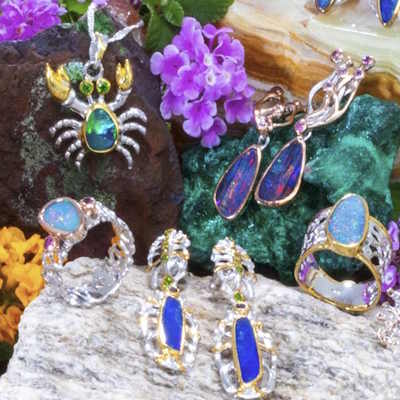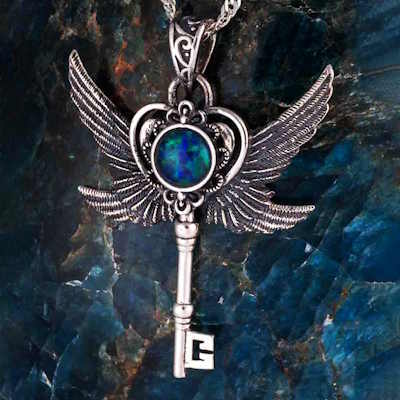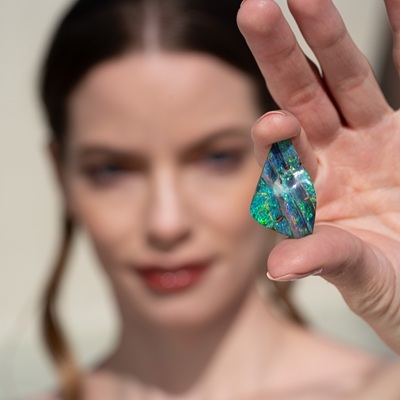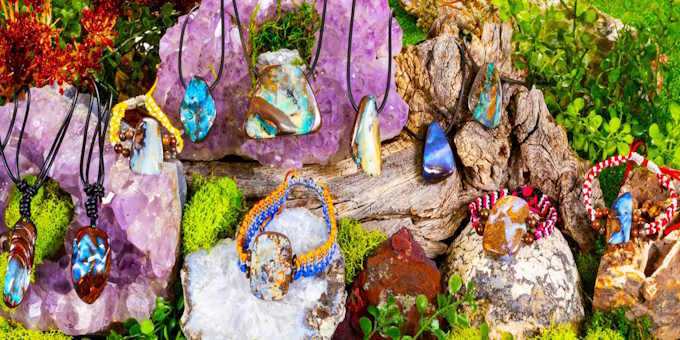
Opal Cabochons: Beauty, Craftsmanship, and Value Explained
Posted by AOD on 21st Dec 2025
Opal Cabochons: Beauty, Craftsmanship, and Value Explained
More than 90 percent of the world’s opals come from Australia, but American collectors are quickly gaining an appreciation for the unique beauty of opal cabochons. Choosing the right stone can be confusing with myths about authenticity, value, and style swirling around the market. This guide breaks down what separates genuine opal cabochons from imitations and uncovers the real factors that dictate value and beauty for both new and seasoned American gem fans.
Table of Contents
- Defining Opal Cabochons And Common Myths
- How Opal Cabochons Are Crafted And Shaped
- Types Of Opal Cabochons And Meaningful Differences
- Key Features: Color Play, Origins, And Rarity
- Evaluating Quality, Price, And Authenticity
- Choosing Opal Cabochons: Avoiding Common Pitfalls
Key Takeaways
| Point | Details |
|---|---|
| Opal Cabochons | Opal cabochons are smooth, rounded gemstones that showcase the captivating color play of opals without traditional facets. |
| Crafting Process | The creation of opal cabochons involves meticulous assessment and precise cutting techniques to preserve the gem’s unique internal characteristics. |
| Variety and Value | Different types of opals, such as black and white opals, have distinct visual qualities and market values influenced by their body tone and transparency. |
| Authenticity Checks | Always verify authenticity through detailed gemological certification and examining the stone under various light sources to ensure true color play. |
Defining Opal Cabochons and Common Myths
Opal cabochons represent a sophisticated gemstone cutting technique that transforms raw opals into smooth, rounded gems with captivating visual appeal. A cabochon is a gemstone shaped and polished into a convex, rounded surface without traditional facets, typically featuring a flat base that highlights the stone’s natural color and internal characteristics.
Unlike faceted gemstones that rely on geometric cuts to reflect light, cabochon opals showcase their unique play of color through a smooth, dome-like surface. This cutting method is particularly advantageous for opals, which often have complex internal structures and vibrant color patterns that can be best appreciated through a polished, rounded shape. Opal cabochons are especially prized for their ability to display the gem’s distinctive fire - the mesmerizing color shifts that make opals so extraordinary.
Many myths surround opal cabochons, with some collectors believing they are less valuable than faceted stones. In reality, a well-crafted cabochon can be incredibly valuable, particularly when it effectively captures an opal’s internal light play and color variations. Understanding how to identify authentic opals is crucial for collectors and enthusiasts seeking genuine, high-quality cabochons.
Pro Tip for Collectors: When evaluating opal cabochons, examine the stone under natural light to assess its color play, symmetry, and overall polish. A superior cabochon will have a smooth, even surface that enhances the stone’s inherent beauty without introducing artificial reflections.
How Opal Cabochons Are Crafted and Shaped
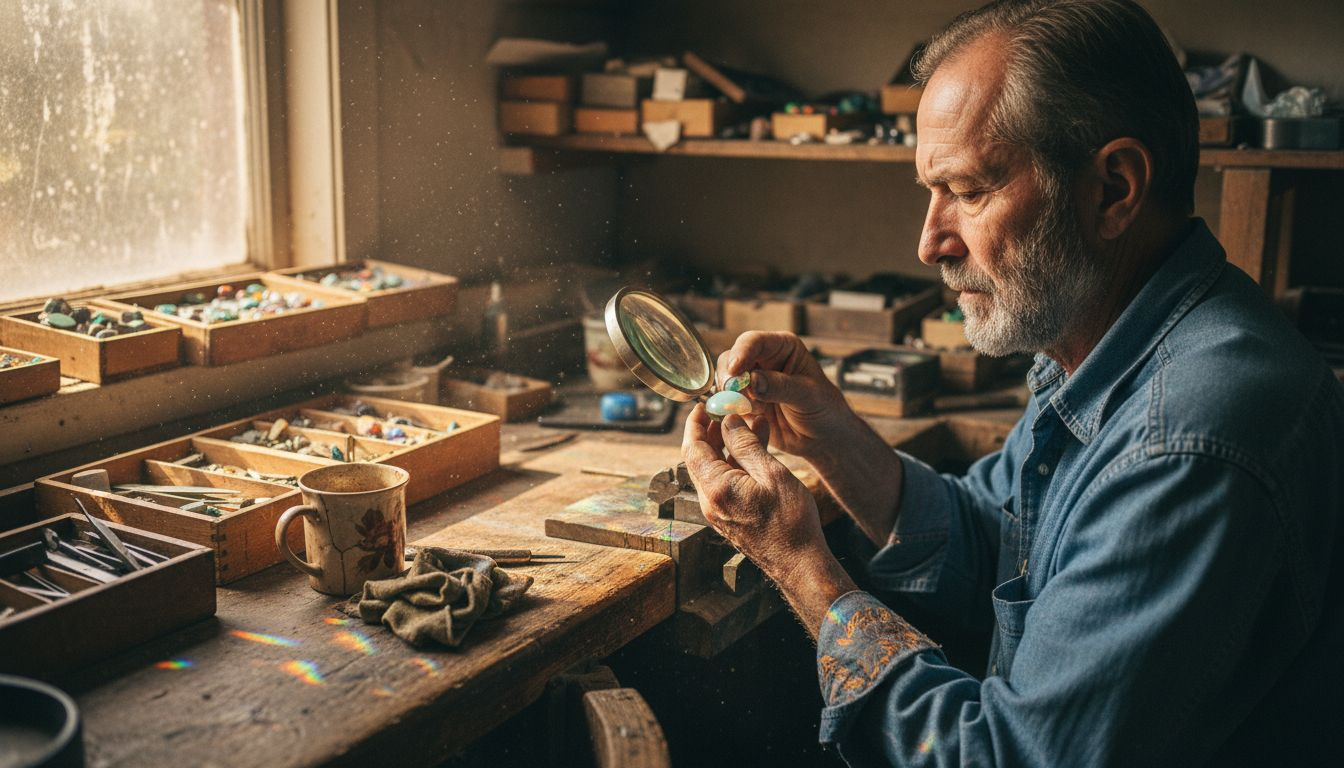
Crafting opal cabochons is a precise art that transforms raw gemstones into elegant, smooth-surfaced treasures. Cutting and polishing solid opals requires comprehensive technical skills that demand both artistic intuition and mechanical precision. Skilled artisans must carefully analyze each stone’s unique internal structure, color patterns, and potential before beginning the shaping process.
The cabochon crafting process typically involves several meticulous stages. First, the raw opal is carefully assessed and marked to determine the optimal cutting orientation that will maximize its natural color play and minimize potential waste. Specialized lapidary tools like trim saws and grinding wheels are used to gradually shape the stone, with craftsmen working slowly to preserve the gem’s integrity. Precision grinding removes excess material, creating the initial rounded dome shape that defines a cabochon.
After the basic shape is established, polishing techniques transform the rough surface into a smooth, lustrous finish that enhances the opal’s inherent beauty. Multiple progressively finer polishing wheels and compounds are used to eliminate scratches and create a glass-like surface that allows light to interact dramatically with the stone’s internal color structures. This final stage requires extraordinary patience and skill, as even minor imperfections can significantly impact the cabochon’s overall appearance and value.
Pro Tip for Gemstone Enthusiasts: When examining a high-quality opal cabochon, look for a symmetrical dome with an even, smooth surface that allows the stone’s natural color play to shine through without distracting reflections or surface irregularities.
Types of Opal Cabochons and Meaningful Differences
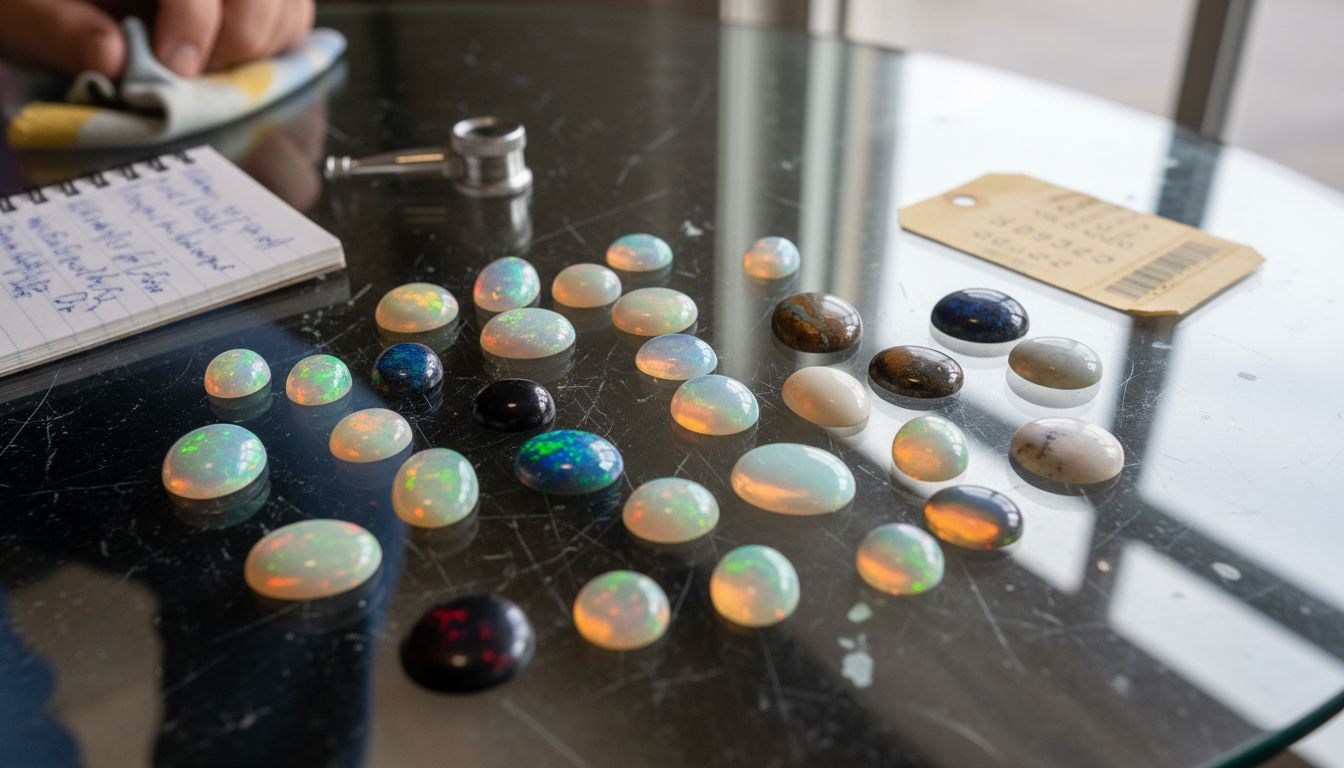
Opal varieties represent a fascinating spectrum of geological diversity, with each type offering unique characteristics that dramatically influence their visual appeal and collector value. Black opals, white opals, crystal opals, and boulder opals each present distinct aesthetic qualities that transform a simple cabochon into a remarkable gemstone artwork. These variations emerge from differences in body tone, transparency, and the underlying mineral composition that creates their mesmerizing color patterns.
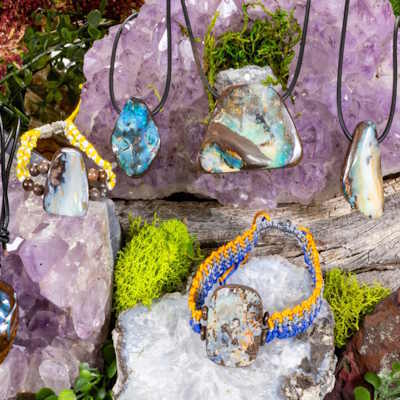
The most significant distinctions among opal cabochons relate to their base color and transparency. Black opals, prized for their dark body tone and intense color play, typically originate from Lightning Ridge in Australia and command the highest market values. White opals, characterized by a lighter background, showcase softer but equally enchanting color displays. Crystal opals distinguish themselves through exceptional transparency, allowing light to penetrate and illuminate their internal fire, while boulder opals feature unique matrix patterns where the opal is naturally attached to its host rock.
Beyond visual characteristics, opal varieties demonstrate remarkable differences in geological formation and rarity, which directly impact their cabochon crafting potential. Some types, like black opals, require extraordinarily precise cutting techniques to maximize their color intensity, while others like crystal opals demand minimal intervention to showcase their natural beauty. The complexity of transforming these raw stones into perfectly shaped cabochons requires deep understanding of each opal’s unique structural properties.
Pro Tip for Gem Collectors: When evaluating opal cabochons, examine the stone under multiple light sources to truly appreciate its color play and understand how different opal varieties interact with light, revealing their most nuanced and captivating characteristics.
Here is a comparison of major opal cabochon types and their unique features:
| Opal Type | Body Tone | Typical Origins | Key Visual Feature |
|---|---|---|---|
| Black Opal | Dark to black | Lightning Ridge, Australia | Intense color play, vivid contrast |
| White Opal | Light to white | South Australia | Subtle pastel color flashes |
| Crystal Opal | Transparent | Australia, Ethiopia | Brilliant transparency, glowing fire |
| Boulder Opal | Mixed/dark | Queensland, Australia | Bright opal veins in ironstone |
Key Features: Color Play, Origins, and Rarity
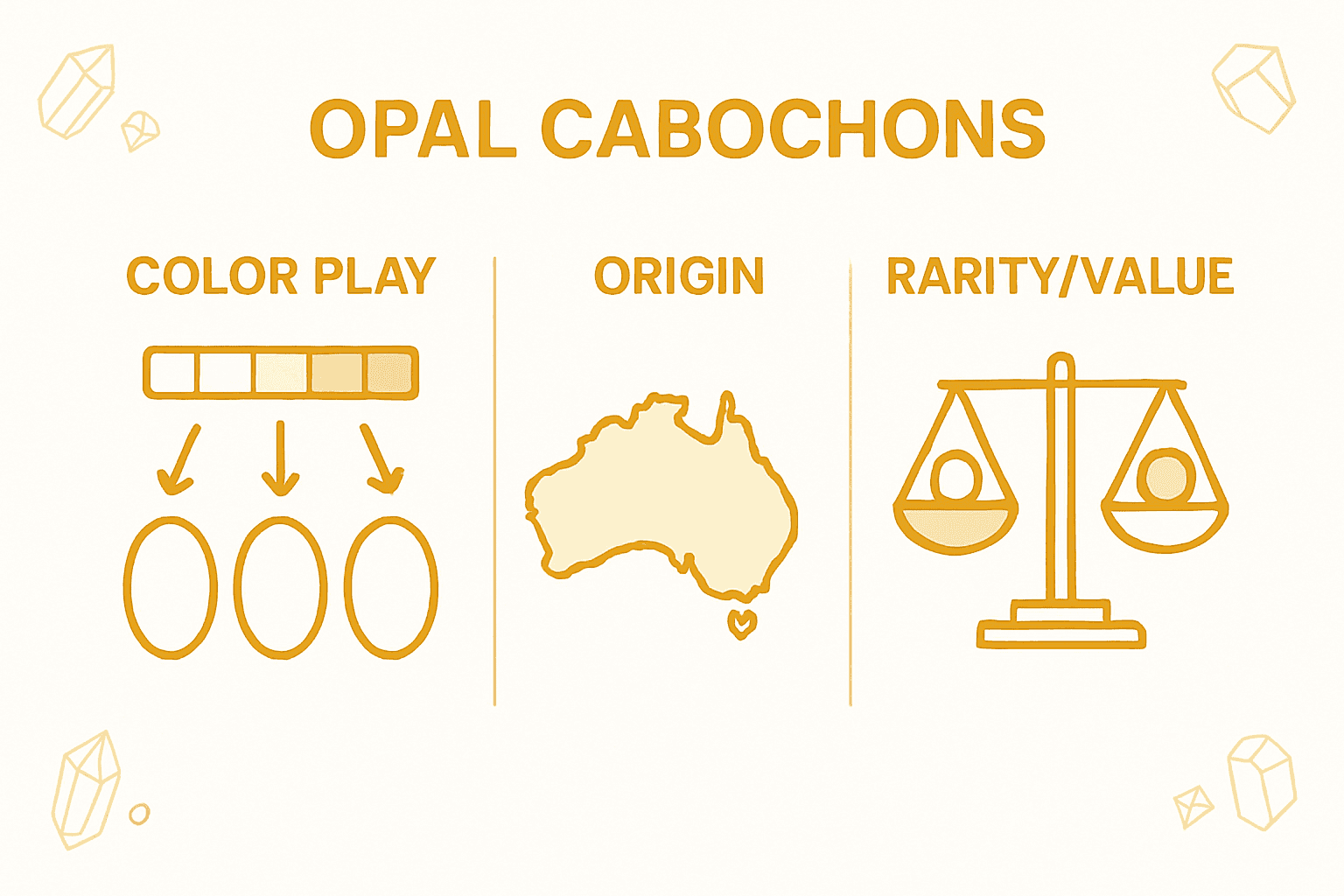
Opals are primarily sourced from unique geological regions, with each location contributing distinctive characteristics that define a stone’s ultimate value and beauty. Color play, the mesmerizing optical phenomenon that makes opals extraordinary, results from microscopic silica spheres arranged in intricate patterns within the stone. These spheres diffract light, creating stunning rainbow-like displays that can range from subtle pastel shifts to intense, dramatic color explosions.
The origins of high-quality opals significantly influence their rarity and market value. Australian black opals, particularly those from Lightning Ridge, represent the pinnacle of opal excellence, commanding premium prices due to their intense, vibrant color play and deep body tone. Other notable origins include Ethiopian opals, known for their dramatic color shifts, and Mexican fire opals, which showcase brilliant orange and red hues. Understanding the rare characteristics of black opals reveals why collectors and investors prize these stones so highly.
Color play in opals is determined by several complex factors, including the size and arrangement of silica spheres, the stone’s body tone, and its transparency. Rare opals demonstrate what experts call broad flash or rolling flash characteristics, where colors seem to move and transform as the stone is rotated. These dynamic color interactions create a three-dimensional effect that distinguishes exceptional cabochons from ordinary gemstones. Factors like sphere uniformity, light refraction angles, and mineral impurities all contribute to the stone’s final visual performance.
Pro Tip for Gem Enthusiasts: When evaluating an opal’s color play, examine the stone under different light sources and angles, as true quality reveals itself through dynamic color interactions rather than static appearance.
Evaluating Quality, Price, and Authenticity
Determining an opal’s true value involves understanding complex interactions between multiple critical factors, extending far beyond simple visual assessment. Quality evaluation requires expert-level examination of specific characteristics including color intensity, play of color, body tone, transparency, and overall structural integrity. Professional gemologists employ specialized tools and rigorous criteria to assess each opal’s unique attributes, recognizing that no two stones are precisely alike.
The pricing of opal cabochons follows a nuanced hierarchy dominated by several key attributes. Body tone represents a fundamental pricing determinant, with darker stones like Australian black opals commanding significantly higher values. Rare opal characteristics directly influence market pricing, with factors such as color brightness, pattern consistency, and origin playing crucial roles. Exceptional stones might feature vivid, uniform color distribution, minimal inclusions, and dramatic light interactions that create mesmerizing visual displays.
Authenticity verification requires multiple sophisticated assessment techniques. Gemological laboratories utilize advanced spectroscopic analysis, microscopic examination, and sometimes even advanced imaging technologies to distinguish genuine opals from sophisticated synthetic or treated stones. Critical markers include natural growth patterns, specific mineral inclusions, and characteristic light refraction properties unique to authentic opals. Collectors and investors must rely on certified gemological reports and reputable sources to ensure their investments represent genuine, high-quality specimens.
Pro Tip for Smart Buyers: Always request a detailed gemological certification when purchasing opal cabochons, and insist on examining the stone under multiple light sources to verify its authentic color play and structural characteristics.
To assist buyers, here is an overview of common authenticity checkpoints for opal cabochons:
| Authenticity Check | Purpose | What to Look For |
|---|---|---|
| Light Source Test | Reveals true color play | Dynamic shifting colors |
| Magnification Inspection | Detects inclusions/structure | Natural growth patterns, not perfect |
| Certification by Gem Lab | Confirms gem identity | Detailed, reputable lab report |
| Origin Verification | Validates provenance | Documentation from trusted sources |
Choosing Opal Cabochons: Avoiding Common Pitfalls
Selecting the perfect opal cabochon requires a discerning eye and comprehensive understanding of potential purchasing pitfalls. Navigating the complex world of opal jewelry selection demands careful consideration of multiple critical factors that can dramatically impact a stone’s quality and value. Buyer beware tactics are essential in protecting yourself from misleading representations and inferior gemstones.
One of the most significant risks involves misunderstanding color play and authenticity. Inexperienced buyers often mistake synthetic or treated opals for genuine specimens, failing to recognize subtle indicators of manipulation. Warning signs include unnaturally uniform color patterns, overly perfect symmetry, and suspiciously low pricing. Professional collectors recommend examining potential purchases under multiple light sources, checking for natural variations in color intensity and light refraction that distinguish authentic stones from manufactured imitations.
Technical evaluation requires understanding complex visual and structural characteristics. Reputable dealers provide comprehensive documentation detailing an opal’s origin, specific color characteristics, and potential treatments. Critical assessment points include analyzing the stone’s body tone, transparency, internal structure, and potential inclusions. Collectors should prioritize stones with natural color variations, consistent internal patterns, and minimal artificial interventions that could compromise the gemstone’s inherent beauty and long-term value.
Pro Tip for Savvy Collectors: Always request a detailed gemological certificate and spend at least 15 minutes examining a potential opal cabochon under different lighting conditions before making a purchase decision.
Discover Authentic Australian Opal Cabochons Crafted to Perfection
Choosing the perfect opal cabochon can feel overwhelming. This article highlights key challenges such as evaluating color play, understanding body tone, ensuring authenticity, and avoiding common pitfalls in purchasing. You want a cabochon that reflects true craftsmanship and genuine beauty without compromise. At Australian Opal Direct, we share your passion for exceptional quality and offer a curated selection of ethically sourced opals from premier Australian regions like Lightning Ridge and Queensland.

Explore our exclusive collection where each stone is expertly cut and polished to highlight its natural fire and vibrant colors. By buying directly from trusted miners, you benefit from verified authenticity, competitive pricing, and the peace of mind that comes with our 90-day warranty and free shipping. Start your journey toward owning a sublime opal cabochon by visiting Australian Opal Direct. For more insight on selecting specialized pieces, check out our Opal Jewelry Selection Guide. Experience the allure of genuine Australian opals and make your next purchase with confidence today.
Frequently Asked Questions
What are opal cabochons and how are they different from faceted opals?
Opal cabochons are gemstones cut and polished into a smooth, rounded shape without traditional facets, showcasing the opal’s unique play of color through a dome-like surface. Unlike faceted opals, which reflect light through geometric cuts, cabochons highlight the stone’s natural beauty and internal characteristics.
How are opal cabochons crafted?
Crafting opal cabochons involves a meticulous process that requires technical skills and artistic intuition. Artisans assess the raw opal’s internal structure and color patterns before shaping it, using specialized tools for grinding and polishing to create a smooth, lustrous finish that enhances the gem’s color play.
What types of opal cabochons are there, and what are their unique features?
There are several types of opal cabochons, including black opals, white opals, crystal opals, and boulder opals. Each has distinct visual characteristics: black opals feature intense color play against a dark body tone, while crystal opals are known for their transparency and glowing fire, and boulder opals have unique matrix patterns due to their connection to host rock.
What factors determine the value of an opal cabochon?
The value of an opal cabochon is determined by several factors, including body tone, color intensity, play of color, transparency, and overall structural integrity. Darker stones like black opals typically command higher prices, especially if they exhibit vibrant, even color distribution and minimal inclusions.