How to Identify Real Opal: Complete Collector's Guide
Posted by AOD on 12th Nov 2025
How to Identify Real Opal: Complete Collector’s Guide
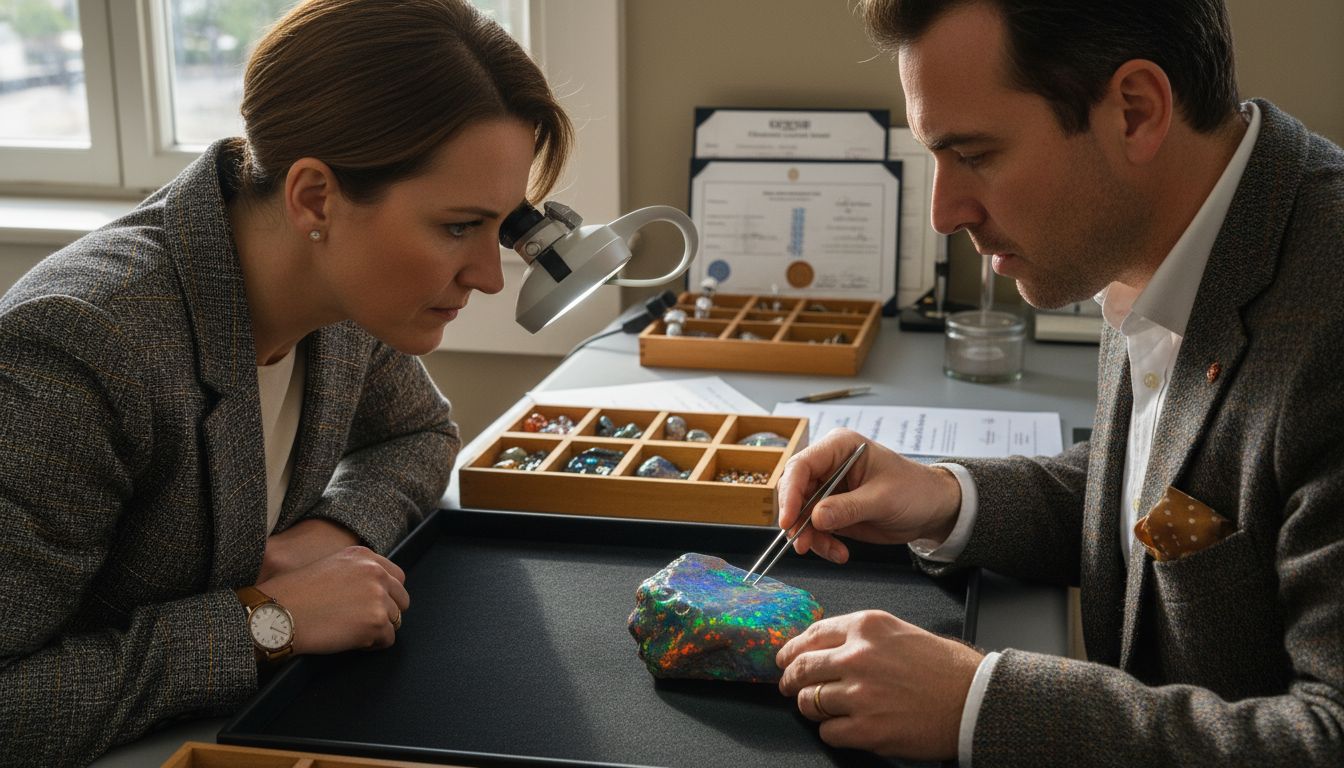
Over 90 percent of the world’s opals come from Australia, yet confusion about what truly makes an opal authentic remains widespread. Many buyers fall for myths and misunderstandings about these fascinating gemstones, missing out on their real value and beauty. Understanding the difference between genuine opals and clever imitations is key for anyone wanting to choose wisely and appreciate the remarkable stories behind each unique stone.
Table of Contents
- Defining Real Opal and Common Myths
- Distinguishing Types of Opal: Natural vs Synthetic
- Key Physical and Visual Characteristics Explained
- Testing Methods for Authenticating Opals
- Identifying Common Fakes and Imitations
- Mistakes to Avoid When Evaluating Opal
Key Takeaways
| Key Point | Details |
|---|---|
| Understanding Real Opals | Genuine opals are unique hydrated silica minerals, characterized by complex internal structures that create their play-of-color. |
| Natural vs Synthetic Opals | Natural opals form over millions of years, while synthetic opals are artificially created; key differences include their formation process and color distribution. |
| Authenticating Opals | Professional gemologists use various techniques, such as microscopic analysis and density testing, to distinguish authentic opals from fakes. |
| Common Evaluation Mistakes | Buyers often overlook critical factors like body tone, brightness, and texture, which are essential for assessing an opal’s true value. |
Defining Real Opal and Common Myths
Real opals are fascinatingly complex gemstones that often get misunderstood. According to the Australian Opal Association, a genuine opal is a hydrated silica mineral with a unique internal structure that creates its mesmerizing play-of-color - a phenomenon that sets it apart from other gemstones.
The defining characteristics of authentic opals include several critical features. Real opals possess:
- A natural formation process involving silica spheres
- Distinctive internal light-refracting structures
- Hydrated composition with water content between 3-10%
- Unpredictable color patterns that make each stone unique
One persistent myth surrounding opals is that they are inherently fragile or bad luck. As the Opal Association explains, this belief is entirely unfounded. Opals are actually quite durable when properly cared for, and their reputation for fragility is more folklore than fact. In reality, high-quality opals can withstand everyday wear and maintain their stunning optical properties with proper maintenance.
To truly understand a real opal, collectors and enthusiasts must look beyond surface-level appearances. Genuine opals are natural geological wonders, formed over millions of years through precise mineral deposition and crystalline arrangement. Each stone tells a unique story of geological transformation, with its color play resulting from microscopic silica spheres diffracting light in extraordinary ways. When shopping for opals, understanding these nuanced characteristics will help you distinguish authentic stones from synthetic or manipulated imitations. Learn more about precious opal types and characteristics to deepen your gemstone expertise.
Distinguishing Types of Opal: Natural vs Synthetic
Understanding the difference between natural and synthetic opals is crucial for collectors and jewelry enthusiasts. According to the International Gem Society, synthetic opals are laboratory-created gemstones designed to mimic the appearance and properties of their natural counterparts, but with distinct chemical and structural variations.
Key differences between natural and synthetic opals include:
- Formation Process: Natural opals form over millions of years through geological processes, while synthetic opals are created in controlled laboratory environments
- Structural Composition: Natural opals have irregular silica sphere arrangements, whereas synthetic opals have more uniform, predictable internal structures
- Color Distribution: Synthetic opals often display more uniform and consistent color patterns compared to the unique, unpredictable color play of natural stones
- Price Point: Synthetic opals are typically more affordable and lack the geological heritage of natural stones
The Australian Opal Association emphasizes that while synthetic opals can be visually stunning, they fundamentally differ from natural stones in their origin and intrinsic value. Professional gemologists use advanced techniques like spectroscopic analysis and microscopic examination to differentiate between natural and synthetic opals.
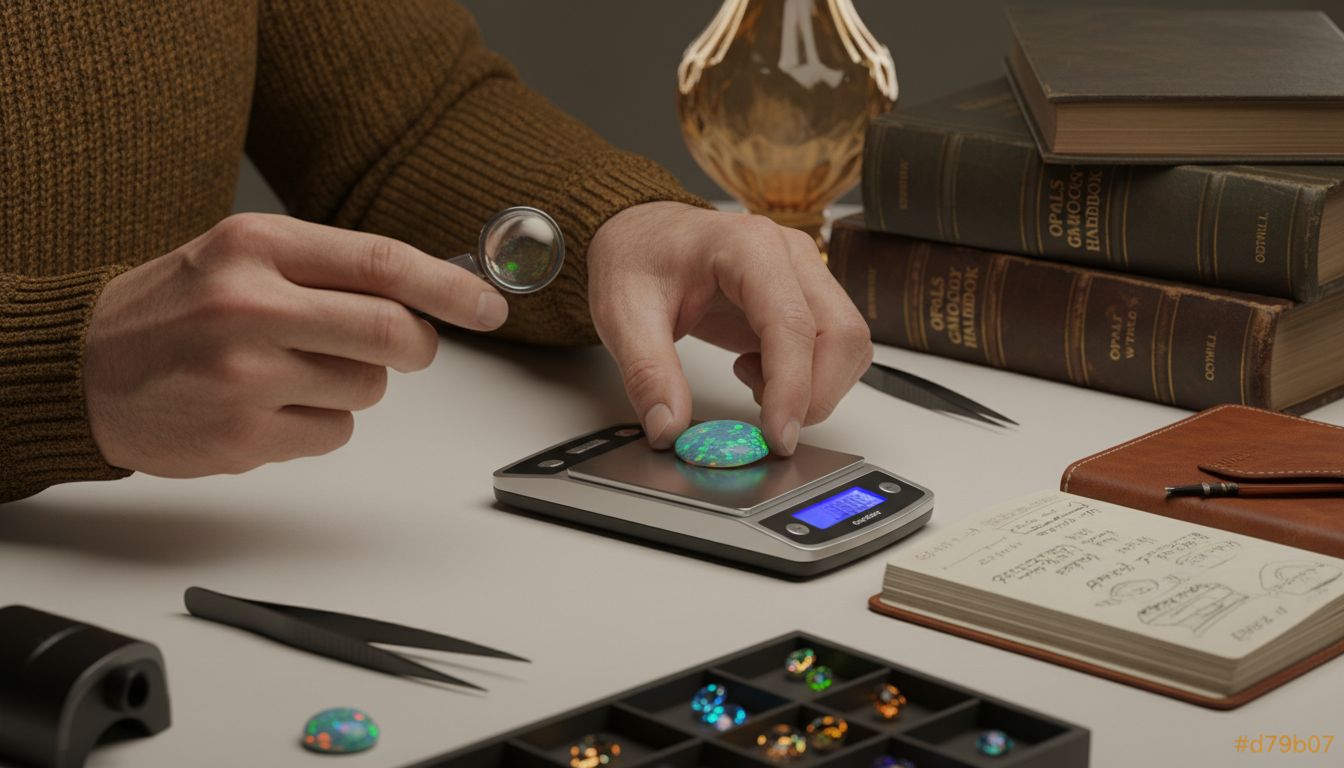 For collectors seeking authentic geological treasures, understanding these nuanced differences is paramount. Learn more about the different types of opal to enhance your gemstone knowledge and appreciation.
Key Physical and Visual Characteristics Explained
Opals are remarkable gemstones with complex physical properties that set them apart from other minerals. According to the New South Wales Resources Regulator, these stones possess unique characteristics that make them truly extraordinary, including a distinctive hardness range and specific gravity that contribute to their exceptional visual appeal.
The physical characteristics of opals can be broken down into several key components:
- Hardness: Typically ranging between 5.5-6.5 on the Mohs scale
- Specific Gravity: Approximately 1.98-2.20
- Chemical Composition: Hydrated silica (SiO2 · nH2O)
- Water Content: Between 3-10% of the stone’s total mass
- Optical Properties: Capable of displaying remarkable play-of-color
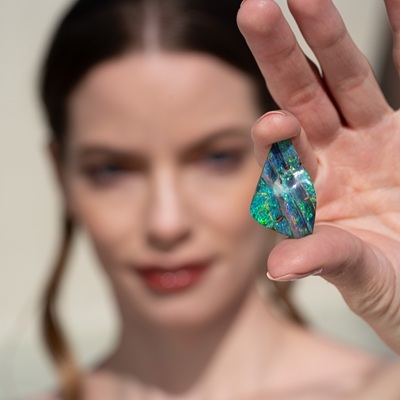
The Opal Association emphasizes that the visual characteristics of opals are particularly fascinating. The play-of-color phenomenon occurs when microscopic silica spheres diffract light, creating stunning rainbow-like displays that can include vibrant blues, greens, reds, and oranges. This optical effect makes each opal a unique geological masterpiece, with no two stones displaying identical color patterns. Professional collectors and gemologists appreciate these nuanced visual characteristics as indicators of an opal’s quality and authenticity. Explore the different types of opal to deepen your understanding of these mesmerizing gemstones.
Testing Methods for Authenticating Opals
Authentication of opals requires a sophisticated approach combining multiple diagnostic techniques. According to the Australian Opal Association, professional gemologists employ several critical methods to distinguish genuine opals from synthetic or imitation stones, with visual inspection being the first and most fundamental step.
Key testing methods for authenticating opals include:
- Visual Play-of-Color Examination: Analyzing the unique light diffraction patterns
- Microscopic Structural Analysis: Checking silica sphere arrangements
- Specific Gravity Testing: Measuring the stone’s density
- UV Light Inspection: Detecting synthetic stone characteristics
- Refractive Index Measurement: Assessing light interaction within the stone
The International Gem Society highlights the importance of understanding subtle differences between natural and synthetic opals. Professional authentication involves looking for telltale signs like the distinctive ‘lizard skin’ effect in synthetic stones, which differs from the more irregular patterns found in natural opals.
Advanced techniques such as spectroscopic analysis and detailed microscopic examination provide definitive proof of an opal’s authenticity. For collectors seeking comprehensive guidance, our opal certification guide offers deeper insights into the authentication process.
Identifying Common Fakes and Imitations
The world of opal collecting is fraught with sophisticated imitations that can easily deceive inexperienced buyers. According to the Australian Opal Association, collectors must be vigilant about several common types of fake opals, which range from glass and plastic substitutes to more advanced synthetic materials designed to mimic natural stones’ appearance.
Common opal imitations include:
- Glass Imitations: Transparent or translucent materials with artificial color patterns
- Plastic Replicas: Lightweight materials with uniform color distribution
- Resin-Based Fakes: Synthetic stones molded to resemble natural opal structures
- Polymer Opals: Chemically engineered materials with artificial play-of-color
- Doublet and Triplet Imitations: Layered stones using thin opal sections over different base materials
The International Gem Society emphasizes that detecting these imitations requires careful examination of physical properties. Genuine opals have unique thermal characteristics, distinct weight distributions, and complex light-refracting properties that set them apart from manufactured alternatives. Professional collectors look for subtle differences in texture, temperature responsiveness, and light interaction that synthetic materials cannot perfectly replicate.
INFOGRAPHIC:infographic_content] [Explore our opal certification guide to develop a trained eye for distinguishing authentic Australian opals from clever imitations.
Mistakes to Avoid When Evaluating Opal
Evaluating opals requires a nuanced approach that goes far beyond surface-level observations. According to the Australian Opal Association, many collectors make critical errors by relying exclusively on visual appearance without conducting comprehensive assessments that reveal a stone’s true quality and authenticity.
Common evaluation mistakes include:
- Overlooking Body Tone: Failing to assess the underlying color that impacts the stone’s overall value
- Ignoring Brightness Levels: Not critically examining the intensity of the opal’s play-of-color
- Neglecting Structural Analysis: Skipping detailed microscopic examination of internal characteristics
- Misinterpreting Light Conditions: Evaluating opals under incorrect or inconsistent lighting
- Underestimating Pattern Complexity: Assuming uniform color distribution indicates authenticity
The International Gem Society emphasizes that professional evaluation demands meticulous attention to subtle details most amateur collectors overlook. Successful opal assessment requires understanding complex optical properties, recognizing structural nuances, and developing a trained eye for distinguishing genuine stones from sophisticated imitations. For collectors seeking comprehensive guidance in navigating these intricate evaluation processes, our expert guide to buying Australian opals offers invaluable insights into making informed purchasing decisions.
Discover Authentic Australian Opals with Confidence
Identifying real opals can be a challenge filled with uncertainty and questions about authenticity. This guide highlights the importance of recognizing genuine play-of-color, silica structure, and the subtle differences between natural and synthetic opals. If you want to avoid costly mistakes and add truly unique gemstones to your collection, trust the experts who specialize in ethically sourced Australian opals.

Explore our curated collection at Australian Opal Direct where every piece comes with a story rooted in the rich Australian earth. Benefit from direct-miner relationships, competitive pricing, and a selection of rings, pendants, and custom designs that guarantee authenticity and lasting beauty. Dive deeper into understanding your perfect opal by visiting our expert guide to buying Australian opals and learn more about the different types of opal. Start your journey now and own a timeless treasure that captures history and energy with every shimmering play of color.
Frequently Asked Questions
What are the main characteristics of real opals?
Real opals are characterized by their natural formation process involving silica spheres, distinctive internal light-refracting structures, a hydrated composition with 3-10% water content, and unpredictable color patterns that make each stone unique.
How can I differentiate between natural and synthetic opals?
Natural opals form over millions of years through geological processes, while synthetic opals are created in laboratories. Key differences include structural composition, color distribution, and price point, with natural opals displaying irregular silica arrangements and unique color patterns.
What is the play-of-color phenomenon in opals?
The play-of-color phenomenon in opals occurs when microscopic silica spheres diffract light, creating stunning displays of color, including blues, greens, reds, and oranges. Each opal’s color pattern is unique, making it a geological masterpiece.
What mistakes should I avoid when evaluating an opal?
Common mistakes include overlooking the body tone, ignoring brightness levels, neglecting structural analysis, misinterpreting lighting conditions, and underestimating the complexity of patterns. Attention to these details is essential for accurately assessing an opal’s quality and authenticity.
Recommended
- Opal Stone 101: History, Symbolism, and Uses - Australian Opal Direct
- 7 Best Opal Jewelry Tips Every Collector Should Know - Australian Opal Direct
- Expert Guide to Buying Australian Opals for Collectors - Australian Opal Direct
- Complete Guide to Investing in Opal Jewelry - Australian Opal Direct
- How to Identify First Edition Comics: A Step-by-Step Guide – The Mansion Press