Opal Jewelry Selection Guide: Choose Your Perfect Gem
Posted by AOD on 17th Nov 2025
Opal Jewelry Selection Guide: Choose Your Perfect Gem
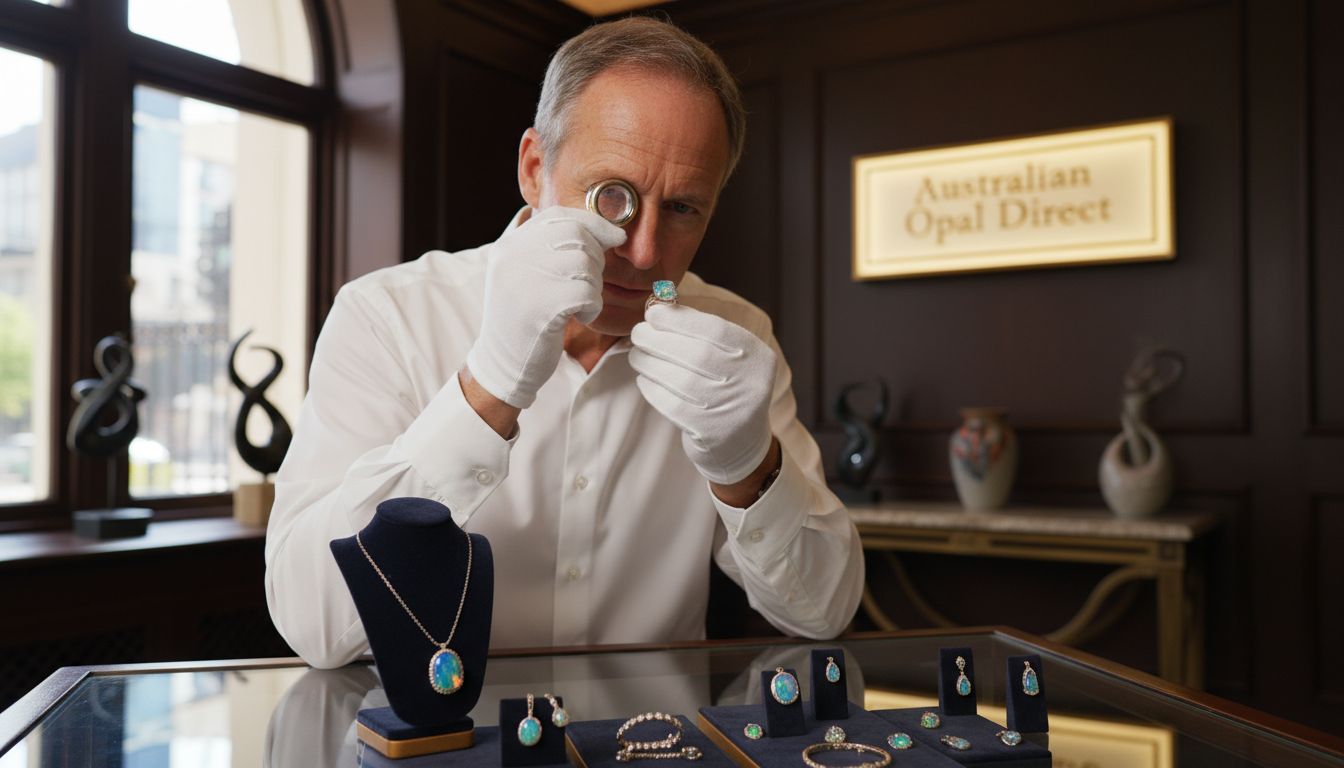
Fake opals outnumber genuine Australian opals by a wide margin in today’s jewelry market. For collectors and jewelry lovers, knowing how to spot the real thing means protecting both your investment and the beauty of your collection. By mastering a few essential steps, you can confidently choose opals that shine with natural color and authenticity, avoiding costly mistakes and enjoying the true splendor of these rare stones.
Table of Contents
- Step 1: Identify Authentic Australian Opals
- Step 2: Evaluate Opal Quality And Characteristics
- Step 3: Select The Ideal Jewelry Setting
- Step 4: Compare Craftsmanship And Ethical Sourcing
- Step 5: Verify Authenticity Certificates And Guarantees
Quick Summary
| Key Point | Explanation |
|---|---|
| 1. Identify authentic Australian opals | Examine color play, internal structure, and imperfections to confirm authenticity. |
| 2. Evaluate opal quality factors | Assess color vibrancy, body tone, brightness, and clarity to determine value. |
| 3. Choose the right jewelry setting | A bezel setting provides protection while enhancing the opal’s beauty. |
| 4. Verify craftsmanship and sourcing | Ensure ethical mining and skilled assembly in your opal jewelry. |
| 5. Check authenticity certificates | Request detailed certificates from reputable organizations to confirm the gem’s authenticity. |
Step 1: Identify authentic Australian opals
Authentic Australian opals are more than just beautiful gemstones they represent a geological treasure with unique characteristics. Understanding how to recognize genuine opals requires specialized knowledge and careful observation.
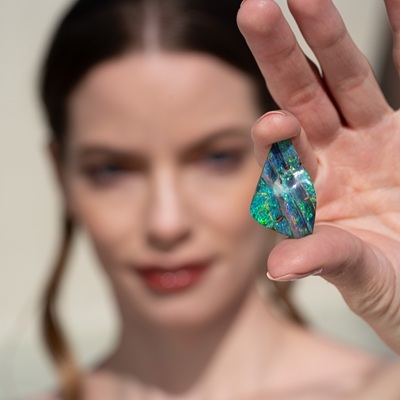
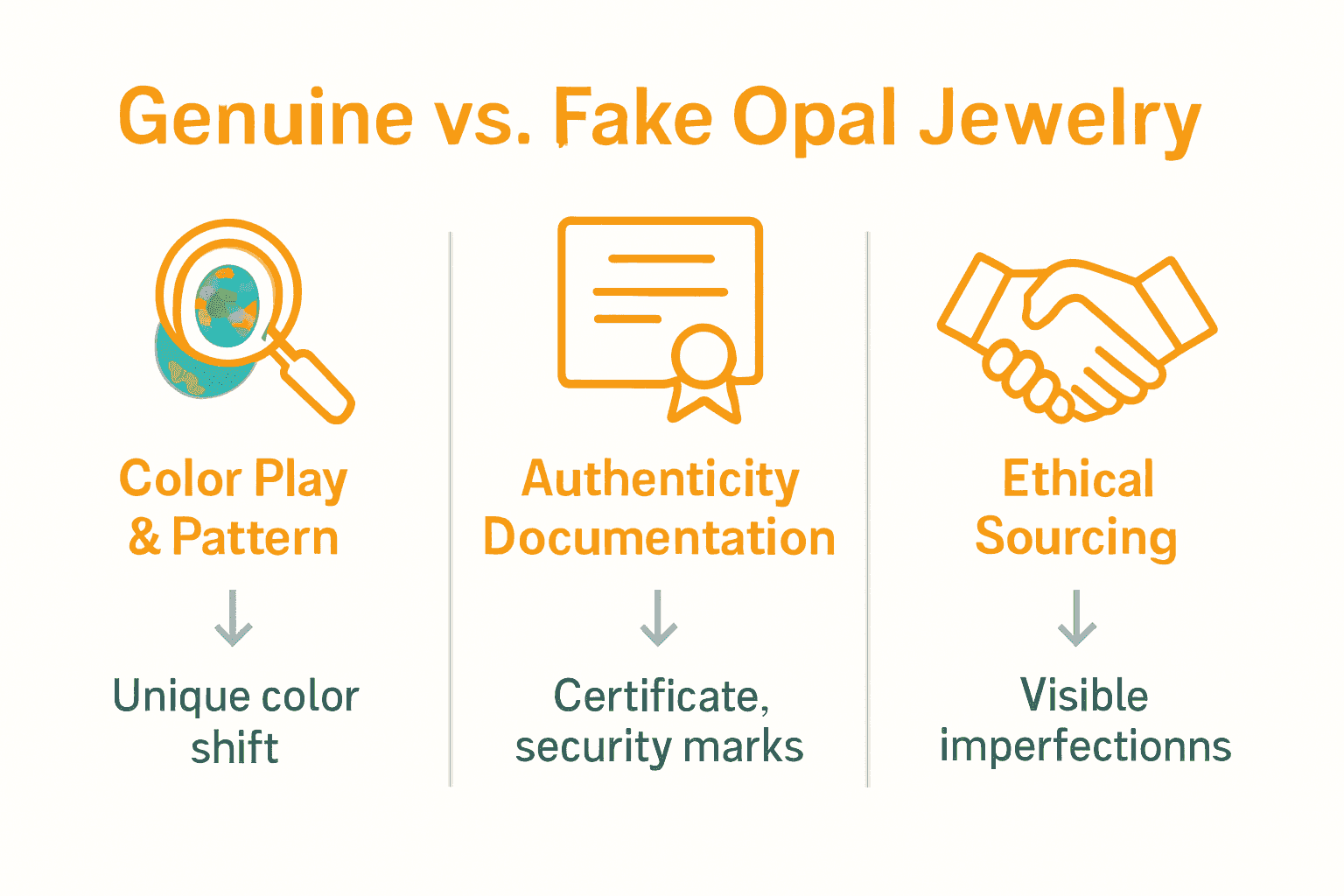
According to the Opal Association, identifying authentic Australian opals involves examining several critical attributes. Start by checking the stone’s color play and internal structure. Genuine Australian opals will display vibrant color patterns that shift when the stone moves and have a consistent internal structure without artificial treatments. Look for natural variations in color distribution these are hallmarks of earth mined stones.
Real Australian opals typically originate from specific regions like Lightning Ridge or Coober Pedy in South Australia. When examining an opal use good lighting and inspect it from multiple angles. Authentic stones will have natural imperfections and a unique internal fire that synthetic or treated stones cannot replicate. Pro tip: If possible consult with a professional gemologist who specializes in Australian opals for definitive authentication.
Beware of imitations. Many synthetic opals flood the market and can look remarkably similar to genuine stones. Always request a detailed origin certificate and purchase from reputable dealers who can provide transparent sourcing information.
 Learning to identify authentic Australian opals is an essential skill for any serious collector or jewelry enthusiast.
Step 2: Evaluate opal quality and characteristics
Understanding how to evaluate opal quality is crucial for making an informed purchase. This step will help you assess the true value and beauty of Australian opals through expert evaluation techniques.
According to the International Gem Society, evaluating opal quality involves examining several key factors. Color plays the most critical role in determining an opal’s value. Look for vibrant play of color with multiple hues that shift dramatically when the stone moves. The more intense and dynamic the color pattern the higher the opal’s potential value. Brightness matters significantly opals with strong saturated colors and clear color transitions are considered more precious.
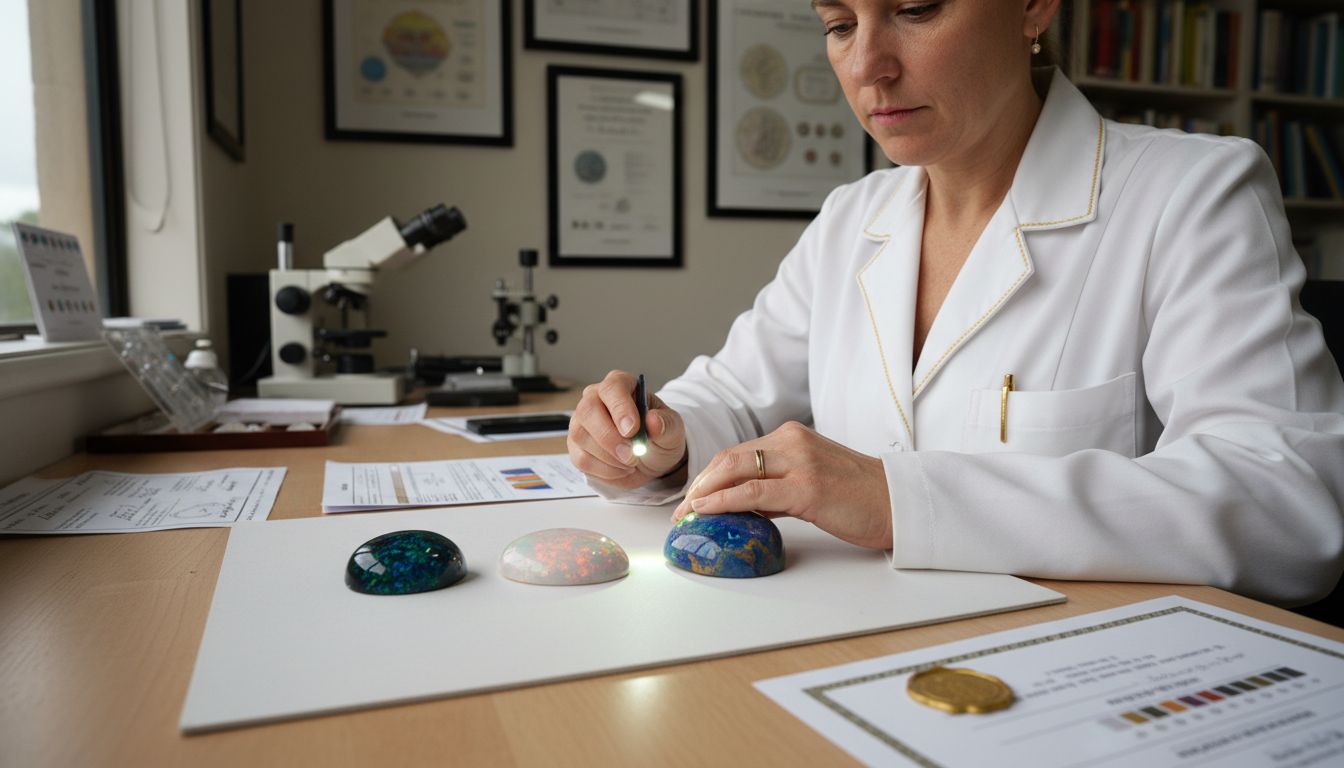
When assessing quality consider these primary characteristics. Body tone ranges from black to white with darker tones typically more valuable in Australian opals. Transparency and clarity are also essential. Evaluate how light passes through the stone checking for any internal fractures or inconsistencies. Understanding opal value requires a trained eye and careful examination. Pro tip: Professional gemologists recommend viewing opals under different lighting conditions to fully appreciate their unique color characteristics.
Your final assessment should factor in rarity and origin. Australian opals from specific regions like Lightning Ridge command higher prices due to their exceptional quality. Always request a detailed certification that verifies the stone’s authentic origin and specific characteristics before making a purchase.
Step 3: Select the ideal jewelry setting
Choosing the perfect jewelry setting for your Australian opal requires careful consideration of both aesthetic appeal and protection. This step will guide you through selecting a setting that showcases your gem’s unique beauty while ensuring its long term durability.
According to the Gemological Institute of America, opal settings must provide strategic protection due to the stone’s delicate nature. Bezel settings offer the most comprehensive protection by surrounding the entire stone with a metal rim preventing direct impact and potential chipping. Gold and platinum settings work exceptionally well with opals as they provide a soft secure environment that complements the stone’s vibrant colors. Prong settings can work but require careful design to minimize potential damage.
When selecting your setting consider the opal’s specific characteristics and your lifestyle. Soft bezel settings work best for everyday jewelry while more intricate designs might suit occasional wear. Custom opal ring designs allow you to create a personalized setting that matches your unique style and provides optimal protection. Pro tip: Always choose settings with smooth edges that protect the opal’s surface from accidental bumps or scratches. The right setting transforms your opal from a beautiful stone into a stunning piece of wearable art that will maintain its brilliance for years to come.
Step 4: Compare craftsmanship and ethical sourcing
Evaluating the craftsmanship and ethical origins of your opal jewelry goes beyond aesthetic appreciation. This critical step ensures you invest in a piece that reflects responsible mining practices and exceptional artisan skill.
According to the Responsible Jewellery Council, ethical sourcing involves comprehensive assessment of mining conditions labor practices and environmental impact. When examining opal jewelry look for transparent documentation about the stones origin. Authentic Australian opals from regions like Lightning Ridge should come with clear provenance indicating responsible extraction methods. Fairmined standards highlight the importance of supporting artisanal miners who use sustainable techniques that protect both workers and local ecosystems.
Craftsmanship evaluation requires a keen eye for detail. Examine the jewelry setting metalwork precision stone alignment and overall symmetry. High quality pieces demonstrate meticulous handiwork with smooth seamless connections and carefully positioned stones. Pro tip: Request certificates of authenticity that verify both the opals geological origin and the jewelry makers ethical standards. By prioritizing responsible sourcing and superior craftsmanship you not only acquire a stunning piece of jewelry but also support sustainable practices in the global gemstone industry.
Step 5: Verify authenticity certificates and guarantees
Authenticity certificates are your ultimate protection when investing in Australian opal jewelry. This step will help you understand how to validate the credibility of your gemstone documentation and ensure you are making a genuine purchase.
According to the Gemological Institute of America, a comprehensive authenticity certificate should include detailed information about the opal’s specific characteristics. When reviewing documentation look for precise details such as origin region color classification clarity grade and any treatments the stone may have undergone. The International Gemological Institute recommends checking for holographic security features unique identification numbers and clear information about the stones geological provenance.
Beyond the official certificate examine the reputation of the certifying organization. Internationally recognized institutes like GIA and IGI provide the most reliable documentation. Opal certification guides can help you understand the nuances of verification. Pro tip: Authentic certificates should include microscopic images of the stone allowing you to verify its unique internal characteristics. Always request a comprehensive certificate that not only validates the opals authenticity but also provides a detailed technical description of its unique qualities.
Find Your Perfect Australian Opal Jewelry with Confidence
Choosing the ideal opal requires more than just admiring its beauty. As highlighted in the Opal Jewelry Selection Guide you need to carefully identify authentic stones, evaluate their color and quality, and select a setting that protects your precious gem. The challenge is ensuring every part of your purchase meets the highest standards of authenticity and craftsmanship while reflecting your unique style.
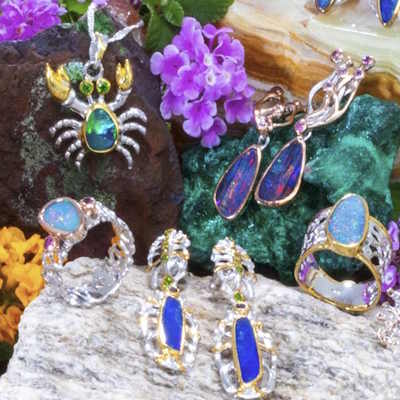
At Australian Opal Direct you can overcome these challenges easily. Our collection features genuine, ethically sourced Australian opals from famed regions like Lightning Ridge and Coober Pedy. Each piece is crafted with meticulous attention to detail ensuring your opal’s vibrant play of color shines brilliantly and remains protected. Experience the confidence of shopping with direct miner relationships that guarantee authenticity and the best value. Explore our curated collections where every ring, pendant, and bracelet tells a story of rarity and heritage.

Don’t settle for uncertainty when selecting your next opal treasure. Discover stunning jewelry backed by comprehensive authenticity certificates and superior craftsmanship. Visit Australian Opal Direct now and take the first step toward owning a timeless piece that captures the true magic of Australian opals. Your perfect gem awaits.
Frequently Asked Questions
How can I identify authentic Australian opals?
To identify authentic Australian opals, examine the stone’s color play and internal structure. Look for vibrant colors that shift with movement and natural imperfections; these indicate a genuine stone. Inspect from multiple angles in good lighting for the best results.
What factors determine the quality and value of an opal?
Opal quality is primarily determined by the vibrancy of its color, body tone, and clarity. Aim for stones with strong, saturated colors and minimal internal flaws for higher value. Carefully assess these elements before making a purchase to ensure you choose the best quality.
What should I consider when selecting a jewelry setting for my opal?
When choosing a jewelry setting for your opal, prioritize protection and aesthetic appeal. Bezel settings offer more security against damage, while the choice of metal (like gold or platinum) can enhance the opal’s colors. Evaluate how the setting complements both your lifestyle and the stone’s unique characteristics.
How do I evaluate the craftsmanship of opal jewelry?
To evaluate opal jewelry craftsmanship, examine the quality of the metalwork, stone alignment, and overall design symmetry. Look for smooth connections and careful stone positioning, which are signs of high-quality craftsmanship. Aim to request detailed information from the jeweler about the making process for assurance.
Why are authenticity certificates important for opal purchases?
Authenticity certificates are crucial as they provide verification of an opal’s origin and specific characteristics. They should include detailed information such as clarity grade and treatment details. Always ensure that the certificate is comprehensive to protect your investment in the gem.
What details should be included in an opal authenticity certificate?
A good authenticity certificate should specify the opal’s origin, color classification, clarity grade, and any treatments performed on the stone. Additionally, it should include unique identifiers, such as a holographic feature or microscopic images, which ensure a reliable verification of your opal’s uniqueness.