What Makes Black Opal Rare: Origins and Value Revealed
Posted by AOD on 16th Dec 2025
What Makes Black Opal Rare: Origins and Value Revealed
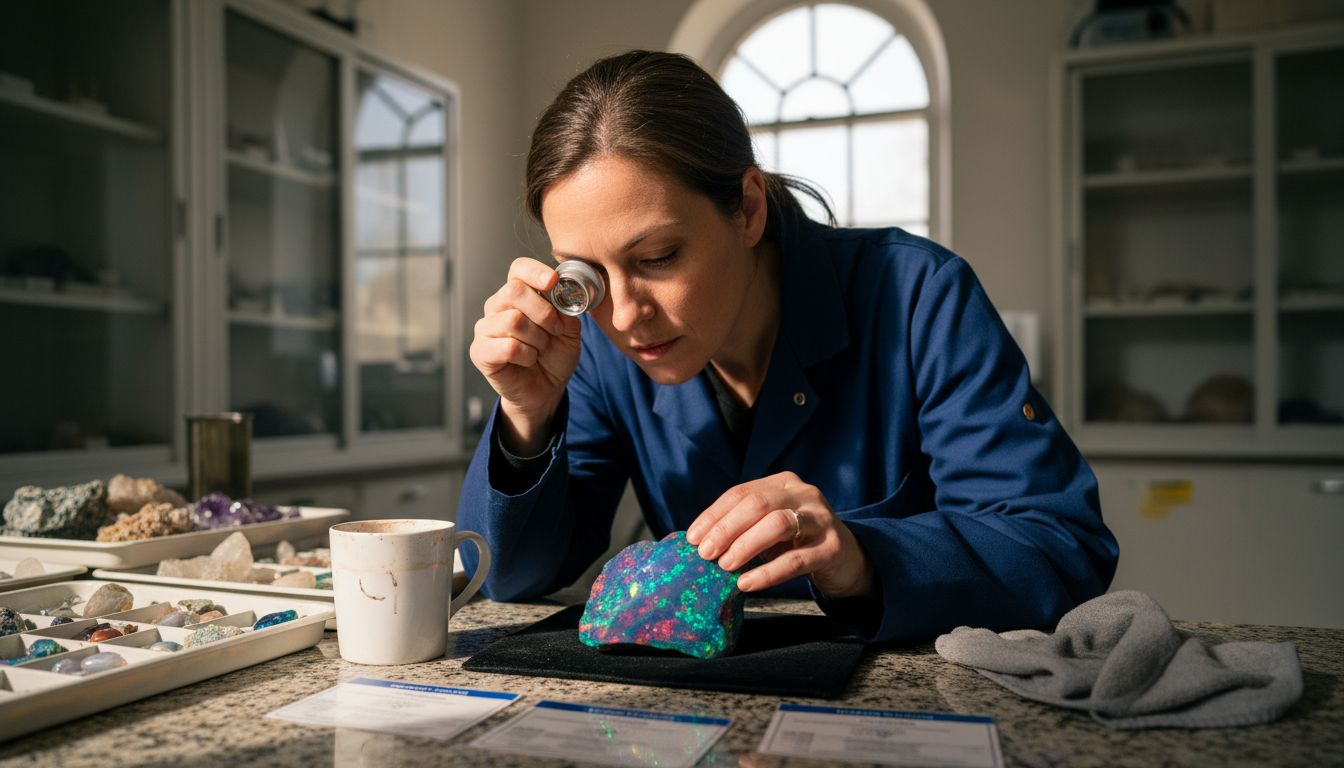
Only a small fraction of the world’s opals can claim the status of true black opals, and these gems are so rare that even seasoned American collectors may search for years before finding a perfect specimen. The allure lies in their dazzling display of color set against a deep, dark body that makes every flash feel magical. Understanding what makes black opals unique will help you appreciate why they hold such high value and why genuine examples are so coveted.
Table of Contents
- Defining Black Opal And Its Rarity
- Geological Origins Of Black Opal
- Why Play-Of-Color Sets It Apart
- Grading Black Opal: Quality Factors
- Market Demand And Ethical Sourcing
Key Takeaways
| Point | Details |
|---|---|
| Rarity of Black Opals | Black opals are among the rarest gemstones, necessitating specific geological conditions for their formation. Only a small percentage of opal deposits yield black opals with the desired dark body tone. |
| Unique Play-of-Color | The mesmerizing play-of-color in black opals arises from a precise arrangement of silica spheres which manipulate light, creating vibrant color displays that enhance their value. |
| Grading Factors | Key attributes for grading black opals include body tone, play-of-color intensity, pattern complexity, and color range, all of which significantly affect their market value. |
| Ethical Sourcing | As demand for black opals grows, ethical sourcing and sustainable mining practices are critical, with consumers increasingly valuing the provenance and environmental impact of gemstones. |
Defining Black Opal and Its Rarity
Black opals represent the most prized and exceptional variety of opals, distinguished by their remarkable dark body tone and extraordinary play-of-color. According to the Gemmological Association of Australia’s classification system, these extraordinary gemstones are defined by body tones ranging from N1 to N4 on their specialized grading scale, which emphasizes darker background colors.
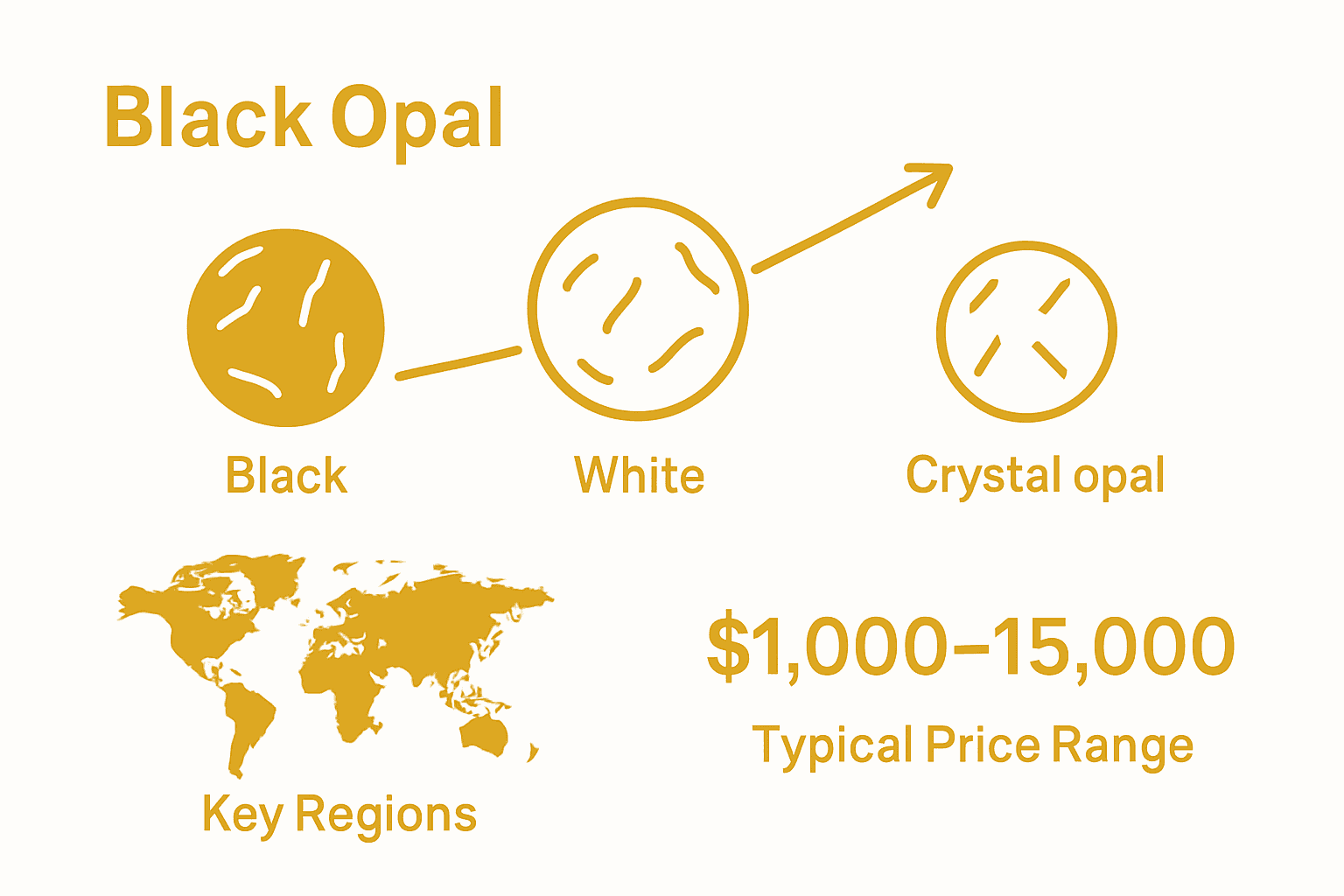
Unlike other opal varieties, black opals showcase an intense dark base that dramatically enhances their internal light performance. This unique characteristic allows the gem’s internal color play to appear more vibrant and dynamic, creating spectacular rainbow-like effects that shimmer and dance within the stone. Top-quality specimens from Lightning Ridge, Australia, are particularly renowned for their exceptional dark body tone, which amplifies their rarity and collector desirability.
The rarity of black opals stems from multiple factors. First, their formation requires extremely specific geological conditions, including precise temperature, mineral composition, and silica precipitation environments. Second, only a minute percentage of opal deposits worldwide produce stones with the coveted dark background necessary for classification as a black opal. Most opal mines yield lighter-toned stones, making true black opals exceptionally uncommon.
Pro Tip: When evaluating black opals, look for stones with consistent, vivid color play against a uniform dark background - these characteristics significantly enhance the gem’s value and collectibility.
Geological Origins of Black Opal
Black opals are geological marvels with complex and rare formation processes that occur under extremely specific environmental conditions. Primarily discovered in Lightning Ridge, New South Wales, Australia, these extraordinary gemstones originate from the Finch Claystone unit dating back to the Early Cretaceous period, nestled beneath the Wallangulla Sandstone layers.
The geological formation of black opals involves intricate silica precipitation processes that require precise temperature, pressure, and mineral composition. Sedimentary rock environments play a crucial role, with underground water channels carrying dissolved silica gradually depositing microscopic silica spheres that create the opal’s distinctive internal structure. These spheres must align in precise, uniform patterns to generate the mesmerizing play-of-color characteristic of high-quality black opals.

Interestingly, black opal deposits are not limited to Australia. A significant deposit was discovered in Ethiopia’s Wollo region in 2013, expanding the global understanding of black opal geological origins. This discovery highlights the complex and sporadic nature of black opal formation, emphasizing that these gemstones emerge from unique geological environments that are exceptionally rare and difficult to replicate.
Pro Tip: When examining black opals, look for subtle variations in geological banding and silica sphere alignments, as these microscopic details can reveal the gem’s authentic formation history and potential value.
Here’s how key black opal origins compare:
| Region | Notable Features | Discovery Period | Ethical Mining Focus |
|---|---|---|---|
| Lightning Ridge, Australia | Deepest black body tone, most vivid colors | Early 1900s | Strong regulations, sustainability |
| Wollo, Ethiopia | Expanded supply, unique structures | 2013 | Emerging practices, evaluation ongoing |
| Honduras (rare) | Brownish base, milder play-of-color | Ancient sources | Small-scale, limited regulation |
Why Play-of-Color Sets It Apart
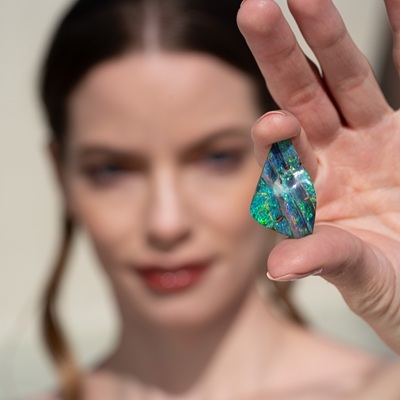
Black opals are renowned for their extraordinary play-of-color, a mesmerizing optical phenomenon that sets them apart from all other gemstones. The unique light diffraction occurs through an intricate internal structure of precisely arranged silica spheres, creating a spectacular display of shifting colors that dance and shimmer with every movement.
The magic of play-of-color emerges from microscopic silica spheres arranged in an incredibly uniform, three-dimensional lattice. These nanoscale spheres, typically measuring between 150 to 400 nanometers in diameter, interact with light in a phenomenally complex manner. When light enters the stone, it is split and reflected through these precisely organized spheres, producing vibrant rainbow-like flashes that seem to emerge from within the stone’s depths. Each black opal’s play-of-color is entirely unique, like a fingerprint of light and mineral composition.
Unlike other gemstones that rely on chemical impurities for color, black opals generate their spectacular visual effects through pure physical light manipulation. The dark body tone of black opals dramatically enhances this effect, creating a rich, dark background that allows the internal color play to appear more intense and vivid. This interaction between darkness and light creates a visual depth that makes high-quality black opals some of the most sought-after gemstones in the world.
Pro Tip: When assessing a black opal’s play-of-color, examine the stone under various lighting conditions and angles to fully appreciate its unique color performance and internal light dynamics.
Grading Black Opal: Quality Factors
Black opal grading represents a sophisticated process that evaluates multiple complex characteristics to determine a stone’s ultimate value and quality. Experts assess black opals across several critical dimensions, including body tone, brightness of play-of-color, pattern complexity, and color range, with each factor contributing to the gemstone’s overall desirability and market value.
The body tone serves as a fundamental grading criterion, with black opals specifically categorized between N1 and N4 on a specialized gemmological scale. Darker body tones are inherently more valuable, as they provide a rich, dramatic background that dramatically enhances the stone’s internal color play. Brightness becomes equally crucial - the more vibrant and intense the color display, the higher the opal’s potential value. Some rare pattern configurations, such as the coveted harlequin pattern, can exponentially increase a black opal’s worth.
Color distribution and dominant hues play a significant role in black opal valuation. Large, high-quality black opals with broad color ranges and prominent red tones are exceptionally rare and command premium prices. Gemstone collectors and investors look for stones that demonstrate not just color intensity, but also a harmonious, dynamic interplay of spectral wavelengths. The most prized black opals will showcase multiple colors that seamlessly transition and create a mesmerizing visual performance.
Pro Tip: When evaluating black opals, examine the stone under various lighting conditions and from multiple angles to fully appreciate its unique color dynamics and grading potential.
Here’s a summary of grading factors for black opals:
| Grading Factor | Definition | Impact on Value |
|---|---|---|
| Body Tone | Darkness of the opal’s base color | Darker tones increase value |
| Play-of-Color | Intensity and brightness of flashes | Vivid, bright colors valued |
| Pattern Complexity | Arrangement of color patterns | Rare patterns command premiums |
| Color Range | Number of visible color hues | More hues boost desirability |
| Size and Shape | Carat weight and cut proportions | Larger, symmetrical stones valued higher |
Market Demand and Ethical Sourcing
Black opals have experienced a fascinating evolution in global market dynamics, driven by both collector enthusiasm and complex ethical considerations. The discovery of black opal deposits in Ethiopia’s Wollo region has significantly transformed the international gemstone landscape, introducing new sources and challenging traditional supply chains while simultaneously raising important questions about sustainable mining practices.
Traditionally, Australia has remained the primary source of high-quality black opals, particularly from the renowned Lightning Ridge region, which has established comprehensive regulations to promote ethical mining practices. These regulations focus on ensuring environmental sustainability, fair labor conditions, and transparent sourcing. As global demand for these extraordinary gemstones continues to rise, responsible mining practices have become increasingly critical, with consumers demanding greater accountability and transparency in the gemstone supply chain.
The market for black opals has become increasingly sophisticated, with collectors and investors placing heightened emphasis on provenance, ethical sourcing, and environmental responsibility. Emerging markets like Ethiopia are now being carefully evaluated not just for their geological potential, but for their commitment to sustainable and socially responsible mining practices. This shift reflects a broader global trend where the value of a gemstone is no longer determined solely by its physical characteristics, but also by the ethical standards underlying its extraction and production.
Pro Tip: Always request detailed documentation about a black opal’s origin and mining conditions, as responsible sourcing is just as important as the stone’s visual beauty.
Discover Authentic Black Opals That Showcase True Rarity and Ethical Craftsmanship
Understanding what makes black opals rare highlights challenges like finding genuine stones with deep dark body tones, vivid play-of-color, and honest sourcing from trusted origins such as Lightning Ridge. If you value transparency, authenticity, and superior quality in black opals, you want more than just a gemstone. You seek an experience that honors the gem’s unique geological story and vibrant energy.
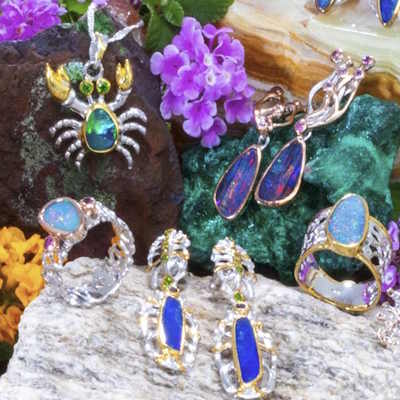
Australian Opal Direct provides direct access to ethically mined, genuine Australian black opals expertly crafted into stunning jewelry pieces. Explore our curated collection featuring rings, pendants, and custom designs that capture the vivid internal color play and rare beauty described in the article. Each piece reflects a deep respect for sustainable mining and heritage narratives, ensuring your black opal is as ethically exceptional as it is visually breathtaking.

Elevate your collection today with a black opal that embodies rarity and authenticity. Visit Australian Opal Direct now to explore the unmatched vibrancy and history of our opals. Don’t miss your chance to own a genuine treasure that radiates the captivating origins and value celebrated in this guide.
Frequently Asked Questions
What are the defining characteristics of black opals?
Black opals are noted for their intense dark body tone and extraordinary play-of-color, which showcases vibrant, rainbow-like effects that shimmer within the stone.
Why are black opals considered rare?
Black opals are rare due to their specific geological formation requirements and the limited percentage of opal deposits that yield stones with the coveted dark background necessary for classification as a black opal.
How is the value of black opal determined?
The value of black opal is determined by several factors, including body tone, brightness of play-of-color, pattern complexity, color range, and overall size and shape of the stone.
What is play-of-color in black opals?
Play-of-color is an optical phenomenon in black opals generated by an intricate internal structure of silica spheres, which diffract light to create varying colors that shift and dance as the stone is moved.