Black Opal Explained: Value, Types, and Rarity
Posted by AOD on 18th Nov 2025
Black Opal Explained: Value, Types, and Rarity
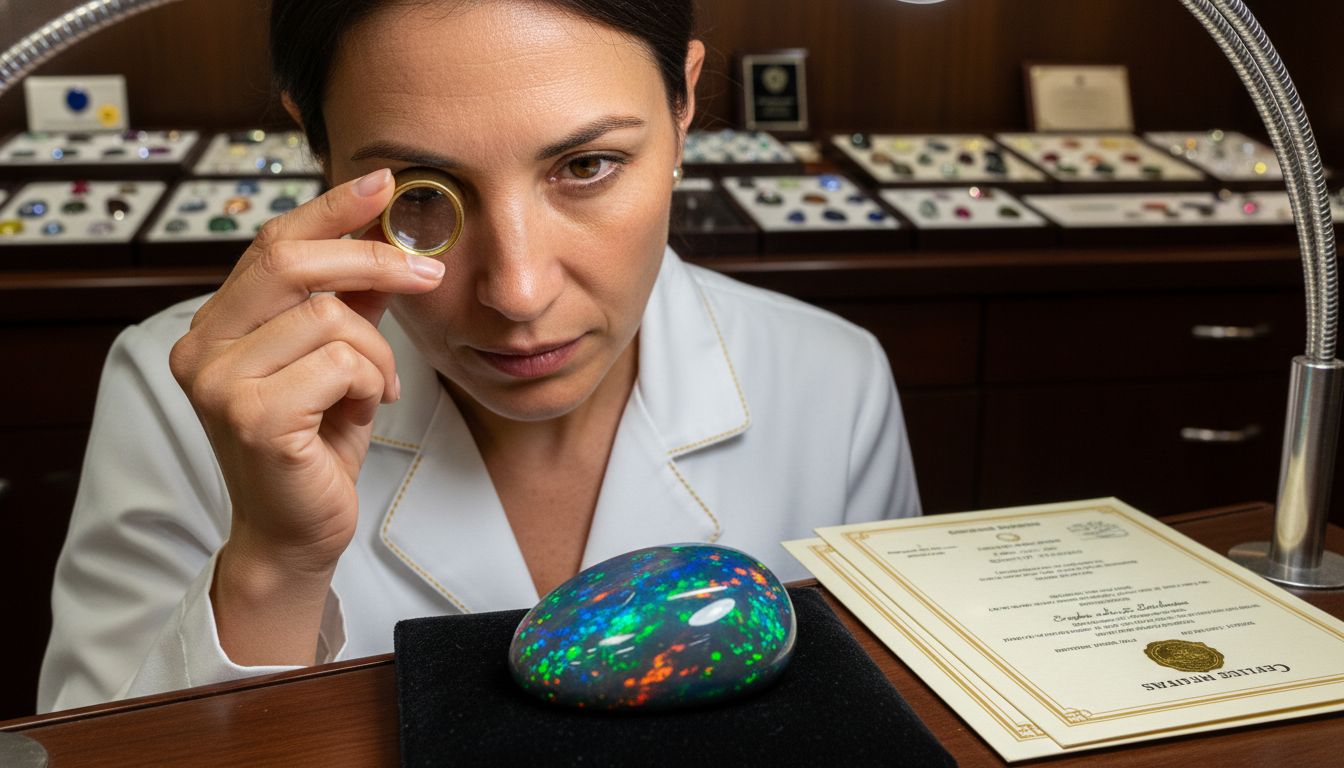
Black opals are often called the rarest gemstones on Earth, with fewer than 5 percent of opals showing the stunning dark body and vivid color play that define these treasures. Their beauty has fascinated collectors for generations and launched global quests for a perfect specimen. Understanding what truly sets black opals apart helps reveal why these stones command such attention and high value in the world of precious gems.
Table of Contents
- Meaning And Origin Of Black Opal
- Characteristics That Define Black Opal
- Types And Varieties Of Black Opal
- How Black Opal Is Graded And Valued
- Comparing Black Opal With Other Opals
- Buying Tips And Common Mistakes To Avoid
Key Takeaways
| Point | Details |
|---|---|
| Origin and Significance | Black opals, derived from the Sanskrit ‘úpala’, are valued for their dark body tone and vibrant color play, primarily sourced from Australia, particularly Lightning Ridge. |
| Distinctive Characteristics | They exhibit a dark background that enhances color intensity, with varieties like harlequin and pinfire showcasing different patterns that contribute to their rarity and value. |
| Grading Criteria | Valuation is based on color intensity, pattern complexity, body tone, and clarity, with red being the rarest and most valued color among them. |
| Buying Considerations | Potential buyers should focus on color consistency, body tone, authenticity, and structural integrity while seeking expert certification to avoid pitfalls in acquisition. |
Meaning and Origin of Black Opal
Black opals represent the pinnacle of opal gemstones, renowned for their mysterious dark body tone and mesmerizing color play. The term black opal originated from the Sanskrit word ‘úpala’, meaning ‘precious stone’, reflecting the gem’s profound cultural and historical significance Geological Survey of Australia.
Discovered in the late 19th century, black opals were first unearthed in specific regions of Australia, with significant finds in Jundah, Queensland, and later in the legendary Lightning Ridge, New South Wales. These extraordinary gemstones are distinguished by their dark body tone, which provides a dramatic backdrop for vibrant flashes of color Opal Academy.
The journey of black opals is deeply intertwined with Australian geological history. Lightning Ridge, in particular, has become synonymous with the highest quality black opals in the world. These gems form through a complex process involving silica spheres deposited in rock sediments, creating their unique internal structure that diffracts light and produces the captivating play-of-color that makes black opals so prized.
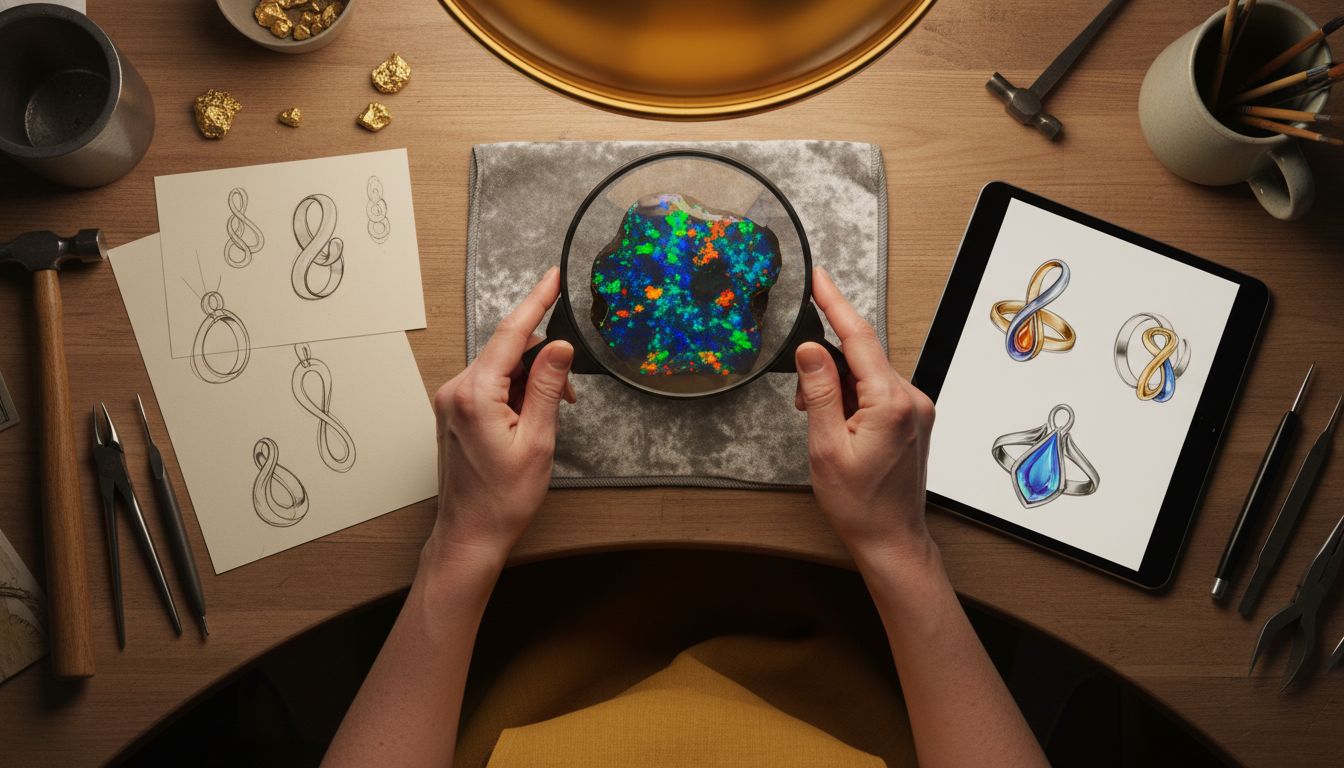
Black opals are more than just gemstones - they are geological storytellers. Their dark background, often compared to a night sky, serves as a canvas for brilliant color explosions that can include blues, greens, reds, and oranges. Each stone is unique, with color patterns as individual as a fingerprint, making them not just jewelry, but wearable works of natural art. Collectors and enthusiasts prize these gems for their rarity, with top-quality black opals commanding significant value in the global gemstone market.
Characteristics That Define Black Opal
Black opals are extraordinary gemstones defined by their distinctive dark body tone and spectacular light performance. According to the Smithsonian Natural History Museum, these unique stones are distinguished by a dark body color that dramatically enhances the vividness of their color play, making them truly exceptional among precious stones.
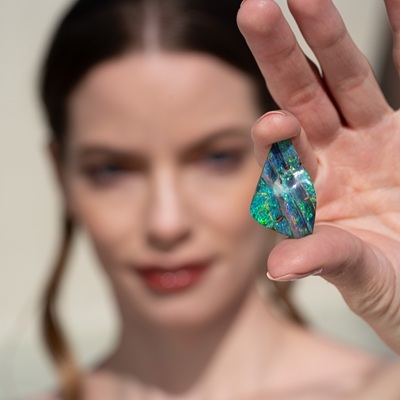
The most remarkable characteristic of black opals is their vibrant color pattern. Australian Museum highlights that these gems feature stunning colors superimposed on a dark or black background, with rare patterns like ‘harlequin’ showcasing rectangular or diamond-shaped color patches. These intricate color displays are what make black opals the most prized type of precious opal in the world.
Black opals possess several key physical characteristics that set them apart from other gemstones. Their color play results from an internal structure of precisely arranged silica spheres that diffract light, creating mesmerizing optical effects. Typically, high-quality black opals display a spectrum of colors including vivid blues, greens, reds, and oranges against their dark background.
Rarity and value are closely tied to the intensity and distribution of color within a black opal. Collectors and gemologists assess these stones based on criteria like body tone, brightness of color play, pattern complexity, and overall symmetry. A premium black opal will have a dark, uniform body tone that provides a dramatic canvas for brilliant, well-distributed color explosions, making each stone a unique geological masterpiece.
Types and Varieties of Black Opal
Black opals are a rare and extraordinary gemstone with multiple fascinating varieties that captivate collectors and jewelry enthusiasts worldwide. According to the Geological Survey of Australia, these precious stones are primarily characterized by a dark background showcasing an incredible range of colors from brilliant reds to vibrant greens, blues, and purples, with Lightning Ridge in New South Wales representing the premier source of these remarkable gems.
Classification of Black Opals involves several key distinctions based on color patterns and origin. Some notable varieties include:
- Harlequin Black Opal: Considered the most valuable, featuring geometric color patches
- Pinfire Black Opal: Displaying small, scattered color pinpoints across the dark background
- Rolling Flash Black Opal: Exhibiting colors that seem to move and shift when the stone is rotated
- Chinese Writing Black Opal: Characterized by intricate, line-like color patterns resembling script
The Smithsonian Natural History Museum highlights the significance of cutting and polishing techniques in showcasing black opals, noting that stones like the Dark Jubilee Opal from Coober Pedy are typically cut as cabochons or polished in free-form styles to maximize their unique color display. These cutting techniques are crucial in revealing the stone’s internal light performance and color complexity.
Understanding the nuanced world of black opals requires appreciating their geological uniqueness. Each variety tells a different story through its color distribution, with premium stones featuring intense, well-distributed color play against a deep, uniform dark background. Collectors and gemologists often seek black opals that demonstrate exceptional color brightness, pattern complexity, and overall symmetry, making each stone a miniature work of natural art. For those interested in exploring more about these fascinating gemstones, our comprehensive guide on opal types offers deeper insights into the world of these remarkable stones.
How Black Opal Is Graded and Valued
Black opal valuation is a sophisticated process that requires expert evaluation of multiple critical factors. Geological Survey of Australia reveals that the value of these extraordinary gemstones is primarily determined by the brilliance and range of colors, with red being the rarest and most valuable shade. Professional gemologists employ a comprehensive grading system that meticulously assesses each stone’s unique characteristics.
Key Valuation Criteria for black opals include:
- Color Intensity: The brightness and saturation of color play
- Pattern Complexity: Unique color distributions and geometric arrangements
- Body Tone: The darkness and uniformity of the background
- Clarity: Absence of internal fractures or inclusions
- Size: Overall dimensions of the stone
According to the Australian Museum, certain color patterns dramatically influence a black opal’s value. The harlequin pattern, featuring rectangular or diamond-shaped color patches, is particularly prized and can exponentially increase a stone’s market worth. Collectors and investors pay premium prices for opals displaying exceptional color play and distinctive geometric arrangements.
Professional certification plays a crucial role in black opal valuation. Experts use specialized tools and extensive experience to grade these gemstones, considering nuanced factors that go beyond simple visual assessment. For those interested in understanding the intricate world of black opal valuation, our opal value guide provides comprehensive insights into the complex process of determining these remarkable stones’ true worth. Each black opal represents a unique geological marvel, with its value reflecting not just its physical properties, but the extraordinary natural process that created it.
Comparing Black Opal With Other Opals
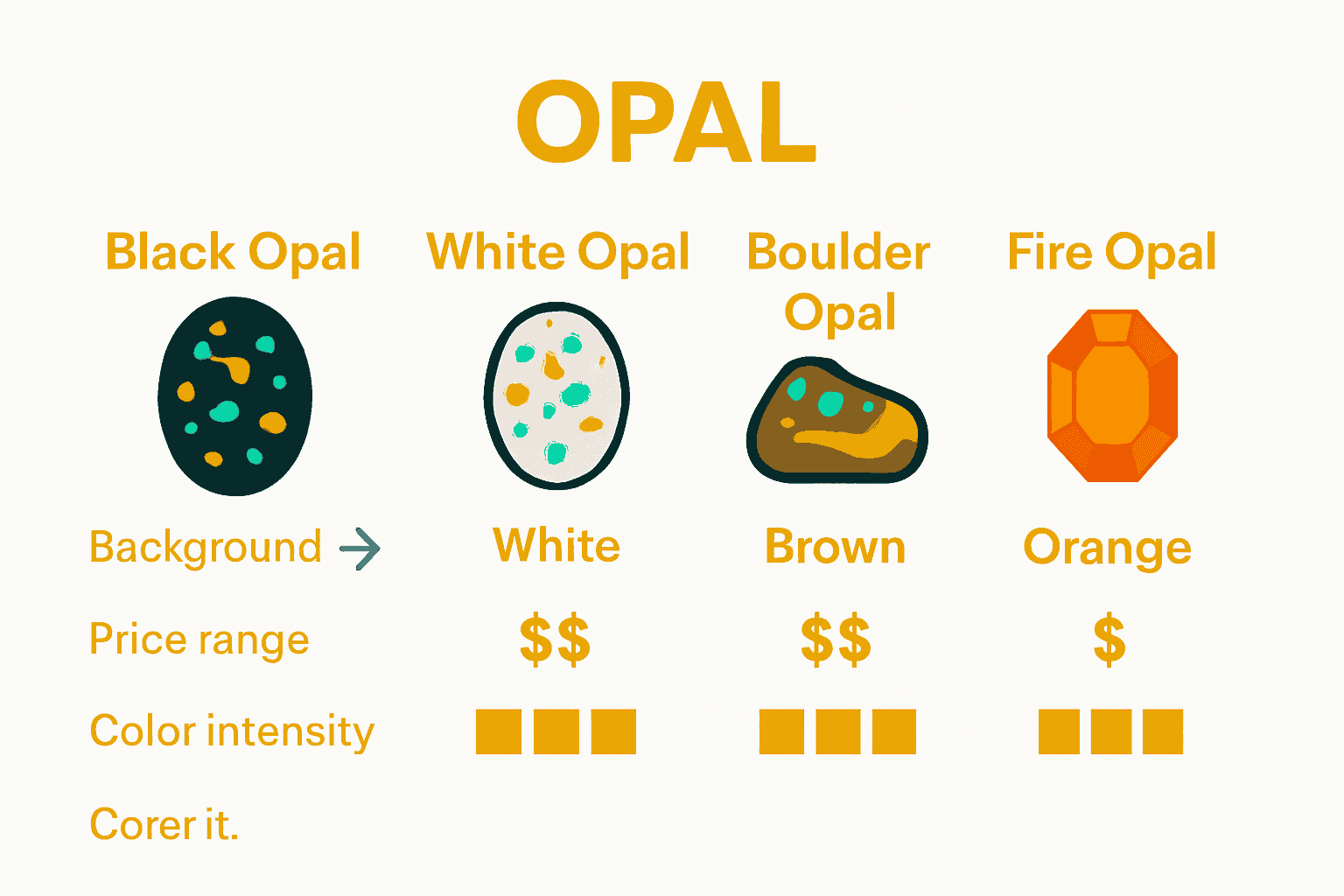
Black opals stand out as the most extraordinary and valuable variety of opals, distinguished by their unique characteristics. Geological Survey of Australia highlights that these rare gemstones are fundamentally different from other opal types, featuring a dark background that dramatically enhances their vibrant color play, setting them apart from lighter varieties like white opals and distinctive boulder opals.
Comparative Opal Characteristics:
- Black Opals: Dark background, most valuable, intense color play
- White Opals: Pale, translucent body with delicate color patterns
- Boulder Opals: Naturally integrated with ironstone host rock
- Fire Opals: Transparent to semi-transparent with red, orange, or yellow body color
According to the Smithsonian Natural History Museum, opals are categorized based on their transparency and body color. Black opals reign supreme in the opal world, characterized by their extraordinary play-of-color against a dark background. While white opals offer subtle, ethereal color displays and fire opals bring warm, passionate hues, black opals provide the most dramatic and intense visual experience.
The key differentiator for black opals lies in their unparalleled color intensity and pattern complexity. These gems command significantly higher prices due to their rarity and stunning visual characteristics. For enthusiasts eager to explore the nuanced world of opal varieties, our comprehensive black opal guide offers deeper insights into what makes these gemstones truly exceptional. Each opal type tells a unique geological story, but black opals undeniably represent the pinnacle of nature’s chromatic artistry.
Buying Tips and Common Mistakes to Avoid
Navigating the world of black opal purchases requires careful consideration and expert knowledge. Gem Society emphasizes the critical importance of evaluating a stone’s play-of-color, body tone, and unique pattern before making any investment. Potential buyers must develop a discerning eye to distinguish between exceptional stones and those of lesser quality.
Key Buying Considerations:
- Color Consistency: Look for vibrant, uniform color distribution
- Body Tone: Seek deep, dark backgrounds that enhance color play
- Authenticity: Verify origin and certification
- Structural Integrity: Check for potential cracks or water content issues
- Light Performance: Examine color shifts under different lighting conditions
According to the Australian Museum, avoiding common purchasing mistakes is crucial. Buyers must be vigilant about authenticating the opal’s origin, particularly ensuring the stone is a genuine Australian black opal, which carries the highest reputation in the global market. Synthetic or treated opals can be deceptive, making consultation with reputable gemologists an essential step in the purchasing process.
Professional certification provides an additional layer of protection for buyers. Understanding the nuanced grading system, recognizing potential treatments, and being aware of market values are critical skills. For those looking to make an informed purchase, our comprehensive opal certification guide offers expert insights into navigating the complex world of black opal acquisition. Remember, a truly exceptional black opal is not just a purchase - it’s an investment in a piece of geological art.
Discover the True Value and Rarity of Black Opals with Australian Opal Direct
Understanding the unique qualities that define black opals can be overwhelming. From discerning color intensity to identifying rare patterns like the harlequin, it is easy to feel uncertain about choosing the perfect stone. If you seek a genuinely authentic black opal that captures the rich history and breathtaking color play described in the article, you need a trusted source that guarantees quality and origin.

Explore our curated collection at Australian Opal Direct where every gem is ethically sourced from renowned Australian mining regions like Lightning Ridge and Queensland. Benefit from our direct-miner relationships ensuring you receive competitively priced, certified stones free from middlemen. Whether you want a striking ring or custom-designed jewelry to showcase your love for these geological masterpieces, our selection is crafted for connoisseurs and collectors who value authenticity and excellence. Start your journey today by visiting Australian Opal Direct and learn how to make your next purchase with confidence by reading our detailed opal certification guide and exploring the comprehensive black opal guide.
Frequently Asked Questions
What is the unique feature of black opals?
Black opals are unique due to their dark body tone, which dramatically enhances the vibrant color play of the gemstone, showcasing striking colors like blues, greens, reds, and oranges.
How is the value of black opal determined?
The value of black opal is determined by criteria such as color intensity, pattern complexity, body tone, clarity, and size. Rarer patterns like the harlequin pattern can significantly increase the gemstone’s market worth.
What are the different types of black opals?
Different types of black opals include Harlequin Black Opal (most valuable), Pinfire Black Opal (small color pinpoints), Rolling Flash Black Opal (colors shift when rotated), and Chinese Writing Black Opal (intricate line patterns).
How can I identify high-quality black opals?
High-quality black opals exhibit vibrant, consistent color distribution on a deep, dark background, lack internal fractures, and possess superior light performance. Professional certification can also help authenticate the stone’s quality.
Recommended
- Opal Stone 101: History, Symbolism, and Uses - Australian Opal Direct
- Opal Value Explained: A Complete Collector’s Guide - Australian Opal Direct
- What Is Precious Opal? Complete Guide to Types, Value, Uses - Australian Opal Direct
- Rare Opals Explained: Identifying Value and Rarity - Australian Opal Direct
- Opal Precious Stone Ladies Ring - STOMART.CO.UK
- The Vibrant and Captivating Beauty of Rainbow Onyx