Opal supply chain: Australian sourcing & ethics 2026
Posted by AOD on 11th Mar 2026
Opal supply chain: Australian sourcing & ethics 2026
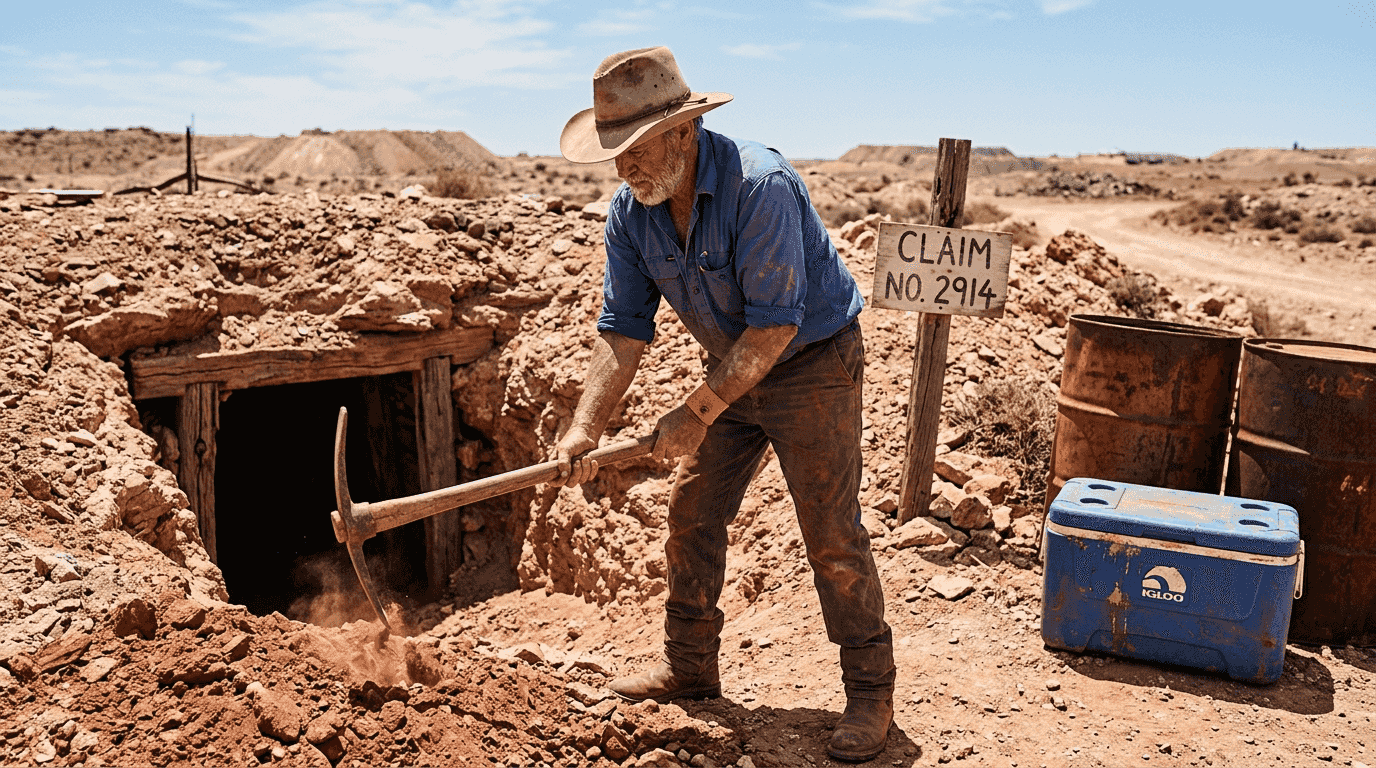
Australia controls over 90% of the world’s opal market, yet most buyers know little about how these mesmerizing gemstones travel from remote Outback mines to luxury jewelry collections. The opal supply chain involves intricate stages of ethical sourcing, advanced mining technology, and rigorous quality control that transform raw earth into coveted treasures. This guide reveals the complete journey of Australian opals and why transparency matters more than ever in 2026.
Table of Contents
- Australia’s Central Role In The Global Opal Supply
- Understanding The Ethical Sourcing And Environmental Responsibility In The Opal Supply Chain
- Technological Innovations And Sustainability In Australian Opal Mining
- From Mine To Market: The Journey Of Australian Opals To Luxury Jewelry Buyers
- Discover Ethically Sourced Australian Opals For Your Collection
- Frequently Asked Questions About The Opal Supply Chain
Key takeaways
| Point | Details |
|---|---|
| Australia’s market dominance | Australia supplies over 90% of the world’s precious opals, with key regions producing distinct varieties. |
| Ethical sourcing pillars | Fair labor practices, environmental stewardship, and complete traceability define responsible opal sourcing. |
| Regional specialization | Lightning Ridge produces black opals, Coober Pedy yields white and crystal types, Queensland offers boulder opals. |
| Technology transformation | Intelligent drilling rigs and geological mapping improve precision while reducing environmental impact in 2026. |
| Growing luxury demand | The global opal jewelry market is projected to reach $5.3 billion by 2032, driven by rarity and ethical awareness. |
Australia’s central role in the global opal supply
Australia’s geological conditions create the perfect environment for opal formation, resulting in over 95% of global precious opal production. Three major mining regions define the country’s opal landscape, each contributing unique varieties that collectors worldwide prize for their distinct characteristics.
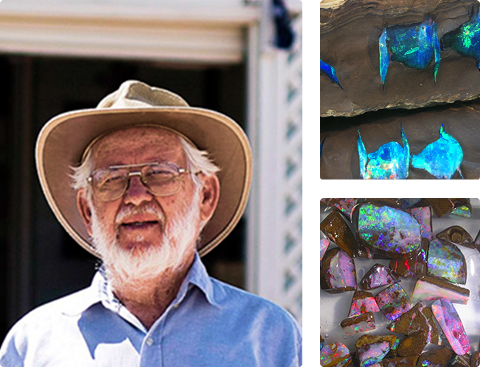
Coober Pedy provides 60% of world opal output, focusing primarily on white and crystal opals that display brilliant color flashes against lighter body tones. Lightning Ridge stands as the exclusive source for premium black opals, accounting for 40% of this rare variety’s global supply. Queensland’s boulder opals offer a third category, where precious opal forms within ironstone matrix, creating dramatic patterns that designers incorporate into statement pieces.
The concentration of production in these specific areas reflects millions of years of unique geological activity. Understanding why Australian opals are rare helps buyers appreciate the limited nature of these deposits and the specialized knowledge required to extract them successfully.
| Region | Annual Production Share | Primary Opal Types | Key Characteristics |
|---|---|---|---|
| Coober Pedy | 60-70% | White, crystal | Bright color play, lighter body tone |
| Lightning Ridge | 15-20% | Black | Dark body tone, intense color, highest value |
| Queensland | 10-15% | Boulder | Opal in ironstone, natural backing |
| Other regions | 5-10% | Various | Smaller deposits, specialty finds |
This regional diversity means that choosing Australian opals involves understanding which mining area produces the specific characteristics you desire. Each region’s output reflects distinct geological conditions that cannot be replicated elsewhere, making Australian opals genuinely irreplaceable in global markets.
The Australian opal mining industry in 2026 continues to evolve with new technologies while maintaining the artisanal expertise that generations of miners have developed. This combination of tradition and innovation ensures consistent quality across the supply chain.
Understanding the ethical sourcing and environmental responsibility in the opal supply chain
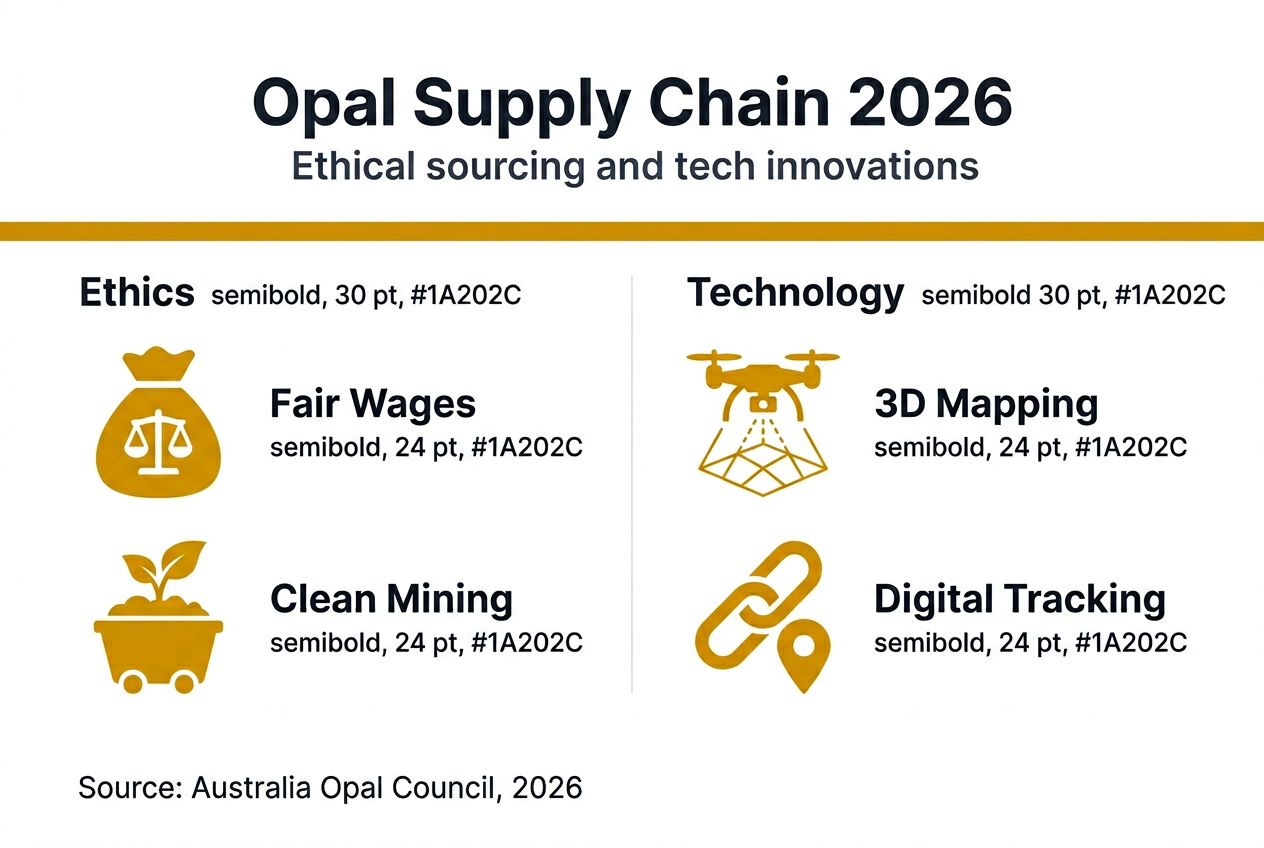
Consumers in 2026 demand complete transparency about gemstone origins, pushing the opal industry to implement rigorous ethical standards throughout the supply chain. Ethical sourcing encompasses fair labor practices, environmental responsibility, and full traceability from mine to market, addressing concerns that previously plagued gemstone industries.
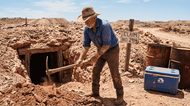
Fair wages for miners represent the foundation of ethical opal sourcing. Small-scale operations in remote Australian locations must provide competitive compensation while maintaining safe working conditions. Environmental sustainability extends beyond mere compliance, requiring miners to minimize land disturbance and implement rehabilitation plans for worked areas.
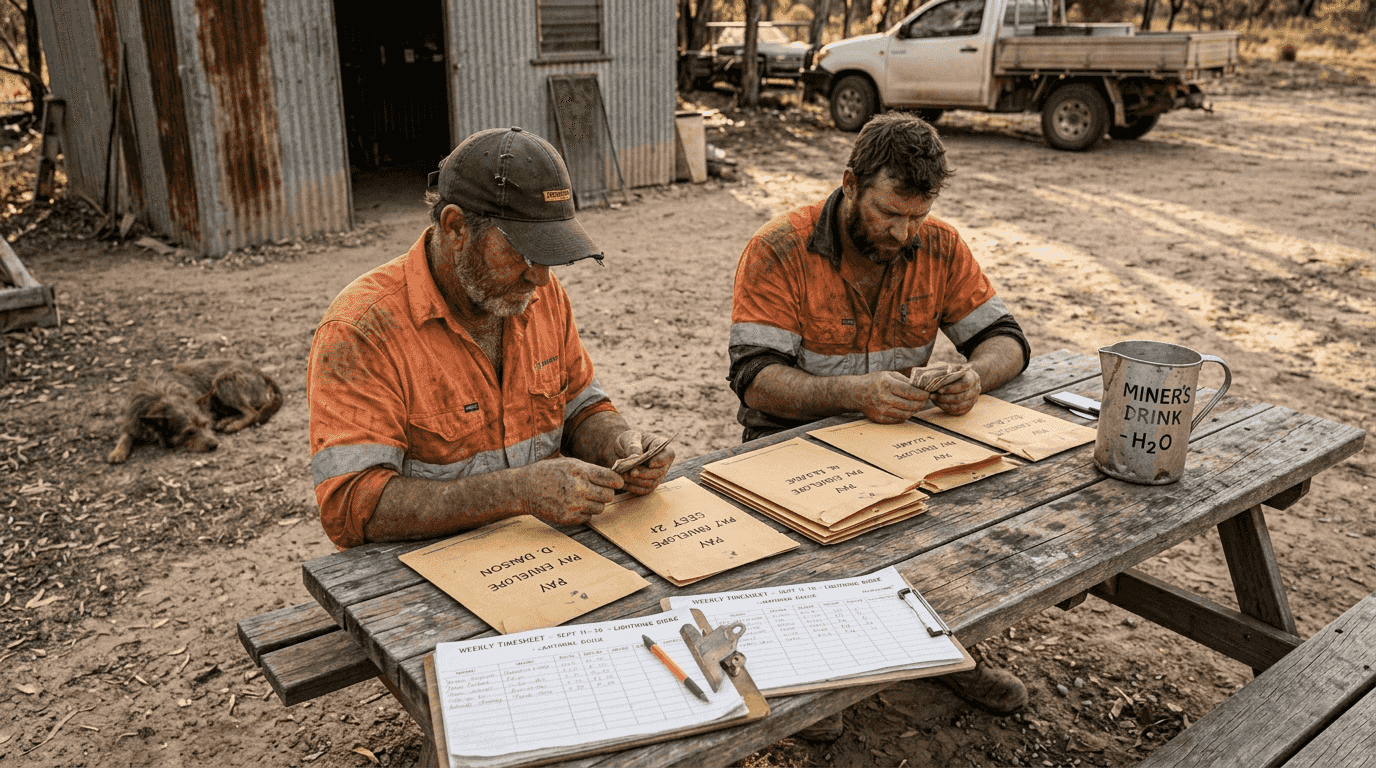
Traceability systems now track individual opals from the moment they emerge from underground, documenting their journey through cutting, setting, and retail stages. This documentation proves authenticity and provides buyers with confidence in their purchases. Opal provenance and ethical value have become central selling points for reputable dealers.
Key ethical sourcing practices include:
- Documented chain of custody from mine to retail
- Fair compensation structures for mining labor
- Environmental impact assessments and mitigation
- Prohibition of child labor and exploitation
- Community benefit sharing in mining regions
- Transparent pricing without middleman markup
Illegal mining operations undermine ethical sourcing by circumventing labor protections and environmental regulations. These operations often flood markets with undocumented stones that lack provenance verification, making it difficult for consumers to distinguish responsibly sourced opals.
Pro Tip: Request detailed provenance documentation including the specific mine, extraction date, and processing history before purchasing high-value Australian opals to ensure ethical sourcing.
Verification systems in 2026 employ digital tracking and certification programs that authenticate Australian opal origins. These technologies combat fraud while supporting legitimate miners who invest in sustainable practices. Buyers who prioritize ethical considerations drive industry-wide improvements by rewarding transparent suppliers with their business.
Technological innovations and sustainability in Australian opal mining
The Australian opal mining industry embraced significant technological advances by 2026, transforming how miners locate, extract, and process these precious gemstones. Intelligent drilling rigs and sustainable technologies now enable precision mining that reduces waste while protecting delicate opal seams.
Geological mapping systems use ground-penetrating radar and 3D modeling to identify promising opal deposits before excavation begins. This technology minimizes exploratory digging that previously disturbed large areas without guaranteed results. Miners can now target specific depths and formations where opal-bearing potch layers are most likely to occur.
Sustainability efforts focus on preserving the fragile geological structures that host opals. Traditional methods sometimes damaged surrounding rock layers, destroying potential future discoveries. Modern extraction techniques carefully separate opal-bearing material from waste rock, allowing for selective mining that leaves non-productive areas undisturbed.
The industry supports over 4,000 jobs across remote Australian communities, contributing approximately AUD 100 million in annual exports as of 2025. These economic benefits motivate continued investment in technologies that extend mine life while reducing environmental footprints.
Current challenges facing opal miners include:
- Economic uncertainty affecting investment in new equipment
- Workforce shortages in remote mining locations
- Climate variability impacting seasonal mining windows
- Balancing production volume with quality standards
- Infrastructure limitations in Outback regions
Coober Pedy alone contributes over 70% of Australia’s total annual opal production, making technological improvements in this region particularly impactful for global supply.
Authenticating Australian opals has become more reliable through advanced testing equipment that identifies synthetic or treated stones. Spectrometry and microscopic analysis reveal the natural formation patterns that distinguish genuine Australian opals from imitations or opals from other countries.
The integration of sustainable mining innovations in 2026 demonstrates how traditional industries can modernize while preserving artisanal expertise. Younger miners combine digital tools with knowledge passed down through generations, creating a hybrid approach that respects both innovation and tradition.
From mine to market: The journey of Australian opals to luxury jewelry buyers
The complete supply chain transforms rough opal into finished jewelry through multiple specialized stages, each adding value and requiring expert knowledge. Understanding this journey helps buyers appreciate the craftsmanship invested in every piece.
- Mining and extraction: Miners identify opal-bearing seams, carefully extract material, and perform initial sorting underground or at surface processing areas.
- Primary sorting: Rough opals are cleaned and categorized by type, color quality, and potential value, separating gem-quality stones from lower grades.
- Grading assessment: Experts evaluate color play, pattern, brightness, body tone, and clarity using standardized criteria that determine market positioning.
- Cutting and shaping: Skilled lapidaries analyze each stone to determine optimal cutting angles that maximize color display while minimizing waste.
- Jewelry manufacturing: Designers create settings that complement opal characteristics, using metals and accent stones that enhance rather than overshadow the opal’s natural beauty.
- Quality verification: Final inspection ensures proper setting security, polish quality, and accurate representation of opal characteristics for retail documentation.
- Retail distribution: Finished pieces reach consumers through direct-miner channels, specialty jewelers, or online platforms that provide provenance certification.
| Grading Factor | Impact on Value | Cutting Considerations |
|---|---|---|
| Color intensity | High - vibrant colors command premium prices | Cut to maximize color exposure and viewing angles |
| Pattern type | Medium - rare patterns increase desirability | Preserve distinctive patterns during shaping |
| Body tone | High - black opals valued above lighter types | Maintain body tone depth through proper backing |
| Clarity | Medium - transparency affects light interaction | Remove inclusions while preserving opal thickness |
| Size | High - larger quality stones exponentially rarer | Balance size retention with color optimization |
The opal jewelry market is expected to grow from $3.5 billion to $5.3 billion by 2032, driven by increasing appreciation for unique gemstones and ethical sourcing practices. Luxury buyers particularly value the exclusivity of high-quality Australian opals, which cannot be synthetically replicated with the same complexity.
Pro Tip: Study the relationship between opal cut styles and pattern visibility before purchasing, as the same rough stone can produce dramatically different appearances depending on cutting decisions.
Investing in Australian opals requires understanding how cutting choices affect long-term value retention. A well-cut opal can appreciate significantly over time, while poor cutting decisions permanently diminish even exceptional rough material.
Market trends in 2026 show strong demand for documented provenance and direct-miner relationships. Buyers increasingly avoid multi-level distribution chains that obscure origins and inflate prices without adding value. Opal value factors extend beyond physical characteristics to include ethical sourcing documentation and supply chain transparency.
The Australian opal market’s projected growth reflects broader consumer preferences for distinctive gemstones with verifiable origins. This trend benefits miners and cutters who maintain rigorous quality standards throughout the supply chain.
Discover ethically sourced Australian opals for your collection
Now that you understand the complex journey from mine to market, you can make informed decisions about adding Australian opals to your collection. Australian Opal Direct connects you directly with miners and artisans who uphold the ethical standards and craftsmanship excellence described throughout this guide.

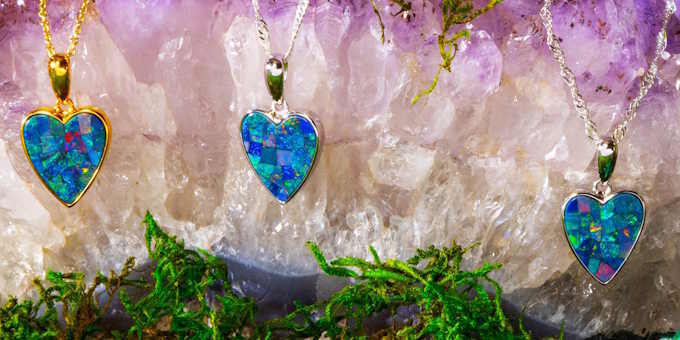
Explore authenticated pieces with complete provenance documentation, ensuring your investment supports sustainable mining practices and fair labor conditions. Expert guidance helps you navigate the nuances of opal types, cutting styles, and value factors specific to Australian specimens. Whether you seek a statement black opal from Lightning Ridge or a delicate crystal opal pendant from Coober Pedy, direct-miner relationships eliminate unnecessary markups while guaranteeing authenticity and ethical sourcing.
Frequently asked questions about the opal supply chain
What is an opal supply chain?
The opal supply chain encompasses every stage from underground extraction through retail sale, including mining, sorting, grading, cutting, jewelry manufacturing, and distribution. This integrated process requires specialized expertise at each step to transform rough opal into finished jewelry while maintaining quality standards and ethical practices.
How are Australian opals ethically sourced?
Ethical Australian opal sourcing prioritizes fair wages for miners, environmental stewardship including land rehabilitation, and complete traceability from mine to market. Industry leaders combat illegal mining through certification programs and documentation systems that verify provenance, ensuring buyers receive genuinely responsible gemstones.
What are the main types of Australian opals and where are they mined?
Black opals come exclusively from Lightning Ridge with their prized dark body tone, white and crystal opals originate primarily in Coober Pedy displaying bright color play, and boulder opals are found in Queensland featuring natural ironstone backing. Each type reflects unique geological conditions that influence appearance, durability, and market value.
How do technological innovations impact opal mining?
Intelligent drilling systems and geological mapping reduce environmental disruption by targeting specific opal-bearing layers with precision, minimizing unnecessary excavation. Advanced traceability technologies document each stone’s journey through the supply chain, providing authentication and supporting ethical sourcing verification for conscious buyers in 2026.
Recommended
- Opal Provenance: Ensuring Authenticity and Ethical Value - Australian Opal Direct
- Opal Birthstones: Meaning, Value, and Ethical Sourcing - Australian Opal Direct
- Why Invest in Opals: Rarity, Value, and Ethical Appeal - Australian Opal Direct
- Complete Guide to Choosing Australian Opals - Australian Opal Direct