Opal Provenance: Ensuring Authenticity and Ethical Value
Posted by AOD on 11th Dec 2025
Opal Provenance: Ensuring Authenticity and Ethical Value
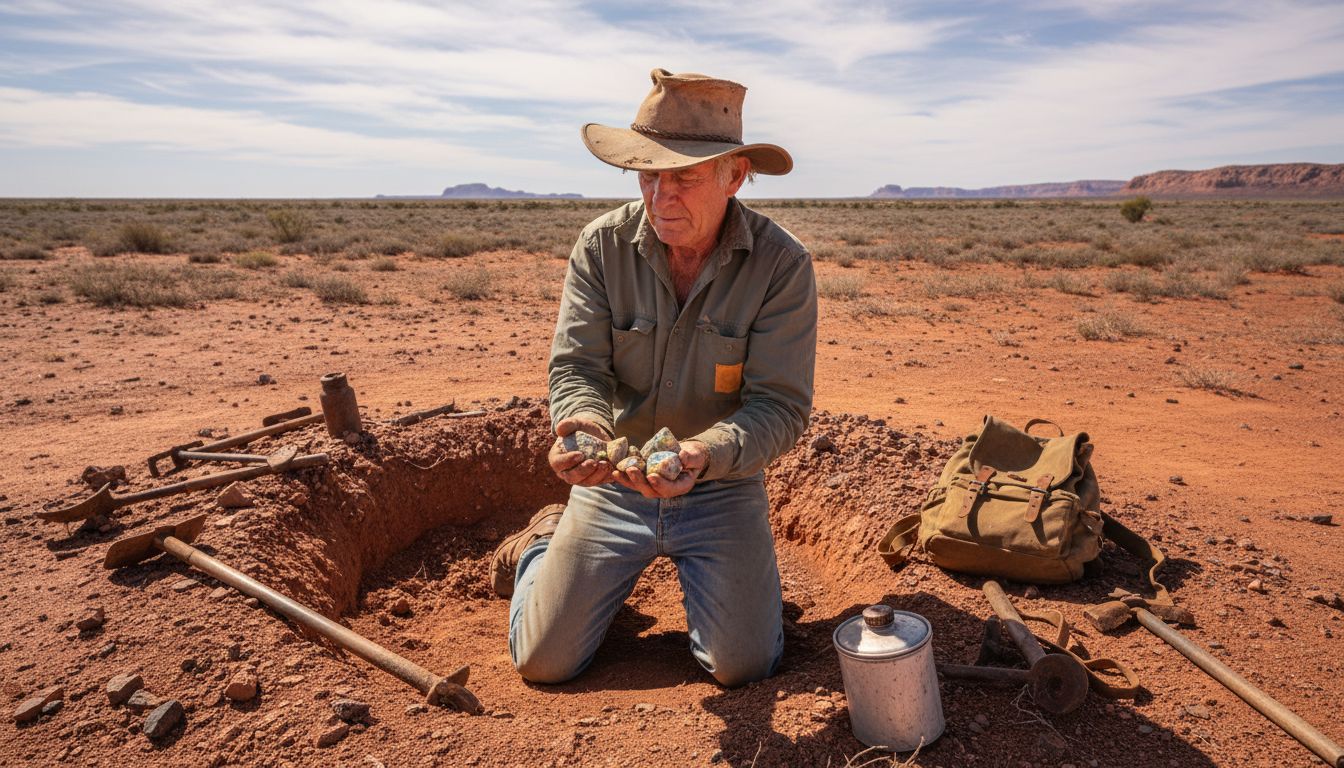
Over 90 percent of the world’s precious opals originate from Australia, yet many American buyers still fall prey to myths and confusion about opal provenance. Accurately tracing an opal’s journey matters for both ethical and financial reasons, especially when authenticity and responsible sourcing are on the line. Discover how understanding true opal provenance helps collectors see past misconceptions, protect their investments, and make informed choices in the fascinating world of gemstones.
Table of Contents
- Defining Opal Provenance And Common Misconceptions
- Major Australian Regions And Opal Types Explained
- Tracking And Documenting Opal Origin
- Why Provenance Matters For Value And Trust
- Risks Of Unverified Opals And Ethical Concerns
Key Takeaways
| Point | Details |
|---|---|
| Understanding Opal Provenance | Opal provenance is crucial for assessing value, encompassing geographic origin, mining practices, and a gem’s historical journey to the market. |
| Significance of Australian Regions | Australia is the primary source of opals, with regions like Lightning Ridge known for black opals and Coober Pedy for white opals, each contributing unique characteristics. |
| Importance of Documentation | Detailed documentation and certification of an opal’s origin link it to its geological narrative and enhance its market value and buyer trust. |
| Risks of Unverified Opals | Purchasing unverified opals poses risks of acquiring unethical and synthetic stones, undermining consumer trust and the integrity of the gemstone market. |
Defining Opal Provenance and Common Misconceptions
Opal provenance represents the comprehensive tracking and verification of an opal’s complete origin story, from geological formation to final market placement. Understanding this concept goes far beyond simple geographic identification, encompassing geological characteristics, mining processes, ethical extraction methods, and the gem’s historical journey. When evaluating an opal’s true value, provenance becomes a critical factor that distinguishes authentic, responsibly sourced stones from questionable alternatives.
The journey of opal formation is intricate and fascinating. Precious opals display a unique play-of-color resulting from their extraordinary internal structure of precisely arranged silica spheres. These gemstones emerge from silica deposits left by seasonal rains in regions like Australia’s remote outback, creating microscopic structures that refract light in spectacular patterns. Collectors and gemstone enthusiasts recognize that understanding an opal’s precise geological origins provides insight into its potential quality and characteristics.
Historically, opals have been surrounded by fascinating cultural narratives and misconceptions. Contrary to superstitious beliefs that opals bring bad luck, these gems were traditionally considered symbols of hope and purity. The negative reputation stems largely from 19th-century literature, particularly Sir Walter Scott’s 1829 novel ‘Anne of Geierstein’, which dramatically portrayed opals as harbingers of misfortune. Modern gemstone experts understand these are mere myths, appreciating opals for their genuine geological marvel and aesthetic beauty.
When assessing opal provenance, serious collectors and ethical buyers should focus on several key aspects:
- Geographic origin and specific mining region
- Extraction methods and environmental impact
- Chain of custody documentation
- Verification of ethical mining practices
- Detailed geological formation characteristics
True provenance goes beyond a simple certificate; it tells the complete story of a gemstone’s journey from deep underground to becoming a treasured piece of jewelry.
Major Australian Regions and Opal Types Explained
Australia stands as the world’s premier source of exceptional opals, with each geographic region contributing unique geological characteristics that produce distinct and stunning gemstone varieties. Australia’s primary opal-producing areas include Lightning Ridge, Coober Pedy, and Queensland, each renowned for creating specific types of opals with remarkable visual properties and geological significance.
Lightning Ridge, located in New South Wales, is internationally famous for producing black opals - arguably the most valuable and rare opal variety in the world. These opals feature an extraordinary dark body tone that dramatically enhances their vibrant color play. Coober Pedy, situated in South Australia’s harsh desert landscape, is known for producing white opals characterized by their lighter background and softer color manifestations. Queensland presents another fascinating variant called boulder opals, which are uniquely formed within ironstone host rock, creating stunning patterns that integrate the host stone’s natural matrix.
Understanding the nuanced differences between these regions reveals the complex geological processes that create such magnificent gemstones. Each region’s distinct geological conditions contribute to the unique characteristics of the opals produced, making them not just beautiful stones, but intricate records of environmental transformation. The variations in silica deposition, water content, and mineral interactions result in opals with extraordinary color ranges and optical properties.
For serious collectors and enthusiasts, appreciating these regional distinctions becomes crucial in understanding an opal’s true value and authenticity. The key characteristics to consider include:
- Specific geographic origin
- Characteristic color patterns
- Body tone variations
- Geological formation conditions
- Rarity of the specific opal type
These Australian opal regions represent more than mere geographic locations; they are living museums of geological artistry, each telling a unique story of mineral formation across millions of years.
Tracking and Documenting Opal Origin
Tracking and documenting an opal’s origin represents a complex and sophisticated process that combines advanced scientific techniques, meticulous record-keeping, and expert gemological analysis. Identifying inclusions and structural features in opals provides critical insights into determining their precise geographic and geological origins, enabling experts to authenticate and validate each gemstone’s unique history.
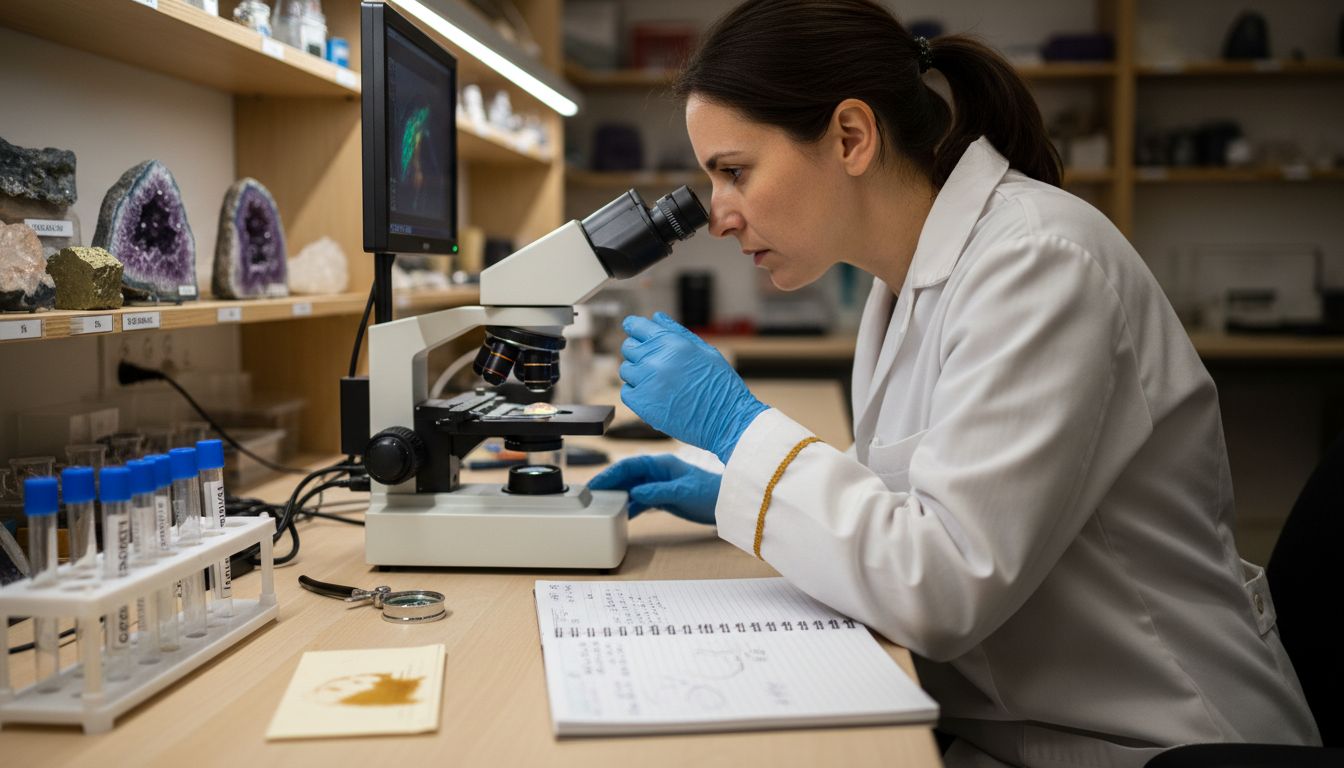
The documentation process involves multiple sophisticated methodologies. Gemological certification requires detailed microscopic examination, spectroscopic analysis, and comprehensive documentation that traces the opal’s journey from its original mining location through subsequent processing and distribution channels. Advanced technologies like electron microscopy and spectral imaging allow experts to examine microscopic structural characteristics that reveal an opal’s specific environmental formation conditions, mineral composition, and potential treatments.
Expert gemologists emphasize the importance of proper documentation to verify opal origin, recognizing that comprehensive provenance records significantly impact a gemstone’s market value and collector interest. The documentation typically includes:
- Precise geographic mining location
- Extraction date and method
- Geological formation details
- Chain of custody information
- Microscopic structural analysis
- Spectroscopic examination results
- Certification of natural versus synthetic status
Ultimately, tracking an opal’s origin is more than a technical exercise - it’s a sophisticated process of storytelling that connects each gemstone to its unique geological narrative, transforming a simple mineral into a documented piece of Earth’s complex natural history.
Why Provenance Matters for Value and Trust
Opal provenance directly impacts the gemstone’s market value and collector desirability, representing far more than a simple geographic record. This intricate documentation serves as a comprehensive narrative that authenticates an opal’s geological origins, mining history, and potential rarity, transforming a beautiful stone into a verifiable, traceable artifact with measurable cultural and economic significance.
The geographic specificity of an opal’s origin plays a critical role in determining its perceived value and market worth. Australian opals, particularly those from legendary regions like Lightning Ridge, command premium prices due to their established reputation for exceptional quality and unique geological characteristics. Collectors and investors recognize that opals from certain regions possess inherent attributes that distinguish them from stones sourced from other locations, making precise provenance documentation an essential component of valuation.
The reputation of specific mining regions significantly influences an opal’s desirability and pricing, creating a complex ecosystem of trust and verification within the gemstone market. Expert buyers rely on comprehensive documentation that demonstrates:
- Precise mining location
- Extraction techniques
- Geological formation conditions
- Chain of professional custody
- Independent certification
- Environmental extraction standards
- Ethical sourcing practices
Ultimately, provenance transcends mere technical documentation. It represents a critical mechanism for building transparency, ensuring ethical practices, and preserving the remarkable geological stories embedded within each extraordinary opal.
Risks of Unverified Opals and Ethical Concerns
Unverified opals represent a significant risk to consumers and the gemstone market, potentially undermining the integrity of legitimate opal trading, with potential consequences that extend far beyond simple financial loss. These unverified stones can range from completely synthetic materials to deliberately misrepresented gems that lack genuine provenance, creating a complex landscape of potential deception that threatens both individual buyers and the broader gemstone ecosystem.
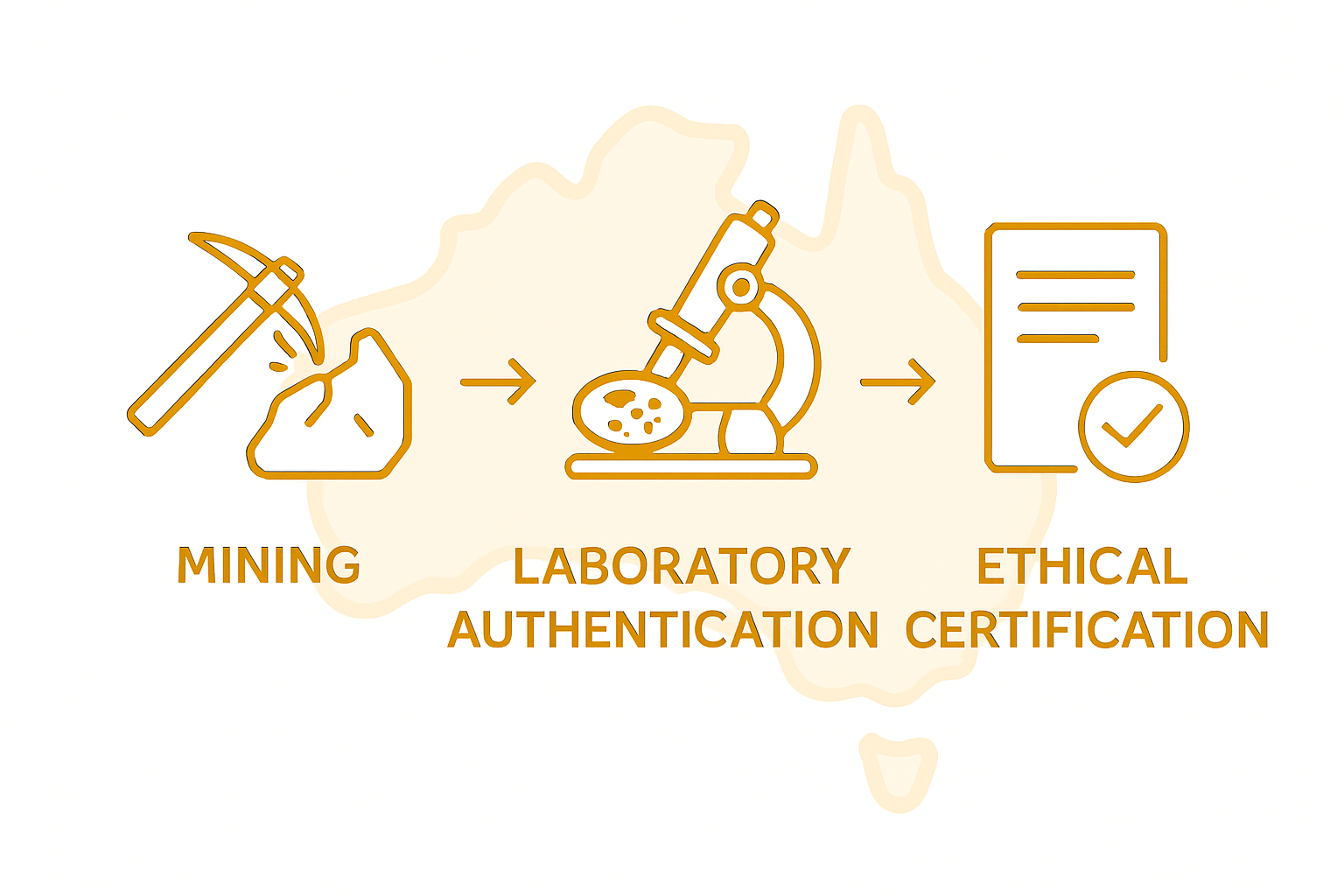
The ethical implications of unverified opals are profound and multifaceted. Consumers purchasing stones without proper documentation risk acquiring gems that may have been extracted through environmentally destructive practices, potentially supporting unregulated mining operations that exploit local communities and disregard sustainable extraction standards. These stones often lack transparency in their production process, making it impossible to confirm whether fair labor practices were followed or if local mining communities received appropriate compensation for their resources.
The opal market confronts significant challenges related to misrepresentation and unethical sourcing practices, which can manifest in several critical ways:
- Synthetic stones marketed as natural
- Treatments concealed from potential buyers
- Deliberately obscured geographic origins
- Misrepresentation of mining conditions
- Fraudulent certification documents
- Undisclosed enhancement procedures
- Exploitation of unregulated market segments
Ultimately, the risks associated with unverified opals extend beyond individual transactions. They represent a systemic threat to consumer trust, potentially undermining the reputation of legitimate gemstone traders and the rich cultural heritage of responsible opal mining communities worldwide.
Discover Genuine Australian Opals with Trusted Provenance
Ensuring the authenticity and ethical value of your opal should never be a compromise. This article highlights the critical importance of provenance including geographic origin, ethical mining, and documented transparency to avoid risks such as misrepresentation and unethical sourcing. If you value the true story behind your gemstone and want confidence in your purchase, you need a trusted source that delivers verified opals directly from renowned Australian regions like Lightning Ridge, Coober Pedy, and Queensland.

Explore our curated collection at Australian Opal Direct where every opal comes with clear provenance and a compelling heritage narrative. Enjoy peace of mind knowing our opals are responsibly earth-mined and backed by detailed documentation. Act now to own an authentic piece of Earth’s natural history. Visit Australian Opal Direct to experience genuine transparency and superior craftsmanship in every opal jewelry piece.
Frequently Asked Questions
What is opal provenance?
Opal provenance refers to the thorough tracking and verification of an opal’s entire origin story, including its geological formation, mining processes, and ethical extraction methods. It ensures authenticity and adds value to the gemstone.
Why does opal provenance matter for value?
Opal provenance significantly impacts a gemstone’s market value by establishing its authenticity, rarity, and quality attributes. Provenance documentation provides transparency, making it easier for collectors and buyers to trust the gem’s origins.
What methods are used to track an opal’s origin?
Tracking an opal’s origin involves advanced scientific techniques, such as microscopic examination and spectroscopic analysis. Detailed documentation including geographic mining location, extraction methods, and geological formation characteristics are also essential in verifying provenance.
What risks are associated with unverified opals?
Unverified opals pose risks such as financial loss, potential deception in the market, and ethical concerns related to environmental and labor practices in their extraction. Without proper documentation, consumers may unknowingly support unethical mining operations.
Recommended
- Opal Stone 101: History, Symbolism, and Uses - Australian Opal Direct
- Rôle De L’Authenticité En Joaillerie : Guide Complet - Australian Opal Direct
- 7 Key Benefits of Opal Jewelry for Discerning Collectors - Australian Opal Direct
- What Is Opal Certification? Complete Guide for Buyers - Australian Opal Direct
- Ethical Considerations in Alexandria’s Scent Duplication