Why Invest in Opals: Rarity, Value, and Ethical Appeal
Posted by AOD on 5th Feb 2026
Why Invest in Opals: Rarity, Value, and Ethical Appeal
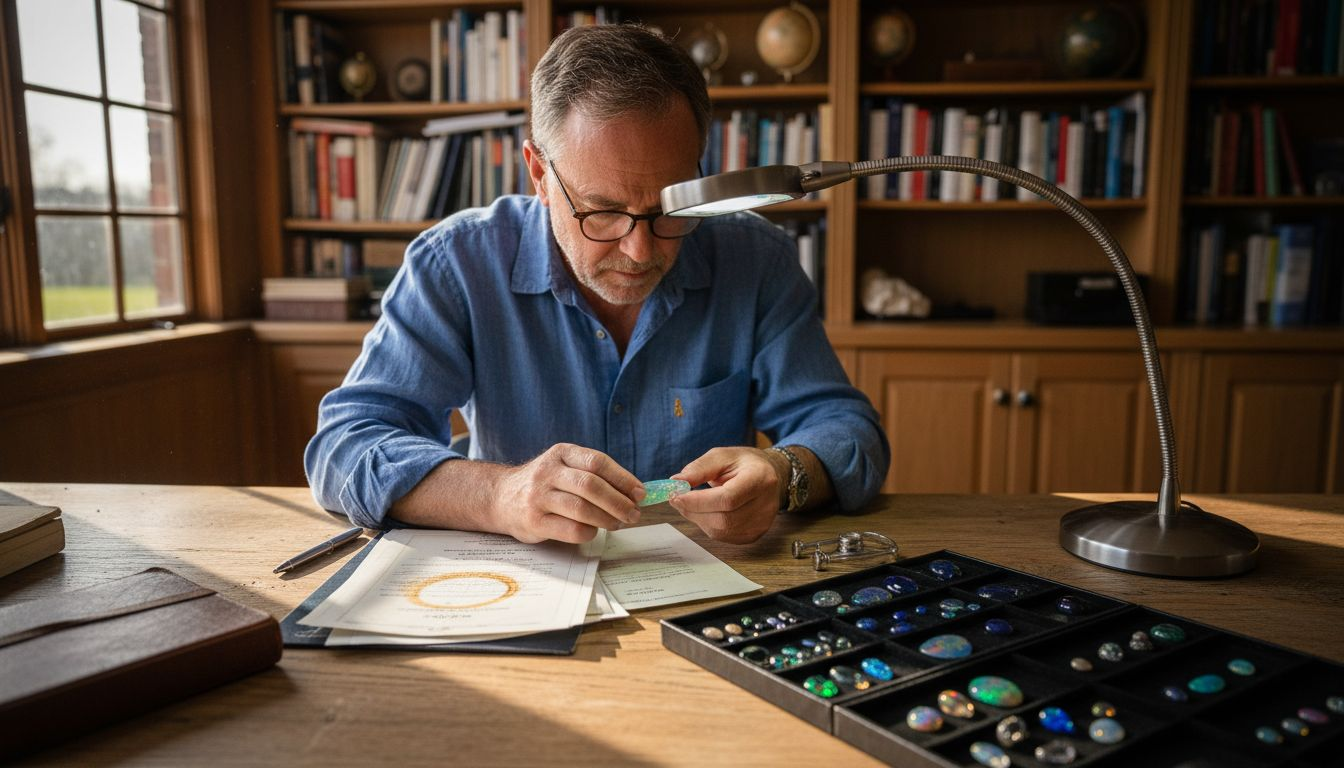
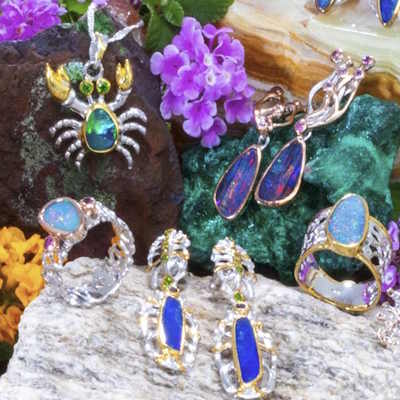
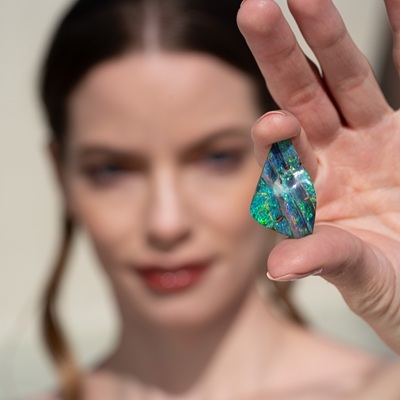
Choosing an investment stone that truly stands out from the crowd can feel challenging for discerning collectors and ethical jewelry enthusiasts. Opals capture attention through their geological rarity, mesmerizing play-of-color, and scarcity, with Australia producing about 95 percent of the world’s precious opals. For buyers who value authenticity and responsible sourcing, these unique gemstones offer a blend of aesthetic wonder and investment potential, rooted in exceptional craftsmanship and documented provenance.
Table of Contents
- What Makes Opals Unique Investments
- Key Types and Origins of Opals
- Factors Driving Opal Value and Rarity
- Ethical Sourcing and Provenance in Opal Investment
- Risks, Costs, and Opal vs. Other Gemstones
Key Takeaways
| Point | Details |
|---|---|
| Geological Rarity and Supply | Opals are unique investment assets due to their geological rarity and limited supply, primarily sourced from Australia. |
| Investment Appeal of Opal Types | Different opal types, such as Black and Fire Opals, offer varying levels of rarity and investment potential based on color and pattern. |
| Valuation Factors | Key factors for opal valuation include play-of-color, body tone, and geographical origin, influencing market price significantly. |
| Ethical Sourcing Importance | Investors should prioritize ethically sourced opals with transparent provenance to ensure authenticity and support responsible mining practices. |
What Makes Opals Unique Investments
Opals represent a distinctive and captivating investment opportunity that transcends traditional precious stone markets. Unlike standard commodities, these remarkable gemstones combine geological rarity, aesthetic beauty, and increasing collector demand into a single extraordinary asset. Their unique formation process and limited global supply - primarily concentrated in Australian mining regions - make them an intriguing alternative investment vehicle.
The investment potential of opals stems from several compelling characteristics:
- Geological Rarity: Formed over millions of years through intricate silica precipitation processes
- Limited Global Supply: Predominantly mined in specific Australian regions like Lightning Ridge
- Color Complexity: Each stone features a distinctive play-of-color pattern
- Cultural Significance: Highly prized in jewelry and collector markets worldwide
The market value of opals varies dramatically based on specific attributes. Black opals, considered the most valuable, can command premium prices due to their intense color saturation and scarcity. Precious opal investment strategies reveal that collectors and investors prioritize stones with vibrant, dynamic color patterns and minimal imperfections.
Geological experts note that opals represent more than just decorative stones - they are time capsules of Earth’s complex mineralogical history. Their formation requires precise environmental conditions, with silica spheres arranged in precise, microscopic structures that create their mesmerizing light-refracting qualities. This scientific complexity contributes significantly to their investment appeal.
Pro tip: When considering opal investments, always prioritize certification, origin documentation, and professional appraisal to ensure authenticity and maximize potential value appreciation.
Key Types and Origins of Opals
Opals represent a fascinating world of geological diversity, with each type offering unique characteristics that captivate collectors and investors alike. Different opal varieties emerge from specific geological conditions, creating a rich tapestry of gemstone complexity that goes far beyond simple aesthetic appeal.
The primary types of opals can be categorized by their distinctive features:
- Black Opals: Rare stones from Lightning Ridge, Australia, featuring intense dark body tone
- White Opals: Lighter stones with softer color play, predominantly from South Australian mines
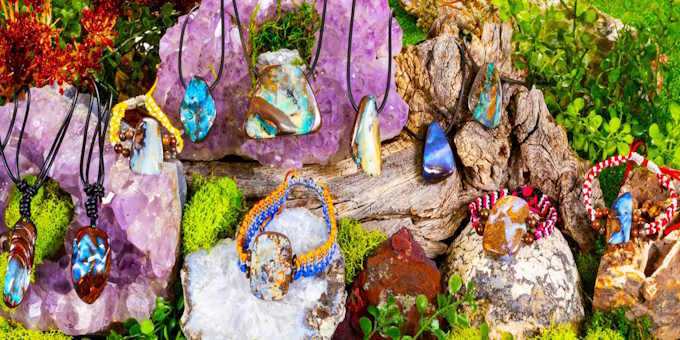
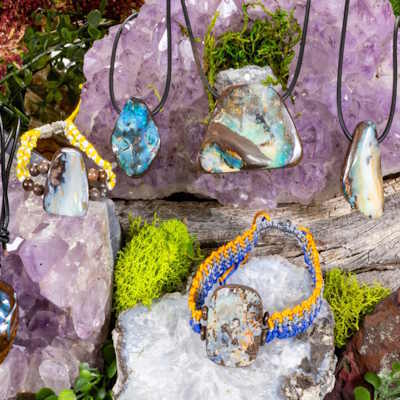
- Boulder Opals: Unique stones naturally attached to their host rock, creating intricate patterns
- Fire Opals: Vibrant orange-red stones primarily sourced from Mexican deposits
- Crystal Opals: Transparent or semi-transparent stones with exceptional light refraction
Geographically, opal production is remarkably concentrated. Australia dominates global production, generating approximately 95% of the world’s precious opals, with key mining regions including Lightning Ridge, Coober Pedy, and Queensland. These locations are renowned for producing some of the most exceptional and valuable opals on the planet.
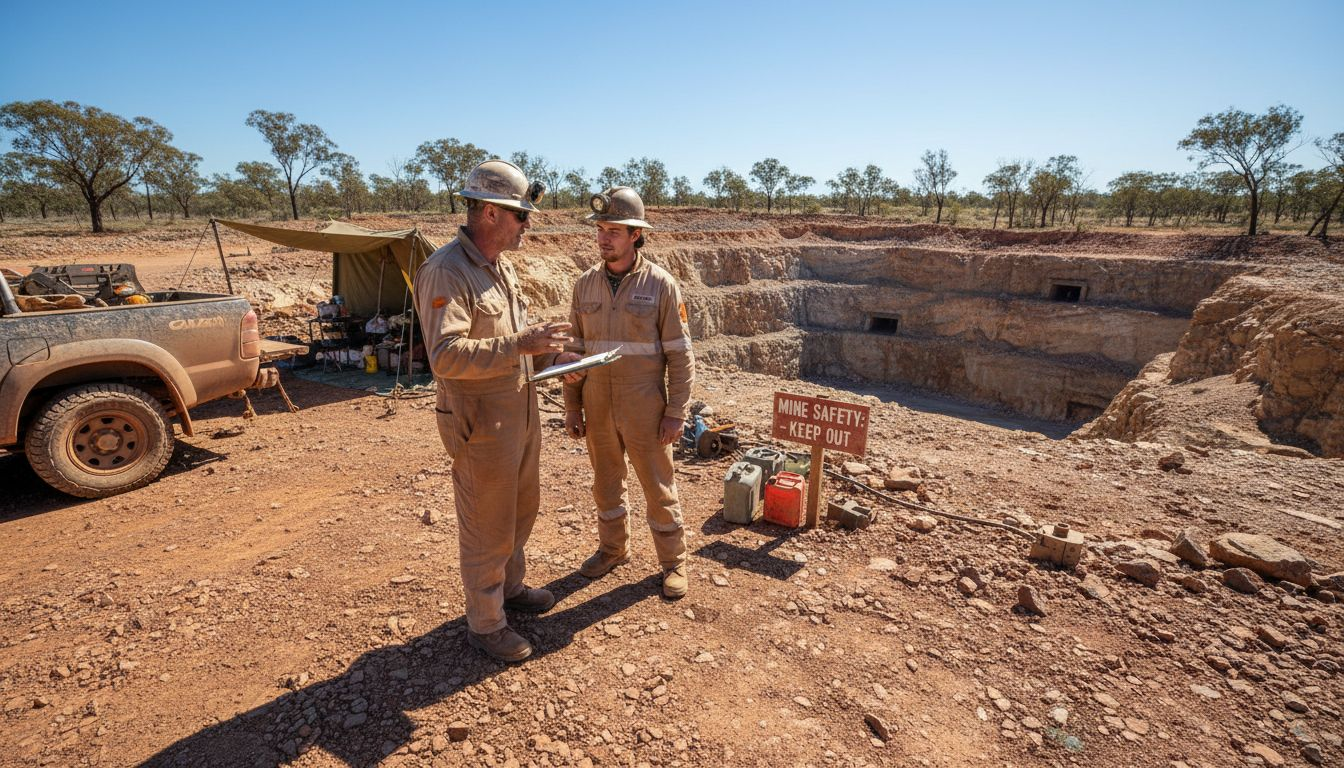
Each opal type carries its own investment profile, influenced by factors like color intensity, transparency, and geological origin. The rarity and complexity of formation make opals more than mere decorative stones - they are geological artifacts with significant intrinsic and potential monetary value. Professional collectors carefully assess each stone’s unique characteristics, understanding that no two opals are exactly alike.
Here’s a summary comparing major opal types and their investment attributes:
| Opal Type | Typical Origin | Rarity Level | Key Investment Appeal |
|---|---|---|---|
| Black Opal | Lightning Ridge, AUS | Extremely rare | Highest value, strong color play |
| White Opal | South Australia | Moderately common | Affordable, gentle hues |
| Boulder Opal | Queensland, AUS | Rare | Unique matrix patterns |
| Fire Opal | Mexico | Rare | Bright orange-red, vivid look |
| Crystal Opal | Australia | Uncommon | Exceptional brightness, clarity |
Pro tip: When exploring opal investments, focus on certification from reputable gemological laboratories and prioritize stones with well-documented provenance from established mining regions.
Factors Driving Opal Value and Rarity
The intricate world of opal valuation is a complex interplay of scientific, geological, and aesthetic factors that transform these stones from simple minerals into highly prized investment assets. Detailed opal value insights reveal a nuanced evaluation process that goes far beyond surface-level appearance.
Key factors determining an opal’s value include:
- Play-of-Color: The dynamic light interaction within the stone
- Body Tone: The underlying base color of the opal
- Color Intensity: Vibrancy and saturation of color patterns
- Pattern Complexity: Unique and intricate color distributions
- Geographical Origin: Specific mining locations and their reputation
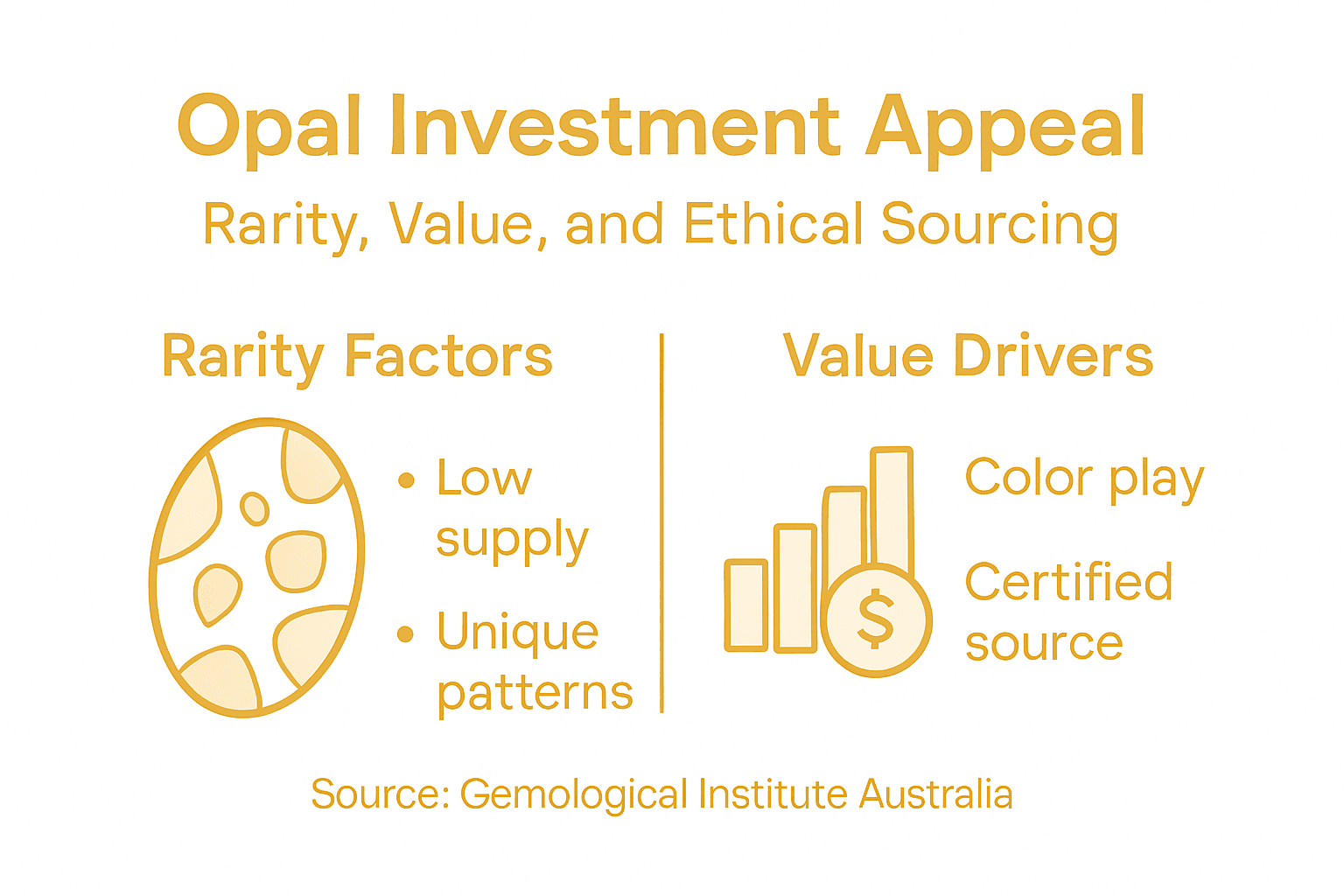
Rarity is particularly critical in opal valuation. Geological research indicates that less than 5% of mined opals demonstrate the exceptional play-of-color that makes a stone truly valuable. Black opals from Lightning Ridge, Australia, represent the pinnacle of this rarity, with their intense dark body tone and spectacular color displays commanding premium prices.
The investment potential of opals is further enhanced by their geological complexity. Each stone represents a unique geological artifact, formed through millions of years of precise mineral deposition. Professional collectors understand that opals are not just gemstones, but time capsules of Earth’s intricate geological processes, with each stone telling a distinct story of formation and environmental conditions.
Pro tip: Invest in opals with professional certification and focus on stones from renowned mining regions to maximize potential long-term value appreciation.
Ethical Sourcing and Provenance in Opal Investment
Ethical sourcing has become a critical consideration for modern gemstone investors, transforming how collectors approach opal acquisition and valuation. Opal provenance and authenticity represent more than just documentation - they are a commitment to responsible mining practices and transparent supply chains.
Key elements of ethical opal sourcing include:
- Direct Miner Relationships: Ensuring fair compensation and working conditions
- Environmental Sustainability: Minimizing ecological disruption during mining
- Transparent Documentation: Complete traceability from mine to market
- Fair Labor Practices: Supporting local mining communities
- Minimal Environmental Impact: Responsible extraction techniques
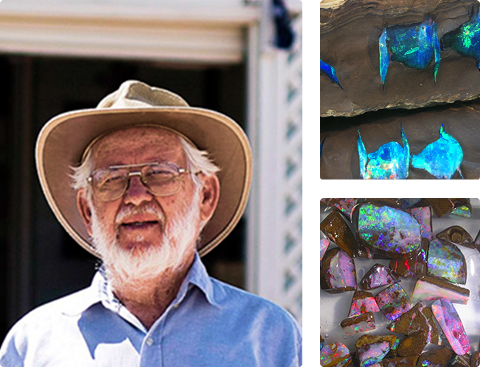
The Australian opal industry has pioneered ethical sourcing standards, with many miners implementing rigorous protocols that protect both workers and the natural environment. Small-scale mining operations in regions like Lightning Ridge and Coober Pedy often represent the gold standard of responsible gemstone production, maintaining generational knowledge and community-centered practices.
Provenance documentation serves multiple crucial purposes for investors. Beyond establishing authenticity, these records provide a detailed narrative of a stone’s origin, geological formation, and journey to market. Collectors who prioritize ethically sourced opals not only make a responsible investment but also contribute to preserving traditional mining communities and sustainable geological stewardship.
Pro tip: Request comprehensive provenance documentation that includes specific mining location, extraction date, and detailed stone characteristics before finalizing any opal investment.
Risks, Costs, and Opal vs. Other Gemstones
Investing in opals requires a nuanced understanding of their unique market dynamics and potential challenges. Opal investment strategies reveal a complex landscape that differs significantly from traditional gemstone investments, presenting both opportunities and potential risks for discerning collectors.
Comparative investment characteristics include:
- Volatility: More variable price ranges compared to diamonds
- Entry Cost: Generally lower initial investment threshold
- Market Liquidity: Less standardized trading compared to gold or diamonds
- Maintenance Requirements: Higher sensitivity to environmental conditions
- Appreciation Potential: Value driven by unique color and rarity characteristics
Unlike diamonds or gold, opals represent a more specialized investment category. Fragile stone composition means investors must consider additional preservation costs and potential value depreciation from environmental damage. Professional collectors understand that opals require more meticulous care, including protection from direct sunlight, extreme temperatures, and physical impact.
The investment landscape for opals differs dramatically from more conventional precious stones. While diamonds follow more predictable valuation models, opals derive value from subjective aesthetic qualities like color intensity, play-of-color, and geological uniqueness. This makes opal investment both more challenging and potentially more rewarding for those willing to develop specialized market knowledge.
To help investors understand risks and advantages, here is a comparison of opals versus other popular gemstones:
| Aspect | Opals | Diamonds | Gold |
|---|---|---|---|
| Price Volatility | High, unique color-driven | Low, market-driven | Stable, commodity-based |
| Liquidity | Limited, niche collectors | Global, highly liquid | Very high, standardized |
| Entry Investment Cost | Lower, diverse options | High, premium stones | Flexible, all budgets |
| Care Requirements | Delicate, special care needed | Durable, easy to store | Minimal, simple storage |
Pro tip: Always invest in professional insurance and specialized storage solutions to protect the long-term value of your opal collection.
Discover the True Value of Ethically Sourced Australian Opals
Investing in opals means embracing rarity, vibrant color play, and ethical sourcing that supports sustainable mining communities. If you have been seeking genuine, certified gemstones with compelling provenance and exceptional craftsmanship you will find exactly that at Australian Opal Direct. Our unique direct-miner relationships from renowned regions like Lightning Ridge ensure you receive authentic, premium opals without unnecessary markups.
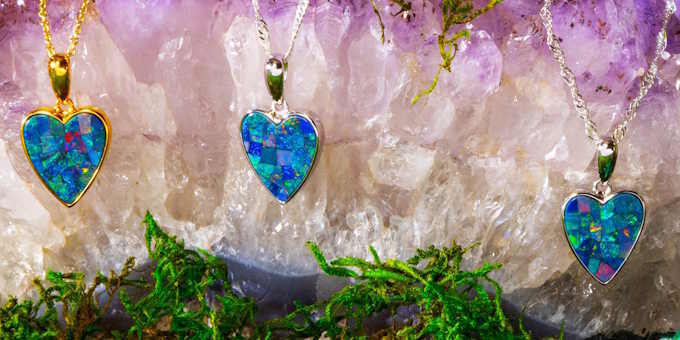
Experience collections that capture the heritage and geological marvel of each stone. Whether you want a custom-designed ring or a distinctive pendant our offerings combine natural beauty with investment potential. Take advantage of carefully curated selections, free shipping, and comprehensive insurance to protect your valuable purchase.

Explore our exclusive range today and make a meaningful investment in Australian opals with confidence Visit Australian Opal Direct to secure your piece of Earth’s rarest treasures and learn more about precious opal investment strategies and opal provenance and authenticity To honor the story behind each opal take action now and join a community of discerning collectors who appreciate both beauty and responsible sourcing
Frequently Asked Questions
What makes opals a unique investment?
Opals are unique investments due to their geological rarity, aesthetic beauty, and increasing collector demand. Their limited supply, intricate formation process, and distinct play-of-color patterns set them apart from traditional gemstones.
How do I assess an opal’s value before investing?
To assess an opal’s value, consider factors such as play-of-color, body tone, color intensity, pattern complexity, and geographical origin. Professional appraisal and certification are recommended for accurate valuation.
What types of opals should I consider for investment?
Consider investing in black opals for their high value and intense color play, as well as white, boulder, fire, and crystal opals, each offering unique characteristics and varying levels of rarity.
Why is ethical sourcing important in opal investment?
Ethical sourcing is crucial as it ensures fair labor practices, environmental sustainability, and responsible mining. Prioritizing ethically sourced opals supports local mining communities and contributes to preserving traditional practices.
Recommended
- Opal Stone 101: History, Symbolism, and Uses - Australian Opal Direct
- How Opal Value Is Determined: Insights for Collectors - Australian Opal Direct
- Complete Guide to Investing in Australian Opals - Australian Opal Direct
- 7 Key Benefits of Opal Jewelry for Discerning Collectors - Australian Opal Direct