Why Australian Opals Are Rare—and Why It Matters
Posted by AOD on 17th Dec 2025
Why Australian Opals Are Rare—and Why It Matters
Over 95 percent of the world’s precious opals come from Australian regions, giving these gems a dominance unlike any other. While most American gemstone hunters chase diamonds or sapphires, Australian opals stand apart for their dazzling play-of-color and rare geological history. What makes these stones truly unique is a combination of nature’s artistry, intense mining challenges, and strict authenticity standards, all coming together to create treasures that captivate collectors around the globe.
Table of Contents
- What Makes Australian Opals Unique
- Opal Formation In Australian Regions
- Rarity Factors And Mining Challenges
- Ethical Sourcing And Authenticity
- Scarcity’s Impact On Value And Collecting
Key Takeaways
| Point | Details |
|---|---|
| Australian Opals’ Uniqueness | Australian opals exhibit extraordinary optical characteristics and are primarily sourced from Lightning Ridge and Coober Pedy, representing 95% of global supply. |
| Geological Formation | The unique geological conditions in Australia, including ancient seabeds and sedimentary deposits, contribute to the intricate play-of-color in opals. |
| Rarity and Challenges | The mining of opals is fraught with challenges such as remote locations and complex geological formations, making high-quality opals rare and valuable. |
| Ethical Sourcing | Ethical sourcing and authenticity verification are crucial in the opal market, emphasizing the importance of responsible mining practices and transparency. |
What Makes Australian Opals Unique
Australian opals are extraordinary gemstones distinguished by their exceptional optical characteristics and unparalleled geological origins. These gems represent something far more remarkable than ordinary stones - they are living testaments to complex natural processes. Australian regions like Lightning Ridge and Coober Pedy produce approximately 95% of the world’s precious opals, creating a geological phenomenon that sets them apart from other global gemstone sources.
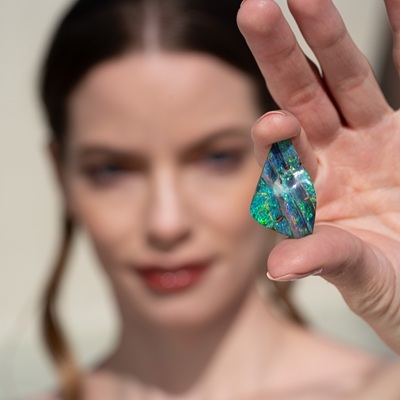
The magic of Australian opals lies in their unique internal structure. Their exceptional play-of-color emerges from uniformly packed silica spheres that diffract light into spectacular color spectrums, generating vibrant displays ranging from deep crimson reds to electric blues and brilliant greens. This remarkable light interaction creates mesmerizing visual effects impossible to replicate in synthetic stones. Each opal becomes a miniature prism, transforming light into a dancing rainbow of colors that shifts with every movement.
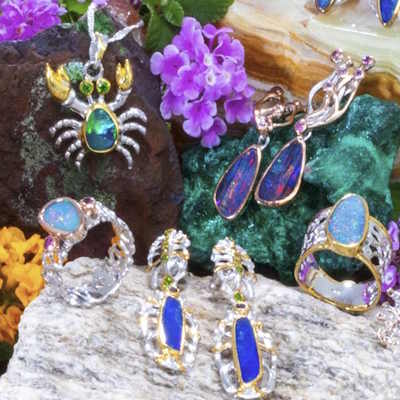
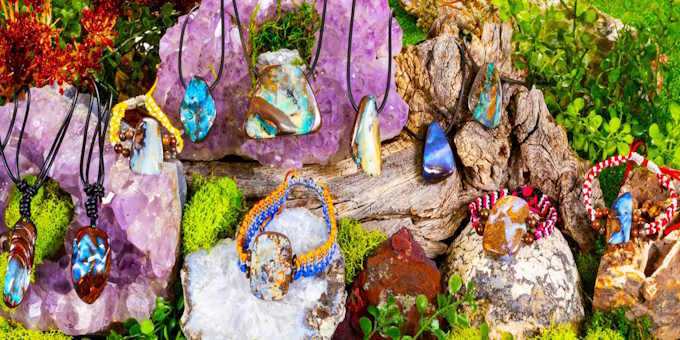
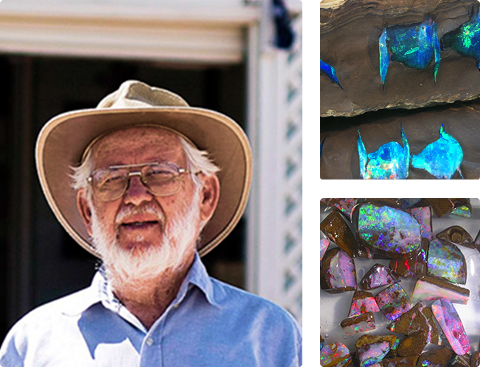
Different Australian regions contribute distinctive opal varieties, further enhancing their global reputation. White opals from Coober Pedy, black opals from Lightning Ridge, and boulder opals from Queensland each showcase unique characteristics reflecting their specific geological environments. This diversity means collectors and jewelry enthusiasts can select stones with individual personalities - from milky white gems with subtle color play to dramatic black opals with intense fire.
Here’s a comparative overview of major Australian opal varieties and their distinguishing features:
| Opal Type | Main Region | Typical Appearance | Notable Features |
|---|---|---|---|
| Black Opal | Lightning Ridge | Dark body, vivid colors | Most valuable and rare |
| White Opal | Coober Pedy | Milky white, subtle hues | Abundant but less intense fire |
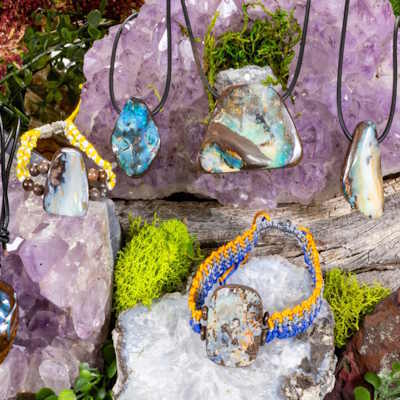
| Boulder Opal | Queensland | Ironstone backing, bright | Durable, unique color patterns |
| Crystal Opal | Various regions | Transparent, clear colors | High clarity, bright flashes |
Pro Tip for Opal Enthusiasts: When evaluating Australian opals, examine the stone under natural light and observe how colors shift and change, revealing the complex internal structure that makes these gems truly extraordinary.
Opal Formation in Australian Regions
The geological narrative of Australian opal formation is a captivating journey spanning millions of years, rooted in complex environmental transformations. The Eromanga Sea, an inland sea from the Early Cretaceous period, played a pivotal role in creating the foundational conditions for opal development, leaving behind silica-rich sedimentary deposits that would eventually become the source of these mesmerizing gemstones.
Specific geological formations have been instrumental in opal creation across Australia. The Griman Creek Formation in northern New South Wales and southern Queensland represents a critical zone where opalization processes occurred during the mid-Cretaceous period. This region, particularly near Lightning Ridge, became renowned for producing some of the world’s most exceptional black opals. The unique sedimentary environment of these ancient landscapes provided precisely the right combination of geological conditions - including specific mineral compositions, temperature ranges, and geological pressures - necessary for transforming ordinary sediments into extraordinary gemstones.
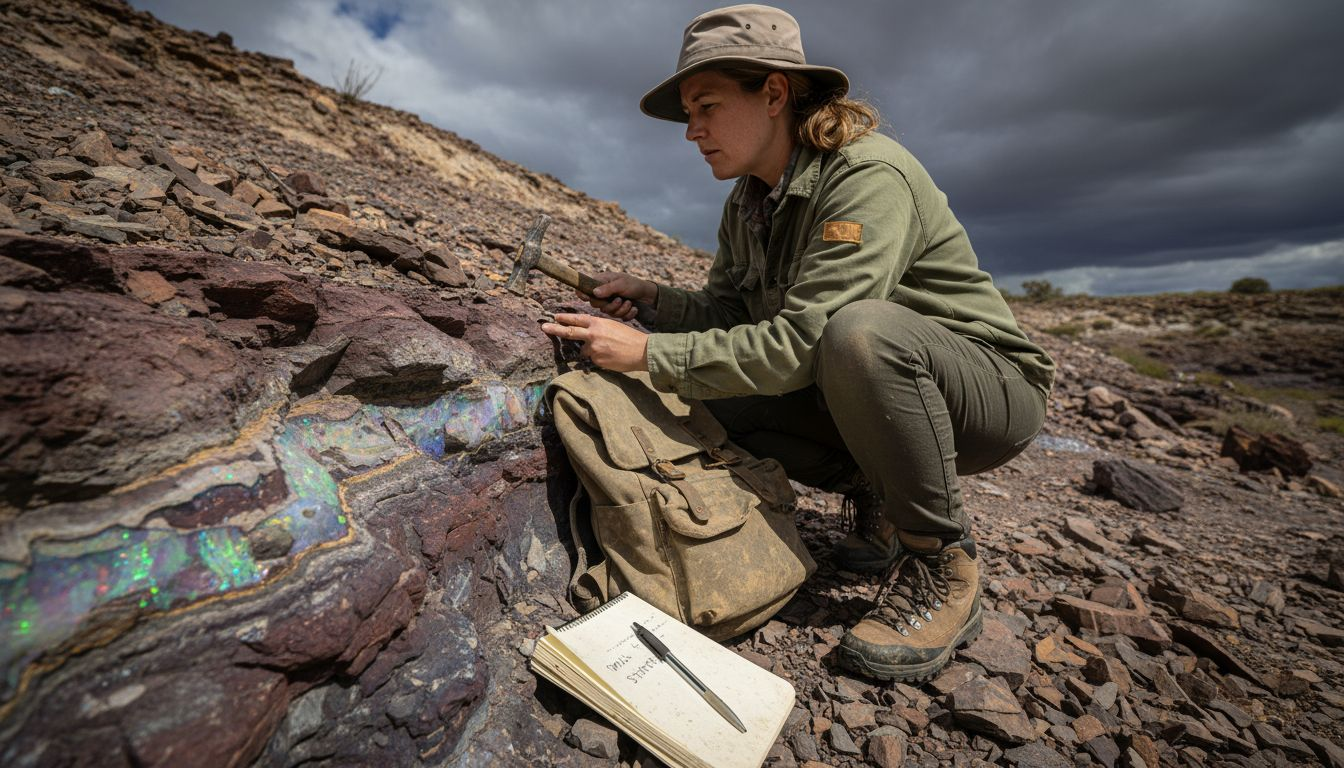
The opal formation process involves intricate interactions between water, silica, and geological structures. As prehistoric water bodies receded, they left behind mineral-rich environments where silica-laden solutions gradually penetrated rock cavities and sedimentary layers. Over thousands of years, these solutions would slowly crystallize, creating the intricate, light-refracting structures that give opals their characteristic play-of-color. Different Australian regions developed distinct opal characteristics based on their unique geological histories, resulting in variations like the milky white opals of Coober Pedy and the dramatic black opals of Lightning Ridge.
Pro Tip for Geology Enthusiasts: When exploring opal formations, pay close attention to the geological layers and sedimentary structures, as they tell a complex story of environmental transformation that spans millions of years.
Rarity Factors and Mining Challenges
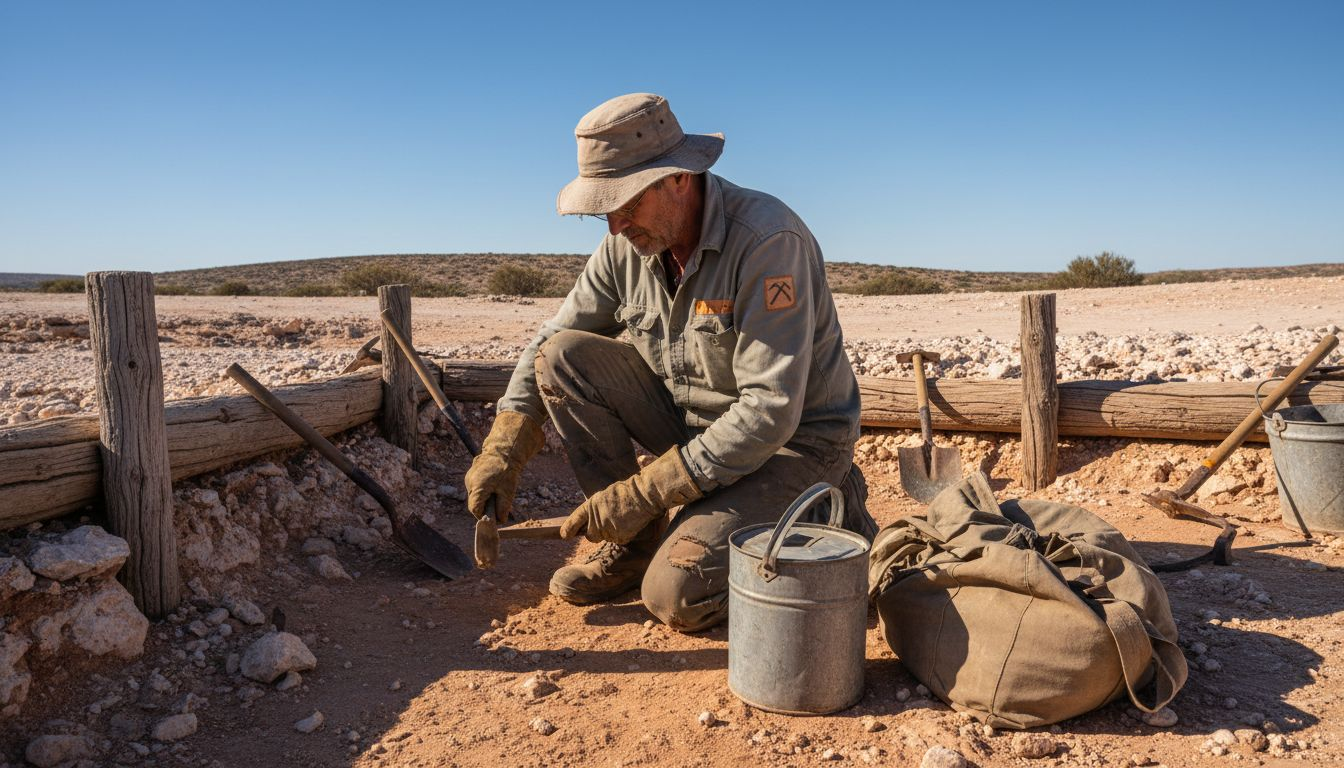
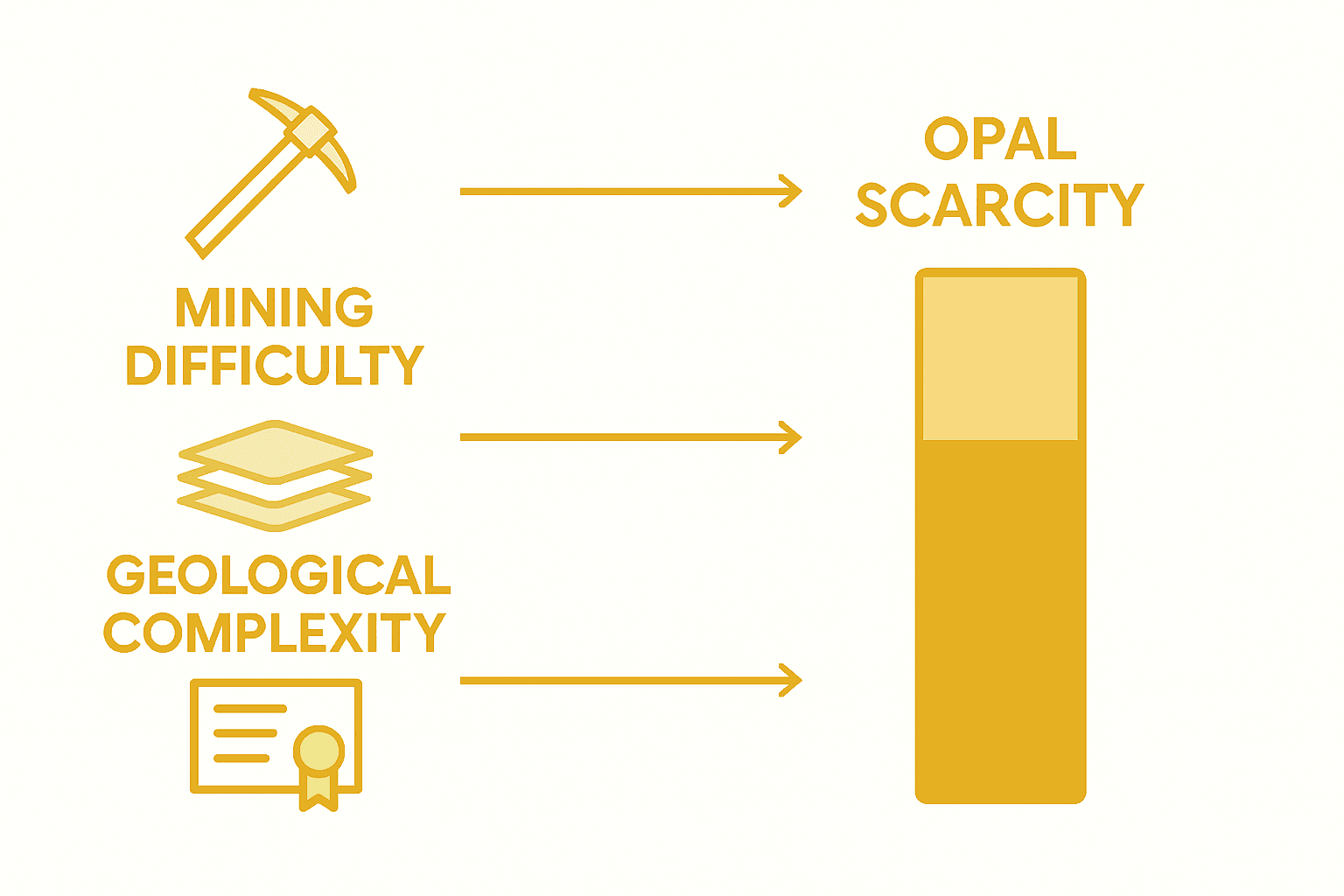
The pursuit of Australian opals is a complex endeavor fraught with significant challenges that contribute directly to their extraordinary rarity. The Koroit opal field in South West Queensland exemplifies these mining difficulties, with miners confronting extreme conditions including a complete lack of basic infrastructure like electricity and running water. The harsh, remote landscape demands extraordinary resilience from those seeking these precious gemstones, making opal extraction a test of human endurance and technical skill.
Geological complexity further amplifies the rarity of high-quality opals. The discovery of the Olympic Australis, the largest and most valuable opal ever found weighing 17,000 carats, underscores the incredible scarcity of exceptional specimens. Most opal mining operations are speculative ventures with slim profit margins, as miners must painstakingly extract delicate opal veins from ironstone boulders and sedimentary layers. The unpredictable nature of opal deposits means that for every significant find, hundreds of mining attempts yield minimal or no valuable gemstones.
Technical challenges in opal extraction are formidable. Miners must navigate intricate geological formations, using specialized techniques to identify potential opal-bearing zones. The most valuable opals are often hidden within complex rock structures, requiring precise excavation methods that minimize damage to the fragile gemstone. Sophisticated geological knowledge, advanced mapping technologies, and years of experience are essential in distinguishing promising sites from unproductive terrain. This complexity ensures that only a small fraction of potential opal deposits are successfully located and harvested.
The following table summarizes key challenges and rarity factors in Australian opal mining:
| Challenge | Description | Impact on Scarcity |
|---|---|---|
| Remote Locations | Isolated sites, harsh conditions | Limits mining operations |
| Geological Risk | Complex hidden opal deposits | Low discovery rate |
| Extraction Damage | Stones easily fractured during recovery | Reduces yield of high-quality opals |
| Market Monopoly | 95% world’s supply from Australia | Drives up demand and prices |
Pro Tip for Aspiring Gem Hunters: Research geological maps and local mining history before investing in any opal exploration, as understanding regional geological characteristics can significantly improve your chances of finding valuable specimens.
Ethical Sourcing and Authenticity
The Australian Museum emphasizes the critical importance of ethical sourcing in the opal industry, advocating for responsible mining practices that protect both environmental integrity and indigenous lands. The global demand for opals has intensified scrutiny around the mining and trading processes, compelling consumers and industry professionals to demand greater transparency and accountability in gemstone acquisition.
Authenticity verification has become a paramount concern in the opal market. Geological experts highlight the challenges of distinguishing natural opals from synthetic counterparts, underscoring the necessity of comprehensive certification processes. Sophisticated techniques like spectroscopic analysis, microscopic examination, and geological origin tracing have emerged as critical tools for ensuring the legitimacy of opal specimens. Collectors and investors must navigate a complex landscape where synthetic stones and treated gems can easily masquerade as genuine Australian opals.
The ethical sourcing movement extends beyond mere authenticity, encompassing broader environmental and social responsibilities. Responsible opal mining requires comprehensive approaches that minimize ecological disruption, respect traditional land rights, and provide fair economic opportunities for local communities. This holistic perspective demands that consumers and traders alike prioritize transparency, supporting mining operations that demonstrate commitment to sustainable practices, worker safety, and cultural preservation.
Pro Tip for Ethical Gem Buyers: Always request detailed documentation about an opal’s origin, including mining location, extraction methods, and certification of authenticity before making a purchase.
Scarcity’s Impact on Value and Collecting
The discovery of the Olympic Australis, an extraordinary opal weighing 17,000 carats, illustrates the profound connection between rarity and value in the opal market. Exceptional specimens like these transform from mere geological curiosities into coveted treasures, with their scarcity driving collector interest and market prices to remarkable heights. The most extraordinary opals are not just gemstones, but historical artifacts that represent geological miracles occurring over millions of years.
The economic dynamics of opal collecting are fundamentally shaped by their limited availability. Australia’s monopoly on precious opal production, supplying approximately 95% of global high-quality stones, creates a unique market environment where scarcity directly translates into significant monetary value. Collectors and investors recognize that each exceptional opal represents a finite resource, with characteristics like unique color patterns, size, and geological origin dramatically influencing their potential worth. The most prized specimens are those with extraordinary play-of-color, exceptional clarity, and a verifiable provenance from renowned Australian mining regions.
Beyond monetary considerations, opal collecting represents a complex interplay of geological appreciation, artistic passion, and historical preservation. Serious collectors view rare opals as more than investment assets - they are tangible connections to Earth’s geological history. Each stone tells a story of complex environmental transformations, mineral interactions, and the intricate processes that create these mesmerizing gemstones. The most sought-after specimens are those that combine scientific significance with aesthetic brilliance, making them true collectors’ treasures that transcend traditional market valuations.
Pro Tip for Serious Collectors: Document the complete provenance of each opal in your collection, including geological origin, mining date, and unique characteristics, as this historical context significantly enhances both its scientific and monetary value.
Discover the True Value of Rare Australian Opals Today
Australian opals are renowned for their extraordinary rarity and the incredible stories embedded within every stone. This article highlights key challenges like difficult mining conditions, ethical sourcing, and the dazzling play-of-color that make genuine Australian opals truly priceless treasures. For collectors and enthusiasts who seek authentic gemstones with verified provenance and exceptional craftsmanship, finding trustworthy sources can be overwhelming.
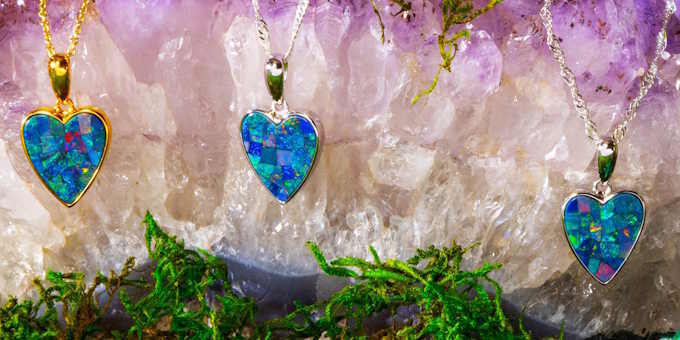
At Australian Opal Direct, we understand the importance of transparency and heritage in every opal purchase. Our carefully curated collection features ethically sourced opals from iconic Australian regions like Lightning Ridge, Coober Pedy, and Queensland. We work directly with miners to guarantee authenticity, bringing you exquisite rings, pendants, and custom-designed jewelry that embody the natural beauty and rarity of these geological wonders.
Explore our unique pieces and experience the vibrant energy and history that only real Australian opals can offer.

Elevate your collection with premium Australian opals today. Visit Australian Opal Direct to browse exclusive designs and benefit from free shipping, complimentary insurance, and a 90-day warranty. Own a piece of Earth’s rarest artistry now before these treasures become even more elusive.
Learn more about our commitment to ethical sourcing and gem authenticity on our website.
Start your journey with genuine Australian opals today.
Frequently Asked Questions
What makes Australian opals unique compared to other gemstones?
Australian opals are unique due to their extraordinary optical characteristics, exceptional play-of-color, and rarity stemming from their geological origins. The internal structure of these opals allows them to refract light in vibrant color spectrums, unlike synthetic stones.
Why are Australian opals considered rare?
The rarity of Australian opals is attributed to several factors, including the geological complexity of their formation, the challenging mining conditions, and the limited locations where high-quality opals can be found. Approximately 95% of the world’s precious opals come from Australia, making their supply limited and highly sought after.
How do different types of Australian opals vary?
Australian opals vary significantly by type, with black opals exhibiting dark bodies and vivid colors, white opals displaying milky white hues with subtle play-of-color, and boulder opals showing unique color patterns against ironstone backing. Each type reflects different geological conditions and characteristics.
What challenges do miners face when extracting Australian opals?
Miners face numerous challenges, including extreme remote locations, complex geological formations, and the high risk of damaging delicate opals during extraction. These difficulties contribute to the overall rarity and high value of quality opals found in Australia.
Recommended
- Rare Opals Explained: Identifying Value and Rarity - Australian Opal Direct
- Pourquoi Les Opales Sont Rares : Explications Complètes - Australian Opal Direct
- Rare Opal Patterns: Value, Identification, and Appeal - Australian Opal Direct
- What Makes Black Opal Rare: Origins and Value Revealed - Australian Opal Direct