Rare Opal Patterns: Value, Identification, and Appeal
Posted by AOD on 14th Dec 2025
Rare Opal Patterns: Value, Identification, and Appeal
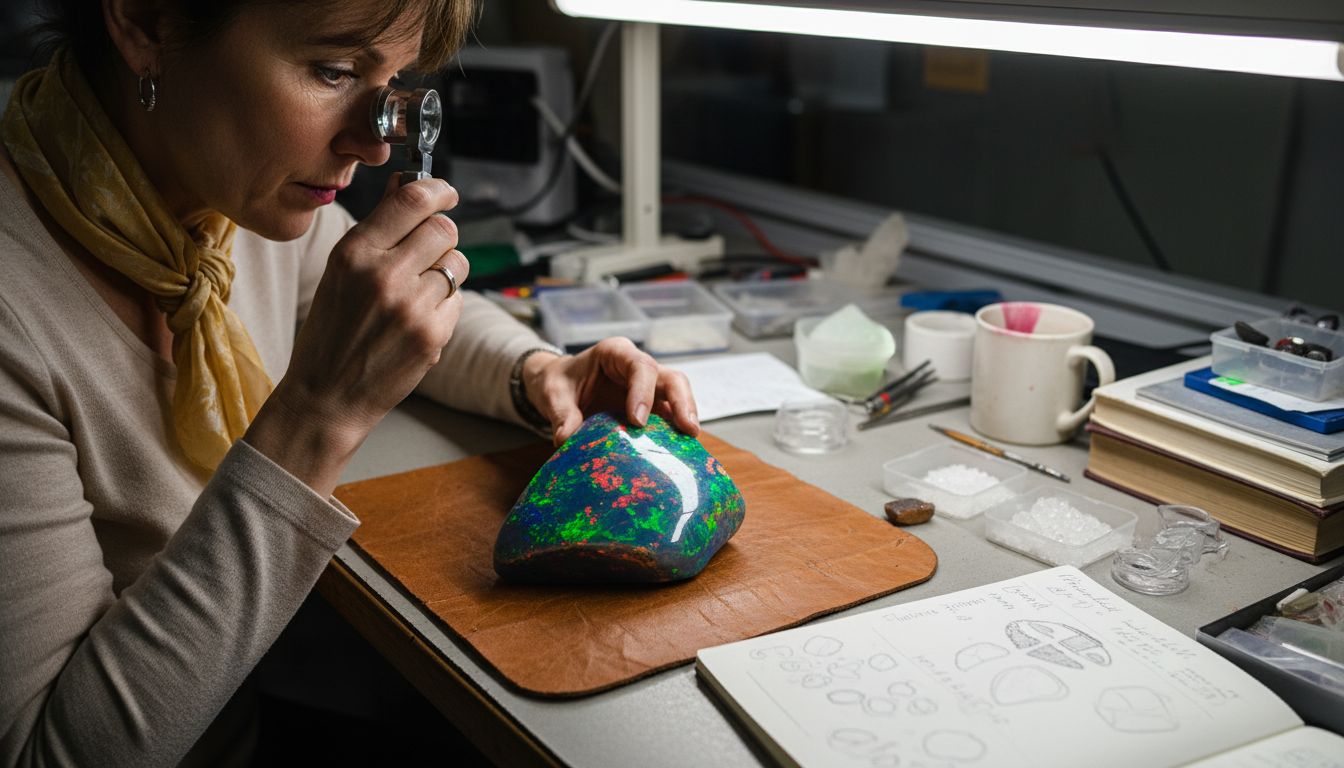
Only a tiny fraction of opals, less than 0.1 percent, display rare patterns that send collectors and jewelry experts scrambling for ownership. For American enthusiasts, these mesmerizing patterns are more than just a visual treat—they redefine what is possible in gemstone artistry. Understanding why such unique formations command premium prices sheds light on the powerful connection between geological rarity, scientific intrigue, and market fascination.
Table of Contents
- Defining Rare Opal Patterns And Their Significance
- Types Of Rare Opal Patterns In Australian Opals
- Visual Characteristics And Pattern Recognition Tips
- Geological Origins Of Unique Opal Patterns
- Challenges In Sourcing And Authenticating Rare Patterns
Key Takeaways
| Point | Details |
|---|---|
| Significance of Rare Opal Patterns | Rare opal patterns enhance gemstone value by showcasing exceptional color interactions and tell complex geological narratives. |
| Types of Patterns | Notable patterns such as Pinfire, Harlequin, Ribbon, and Chinese writing represent unique visual characteristics that distinguish rare opals from ordinary gems. |
| Geological Formation | Unique opal patterns develop through precise environmental conditions, making them valuable geological artifacts that capture millions of years of history. |
| Authentication Challenges | Verifying rare patterns requires advanced techniques and a deep understanding of geology due to the risks of forgery and the unique nature of each specimen. |
Defining Rare Opal Patterns and Their Significance
Opals represent extraordinary geological treasures characterized by extraordinary visual complexity. At their core, rare opal patterns emerge as unique displays of color interaction that transform these gemstones from simple minerals into mesmerizing works of art. When examining rare opal patterns, collectors and enthusiasts look beyond standard colorations to discover extraordinary visual phenomena that significantly enhance gemstone value.
The significance of rare opal patterns extends far deeper than aesthetic appeal. Understanding opal pattern classifications reveals intricate details about formation processes, geological conditions, and mineral composition. Professional gemologists recognize specific patterns like pinfire, harlequin, ribbon, and Chinese writing as extraordinary indicators of exceptional mineral development. These patterns represent more than visual curiosities - they are complex narratives encoded within microscopic mineral structures.
Rare opal patterns fundamentally emerge through precise environmental conditions during mineral crystallization. Microscopic silica spheres arrange themselves in unique lattice structures, creating remarkable light diffraction effects that produce stunning visual displays. The rarity of these patterns directly correlates with their complexity and unpredictability. Some patterns occur in less than 0.01% of all opals, making them extraordinarily valuable to collectors and jewelry designers seeking truly unique gemstones.
While many gemstones offer consistent appearances, opals challenge this expectation through their dynamic, ever-changing visual landscapes. Rare opals demonstrate remarkable value variations based on pattern complexity, with some extraordinary specimens commanding prices exponentially higher than standard stones. Collectors prize these geological marvels not just as decorative objects, but as living records of complex mineralogical processes that unfold over millions of years.
Types of Rare Opal Patterns in Australian Opals
Australian opals represent a stunning geological canvas where rare opal patterns manifest in extraordinary and unpredictable configurations. These intricate patterns transform ordinary gemstones into extraordinary masterpieces, reflecting the complex geological processes unique to Australian mining regions. Rare opal collectors consistently seek out specimens that showcase distinctive visual characteristics that set them apart from standard stones.
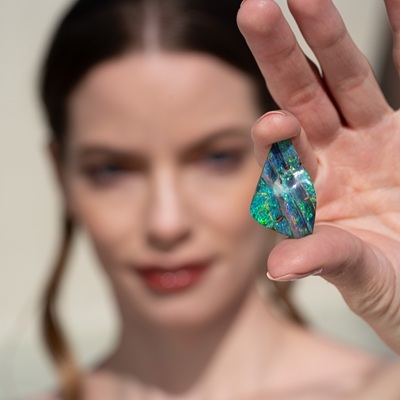
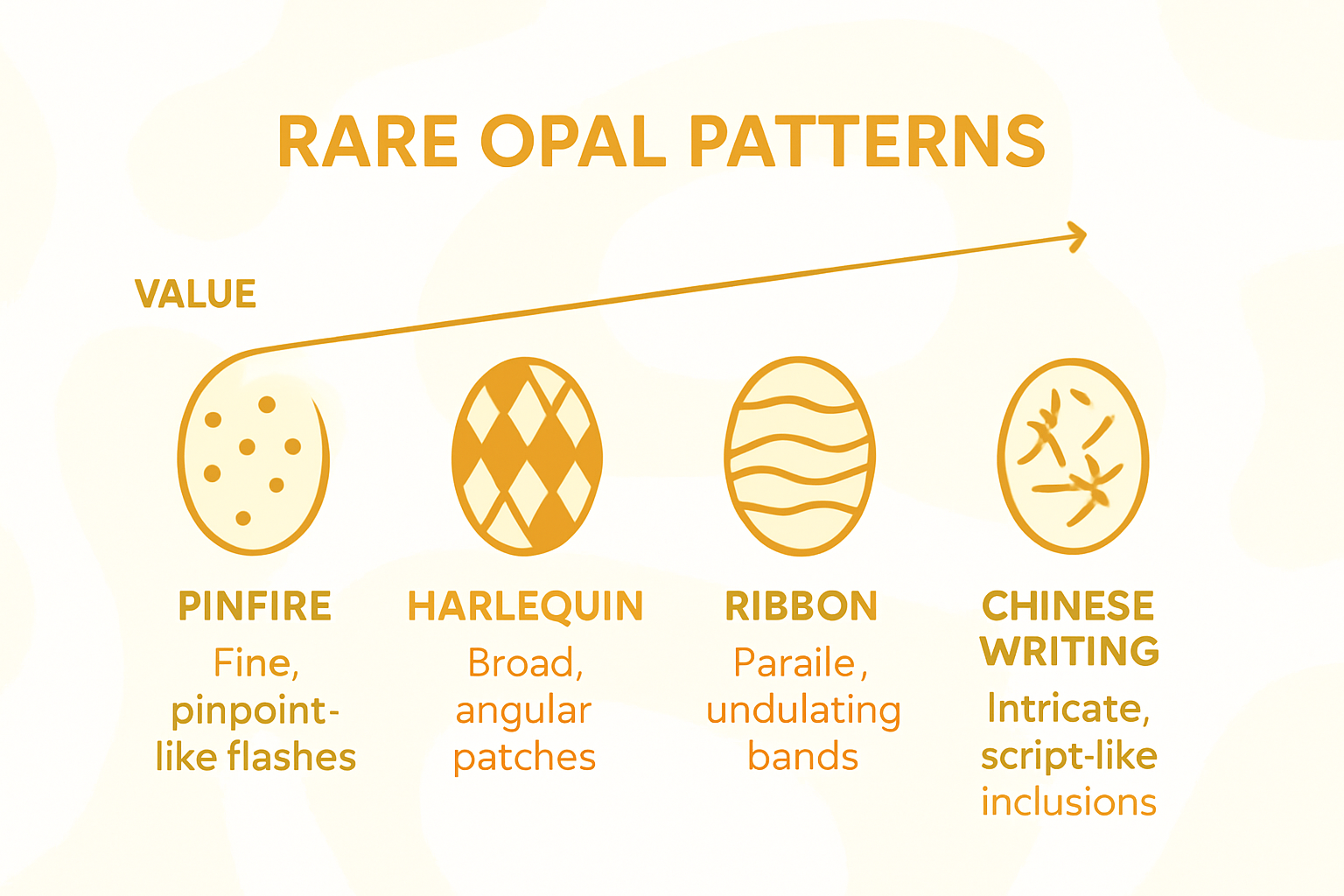
Several remarkable rare opal patterns distinguish themselves through unique visual characteristics. Pinfire patterns feature tiny, intense color points scattered across the stone’s surface, creating a sparkling effect reminiscent of miniature starbursts. Harlequin patterns represent the pinnacle of rarity, characterized by large, geometric color patches arranged in a mosaic-like configuration. Ribbon patterns display linear color distributions that flow across the stone’s surface like delicate, multicolored waves. Chinese writing patterns create intricate, script-like formations that seem to spell out mysterious messages within the opal’s depths.
The formation of these rare patterns depends on precise microscopic arrangements of silica spheres during crystallization. Australian opals from regions like Lightning Ridge and Coober Pedy demonstrate exceptional complexity in their pattern development. Professional gemologists estimate that less than 0.1% of opals worldwide exhibit truly extraordinary pattern configurations, making these specimens extraordinarily valuable to serious collectors and investors.
Geological conditions play a critical role in creating these mesmerizing visual phenomena. Temperature, pressure, and mineral composition interact in ways that produce unique light diffraction effects. Some patterns emerge from specific environmental conditions that occur only under extremely rare circumstances, transforming these gemstones from simple minerals into living records of geological complexity. Collectors and jewelry designers prize these opals not merely as decorative objects, but as geological artifacts that capture millions of years of intricate natural processes.
Visual Characteristics and Pattern Recognition Tips
Recognizing rare opal patterns requires a trained eye and deep understanding of complex visual characteristics that distinguish extraordinary gemstones from ordinary specimens. Experienced collectors use sophisticated visual assessment techniques to evaluate the intricate details that contribute to an opal’s unique pattern and overall value. The process involves examining multiple critical visual elements that reveal the stone’s exceptional nature.
Color Distribution emerges as the primary indicator of a rare opal pattern. Exceptional opals demonstrate dynamic color interactions that transcend simple single-tone displays. Pattern Intensity involves analyzing how colors interact, blend, and create visual depth. Professional gemologists look for specific characteristics:
- Vibrant color transitions
- Sharp color boundaries
- Consistent color saturation
- Unexpected color layering
Lighting plays a crucial role in pattern recognition. Skilled evaluators rotate opals under different light sources to reveal hidden pattern complexities. Natural daylight, halogen lighting, and specialized gemological lights help expose subtle color variations and pattern nuances that might remain invisible under standard viewing conditions. Some patterns become visible only when light strikes the stone at precise angles, creating a dynamic visual experience that transforms the gemstone from a simple mineral to a living, breathing artwork.
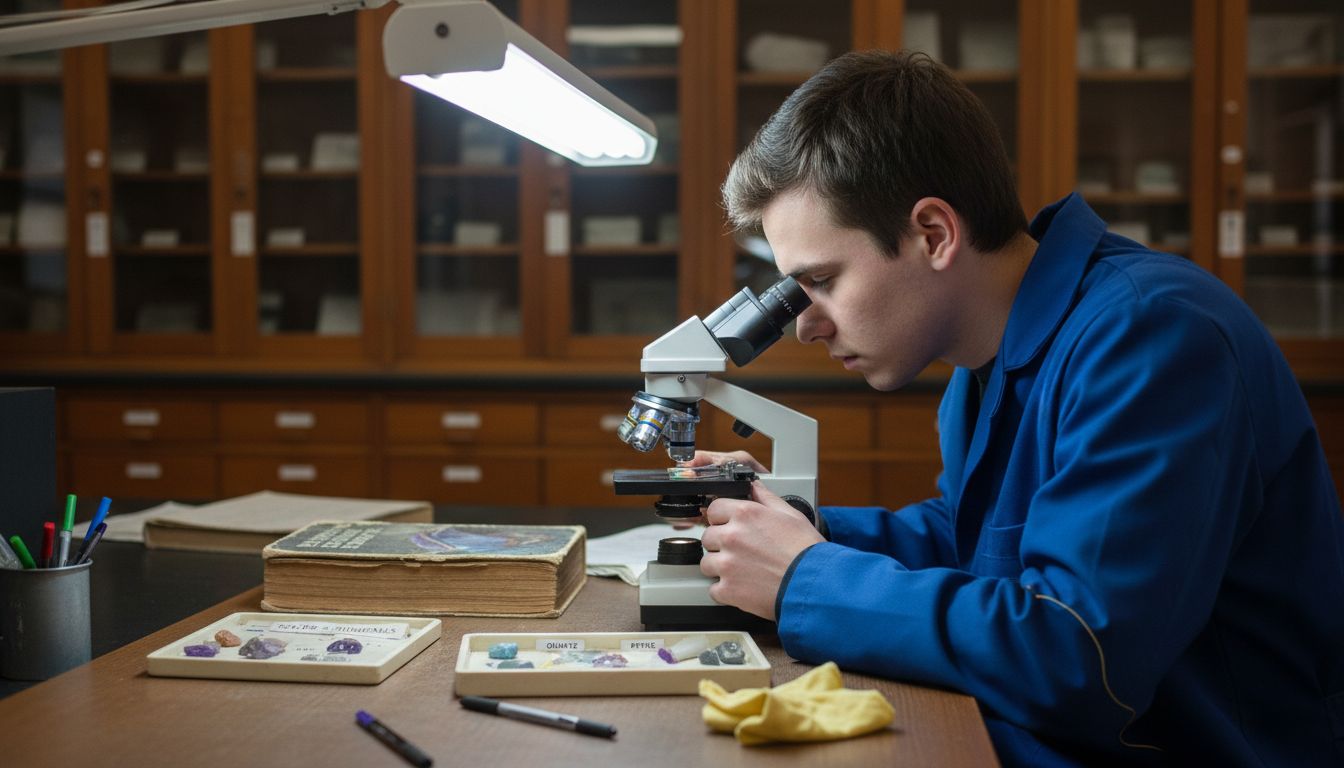
Technical assessment requires understanding microscopic structural characteristics. Silica sphere arrangements, which determine pattern complexity, can be examined using specialized equipment like darkfield microscopes and spectroscopic tools. Professional gemologists measure factors such as sphere uniformity, arrangement precision, and light diffraction potential. These technical evaluations complement visual inspection, providing a comprehensive understanding of an opal’s rare pattern potential. Collectors and investors prize opals that demonstrate not just visual beauty, but also remarkable geological complexity revealed through these sophisticated assessment techniques.
Geological Origins of Unique Opal Patterns
The formation of unique opal patterns represents a remarkable geological narrative spanning millions of years of complex mineral interactions. Understanding opal formation processes reveals the intricate environmental conditions required to create these extraordinary gemstones. Opals emerge through a delicate interplay of geological circumstances that transform ordinary mineral deposits into extraordinary visual masterpieces.
In regions like South Australia, where approximately 90% of the world’s opals originate, unique patterns develop through precise environmental conditions. Silica-rich water percolates through rock formations, gradually depositing microscopic silica spheres in intricate arrangements. The evaporation of ancient inland seas created exceptional geological environments that facilitated opal formation. Specific conditions such as temperature, mineral composition, and geological pressure contribute to the development of distinctive patterns:
- Precise silica sphere uniformity
- Specific mineral impurity concentrations
- Unique cavitary structures within rock formations
- Gradual mineral deposition processes
Unique geological phenomena like Yowah nuts demonstrate the extraordinary complexity of opal formation. These remarkable ironstone concretions serve as host materials for precious opal deposits, with silica-rich water gradually accumulating and solidifying within microscopic cavities. The resulting patterns represent a complex interaction between geological time, mineral composition, and environmental conditions. Professional gemologists consider these formations living geological records that capture millions of years of mineral development in a single, breathtaking gemstone.
The rarity of unique opal patterns stems from the extraordinary precision required in their formation. Microscopic silica sphere arrangements must align perfectly, creating light diffraction effects that produce stunning visual displays. Collectors and researchers recognize that each opal represents a unique geological artifact, with patterns emerging from conditions that cannot be precisely replicated. These gemstones are not merely decorative objects but complex geological narratives frozen in mineral form, telling stories of ancient environmental transformations through their mesmerizing visual characteristics.
Challenges in Sourcing and Authenticating Rare Patterns
Sourcing and authenticating rare opal patterns represents a complex challenge that demands extraordinary expertise, advanced technological tools, and deep geological knowledge. Experienced collectors navigate intricate verification processes to ensure the genuine nature of extraordinary gemstone specimens. The pursuit of authentic rare patterns requires a multifaceted approach that combines scientific analysis, visual expertise, and rigorous evaluation techniques.
Authentication Challenges emerge from multiple critical dimensions of opal evaluation. Professional gemologists employ sophisticated methodologies to verify pattern authenticity:
- Spectroscopic light analysis
- Microscopic structural examination
- Precise mineral composition testing
- Advanced computational pattern recognition
- Geological origin verification
The rarity of unique opal patterns creates significant economic incentives for potential forgery and misrepresentation. Sophisticated technological tools like electron microscopes and spectral analysis equipment help professionals distinguish genuine rare patterns from artificial imitations. Microscopic examination of silica sphere arrangements, light diffraction characteristics, and mineral impurity distributions become critical indicators of an opal’s authentic geological origins. Collectors must invest substantial time and resources to develop the expertise necessary for accurate pattern identification.
Geological provenance plays a crucial role in rare pattern authentication. Professional gemologists trace the specific geological conditions that produce extraordinary opal patterns, understanding that each specimen represents a unique geological artifact. The complexity of pattern formation means that no two rare opals are identical, creating both a challenge and an opportunity for verification. Serious collectors and investors recognize that truly rare patterns require comprehensive scientific documentation, expert visual assessment, and a deep understanding of the intricate geological processes that generate these extraordinary gemstone formations.
Discover the True Beauty and Value of Rare Opal Patterns with Australian Opal Direct
The challenge of identifying and sourcing genuine rare opal patterns involves deep expertise and trust. These extraordinary visual phenomena like pinfire, harlequin, and ribbon patterns represent not just stunning beauty but also rare geological stories captured in each gemstone. We understand your goal to find authentic opals that showcase these remarkable patterns combined with ethical sourcing and expert craftsmanship.
Explore our curated collection where each opal comes directly from renowned Australian mining regions like Lightning Ridge and Coober Pedy. Our close partnerships with miners guarantee authenticity and ensure you receive high-quality gemstones prized by collectors around the world. Experience firsthand the captivating color distribution and pattern intensity that set these opals apart in jewelry crafted to honor their natural heritage.
Elevate your collection today by visiting Australian Opal Direct and explore our exclusive offerings of rings, pendants, and unique sets designed to highlight rare opal patterns.

Don’t miss your chance to own a living geological masterpiece enriched with millions of years of natural beauty. Begin your journey to discover genuine rare Australian opals with trusted experts by exploring our collection at Australian Opal Direct and learn more about rare opal patterns and what distinguishes rare opals today.
Frequently Asked Questions
What are rare opal patterns, and why are they significant?
Rare opal patterns are unique displays of color interaction in opals that enhance their visual appeal and value. They provide insights into the geological processes, mineral composition, and environmental conditions that contributed to their formation.
How do I identify rare opal patterns?
To identify rare opal patterns, look for color distribution, pattern intensity, and the interaction of colors. Use varying lighting conditions to reveal hidden complexities, and employ specialized tools for microscopic examination of silica sphere arrangements.
What types of rare opal patterns exist, and what makes them valuable?
Common rare opal patterns include pinfire, harlequin, ribbon, and Chinese writing. Their value is determined by their complexity, rarity, and the intricate geological processes involved in their formation. Certain patterns may occur in less than 0.01% of opals, significantly increasing their market value.
What geological factors contribute to the formation of unique opal patterns?
Geological factors like temperature, pressure, mineral composition, and the presence of silica-rich water play crucial roles in the formation of unique opal patterns. The specific conditions during mineral crystallization can lead to rare and intricate visual displays in opals.