Opal Birthstones: Meaning, Value, and Ethical Sourcing
Posted by AOD on 15th Feb 2026
Opal Birthstones: Meaning, Value, and Ethical Sourcing

Finding genuine Australian opal birthstones that balance beauty, rarity, and ethical integrity can feel like a challenge for passionate collectors. Each opal is a marvel of natural artistry, radiating vibrant colors shaped by millennia of geological magic—especially from world-renowned locations such as Lightning Ridge and Coober Pedy. As demand grows for transparent sourcing and skilled craftsmanship, this guide shows how to identify high-quality opals while upholding sustainable values and safeguarding their unique story.
Table of Contents
- Understanding Opal Birthstones And Their Origins
- Varieties Of Australian Opals Explained
- Symbolism And Meaning Behind Opal Birthstones
- Ethical Sourcing And Authenticity In Opals
- What Affects Opal Value And Pricing
- Common Mistakes When Buying Opal Jewelry
Key Takeaways
| Point | Details |
|---|---|
| Opal Significance | Opals are the official birthstone for October, symbolizing hope, love, and emotional transformation. |
| Varieties and Regions | Australia is the primary source of high-quality opals, with distinctive types like Black Opal and White Opal based on their regional characteristics. |
| Ethical Sourcing | Ensure ethical procurement by verifying mining practices and supporting sustainable communities to promote responsible gemstone sourcing. |
| Value Factors | Key prices determinants include color intensity, body tone, pattern rarity, and geographical origin, requiring careful evaluation of each opal. |
Understanding Opal Birthstones and Their Origins
Opals are remarkable gemstones with an extraordinary history that spans thousands of years, captivating cultures worldwide with their mesmerizing play-of-color. These unique mineraloids are composed primarily of silica and water, creating a complex structure that allows light to dance across their surface in spectacular rainbow-like displays. Birthstones represent deeply personal symbols of identity, with opals holding a special place as the official birthstone for individuals born in October.
The geological origins of opals are as fascinating as their visual appearance. Most high-quality opals emerge from Australia, which produces approximately 95% of the world’s precious opals, particularly in regions like Lightning Ridge and Coober Pedy. These gemstones form through a remarkable natural process involving silica-rich water percolating through rock formations and gradually depositing microscopic silica spheres that create their distinctive iridescent effect.
Historically, opals have carried profound cultural significance across civilizations:
- Romans viewed opals as symbols of hope and love
- Arabic legends associated them with protective magical properties
- Greeks believed opals granted prophetic abilities
- European traditions considered them tokens of emotional transformation
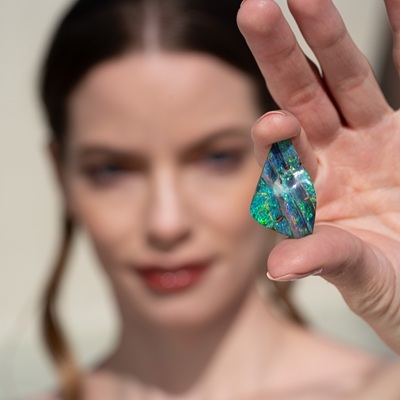
The unique optical properties of opals result from their extraordinary internal structure. Tiny spheres of silica arranged in precise, orderly patterns create what gemologists call play-of-color - the spectacular rainbow-like effect that makes each opal a one-of-a-kind marvel. Unlike other gemstones, no two opals are exactly alike, with each displaying its own intricate light-refracting pattern.
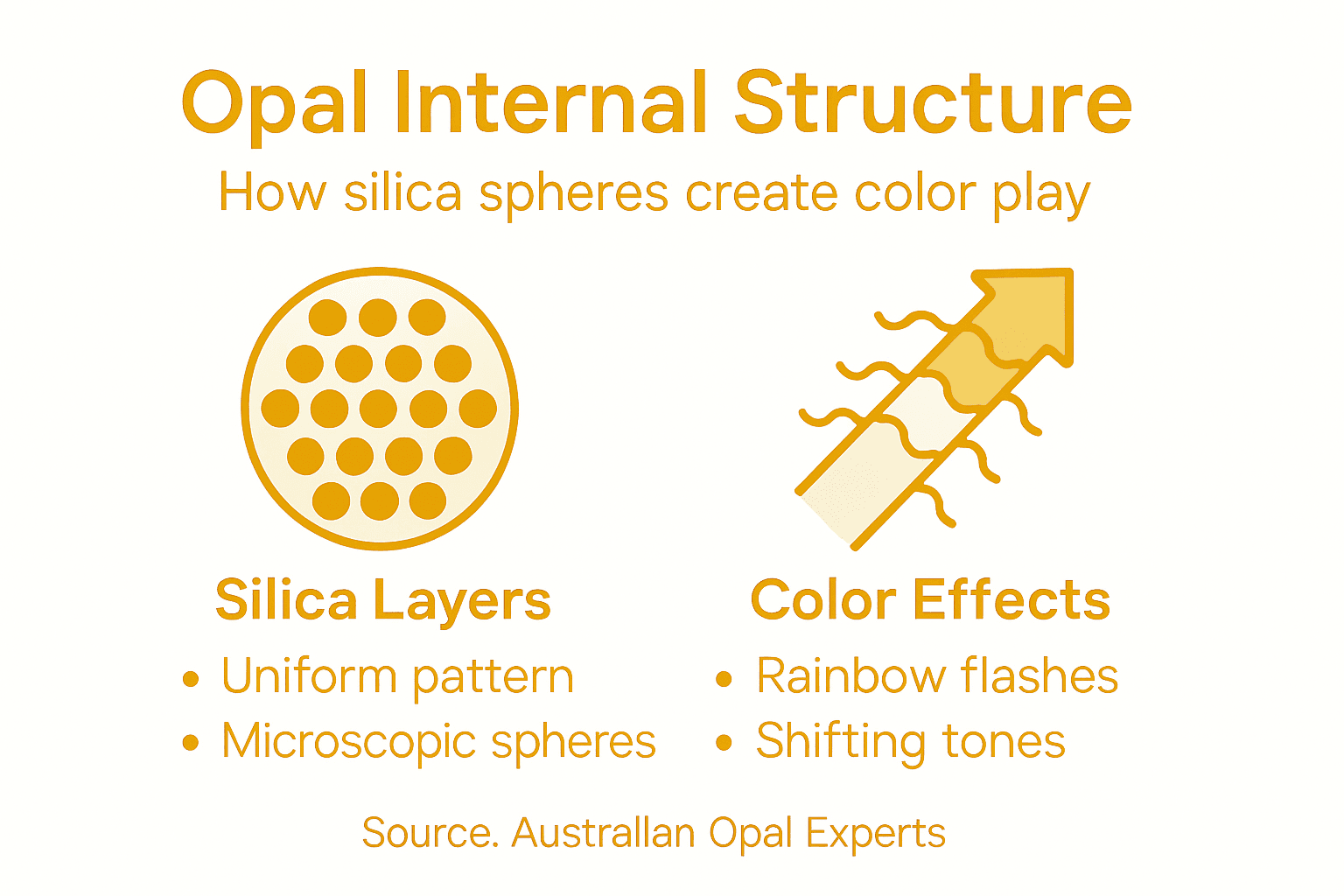
Pro tip: When selecting an opal, look for stones with vibrant, multi-colored flash and minimal internal fractures to ensure maximum beauty and durability.
Varieties of Australian Opals Explained
Australia produces the world’s most prized opals, with each region yielding distinctive gemstone varieties that showcase unique characteristics and extraordinary beauty. Different types of opal emerge from specific geological landscapes, creating a diverse palette of colors, patterns, and optical properties that make these stones truly remarkable.
The primary Australian opal varieties include:
- Black Opal: Originating from Lightning Ridge, these rare stones feature a dark body tone with vibrant, intense color play
- White Opal: Predominantly found in Coober Pedy, characterized by a light body tone and soft, pastel color displays
- Crystal Opal: Translucent stones that allow light to penetrate, creating stunning internal color reflections
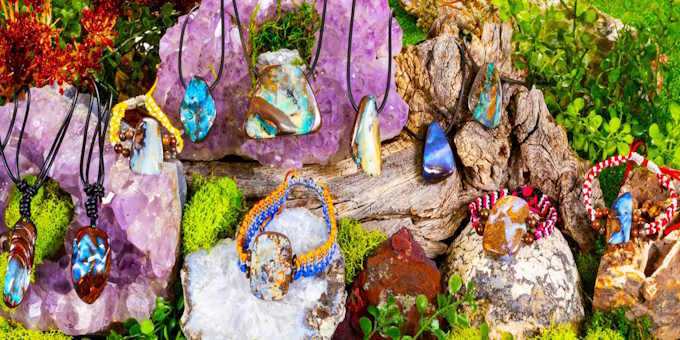
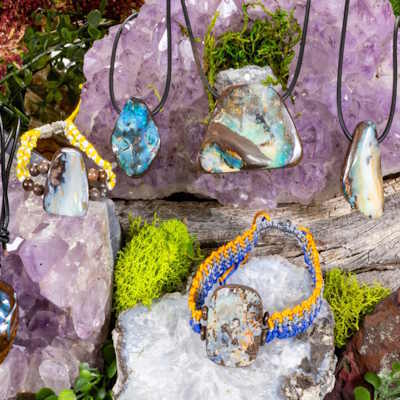
- Boulder Opal: Unique stones from Queensland that are partially attached to their host rock, creating dramatic matrix patterns
Each opal variety demonstrates a complex formation process involving silica-rich groundwater that percolates through sedimentary rock layers. The microscopic silica spheres arrange themselves in precise patterns, generating the mesmerizing play-of-color that makes these gemstones so captivating. Some opals display broad flash effects, while others showcase pinfire or rolling flash optical phenomena.
Geographical variations significantly influence opal characteristics, with factors like mineral composition, environmental conditions, and geological history determining each stone’s unique appearance. The remarkable diversity of Australian opals reflects the continent’s complex geological heritage, making each gemstone a natural work of art.
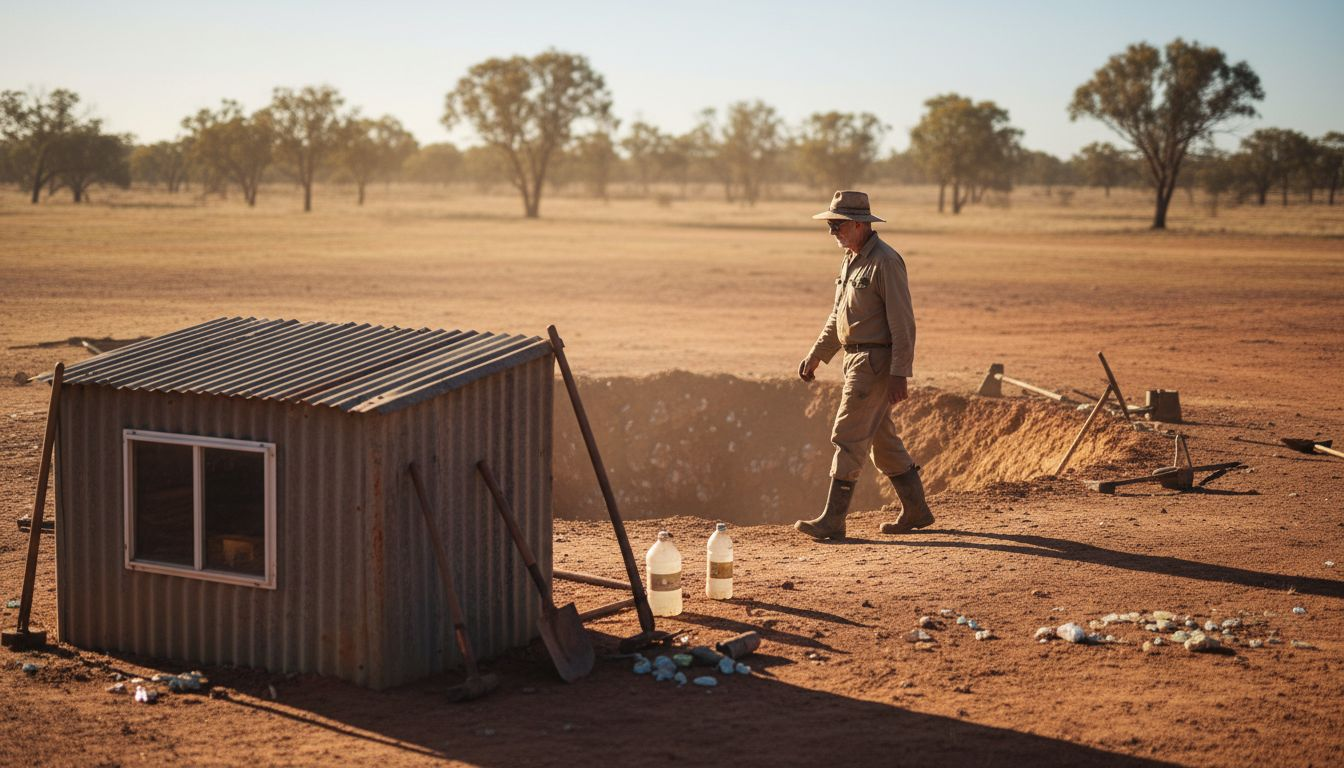
To help you differentiate between the main types of Australian opals, here is a comparison of their unique features:
| Opal Variety | Main Location | Body Tone | Distinctive Feature |
|---|---|---|---|
| Black Opal | Lightning Ridge | Dark, rich color | Intense play-of-color, highest value |
| White Opal | Coober Pedy | Light, milky | Soft pastels, subtle color flashes |
| Crystal Opal | Various regions | Translucent | Internal reflections, vivid hues |
| Boulder Opal | Queensland | Varies, with host rock | Matrix patterns, natural backings |
Pro tip: When evaluating Australian opals, examine the stone under different lighting conditions to fully appreciate its dynamic color-changing properties.
Symbolism and Meaning Behind Opal Birthstones
Opals have long captivated human imagination, transcending their physical beauty to become powerful symbols of emotional and spiritual significance across diverse cultures. Opal symbolism reveals a rich tapestry of meanings that extend far beyond their stunning visual appearance, embodying complex narratives of hope, transformation, and inner magic.
Across historical civilizations, opals have carried profound symbolic interpretations:
- Romans: Symbols of love, hope, and good fortune
- Greeks: Associated with prophetic abilities and emotional insight
- Arabic Cultures: Connected to lightning and protective supernatural powers
- European Traditions: Tokens of emotional healing and personal transformation
The metaphysical properties attributed to opals reflect their extraordinary optical characteristics. Just as these gemstones display a kaleidoscopic play of colors, they are believed to mirror the multifaceted nature of human emotions - shifting, dynamic, and deeply complex. Many spiritual traditions view opals as stones of emotional intelligence, capable of reflecting inner states and facilitating personal growth.
Modern interpretations of opal symbolism continue to emphasize its connection to creativity, inspiration, and personal authenticity. The stone’s ability to capture and reflect light in unique ways serves as a powerful metaphor for individual potential - reminding wearers that like an opal, each person contains multiple dimensions of beauty and complexity waiting to be revealed.
Pro tip: Select an opal that resonates with your personal energy, as the stone’s symbolic meaning is most powerful when it feels intuitively connected to your inner journey.
Ethical Sourcing and Authenticity in Opals
Navigating the complex world of opal sourcing requires a deep understanding of ethical mining practices and authenticity verification. Ethical opal sourcing goes beyond simple transaction, representing a comprehensive commitment to environmental sustainability, worker welfare, and transparent geological extraction processes.
Key considerations for ethical opal procurement include:
- Verifying direct mining relationships
- Ensuring fair labor practices in extraction regions
- Minimizing environmental disruption during mining operations
- Supporting local mining communities in Australian opal regions
- Documenting complete geological provenance for each stone
- Preventing exploitation of artisanal and small-scale miners
Authenticity in opals demands rigorous assessment across multiple dimensions. Geological traceability becomes crucial, with genuine Australian opals distinguished by their unique formation characteristics, mineral composition, and specific regional signatures. Professional gemologists employ advanced techniques like spectroscopic analysis, microscopic examination, and detailed geological mapping to confirm a stone’s authentic origins.
Modern ethical sourcing extends beyond traditional environmental considerations, encompassing broader social responsibility frameworks. This holistic approach ensures that each opal represents not just a beautiful gemstone, but a responsible investment that supports sustainable mining communities and preserves delicate ecological systems in regions like Lightning Ridge and Coober Pedy.
Pro tip: Always request comprehensive documentation detailing your opal’s complete geological origin and mining history to ensure true ethical provenance.
What Affects Opal Value and Pricing
Opal valuation represents a complex intersection of scientific assessment and artistic appreciation, where multiple factors converge to determine a stone’s market worth. Opal value factors extend far beyond simple visual appeal, encompassing intricate geological, optical, and market-driven considerations that require expert evaluation.
The primary determinants of opal pricing include:
- Color Intensity: Brightness and vibrancy of play-of-color
- Body Tone: Darkness and contrast of background color
- Pattern Rarity: Unique optical effects and distribution of color
- Transparency: Clarity and light transmission through the stone
- Size and Weight: Physical dimensions of the opal
- Origin: Specific geological region of extraction
Black opals from Lightning Ridge represent the pinnacle of opal valuation, commanding premium prices due to their exceptional color contrast and rarity. The most valuable stones display a dark body tone with vibrant, saturated color play that seemingly dances across the surface. Professional gemologists employ sophisticated spectroscopic techniques to assess subtle nuances that dramatically impact a stone’s market value.
Beyond physical characteristics, market dynamics and collector demand significantly influence opal pricing. Factors such as historical provenance, cultural significance, and emerging trends in luxury jewelry can create substantial variations in valuation. Rare patterns like rolling flash or harlequin configurations can exponentially increase an opal’s worth, transforming a beautiful stone into a collectible investment.
For a quick overview, here’s how key factors impact opal pricing and value:
| Factor | Influence on Value | Collector Consideration |
|---|---|---|
| Color Intensity | Higher color boosts price | Look for vivid, bright play |
| Body Tone | Darker tone is more valuable | Preference for black opals |
| Pattern Rarity | Unique patterns are prized | Harlequin and rolling flash favored |
| Transparency | High transparency adds value | Crystal types are desirable |
Pro tip: Always request professional certification and detailed spectroscopic analysis when investing in high-value opals to ensure accurate valuation and authenticity.
Common Mistakes When Buying Opal Jewelry
Purchasing opal jewelry requires careful consideration and expert knowledge to avoid costly errors that can compromise both aesthetic value and long-term investment potential. Opal buying mistakes can lead to significant financial disappointment and diminished gemstone quality, making informed decision-making crucial for discerning collectors and jewelry enthusiasts.
The most prevalent mistakes in opal jewelry selection include:
- Overlooking Authenticity: Failing to verify genuine Australian origin
- Ignoring Structural Fragility: Choosing inappropriate settings for delicate opals
- Misunderstanding Color Dynamics: Not assessing play-of-color under different lighting conditions
- Neglecting Certification: Purchasing without professional gemological documentation
- Underestimating Care Requirements: Treating opals like more durable gemstones
- Prioritizing Price over Quality: Selecting stones based solely on cost
Synthetic and assembled opals represent significant risks for uninformed buyers. Professional gemologists warn that many low-quality stones are marketed as genuine, requiring sophisticated techniques to distinguish authentic Australian opals from manufactured imitations. The subtle nuances in color distribution, internal structure, and optical performance demand expert evaluation to ensure true value.
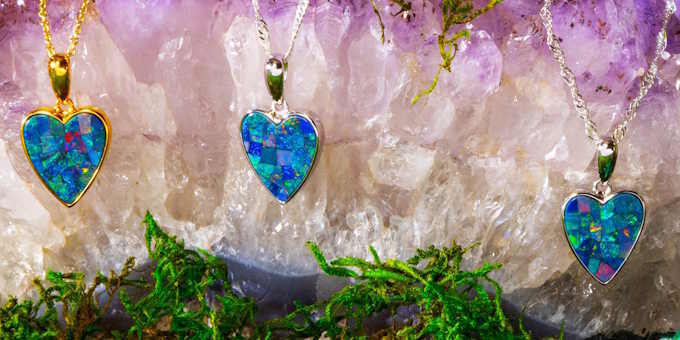
Protective jewelry settings play a critical role in preserving opal integrity. Soft and relatively fragile, opals require specialized mounting techniques that minimize potential damage. Bezel settings, protective side walls, and careful metal selection can significantly extend a stone’s longevity, transforming a potentially vulnerable gem into a resilient piece of wearable art.
Pro tip: Always request a comprehensive gemological certificate and conduct thorough visual inspection under multiple lighting conditions before finalizing any opal jewelry purchase.
Discover Authentic Ethical Opals That Reflect Your Unique Journey
Choosing the perfect opal birthstone means more than just selecting a beautiful gem. It is about embracing a symbol of hope, transformation, and personal authenticity. If you want to avoid common mistakes like buying synthetic stones or overlooking ethical sourcing, finding an expert partner who guarantees genuine Australian opals is essential. Our collection delivers vibrant opals from renowned regions such as Lightning Ridge and Coober Pedy, each accompanied by full provenance to ensure the highest standards of ethical mining and authenticity.

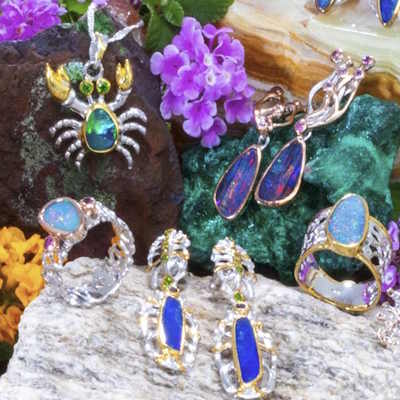
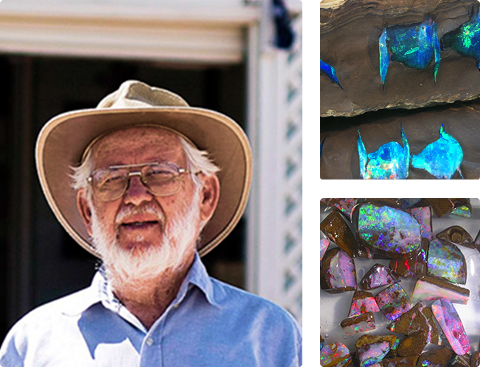
Explore our carefully curated selection of black, white, crystal, and boulder opals at Australian Opal Direct. Benefit from direct miner relationships that eliminate middlemen costs and provide competitive pricing on luxurious gemstone jewelry. Act now to secure a unique birthstone that carries centuries of meaning and offers lasting emotional and financial value. Start your journey by browsing our exclusive collections to find opals that truly resonate with your inner light and spirit.
Frequently Asked Questions
What are the different types of opals and their characteristics?
Opals come in various types, including Black Opal, White Opal, Crystal Opal, and Boulder Opal. Each type has unique features: Black Opals have a dark body tone with vibrant color play, White Opals show soft pastel colors, Crystal Opals are translucent with internal reflections, and Boulder Opals feature natural matrix patterns attached to their host rock.
How does the value of an opal get determined?
Opal value is assessed based on several factors including color intensity, body tone, pattern rarity, transparency, size, and origin. Black Opals typically command higher prices due to their rarity and vibrant color contrast.
What is the significance of opals as birthstones?
Opals symbolize hope, love, and emotional healing. They are often associated with creativity, inspiration, and personal growth. Their dynamic play of color represents the multifaceted nature of human emotions and experiences.
What should I look for when purchasing opal jewelry?
When buying opal jewelry, verify the opal’s authenticity, assess its structural integrity for appropriate settings, and look for professional certification. Make sure to examine the stone under various lighting conditions to fully appreciate its color dynamics and ensure you understand the care requirements for opals.