The Role of Limited Production Jewelry for Collectors
Posted by AOD on 27th Jun 2026
The Role of Limited Production Jewelry for Collectors
TL;DR:
- Limited production jewelry creates rarity, emotional value, and trust through transparent provenance and expert craftsmanship. Scarcity, combined with permanent design retirement, fosters collectibility and long-term attachment for discerning collectors. Ethical sourcing benefits depend on verified traceability, not just small batch size or exclusivity.
Limited production jewelry is defined as small-batch or serialized work, crafted in deliberately capped quantities to create rarity, emotional meaning, and collectible value that mass production cannot replicate. The role of limited production jewelry extends well beyond aesthetics. It shapes how collectors invest, how designers innovate, and how brands build trust through ethical sourcing practices. Brands like Catbird, De Beers’ GemFair program, and Colombo Jewellery Stores have each demonstrated that scarcity, when paired with genuine craftsmanship and transparent provenance, creates pieces that carry meaning far beyond their physical form.
What is the role of limited production jewelry in today’s market?
Limited production jewelry, known in the trade as a capsule or limited edition collection, creates collectible perceived value by offering exclusivity and emotional meaning that drives urgency and deeper attachment. This is the mechanism at the heart of why collectors pursue these pieces with such dedication. A serialized pendant or a capped-edition ring is not simply an object. It is a documented moment in a designer’s creative history.
The limited production jewelry market operates on a simple but powerful principle: scarcity signals worth. When a design is available to only a few hundred people worldwide, ownership becomes an act of identity. Collectors who acquire these pieces are not just buying jewelry. They are signaling refined taste and personal values to themselves and others.
The importance of exclusive jewelry also lies in what it demands from the maker. Small-batch production forces design teams to commit fully to each piece. There is no room for shortcuts when every unit in a run of 50 or 100 will be scrutinized by a discerning collector.
How do limited editions create scarcity and urgency?
The mechanics of scarcity in limited edition jewelry are more deliberate than most buyers realize. Brands set absolute production caps, sometimes as specific as 143 serialized pieces globally, and retire designs permanently once the run is complete. Molds are broken. Digital files are archived and locked. The design ceases to exist as a purchasable object.
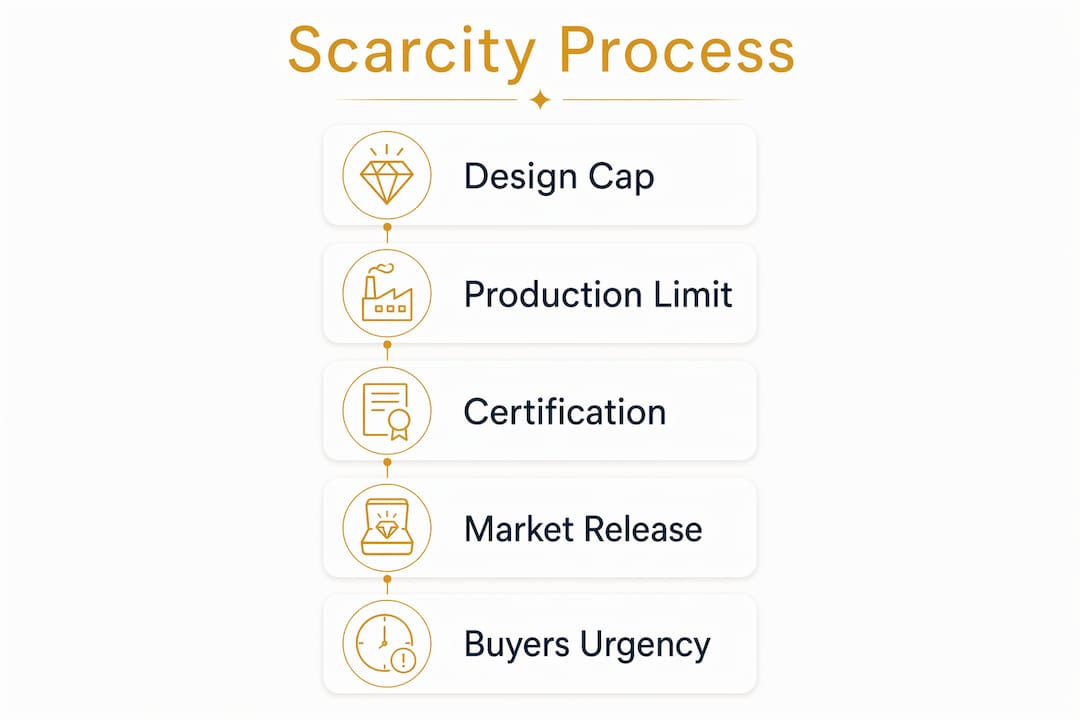
This permanence is what separates genuine limited editions from marketing language. When a design is truly retired, its secondary market value often rises. Collectors who missed the original release must compete for existing pieces, which reinforces the original buyer’s sense of having made a sound decision.
The emotional dimension is equally significant. Owning a piece you know cannot be recreated produces a form of attachment that functional jewelry rarely achieves. That attachment is one reason the benefits of unique jewelry extend into long-term collecting behavior, not just a single purchase.
“The scarcity of a piece is only as credible as the brand’s commitment to never remaking it. Collectors learn quickly which houses honor that commitment and which do not.”
Pro Tip: Before purchasing any limited edition piece, ask the brand directly whether the design will ever be remade or reissued. A credible answer will reference specific retirement policies, not vague assurances.
Without credible design retirement, remakes dilute the scarcity narrative entirely. Collectors who discover a “limited” piece has been reissued lose trust in the brand, and that trust is rarely recovered.
Why does craftsmanship define limited production jewelry quality?
Small-batch production is the condition under which genuine artisanal quality becomes possible. When a design team is not managing thousands of units, they can focus on material selection, stone placement, and finishing with a precision that mass production schedules simply do not allow.
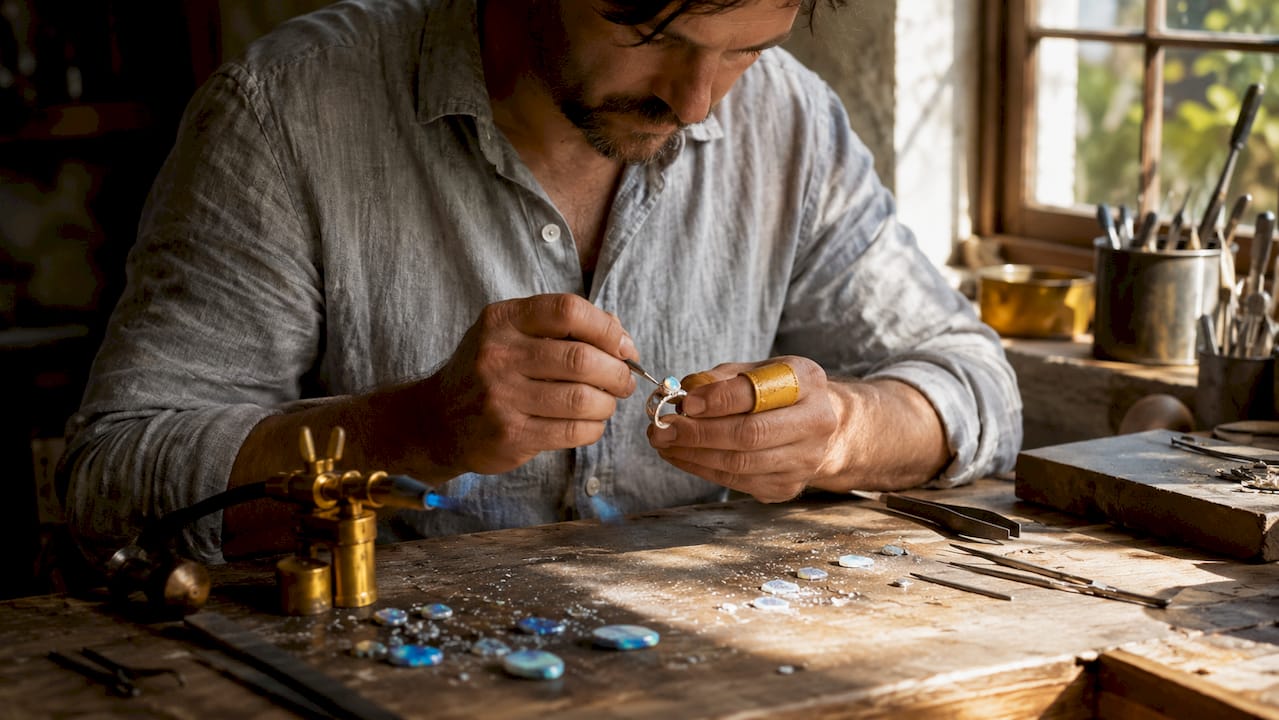
Limited editions serve as a controlled sandbox for innovation. Designers test new techniques, unusual stone cuts, or experimental metal alloys in a limited run before committing to wider production. This reduces risk while producing pieces that feel genuinely forward-looking. Catbird’s 2026 collaboration with Clairo, titled A Dream This Time, demonstrates this principle clearly. The eight-piece capsule was handcrafted using recycled solid gold and sterling silver, with each piece reflecting a level of material discipline that a mass production run would make economically impossible.
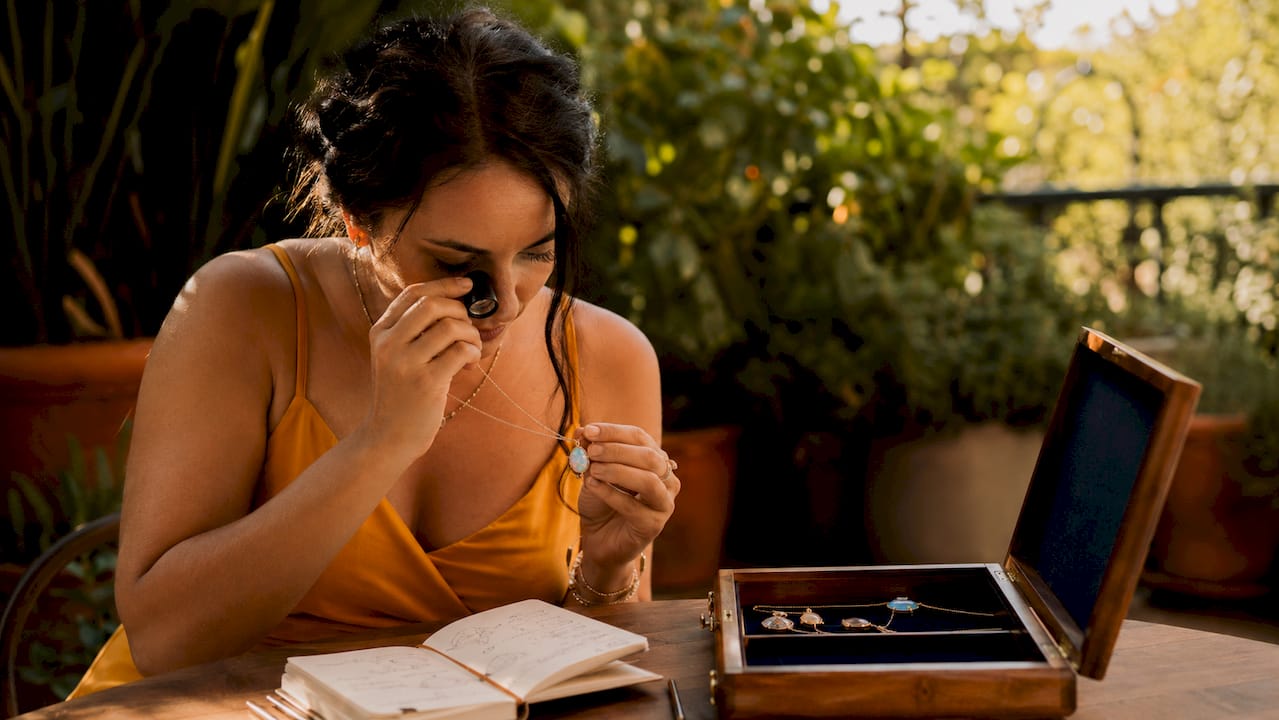
Pro Tip: When evaluating craftsmanship in a limited edition piece, look for hand-finishing marks, stone setting consistency, and documented material sourcing. These are the indicators that separate genuine artisanal work from small-batch marketing.
The table below compares how craftsmanship priorities differ between limited and mass production jewelry.
| Craftsmanship Factor | Limited Production | Mass Production |
|---|---|---|
| Quality control | Per-piece inspection | Batch sampling |
| Material sourcing | Traceable, often premium | Volume-driven, variable |
| Stone placement | Hand-set, individually assessed | Machine-set or standardized |
| Design innovation | Tested freely in small runs | Constrained by scale economics |
| Finishing detail | Hand-polished, artisan-reviewed | Automated, uniform |
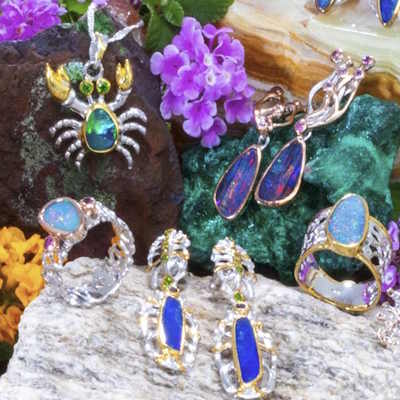
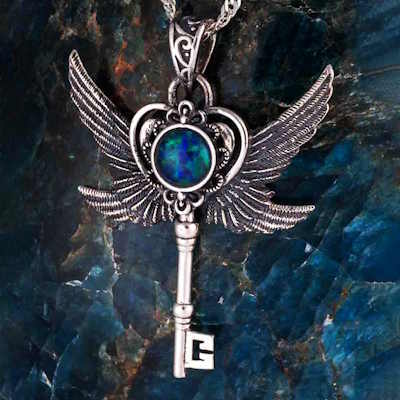
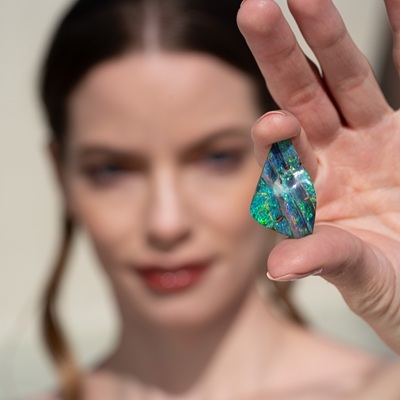
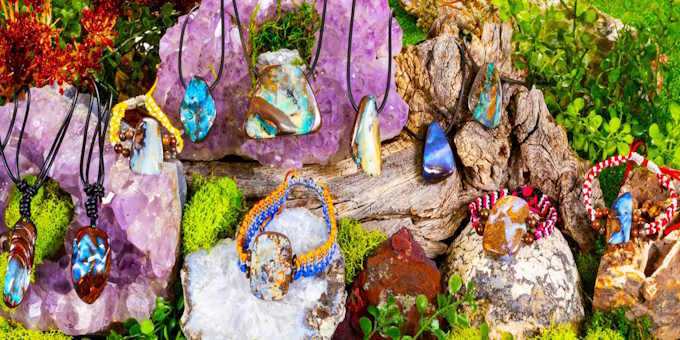
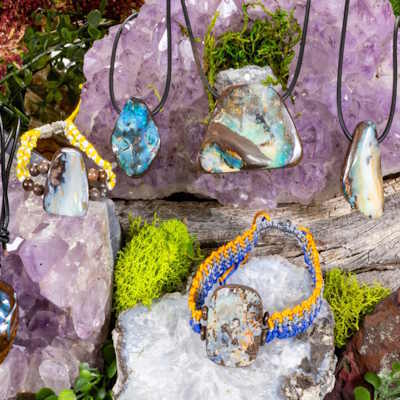
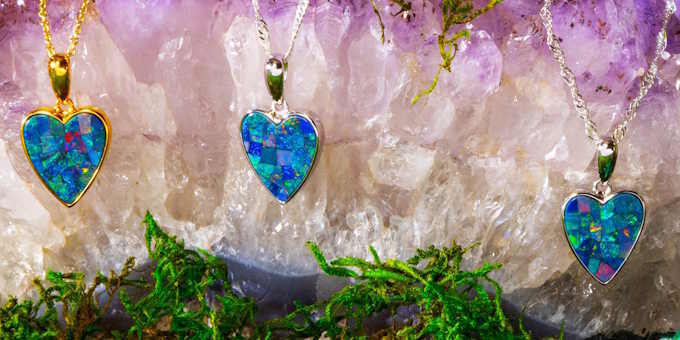
The signature techniques used in small-batch opal jewelry illustrate this contrast well. Each stone’s play-of-color is unique, which means every piece in a limited opal collection requires individual assessment and setting decisions. That level of attention is simply not replicable at scale.
Does limited production actually support ethical sourcing?
Ethical sourcing is one of the most cited benefits of unique jewelry produced in limited quantities, but the claim requires scrutiny. Limited production does not automatically equal responsible sourcing. Upstream due diligence and documented verification are what make the difference.
The strongest example of traceable limited production is De Beers’ GemFair program. GemFair is recognized for mine-to-market traceability with artisanal diamonds, measuring its impact by ethical standards rather than volume. This model works precisely because the small scale of each run allows the brand to maintain a narrow, verifiable supplier relationship. At mass production volumes, that chain of custody becomes exponentially harder to maintain.
Colombo Jewellery Stores demonstrated another dimension of ethical limited production with their Whale Shark Pendant. The piece was limited to 100 units, with 100% of proceeds directed to Oceanswell marine conservation research and education. That model links the limited edition jewelry impact directly to a measurable conservation outcome.
Here is what collectors should verify before accepting any ethical sourcing claim:
- Third-party certification: Look for documented verification from recognized bodies, not just brand language. GIA and IGI certificates address gemstone quality; supply chain ethics require separate documentation.
- Provenance registries: Ask whether the piece is registered in a traceable provenance system that survives resale.
- Recycled or responsible materials: Catbird’s use of recycled gold and silver is verifiable through material documentation. Request this from any brand making similar claims.
- Cause allocation transparency: If proceeds support a cause, ask for the specific percentage and the receiving organization’s name.
The table below separates verified ethical benefits from common misconceptions in this space.
| Claim | Reality |
|---|---|
| “Limited production means ethical sourcing” | Not automatically. Traceability requires active documentation, not just small batch size. |
| “Recycled metals are always more ethical” | Generally true, but sourcing of recycled material still requires verification. |
| “Conservation proceeds are guaranteed” | Only when the receiving organization and percentage are named and documented. |
| “Small brands are more ethical than large ones” | Scale is not the determining factor. Verification systems are. |
For collectors who want to go deeper on ethical jewelry sourcing, the key question is always the same: can the brand show you the documentation, or are they asking you to take their word for it?
How should collectors evaluate limited production pieces before buying?
Evaluating a limited edition piece requires a structured approach. The emotional appeal of scarcity can cloud judgment, and that is exactly the condition in which collectors make purchases they later regret. A clear checklist protects both the investment and the experience.
The most reliable authentication tools are serialization and IGI certificates tied to private provenance registries. These ensure that a piece’s scarcity claim survives the secondary market and supports resale value. Without them, a “limited edition” label is unverifiable.
Beyond authentication, collectors should assess the following before committing:
- Edition size and retirement policy: Confirm the exact number of pieces produced and whether the design is permanently retired. Request written confirmation if possible.
- Material sourcing documentation: Ask for certificates or supplier records that verify the origin of metals and stones.
- Post-sale support: Limited runs sometimes mean no replacement parts or repair services. Understand what the brand offers before the design is retired.
- Cause or proceeds allocation: If the piece is linked to a charitable cause, verify the organization and the specific allocation percentage.
- Brand communication history: Brands that build collector trust through transparent communication of edition size and provenance are the ones worth returning to.
Pro Tip: Create a simple purchase checklist: edition size confirmed, authentication certificate in hand, material sourcing documented, retirement policy in writing, and post-sale support understood. If any item is missing, ask before you buy.
The why choose limited jewelry question ultimately comes down to this: a piece that can be verified, traced, and authenticated holds its meaning and its value. One that cannot is simply expensive.
Key takeaways
Limited production jewelry holds its value, emotional resonance, and ethical credibility only when scarcity, craftsmanship, and provenance are all verifiable and documented.
| Point | Details |
|---|---|
| Scarcity requires verification | Production caps and design retirement must be documented, not just claimed. |
| Craftsmanship improves at small scale | Limited runs allow per-piece quality control and material precision impossible in mass production. |
| Ethical sourcing needs proof | Third-party certification and provenance registries separate genuine ethics from marketing language. |
| Authentication protects collectors | IGI certificates and serialization tied to private registries preserve resale value and trust. |
| Transparency defines brand worth | Brands that communicate edition size, sourcing, and retirement policies openly are the ones worth collecting. |
Why limited production jewelry has earned its place in serious collecting
I have spent years evaluating limited edition pieces across gemstone categories, and the pattern I keep returning to is this: the pieces that hold their meaning are the ones where the maker had something specific to say and the discipline to say it in a finite number of objects.
The limited edition jewelry impact I find most underappreciated is not the financial one. It is the creative one. When a design team knows they are making 80 pieces and no more, every decision carries weight. The stone selection, the metal choice, the finishing detail. None of it can be averaged out across a production run of thousands. That constraint produces a quality of attention that collectors can feel when they hold the piece.
What I have also observed is that ethical sourcing claims are becoming a genuine differentiator, not just a marketing checkbox. Collectors are asking harder questions. They want to see the GemFair documentation. They want to know whether the recycled gold in a Catbird capsule came from a verified refiner. That scrutiny is healthy, and brands that welcome it are the ones building lasting reputations.
The one caution I would offer is about accessibility. Limited production should not mean limited to the wealthy. The most interesting collections I have encountered are those that cap editions at meaningful numbers, price honestly, and communicate openly. Exclusivity built on transparency is worth pursuing. Exclusivity built on opacity is not.
Seek pieces with documented provenance and a maker willing to answer your questions. That combination is rarer than any production cap.
— Renee
Discover ethically crafted opal collections at Australianopaldirect
Australianopaldirect sources its opals directly from the legendary mining regions of Lightning Ridge, Coober Pedy, and Queensland, maintaining direct-miner relationships that make genuine traceability possible. Each piece in the curated collections reflects the play-of-color and kaleidoscopic brilliance that only earth-mined Australian opals can produce.
For collectors who value rarity, craftsmanship, and transparent provenance, Australianopaldirect’s exclusive opal collections offer a rare combination: gemstones with documented origins, artisan-level finishing, and the kind of natural uniqueness that no mass production process can replicate. Every opal tells its own story in light and color. Browse the collections and find the piece that speaks to you.
FAQ
What makes limited production jewelry more valuable than standard pieces?
Limited edition pieces carry collectible value through documented scarcity, serialization, and emotional ownership that standard production cannot offer. When designs are permanently retired, secondary market demand reinforces that value over time.
How do i verify that a limited edition piece is authentic?
Look for a unique serial number and an IGI or GIA certificate tied to a provenance registry. Ask the brand directly whether the design has been permanently retired and whether remakes are possible.
Does limited production guarantee ethical sourcing?
No. Limited production reduces scale pressures but does not automatically create ethical supply chains. Third-party verification and documented traceability, as demonstrated by De Beers’ GemFair program, are the standards that matter.
What should i ask a brand before buying a limited edition piece?
Ask for the exact edition size, the retirement policy, material sourcing documentation, and post-sale support terms. Brands that answer these questions clearly are the ones worth trusting with a collector-level purchase.
Are recycled metals in limited edition jewelry a reliable ethical indicator?
Recycled metals are generally a positive signal, as Catbird’s use of recycled solid gold in its capsule collections demonstrates. However, the sourcing of recycled material still requires verification from a certified refiner to be fully credible.
Recommended
- Exclusive jewelry: meaning, craft, and collecting - Australian Opal Direct
- Role of Opals in Luxury Jewelry: Rarity & Value - Australian Opal Direct
- What defines high jewelry? The key elements of true luxury - Australian Opal Direct
- Expert luxury jewelry investment tips: Sourcing Australian opals - Australian Opal Direct