Signature opal jewelry techniques for unique, ethical pieces
Posted by AOD on 2nd May 2026
Signature opal jewelry techniques for unique, ethical pieces
TL;DR:
- Signature opal jewelry combines artistry, ethical sourcing, and craftsmanship respecting the stone’s structure.
- Techniques like freeform bezels and hand-carved motifs emphasize the opal’s natural beauty and origin.
- Provenance, integrity, and proper care ensure the longevity and enduring value of signature opal pieces.
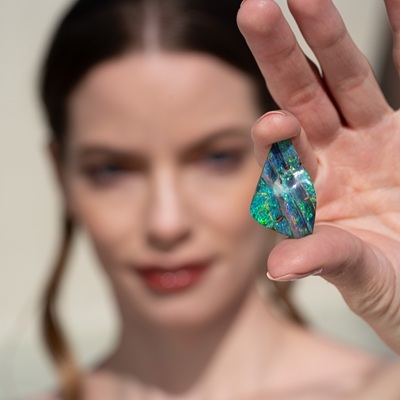
Few challenges in the world of fine gemstones rival the pursuit of creating opal jewelry that genuinely stands apart. The stone itself is already extraordinary, a living canvas where silica particles diffract light into shifting storms of color, ranging from the deep spectral fires of Lightning Ridge black opals to the delicate pastels of Coober Pedy whites. Yet artistry and ethics must move in step. Today’s designers and collectors understand that a signature piece is not simply the most visually arresting object in the room. It is also a statement of values, a commitment to craft that honors both the opal and the earth that formed it over millions of years.
Table of Contents
- The essential criteria for signature opal jewelry
- Top signature techniques in opal jewelry design
- Comparing signature opal techniques: Artistry and ethics
- Finishing and care: Ensuring longevity of signature opal techniques
- Signature technique or fleeting trend? What truly endures
- Connect with trusted artisan sources for your signature opal creations
- Frequently asked questions
Key Takeaways
| Point | Details |
|---|---|
| Signature criteria | Artistry, ethics, and craftsmanship define signature opal jewelry techniques. |
| Essential techniques | Bezel setting, inlay work, and custom workflows enable uniquely crafted pieces. |
| Care tips | Proper storage and routine care preserve the beauty and integrity of opal jewelry. |
| Choosing methods | Select techniques based on both aesthetic goals and ethical sourcing assurances. |
The essential criteria for signature opal jewelry
Before selecting any technique, designers and collectors benefit from establishing a clear framework. Signature opal jewelry is not defined by a single attribute. Rather, it emerges from the careful alignment of several interconnected criteria, each reinforcing the others.
- Artistry: Every signature technique must serve the opal’s natural play-of-color. The finest settings, whether freeform bezels or hand-forged prongs, are designed to step back and let the gem perform. Anything that competes visually with the stone’s internal light show undermines the entire purpose of the piece.
- Ethical sourcing: Modern collectors will not separate beauty from responsibility. Authenticity and ethics in opal jewelry are now foundational to what makes a piece genuinely desirable, not merely decorative. Earth-mined Australian opals, sourced with transparent supply chains, carry a moral clarity that synthetic or poorly documented alternatives cannot replicate.
- Craftsmanship aligned with opal structure: Opals are relatively soft, rating 5.5 to 6.5 on the Mohs scale, and they carry a high water content that makes them sensitive to thermal shock and pressure. Every technique must respect these physical realities. A setting that looks dramatic but places mechanical stress on a thin opal will eventually cost the collector dearly.
- Versatility: Whether the opal is destined for a limited-edition collector ring or a fully custom commission, the technique must remain adaptable. Rigid methods that only suit one format quickly lose their value in a market driven by individual stories and bespoke expression.
- Provenance verification: Confirming where and how an opal was mined is the foundation on which all other criteria rest. A piece described in the opal jewelry design process as artisanal must be backed by traceable origin, not just appealing language.
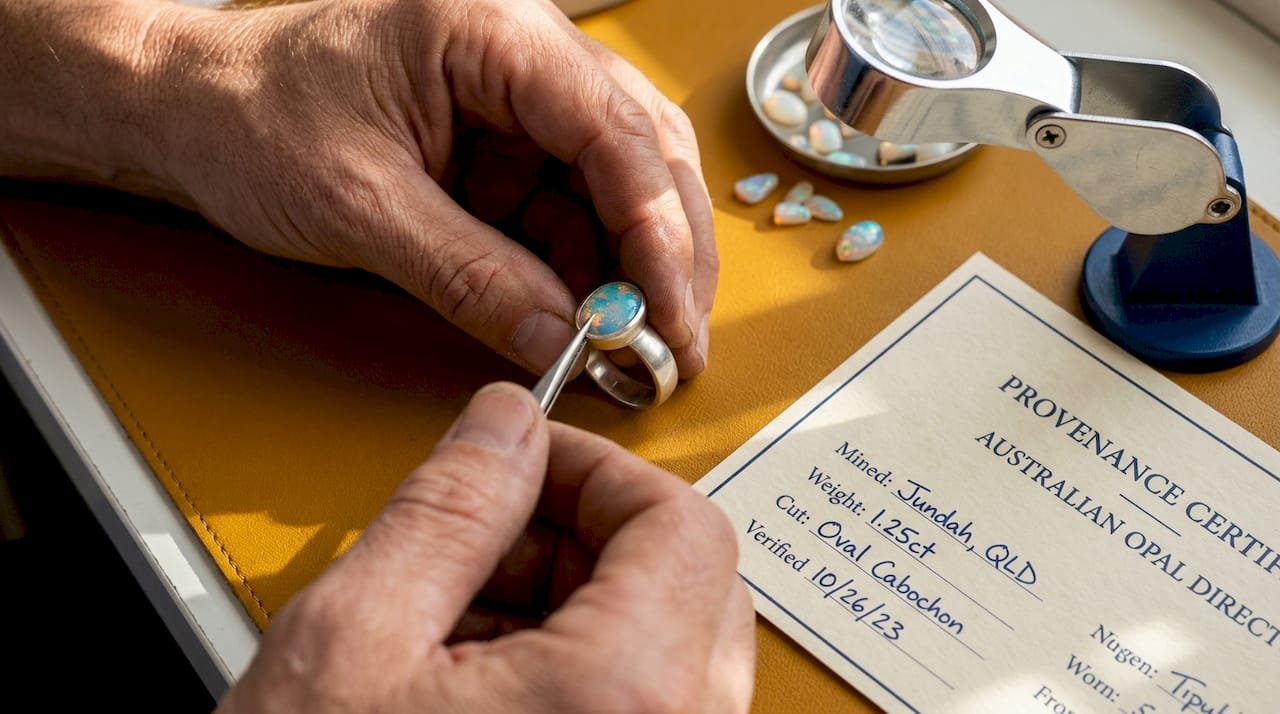
Pro Tip: Always request a written provenance statement from your opal supplier, specifying the mining region, claim number if available, and whether the stone is earth-mined. This documentation protects both the designer and the end collector.
With criteria in hand, let’s explore the hallmark techniques that define signature opal jewelry.
Top signature techniques in opal jewelry design
The vocabulary of opal craftsmanship is rich, and certain techniques have earned their reputation through generations of master jewelers. Each method approaches the opal differently, and choosing the right one requires understanding both the stone’s individual character and the designer’s creative vision.
-
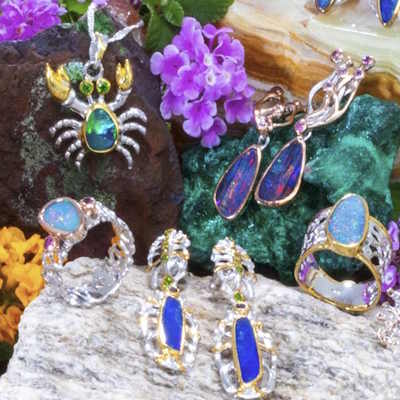
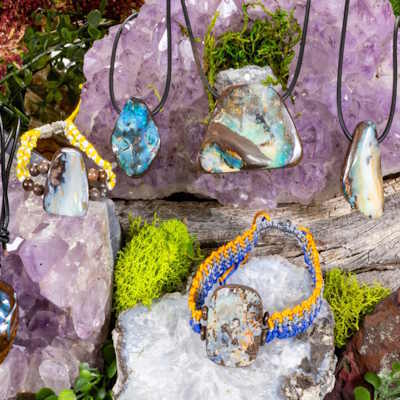
Freeform bezel setting: The bezel wraps a fine rim of metal, typically sterling silver, rose gold, or platinum, around the opal’s natural outline rather than forcing the stone into a pre-cut shape. This approach is especially favored for free-form crystal opals, where the irregular silhouette is part of the gem’s personality. The result is a piece that feels organic, as though the metal has grown around the stone rather than imprisoned it.
-
Inlay techniques for seamless color flow: Opal inlay, where thin slices of opal are set flush within a recessed metal channel or carved surface, creates an almost architectural effect. The color appears to breathe directly from within the metal itself. Used skillfully in the context of crafting opal rings, inlay transforms an ordinary band into a continuous landscape of shifting hue.
-
Doublet and triplet construction: A doublet bonds a thin slice of natural opal to a dark backing material, typically ironstone or black potch, which amplifies the play-of-color dramatically. A triplet adds a protective dome of clear quartz or glass over the top. Both methods allow rarer opal material to be used more sustainably, extending the life of precious material without sacrificing visual impact. Properly executed doublets and triplets are legitimate and beautiful, provided they are disclosed honestly to the buyer.
-
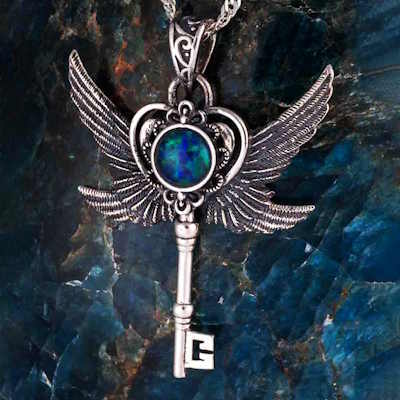
Hand-carved motifs inspired by Australian landscapes: Some of the most collectible opal jewelry incorporates carved metalwork depicting coastal rock formations, native flora, or desert horizons. This contextual storytelling places the opal within its geographic origin, making the piece a narrative as much as an ornament. The custom opal jewelry workflow at the highest level often begins with conversations about landscape and memory rather than shape and size.
-
Mixed-metal frameworks: Combining yellow gold with oxidized silver, or rose gold with platinum accents, introduces visual tension that can dramatically enhance an opal’s color temperature. A warm-toned boulder opal, for instance, often sings against yellow gold, while a blue-green crystal opal can achieve an almost glacial intensity when set against white metals. Understanding this interplay is a mark of mature design thinking.
“The most enduring opal pieces are not the loudest. They are the ones where every design decision, from metal choice to setting depth, has been made in quiet conversation with the stone.” This principle, central to handcrafted opal jewelry philosophy, reminds designers that restraint is often the most powerful choice.
Pro Tip: For rare patterned opals displaying flagstone, Chinese writing, or rolling flash patterns, choose minimal settings with low profiles. The pattern itself is the design. Adding visual noise around it is a missed opportunity.
Now that we’ve outlined the essential techniques, the next step is comparing how they stack up in design and ethical benefits.
Comparing signature opal techniques: Artistry and ethics
Not all techniques serve every opal equally, and not every collector prioritizes the same qualities. The table below provides a practical reference for designers weighing their options across four key dimensions.
| Technique | Artistry appeal | Durability | Ethical sourcing fit | Collector interest |
|---|---|---|---|---|
| Freeform bezel setting | Very high | High | Excellent (highlights whole stone) | Very high |
| Opal inlay | High | Moderate to high | Good | High |
| Doublet and triplet | Moderate to high | High | Good (with disclosure) | Moderate |
| Hand-carved motifs | Very high | High | Excellent | Very high |
| Mixed-metal framework | High | Very high | Excellent | High |
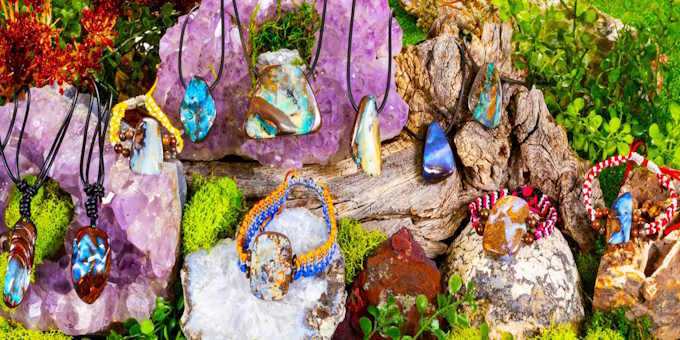
Collectors who study opal jewelry styles collectors love consistently report that pieces with clear provenance and visible handcraft markers command the strongest secondary market interest. The premium is real and growing. A handcrafted boulder opal pendant from Queensland, with documented mining origins and artisan finishing, can trade at multiples of its production cost simply because its story is verifiable and irreproducible.
The ethical dimension is inseparable from collector value. Unique jewelry style ideas that rely on ethically sourced opals are increasingly positioned as the benchmark for serious collections, not just an ethical nicety but a marker of connoisseurship. Buyers who understand gemstones understand that a stone without a documented origin is a story with a missing chapter.
Statistic callout: Handcrafted opal jewelry is increasingly recognized for its combined ethical value and artistic distinction, with collector demand for documented, artisan-made pieces rising steadily as buyers grow more sophisticated in their sourcing expectations.
Before you begin creating or commissioning, consider care tips to keep these signature techniques looking their best.
Finishing and care: Ensuring longevity of signature opal techniques
The most exquisite craftsmanship means very little if the finished piece is not properly finished and conscientiously maintained. Opals reward attentive care with decades of extraordinary beauty. Neglect them, and even the finest setting cannot save a stone that has been exposed to the wrong conditions.
- Cleaning: Use a soft, lint-free cloth dampened with plain water. Avoid ultrasonic cleaners entirely; the vibrations can fracture an opal’s internal structure or loosen adhesive bonds in doublets. A gentle soap may be used for solid opals but should be rinsed away thoroughly and immediately.
- Storage: Store opal jewelry individually in soft pouches, away from other pieces that might scratch the surface. If you live in a very dry climate, placing a small damp cloth in the storage area helps prevent dehydration, which can cause fine crazing (a network of tiny surface cracks) in some opal types.
- Chemical avoidance: Perfumes, hairsprays, household cleaners, and chlorinated pool water are all enemies of opal. A reliable opal jewelry care routine means putting jewelry on last and taking it off first.
- Temperature management: Sudden shifts from extreme heat to cold can cause thermal shock, leading to cracking, particularly in doublets and triplets. Remove opal jewelry before entering hot tubs, saunas, or cold environments.
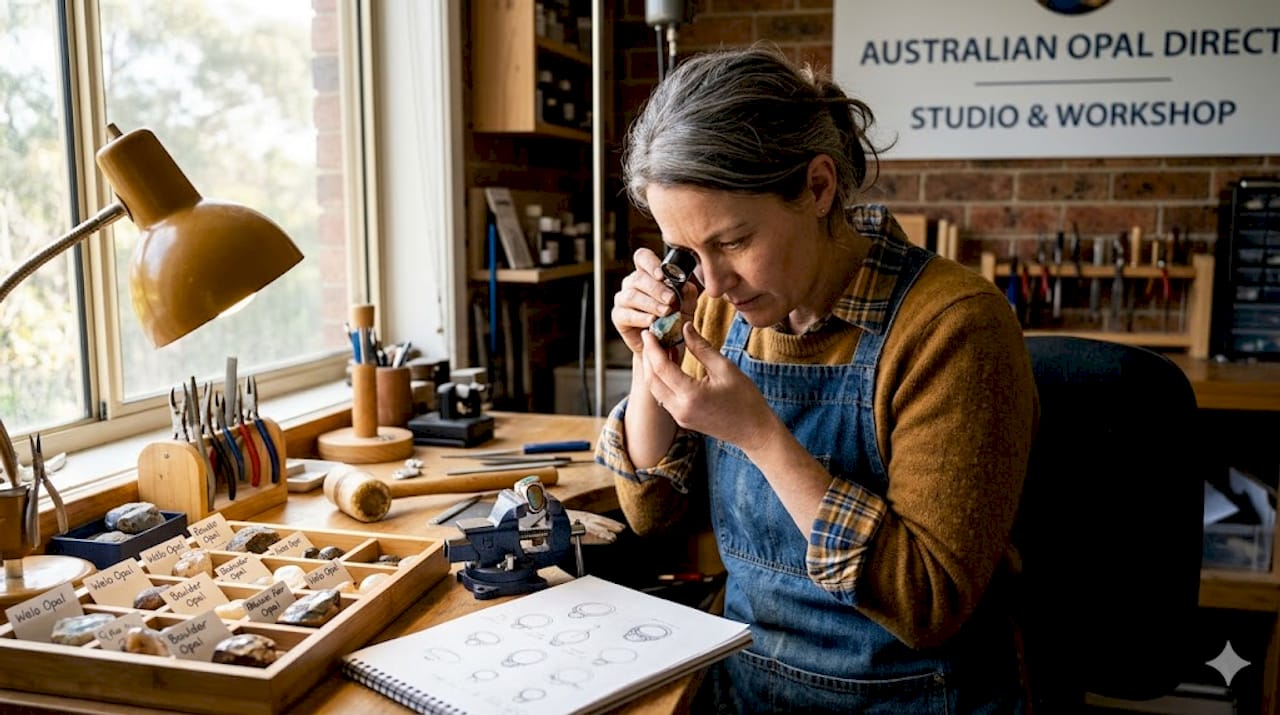
- Regular inspections: Every six months, examine settings for signs of loosening, especially around bezel edges or prong tips. A jeweler’s loupe can reveal early movement before it becomes a loss.
| Technique | Primary finishing concern | Cleaning method | Storage recommendation |
|---|---|---|---|
| Freeform bezel | Polish metal edges without abrading stone | Damp cloth only | Individual soft pouch |
| Opal inlay | Maintain flush surface; check adhesive | Damp cloth, no soap | Climate-controlled storage |
| Doublet and triplet | Protect adhesive layer from moisture | Dry cloth only | Away from humidity |
| Hand-carved motifs | Preserve metal patina and carving detail | Soft brush for crevices | Wrap separately |
| Mixed-metal framework | Prevent oxidized sections from over-polishing | Metal-specific cloths | Individual compartments |
Following these protocols, as outlined in resources on how to preserve gemstone care, protects not only the stone but the setting work, the metal finish, and the integrity of any surface treatments applied during fabrication.
Recognizing the complexities involved, let’s reflect on what really makes a technique “signature,” and what’s often missed.
Signature technique or fleeting trend? What truly endures
Here is a perspective that may surprise you: most techniques marketed as “signature” are, in reality, cyclical. Inlay jewelry was fashionable in the 1970s, largely abandoned through the 1990s, and now commands serious collector attention again. Mixed-metal design surges whenever a dominant aesthetic begins to feel exhausted. Even freeform settings, so widely celebrated today, echo the Arts and Crafts movement of the late nineteenth century.
This is not cynicism. It is actually liberating information. If trends are cyclical, then the designers and collectors who focus on underlying craft principles rather than surface novelty will always be positioned correctly. A bezel that is perfectly formed to follow an opal’s natural contour is not trendy. It is simply correct. It will look right in any decade because it is a response to the stone’s truth rather than the market’s mood.
What genuinely endures is the convergence of three irreducible elements: provenance, ethical practice, and hand skill. A piece whose opal can be traced to a specific Lightning Ridge claim, whose metal was worked by hand without shortcuts, and whose maker operated transparently within ethical standards, that piece will be as relevant in forty years as it is today. The mastering opal design process always returns to this foundation.
Collectors who buy purely for visual novelty are constantly chasing something that recedes as quickly as it advances. But those who build collections around documented origin, artisanal integrity, and genuine material rarity find that their pieces appreciate not just financially but culturally. They become artifacts of a moment when ethical sourcing and artistic excellence were treated as inseparable.
The uncomfortable truth is that calling something “signature” is easy. Making something that genuinely deserves that designation requires the discipline to ask harder questions: Who mined this opal? What does the craft tradition behind this technique actually mean? Will this setting still honor the stone when trends have moved on? Answering those questions honestly, and building from those answers, is where signature work actually begins.
Connect with trusted artisan sources for your signature opal creations
For designers and collectors who hold these standards close, the sourcing relationship matters as much as the technique itself. Finding an opal partner who combines direct-miner access with transparent ethics and genuine craft knowledge is the foundation of any signature collection.

Australian Opal Direct works directly with miners from Lightning Ridge, Coober Pedy, and Queensland, ensuring that every opal in their collection carries verifiable provenance and ethical credentials. Their extensive resources, from detailed guides on the design process to custom jewelry workflow support, give designers the knowledge base to make confident, inspired choices. Whether you are commissioning a one-of-a-kind collector piece or seeking the perfect ethically sourced stone to anchor your next creation, their team of artisan specialists is ready to support your vision from rough stone to finished masterpiece.
Frequently asked questions
What makes a jewelry technique “signature” in the context of opals?
A signature technique emphasizes artisanal skill, ethical sourcing, and highlights unique opal characteristics, setting it apart from mass-produced methods. As explored in resources on handcrafted opal jewelry, the distinction lies in the intentional alignment between technique and the individual stone’s qualities.
Which opal jewelry techniques offer the best durability?
Doublet and triplet constructions are valued for their added durability, while proper craftsmanship and secure settings further enhance lifespan. The full opal design process emphasizes matching technique to the opal’s physical properties from the very first design stage.
How do you verify ethically sourced Australian opals?
Request provenance documentation from reputable sellers and consult artisan guides focused on ethical sourcing. Resources covering artisan jewelry ethics provide clear criteria for what responsible documentation should include.
Are signature opal techniques suitable for custom orders?
Yes, most signature techniques are favored for bespoke commissions due to their adaptability and focus on unique client needs. A well-structured custom design workflow accommodates everything from freeform bezels to hand-carved landscape motifs.
What’s the best way to care for signature opal jewelry?
Store opal jewelry away from chemicals and extreme temperatures, and follow a gentle cleaning and inspection routine. A consistent opal care routine is the single most effective way to protect the play-of-color and setting integrity over years of wear.
Recommended
- Artisan-Crafted Jewelry: Authenticity & Ethics Guide - Australian Opal Direct
- 7 Unique Opal Jewelry Style Ideas for Gemstone Collectors - Australian Opal Direct
- Custom Opal Jewelry Workflow: Create Bespoke Designs Easily - Australian Opal Direct
- How to Design Custom Opal Jewelry for Unique Creations - Australian Opal Direct