Artisan-Crafted Jewelry: Authenticity & Ethics Guide
Posted by AOD on 30th Mar 2026
Artisan-Crafted Jewelry: Authenticity & Ethics Guide
The jewelry market overflows with pieces labeled ‘handmade’ or ‘artisan-crafted,’ yet many buyers discover too late that these terms often mask mass-produced items assembled from prefabricated components. True artisan-crafted jewelry represents something far more precious: a convergence of skilled craftsmanship, ethical sourcing, and artistic vision that transforms raw materials into wearable art. For collectors and luxury buyers seeking authentic Australian opal jewelry, understanding what genuinely qualifies as artisan-crafted becomes essential to making informed investments. This guide illuminates the defining characteristics, ethical considerations, and tangible benefits that separate authentic artisan pieces from their mass-market counterparts.
Table of Contents
- What does ‘artisan-crafted’ mean in jewelry?
- How artisan-crafted opal jewelry stands out
- Ethical sourcing: Why it matters for collectors
- The value and benefits of true artisan-crafted jewelry
- How to verify authenticity and craftsmanship
- Explore genuine artisan-crafted Australian opal jewelry
- Frequently asked questions
Key Takeaways
| Point | Details |
|---|---|
| True artisan-crafted definition | Artisan-crafted jewelry involves skilled artists and strict ethical standards throughout the creation process. |
| Australian opal uniqueness | Australian opal pieces stand out for their natural beauty, ethical sourcing, and artistic craftsmanship. |
| Collector value benefits | Collectors gain exclusivity, investment value, and provenance by choosing authentic artisan-crafted jewelry. |
| Verifying authenticity | Certificates, maker marks, and buying from trusted sources help ensure the jewelry’s authenticity. |
What does ‘artisan-crafted’ mean in jewelry?
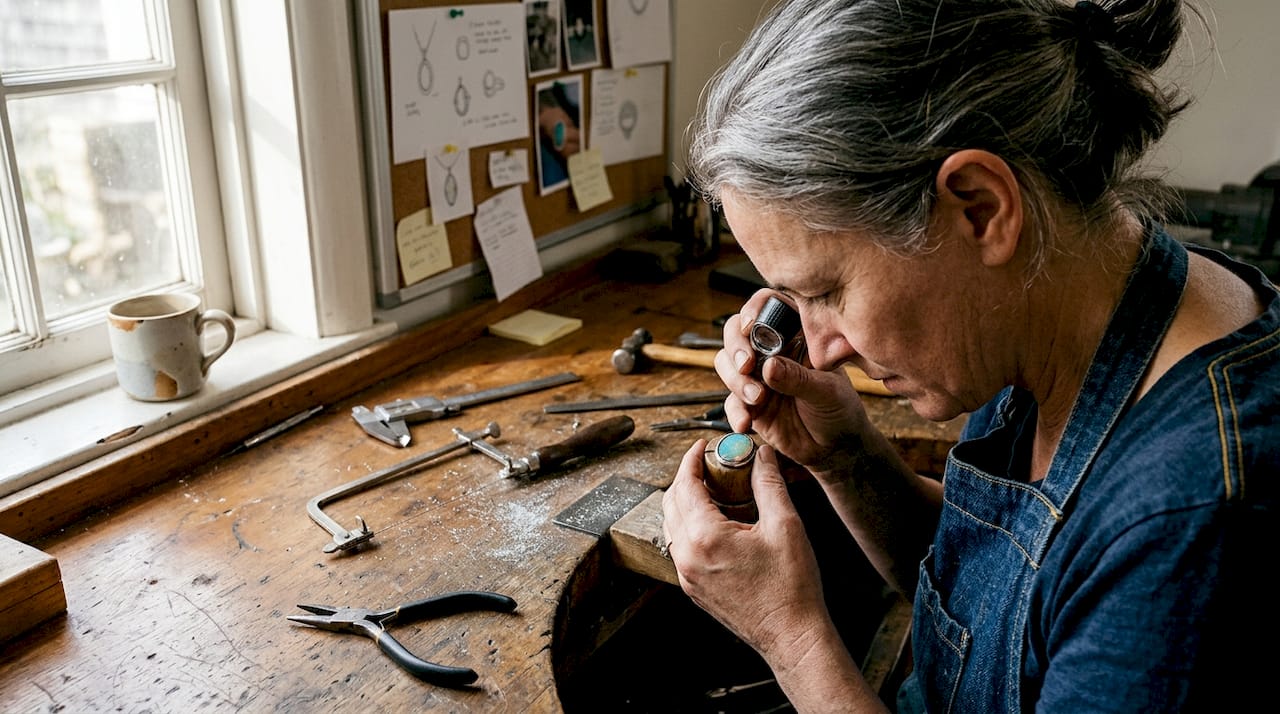
The term ‘artisan-crafted’ carries specific weight in the jewelry world, distinguishing pieces created by skilled craftspeople from those merely assembled on production lines. An artisan jeweler engages personally in every stage of creation, from initial design concepts through final polishing, bringing technical expertise and artistic sensibility to each piece. This hands-on involvement ensures that every element reflects intentional choices rather than automated processes.
The distinction matters because the majority of ‘handmade’ jewelry on the market is actually assembled from pre-made components, lacking true artisan involvement. A piece might feature hand-set stones yet rely on cast settings produced in bulk. Genuine artisan work demands more: the craftsperson shapes metal, selects stones for their unique characteristics, and executes techniques requiring years of mastery.
Mass-produced jewelry follows entirely different principles. Factories cast hundreds of identical settings, mount stones according to standardized specifications, and prioritize efficiency over individuality. The resulting pieces may appear attractive, but they lack the soul and uniqueness that collectors value.
Key attributes of artisan-crafted jewelry include:
- Skillful creation: Mastery of metalworking, stone setting, and finishing techniques developed through years of practice
- Ethical sourcing: Transparent supply chains ensuring materials come from responsible sources
- Uniqueness: Each piece carries subtle variations reflecting the maker’s hand and artistic choices
- Artistic vision: Design decisions guided by aesthetic principles rather than market trends alone
As one master jeweler observes:
“True artisan work reveals itself in details invisible to casual observers—the precision of prong placement, the flow of metal around a stone, the harmony between design and material. These elements cannot be replicated by machines or assembly workers following templates.”
For those exploring handcrafted opal jewelry explained, recognizing these distinctions transforms shopping from guesswork into informed decision-making. The artisan’s personal investment in each piece creates value that transcends mere aesthetics.
How artisan-crafted opal jewelry stands out
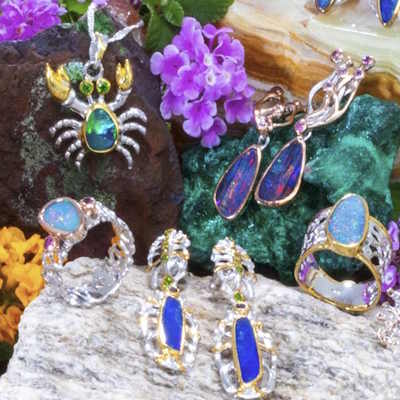
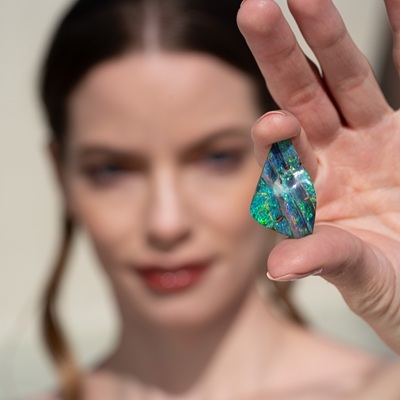
Australian opal jewelry exemplifies artisan craftsmanship at its finest, particularly when stones come from renowned mining regions like Lightning Ridge, Coober Pedy, and Queensland. The creation process begins with careful stone selection, where artisans evaluate each opal’s play of color, body tone, and structural integrity. Unlike mass producers who sort stones by size alone, artisan jewelers consider how light interacts with silica spheres within each gem, envisioning settings that enhance rather than obscure these natural phenomena.
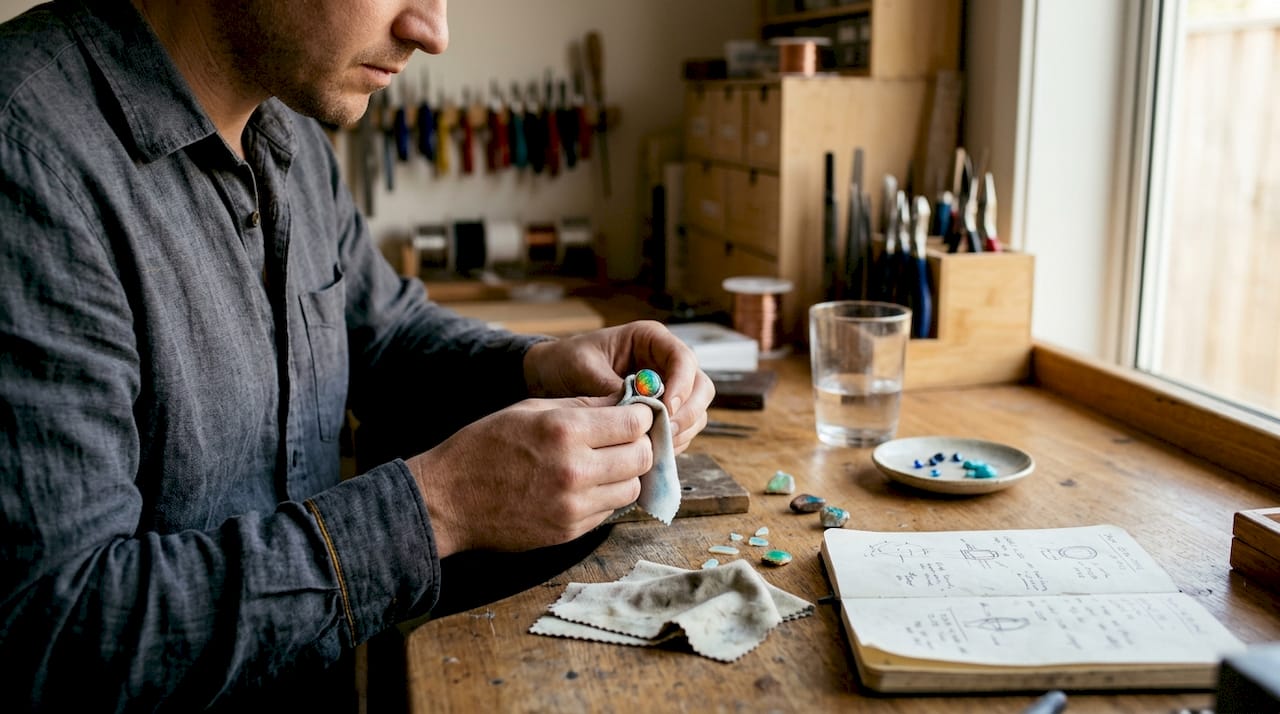
Australian opal jewelry is prized for its unique play of color, rarity, and ethical sourcing standards. The design phase involves sketching concepts that complement the stone’s specific characteristics. An artisan might orient an opal to maximize color flash or create asymmetric settings that honor the gem’s natural shape. This bespoke approach contrasts sharply with standardized production methods.
The fabrication stage showcases technical mastery. Artisans forge metal, construct settings from raw materials, and employ techniques like granulation, repoussé, or filigree that machines cannot replicate. Stone setting requires particular skill with opals, as their relative softness and water content demand gentle handling and protective mounting styles.
| Aspect | Artisan-Crafted | Mass-Produced | Handcrafted (Assembly) |
|---|---|---|---|
| Design | Unique, stone-specific | Standardized templates | Limited variations |
| Fabrication | From raw materials | Cast components | Pre-made parts |
| Stone Selection | Individual evaluation | Bulk sorting | Size-based matching |
| Finishing | Hand-polished details | Tumble-polished | Mixed methods |
| Uniqueness | One-of-a-kind | Identical multiples | Similar pieces |
| Maker Involvement | Complete process | Minimal | Partial assembly |
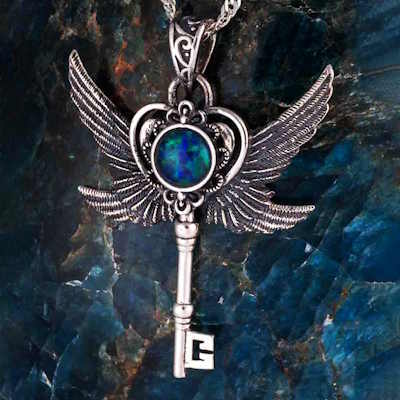
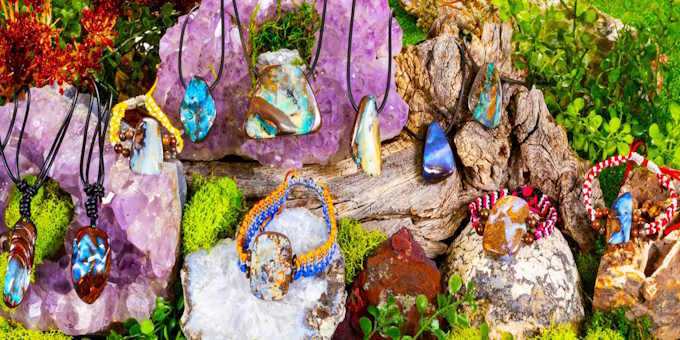
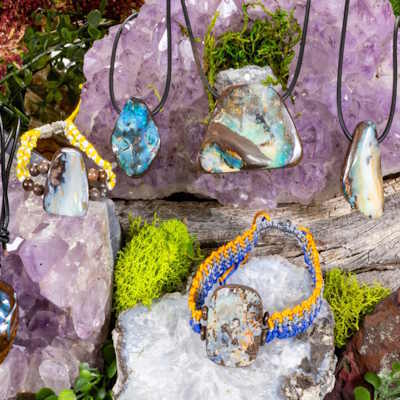
The advantages of Australian opals become most apparent when artisans pair them with complementary metals and design elements. A skilled craftsperson might use yellow gold to warm a crystal opal’s cool tones or select oxidized silver to create dramatic contrast with boulder opal’s earthy matrix.
Pro Tip: Look for signed or certified pieces as proof of true artisanship. Reputable artisan jewelers mark their work with maker’s stamps and provide documentation detailing the creation process, materials used, and stone provenance.
Exploring the benefits of opal jewelry reveals how artisan techniques preserve and enhance the gem’s natural beauty. Unlike mass production’s focus on speed and cost reduction, artisan methods prioritize longevity and wearability. Settings protect vulnerable stone areas while allowing light to penetrate and activate the opal’s color play.
Ethical sourcing: Why it matters for collectors
Ethical sourcing has evolved from a niche concern to a central consideration for discerning collectors. The practice encompasses transparent mining operations, fair labor conditions, environmental stewardship, and traceable supply chains. For Australian opal jewelry, ethical sourcing often means direct relationships between artisan jewelers and small-scale miners who work claims responsibly.
Transparency distinguishes ethical operations from questionable sources. Responsible miners document extraction methods, reclaim disturbed land, and ensure workers receive fair compensation. These practices contrast with operations that prioritize profit over people and environment, sometimes employing exploitative labor or causing lasting ecological damage.
Ethical sourcing and responsible mining are central to Australian opal jewelry, adding to its collectibility and long-term value. Collectors increasingly demand proof that their purchases support sustainable practices rather than contributing to environmental degradation or social harm.
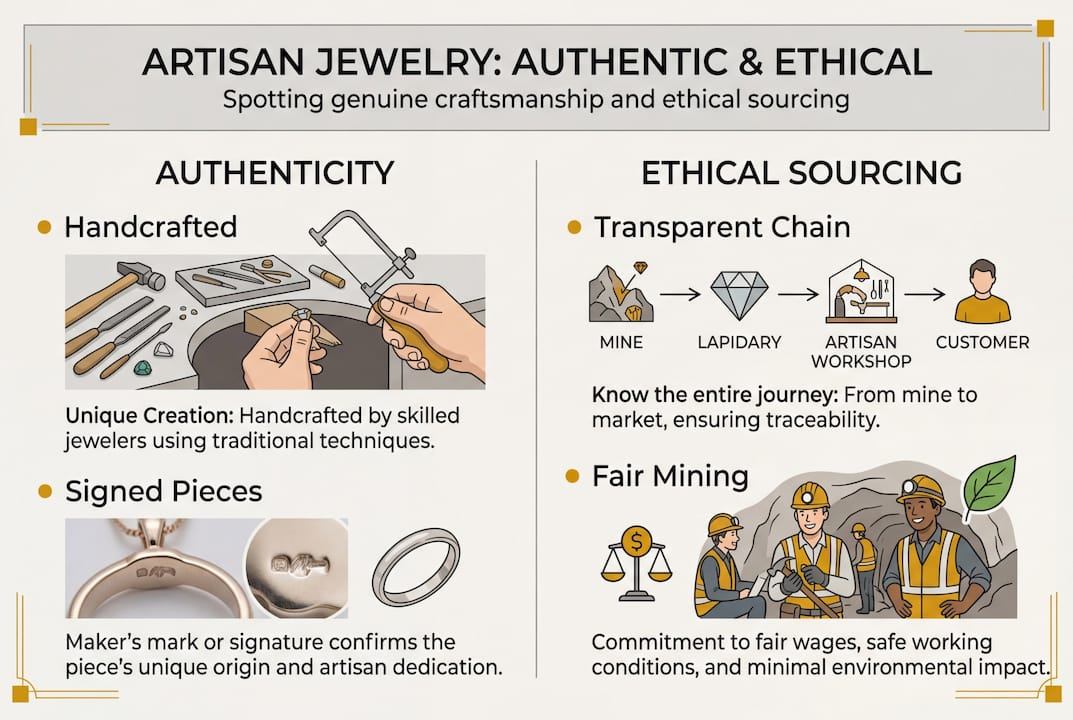
| Sourcing Practice | Ethical Standard | Questionable Practice |
|---|---|---|
| Mining Methods | Hand tools, minimal disruption | Heavy machinery, extensive excavation |
| Labor Conditions | Fair wages, safe working environment | Exploitative pay, hazardous conditions |
| Environmental Impact | Land reclamation, water conservation | Unrehabilitated sites, pollution |
| Supply Chain | Direct relationships, documented origin | Multiple intermediaries, unclear provenance |
| Certification | Third-party verification available | No documentation or verification |
Recent surveys indicate that 73% of luxury jewelry buyers consider ethical sourcing important when making purchase decisions, with younger collectors placing even higher priority on sustainability and social responsibility. This shift reflects broader consumer awareness about how purchasing choices impact communities and ecosystems.
Identifying ethically sourced artisan pieces requires:
- Documentation: Certificates detailing stone origin, mining practices, and supply chain
- Transparency: Sellers willing to discuss sourcing and provide miner information
- Certifications: Third-party verification from recognized gemological or ethical trade organizations
- Direct relationships: Jewelers who maintain personal connections with miners and can verify practices
For those exploring why choose handmade opal jewelry, ethical sourcing adds layers of meaning and value. Each piece carries a story of responsible stewardship, connecting the wearer to landscapes and communities that produced the materials. This narrative dimension enhances both emotional resonance and investment potential.
The value and benefits of true artisan-crafted jewelry
Authentic artisan-crafted opal jewelry delivers benefits extending far beyond aesthetic appeal. These pieces represent convergences of artistry, rarity, and cultural significance that mass-produced items cannot replicate. The value proposition encompasses both tangible and intangible elements that collectors recognize and appreciate.
Top five benefits for buyers:
- Exclusivity: Each piece exists as a unique creation, ensuring your jewelry remains distinctive rather than duplicated in countless collections
- Superior craftsmanship: Artisan techniques produce stronger settings, better stone protection, and details that withstand close examination
- Ethical integrity: Transparent sourcing allows you to wear pieces aligned with your values regarding environmental and social responsibility
- Documented provenance: Complete creation histories enhance both current enjoyment and future resale value
- Investment potential: Rarity, quality, and maker reputation contribute to appreciation over time, particularly for pieces by recognized artisans
Collectors recognize artisan-crafted jewelry for its long-term investment value, emotional resonance, and exclusivity. Unlike mass-market pieces that depreciate immediately after purchase, well-documented artisan work often maintains or increases value as the maker’s reputation grows and similar pieces become harder to find.
The emotional connection fostered by artisan jewelry runs deeper than simple ownership. Knowing the craftsperson’s name, understanding their techniques, and appreciating the hours invested in creation transforms jewelry from accessory to meaningful possession. This relationship between maker, object, and owner creates lasting satisfaction that transcends fashion cycles.
Pro Tip: Document provenance and care plans for investment-grade pieces. Maintain certificates, photographs of the artisan at work if available, and detailed records of materials and techniques used. This documentation significantly enhances resale value and provides fascinating context for future generations.
As one prominent jewelry appraiser notes:
“Artisan-crafted pieces by recognized makers consistently outperform mass-produced jewelry in the secondary market. Collectors seek the combination of artistic merit, technical excellence, and documented authenticity that only true artisan work provides. These factors create enduring value independent of precious metal spot prices or gemstone market fluctuations.”
The benefits of opal jewelry multiply when artisan craftsmanship meets exceptional stones. Australian opals already command premium prices due to their rarity and beauty. When set by skilled artisans using ethical materials and documented processes, these pieces enter the realm of collectible art jewelry.
How to verify authenticity and craftsmanship
Verifying authenticity protects collectors from misrepresentation and ensures investment in genuine artisan work. Several practical methods help confirm that pieces meet artisan-crafted standards rather than merely carrying the label for marketing purposes.
Certifications provide foundational verification. Reputable artisan jewelers obtain documentation from recognized gemological laboratories confirming stone authenticity, quality grades, and treatments if any. Additional certificates may detail ethical sourcing, mining origin, and creation methods. These documents serve as permanent records supporting the piece’s value and provenance.
Techniques for authenticity checks:
- Consult experts: Independent appraisers and gemologists can evaluate craftsmanship quality, identify construction methods, and verify stone authenticity
- Examine materials: Genuine artisan work shows hand-finishing marks, precise stone setting, and attention to hidden details like setting interiors
- Request documentation: Ask for maker information, creation timeline, material sources, and any certifications or guarantees
- Research the maker: Investigate the artisan’s background, training, exhibition history, and reputation within jewelry communities
- Inspect signatures: Authentic artisan pieces typically carry maker’s marks, hallmarks, or signatures identifying the creator
Buyers can confirm the authenticity of artisan-crafted jewelry through certificates, maker signatures, and reputable sources. The verification process becomes easier when purchasing from established sellers who maintain direct relationships with artisan jewelers and provide comprehensive documentation.
The custom opal jewelry workflow guide illustrates how transparent artisans document each creation stage, from initial consultation through final delivery. This openness contrasts with mass producers who obscure manufacturing processes and resist providing detailed information about materials or methods.
Pro Tip: Always ask for a guarantee regarding ethical sourcing with luxury opal purchases. Reputable sellers provide written assurances about mining practices, labor conditions, and environmental standards. Hesitation to supply this information signals potential concerns about sourcing legitimacy.
Understanding how to price opal jewelry authentic luxury helps collectors evaluate whether asking prices reflect genuine artisan value or inflated marketing claims. Authentic pieces command premiums justified by superior materials, skilled labor, and documented provenance. Suspiciously low prices often indicate mass production, synthetic stones, or misrepresented origins.
Explore genuine artisan-crafted Australian opal jewelry
Applying these insights transforms how you approach acquiring opal jewelry with authentic artisan pedigree. Australian Opal Direct specializes in pieces that embody every principle discussed: skilled craftsmanship, ethical sourcing, documented provenance, and genuine uniqueness. Each item in our collection carries the story of its creation, from the miner who discovered the stone to the artisan who transformed it into wearable art.

Our direct relationships with Australian miners and artisan jewelers ensure transparency throughout the supply chain. You receive complete documentation detailing stone origin, mining practices, and creation methods. Whether exploring curated collections like Nature’s Light and Limited Edition Opals or commissioning custom designs, you engage with genuine artisan craftsmanship backed by certifications and guarantees.
Discover how Australian Opal Direct connects collectors with exceptional pieces that honor both the gemstone’s natural beauty and the artisan’s creative vision. Our commitment to ethical sourcing, quality craftsmanship, and customer education ensures your investment delivers lasting value and satisfaction.
Frequently asked questions
How can I tell if opal jewelry is truly artisan-crafted?
Look for maker signatures, certificates of authenticity, and provenance paperwork from reputable sellers. Genuine artisan pieces include documentation detailing the creation process and materials used.
Are artisan-crafted opal pieces a good investment?
Yes, collectors value them for their rarity, artistry, and growth in long-term value. Well-documented pieces by recognized artisans often appreciate as the maker’s reputation grows.
What does ethical sourcing mean for opal jewelry?
Ethical sourcing includes fair mining, transparent supply chains, and environmental stewardship for opal production. It ensures your purchase supports responsible practices rather than exploitation.
Why are Australian opals preferred in artisan jewelry?
Australian opals are prized for their vibrant color, ethical mining practices, and unique artistry. Their exceptional play of color and documented origins make them ideal for collectible pieces.
Recommended
- Handmade Opal Jewelry: Unique Value and Ethics - Australian Opal Direct
- Custom Opal Jewelry Workflow: Create Bespoke Designs Easily - Australian Opal Direct
- How to Price Opal Jewelry for Authentic Luxury Buyers - Australian Opal Direct
- Identify authentic antique opal jewelry in 2026 - Australian Opal Direct