Identify authentic antique opal jewelry in 2026
Posted by AOD on 7th Mar 2026
Identify authentic antique opal jewelry in 2026
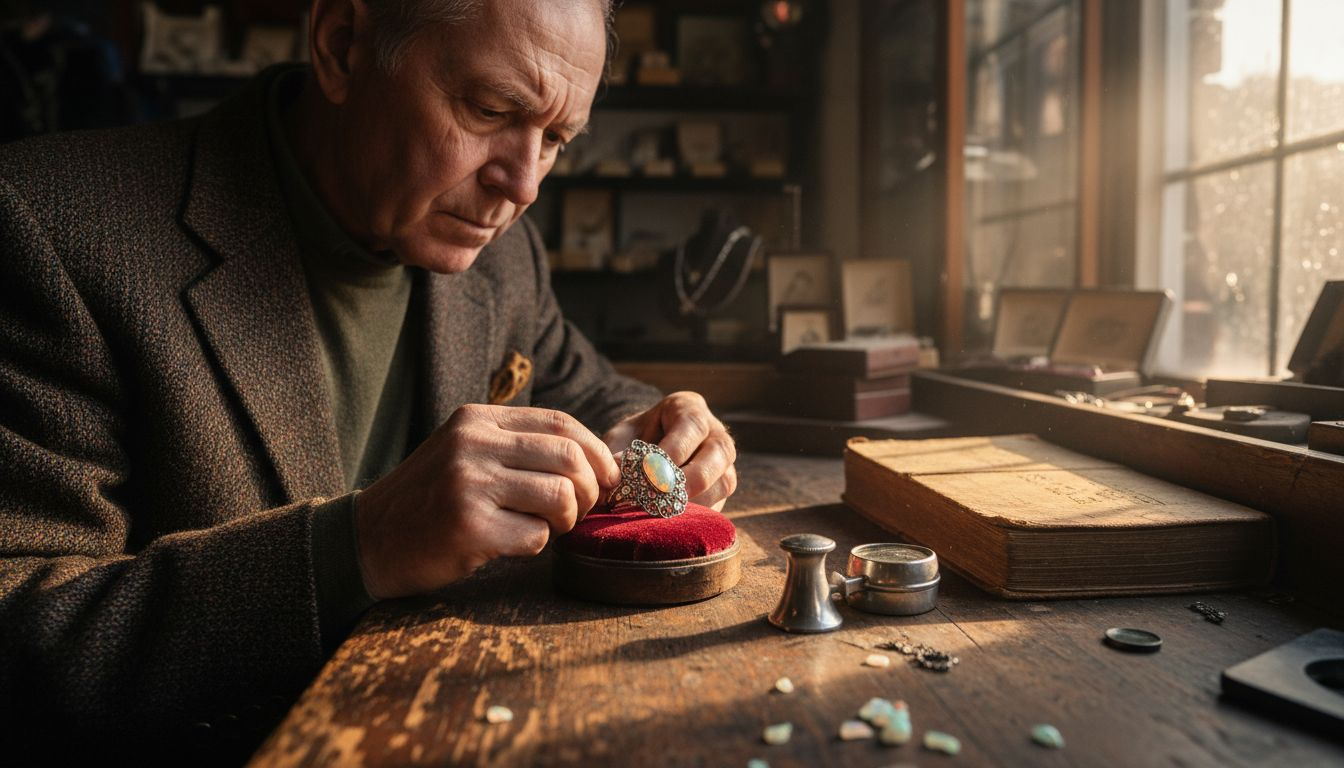
Collectors often struggle to distinguish genuine antique opals from modern or synthetic pieces, risking financial loss and ethical concerns. Misidentification can cost thousands of dollars and undermine trust in provenance. This guide provides clear, practical criteria to assess antique opal jewelry confidently, from hallmarks to material traits, helping you make informed purchasing decisions with assurance.
Table of Contents
- How To Choose: Key Criteria For Identifying Antique Opal Jewelry
- Handcrafted Settings And Historical Hallmarks
- Material Characteristics Of Antique Australian Opals
- Provenance And Ethical Sourcing Verification
- Distinguishing Forgeries And Synthetics From Genuine Antiques
- Comparing Market Value: Antique Vs Modern Opal Jewelry
- Practical Techniques For Appraising And Authentication
- Summary Comparison And Situational Recommendations
- Explore Authentic Antique Australian Opal Jewelry Collections
- Frequently Asked Questions
Key takeaways
| Point | Details |
|---|---|
| Hallmarks and handcrafted settings reveal age | Period-specific marks and handmade construction verify antique status and authenticity. |
| Natural opal traits confirm Australian origin | Play-of-color, matrix patterns, and natural inclusions distinguish genuine Australian opals from synthetics. |
| Provenance documentation builds trust | Miner certificates and purchase histories enhance value and validate ethical sourcing claims. |
| Testing differentiates natural from synthetic | Incandescent and UV light reveal authentic fire and detect uniform synthetic patterns. |
| Ethical sourcing drives collector demand | Transparent acquisition histories and sustainability documentation increase desirability and market value. |
How to choose: key criteria for identifying antique opal jewelry
Identifying genuine antique opal jewelry requires examining multiple factors that work together to confirm authenticity. You need to look beyond surface appearance and assess craftsmanship, materials, and documentation systematically.
Hallmark verification stands as your first line of defense against forgeries. Victorian and Edwardian pieces carry specific marks that date them accurately, while handcrafted settings show tool marks and irregularities absent in modern machine manufacturing. Natural aging creates patina on metals and stones that cannot be replicated artificially.
Provenance documentation transforms a beautiful piece into a verified investment. Original purchase receipts, miner certificates, and documented ownership histories establish trust and often double market value. Ethical sourcing records have become equally important as collectors prioritize sustainability and transparent acquisition practices.
Design elements reveal age through period-specific styles. Antique pieces feature:
- Victorian floral motifs with intricate metalwork
- Edwardian delicate filigree and platinum settings
- Art Nouveau organic flowing lines and nature themes
- Traditional cabochon cuts versus modern faceting
- Hand-engraved details showing individual craftsmanship
Detecting synthetics requires understanding how natural opals differ fundamentally from laboratory creations. Synthetic opals display uniform color patterns, while natural Australian opals show irregular matrix and unique inclusions. When you combine visual inspection with opal origins distinction techniques, you build robust authentication skills.
Pro Tip: Always examine antique opal jewelry under multiple light sources. Incandescent light reveals play-of-color most vividly, while UV light can expose synthetic treatments and artificial enhancements that natural stones lack.
Handcrafted settings and historical hallmarks
Hallmarks serve as fingerprints for antique jewelry, revealing precise manufacturing periods and origin locations. Victorian pieces (1837-1901) typically bear British hallmarks with date letters, maker’s marks, and purity stamps showing gold or silver content. Edwardian jewelry (1901-1910) introduced platinum settings with corresponding hallmarks that authenticate both period and metal quality.
Handmade settings display telltale signs distinguishing them from machine production. You can spot:
- Slight asymmetries in prong placement and sizing
- Tool marks on metal undersides showing hand filing
- Variations in engraving depth and spacing
- Irregular solder joints versus uniform machine welding
- Natural wear patterns consistent with age and handling
Metal patina develops naturally over decades, creating surface oxidation that forgers struggle to replicate convincingly. Genuine antique gold develops a warm, mellow tone while silver acquires darker tarnish in recessed areas. This aging pattern follows natural exposure to air and skin oils, creating depth that artificial aging cannot match.
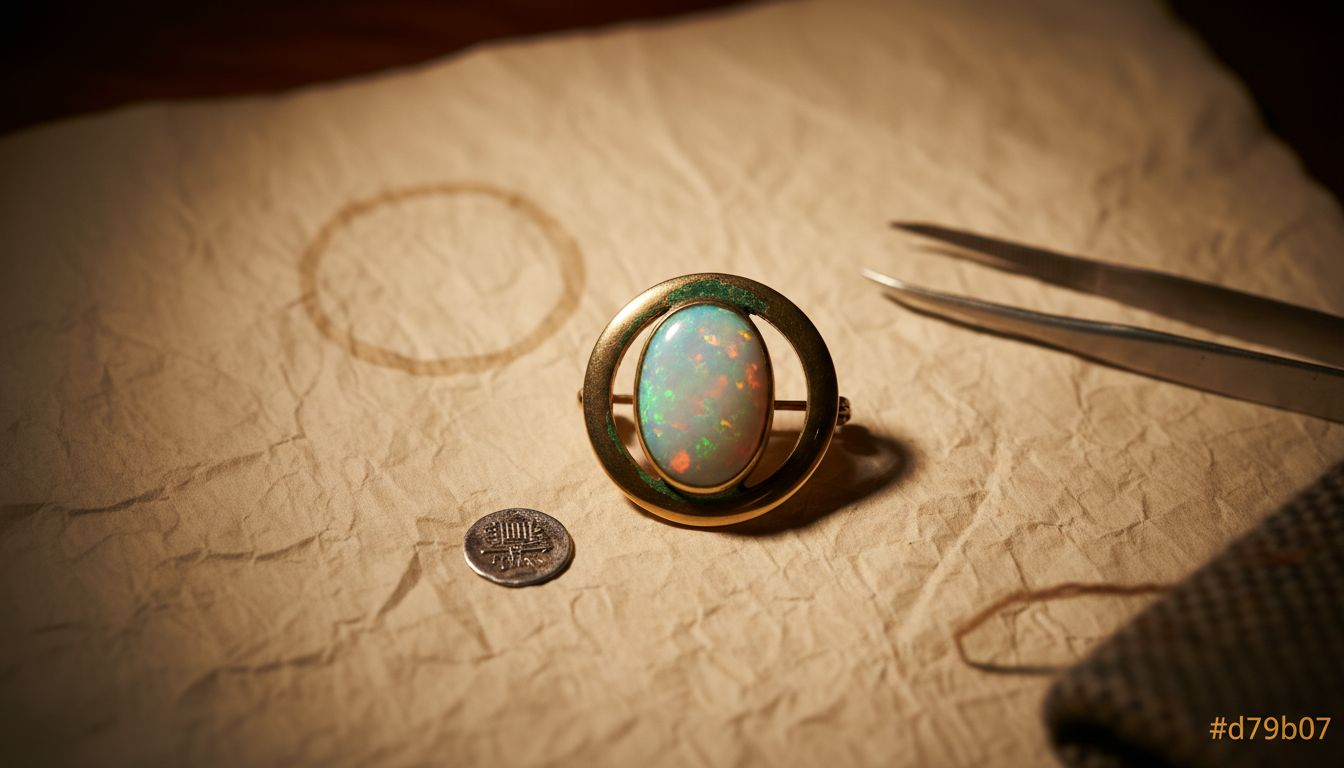
Australian jewelry from key eras often features specific maker’s marks from renowned Sydney and Melbourne workshops active in the late 1800s and early 1900s. These stamps connect pieces to documented craftsmen and validate regional origin claims. When you find clear hallmarks matching documented historical records, authentication confidence increases dramatically.
Hallmark verification supports provenance by cross-referencing stamps against registry databases maintained by gemological associations and auction houses. Vintage jewelry restoration experts can help interpret worn or partial marks, but clear, complete hallmarks provide the strongest evidence of authenticity and historical value.
Material characteristics of antique Australian opals
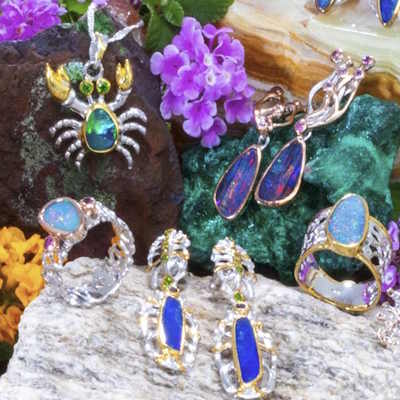
Genuine antique Australian opals possess distinctive physical properties that reveal their natural origin and age. Lightning Ridge black opals display intense color play against dark body tones, while Coober Pedy light opals show brilliant fire on white or crystal backgrounds. Each mining region produces opals with characteristic patterns collectors learn to recognize.
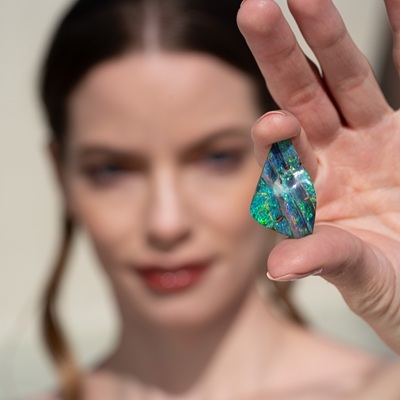
Play-of-color in natural opals occurs through light diffraction across microscopic silica spheres, creating shifting rainbow effects as viewing angles change. This phenomenon appears irregular and dynamic in authentic stones, contrasting sharply with the static, repetitive patterns found in synthetics. Natural matrix and inclusion patterns form during geological processes over millions of years, producing unique fingerprints impossible to duplicate.
Traditional cutting and polishing techniques from the Victorian and Edwardian eras differ markedly from modern methods. Antique opals often feature:
- Higher cabochon domes maximizing color play
- Hand-polished surfaces with subtle irregularities
- Thicker stone profiles for durability
- Matrix retained as part of design aesthetic
- Custom cuts following natural stone contours
Color changes in antique opals occur naturally through environmental exposure over decades. Some stones develop crazing (fine surface cracks) from dehydration, while others show enhanced fire from mineral absorption. These aging indicators, when consistent with provenance claims, actually confirm authenticity rather than diminish value for serious collectors.
“The irregularity of natural opal matrix creates a complexity synthetics cannot match. Each genuine stone tells a geological story through its unique pattern of color, inclusion, and structure.”
Incandescent light reveals color play more vividly in genuine opals compared to LED or sunlight, aiding authentication. UV light testing exposes synthetic treatments by revealing fluorescence patterns absent in natural Australian opals, making light source testing essential for confident identification.
Provenance and ethical sourcing verification
Provenance documentation transforms antique opal jewelry from beautiful objects into verified historical artifacts with traceable origins. Authentic provenance includes miner certificates identifying specific Australian mining sites, original purchase receipts showing acquisition dates and locations, and ownership records documenting custody chains over time.
Collector trust depends heavily on documentation quality and completeness. Pieces with comprehensive provenance command premiums of 30% to 50% over identical items lacking documentation because buyers pay for certainty and story alongside beauty. Opal provenance and ethics have become inseparable in modern markets as collectors demand transparency.
Sustainability concerns drive increasing demand for ethically sourced antiques over newly mined stones. Antique jewelry represents recycled luxury, eliminating environmental impact from new mining operations. Collectors seeking sustainable options actively prefer pieces with documented ethical acquisition histories showing proper licensing and fair miner compensation.
Verifying provenance accuracy requires systematic steps:
- Cross-reference seller claims against provided documentation for consistency in dates, locations, and descriptions
- Verify certificate authenticity by contacting issuing organizations or mining cooperatives directly
- Research historical auction records and catalog listings for comparable pieces and pricing patterns
- Consult gemological laboratories for independent assessment of claims about origin and age
- Request detailed photography of hallmarks and documentation to assess quality before purchase
- Check seller reputation through collector forums and industry associations for patterns of reliability
Transparent origin histories appeal to collectors who value stories embedded in their acquisitions. Knowing an opal came from a specific Lightning Ridge claim in 1895, passed through documented hands, and reflects fair treatment of miners creates emotional connection beyond aesthetic appreciation. This combination of beauty, history, and ethics drives premium valuations in competitive markets.
Distinguishing forgeries and synthetics from genuine antiques
Synthetic opals display visual uniformity that immediately distinguishes them from natural stones under close examination. Laboratory-created opals show repeating columnar patterns when viewed from angles, while natural Australian opals exhibit random, chaotic matrix complexity reflecting geological formation processes. This difference becomes obvious under 10x magnification.
Hallmark inconsistencies reveal forgeries attempting to pass modern reproductions as antiques. Common red flags include:
- Modern hallmark styles on supposedly Victorian pieces
- Incorrect metal purity stamps for claimed periods
- Crisp, unworn marks inconsistent with age
- Generic stamps lacking specific maker identification
- Anachronistic symbols appearing before their historical use
Reproduction settings lack the natural patina and wear authentic antiques accumulate through decades of handling and environmental exposure. Forgers apply artificial aging through chemical treatments, but these create uniform surface effects rather than the varied tarnish patterns genuine pieces develop naturally in recessed areas, on high points, and around stone settings.
Testing methods using varied light sources expose synthetic patterns invisible under single illumination. When you examine suspected pieces under incandescent, LED, and UV light sequentially, synthetics often reveal fluorescence or color shifts natural opals never display. Authentic opal buying tips emphasize multi-spectrum testing as essential for confident authentication.
| Feature | Genuine Antique | Synthetic/Forgery |
|---|---|---|
| Matrix pattern | Irregular, unique complexity | Uniform, repeating columns |
| Hallmarks | Period-appropriate, worn | Inconsistent, crisp |
| Patina | Natural, varied depth | Artificial, uniform |
| Light response | Dynamic play-of-color | Static or fluorescent |
| Setting signs | Handmade irregularities | Machine-perfect symmetry |
Pro Tip: Combine visual inspection with provenance verification for robust authentication. Even perfect-looking pieces require documentation to confirm antique status and origin claims convincingly.
Comparing market value: antique vs modern opal jewelry
Genuine antique opal jewelry commands significant premiums over modern pieces due to rarity, craftsmanship, and historical significance. Victorian opal rings with documented provenance typically range from $2,000 to $15,000, while comparable modern rings using similar quality opals sell for $800 to $4,000. Edwardian pieces with platinum settings and exceptional stones reach $5,000 to $25,000 at auction.
Provenance drives value multipliers that separate exceptional pieces from ordinary antiques. Documented miner certificates, original purchase receipts, and noble ownership histories can double or triple base valuations. Ethical sourcing documentation adds 15% to 30% premiums as collectors increasingly prioritize sustainability and transparent acquisition practices in purchase decisions.
| Jewelry Type | Antique Range | Modern Range | Premium Factor |
|---|---|---|---|
| Opal rings | $2,000-$15,000 | $800-$4,000 | 2.5x-3.75x |
| Opal pendants | $1,500-$12,000 | $600-$3,500 | 2.5x-3.4x |
| Opal earrings | $3,000-$20,000 | $1,200-$6,000 | 2.5x-3.3x |
Modern opal jewelry offers visual appeal at accessible prices but lacks the historical significance and handcrafted quality defining antiques. Machine manufacturing reduces production costs but eliminates the unique irregularities and artistic details collectors value. While modern pieces serve decorative purposes admirably, they rarely appreciate like documented antiques from recognized periods and makers.
Synthetic opals severely impact pricing perceptions when misrepresented as natural stones. Synthetic pieces sell legitimately for $50 to $300 but when fraudulently marketed as antique natural opals, they deceive buyers into paying thousands for essentially worthless forgeries. This pricing disparity makes authentication skills essential for avoiding costly mistakes.
Collector demand trends increasingly favor ethically sourced antiques over newly mined alternatives. Market data from 2025-2026 shows antique Australian opal jewelry appreciation averaging 8% to 12% annually, outpacing modern pieces appreciating 2% to 4%. Pieces with comprehensive provenance and ethical documentation show the strongest value growth, reflecting shifting collector priorities toward sustainable luxury investments.
Practical techniques for appraising and authentication
Systematic appraisal protocols combine multiple testing methods to build authentication confidence through converging evidence. Start by examining pieces under controlled lighting conditions, beginning with incandescent sources that reveal play-of-color most effectively in genuine Australian opals.
Testing protocols deliver reliable authentication results when applied methodically:
- Position the opal under 60-watt incandescent light and rotate slowly to observe dynamic color shifts characteristic of natural stones
- Switch to UV light (longwave 365nm) to check for fluorescence patterns indicating synthetic treatments or enhancements
- Examine under 10x magnification to identify matrix irregularities, natural inclusions, and handcrafted setting details
- Photograph hallmarks and compare against historical registry databases for period and maker verification
- Assess metal patina patterns under magnification for natural aging versus artificial treatment indicators
- Document all observations systematically before forming authentication conclusions
Metal patina and wear patterns reveal authenticity through microscopic examination. Natural aging creates darker oxidation in recessed engraving, lighter wear on high contact points, and varied tarnish depth across surfaces. Forged aging appears uniform and lacks the organic randomness genuine pieces develop through decades of handling and environmental exposure.
Provenance verification requires contacting sellers and third parties to cross-reference documentation claims. Legitimate dealers provide detailed certificates and welcome independent verification, while fraudulent sellers often resist scrutiny or provide vague responses. When documentation claims seem questionable, contact issuing organizations directly to confirm certificate authenticity and stone descriptions.
Recognized gemological laboratories offer certification services providing independent professional assessment. The Gemological Institute of America (GIA) and similar organizations test opals for natural origin, treatment detection, and quality grading. Laboratory reports cost $100 to $500 but provide insurance-grade documentation protecting investments and confirming seller claims objectively.
Connoisseurs recommend light source testing under incandescent and UV lighting to verify fire and authenticity characteristics unique to natural Australian opals in antique pieces. This multi-spectrum approach reveals characteristics invisible under single light sources, making it essential for confident authentication before significant purchases.
Summary comparison and situational recommendations
Comprehensive authentication combines multiple verification points into systematic evaluation checklists. When assessing antique versus modern opal jewelry, compare hallmark authenticity, patina development, provenance documentation, and material characteristics together rather than relying on single indicators that forgers might replicate convincingly.
| Authentication Factor | Antique Indicators | Modern/Synthetic Indicators |
|---|---|---|
| Hallmarks | Period-appropriate, worn stamps | Modern marks or absent |
| Setting construction | Handmade irregularities, tool marks | Machine-perfect symmetry |
| Metal patina | Natural varied oxidation | Uniform or absent |
| Opal matrix | Irregular, unique patterns | Repeating columnar structure |
| Provenance | Documented history, certificates | Limited or no documentation |
| Light response | Dynamic play-of-color | Static patterns or fluorescence |
Prioritize provenance over condition when your collecting focus emphasizes historical significance and investment potential. Minor wear and patina actually authenticate age, while pristine condition might suggest modern reproduction or aggressive restoration. Collectors seeking museum-quality pieces value documented history above cosmetic perfection.
Ethical sourcing deserves consideration as a primary buying criterion for sustainability-conscious collectors. Antique pieces offer inherently ethical options since they represent recycled luxury requiring no new mining. When documentation confirms fair miner treatment and proper licensing during original acquisition, ethical credentials strengthen further.
Recommendations based on collector priorities:
- Authenticity seekers should demand comprehensive hallmark verification, light testing, and laboratory certification before purchase
- Beauty-focused collectors can balance aesthetic appeal with basic provenance requirements for confident enjoyment
- Budget-conscious buyers might consider documented modern pieces over questionable antiques to avoid forgery risks
- Investment collectors must insist on complete provenance, ethical documentation, and professional appraisal supporting valuations
- Sustainability advocates should prioritize antiques with transparent acquisition histories and verified ethical sourcing credentials
Key distinguishing markers include period-appropriate hallmarks showing natural wear, handcrafted setting irregularities, dynamic opal play-of-color under varied lighting, and comprehensive provenance documentation. When these factors align consistently, authentication confidence justifies premium pricing for genuine antique Australian opal jewelry.
Explore authentic antique Australian opal jewelry collections
Now that you understand the criteria for identifying genuine antique opal jewelry, finding trusted sources becomes your next priority. Australian Opal Direct offers curated selections of authentic antique Australian opal jewelry, each piece accompanied by verified provenance and ethical sourcing assurances that meet the standards outlined throughout this guide.
Their direct miner relationships ensure authenticity while eliminating middlemen, providing competitive pricing on Lightning Ridge, Coober Pedy, and Queensland opals with documented histories. Expert guidance helps you apply the authentication techniques and evaluation criteria covered here to make confident purchase decisions backed by comprehensive documentation and quality guarantees.
Whether you prioritize opal provenance and ethics or need assistance with opal authentication, their specialists provide personalized support matching pieces to your collecting goals, budget, and authenticity requirements.
Frequently asked questions
How can I tell if an opal is truly antique?
Look for period-specific hallmarks matching Victorian, Edwardian, or Art Nouveau eras, with natural wear patterns and patina on metal consistent with age. Examine settings for handmade irregularities and tool marks absent in modern machine manufacturing. Verify provenance documentation including miner certificates, original purchase receipts, or auction records establishing age and origin.
What distinguishes Australian opals from synthetics in antique jewelry?
Natural Australian opals display irregular matrix patterns and dynamic play-of-color shifting with viewing angles, while synthetics show uniform columnar structures and static color distribution. Test under multiple light sources, as genuine opals reveal vivid fire under incandescent light without fluorescence under UV exposure. Magnification reveals natural inclusions and geological complexity synthetics lack.
Why is provenance important when buying antique opal jewelry?
Provenance provides documented history improving trust and valuation by 30% to 50%, confirming ethical acquisition and reducing counterfeit risks significantly. Verified ownership chains, miner certificates, and purchase receipts authenticate age claims and origin stories that visual inspection alone cannot confirm. Collectors increasingly demand opal provenance and ethics documentation as essential for investment-grade purchases.
Can antique opal jewelry be restored without losing value?
Professional restoration by specialists experienced with period pieces can preserve and even enhance value when done conservatively. Minor cleaning, re-tipping worn prongs, and stabilizing loose stones maintains structural integrity without compromising authenticity. Aggressive polishing removing patina or replacing original components typically decreases value by eliminating age indicators collectors prize.
How much should I expect to pay for authentic antique opal jewelry?
Authentic antique opal rings range from $2,000 to $15,000 depending on stone quality, setting craftsmanship, and provenance completeness. Pendants typically cost $1,500 to $12,000, while earring pairs reach $3,000 to $20,000 for exceptional examples. Pieces with comprehensive documentation, ethical sourcing verification, and recognized maker marks command premiums at the higher end of these ranges.
Recommended
- How to Distinguish Opal Origins for Authentic Jewelry - Australian Opal Direct
- Restoring Vintage Opal Jewelry: Step-by-Step Luxury Guide - Australian Opal Direct
- How to Price Opal Jewelry for Authentic Luxury Buyers - Australian Opal Direct
- 7 Unique Opal Jewelry Style Ideas for Gemstone Collectors - Australian Opal Direct