What Is Handcrafted Opal Jewelry and Why It Matters
Posted by AOD on 5th Jan 2026
What Is Handcrafted Opal Jewelry and Why It Matters
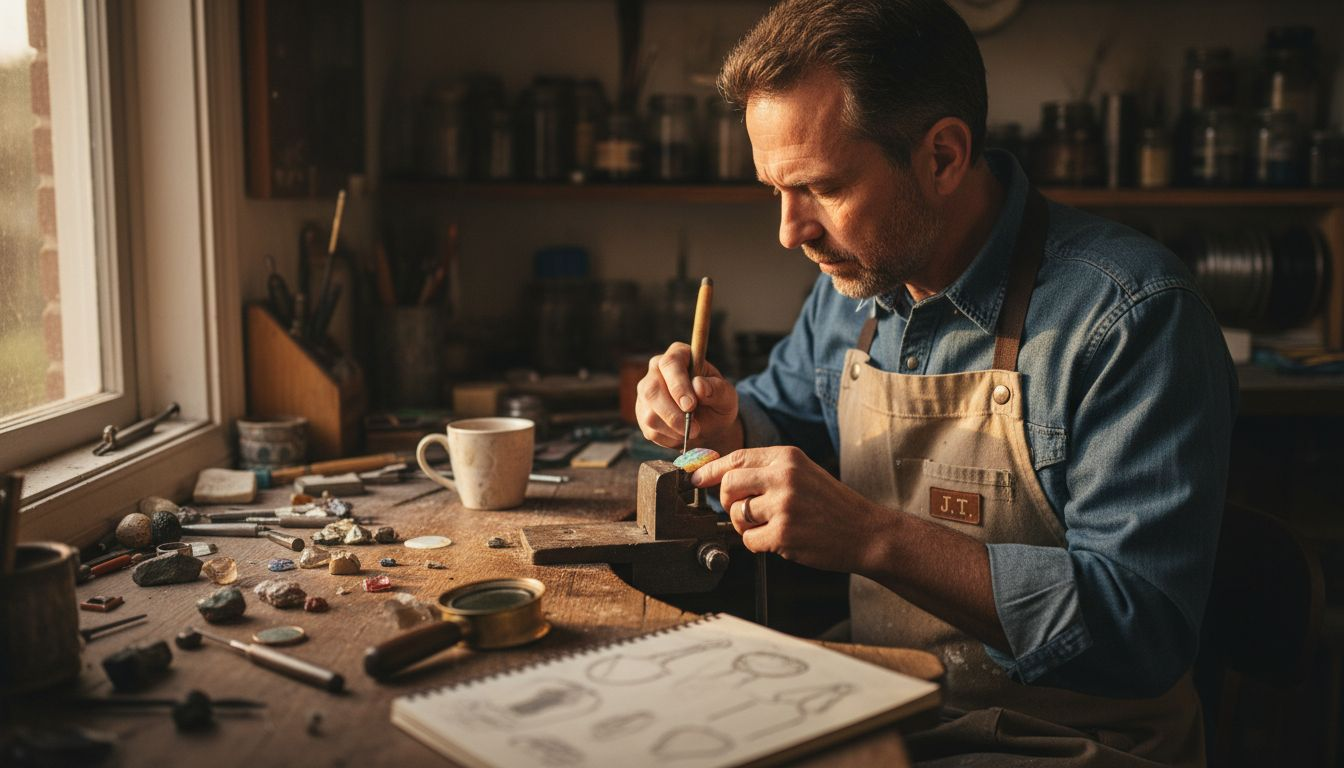
Most collectors agree that the true luxury in jewelry lies not just in dazzling stones but in the artistry and heritage behind each piece. For the american buyer searching for ethically sourced, handcrafted Australian opal jewelry, every acquisition becomes a meaningful investment. With over 90 percent of the world’s opal supply originating from Australia, this article reveals what sets handcrafted opal jewelry apart, why authentic provenance matters, and how to discern genuine artistry in each unique piece.
Table of Contents
- Defining Handcrafted Opal Jewelry And Its Meaning
- Distinctive Types Of Handcrafted Opal Pieces
- How Artisans Create Opal Jewelry By Hand
- What Sets Handcrafted Apart From Mass-Produced
- Evaluating Authenticity, Value, And Ethical Sourcing
- Care Essentials And Common Mistakes To Avoid
Key Takeaways
| Point | Details |
|---|---|
| Handcrafted Quality | Handcrafted opal jewelry showcases unique artistry and cultural heritage, offering distinct emotional value compared to mass-produced items. |
| Opal Types | Various types of opals, such as black, white, fire, and boulder, demand specific design techniques to highlight their natural beauty. |
| Authenticity and Sourcing | Assessing authenticity includes verifying the stone’s origin and ensuring ethical sourcing practices during production. |
| Care and Maintenance | Proper care is essential to preserve opal’s unique properties, requiring specialized cleaning and storage practices to prevent damage. |
Defining Handcrafted Opal Jewelry and Its Meaning
Handcrafted opal jewelry represents an extraordinary fusion of artistry and tradition, where each piece emerges as a unique expression of human creativity. Handmade jewelry is defined as an item assembled and formed entirely by hand, excluding mass production procedures, making it a testament to individual skill and cultural heritage.
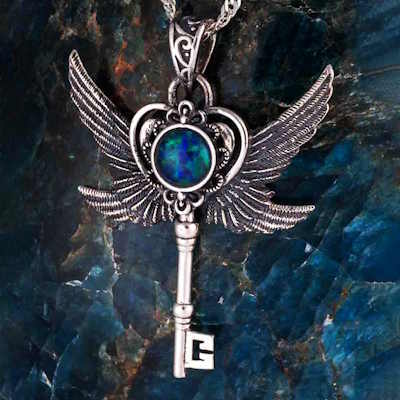
At its core, handcrafted opal jewelry involves meticulous design and creation processes where skilled artisans transform raw opals into wearable art pieces. Unlike machine-produced accessories, these jewels carry the distinctive signature of their creator. Each piece tells a story - reflecting not just aesthetic beauty but the personal touch, techniques, and cultural background of the craftsperson who carefully shaped it.
The significance of handcrafted opal jewelry extends beyond mere ornamentation. These pieces represent a blend of artistry and tradition, offering a unique aesthetic appeal that connects wearers to cultural heritage. When an individual selects a handcrafted opal piece, they are not just acquiring a beautiful accessory, but investing in a work of art that embodies human skill, passion, and generations of jewelry-making expertise.
Pro tip: When purchasing handcrafted opal jewelry, always ask about the artisan’s specific techniques and the origin of the stones to ensure authenticity and appreciate the craftsmanship behind your unique piece.
Distinctive Types of Handcrafted Opal Pieces
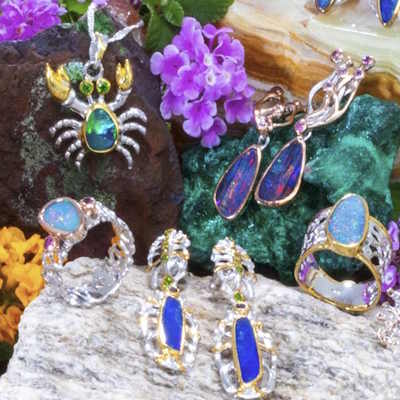
Handcrafted opal jewelry encompasses an extraordinary range of unique styles, each representing a distinctive geological and aesthetic narrative. Opal varieties are broadly categorized into precious opals with play-of-color and common opals without, offering collectors and enthusiasts a diverse palette of options. These variations reflect the complex geological origins of opals, primarily sourced from regions like Australia, Ethiopia, and Mexico.
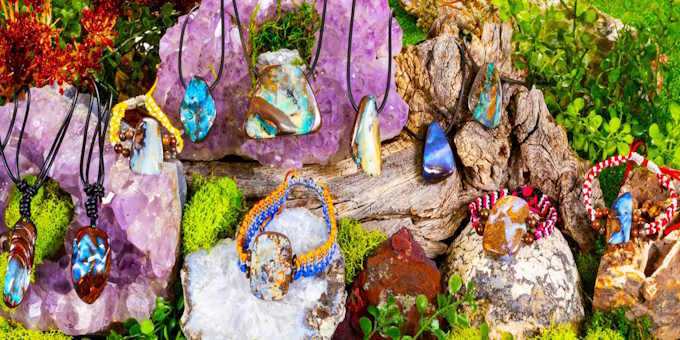
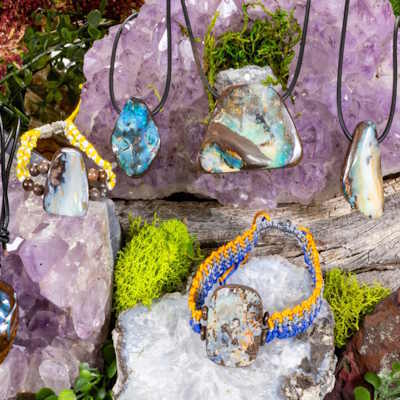
The most sought-after handcrafted opal pieces include black opal with its dramatic dark body tone that dramatically enhances color play, white opal featuring a milky base with softer color expressions, fire opal prized for its transparent to translucent fiery hues, and boulder opal distinguished by unique patterns where opal coats ironstone. The different types of opal jewelry styles collectors love demonstrate how artisans transform these natural variations into wearable art that captures the stone’s inherent beauty.
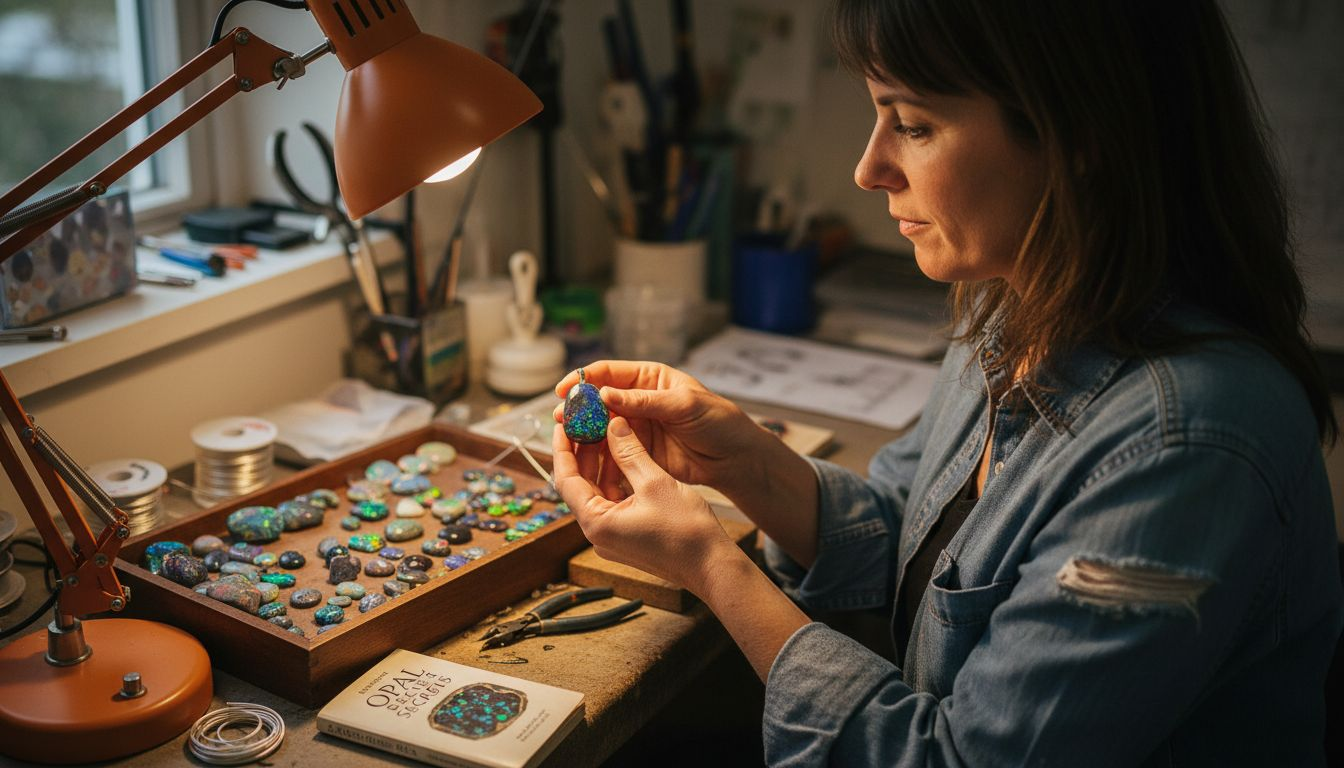
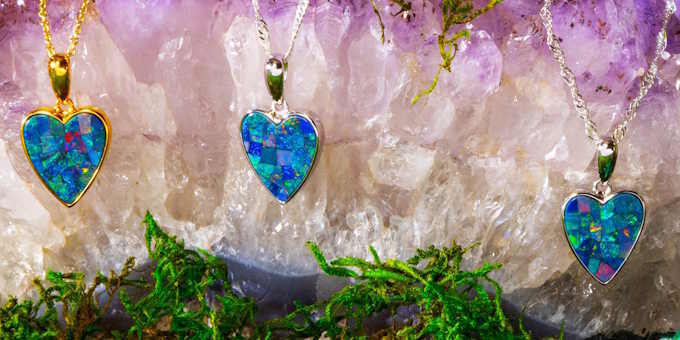
Each type of handcrafted opal piece requires specific design techniques that highlight the stone’s unique characteristics. Black opals from Lightning Ridge might be set in intricate silver settings to accentuate their deep color, while fire opals could be mounted in warm gold to complement their vibrant orange and red tones. The craftsmanship involved goes beyond mere setting - it’s about creating a harmonious relationship between the stone’s natural properties and the metalwork that surrounds it.
Here’s how key types of handcrafted opal jewelry compare:
| Opal Type | Typical Color Play | Common Metal Setting | Primary Source Region |
|---|---|---|---|
| Black Opal | Intense, vivid flashes | Sterling silver | Lightning Ridge, Australia |
| White Opal | Soft pastel hues | White gold or silver | Coober Pedy, Australia |
| Fire Opal | Orange to red shades | Yellow or rose gold | Mexico |
| Boulder Opal | Patterned areas | Silver or gold | Queensland, Australia |
Pro tip: When exploring handcrafted opal jewelry, examine how the artisan has matched the specific opal variety with complementary metal and design elements to maximize the stone’s natural beauty and character.
How Artisans Create Opal Jewelry by Hand
Artisans craft opal jewelry through a meticulous process that transforms raw stones into extraordinary wearable art, requiring extraordinary skill and deep understanding of the gem’s delicate nature. The journey begins with carefully selecting raw opal stones, each piece evaluated for its unique play-of-color, potential, and inherent beauty.
The handcrafting process involves multiple intricate stages that demand precision and expertise. Artisans employ traditional bench techniques, sometimes integrating digital design for initial conceptualization, to create one-of-a-kind pieces. The craftsmanship includes hand forging metal components, precise gem setting, and genuine attention to detail that machine production cannot replicate, ensuring each piece tells a unique story.
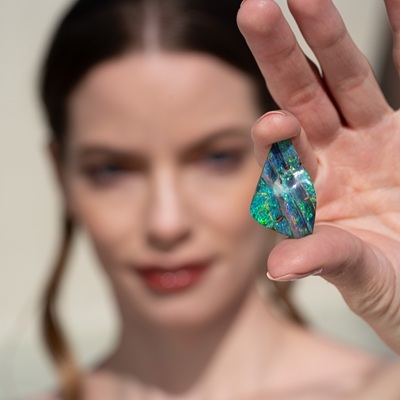
Specific techniques like hand carving, cabochon shaping, and careful polishing transform raw opals into stunning jewelry. Artisans must understand how to work with each opal’s individual characteristics - some stones require delicate handling to preserve their natural fire, while others demand more aggressive shaping to reveal their inner beauty. The metal setting is equally critical, with artisans selecting complementary metals and designing intricate settings that both protect and showcase the opal’s distinctive qualities.
Pro tip: When evaluating handcrafted opal jewelry, look closely at the stone’s setting and how the artisan has harmonized the metal work with the opal’s unique color and texture to create a truly exceptional piece.
What Sets Handcrafted Apart From Mass-Produced
The fundamental distinctions between handcrafted and mass-produced jewelry emerge from their core production philosophies and value propositions, revealing profound differences that extend far beyond mere aesthetic considerations. Handcrafted jewelry represents a deeply personal art form where each piece carries the unique signature of its creator, while mass-produced items represent standardization and industrial efficiency.
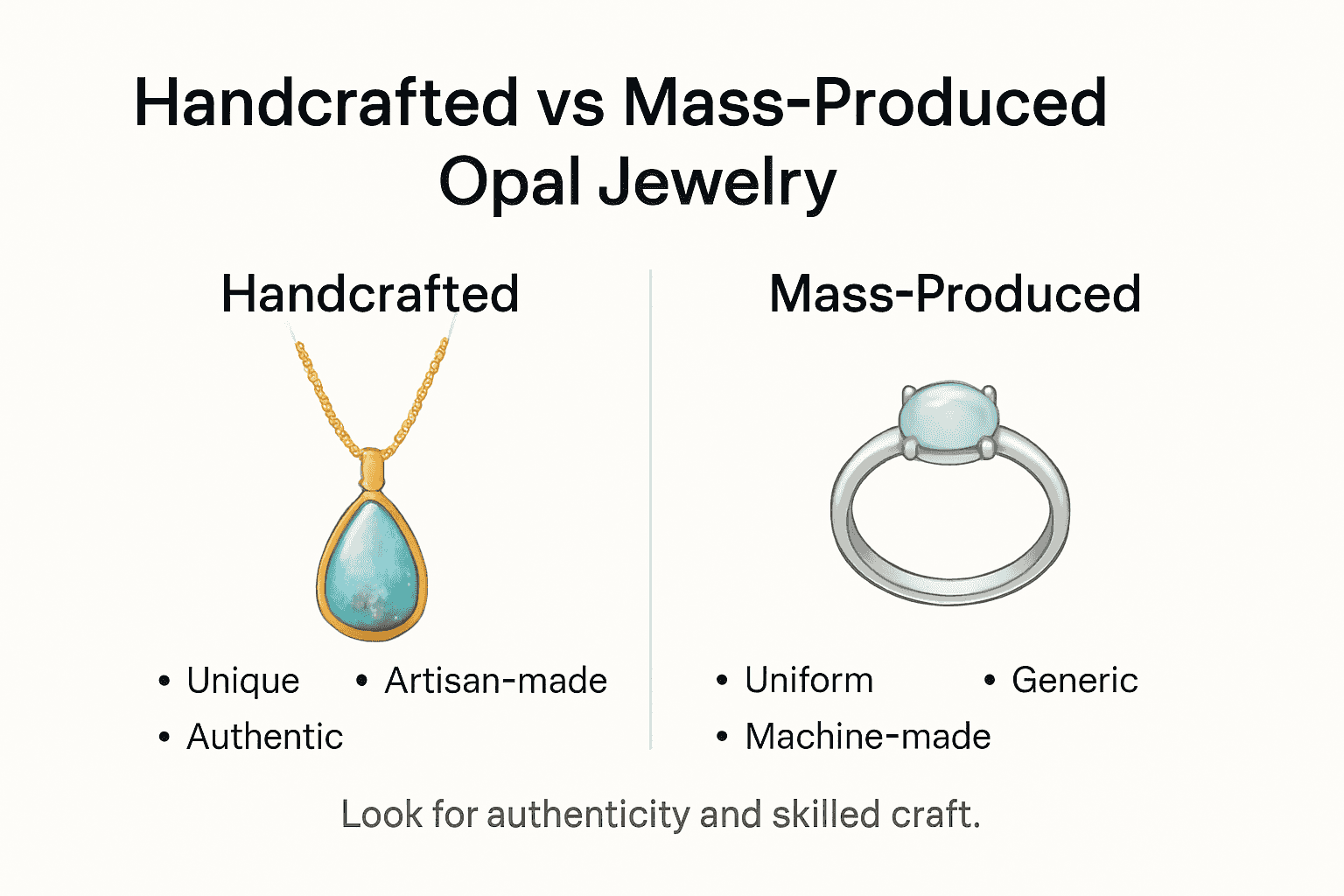
The production process dramatically differentiates these two approaches. Handcrafted jewelry involves meticulous, time-intensive methods performed by skilled artisans, resulting in pieces with emotional depth and individual character. Mass-produced jewelry, created through automated manufacturing, prioritizes uniformity and cost efficiency, often sacrificing material integrity and the nuanced craftsmanship that gives jewelry its soul.
Beyond technical differences, handcrafted jewelry offers an intangible yet invaluable quality - authenticity. Each handmade piece tells a story, reflecting the artisan’s skill, cultural heritage, and personal artistic vision. Mass-produced jewelry, while technically precise, lacks this emotional resonance. Collectors and discerning buyers understand that a handcrafted piece is more than an accessory - it’s a personal artifact, a miniature sculpture that carries the energy and intention of its creator.
Below is a summary of the main differences between handcrafted and mass-produced jewelry:
| Aspect | Handcrafted Jewelry | Mass-Produced Jewelry |
|---|---|---|
| Production Method | Made entirely by skilled artisans | Automated, factory processes |
| Uniqueness | Every piece is different | Highly uniform, identical |
| Emotional Value | Carries artisan’s story and intent | Lacks personal connection |
| Material Selection | Personally chosen for each piece | Standardized, bulk sourcing |
Pro tip: When comparing handcrafted versus mass-produced jewelry, look beyond the price tag and examine the piece’s unique details, imperfections, and the narrative embedded in its craftsmanship.
Evaluating Authenticity, Value, and Ethical Sourcing
Authenticity in opal jewelry transcends visual appeal, representing a complex intersection of origin, craftsmanship, and ethical responsibility. The historical significance of opal stones provides critical context for understanding their true value, revealing that genuine pieces are more than mere accessories - they are cultural artifacts with deep narrative significance.
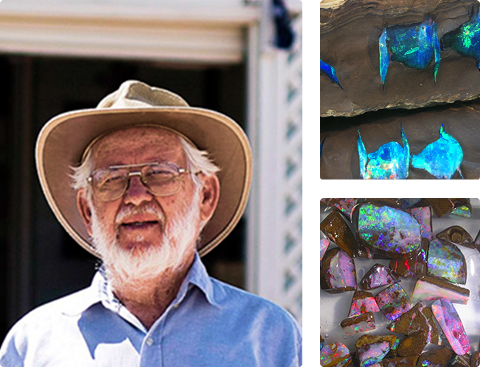
Evaluating authentic opal jewelry requires a multifaceted approach that considers several key factors. Discerning collectors examine the stone’s geological origin, understanding that Australian opals from regions like Lightning Ridge and Coober Pedy represent the highest quality worldwide. Ethical sourcing means tracing the stone’s journey from earth to jewelry, ensuring responsible mining practices that support local communities and minimize environmental impact. This involves verifying the mining conditions, understanding the working conditions of artisans, and confirming that the stones are extracted through sustainable and fair-trade methods.
Value determination goes beyond market pricing, encompassing the opal’s unique characteristics, craftsmanship quality, and the story behind its creation. Factors like color intensity, play-of-color, clarity, and the intricacy of metalwork contribute to a piece’s worth. Authentic handcrafted opal jewelry carries inherent value through its individual character - no two pieces are identical, making each creation a singular work of art that reflects the artisan’s skill and the stone’s natural beauty.
Pro tip: When assessing an opal piece’s authenticity, request detailed provenance documentation and ask specific questions about the stone’s origin, the artisan’s background, and the specific mining region.
Care Essentials and Common Mistakes to Avoid
Opal jewelry requires specialized care due to its unique and delicate composition, demanding a nuanced approach that protects its natural beauty and structural integrity. Unlike other gemstones, opals contain water within their molecular structure, making them particularly vulnerable to environmental factors and physical stress.
The maintenance protocol for opal jewelry involves several critical considerations. Gentle cleaning with mild soap and lukewarm water is essential, while avoiding harsh chemicals, ultrasonic cleaners, and abrasive materials. Different opal types - solid, doublet, and triplet - require tailored care strategies. Solid opals can withstand slightly more manipulation, whereas doublets and triplets need extra caution due to their layered construction and potential vulnerability to moisture that might compromise their adhesive layers.
Common mistakes can irreparably damage these precious stones. Wearing opal jewelry during high-impact activities, exposing pieces to direct sunlight for prolonged periods, or subjecting them to sudden temperature changes can cause cracking, color loss, and structural degradation. Proper storage is equally crucial, involving soft pouches, controlled environments, and maintaining appropriate moisture levels. Experienced collectors recommend storing opals with a slightly damp cotton ball to prevent dehydration, which can cause the stone to become brittle and lose its characteristic play-of-color.
Pro tip: Always store your opal jewelry horizontally in a soft, padded container and avoid extreme temperature variations to preserve its natural moisture and brilliance.
Discover the True Essence of Handcrafted Opal Jewelry with Australian Opal Direct
If you appreciate the artistry and cultural heritage embedded in handcrafted opal jewelry, finding authentic pieces that reflect these values can be challenging. Many buyers face difficulties verifying authenticity, sourcing ethically mined stones, and connecting with artisans who honor traditional crafting techniques. Our curated collection at Australian Opal Direct solves these problems by offering genuine Australian opals sourced directly from renowned mining regions like Lightning Ridge and Coober Pedy, combined with masterful craftsmanship in every piece.

Experience the beauty and story behind each opal through our exclusive rings, pendants, and custom designs. Our commitment to ethical sourcing and close relationships with miners ensures that your chosen jewelry is both a luxurious treasure and a responsible purchase. Explore how you can own a true handcrafted opal piece today by visiting Australian Opal Direct. Unlock the magic of genuine, earth-mined gemstones that carry history, passion, and unmatched artistry right to your collection.
Frequently Asked Questions
What is handcrafted opal jewelry?
Handcrafted opal jewelry is unique pieces created entirely by hand, reflecting the artisan’s skill, creativity, and cultural heritage. Each piece is made without mass production techniques, making it a personalized work of art.
Why is handcrafted opal jewelry considered more valuable than mass-produced items?
Handcrafted opal jewelry is valued for its uniqueness, emotional connection, and artisan craftsmanship. Unlike mass-produced items that prioritize uniformity, handcrafted pieces carry individual stories and character, reflecting the artist’s vision.
What types of opals are commonly used in handcrafted jewelry?
Common types of opals used in handcrafted jewelry include black opal, white opal, fire opal, and boulder opal. Each type possesses distinct color play and characteristics that influence design and setting techniques.
How can I ensure the authenticity of handcrafted opal jewelry?
To ensure authenticity, evaluate the stone’s geological origin, request provenance documentation, and inquire about the artisan’s background and mining practices. Understanding the materials used and their sourcing is crucial for genuine pieces.