Exclusive jewelry: meaning, craft, and collecting
Posted by AOD on 3rd May 2026
Exclusive jewelry: meaning, craft, and collecting
TL;DR:
- Authentic exclusivity in jewelry is rooted in rarity, craftsmanship, and verified origin, not just high price tags. Australian opals exemplify true exclusivity due to their geological rarity, artisan settings, and transparent sourcing, making them highly valued by discerning collectors. Building a collection hinges on meticulous research, genuine provenance, and ethical practices that enhance long-term value and personal significance.
Price alone has never been the truest measure of a jewel’s worth. Across centuries and cultures, the pieces that endure in memory and market value share something far more elusive than a designer label or a formidable price tag. Genuine exclusivity lives in rarity of material, integrity of origin, and the irreplaceable mark of an artisan’s hand. For collectors and aficionados who seek pieces that carry meaning alongside beauty, understanding what makes jewelry truly exclusive is not a luxury of curiosity. It is an essential compass for every significant acquisition, especially when that journey leads to the luminous world of Australian opal jewelry.
Table of Contents
- What does ‘exclusive jewelry’ really mean?
- Signature elements of exclusive jewelry
- The role of ethical sourcing and craftsmanship
- How to identify and acquire exclusive opal jewelry
- What most collectors misunderstand about exclusivity
- Discover and collect exclusive Australian opal jewelry
- Frequently asked questions
Key Takeaways
| Point | Details |
|---|---|
| Exclusivity beyond price | True exclusive jewelry is defined by rarity, craftsmanship, and authentic sourcing—not merely cost. |
| Australian opal significance | Australian opals represent the pinnacle of ethical, unique, and valuable gemstones in exclusive pieces. |
| Ethics ensure value | Ethical and artisan-focused sourcing practices directly enhance the value and appeal of exclusive jewelry. |
| How to identify exclusives | Documentation, certified origin, and reputable dealers are essential for acquiring genuine exclusive jewelry. |
| Investment potential | Carefully sourced exclusive jewelry, especially with Australian opals, can appreciate in value and distinction. |
What does ‘exclusive jewelry’ really mean?
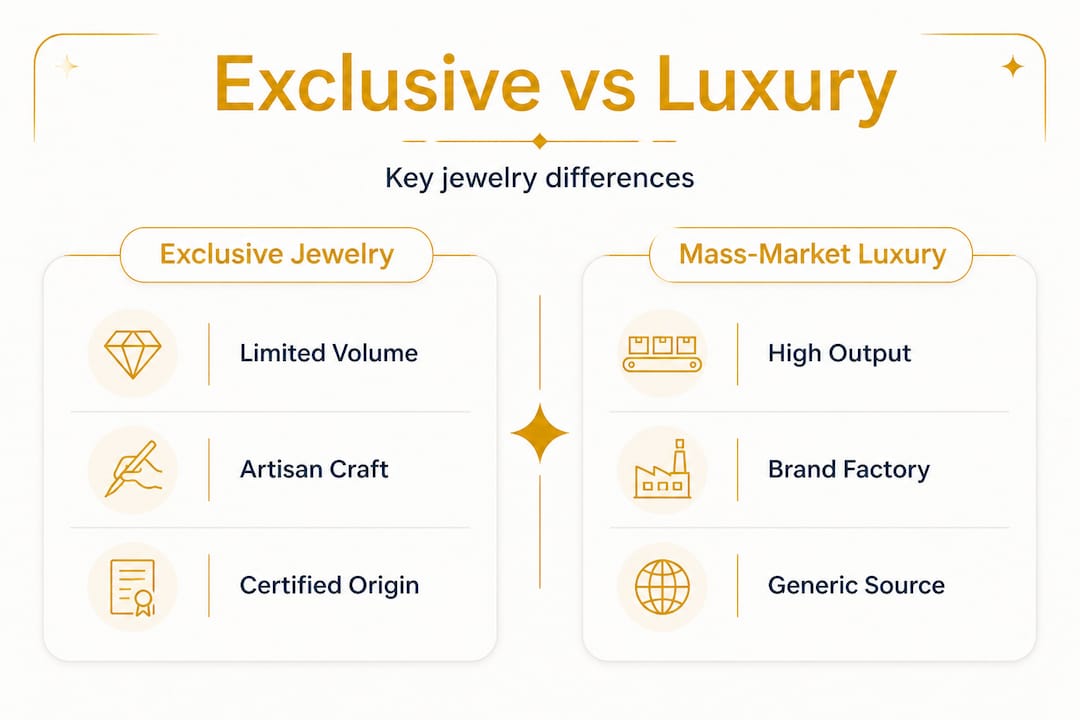
The word “exclusive” is used freely in the jewelry industry, often applied to any piece carrying a prestigious brand name or a substantial price. Yet the term, properly understood, points to something far more specific and demanding. True exclusive jewelry is defined by a convergence of qualities that mass-produced luxury simply cannot replicate.
According to a careful study of high-end gemstone collecting, elements of high jewelry include rarity, individualized craftsmanship, and high authenticity standards. These three pillars form the foundation that separates a genuinely exclusive piece from one that merely wears the costume of luxury.
Rarity is perhaps the most intuitive criterion. A piece that exists in one version, or in a numbered edition of five, occupies a different universe from one produced in thousands. But rarity is not only about quantity. The material itself must be rare. Australian black opals from Lightning Ridge, for example, form over millions of years in the ancient seabeds of New South Wales. No two carry the same interior landscape of color, making each stone inherently one of a kind before a jeweler’s hand even touches it.
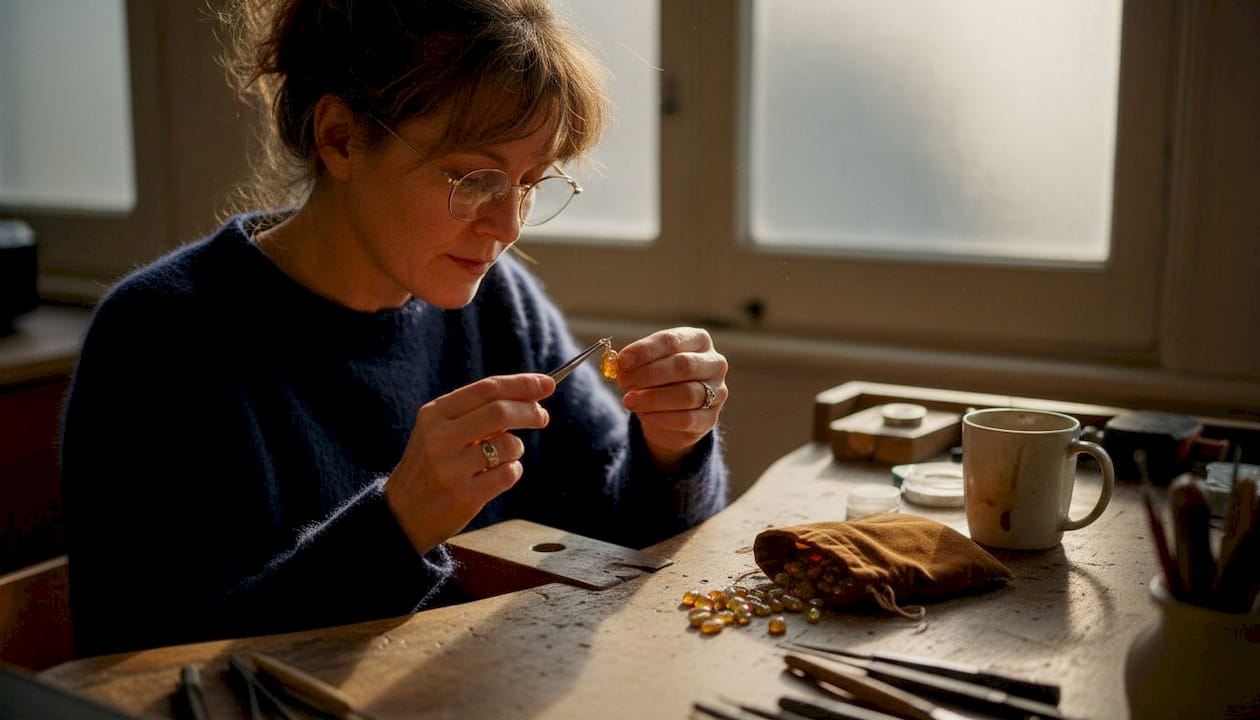
Individualized craftsmanship means that a skilled artisan, not a machine, shapes the metal, sets the stone, and refines every surface with deliberate intention. The hours invested in a single handcrafted bezel setting or a custom pavé surround are hours that speak directly to the future owner. They speak of patience, of expertise accumulated over decades, and of a relationship between maker and material that factory production can never replicate.
Authenticity, the third pillar, demands that every claim about a piece can be verified. Origin, material composition, and maker identity should all be documentable. This is why the gemstone standards guide for serious collectors places such heavy emphasis on certification and provenance documentation.
“Exclusivity in jewelry is not a label applied after the fact. It is woven into every decision made from the moment the stone leaves the earth to the moment the finished piece reaches its new keeper.”
| Criterion | Exclusive jewelry | Mass-market luxury |
|---|---|---|
| Production volume | Very limited or singular | High volume |
| Design origin | Bespoke or limited edition | Brand templates |
| Material rarity | Genuinely rare gemstones | Common or synthetic stones |
| Craftsmanship | Artisan handcrafted | Machine produced |
| Provenance | Fully documented | Often undisclosed |
| Ethical sourcing | Central to identity | Variable |
Signature elements of exclusive jewelry
Now that we understand what exclusive jewelry is, let’s explore the distinctive features that collectors and connoisseurs look for when evaluating a potential acquisition.
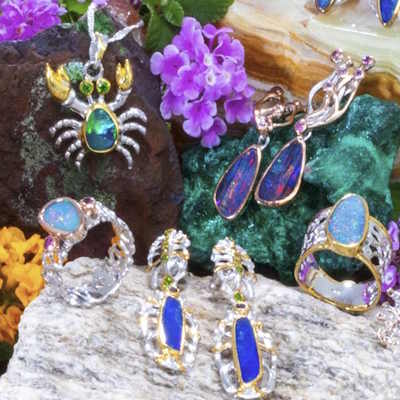
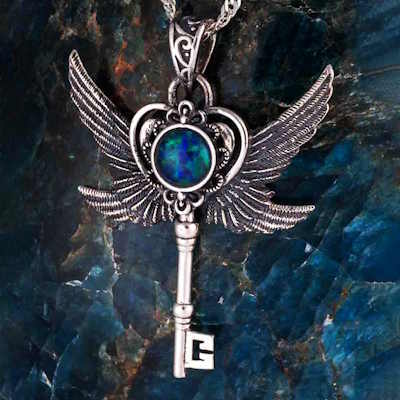
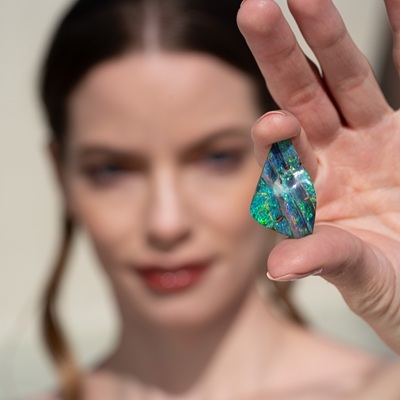
Opals in luxury jewelry are prized for their rarity, authentic origin, and vibrant play-of-color, marking jewelry as truly exclusive. The play-of-color, that mesmerizing optical phenomenon caused by the diffraction of light through a microscopic grid of silica particles, is different in every opal. It shifts from crimson to violet to gold as the stone moves. No synthetic reproduction captures this fully, and no two natural stones share the same spectral signature.
Here are the hallmark elements that distinguish a truly exclusive piece:
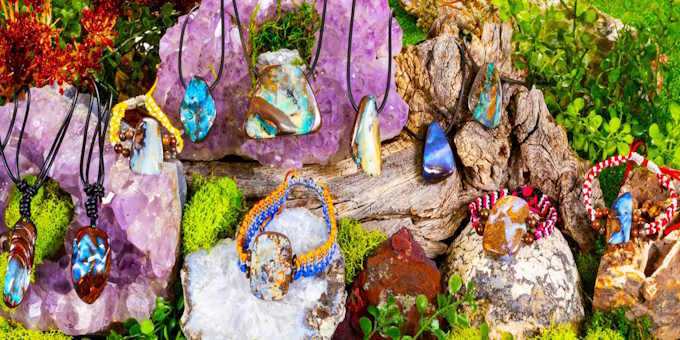
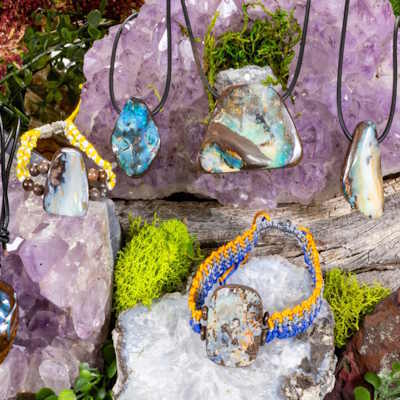
- Rare, ethically sourced gemstones. Australian opals, whether the vivid black opals of Lightning Ridge, the serene white opals of Coober Pedy, or the warm boulder opals of Queensland, represent the gold standard of opal exclusivity. Their geological rarity and limited geographic origin make them irreplaceable.
- Handcrafted settings. Whether in 18-karat yellow gold, sterling silver, or rose gold, the setting should bear evidence of a human hand. File marks, refined bezels, and individually placed prongs are signs of genuine artisan work.
- Bespoke and limited-edition design. Exclusive jewelry either emerges from a direct commission, shaped entirely to the collector’s vision, or from a numbered limited edition with strict production caps.
- Certified provenance. Documentation that traces the stone from mine to market is non-negotiable for serious collectors. Certificates from recognized gemological laboratories, such as the Gemological Institute of America, add further credibility.
- Artisan signatures. Many high-caliber jewelers stamp or engrave their pieces, creating a permanent record of authorship that adds both historical and monetary value over time.
For anyone pursuing opal authenticity guidance when acquiring a new piece, these elements form a practical checklist worth keeping close.
Pro Tip: Always request full documentation before finalizing any exclusive jewelry purchase. A reputable seller will provide a certificate of authenticity, a gemological report, and, ideally, a written account of the stone’s geographic origin.
The role of ethical sourcing and craftsmanship
Hand in hand with distinctiveness, ethical practices and authentic artistry matter greatly in the world of exclusive jewelry. This is not simply a moral preference for today’s collectors. It is an increasingly decisive factor in a piece’s long-term value and prestige.
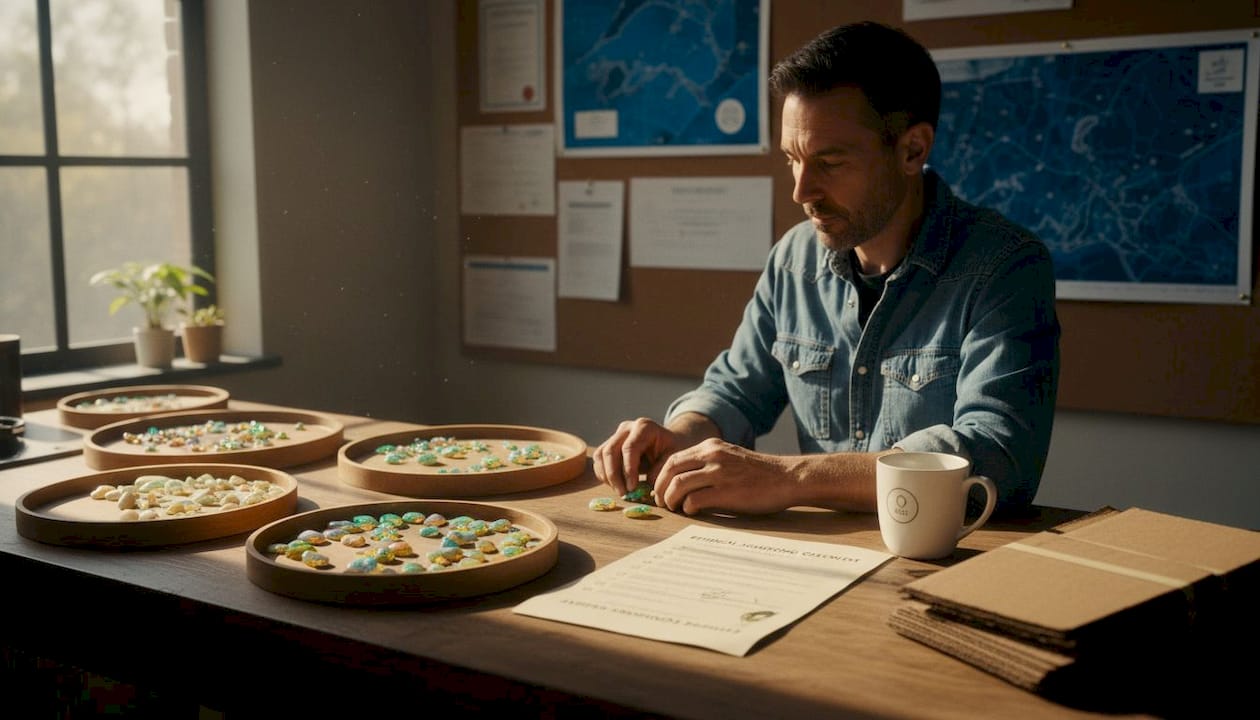
Artisan-crafted jewelry and ethical procurement practices guarantee both authenticity and value in exclusive collections. The reasoning is straightforward. When a jeweler can demonstrate that their opal was responsibly extracted from a licensed Australian mine, that the miners were fairly compensated, and that the stone traveled through a documented chain of custody, the story of the piece is complete. Collectors are not simply buying a beautiful object. They are acquiring a narrative with integrity.
Ethical jewelry practices reveal that transparency in sourcing has become an emerging and powerful trend among high-end jewelry buyers. This shift reflects a broader cultural evolution. Collectors who once prioritized visual spectacle now insist on knowing the full biography of what they wear.
Australian opal mining, particularly through operations in Lightning Ridge and Coober Pedy, has developed some of the most traceable and responsibly managed extraction practices in the global gemstone industry. Unlike conflict-prone mining regions elsewhere in the world, Australian opal fields operate under strict governmental oversight, with licensing systems that protect both the land and the people who work it.
Key questions every collector should ask when verifying ethical sourcing and craftsmanship:
- Where exactly was this stone mined? The answer should name a specific region and, ideally, a specific mine or claim.
- Can you provide documentation of the mining license? Legitimate Australian opal operations hold verifiable licenses.
- Who crafted the setting, and where? Knowing whether work was done in Australia or overseas matters for authenticity and fair labor claims.
- Is the stone natural, treated, or synthetic? Natural, untreated opals command far greater value. Treatments must always be disclosed.
- What environmental practices govern the mining operation? Responsible miners rehabilitate excavated land and minimize their ecological footprint.
- Is there a gemological report from an independent laboratory? Third-party verification removes ambiguity and protects buyers.
Understanding sustainable jewelry principles gives collectors the vocabulary and criteria to ask these questions confidently and interpret the answers critically.
Pro Tip: Request a documented origin report when investing in an exclusive opal piece. The report should specify the mining region, the extraction date if available, and the name of the primary seller or miner. This documentation becomes part of the piece’s permanent record and significantly supports resale value.
How to identify and acquire exclusive opal jewelry
Understanding the foundation of exclusivity, let’s translate knowledge into action. Here is how collectors can recognize and add rare opal pieces to their collections with confidence and clarity.
Investment-level opal jewelry requires careful sourcing, expert appraisal, and knowledge of market trends. These three requirements map directly onto a practical acquisition strategy.
Five steps for evaluating and purchasing exclusive opal jewelry:
- Study the stone’s play-of-color first. Examine how many distinct hues appear, how broadly they spread across the surface, and whether they remain vibrant at multiple viewing angles. A high-quality black opal from Lightning Ridge will display a broad, intensely saturated spectrum. The presence of red and orange tones within a strong play-of-color is especially rare and valuable.
- Request and review all certificates. A gemological report from a credentialed laboratory should accompany any serious purchase. Look for clarity on whether the stone is solid, doublet, or triplet, and whether any treatments have been applied. Solid, untreated natural opals are the pinnacle of exclusivity.
- Assess the quality of the setting. Run your eye over the metalwork. Are prongs consistent and symmetrical? Does the bezel sit evenly around the stone? Are there signs of machine uniformity or, better, the slight individualism of a craftsman’s hand? The quality of the setting reflects the jeweler’s overall commitment to craft.
- Research the seller’s sourcing relationships. The most trustworthy sellers in the Australian opal market maintain direct relationships with miners. This eliminates intermediary markups and, more importantly, ensures that provenance claims are firsthand, not secondhand approximations.
- Understand current market dynamics. Pricing luxury opals accurately requires familiarity with recent auction results, retail benchmarks, and demand trends for specific opal types. Black opals, boulder opals, and crystal opals each occupy distinct market positions.
Common pitfalls collectors encounter include overpaying for pieces that carry brand prestige without genuine rarity, misreading treatment disclosures on certificates, and confusing doublets or triplets for solid natural opals. A doublet is a thin opal slice bonded to a dark backing material. A triplet adds a clear dome cap on top. Both are far less valuable than a solid natural stone and must be disclosed by any reputable seller.
“The collector who invests time in education before investing money in a piece will rarely regret the acquisition. The one who trusts branding over documentation almost always will.”
Pro Tip: Build relationships with reputable dealers who specialize exclusively in Australian opals. Specialists carry deeper knowledge, more reliable sourcing, and a genuine passion for the stones that generalist luxury retailers simply cannot match.
What most collectors misunderstand about exclusivity
Having explored practical steps, it is worth considering what many collectors and even industry insiders consistently miss about the concept of exclusivity.
The most persistent misconception is that exclusivity follows price. If a piece is expensive enough, the reasoning goes, it must be exclusive. But price is an output, not an input. A mass-produced piece from a globally recognized brand can command an extraordinary price while being made from materials sourced anonymously, assembled by machine, and sold in thousands of identical versions around the world. That is not exclusivity. That is marketing sophistication wearing exclusivity’s clothing.
True exclusivity flows from origin. It begins in the earth, in a specific geological formation in a specific place, shaped by specific conditions over millions of years. It continues through the hands of a specific miner who understands what they have uncovered, then passes to a jeweler who honors the stone’s individual character in their design rather than forcing it into a generic template. The opal rarity and value conversation in the broader gemstone world is slowly but unmistakably moving in this direction, and Australian opals sit at its center.
What also surprises many collectors is how ethical sourcing elevates a piece’s prestige rather than merely serving as a compliance checkbox. A piece with a clean, verified, human supply chain carries a different energy. It wears its history lightly and honestly. Collectors who grasp this distinction tend to build collections that appreciate in both monetary and personal significance over time. They are not accumulating objects. They are curating stories.
The emerging market reality reinforces this view. Australian opals, long undervalued relative to rubies, sapphires, and emeralds in traditional luxury hierarchies, are gaining recognition among sophisticated international collectors who understand that rarity of material combined with ethical transparency is a combination no brand name can manufacture.
Discover and collect exclusive Australian opal jewelry
Now that you know what sets truly exclusive opal jewelry apart, here is where you can find your next treasure.
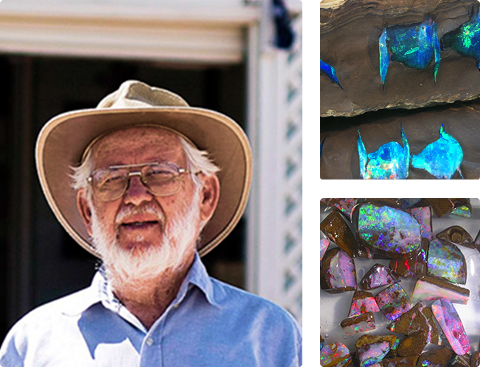
Australian Opal Direct brings together the full spectrum of what genuine exclusivity means in one curated destination. Every piece in the collection originates from earth-mined Australian opals sourced directly from Lightning Ridge, Coober Pedy, and Queensland, with direct miner relationships that ensure both authenticity and competitive pricing.

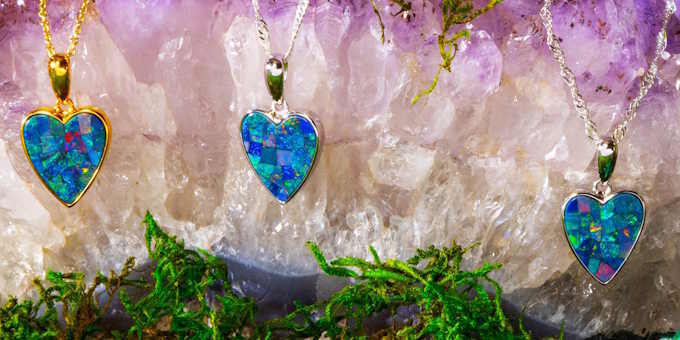
Each piece is accompanied by transparent documentation, including provenance details and authenticity certification, so collectors can acquire with complete confidence. From handcrafted gold rings set with blazing black opals to delicate silver pendants showcasing the dreamy translucence of crystal opals, the collection reflects a commitment to rarity, craftsmanship, and ethical integrity. Custom design services, free shipping, and a 90-day warranty make the journey from discovery to ownership as rewarding as the pieces themselves.
Frequently asked questions
What makes Australian opal jewelry exclusive?
Australian opal jewelry is exclusive because of its natural rarity, ethical sourcing, and the high level of craftsmanship involved in each piece. The vibrant play-of-color unique to Australian opals ensures that no two pieces are ever identical.
How can I verify the authenticity of exclusive jewelry?
Always request documentation, such as certificates of authenticity and detailed provenance reports, from trusted jewelers. Careful sourcing and expert appraisal are the most reliable safeguards against misrepresentation.
Is exclusive jewelry always ethically sourced?
Not all exclusive jewelry is ethically sourced, so it is important to look for transparency in sourcing and documentation from reputable brands. Transparency in sourcing is now an active expectation among discerning high-end jewelry buyers.
What documentation should accompany high-end opal jewelry?
Exclusively sourced opal jewelry should include authenticity certificates, provenance reports, and clear disclosure of ethical mining practices. Artisan-crafted pieces with ethical procurement documentation are the benchmark for serious collectors.
Can exclusive jewelry be a good investment?
Yes, especially with rare stones and transparent sourcing. Australian opals are gaining measurable value among discerning collectors, and investment-level opal jewelry rewards those who combine knowledge, patience, and a commitment to verified authenticity.
Recommended
- What defines high jewelry? The key elements of true luxury - Australian Opal Direct
- Role of Opals in Luxury Jewelry: Rarity & Value - Australian Opal Direct
- Role of Custom Opal Jewelry: Craft, Value, and Meaning - Australian Opal Direct
- Artisan-Crafted Jewelry: Authenticity & Ethics Guide - Australian Opal Direct
- How to identify and buy premium gold jewelry – Baker Gold Chains