The Role of Heritage in Gemstones: A Collector's Guide
Posted by AOD on 29th Jun 2026
The Role of Heritage in Gemstones: A Collector’s Guide
TL;DR:
- Heritage in gemstones encompasses cultural meaning, origin, and craftsmanship that influence value beyond appearance. Provenance, traditional techniques, and a stone’s story are essential for evaluating long-term worth and ethical sourcing. Modern designs incorporate heritage motifs to appeal to contemporary collectors while emphasizing responsible practices.
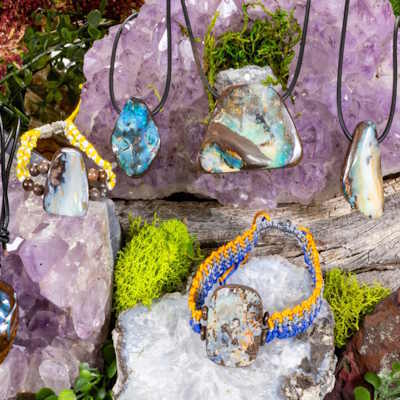
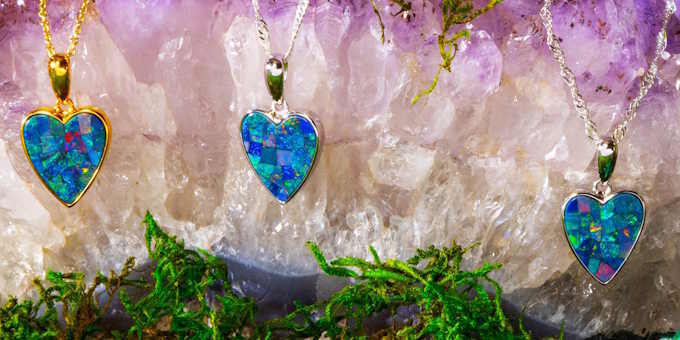
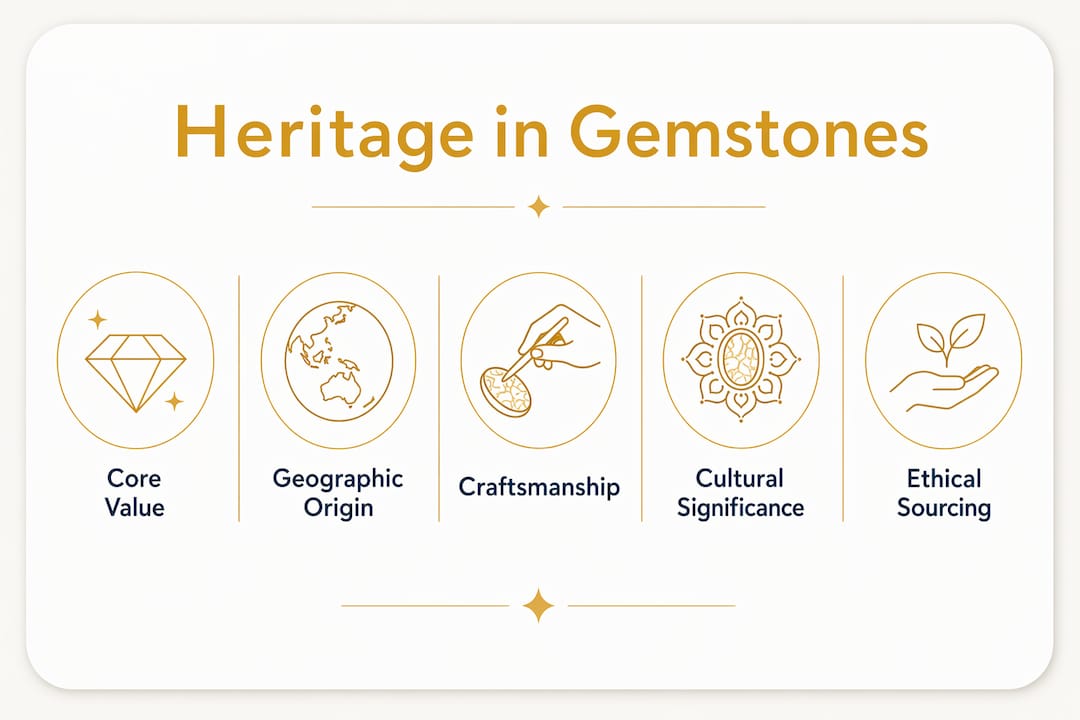
Heritage in gemstones is defined as the layered history of cultural meaning, geographic origin, and artisanal craftsmanship that shapes a stone’s identity beyond its physical properties. The role of heritage in gemstones reaches far deeper than aesthetics. It determines market value, informs ethical sourcing decisions, and connects collectors to traditions spanning centuries. For historians, gem enthusiasts, and ethically minded buyers, understanding provenance, the industry’s standard term for a stone’s documented origin and ownership history, is the foundation of any serious collection. Australianopaldirect builds every piece around this principle, sourcing opals directly from Lightning Ridge, Coober Pedy, and Queensland with full origin transparency.
How does heritage shape gemstone valuation?
Geographic origin is a critical pillar of gemstone valuation, sitting alongside treatment status, color, and clarity in determining price. A Burmese ruby commands a premium over a chemically identical Thai ruby because its origin carries centuries of royal patronage and documented rarity. That history is not sentiment. It is a market signal.
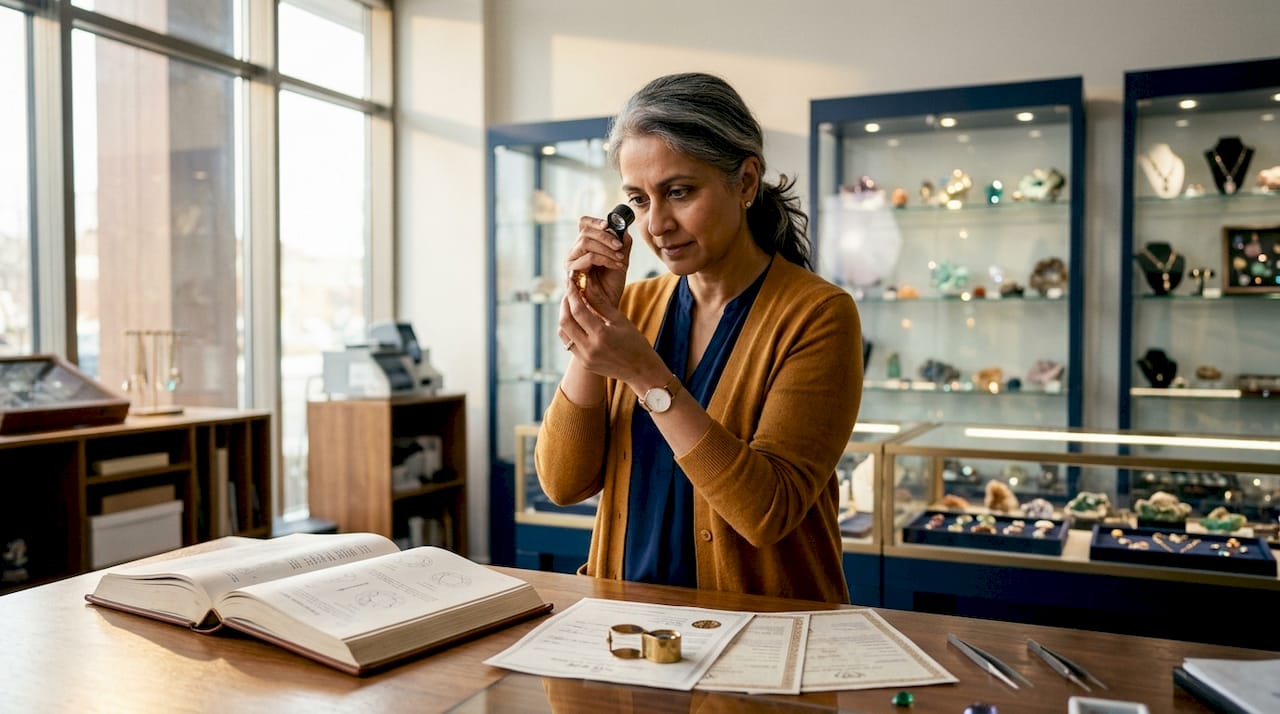
Laboratories like GIA and GRS issue origin reports that verify where a stone formed geologically. These reports carry significant weight in premium transactions. Origin reports represent expert scientific opinions built on inclusion mapping, trace chemistry, and reference stone databases, not absolute certainties. That distinction matters for collectors who treat a certificate as the final word.
Heritage craftsmanship amplifies value further. Polki and Deccan-style designs often maintain or increase market value over time because the techniques are rare, labor-intensive, and tied to specific regional traditions that cannot be replicated at scale. A Polki piece set with uncut diamonds in the Mughal style carries the weight of an entire artistic lineage.
Pro Tip: When evaluating a heritage piece, request both the origin report and documentation of the cutting or setting technique. The combination of verified provenance and identified craftsmanship style produces the strongest case for long-term value.
Key factors that drive heritage-based valuation include:
- Geographic origin: Stones from Kashmir, Burma, or Colombia carry premiums tied to documented scarcity and historical prestige.
- Treatment status: Untreated stones with verified origin reports command significantly higher prices than treated equivalents.
- Craftsmanship lineage: Techniques like Polki, Kundan, and Deccan metalwork add rarity beyond the stone itself.
- Provenance documentation: Auction records, estate certificates, and lab reports form a chain of evidence that supports premium pricing.
What is the cultural significance of gemstones across traditions?
Gemstones have functioned as cultural symbols, spiritual amulets, and markers of social rank across nearly every civilization on record. The sapphire carried divine authority in medieval European courts. The jade disc, or bi, represented heaven in ancient Chinese cosmology. The opal was called Cupid paederos by the Romans, a stone that held the fire of every other gem within it. These meanings were not decorative. They were structural to how communities understood power, protection, and identity.
Modern consumers increasingly prize gemstones as living family and cultural stories rather than simple status symbols. A grandmother’s emerald ring carries the memory of a migration, a marriage, or a moment of survival. That emotional weight is what separates a heritage stone from a commodity.
Heritage jewelry styles carry their own cultural grammar. Consider the following traditions:
- Kundan: An Indian court tradition dating to the Mughal era, Kundan uses a lac resin core to hold gemstones in pure gold foil settings. The technique requires specialized maintenance because heat damages the lac core.
- Deccan: Originating in the Deccan Sultanates of southern India, this style blends Persian, Hindu, and indigenous motifs into jewelry that reads as a visual record of cultural exchange.
- Aboriginal Australian: Australian opals carry deep significance in Aboriginal culture, where the stones were understood as gifts from the sky, their play-of-color reflecting the spectrum of creation.
The stories embedded in these traditions create emotional value that no grading report can quantify. For collectors, understanding the cultural narrative behind a stone is as important as reading its gemological certificate.
How does heritage connect to ethical sourcing?
Heritage and ethical sourcing are inseparable in the colored gemstone trade. Approximately 80% of global colored gemstone production comes from artisanal and small-scale mining. That figure means the majority of the world’s rubies, sapphires, emeralds, and opals pass through the hands of individual miners and small family operations before reaching any laboratory or retailer.
Artisanal mining is itself a heritage practice. In regions like the Ratnapura district of Sri Lanka or the opal fields of Coober Pedy, mining methods have been passed down through generations. The knowledge of where to dig, how to read the rock, and how to handle rough stones is cultural knowledge, not just technical skill.
The challenge is that most origin reports confirm geological formation, not ethical mining conditions. A GIA certificate tells you a ruby formed in Burma. It does not tell you whether the miner was paid fairly or worked in safe conditions. Ethical sourcing requires a different kind of documentation.
A responsible approach to heritage sourcing involves these steps:
- Establish direct supplier relationships. Relational traceability, knowing the miner or cooperative by name, provides accountability that no certificate can replicate.
- Request supply chain documentation. Ask for records that follow the stone from mine to market, not just a lab report at the end.
- Verify artisan techniques. Heritage craftsmanship methods are often tied to specific communities. Confirming the technique confirms the community connection.
- Prioritize retailers with transparent sourcing narratives. Brands that name their mining regions and explain their sourcing relationships offer more accountability than those that cite generic ethical standards.
Pro Tip: Provenance in the luxury watch world offers a useful parallel. Wristwatch provenance collectors demand unbroken documentation from manufacture to present day. Gemstone collectors should apply the same standard to their acquisitions.
Australianopaldirect addresses this directly by sourcing opals from named Australian regions and maintaining artisan-crafted sourcing practices that connect each stone to its origin community.
How is global heritage shaping gemstone design in 2026?
Heritage aesthetics are not retreating into museum cases. 2026 jewelry trends reflect a fusion of global heritage crafts with minimalist, gender-fluid design languages that make traditional motifs accessible to a wider audience. A Kundan-inspired pendant reinterpreted in white gold for a contemporary collector is not a dilution of tradition. It is tradition finding a new generation.

The table below maps key heritage design traditions to their modern expressions in 2026 collections:
| Heritage tradition | Origin region | Modern design expression |
|---|---|---|
| Kundan | Mughal India | Minimalist gold settings with uncut stones |
| Deccan | Southern India | Mixed-metal pieces with geometric motifs |
| Aboriginal Australian | Australia | Opal-centered designs with organic forms |
| Byzantine | Eastern Mediterranean | Enamel and gemstone layering in gender-neutral pieces |
| Art Nouveau | Western Europe | Nature-inspired forms revived in slow-luxury collections |
Sustainability is now a heritage value in its own right. Slow luxury, the practice of acquiring fewer, better, more meaningful pieces, draws directly from the heritage principle that a gemstone should outlast its owner and carry meaning forward. Collectors who buy with provenance in mind are, by definition, buying with the future in mind.
Technology is also preserving heritage motifs rather than replacing them. Digital archiving of traditional setting techniques, 3D modeling of historic jewelry forms, and customization platforms that let collectors specify origin preferences all extend the reach of heritage without compromising its integrity.
Key Takeaways
The role of heritage in gemstones is the single most undervalued factor in both pricing and ethical sourcing decisions, and collectors who ignore it leave both meaning and money on the table.
| Point | Details |
|---|---|
| Provenance drives value | Geographic origin and craftsmanship lineage directly affect market price and long-term collectibility. |
| Cultural meaning is measurable | Heritage narratives create emotional value that influences buyer decisions as powerfully as grading reports. |
| Ethical sourcing requires more than certificates | Relational traceability from miner to market matters more than a lab report alone. |
| Artisanal mining is heritage | Around 80% of colored gemstones come from small-scale miners whose techniques are cultural knowledge. |
| Modern design extends heritage | 2026 trends show heritage motifs thriving in minimalist and gender-fluid collections globally. |
Why heritage stones deserve more than admiration
I have spent years watching collectors make the same mistake. They read the grading report, admire the color, and stop there. The provenance question, where this stone came from, who cut it, and what tradition shaped its form, gets treated as a footnote. That is exactly backward.
The stones that hold their value and their meaning across generations are the ones with a story you can verify. An opal from Lightning Ridge with documented origin is not just a beautiful object. It is a record of a specific place, a specific geology, and a specific human effort to bring something extraordinary out of the earth. That record is what separates a collection from an accumulation.
My honest advice to any serious collector: treat provenance documentation with the same rigor you apply to grading. Ask your retailer to name the mining region, describe the sourcing relationship, and explain the craftsmanship tradition behind the setting. If they cannot answer those questions, the heritage value you are paying for may not exist. The importance of gemstone origins is not a marketing concept. It is the difference between owning a stone and owning a story.
— Renee
Authentic heritage gemstones from Australianopaldirect
Australianopaldirect was built on the belief that every opal carries a story worth knowing. Each stone in the collection is sourced directly from Australian mining regions, including Lightning Ridge, Coober Pedy, and Queensland, with full origin transparency and no middlemen between the miner and the collector.

The collections at Australianopaldirect reflect the full spectrum of responsible jewelry principles, from ethically sourced rough to artisan-set finished pieces. Whether you are building a serious collection or searching for a single piece with genuine heritage weight, the Australian opal collections offer stones whose origins you can trace, whose craftsmanship you can verify, and whose beauty speaks across centuries.
FAQ
What is the role of heritage in gemstones?
Heritage in gemstones refers to the cultural meaning, geographic origin, and artisanal craftsmanship that shape a stone’s identity and value beyond its physical properties. It includes provenance documentation, traditional setting techniques, and the historical narratives that connect a stone to a specific community or era.
Why does gemstone origin matter for valuation?
Geographic origin is a core valuation factor because stones from historically significant regions, such as Kashmir sapphires or Burmese rubies, command premiums tied to documented scarcity and cultural prestige. Laboratories like GIA issue origin reports that support premium pricing in the market.
How does heritage relate to ethical sourcing?
Heritage and ethical sourcing overlap because artisanal and small-scale mining, which produces around 80% of global colored gemstones, is itself a cultural practice passed down through generations. Ethical sourcing requires relational traceability that goes beyond lab certificates to document the full supply chain.
What is heritage gemstone design?
Heritage gemstone design refers to jewelry styles that draw on documented historical craftsmanship traditions, such as Kundan, Deccan, or Aboriginal Australian motifs, to create pieces that carry cultural meaning alongside aesthetic value. In 2026, these traditions are being reinterpreted in minimalist and gender-fluid formats for contemporary collectors.
How can collectors verify a gemstone’s heritage?
Collectors should request both a laboratory origin report and documentation of the craftsmanship tradition behind the setting. Retailers who name their mining regions and explain their sourcing relationships provide the most reliable basis for verifying a stone’s heritage claims.
Recommended
- Explaining Gemstone Diversity: A Collector’s Guide - Australian Opal Direct
- Luxury gemstone standards explained: Expert guide for collectors - Australian Opal Direct
- Top gemstone collecting tips for ethical and smart choices - Australian Opal Direct
- What Is Collector’s Jewelry? A Definitive Guide - Australian Opal Direct