What Is Collector's Jewelry? A Definitive Guide
Posted by AOD on 30th May 2026
What Is Collector’s Jewelry? A Definitive Guide
TL;DR:
- Collector’s jewelry features rarity, craftsmanship, and historical significance, elevating it beyond mass-produced adornments. Recognizable eras like Victorian, Art Deco, and gemstone-focused pieces such as Australian opal are highly valued for their unique materials and provenance. Accurate valuation relies on condition, rarity, maker’s marks, and documented history, emphasizing that stories and authenticity often outweigh price.
Not all jewelry is created equal, and seasoned enthusiasts know the difference immediately. What is collector’s jewelry, exactly? It is a category of wearable art defined not by price alone, but by rarity, craftsmanship, historical resonance, and the kind of authenticity that mass-produced pieces can never replicate. In the trade, this category is often called collectible jewelry or antique and estate jewelry, and understanding what separates it from ordinary adornment opens an entirely new way of seeing, acquiring, and appreciating what you wear.
Key takeaways
| Point | Details |
|---|---|
| Definition goes beyond price | Collector’s jewelry is defined by rarity, provenance, craftsmanship, and cultural significance, not cost alone. |
| Types span many eras and styles | From Art Deco signed pieces to gemstone-focused niches like Australian opal, collectible jewelry covers broad ground. |
| Valuation requires multiple factors | Condition, maker’s marks, design period, and documented history all determine a piece’s true collectible worth. |
| Authentication is non-negotiable | Hallmarks and provenance documentation separate genuine collectibles from imitations or misrepresented pieces. |
| Care preserves long-term value | Proper maintenance, professional restoration, and secure storage protect both monetary and historical value. |
What is collector’s jewelry, and what sets it apart
Collector’s jewelry, known formally in the trade as collectible or antique and estate jewelry, refers to pieces that possess qualities making them worthy of deliberate, informed acquisition beyond simple adornment. The term covers an enormous range of objects united by specific distinguishing traits: rarity, superior craftsmanship, historical or cultural significance, and condition that has been preserved or thoughtfully restored.
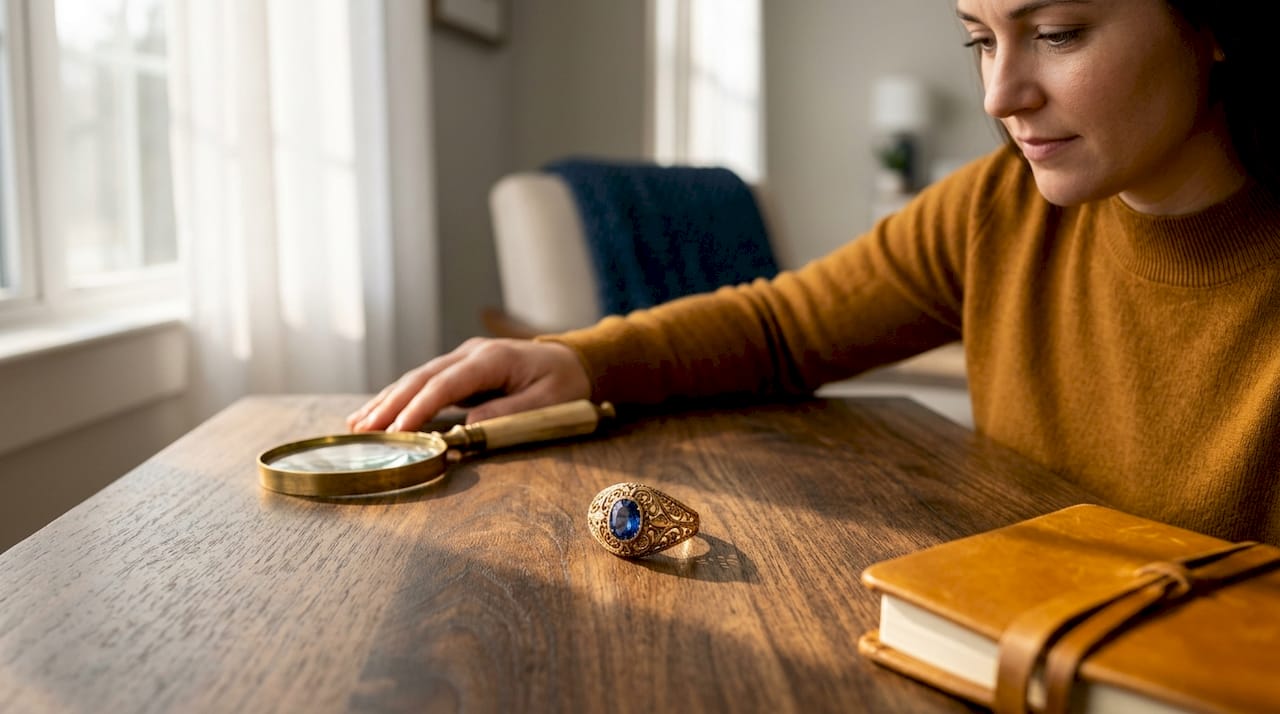
What separates a collectible piece from a fashion ring or a department store necklace? The distinction lies in depth. Vintage and collectible jewelry carries a combination of design character, craft quality, and lived history that mass-produced jewelry structurally cannot offer. A piece stamped out by machine from generic materials has no story. A hand-fabricated Art Nouveau brooch, signed by its maker and worn by a documented owner, carries layers of meaning that compound its value across generations.
The core characteristics collectors and jewelers look for include:
- Rarity: Limited production numbers, one-of-a-kind fabrication, or materials no longer available in their original form
- Craftsmanship: Hand-engraving, milgrain detailing, hand-set stones, and construction techniques that reflect genuine skill and period-specific artistry
- Historical significance: Association with a recognizable design era, cultural moment, or notable maker
- Condition: Original finish, intact stones, minimal alterations, and documented repairs
- Provenance and authenticity: A traceable ownership history and verifiable origin that confirms the piece is what it claims to be
Provenance deserves particular attention. A piece without documentation can still be collectible, but one with a clear paper trail commands meaningfully more respect and value in the market.
Pro Tip: When examining a potential acquisition, request any accompanying paperwork: receipts, appraisals, auction records, or family correspondence. Even a single letter mentioning the piece can significantly strengthen its provenance.
Types of collectible jewelry and how to recognize them
The world of collectible jewelry is richly varied, and understanding its major categories helps collectors focus their attention and develop genuine expertise. Recognized design eras such as Art Deco, Retro, Mid-Century, and Victorian each carry distinct visual vocabularies, material preferences, and construction methods that trained eyes can identify quickly.
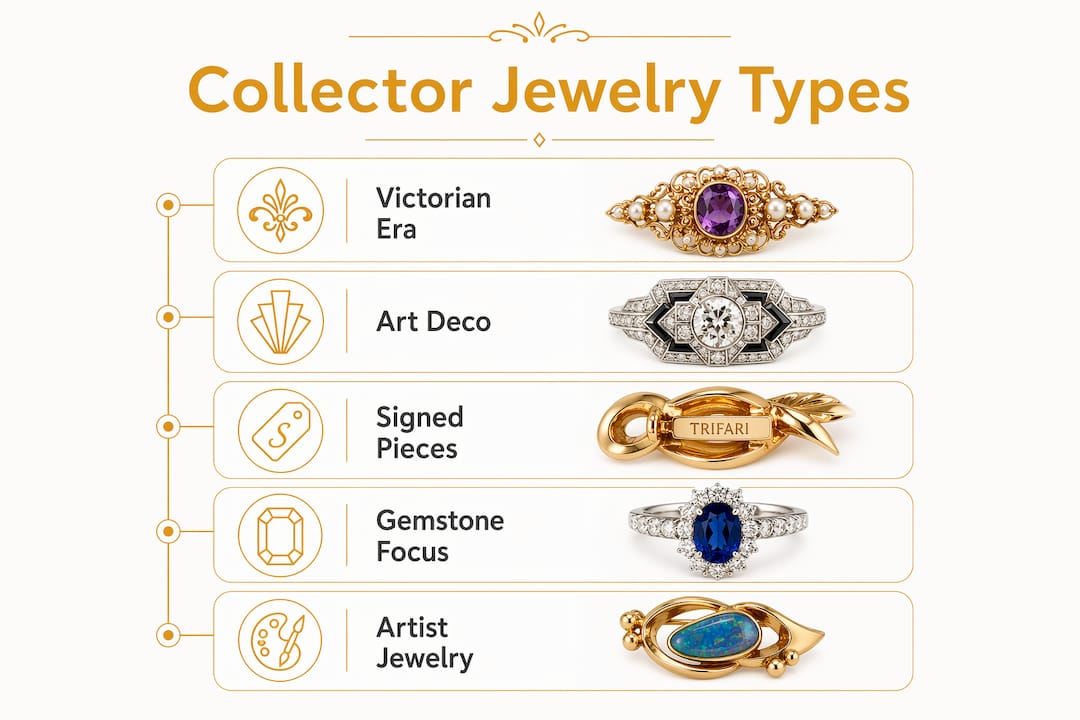
Here is a comparison of the primary categories collectors encounter:
| Category | Time period or origin | Defining traits | Notable collectible appeal |
|---|---|---|---|
| Victorian | 1837 to 1901 | Gold work, mourning jewelry, seed pearls, symbolic motifs | Sentimental and historical depth |
| Art Nouveau | 1890 to 1910 | Flowing organic forms, enamel, female figures, natural imagery | Artistic and sculptural quality |
| Art Deco | 1920 to 1935 | Geometric lines, platinum, diamonds, bold color contrasts | Graphic sophistication and craftsmanship precision |
| Retro | 1935 to 1950 | Yellow gold, large-scale designs, patriotic and floral motifs | Warmth, wearability, and period character |
| Mid-Century Modern | 1950 to 1970 | Abstract forms, mixed metals, experimentation | Design innovation and sculptural boldness |
| Designer and signed | Varies by house | Maker’s hallmarks, consistent aesthetic, documented production | Brand prestige and authentication confidence |
| Gemstone-focused | Varies | Exceptional stones, rarity of color or origin, natural phenomena | Material rarity and optical beauty |
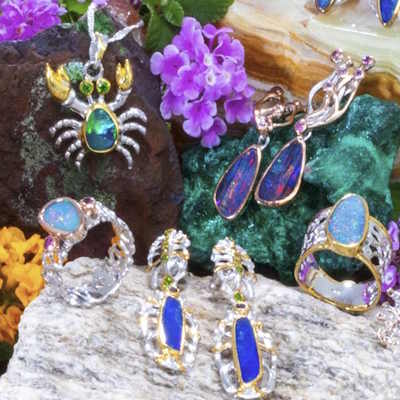
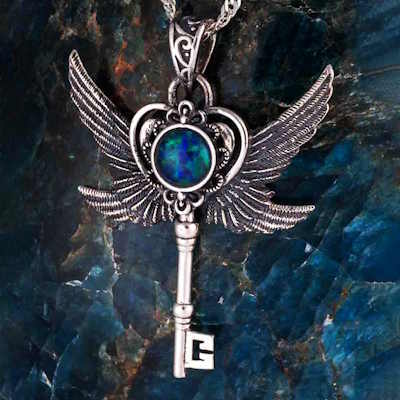
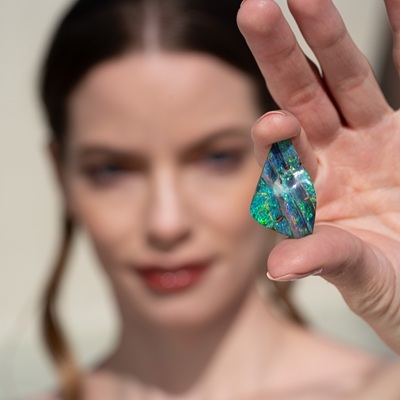
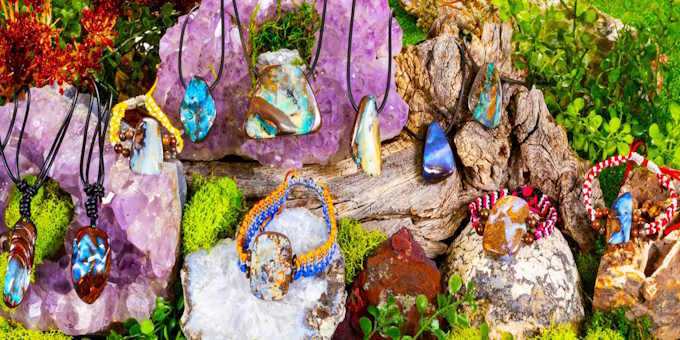
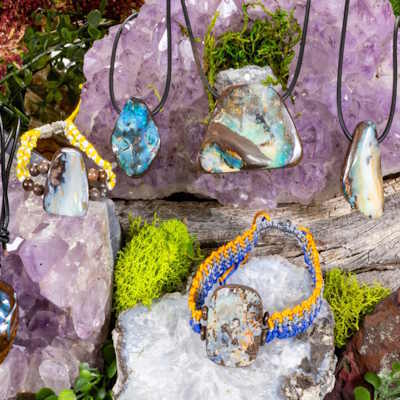
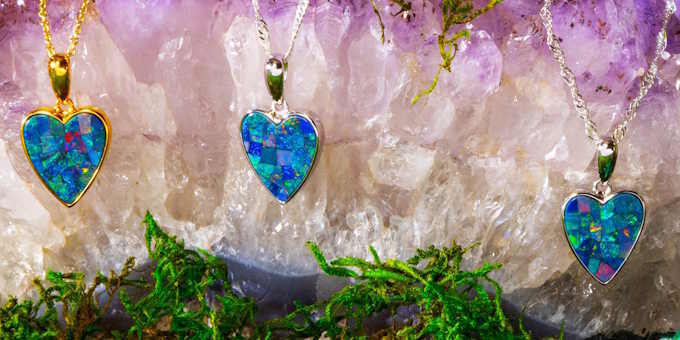
The gemstone-focused category deserves special mention. Within it, Australian opal jewelry occupies a singular niche. The collectible opal jewelry market draws collectors who prize the play-of-color phenomenon unique to precious opal: the internal dance of spectral light caused by the diffraction of light through stacked silica spheres. No two opals display the same pattern, which means every collectible opal piece is, by definition, one of a kind.
Signed pieces from recognized designer houses also attract concentrated collector attention. A brooch bearing the hallmark of a celebrated jewelry house carries authentication confidence that unsigned work simply cannot match.
How to value collector’s jewelry
Valuation is where collector jewelry explained in theory meets the harder realities of the market. Several interconnected factors determine what a collectible piece is genuinely worth, and misunderstanding even one of them leads to costly errors on both ends of a transaction.
Factors like maker’s marks, design period, and condition work together, not in isolation. A stunning Art Deco bracelet in poor condition with missing stones is worth considerably less than a comparable piece with intact original components, even if the metalwork is equally fine. Condition is not just cosmetic. It signals whether a piece has been altered, repaired improperly, or stripped of original surface characteristics that define its period authenticity.
The primary valuation factors include:
- Material quality: Precious metal purity, stone quality, and the presence of rare or desirable materials
- Rarity: How many similar pieces exist, whether the design was limited, and how frequently the piece appears at auction
- Condition: Original finish integrity, presence of all original stones, and absence of structural damage or inappropriate alterations
- Maker’s marks and signatures: Signed designer pieces from recognized houses attract premium attention and can multiply value dramatically
- Provenance: Documented ownership history, especially any connection to notable individuals or collections
- Design period and cultural context: Pieces from highly desirable eras or cultural moments carry period premiums in the collector market
A common misconception is that age alone creates collectible value. It does not. A poorly made piece from 1920 is still a poorly made piece. Age matters only when it accompanies quality, rarity, and historical relevance.
Pro Tip: Before commissioning a formal appraisal, research recent auction results for comparable pieces on established platforms. This gives you an independent baseline before entering any professional valuation conversation.
Famous collector’s jewelry and what makes them legendary
The history of collectible jewelry is lit with pieces whose stories are as luminous as the gems they contain. These objects illustrate, with striking clarity, why provenance and historical resonance amplify value far beyond material content.
Consider the recently documented Abbasid-era gold jewelry hoard uncovered in Saudi Arabia, dating to over 1,100 years ago. The collection reveals floral motifs and colored stone inlays that demonstrate sophisticated craft and active trade networks across the medieval Islamic world. Each piece in that hoard is not merely old gold. It is a physical record of an entire civilization’s aesthetic values and material ambitions.
Other famous collector’s jewelry examples that illuminate what makes pieces legendary:
- The Hope Diamond settings: Beyond the stone itself, the successive jewelry settings created by Cartier tell the story of shifting tastes in high jewelry craftsmanship across nearly a century
- Renaissance portrait miniature lockets: Enamel-painted lockets from 16th-century Europe, often set with diamonds, served simultaneously as personal tokens and political instruments
- Napoleonic parure sets: Complete sets of matching jewelry commissioned for Napoleon’s imperial court remain among the most sought-after collectible pieces in European auction history
- Mid-Century studio jewelry: One-of-a-kind pieces by American artist-jewelers like Sam Kramer and Art Smith, who rejected conventional fine jewelry aesthetics, now command serious museum and collector attention
What each of these examples teaches is consistent: the story behind a piece, the hands that made it, and the world it came from contribute as much to its collectible status as any precious metal or gemstone.
Practical tips for building and maintaining a collection
Knowing what to look for in collector’s jewelry is one thing. Knowing how to actually find, acquire, and protect it requires a different kind of discipline.
- Source from reputable channels. Established auction houses, licensed estate dealers, and vetted antique fairs offer pieces with documented provenance. Avoiding common pitfalls like buying from unverified sellers or neglecting documentation is the single most effective protection against costly mistakes.
- Learn hallmark systems before you buy. British, French, American, and Scandinavian hallmarking systems all differ. Understanding what stamps mean and where to find them on specific jewelry types gives you a practical authentication tool at the point of inspection.
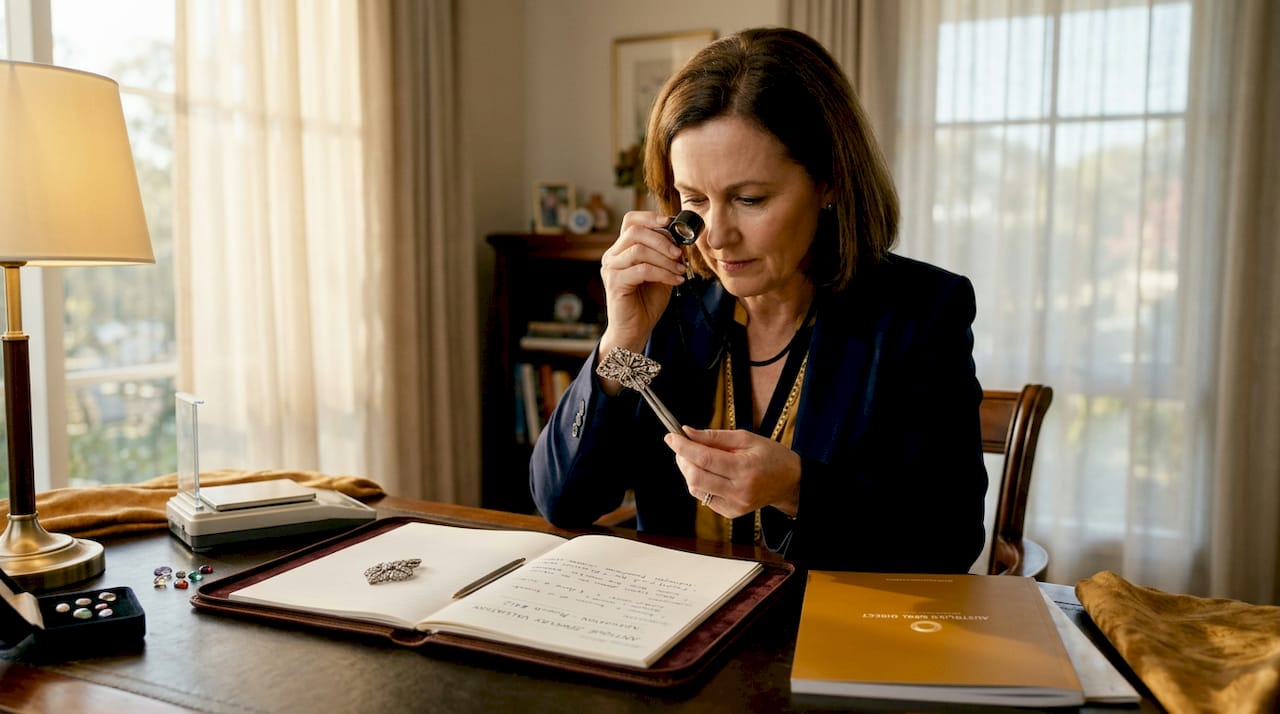
- Request independent appraisals. Never rely solely on a seller’s valuation. An independent certified gemologist or estate jewelry specialist provides an unbiased assessment of condition, authenticity, and market value.
- Store pieces correctly. Collector’s jewelry should be stored in individual, acid-free pouches or lined compartments to prevent scratching, tarnishing, and stone damage. Professional restoration and regular maintenance extend wearable life and preserve historic integrity.
- Document everything you own. Photograph each piece thoroughly, retain all paperwork, and maintain a personal catalog with acquisition details. This documentation becomes the provenance record for the next collector who acquires the piece.
- Consider sustainability as a value driver. Growing collector interest in sustainability is actively shifting market demand toward vintage and estate pieces, which keeps materials in circulation and reduces the environmental footprint of jewelry acquisition.
Pro Tip: When photographing your collection, always shoot under consistent, neutral light with a scale reference. If you ever need to file an insurance claim or sell a piece, professional-quality documentation accelerates every part of that process.
Why the story matters more than the price tag
I have spent years working around collectors, jewelers, and enthusiasts across the spectrum from novice to obsessive, and the pattern I have seen repeat itself is consistent: the collectors who find the deepest satisfaction are not the ones chasing the highest price points. They are the ones who learn to read a piece.
What I mean by that is specific. A ring with a documented repair from 1947, professionally restored by a craftsman whose name appears in the accompanying receipt, tells you something no pristine piece can. It tells you that someone loved it enough to fix it. That someone chose to keep it rather than replace it. That history is not a flaw. It is the whole point.
The misconception I encounter most often is that collector’s jewelry must be expensive to be valuable. I would push back on that firmly. Pieces are heirlooms with stories spanning generations, and the emotional and cultural weight those stories carry is not denominated in dollars. I have seen collectors pass over a flawless but anonymous diamond ring for a cracked enamel locket that came with three handwritten letters. They were right to do so.
My advice to any collector, regardless of budget: choose pieces that reward sustained attention. If a piece reveals more the longer you look at it, you are probably looking at something worth keeping.
— Renee
Discover exceptional collector’s jewelry at Australianopaldirect
For collectors who feel the pull of gemstones with genuine rarity and natural wonder written into every surface, Australian opal jewelry occupies a category of its own.

Australianopaldirect sources its opals directly from the renowned mining regions of Lightning Ridge, Coober Pedy, and Queensland, working with miners to bring ethically earth-mined stones to collectors without the intermediary markups that obscure a stone’s true story. Each piece in their curated collections carries documented origin and the kind of craftsmanship that rewards close attention. Whether you are drawn to the opal jewelry styles prized by serious collectors or simply beginning to explore what makes these stones so compelling, Australianopaldirect offers a starting point built on authenticity, transparency, and a genuine reverence for what the earth produces. Browse their collections at australianopaldirect.com and let the stones speak for themselves.
FAQ
What defines collector’s jewelry vs. regular jewelry?
Collector’s jewelry is distinguished by rarity, superior craftsmanship, historical or cultural significance, and verifiable provenance. Regular or fashion jewelry typically lacks these qualities, being mass-produced with minimal artistic or historical depth.
What are the most collectible types of jewelry?
Signed designer pieces, Art Deco and Victorian era jewelry, studio-made artist jewelry, and gemstone-focused pieces featuring rare materials like Australian opal are among the most actively collected categories in today’s market.
How do I value collector’s jewelry accurately?
Accurate valuation considers material quality, rarity, condition, maker’s marks, design period, and documented provenance. Independent appraisal by a certified gemologist or estate jewelry specialist provides the most reliable assessment.
Why is provenance so important for collectible pieces?
Provenance documents a piece’s ownership history and origin, confirming its authenticity and often amplifying its market value. A well-documented piece is easier to insure, sell, and authenticate than one with no history attached.
Is opal jewelry considered collector’s jewelry?
Yes, particularly Australian opal jewelry. The play-of-color phenomenon unique to precious opal, combined with the rarity of stones from specific regions like Lightning Ridge, makes high-quality opal pieces genuinely collectible and actively sought by serious jewelry collectors.
Recommended
- Exclusive jewelry: meaning, craft, and collecting - Australian Opal Direct
- What defines high jewelry? The key elements of true luxury - Australian Opal Direct
- Artisan-Crafted Jewelry: Authenticity & Ethics Guide - Australian Opal Direct
- Master opal collector terminology: 5 essential terms - Australian Opal Direct