Why gemstone origins matter for Australian opal collectors
Posted by AOD on 15th May 2026
Why gemstone origins matter for Australian opal collectors
TL;DR:
- Knowing the origin of Australian opals is essential as it influences rarity, quality, and long-term value. Verifiable provenance and ethical sourcing through certifications and technological traceability significantly boost resale confidence and premiums. Authentic Australian opals from reputable suppliers, supported by documentation and advanced verification, ensure integrity, durability, and investment security for collectors.
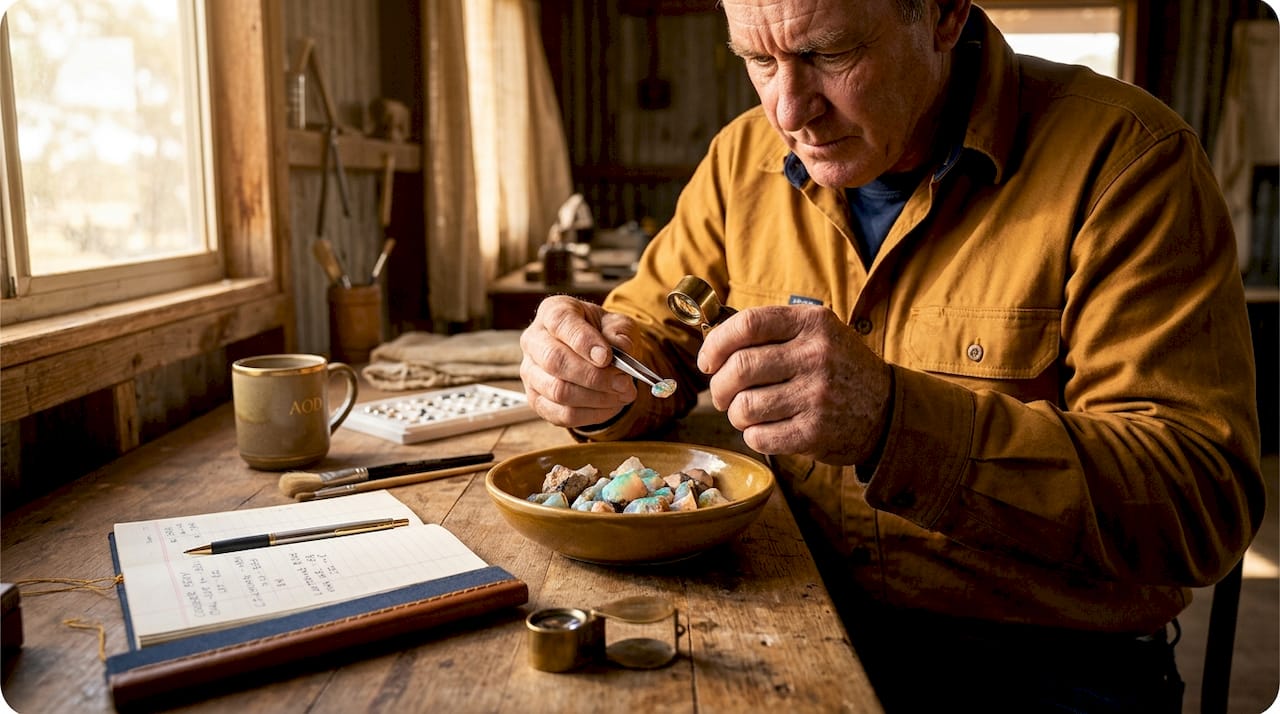
Most collectors initially judge a gemstone by what the eye perceives first: the play-of-color, the fire, the way light seems to live inside the stone. Yet understanding why gemstone origins matter is what separates a casual admirer from a true connoisseur. Origin shapes far more than aesthetics. It governs rarity, ethical integrity, durability, and long-term investment value. For collectors drawn to the luminous depths of Australian opals, knowing where a stone was born, and how it traveled from earth to setting, is not background information. It is the foundation of an informed acquisition.
Table of Contents
- How gemstone origins shape uniqueness and value
- Ethical sourcing and certification of Australian opals
- How verified origin increases resale value and collector confidence
- Distinguishing Australian opal origins from other sources
- Balancing rarity, sustainability, and collector priorities in opal acquisition
- Why origin transparency will define the future of luxury opal collecting
- Find your authentic Australian opal with confidence
- Frequently asked questions
Key Takeaways
| Point | Details |
|---|---|
| Origin dictates quality | The unique geological origin of gemstones like Australian opals directly influences their color, clarity, and rarity. |
| Ethical sourcing matters | Strict regulations and certifications ensure Australian opals are mined responsibly and sustainably. |
| Certification boosts value | Lab-issued origin and treatment certificates can raise opal resale values by up to 50%. |
| Authentication prevents fraud | Using blockchain and physical tracers helps verify genuine provenance and protects collectors from fake stones. |
| Care preserves investment | Proper storage and handling of opals prevent damage and maintain their long-term value. |
How gemstone origins shape uniqueness and value
The geological conditions that form a gemstone are never replicated elsewhere. Millions of years of specific temperatures, mineral-rich groundwater, silica concentration, and sedimentary pressure converge to produce qualities that cannot be manufactured or approximated. The same species of mineral, formed under different conditions on a different continent, becomes a fundamentally different stone in terms of character, durability, and desirability.
Consider the broader gemstone world. Gemstone origin determines unique color, clarity, and quality due to specific geological conditions over millions of years, with sapphires from Kashmir or rubies from Myanmar commanding premiums of 20 to 50% higher than similar stones from other sources. The lesson for opal collectors is identical: geography is not a footnote. It is a credential.
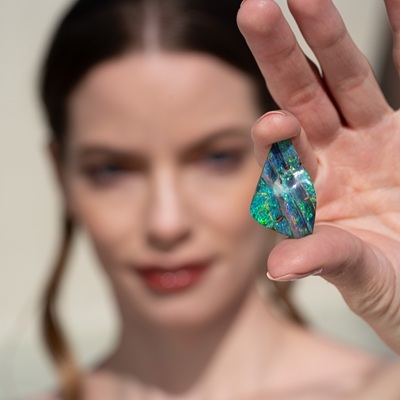
Australian opals illuminate this principle beautifully. The ancient seabed geology of Lightning Ridge, New South Wales, produces the celebrated black opal: a stone where potch (colorless opal) provides a naturally dark body tone that makes the spectral play-of-color almost electric by contrast. No other region on earth replicates this specific silica chemistry and geological layering. The rarity of Lightning Ridge opals stems directly from this irreproducible geological event, not from marketing or perception.
What origin contributes to collector value, specifically:
- Play-of-color intensity: The density and arrangement of silica spheres, unique to each mine region, governs whether colors appear muted or brilliantly refractive.
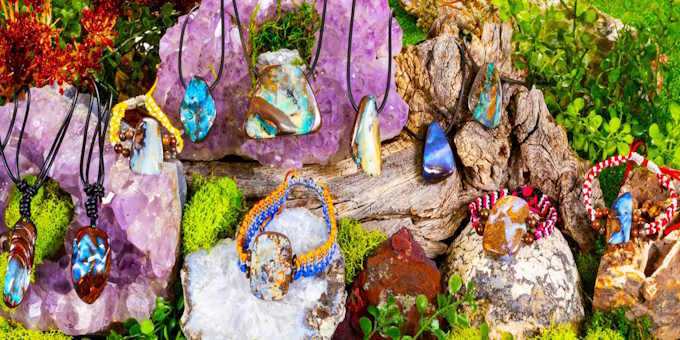
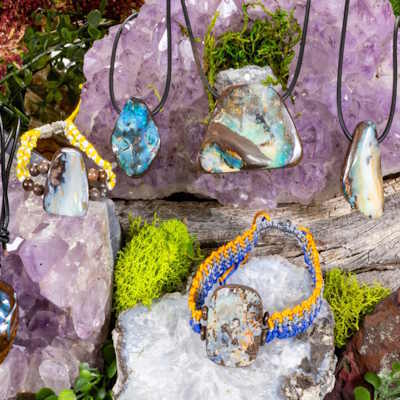
- Body tone: Lightning Ridge produces dark body-tone stones; Coober Pedy yields lighter, crystal, and white opals; Queensland’s boulder opals carry ironstone matrix that creates dramatic contrast.
- Structural stability: Stones formed in drier, more stable geological conditions tend to resist crazing (the fine cracking that can degrade poorly formed opals over time).
- Collector premiums: Origin-verified stones from recognized Australian mining regions consistently achieve stronger auction results and retail premiums than geologically ambiguous alternatives.
“A gemstone without a verified origin is like a painting without attribution. The visual experience may be identical, but the meaning, the trust, and ultimately the value are transformed by knowing the source.”
The gemstone origin significance, then, is not merely sentimental. It is structural. It determines what the stone is at a molecular level, and by extension, what it is worth.
Ethical sourcing and certification of Australian opals
Understanding geological uniqueness is vital, but equally important is verifying the ethical sourcing and certification standards that govern how a stone left the earth. For luxury collectors, the moral dimension of an acquisition increasingly shapes both personal satisfaction and public reputation.

Australian opal mining stands apart in this regard. Australian opal mining requires strict licensing, environmental rehabilitation including recontouring and revegetation within 18 months, and fair labor practices under NSW government regulations as of 2026, making it one of the most ethically sourced gemstones with over 60% of mined land restored to native vegetation in leading operations. This is not a vague aspiration. It is a legally enforceable standard.
Adding international accountability is the Responsible Jewellery Council framework. RJC 2024 Code of Practices mandates traceability for colored gemstones like opals, covering ethical sourcing, human rights, and environmental standards, with certification enabling verified claims from mine to market.
When evaluating an opal purchase, a conscientious collector should verify the following steps:
- Confirm licensing documentation: Ask whether the mining operation holds a valid NSW mineral claim or equivalent regional license.
- Request rehabilitation records: Reputable suppliers aligned with verified operations can provide evidence of land rehabilitation compliance.
- Check RJC certification: A dealer certified under the RJC Code of Practices has undergone independent auditing of their supply chain.
- Trace the supply chain: Ask directly whether the stone was sourced through direct-miner relationships or passed through multiple undocumented intermediaries.
- Review the ethical opal sourcing guide: Understanding how the opal supply chain and ethics are managed helps collectors ask better questions.
Pro Tip: Do not accept the phrase “ethically sourced” without accompanying documentation. The words alone cost nothing. A certification number, a mine reference, or an RJC audit trail costs integrity, and that is exactly what gives the claim weight.
How verified origin increases resale value and collector confidence
With ethical sourcing clear, the next crucial factor is how documented origins boost confidence and financial value. A beautiful stone with no verifiable history is, in market terms, a stone carrying hidden risk.
The data on this point is unambiguous. Certified origin reports from labs like GIA or Gübelin increase resale value by significant premiums, up to 30 to 50% for rare origins, and improve liquidity, as documented in 2026 market analyses for collectors. For Australian opals, this means a Lightning Ridge black opal with a verified origin certificate occupies a categorically different market position than an otherwise visually similar stone lacking documentation.
Here is how certified and uncertified stones compare across the dimensions that matter most to a reselling or collecting strategy:
| Factor | Uncertified stone | Certified stone |
|---|---|---|
| Resale premium | Baseline market value | Up to 50% higher for rare origins |
| Market liquidity | Limited, buyer skepticism common | Broader buyer pool, faster sales |
| Treatment disclosure | Unknown, full risk to buyer | Documented, legally defensible |
| Origin verification | Seller’s word only | Independent, lab-verified record |
| Insurance valuation | Lower, due to uncertainty | Higher, supported by documentation |
| Collector confidence | Moderate | High |
Beyond traditional lab reports, the benefits of knowing gemstone origins now extend into forensic technology. Blockchain-based provenance systems and DNA tracer technologies embed a verifiable digital identity into a stone’s record, creating a chain of custody that is tamper-resistant and permanent. For high-value Lightning Ridge or boulder opals, this added layer is increasingly expected by serious collectors.
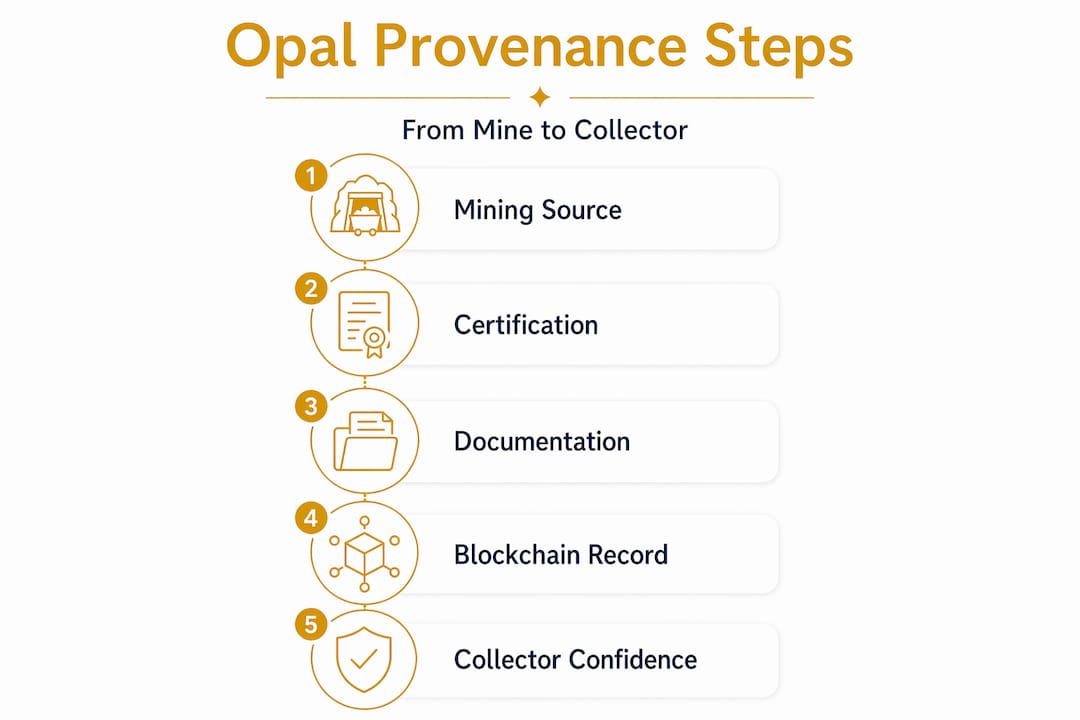
Pro Tip: When purchasing for investment, prioritize stones certified by the GIA or the Australian Gemmological Association. A certificate from a recognized lab is not an accessory to the purchase. It is part of the asset itself. Use authenticating Australian opals resources to understand exactly what each certification type covers, and review opal provenance and authenticity standards before committing to a significant acquisition.
Distinguishing Australian opal origins from other sources
After covering provenance’s impact on value, it is worth understanding how to recognize genuine Australian opals among visually similar stones, because the market contains a meaningful volume of mislabeled material.
Ethiopian opals, for instance, have captured significant market share over the past decade. They display vivid play-of-color and can be visually spectacular. However, they differ from Australian opals in a critical property: hydrophane porosity. Ethiopian opals readily absorb water, which can temporarily alter their color and, over time, contribute to structural instability. Australian opals, particularly those from Lightning Ridge and Coober Pedy, are formed in more stable geological conditions that produce lower porosity and superior long-term durability.
Key distinguishing factors collectors should know:
- Water absorption test: Ethiopian opals become more transparent when submerged; Australian opals show no such reaction.
- Body tone and matrix: Boulder opals from Queensland carry a characteristic ironstone host rock that cannot be replicated in origin-distant stones.
- Stability record: Store opals away from heat and desiccation to prevent crazing in 1 to 5% of unstable pieces, a concern proportionally more common in poorly formed or misrepresented non-Australian material.
- Certification against mislabeling: Distinguishing opal origins at the point of purchase requires documentation, not just visual inspection.
- Blockchain verification: RJC COP certification or Provenance Proof blockchain records eliminate origin ambiguity by creating a forensic, unforgeable record tied to the specific stone.
Pro Tip: Never rely on visual identification alone when purchasing Australian opals. Two stones can appear nearly identical while originating from entirely different geological environments with very different durability and value profiles. Always request documentation, and verify it independently.
Balancing rarity, sustainability, and collector priorities in opal acquisition
To conclude the education, it is important to examine how rarity and sustainability intersect with collector priorities in actual purchasing decisions, because understanding why gemstone provenance matters is only useful when it informs action.
Rarity in Australian opals is not static. Mining closures, new deposit discoveries, and regulatory changes can swing prices, and supply chain planning and contingency discussions help explain sudden price moves. Lightning Ridge produces relatively small annual volumes of gem-quality black opal, and that supply varies year to year based on seasonal conditions, claim renewals, and individual miner output. This volatility is itself a value driver for collectors who understand the market.
Sustainability, meanwhile, is woven into the fabric of Australian opal mining. Australian opal mining involves integrated land management, shallow mining with mandatory rehabilitation, promoting sustainable land use alongside agriculture. The result is a gemstone that carries a relatively light environmental footprint compared to deep-shaft mining operations elsewhere.
| Factor | Impact on collector | Sustainability consideration |
|---|---|---|
| Supply volatility | Creates price uncertainty and scarcity premium | Smaller operations, less land disturbance |
| Geological rarity | Lightning Ridge black opal is finite and irreplaceable | Non-renewable resource; scarcity is real |
| Regulatory compliance | Ensures ethical provenance but limits volume | Protects land, waterways, and local communities |
| New deposit discoveries | Can temporarily moderate prices | New mining activity requires new rehabilitation commitments |
Best practices when balancing rarity with ethical priorities:
- Prioritize origin-verified stones from established, licensed mining regions over unverified alternatives at lower price points.
- Build relationships with direct-miner suppliers who can provide transparent supply chain documentation.
- Monitor supply conditions in key regions, particularly Lightning Ridge, for signals of unusual price movement.
- Diversify across regions within the Australian opal category: black opals, white opals, crystal opals, and boulder opals each carry different rarity profiles and care considerations.
- Review luxury investment tips for opals to align acquisition strategy with both financial and ethical goals.
Why origin transparency will define the future of luxury opal collecting
Here is what the industry rarely states plainly: a seller’s word about gemstone origin, even a confident and well-intentioned word, is no longer sufficient. The luxury collecting world is moving toward forensic accountability, and Australian opal collectors who understand this shift will make better decisions, protect stronger investments, and contribute to an ecosystem that rewards integrity.
Traditional provenance relied on paperwork, dealer reputation, and sometimes little more than geography-based assumptions. That era is closing. Provenance Proof uses DNA-based physical tracers and blockchain for verifiable origin, moving from unproven claims to forensic proof, essential for luxury opal collectors verifying Australian provenance. This is not a distant technology. It is operational today, and it is reshaping what “certified” means at the top of the market.
What this means practically: an opal sold with a DNA-tracer-linked blockchain record carries a verifiable identity that persists through ownership changes, insurance claims, and eventual resale. The future of opal provenance is not a certificate in a drawer. It is a tamper-resistant digital record that answers the question “where did this stone come from” with the same certainty a fingerprint answers “who was here.”
Collectors who build their acquisitions around this standard will find that the stones they hold are increasingly distinguishable from, and more valuable than, those acquired under looser verification regimes. The importance of gemstone origins, in this light, is not just about the past geology of a stone. It is about the future liquidity and integrity of a collection.
Pro Tip: Insist on lab-backed provenance and digital traceability for any significant opal acquisition in 2026 and beyond. This is not overcaution. It is the emerging baseline of sophisticated collecting, and acting ahead of the market curve protects both value and conscience.
Find your authentic Australian opal with confidence
With a clear understanding of why gemstone origins matter, the question becomes where to act on that knowledge with confidence. Every Lightning Ridge black opal, Coober Pedy crystal opal, and Queensland boulder opal tells a story that begins millions of years beneath Australian soil, and the collector’s role is to honor that story with a purchase grounded in trust, documentation, and genuine provenance.

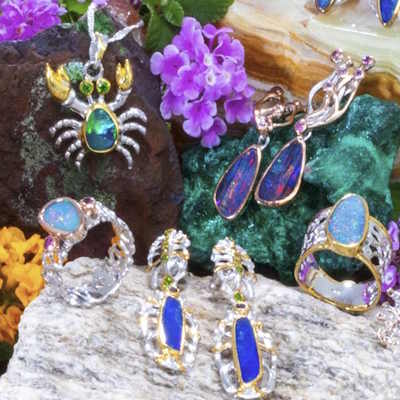
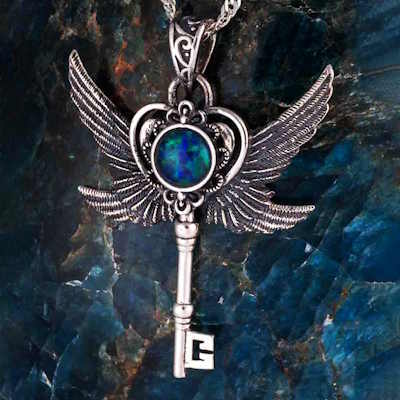
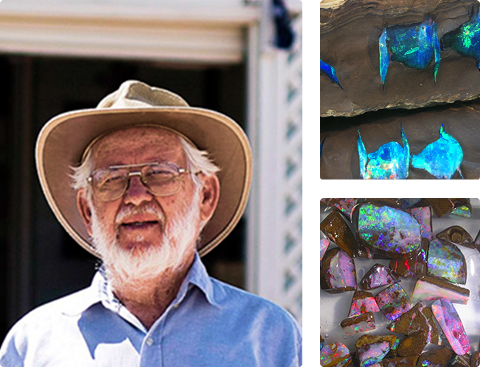
Australian Opal Direct sources directly from Australian miners, providing ethically mined, earth-authentic opals with the provenance documentation that informed collectors require. The collection spans certified rings, pendants, and bespoke designs, each accompanied by origin records and offered with complimentary insurance, a 90-day warranty, and free shipping. For collectors who understand that a gemstone’s birthplace is inseparable from its worth, this is where the search ends.
Pro Tip: When you make your first purchase, always ask for the origin report and any available certification documentation. A trusted supplier will offer it readily, because transparency is not an inconvenience to them. It is their credential.
Frequently asked questions
Why is the origin of a gemstone important to collectors?
Gemstone origin directly affects color quality, rarity, ethical sourcing, and resale value, making it a foundational criterion for any informed luxury purchase. Geological conditions over millions of years determine the unique characteristics that no other source can replicate.
How can I verify if my Australian opal is ethically sourced?
Request certifications confirming RJC Code of Practices compliance and provenance documentation that traces the stone from its specific mine to market. RJC 2024 traceability mandates for colored gemstones provide a clear compliance standard to reference.
What lab certifications increase an opal’s resale value?
Certificates from recognized institutions such as GIA or Gübelin that verify origin and treatment history can boost resale premiums by up to 30 to 50% for stones from rare origins.
How do provenance proof technologies like blockchain help opal collectors?
They create a forensic, tamper-resistant record of a stone’s origin and ownership history, making fakes and mislabeling practically impossible to conceal. DNA-based tracers and blockchain represent the current gold standard for luxury opal verification.
What precautions should I take to maintain Australian opal quality?
Store opals away from heat sources and dry environments, as crazing can affect 1 to 5% of structurally unstable pieces. Always purchase with full certification and follow any care guidance provided by the issuing lab or supplier.
Recommended
- Ethical opal sourcing: your guide to authentic Australian gems - Australian Opal Direct
- Genuine Australian opals: authenticity guide for collectors - Australian Opal Direct
- How to Distinguish Opal Origins for Authentic Jewelry - Australian Opal Direct
- How to Authenticate Australian Opals for Genuine Value - Australian Opal Direct