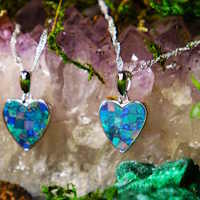
Ethical opal sourcing: your guide to authentic Australian gems
Posted by AOD on 13th Mar 2026
Ethical opal sourcing: your guide to authentic Australian gems
Australia dominates the global opal market with over 95% of precious opal production, yet many collectors struggle to verify whether their gemstones are genuinely ethical. Responsible sourcing matters deeply for jewelry buyers who value authenticity, environmental stewardship, and fair labor practices. This comprehensive guide reveals how Australian opal mining operates, what ethical sourcing truly means in practice, and practical methods to verify provenance. You’ll discover key mining regions, modern sustainability advances, authentication techniques, and actionable strategies for building a collection of responsibly mined Australian opals with complete confidence.
Table of Contents
- Australia’s Role In Ethical Opal Sourcing
- Understanding Ethical Sourcing In The Australian Opal Industry
- Tracing Opal Provenance And Ensuring Authenticity
- Practical Tips For Collecting Ethically Sourced Australian Opals
- Find Authentic, Ethically Sourced Australian Opals Today
- FAQ
Key takeaways
| Point | Details |
|---|---|
| Australian dominance | Australia produces over 95% of the world’s precious opal, making it the primary ethical source. |
| Regional significance | Coober Pedy and Lightning Ridge lead production with established ethical standards and traceability. |
| Sustainability advances | Modern drilling technology and government reforms are driving transparent, eco-friendly mining practices. |
| Provenance verification | Authentication methods including certificates, documented chains of custody, and lab reports ensure ethical value. |
| Collector strategies | Research sellers, verify documentation, and understand grading to confidently purchase ethically sourced opals. |
Australia’s role in ethical opal sourcing
Australia’s position as the world’s opal powerhouse creates unique opportunities for ethical gemstone collecting. The country supplies more than 95% of precious opal globally, establishing it as the definitive source for authentic stones. This dominance isn’t just about volume. It reflects geological advantages, mining expertise, and increasingly rigorous ethical commitments that set Australian opals apart from alternatives.
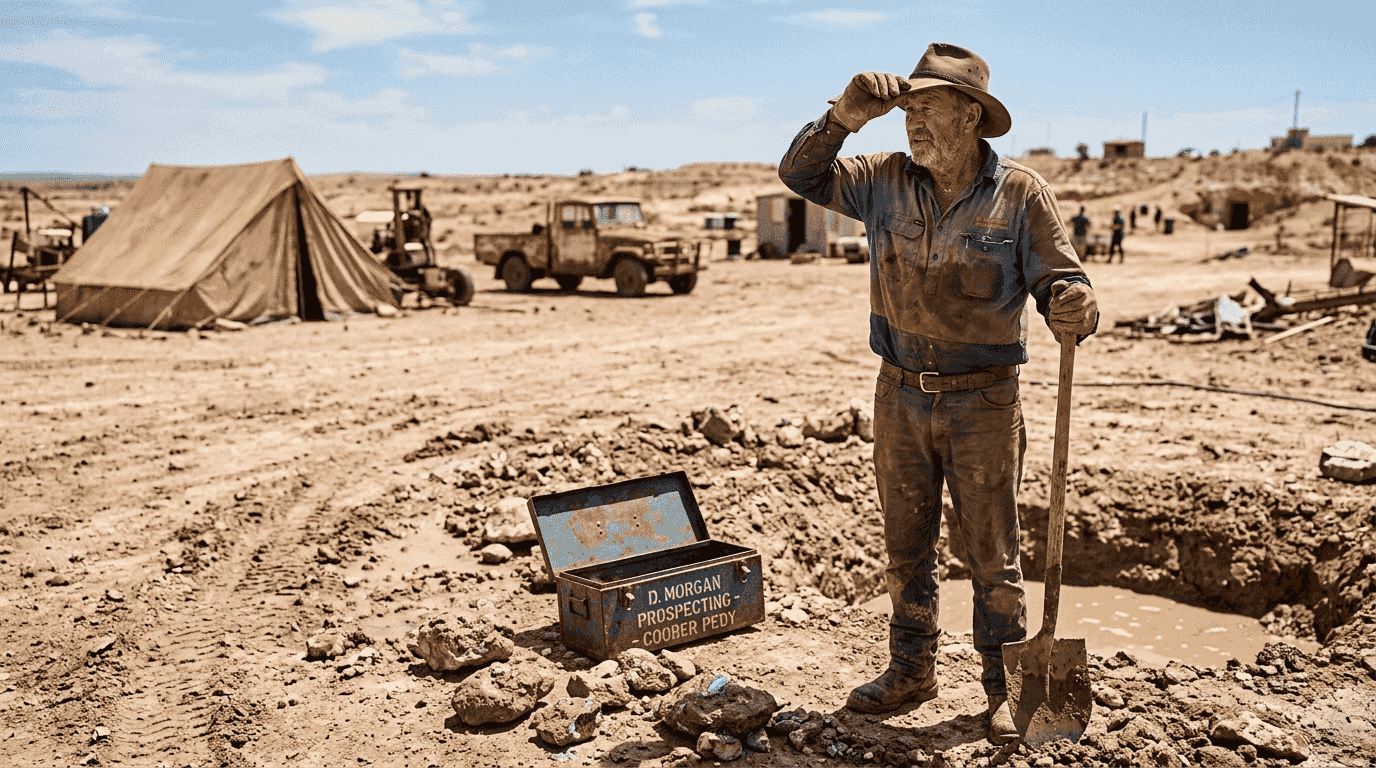
Two regions anchor this production landscape. Coober Pedy in South Australia operates as the largest opal producer worldwide, contributing roughly 60% of global supply. Lightning Ridge in New South Wales specializes in black opal, producing approximately 40% of the world’s supply of this prized variety. These fields aren’t remote curiosities. They’re economic engines. In 2025, Australian opal mining supported over 4,000 jobs and generated approximately AUD 100 million in export revenue, proving that opal extraction drives regional prosperity.
For collectors, this geographic concentration offers tangible benefits. Sourcing from established Australian fields provides natural traceability. The mining communities in these regions have developed reputation-based accountability over decades. When you purchase opals from Coober Pedy or Lightning Ridge, you’re tapping into supply chains where provenance matters economically and culturally. Understanding why Australian opals stand apart helps collectors appreciate the inherent quality and ethical advantages these regions offer.
| Mining Region | Production Volume | Primary Opal Type | Ethical Initiatives | | — | — | | Coober Pedy | ~60% global supply | White, crystal opal | Land rehabilitation programs, waste management protocols | | Lightning Ridge | ~40% black opal supply | Black opal | Community-supported mining regulations, environmental monitoring | | Andamooka | Moderate regional output | Matrix opal, crystal | 35% increase in sustainable practices 2025-2026 | | Queensland fields | Smaller specialized production | Boulder opal | Indigenous land partnerships, eco-tourism integration |
Key factors that make Australian opal sourcing inherently more ethical include:
- Established regulatory frameworks governing mining operations and environmental protection
- Long-term mining communities with vested interests in sustainable resource management
- Transparent export systems that create natural documentation trails
- Geological conditions that favor smaller-scale operations over destructive industrial extraction
Pro Tip: Always ask sellers to specify which Australian field their opals originate from. Legitimate dealers proudly share this information because regional provenance adds value and confirms authenticity.
Understanding ethical sourcing in the Australian opal industry
Ethical sourcing extends far beyond simply mining in Australia. It encompasses environmental responsibility, social impact, and economic sustainability that together create genuinely responsible gemstone production. In the opal context, this means extraction methods that preserve delicate opal-bearing layers, minimize land disturbance, and support the communities dependent on mining livelihoods.
Australian opal mining faces unique environmental challenges. Opal forms in thin seams within sedimentary rock, requiring careful excavation to avoid destroying valuable material. Sustainable practices implementation increased 35% between 2025 and 2026 in key fields like Andamooka, reflecting industry-wide commitment to responsible methods. This progress stems from both regulatory pressure and miner self-interest. Destroying opal seams through careless extraction directly reduces profitability.
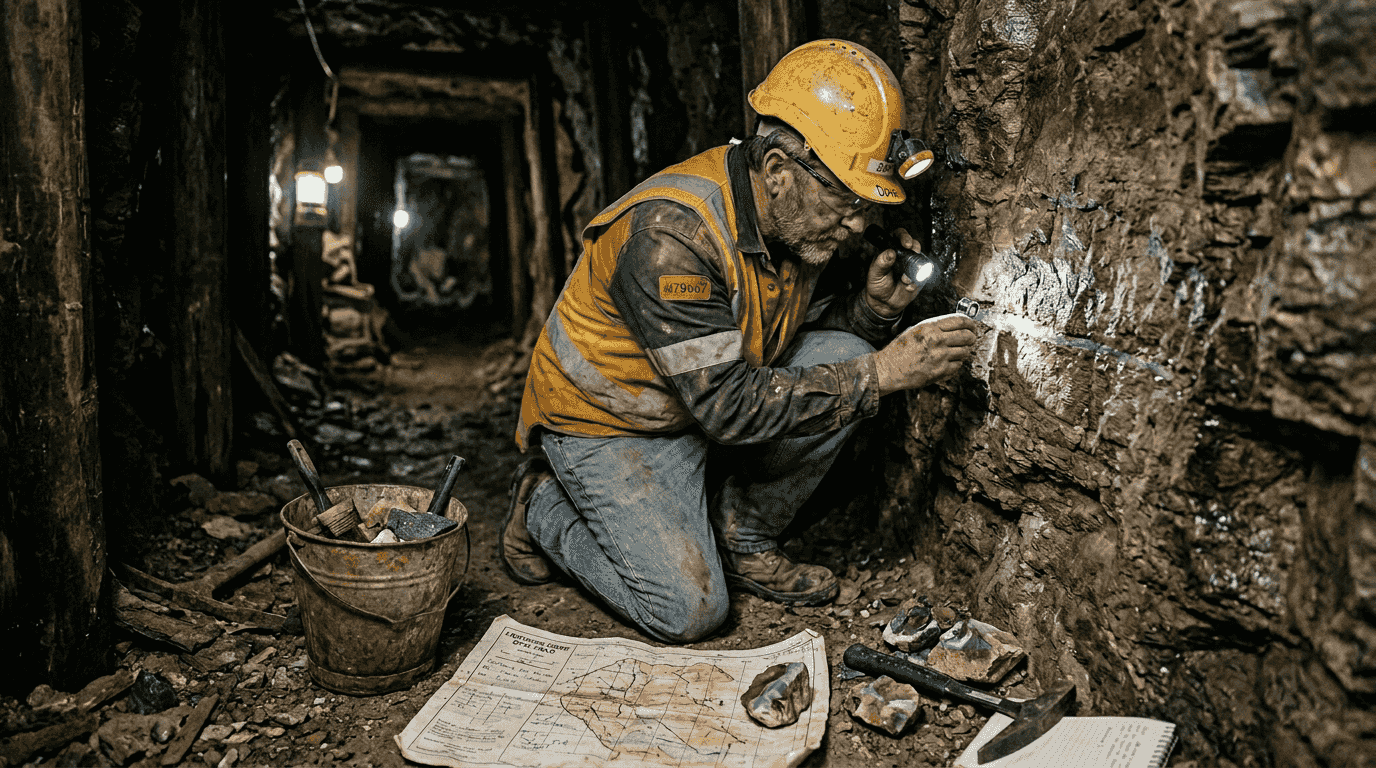
Government policy plays a crucial role in shaping ethical standards. The NSW Government supports 74 recommendations to enhance small-scale mining regulations, demonstrating official commitment to balancing resource extraction with environmental stewardship. These reforms address practical concerns like claim sizes, operational safety, and integration with agricultural land uses. The result is a framework that protects both miners and ecosystems.
Opal mining generates vital economic benefits including tourism revenue, employment, and export income in regional NSW. Ethical sourcing recognizes this economic dimension. Mining communities need viable long-term prospects, not boom-and-bust cycles that devastate local economies. Sustainable practices ensure opal fields remain productive for future generations while supporting current residents.
Core ethical practices transforming Australian opal mining include:
- Responsible waste rock management that prevents contamination and enables land rehabilitation
- Water conservation measures critical in arid mining regions like Coober Pedy
- Community consultation processes that give local residents input on mining operations
- Progressive mine closure plans that restore land to productive use after extraction ends
- Technology adoption like intelligent drilling that reduces unnecessary excavation
Modern innovations are accelerating ethical improvements. Geological mapping helps miners locate opal seams with precision, reducing exploratory digging. Smart drilling equipment minimizes overburden removal. These sustainable technologies borrowed from broader construction and mining sectors are finding specialized applications in opal fields. The result is more efficient extraction with smaller environmental footprints.
Pro Tip: Look for opal sellers who transparently discuss their mining partnerships and sustainability commitments on their websites. Vague claims about “ethical sourcing” without specific details often signal marketing rather than genuine commitment.
Government policy innovation combined with mining technology advances creates the foundation for truly ethical opal sourcing. Collectors who understand these systemic improvements can make informed choices that reward responsible practices and drive continued industry progress.
Understanding opal sourcing ethics helps collectors recognize that purchasing decisions have real-world impacts. Every ethically sourced opal purchase supports sustainable mining practices, fair labor conditions, and environmental protection in Australian mining communities.
Tracing opal provenance and ensuring authenticity
Provenance tracing transforms abstract ethical commitments into verifiable facts. For opal collectors, this means establishing clear documentation from mine to market that proves both authenticity and ethical sourcing. Without reliable provenance, even genuine Australian opals carry uncertainty about their true origins and mining conditions.
Modern technology enables unprecedented transparency in opal sourcing. By 2026, intelligent drilling rigs and high-resolution geological mapping are transforming how opal is tracked from extraction to retail. These systems create digital records linking specific stones to mining locations, dates, and operators. The result is documentation that collectors can verify independently.
Authentication methods vary significantly in reliability, cost, and accessibility. Understanding these differences helps collectors choose appropriate verification for their purchases.
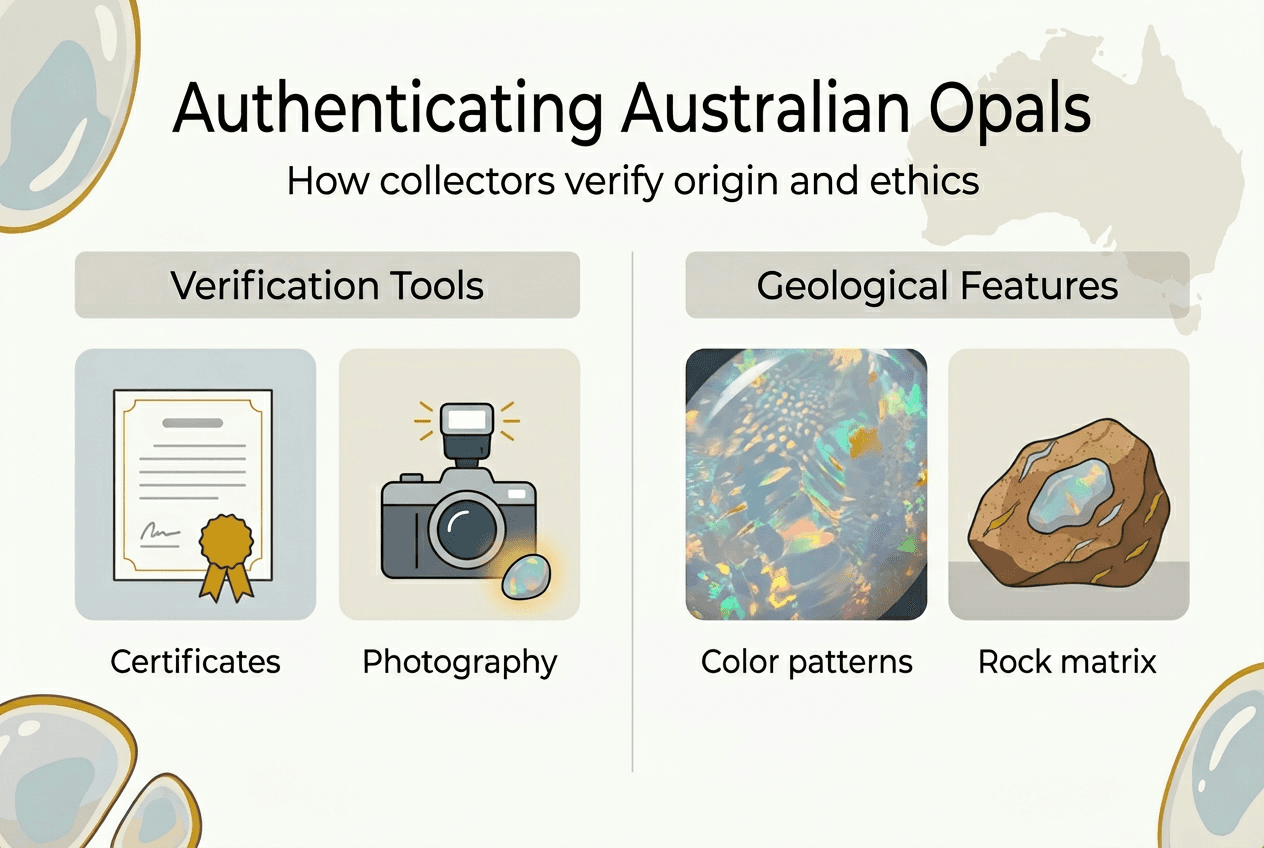
| Authentication Method | Reliability | Typical Cost | Accessibility | Best For | | — | — | — | — | | Gemological lab certification | Very high | $50-200 per stone | Widely available | High-value purchases, investment pieces | | Documented chain of custody | High | Usually included | Depends on seller | All purchases from reputable dealers | | Mining site photos/videos | Moderate | Usually included | Specialty dealers | Collectors wanting origin stories | | Dealer reputation | Moderate to high | No direct cost | Research required | Ongoing purchasing relationships | | Visual inspection by experts | High for experienced evaluators | $50-150 consultation | Limited to major markets | Vintage or estate opals |
Practical steps collectors take to verify opal origins include:
- Requesting certificates of authenticity that specify Australian origin and mining region
- Examining documentation for consistent details about mining location, date, and operator
- Researching seller backgrounds to confirm direct relationships with Australian miners
- Comparing opal characteristics against known traits from specific Australian fields
- Seeking independent gemological evaluations for significant purchases
- Building relationships with specialized dealers who provide ongoing provenance transparency
The importance of provenance extends beyond authenticity to ethical value. A fully documented opal carries proof that it was mined responsibly, creating tangible evidence of ethical sourcing. This documentation also protects investment value. Collectors can resell authenticated opals with confidence, knowing buyers can verify the stone’s history.
Authenticating Australian opals requires understanding both geological characteristics and documentation standards. Genuine Australian opals display specific traits related to their formation conditions. Lightning Ridge black opals show distinctive body tone and color play. Coober Pedy white opals exhibit particular transparency and pattern characteristics. Boulder opals from Queensland feature ironstone matrix attachments unique to that region.
Technology is making authentication more accessible. High-resolution photography captures opal play-of-color patterns that serve as unique identifiers. Spectroscopic analysis reveals chemical signatures specific to Australian opal fields. These tools supplement traditional visual evaluation, giving collectors multiple verification methods.
Collectors should view provenance documentation as essential rather than optional. Just as fine art requires authentication, valuable opals deserve thorough verification. The investment in proper documentation pays dividends through increased confidence, better resale value, and assurance that purchases support ethical mining practices.
Practical tips for collecting ethically sourced Australian opals
Building a collection of ethically sourced Australian opals requires strategic knowledge and careful execution. These practical steps guide collectors from initial research through purchase and long-term care.
-
Research potential sellers thoroughly before making contact. Examine their websites for specific information about mining partnerships, sourcing regions, and ethical commitments. Vague generalities signal potential problems.
-
Verify seller credentials through independent sources. Check for memberships in gemological associations, business longevity, and customer reviews that specifically mention authenticity and ethical practices.
-
Request detailed provenance documentation for every purchase. Legitimate sellers provide mining location, approximate extraction date, and chain of custody information without hesitation.
-
Understand opal grading systems to evaluate quality independently. Learn how body tone, color play, pattern, and clarity affect value so you can assess whether prices align with quality.
-
Start with certified stones when building expertise. Gemological lab reports provide objective quality assessments and origin confirmation while you develop evaluation skills.
-
Compare multiple sources before significant purchases. Price and quality variations between dealers reveal market standards and help identify exceptional value or potential red flags.
-
Document your collection meticulously from the beginning. Photograph each piece, record purchase details, and maintain all certificates and provenance documents in organized files.
-
Build relationships with specialized dealers rather than making one-off purchases. Ongoing connections create opportunities for education, access to exceptional stones, and confidence in ethical sourcing.
Caring for opals properly maintains both their physical beauty and ethical value. Opals contain water content that requires specific handling. Store them away from heat sources and direct sunlight. Clean with soft cloths and mild soap rather than ultrasonic cleaners or harsh chemicals. Periodic professional inspection catches potential problems before they become damage.
Choosing between opal types depends on personal preferences and ethical considerations. Black opals from Lightning Ridge command premium prices due to rarity and dramatic color play. White opals from Coober Pedy offer excellent value with brilliant colors against lighter backgrounds. Boulder opals provide unique aesthetic appeal with natural ironstone backing. All three types can be ethically sourced when purchased from responsible dealers.
Building an opal collection requires specific knowledge to protect investments and fully appreciate these rare Australian gemstones. Understanding quality factors, market values, and care requirements prevents costly mistakes and ensures long-term satisfaction.
Pro Tip: The biggest mistake new collectors make is prioritizing price over provenance documentation. Undocumented “bargain” opals often turn out to be synthetic, treated, or from questionable sources. Always verify authenticity first, then negotiate price within legitimate market ranges.
Consider how you’ll use collected opals when making purchases. Stones destined for custom jewelry require different characteristics than display specimens. Jewelry opals need durability and secure settings. Collection pieces can prioritize visual impact and rarity. Expert guidance on buying Australian opals helps align purchases with intended uses and collecting goals.
Successful collecting balances passion with discipline. Set budget limits before shopping to avoid emotional overspending. Focus collection themes around specific opal types, mining regions, or color characteristics to build coherent collections with greater value than random accumulations. Most importantly, buy opals you genuinely love rather than purely for investment. The joy of owning beautiful, ethically sourced gemstones should drive collecting decisions.
Find authentic, ethically sourced Australian opals today
Your journey toward collecting genuinely ethical Australian opals starts with choosing the right source. Australian Opal Direct specializes in authentic, responsibly mined opals directly from Australia’s premier mining regions. Every piece comes with transparent sourcing information and expert guidance to ensure you’re making informed, confident purchases.

The curated collections feature opals from Lightning Ridge, Coober Pedy, and Queensland fields, each selected for exceptional quality and verified ethical provenance. Direct miner relationships eliminate middlemen, ensuring competitive pricing while maintaining complete transparency about where and how each opal was extracted. Whether you’re seeking a statement piece for custom jewelry or building a serious collection, you’ll find responsibly sourced options backed by authenticity guarantees.
Explore the complete collection of authentic Australian opals to discover gemstones that combine natural beauty with ethical integrity. Free shipping, complimentary insurance, and 90-day warranties provide peace of mind for every purchase.
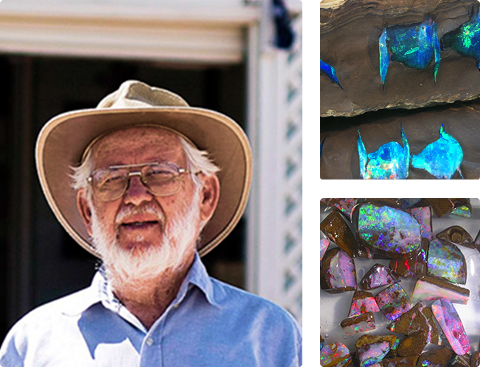
“Working directly with Australian miners means we know exactly where each opal comes from and can guarantee both authenticity and ethical sourcing. Our customers deserve that confidence and transparency.”
FAQ
What is ethical opal sourcing?
Ethical opal sourcing means mining and selling opals through practices that minimize environmental impact, ensure fair labor conditions, and maintain transparent provenance from mine to market. In Australia, this includes following government regulations, implementing sustainable extraction methods, and supporting mining communities economically. Ethical sourcing gives collectors confidence that their purchases support responsible practices rather than exploitative or environmentally destructive operations.
How can I verify an opal’s Australian origin?
Verification starts with requesting certificates of authenticity from reputable gemological laboratories that confirm Australian origin. Examine documentation for specific details about mining region, extraction date, and chain of custody. Purchase from specialized dealers who maintain direct relationships with Australian miners and can provide detailed provenance information. Authentication guides explain geological characteristics specific to Australian opal fields that help confirm genuine origin.
Why is sustainable mining important for opals?
Sustainable mining protects the delicate geological formations where opals develop, preventing unnecessary destruction of valuable opal seams through careless extraction. It minimizes ecosystem disturbance in fragile arid environments where most Australian opal fields operate. Sustainable practices also ensure mining communities remain economically viable long-term rather than exhausting resources through short-sighted exploitation. For collectors, sustainability guarantees continued availability of high-quality Australian opals for future generations.
What makes Australian opals unique for collectors?
Australian opals offer unmatched quality, color variety, and transparent ethical sourcing compared to opals from other regions. The country’s dominant market position creates natural traceability and established authentication systems. Specific Australian fields produce distinctive opal types like Lightning Ridge black opal and Queensland boulder opal found nowhere else. Collectors value the combination of geological rarity, visual beauty, and verifiable responsible mining that Australian opals uniquely provide.
Recommended
- How to Authenticate Australian Opals for Genuine Value - Australian Opal Direct
- Opal Provenance: Ensuring Authenticity and Ethical Value - Australian Opal Direct
- Opal Birthstones: Meaning, Value, and Ethical Sourcing - Australian Opal Direct
- Expert Guide to Buying Australian Opals for Collectors - Australian Opal Direct