Indicators of Opal Rarity: Key Signs for Collectors
Posted by AOD on 22nd Mar 2026
Indicators of Opal Rarity: Key Signs for Collectors
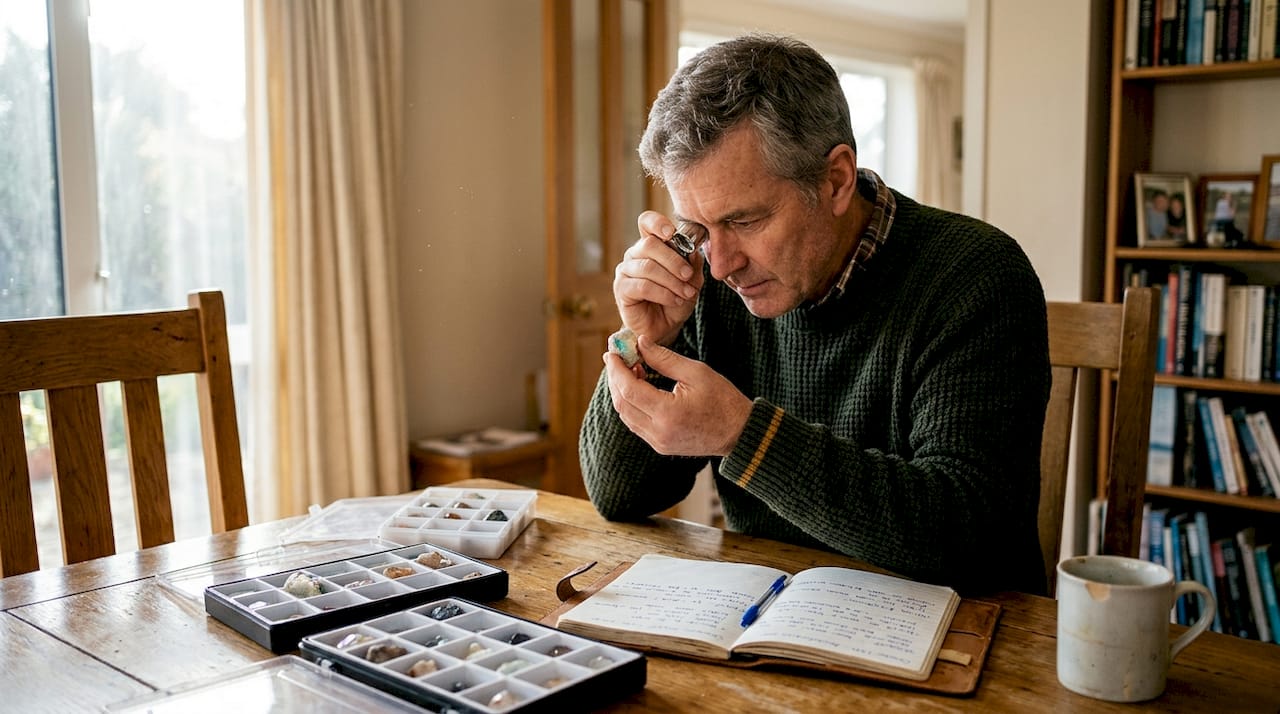
Identifying truly rare Australian opals requires more than admiration of their beauty. Collectors seeking to invest in luxury gemstones need concrete criteria to distinguish exceptional pieces from ordinary stones. Understanding specific rarity indicators empowers you to make confident purchasing decisions and build a collection of genuine value. This guide presents the key signs that signal opal rarity, from color intensity and play-of-color patterns to geographic origin and structural quality. By learning these indicators, you’ll navigate the market with expertise and recognize investment-worthy opals that enhance your collection’s prestige and worth.
Table of Contents
- Key takeaways
- Understanding the criteria for opal rarity
- Top indicators of opal rarity to seek
- Comparing rarity: types of Australian opals ranked
- Deciding your rare opal purchase: practical tips
- Discover rare Australian opals at Australian Opal Direct
- FAQ
Key Takeaways
| Point | Details |
|---|---|
| Play of color quality | Play of color quality and pattern dramatically affect rarity and market value. |
| Harlequin pattern rarity | Harlequin patterns are extremely rare and highly coveted, occurring in less than one percent of opals. |
| Black opal origin value | Dark body tone opals, especially from Lightning Ridge, maximize color contrast and command premium prices. |
| Geographic origin matters | The mining region of origin significantly impacts rarity perception and price. |
| Full color spectrum | Opals displaying a full color spectrum including red indicate higher quality and rarity. |
Understanding the criteria for opal rarity
Before evaluating specific stones, you need a framework for assessing rarity systematically. Australian opals are judged by multiple interconnected factors that together determine their market position and collectibility. Color intensity, play-of-color pattern, geographic origin, and gemstone quality form the foundation of rarity assessment. Each criterion contributes uniquely to an opal’s overall rarity profile.
Color refers to the spectral hues visible in the opal’s play-of-color, the phenomenon where light diffracts through the stone’s silica structure. Play-of-color describes both the range of colors displayed and the pattern in which they appear. Origin indicates the specific Australian mining region where the opal formed, with certain locations producing distinctly superior stones. Clarity measures the absence of inclusions or cloudiness, while size is straightforward but exponentially valuable as dimensions increase.
Understanding value factors of opal helps you prioritize which characteristics matter most for your collecting goals. The key rarity criteria break down as follows:
- Body tone: Ranges from transparent through white to black, with darker tones generally rarer
- Play-of-color spectrum: Full spectrum display (red through violet) indicates higher quality
- Pattern type: Specific arrangements like harlequin or pinfire affect rarity dramatically
- Brightness: Intensity of color flash, rated from subdued to brilliant
- Geographic source: Mining region provenance significantly impacts perceived rarity
- Physical integrity: Absence of cracks, inclusions, or structural weaknesses
These criteria interact in complex ways. A large white opal with exceptional play-of-color may rival a smaller black opal with moderate color display. Mastering these fundamentals allows you to evaluate stones holistically rather than fixating on single attributes.
Top indicators of opal rarity to seek
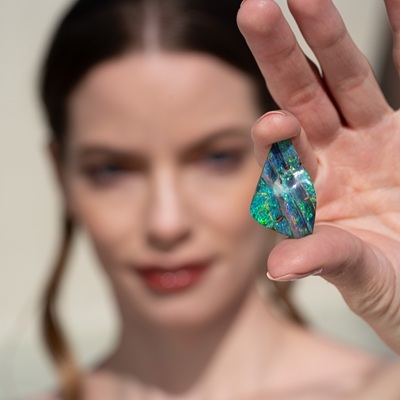
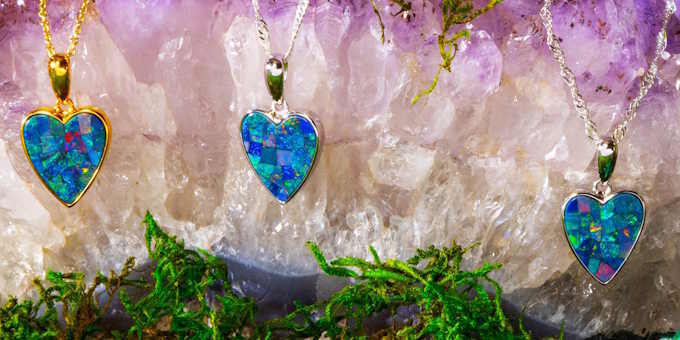
When examining potential acquisitions, certain observable characteristics immediately signal exceptional rarity. The most valuable indicator is play-of-color quality and pattern. Harlequin and black opal origins strongly correlate with premium rarity status. Harlequin pattern displays distinct, angular patches of color arranged in a mosaic-like formation, occurring in less than 1% of opals. This extreme scarcity makes harlequin-patterned stones highly coveted.
Black opal, characterized by a dark body tone that enhances color contrast, represents the pinnacle of Australian opal rarity. The dark background makes colors appear more vibrant and dramatic. Lightning Ridge in New South Wales produces the world’s finest black opals, and stones from this region command substantial premiums. Vibrant and broad play-of-color phenomena define the most desirable Australian specimens.
Beyond pattern and origin, look for these concrete rarity indicators:
- Full spectral range: Presence of red alongside other colors (red is rarest and most valuable)
- Directional consistency: Play-of-color visible from multiple viewing angles, not just one direction
- Large clean areas: Sections free from potch (common opal without play-of-color) or matrix
- Dimensional presence: Stones exceeding 5 carats with quality play-of-color become exponentially rare
- Natural formation: Solid opal rather than doublet or triplet constructions
Clarity significantly impacts rarity assessment. Opals with transparent to translucent body tone and minimal inclusions allow light to penetrate deeply, creating more dynamic color play. Size matters tremendously because large formations with consistent quality are geologically uncommon. A 10-carat black opal with strong play-of-color is exponentially rarer than two 5-carat stones of similar quality.
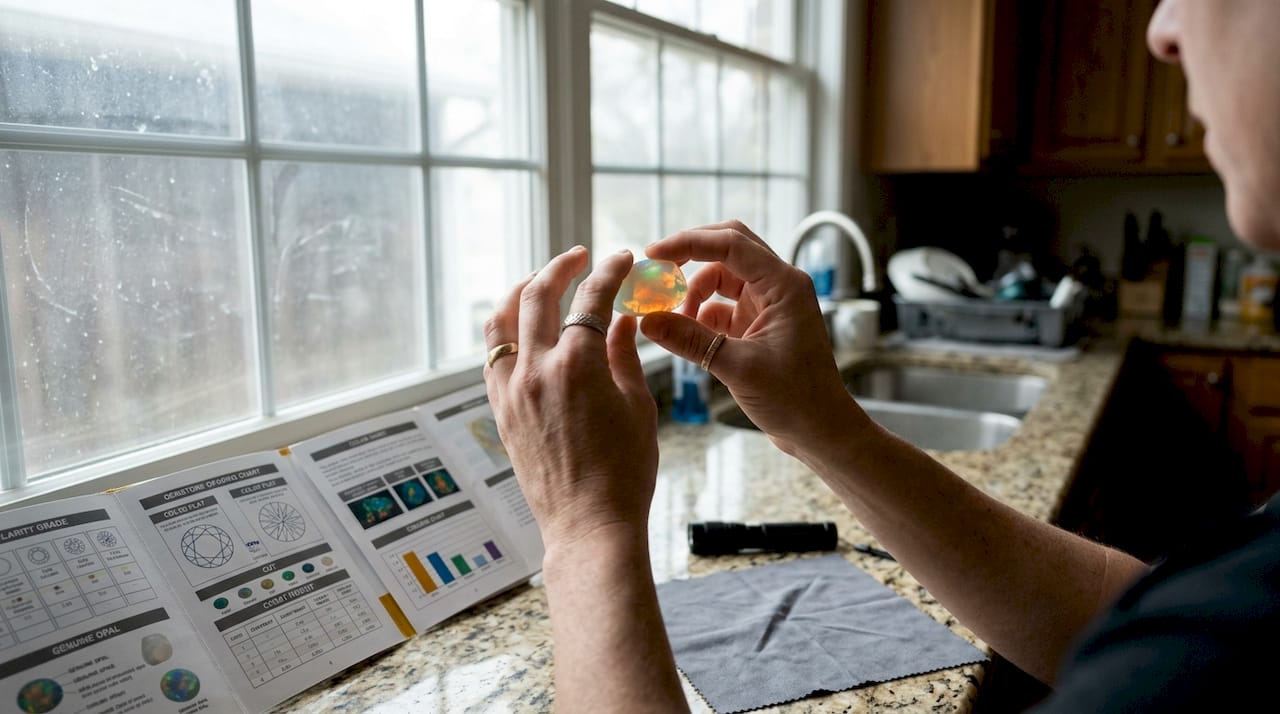
Pro Tip: Always examine opals under natural daylight rather than artificial lighting to assess authentic play-of-color intensity and verify that colors aren’t artificially enhanced by specific light wavelengths used in retail settings.
Comparing rarity: types of Australian opals ranked
Australian opals fall into distinct categories with dramatically different rarity profiles. Understanding these classifications helps you allocate your collecting budget strategically and recognize genuine opportunities. Black opals are the rarest and most valuable, followed by boulder opals and crystal varieties, with white and common opals forming the base of the rarity pyramid.
| Opal Type | Key Features | Rarity Level | Typical Value Range |
|---|---|---|---|
| Black Opal | Dark body tone, intense color contrast, Lightning Ridge origin | Extremely Rare | $500 - $20,000+ per carat |
| Boulder Opal | Ironstone backing, vibrant play-of-color, Queensland origin | Rare | $50 - $3,000 per carat |
| Crystal Opal | Transparent to translucent body, visible internal play-of-color | Moderate Rarity | $30 - $1,500 per carat |
| White Opal | Light body tone, softer color display, Coober Pedy common | Common | $10 - $500 per carat |
| Common Opal | No play-of-color, solid color, decorative only | Abundant | $1 - $20 per piece |
Black opal’s extreme rarity stems from the specific geological conditions required for its formation. Only Lightning Ridge produces significant quantities, and even there, gem-quality black opal represents a tiny fraction of mined material. The dark body tone results from trace elements and carbon inclusions during formation, creating the dramatic backdrop that makes colors explode visually.
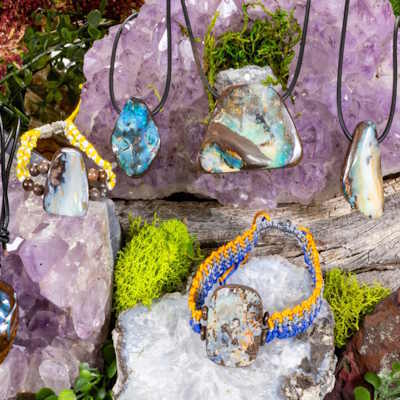
Boulder opal forms within ironstone matrix, creating natural two-tone compositions where vibrant opal fills cracks and voids in the host rock. This formation style produces unique, organic patterns impossible to replicate. Queensland’s boulder opal fields yield distinctive specimens, though finding large, clean sections with premium play-of-color remains challenging.
Crystal opal’s transparency creates depth and dimensionality, with play-of-color appearing to float within the stone. While more available than black opal, top-quality crystal opals with full spectral display and excellent clarity command strong prices. White opal, despite being most common, can still achieve premium status when displaying exceptional play-of-color across large, clean areas.
Understanding rare opal distinctions allows you to recognize when a supposedly common type actually exhibits rare characteristics worthy of investment consideration.
Deciding your rare opal purchase: practical tips
Transforming knowledge into successful acquisitions requires systematic evaluation and due diligence. Follow these sequential steps when considering rare opal purchases:
-
Establish your collecting focus: Decide whether you prioritize specific opal types, origins, patterns, or jewelry applications to guide your search parameters and budget allocation.
-
Verify provenance documentation: Request certificates of authenticity specifying geographic origin, treatment history, and gemological characteristics from recognized laboratories.
-
Assess play-of-color quality: Examine stones under multiple lighting conditions, particularly natural daylight, to confirm color intensity, spectral range, and pattern consistency.
-
Evaluate structural integrity: Inspect for crazing (fine surface cracks), inclusions, or matrix intrusions that compromise durability or aesthetic appeal.
-
Research current market values: Compare asking prices against recent auction results and dealer listings for similar specimens to ensure fair pricing.
-
Investigate seller reputation: Prioritize established dealers with direct miner relationships, transparent sourcing practices, and strong customer testimonials.
-
Request professional appraisal: For significant investments, obtain independent gemological assessment confirming quality grades and estimated value.
-
Consider ethical sourcing: Verify that opals are earth-mined from legitimate Australian operations rather than synthetic or questionably sourced alternatives.
Understanding opal pricing factors alongside rarity indicators positions you to negotiate confidently and recognize genuine value. Market prices fluctuate based on supply availability, collector demand trends, and economic conditions, but truly rare specimens with documented provenance maintain value over time.
Ethical considerations matter increasingly to discerning collectors. Australian opal mining operates under strict environmental and labor regulations, ensuring sustainable practices. Direct relationships with miners eliminate middlemen markup while supporting local communities and preserving mining heritage. Certification from recognized gemological institutes provides additional assurance of authenticity and ethical sourcing.
Pro Tip: Before finalizing purchases over $5,000, request a brief hold period to obtain independent appraisal from a certified gemologist unaffiliated with the seller, protecting your investment and confirming represented quality grades.
Discover rare Australian opals at Australian Opal Direct
Now that you understand rarity indicators and evaluation criteria, the logical next step is exploring curated collections from trusted sources. Australian Opal Direct specializes in ethically sourced, genuine Australian opals backed by direct miner relationships and expert gemological knowledge. Every piece in our collection undergoes rigorous quality assessment to ensure you receive authenticated, investment-grade specimens.

Our inventory spans black opals from Lightning Ridge, vibrant boulder opals from Queensland, and exceptional crystal varieties, each accompanied by detailed provenance information and quality documentation. We eliminate middlemen to offer competitive pricing on rare specimens while maintaining the highest authenticity standards. Whether you’re seeking a statement piece for custom jewelry or adding to an established collection, our expertise helps you identify opals with genuine rarity and lasting value. Explore the Australian Opal Direct collection to discover luxury gemstones that meet your exacting standards.
FAQ
How can I verify an opal’s authenticity and rarity?
Request certification from recognized gemological laboratories that document origin, treatment history, and quality characteristics. Professional appraisers can confirm play-of-color authenticity and assess rarity factors like pattern type and body tone. Visual examination under natural light helps identify synthetic stones, which typically display overly uniform color patterns unlike natural opals’ organic irregularity.
What is the difference between black opal and other opal types?
Black opal features a dark body tone ranging from dark gray to jet black, creating dramatic contrast that intensifies play-of-color visibility. This dark background makes colors appear more vibrant and saturated compared to white or crystal opals with lighter body tones. Black opal’s extreme rarity and visual impact make it the most valuable Australian opal type, commanding premium prices in collector markets.
How does geographic origin affect opal rarity?
Lightning Ridge produces the world’s finest black opals, making stones from this region highly prized for their rarity and quality. Geographic factors influence the specific geological conditions during opal formation, affecting body tone, play-of-color intensity, and pattern characteristics. Australian opals are rare partly because the unique ancient geological conditions that created them no longer exist, making each mining region’s output finite and irreplaceable.
What should collectors look for when buying rare opals?
Prioritize strong play-of-color with full spectral range, documented geographic origin from premium locations, and certification from reputable sources. Verify seller reputation through customer reviews and industry standing, and confirm ethical sourcing practices. Spotting rare opals requires examining pattern rarity, body tone quality, and structural integrity while considering professional gemological opinions for significant investments.
Recommended
- How to Spot Rare Opals: Expert Guide for Authentic Finds - Australian Opal Direct
- Rare Opals Explained: Identifying Value and Rarity - Australian Opal Direct
- Rare Opal Patterns: Value, Identification, and Appeal - Australian Opal Direct
- Value Factors of Opal: What Drives Worth - Australian Opal Direct