Opal Play-of-Color: Why It Defines Australian Gems
Posted by AOD on 13th Jan 2026
Opal Play-of-Color: Why It Defines Australian Gems
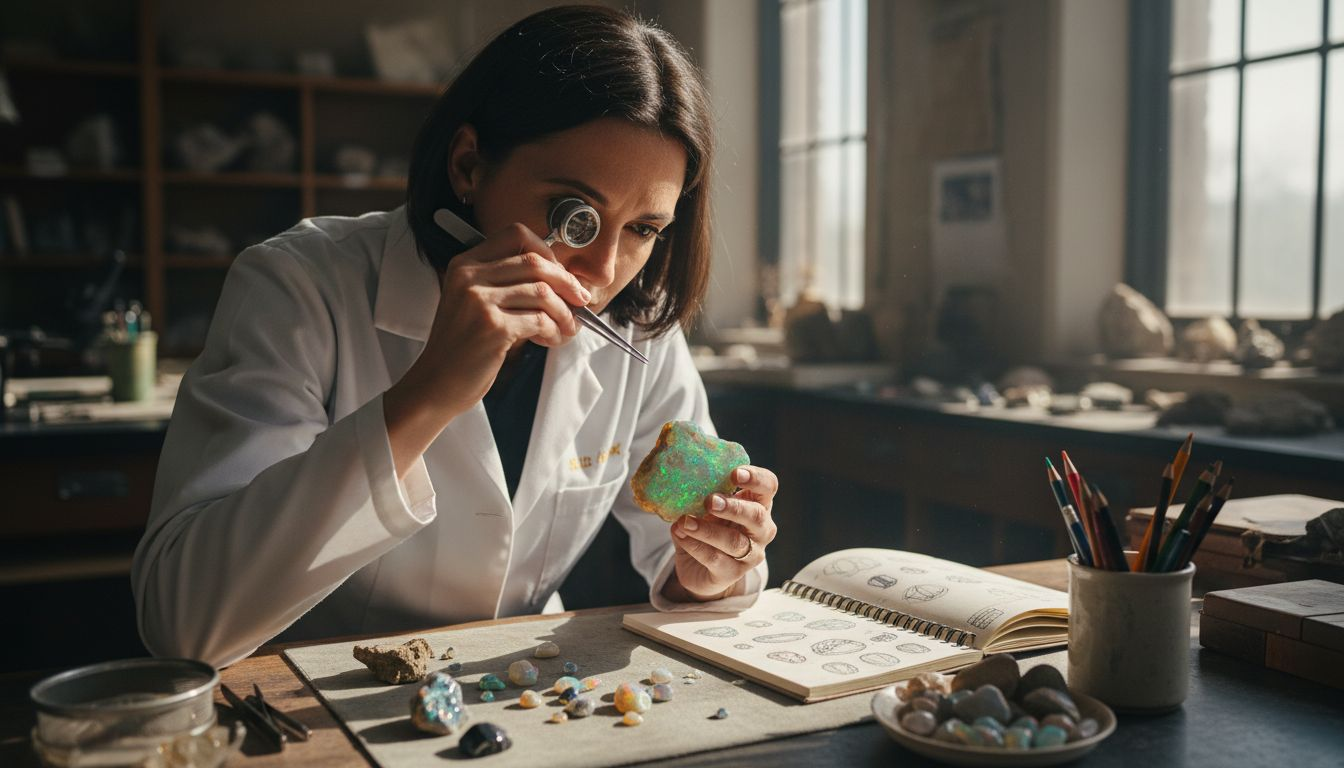
Most American luxury jewelry collectors recognize that only a select handful of gemstones exhibit true optical brilliance, but Australian opals set a benchmark with their mesmerizing play-of-color. This phenomenon turns a single stone into a shifting spectacle of hues that rivals any gem in the world. With over 95 percent of the world’s opal supply sourced from Australia, understanding this visual marvel is essential for buyers who value authenticity, ethical sourcing, and investment-level artistry.
Table of Contents
- Defining Opal Play-of-Color Phenomenon
- Types of Play-of-Color in Opals
- How Play-of-Color Is Created Geologically
- Grading and Evaluating Opal Color Patterns
- Impact of Play-of-Color on Opal Value
Key Takeaways
| Point | Details |
|---|---|
| Play-of-Color | The visual phenomenon in opals is created by the arrangement of silica spheres, which diffract light into vibrant colors. |
| Variety of Patterns | Common patterns like pinfire, broad flash, and harlequin influence the rarity and value of each opal. |
| Grading Criteria | Gemologists assess opals based on pattern type, color intensity, and movement to determine their market value. |
| Value Determinants | The intensity and complexity of play-of-color are critical in evaluating an opal’s market worth, with red hues being the most desirable. |
Defining Opal Play-of-Color Phenomenon
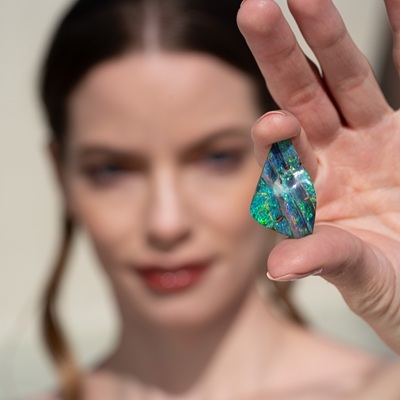
Australian opals represent a breathtaking display of nature’s most spectacular optical phenomena: play-of-color. This extraordinary visual effect transforms a seemingly ordinary gemstone into a dancing canvas of vibrant colors, shifting and changing with every subtle movement. The phenomenon occurs through a precise microscopic interaction between light and the opal’s unique internal structure.
At its core, play-of-color emerges from the sophisticated arrangement of silica spheres within the opal’s crystalline matrix. These microscopic spheres, arranged in incredibly precise and uniform layers, act like miniature prisms that diffract and reflect light in stunning, unpredictable ways. When light passes through these perfectly organized spheres, it splits into a spectrum of colors that appear to dance and shimmer across the stone’s surface.
The intensity and quality of play-of-color vary dramatically among opals, making each stone a unique masterpiece. Gemologists classify play-of-color based on several key characteristics: color range, pattern complexity, and the brilliance of color transitions. Some opals display a full rainbow spectrum, while others might showcase more muted or concentrated color ranges. The most prized Australian opals demonstrate a vivid color spectrum that seems to move and pulse with an almost ethereal quality.
Pro Tip: When evaluating an opal’s play-of-color, examine the stone under different lighting conditions and angles to truly appreciate its unique optical performance.
Types of Play-of-Color in Opals
Australian opals showcase an extraordinary range of play-of-color patterns that transform each gemstone into a unique visual masterpiece. These patterns are primarily classified based on the arrangement and interaction of microscopic silica spheres within the opal’s internal structure, creating distinct visual effects that captivate collectors and gemologists alike. The complexity and variety of these patterns directly influence an opal’s rarity and value.
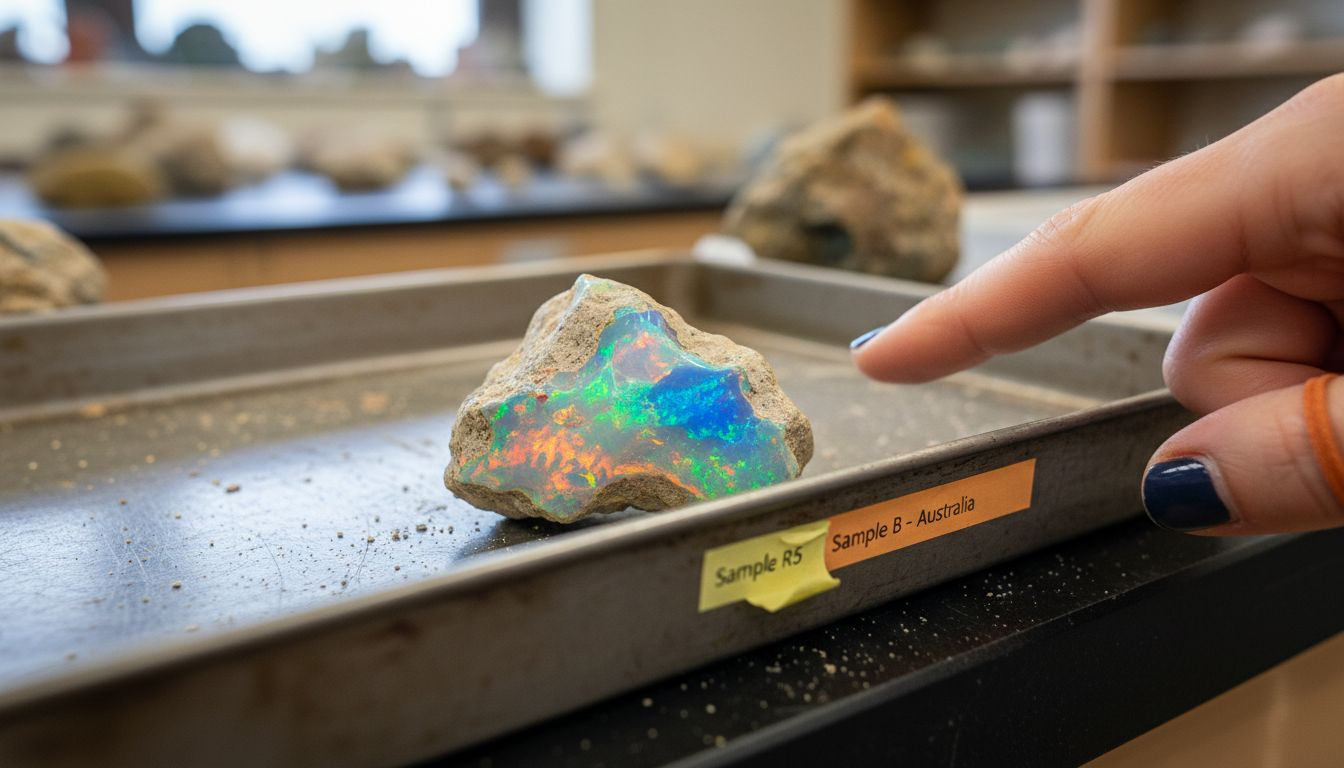
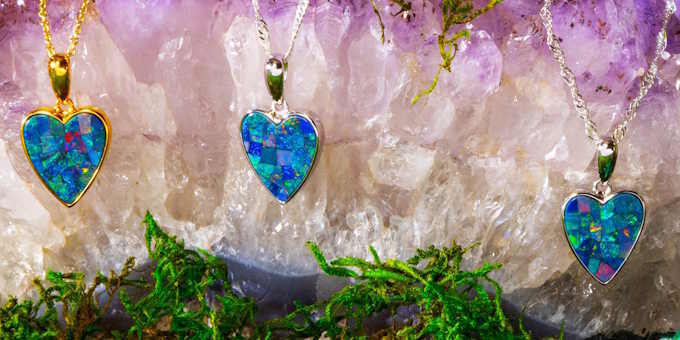
Among the most recognized play-of-color patterns are pinfire, harlequin, and broad flash variations. Pinfire patterns feature tiny, scattered color points that dance across the stone’s surface like miniature sparkling stars. Harlequin patterns represent the pinnacle of rarity, characterized by larger, geometric color patches that resemble a mosaic or checkerboard design. Broad flash patterns create sweeping waves of color that seem to move and shift with even the slightest movement, producing a dramatic visual display that captures the complexity of opal types.
The visual complexity of play-of-color depends on multiple factors, including the size, uniformity, and arrangement of silica spheres within the opal. Smaller, more tightly packed spheres tend to create more intricate and vibrant color displays, while larger, less uniform spheres might produce more muted or inconsistent color patterns. Professional gemologists assess these patterns using specialized lighting and magnification techniques, evaluating the color range, intensity, and movement to determine an opal’s unique characteristics and potential value.
Here’s a summary of the main play-of-color patterns found in Australian opals:
| Pattern Name | Visual Effect | Rarity Level |
|---|---|---|
| Pinfire | Small, scattered color dots | Common to uncommon |
| Broad Flash | Large, sweeping color waves | Uncommon to rare |
| Harlequin | Geometric, mosaic-like patches | Extremely rare and valuable |
Pro Tip: When examining an opal’s play-of-color, rotate the stone slowly under natural light to fully appreciate the dynamic color transitions and unique pattern variations.
How Play-of-Color Is Created Geologically
The geological formation of play-of-color represents a remarkable symphony of microscopic precision, where nature creates an intricate light-manipulation mechanism within opals. Silica spheres, measuring just nanometers in diameter, arrange themselves in incredibly uniform, grid-like structures that act as natural prisms. These precisely organized spheres create a three-dimensional diffraction network that transforms ordinary white light into a spectacular rainbow of colors.
The process begins deep underground, where silica-rich water percolates through rock formations, gradually depositing microscopic silica spheres in sedimentary environments. As these spheres settle, they stack with mathematical precision, creating what scientists call a photonic crystal. The uniform size and arrangement of these spheres determine the specific wavelengths of light that will be reflected, which directly influences the opal’s color range and intensity. Specific opal formation patterns reveal how geological conditions dramatically impact the gemstone’s optical properties.
Understanding play-of-color requires appreciating the delicate balance of sphere sizes and arrangements. Spheres ranging from 150 to 450 nanometers in diameter can produce different color ranges, with smaller spheres generating blue and violet hues, while larger spheres create red and orange displays. The spacing between these spheres is equally critical, as even minute variations can transform the entire color spectrum visible within the stone. Geologists and gemologists use advanced microscopic techniques to analyze these intricate structural details, revealing the complex geological narrative embedded in each unique opal.
This table outlines how geological factors influence opal color appearance:
| Silica Sphere Size (nm) | Resulting Color Range | Visual Impact |
|---|---|---|
| 150–250 | Blue and violet hues | Subtle, cool appearance |
| 250–350 | Green and yellow shades | Bright, lively tones |
| 350–450 | Red and orange displays | Intense, warm vibrance |
Pro Tip: Examine opals under different light sources to understand how geological variations influence their mesmerizing color transformations.
Grading and Evaluating Opal Color Patterns
Professional gemologists employ a sophisticated and nuanced approach to grading play-of-color in opals, focusing on several critical visual and structural characteristics that determine a stone’s ultimate value. The evaluation process goes far beyond simple visual assessment, requiring specialized knowledge and precise analytical techniques that consider the complexity of light interaction within the gemstone’s microscopic structure.
The primary grading criteria for opal color patterns include pattern type, color intensity, directionality, and distribution. Harlequin and broad flash patterns represent the pinnacle of desirability, with large, geometric color patches or sweeping waves that demonstrate exceptional optical performance. Rare opal patterns can dramatically increase a stone’s market value, with collectors and experts paying premium prices for unique and visually striking color displays. Gemologists assess the color’s brightness, consistency, and the percentage of the stone’s surface displaying vibrant play-of-color.
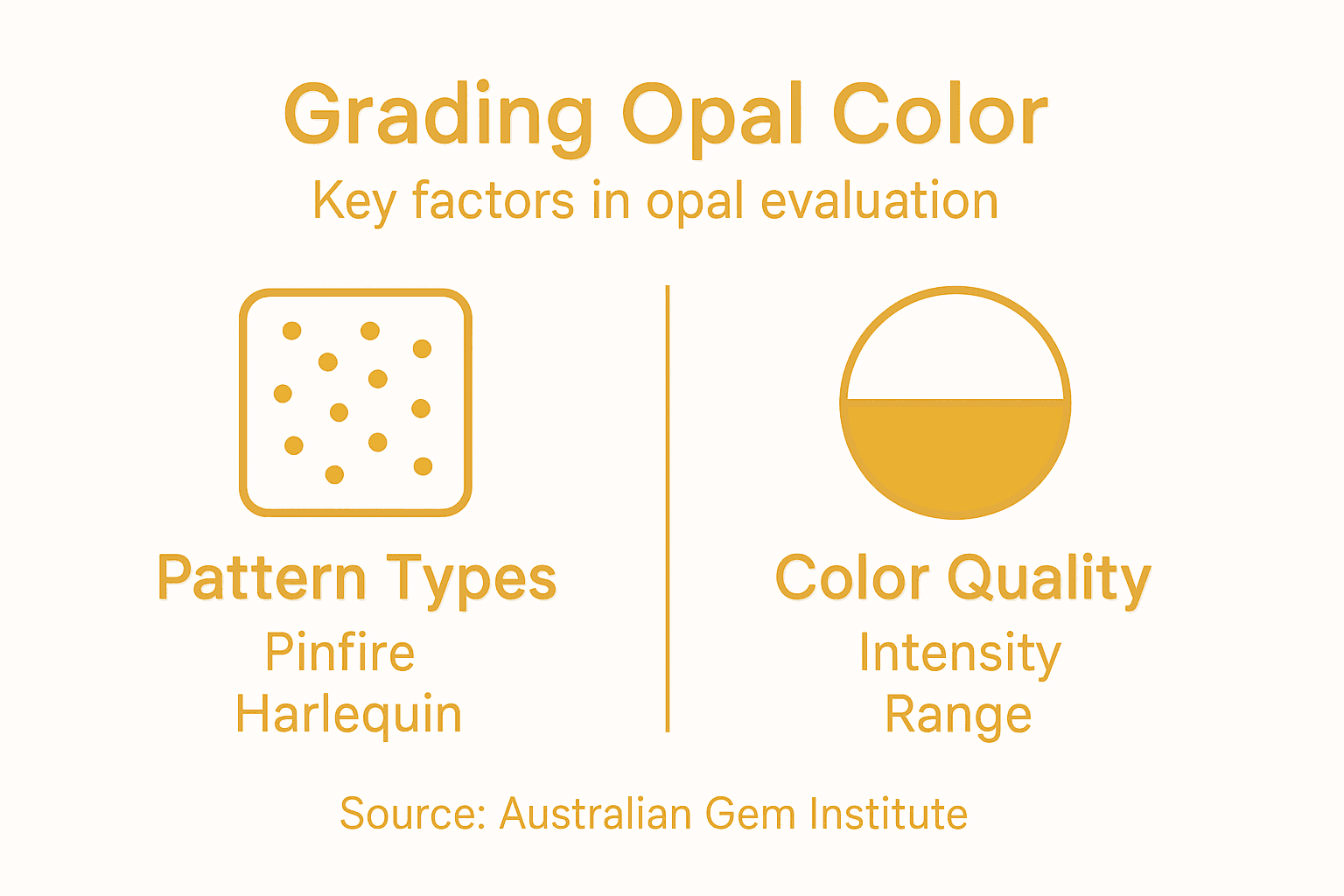
The scientific grading process involves detailed microscopic analysis, measuring factors like sphere size, arrangement, and spacing. Color ranges are meticulously documented, with smaller silica spheres generating blue and violet hues, while larger spheres produce red and orange displays. Professional graders use specialized lighting and magnification to evaluate how colors move and interact across the stone’s surface, creating a comprehensive assessment that goes beyond simple visual observation. This precise evaluation helps determine an opal’s rarity, aesthetic appeal, and ultimate market value.
Pro Tip: When assessing an opal’s color pattern, always examine the stone under multiple light sources and viewing angles to fully appreciate its unique optical characteristics.
Impact of Play-of-Color on Opal Value
Play-of-color represents the most critical determinant of an opal’s market value, transforming these gemstones from ordinary minerals into extraordinary collector’s treasures. The intricate dance of light within an opal’s microscopic structure creates a unique visual phenomenon that directly influences its pricing, with some specimens commanding astronomical prices based on their exceptional color performance. Professional collectors and gemologists assess play-of-color through a complex lens of visual complexity, rarity, and optical dynamism.
The hierarchy of opal value is primarily driven by the color’s intensity, range, and pattern complexity. Red play-of-color represents the pinnacle of desirability, with specimens displaying vibrant red hues typically commanding the highest prices. Comprehensive opal value assessments reveal that stones featuring broad, geometric color patterns like harlequin or large flash designs can be worth exponentially more than those with minimal or scattered color displays. The most prized opals demonstrate a full spectrum of colors that shift and transform with even the slightest movement, creating a living, breathing visual experience.
Geological factors play a crucial role in determining play-of-color value. The size, uniformity, and arrangement of silica spheres within the opal directly impact its color performance. Smaller, more precisely arranged spheres generate more intricate and vibrant color displays, while less uniform structures produce muted or inconsistent optical effects. Professional appraisers use specialized lighting, magnification, and analytical techniques to measure these microscopic characteristics, transforming what appears to be a simple stone into a complex mathematical and visual evaluation.
Pro Tip: When evaluating an opal’s value, focus on the color’s dynamic range, brightness, and how the play-of-color shifts under different lighting conditions.
Discover the True Brilliance of Australian Opals
The mesmerizing play-of-color defines the soul of every Australian opal. If you are captivated by the vibrant shifting hues and rare patterns like harlequin or broad flash, you understand the challenge of finding authentic stones that showcase this exquisite optical wonder. At Australian Opal Direct, we specialize in genuine Australian opals sourced directly from renowned regions such as Lightning Ridge, Coober Pedy, and Queensland. Our collection celebrates the rare geological craftsmanship behind each unique play-of-color display, bringing you ethically mined gems that embody nature’s own light performance.
Elevate your jewelry collection with pieces that tell a story of natural precision and beauty. Whether you seek rings, pendants, or custom-designed settings, explore our curated range that highlights the intense color brilliance and dynamic patterns detailed in this article. Do not settle for less than true authenticity and exceptional quality. Visit Australian Opal Direct now to experience the unparalleled allure of opals and own a living masterpiece. Learn more about the meaning of opal colors and the different types of opal to make a confident choice today.
Frequently Asked Questions
What is play-of-color in opals?
Play-of-color is an optical phenomenon that occurs in opals, characterized by a vibrant display of colors that shift and change with light and movement. This effect results from the arrangement of microscopic silica spheres within the opal’s internal structure, which diffract and reflect light in unique ways.
How does the geological formation affect opal play-of-color?
The geological formation of opals involves silica-rich water depositing microscopic spheres that stack in precise arrangements, creating a photonic crystal. The size and spacing of these spheres determine the specific wavelengths of light reflected, influencing the opal’s color range and intensity.
What are the different types of play-of-color patterns in opals?
There are several recognized play-of-color patterns in opals, including pinfire, harlequin, and broad flash. Pinfire patterns feature small, scattered color dots, harlequin patterns consist of larger geometric patches, and broad flash patterns create sweeping waves of color that shift dramatically with movement.
How is the value of opals determined based on play-of-color?
The value of opals is primarily determined by play-of-color characteristics such as color intensity, range, and pattern complexity. Rarer patterns like harlequin or vibrant red hues typically command higher prices, while more muted displays may be less valuable.