Why Opal Jewelry Is Unique for Connoisseurs
Posted by AOD on 30th Dec 2025
Why Opal Jewelry Is Unique for Connoisseurs
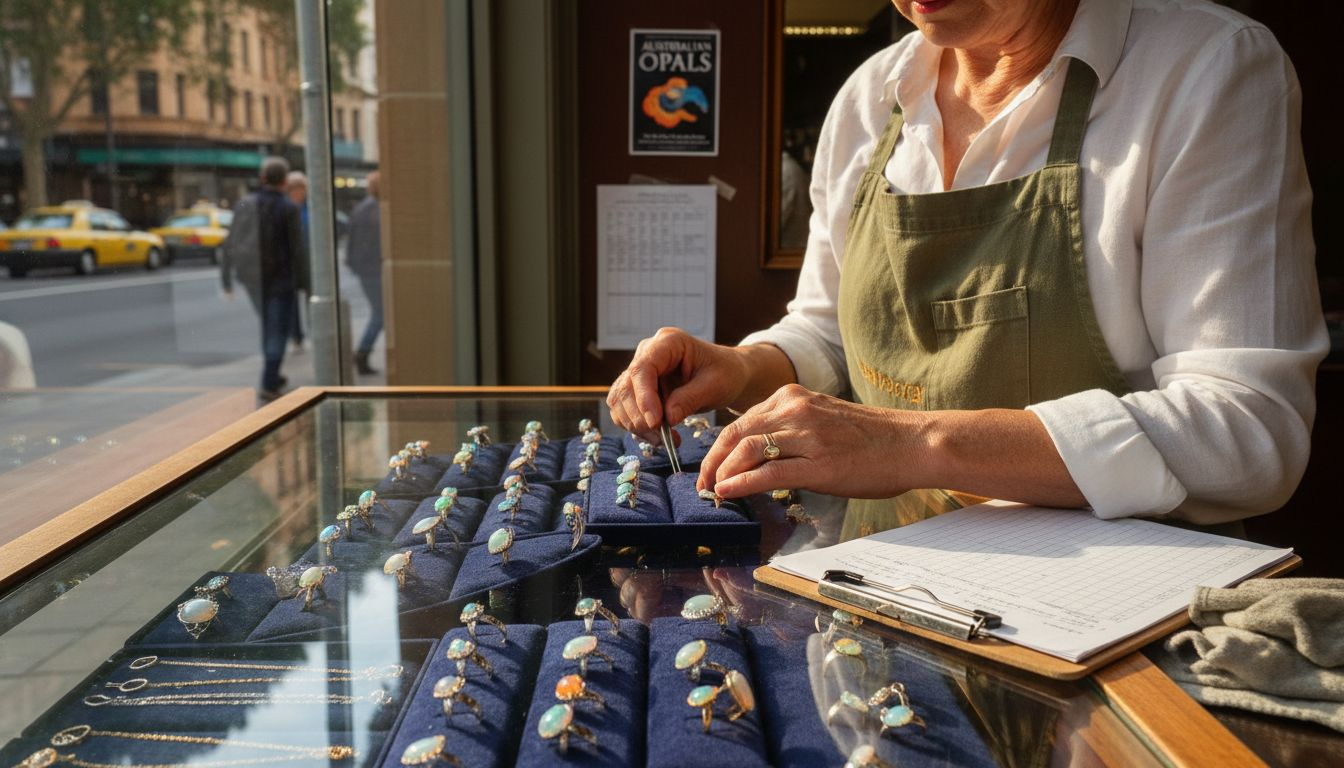
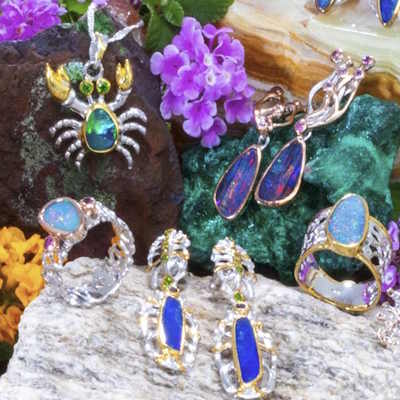
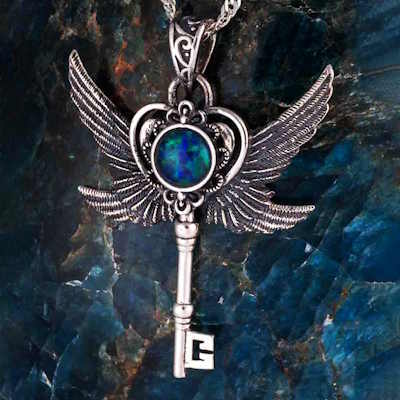
Most seasoned collectors know that Australian opal jewelry stands apart for its breathtaking play-of-color, with each stone revealing a vivid, ever-shifting spectrum. For American connoisseurs and global aficionados alike, the quest for authenticity and ethical origins is more vital than ever. This guide uncovers what makes opal jewelry a wearable piece of geological artistry, helping you recognize the unique traits and region-specific qualities that elevate each Australian specimen in the luxury market.
Table of Contents
- Defining Opal Jewelry And Its Unique Qualities
- Distinct Types Of Australian Opals Explained
- Play-Of-Color And Brilliance In Opals
- Ethical Sourcing And Authenticity Standards
- Comparing Opal Jewelry To Other Gemstones
Key Takeaways
| Point | Details |
|---|---|
| Opal’s Unique Qualities | Opal jewelry displays an ever-changing spectrum of colors known as play-of-color, making each piece one-of-a-kind. |
| Diverse Australian Opals | Key varieties include Black Opal, White Opal, Boulder Opal, and Fire Opal, each with distinct characteristics from regions like Lightning Ridge and Coober Pedy. |
| Importance of Ethical Sourcing | Ethical sourcing and authenticity standards are crucial; always request certifications and origin reports when purchasing opals. |
| Comparative Uniqueness | Unlike traditional gemstones, opals offer dynamic visual experiences, emphasizing creativity and emotional depth in their symbolism. |
Defining Opal Jewelry and Its Unique Qualities
Opal jewelry represents a mesmerizing category of gemstone accessories that captivate collectors with their extraordinary optical properties. Unlike traditional gemstones, opals possess a remarkable characteristic of displaying an ever-changing spectrum of colors known as play-of-color, which makes each piece truly one-of-a-kind. According to the Gemological Institute of America (GIA), opals contain up to 20% water and lack a crystalline structure, rendering them delicate and uniquely vulnerable to environmental conditions.
The essence of opal jewelry lies in its extraordinary visual complexity. Each stone showcases a kaleidoscopic display created through intricate light diffraction within microscopic silica sphere arrays. This means no two opals are identical - a feature that elevates them from mere accessories to wearable art pieces. Professional gemologists evaluate opals based on specific quality factors including color intensity, pattern complexity, clarity, cut precision, and overall carat weight. Australian opals, particularly those from regions like Lightning Ridge, are renowned for producing some of the most vibrant and sought-after specimens in the world.
The inherent uniqueness of opal jewelry extends beyond its visual characteristics. These gemstones represent a confluence of geological wonder and aesthetic brilliance, with each piece telling a story of geological formation spanning millions of years. The irregular shapes and unpredictable color patterns mean that selecting an opal is less about finding a perfect stone and more about discovering a piece that resonates with the wearer’s individual aesthetic sensibilities. This personalized connection transforms opal jewelry from a mere accessory into a deeply meaningful artistic expression.
Pro tip: When selecting an opal piece, examine the stone under different light conditions to appreciate its full range of color-shifting capabilities and ensure you select a stone that reveals its most captivating characteristics.
Distinct Types of Australian Opals Explained
Australian opals represent a stunning spectrum of geological diversity, with each region producing unique gemstones that captivate collectors worldwide. Exploring the different types of Australian opals reveals a remarkable range of characteristics that make each variety distinctive. The most renowned regions - Lightning Ridge, Coober Pedy, and Queensland - each contribute exceptional stones with remarkable individual qualities that set them apart from global opal productions.
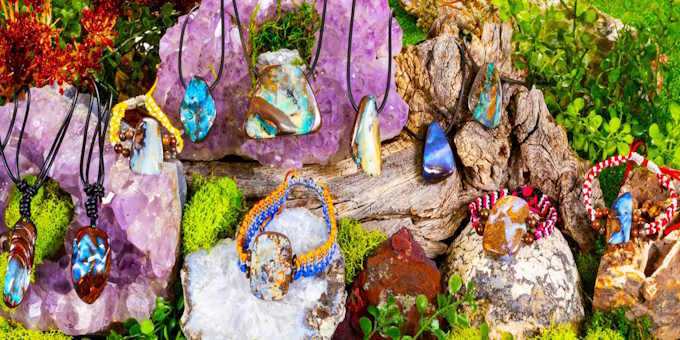
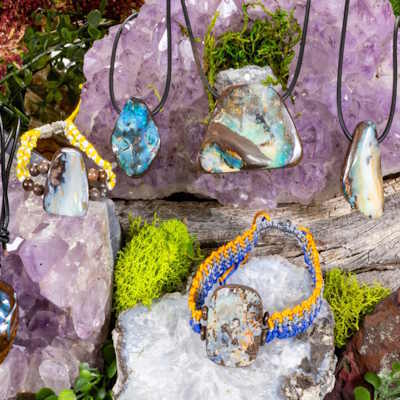
Lightning Ridge is particularly famous for producing black opals, considered the most valuable and rare variety in the world. These extraordinary stones feature a dark body tone that dramatically enhances their color play, creating intense flashes of green, blue, and red against a deep background. Coober Pedy, located in South Australia’s harsh desert landscape, is known for white opals characterized by a light body tone and softer color displays. Queensland produces boulder opals, unique stones that are actually attached to their host rock, creating spectacular matrix patterns that blend the opal’s vibrant colors with natural rock formations.
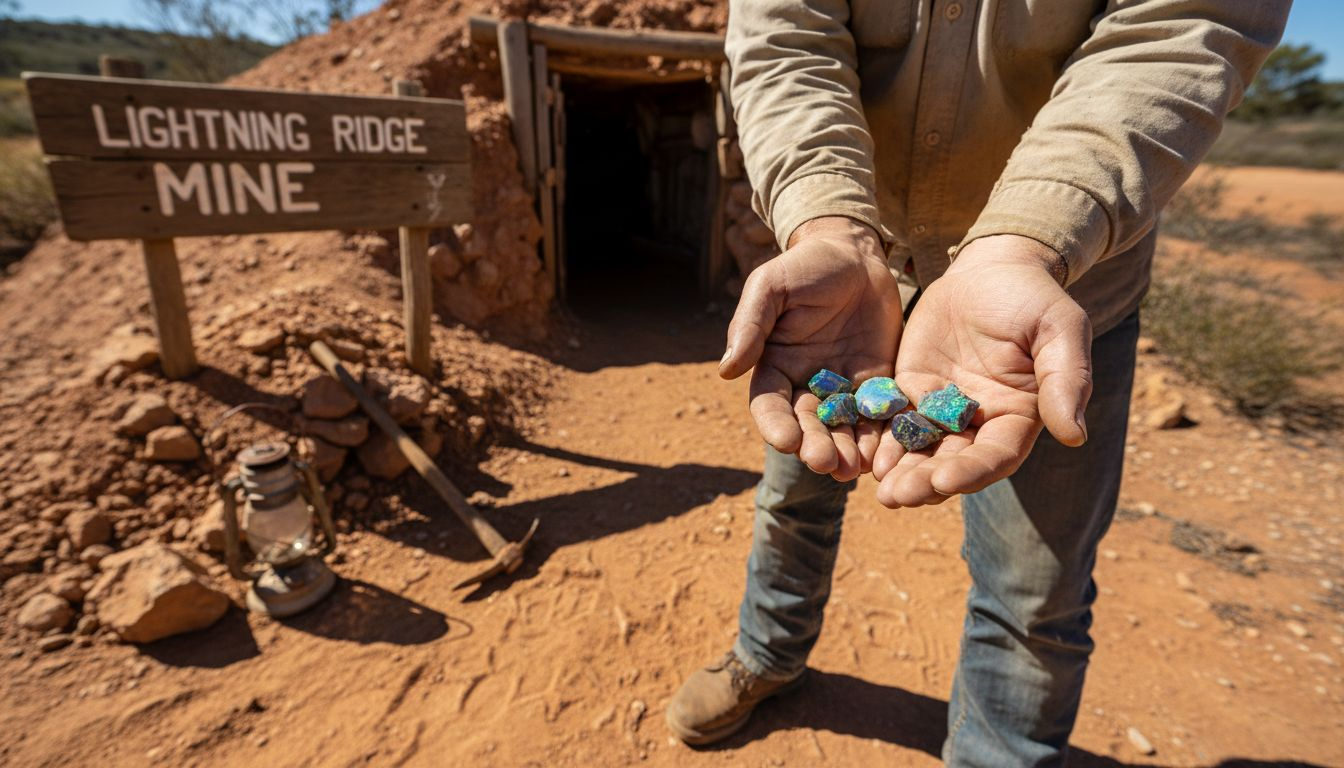
Beyond geographic variations, Australian opals can be categorized by their specific visual characteristics. Crystal opals offer transparent or semi-transparent bodies with brilliant color play, while fire opals showcase intense orange and red hues reminiscent of burning embers. Some collectors specifically seek matrix opals, where the gemstone is intricately integrated with the host rock, creating natural artistic patterns that make each piece a geological canvas. These variations demonstrate why Australian opals are considered the most diverse and sought-after in the global gemstone market.
Pro tip: When collecting Australian opals, always request detailed documentation about the stone’s origin, as the specific region significantly impacts the gem’s value and unique characteristics.
Here’s a quick reference to the most notable types of Australian opals and how they differ:
| Opal Type | Body Tone | Origin Region | Key Visual Feature |
|---|---|---|---|
| Black Opal | Dark | Lightning Ridge | Intense flashes of color |
| White Opal | Light | Coober Pedy | Soft, diffuse color play |
| Boulder Opal | Mixed with host rock | Queensland | Matrix patterns with rock |
| Crystal Opal | Transparent/semi-transparent | Various | Brilliant color clarity |
| Fire Opal | Orange/red | Various (rare in Australia) | Fiery, ember-like hues |
| Matrix Opal | Integrated with matrix | Queensland | Artistic natural patterns |
Play-of-Color and Brilliance in Opals
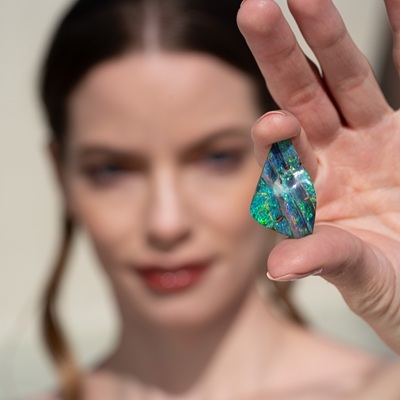
The extraordinary phenomenon of play-of-color represents the most captivating characteristic of precious opals, transforming these gemstones from simple minerals into living, dynamic works of art. The science behind opals’ unique optical effects reveals a mesmerizing interaction between light and microscopic silica spheres that creates breathtaking color displays. This remarkable feature occurs when light diffracts through uniformly sized spheres arranged in a precise three-dimensional lattice, generating spectacular color shifts that dance across the stone’s surface.
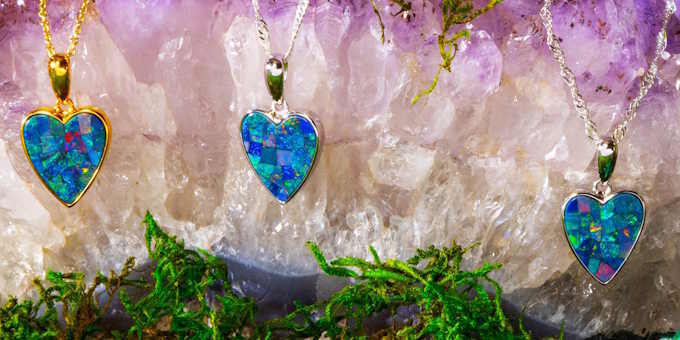
Different play-of-color patterns distinguish exceptional opals from ordinary stones. Pinfire patterns feature tiny, concentrated color pinpoints, while harlequin patterns showcase larger, mosaic-like color blocks that collectors particularly prize. The size, uniformity, and arrangement of silica spheres determine the intensity and character of these color displays. Some opals produce subtle, shimmering effects, while others create dramatic, almost electric color transformations that seem to pulse and shift with every slight movement.
Understanding play-of-color requires appreciating the complex geological conditions required to create these extraordinary gems. The precise arrangement of silica spheres - which must be remarkably uniform and perfectly spaced - determines whether an opal will exhibit stunning color play or remain a common, unremarkable stone. Professional gemologists assess play-of-color using criteria like pattern complexity, color intensity, and the stone’s ability to display colors across different viewing angles. This scientific precision transforms opal selection from mere aesthetic appreciation to a sophisticated understanding of geological artistry.
Pro tip: Examine potential opal purchases under multiple light sources and from various angles to fully appreciate the stone’s unique play-of-color characteristics.
Ethical Sourcing and Authenticity Standards
Ethical sourcing represents the cornerstone of responsible opal collection, reflecting a commitment to environmental sustainability, fair labor practices, and transparent mining operations. Responsible mining goes far beyond simply extracting gemstones, encompassing comprehensive approaches that protect local ecosystems, support mining communities, and ensure minimal environmental disruption. The most reputable opal sources in Australia maintain rigorous standards that prioritize worker safety, fair compensation, and ecological preservation.
Authenticity in the opal market requires sophisticated verification processes that protect collectors from fraudulent or synthetic stones. Certification plays a critical role in establishing a stone’s legitimacy, with expert gemologists conducting detailed assessments that examine microscopic structural characteristics, origin documentation, and precise color spectrum analysis. Australian mining regions like Lightning Ridge and Coober Pedy have developed robust tracking systems that provide comprehensive documentation for each extracted stone, allowing collectors to trace an opal’s entire journey from earth to market.
The global opal market increasingly demands transparency, with sophisticated collectors seeking comprehensive provenance information about their gemstones. This means understanding not just the stone’s visual characteristics, but its entire geological and human production narrative. Ethical standards now incorporate comprehensive assessments of mining practices, including environmental impact, worker welfare, indigenous land rights, and sustainable extraction techniques. Responsible dealers provide complete historical documentation, including precise geographic origin, mining date, extraction methods, and the specific geological context of each unique stone.
Pro tip: Always request a comprehensive certification and origin report when purchasing opals, ensuring you understand the complete story behind your gemstone.
Comparing Opal Jewelry to Other Gemstones
The remarkable world of gemstones reveals opals as truly extraordinary jewels that defy conventional categorization. Unlike traditional gemstones like diamonds, rubies, and sapphires, which showcase uniform color and crystalline structures, opals represent a dynamic, almost living artistic expression. Their unique amorphous mineraloid structure allows for an unprecedented display of color and light interaction that sets them dramatically apart from more predictable gemstone varieties.
Where diamonds offer consistent brilliance and emeralds present rich, stable green tones, opals provide an ever-changing kaleidoscope of color that shifts with movement and light. Structural complexity defines opals, with their intricate silica sphere arrangements creating mesmerizing color displays that no other gemstone can replicate. Rubies and sapphires might boast remarkable hardness, but opals compensate for lower durability with unparalleled visual drama, transforming each piece of jewelry into a unique, living artwork that tells its own geological story.
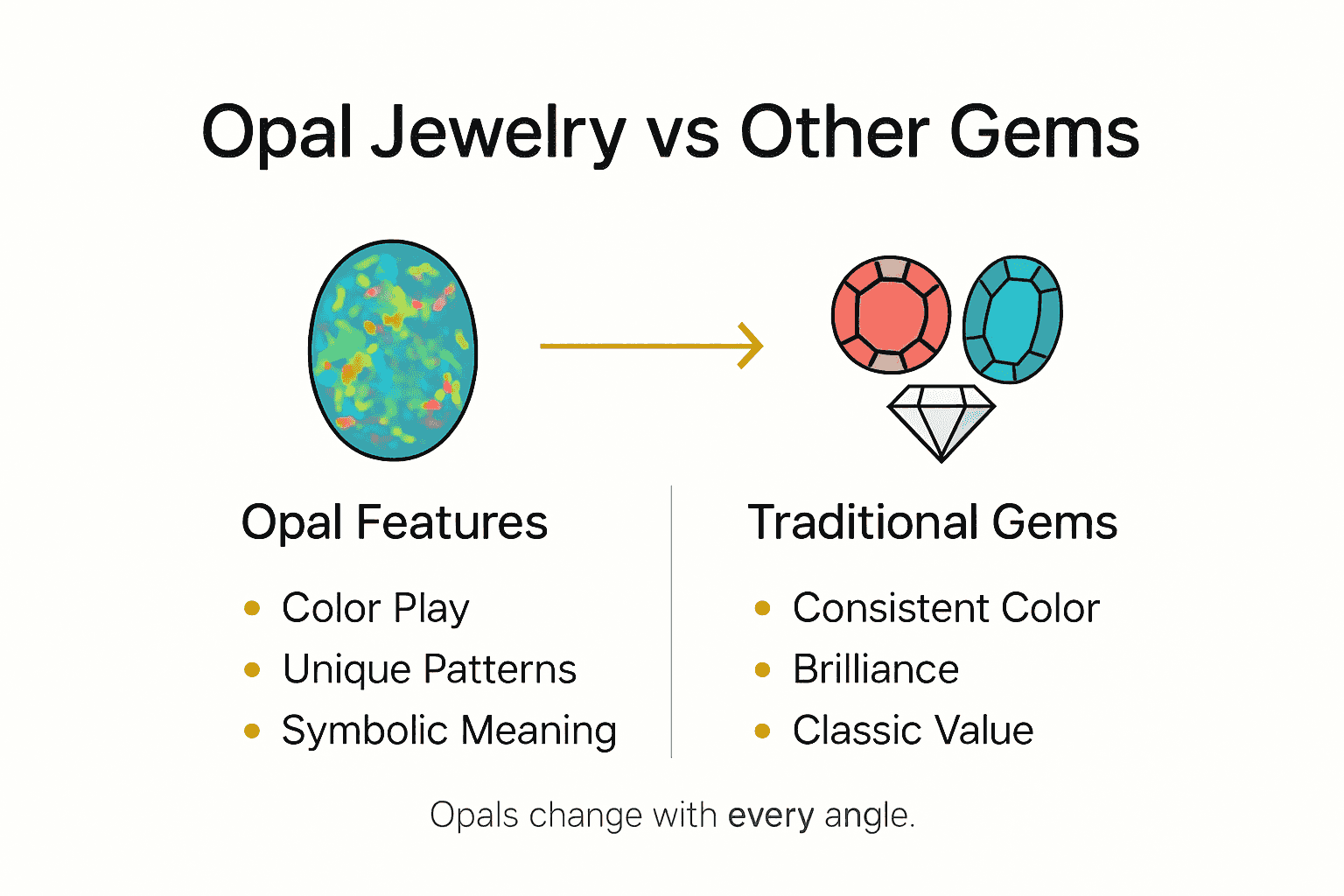
Beyond physical characteristics, opals carry profound symbolic significance that distinguishes them from more traditional gemstones. While diamonds represent eternal commitment and emeralds symbolize growth, opals embody creativity, inspiration, and emotional depth. Their unpredictable nature mirrors human complexity, making them particularly appealing to collectors and connoisseurs who appreciate nuanced, non-linear beauty. Professional jewelers recognize that opals are not just decorative items but complex geological narratives that connect wearers to the earth’s most intricate natural processes.
Pro tip: When comparing opals to other gemstones, focus on their unique play-of-color rather than traditional metrics like hardness or uniformity, as their value lies in their extraordinary visual complexity.
This table highlights how opal jewelry compares to traditional gemstones on key qualities:
| Characteristic | Opal Jewelry | Diamonds/Rubies/Sapphires |
|---|---|---|
| Structure | Amorphous | Crystalline |
| Color Appearance | Dynamic, shifting | Uniform, stable |
| Visual Impact | Kaleidoscopic play-of-color | Consistent brilliance/color |
| Symbolism | Creativity, inspiration | Commitment, tradition |
| Durability | Less durable | Highly durable |
| Uniqueness | No two alike | Many identical stones |
Discover the Unmatched Beauty of Ethically Sourced Australian Opals
The article highlights the unique challenges collectors face when seeking genuine opal jewelry that showcases authentic play-of-color, origin transparency, and ethical sourcing from renowned Australian regions like Lightning Ridge, Coober Pedy, and Queensland. For connoisseurs who value the geological artistry and dynamic brilliance of opals, finding pieces that combine provenance, craftsmanship, and sustainability can be difficult.
At Australian Opal Direct, we address these pain points by offering a curated collection of premium Australian opals, handpicked directly from trusted miners. Our extensive selection of rings, pendants, earrings, and custom designs guarantees each gemstone tells a distinctive story while ensuring rigorous authenticity and ethical practices. Enjoy peace of mind with our complimentary insurance and 90-day warranties as you add a truly one-of-a-kind opal to your collection.
Elevate your appreciation for these living, dynamic gemstones by exploring our exclusive range that celebrates the vibrant play-of-color and provenance every serious collector seeks.

Experience the extraordinary now by browsing our curated opal jewelry collections and discover how owning a genuine Australian opal can connect you deeply to nature’s rarest treasures. Don’t miss the chance to own a piece of geological history crafted into art—visit us today to find your perfect opal.
Frequently Asked Questions
What makes opal jewelry unique compared to other gemstones?
Opal jewelry is unique due to its amorphous structure, which allows for an unparalleled display of color and light interaction. Unlike traditional gemstones, opals exhibit an ever-changing play-of-color that shifts with movement and light, making each piece truly one-of-a-kind.
How is the value of opal jewelry determined?
The value of opal jewelry is assessed based on several key factors, including color intensity, pattern complexity, clarity, cut precision, and overall carat weight. The rarity of the specific opal type also influences its value, with black opals being among the most sought after.
What are the different types of Australian opals and their characteristics?
The main types of Australian opals include black opals, known for their dark body tone and vibrant color play; white opals, which have a light body tone with softer colors; and boulder opals, attached to their host rock and featuring unique matrix patterns. Crystal opals have transparent bodies with brilliant color displays, while fire opals showcase intense orange and red hues.
How can I ensure the authenticity of opal jewelry?
To ensure authenticity, always request comprehensive certification and origin documentation from reputable sources. This certification should include detailed assessments from gemologists, verifying the stone’s characteristics and its provenance, ensuring it has not been misrepresented as a synthetic or fraudulent piece.
Recommended
- Opal Stone 101: History, Symbolism, and Uses - Australian Opal Direct
- 7 Key Benefits of Opal Jewelry for Discerning Collectors - Australian Opal Direct
- 5 Eccentric, Non-Traditional Engagement Rings to Stand Out - Australian Opal Direct
- What Is Custom Opal Jewelry? Complete Overview - Australian Opal Direct