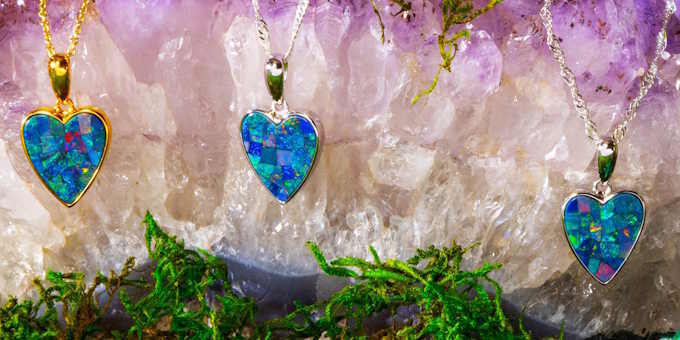
How to Spot Rare Opals: Expert Guide for Authentic Finds
Posted by AOD on 3rd Dec 2025
How to Spot Rare Opals: Expert Guide for Authentic Finds
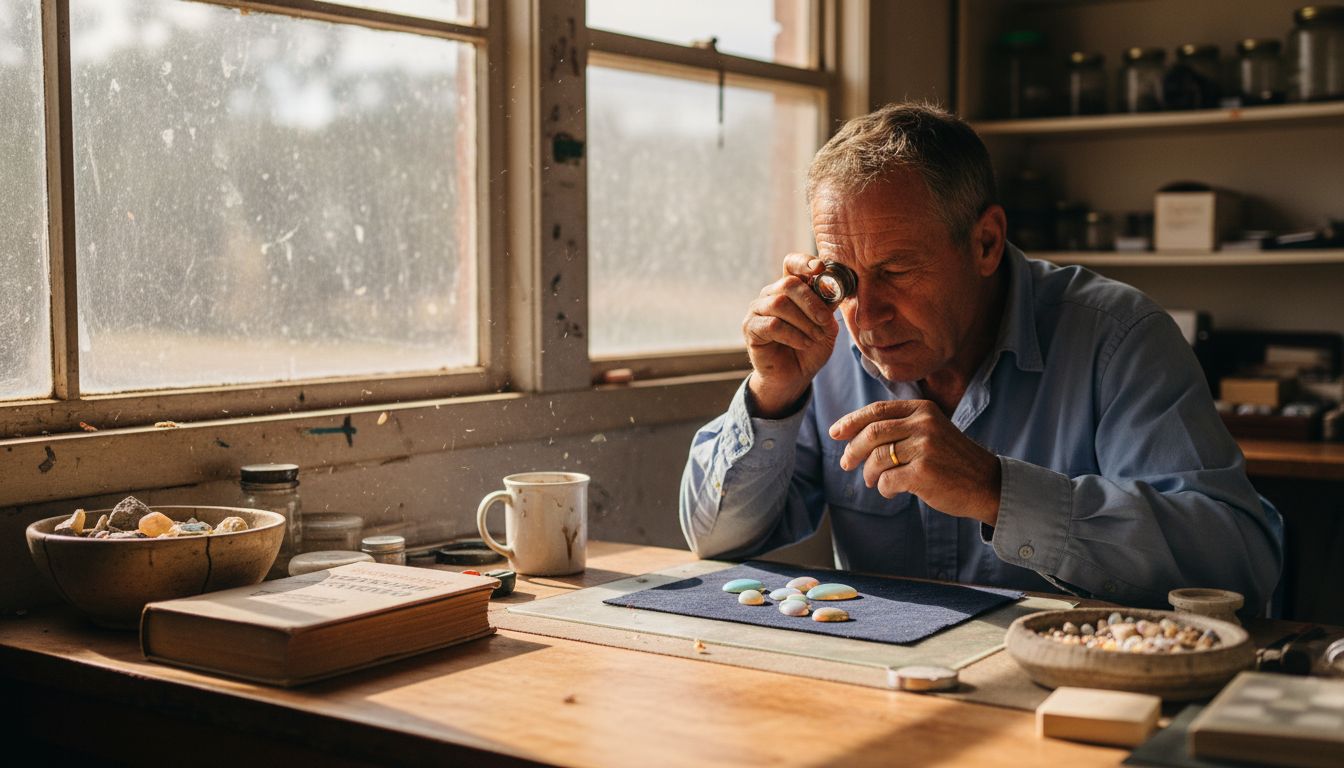
Rare Australian opals consistently rank among the most coveted gems for collectors, yet over 80 percent of the world’s precious opals come from Australia, making them both accessible and alluring for American buyers. The sheer diversity in color, pattern, and clarity sets Australian opals apart in the competitive gemstone market. By learning how to spot authenticity and understand key quality factors, you can confidently seek out truly exceptional opals and avoid costly imitations.
Table of Contents
- Step 1: Prepare By Researching Australian Opal Types
- Step 2: Examine Key Visual Indicators Of Rarity
- Step 3: Assess Color Play And Pattern Quality
- Step 4: Verify Authenticity And Ethical Sourcing
- Step 5: Evaluate Provenance And Certification
Quick Summary
| Key Point | Explanation |
|---|---|
| 1. Research Opal Types Thoroughly | Understand various Australian opal types to recognize authentic and valuable stones. Key examples include Black, Boulder, and White opals. |
| 2. Examine Visual Indicators of Rarity | Look for vibrant color play and dynamic patterns in opals. The most valuable stones have multiple shifting colors and high transparency. |
| 3. Assess Color Play and Pattern Quality | Evaluate opals based on color intensity, distribution, and interaction. Exceptional opals display smooth transitions of colors and rich spectra. |
| 4. Verify Authenticity and Ethical Sourcing | Confirm a stone’s authenticity by understanding its composition. Request information on whether the opal is solid, a doublet, or a triplet. |
| 5. Evaluate Provenance and Certification | Check the gemstone’s certification for details about its geographic origin and mining conditions, as this impacts both value and authenticity. |
Step 1: Prepare by Researching Australian Opal Types
Successfully identifying rare opals starts with understanding the diverse world of these captivating gemstones. By thoroughly researching Australian opal varieties, you’ll develop the keen eye necessary for spotting authentic and valuable specimens.
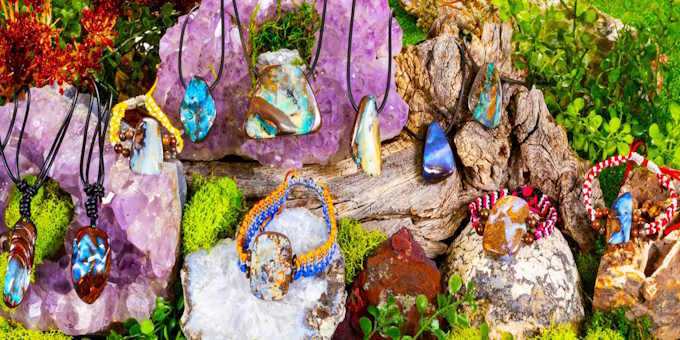
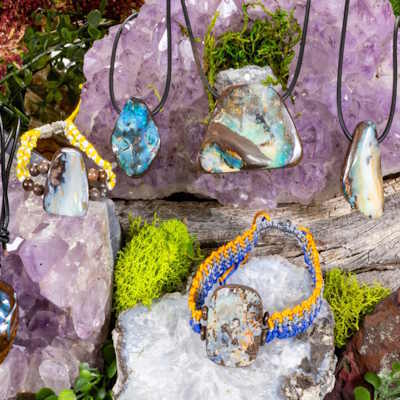
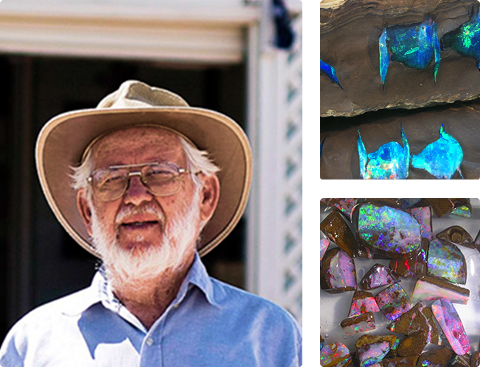
Australia produces several distinctive opal types, each with unique characteristics. Black opals from Lightning Ridge represent the most prized variety, featuring a dark body tone with vibrant color play. Boulder opals showcase stunning color patterns embedded within ironstone matrix, while white opals from Coober Pedy offer softer, more subtle color displays. Crystal opals provide exceptional transparency, allowing light to pass through and create mesmerizing visual effects.
Pro tip: Focus your research on understanding color intensity, body tone, and pattern complexity. These factors significantly impact an opal’s rarity and value. As you become familiar with different opal types, you’ll build the expertise needed to distinguish genuine Australian opals from less valuable imitations.
Step 2: Examine Key Visual Indicators of Rarity
Identifying truly rare opals requires a trained eye and understanding of the nuanced visual characteristics that distinguish exceptional stones. Visual indicators from museum samples reveal the complex factors that contribute to an opal’s overall rarity and value.
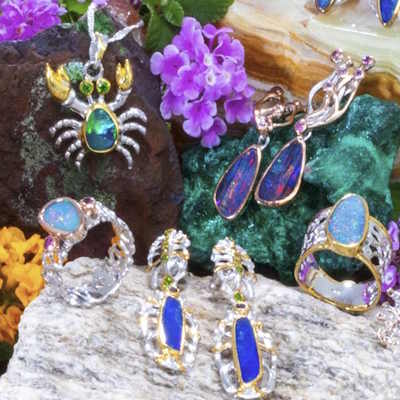
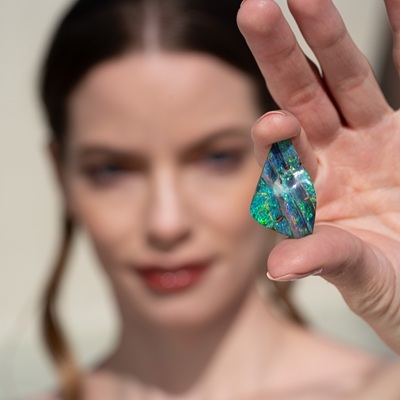
Look for opals with vibrant color play, particularly those displaying intense and dynamic patterns known as ‘fire’. The most valuable stones demonstrate multiple colors that shift and dance when rotated under light. Pay special attention to the color’s brilliance, saturation, and the way different hues interact within the stone. Rare opals typically feature a combination of characteristics including uniform color distribution, high transparency, and a clear contrast between background and color play.
Pro tip: Natural lighting provides the best environment for assessing an opal’s true visual potential. Examine the stone from multiple angles and under different light conditions to fully appreciate its unique optical properties. The most exceptional opals will reveal unexpected depths and color transformations that set them apart from ordinary gemstones.
Step 3: Assess Color Play and Pattern Quality
Understanding the intricate world of opal color play requires a systematic and careful approach to evaluating each stone’s unique visual characteristics. Museum samples showcase the stunning variety of color patterns that distinguish exceptional opals from ordinary stones.
Focus on identifying three critical elements of color play: intensity, distribution, and interaction. High quality opals demonstrate a phenomenon called ‘fire’ where colors shift dynamically when the stone moves. Look for vibrant colors that transition smoothly across the stone’s surface rather than appearing as static or fragmented patches. The most prized opals display a full spectrum of colors including deep blues, rich greens, fiery reds, and brilliant oranges that seem to dance and merge seamlessly.

Pro tip: Rotate the opal under different light sources natural and artificial to fully appreciate its color dynamics. Exceptional stones will reveal unexpected color transformations that capture light in mesmerizing ways, creating a visual experience that goes beyond simple surface appearance. These nuanced color interactions are what separate truly rare opals from more common specimens.
Step 4: Verify Authenticity and Ethical Sourcing
Authenticity is the cornerstone of valuable opal acquisition, requiring a nuanced understanding of the different types and production methods. Distinguishing between natural, composite, and synthetic opals is crucial for making informed purchasing decisions and ensuring you acquire a genuine gemstone.
Carefully examine the opal’s composition by understanding the key differences between solid opals, doublets, and triplets. Ethical sourcing guidelines recommend looking for transparent documentation about the stone’s origin and production method. Solid opals are carved from a single piece of natural stone, while doublets consist of a thin opal layer attached to a backing material. Triplets include an additional protective clear quartz or glass top layer. Each type has distinct visual characteristics and price points that experienced collectors learn to recognize.
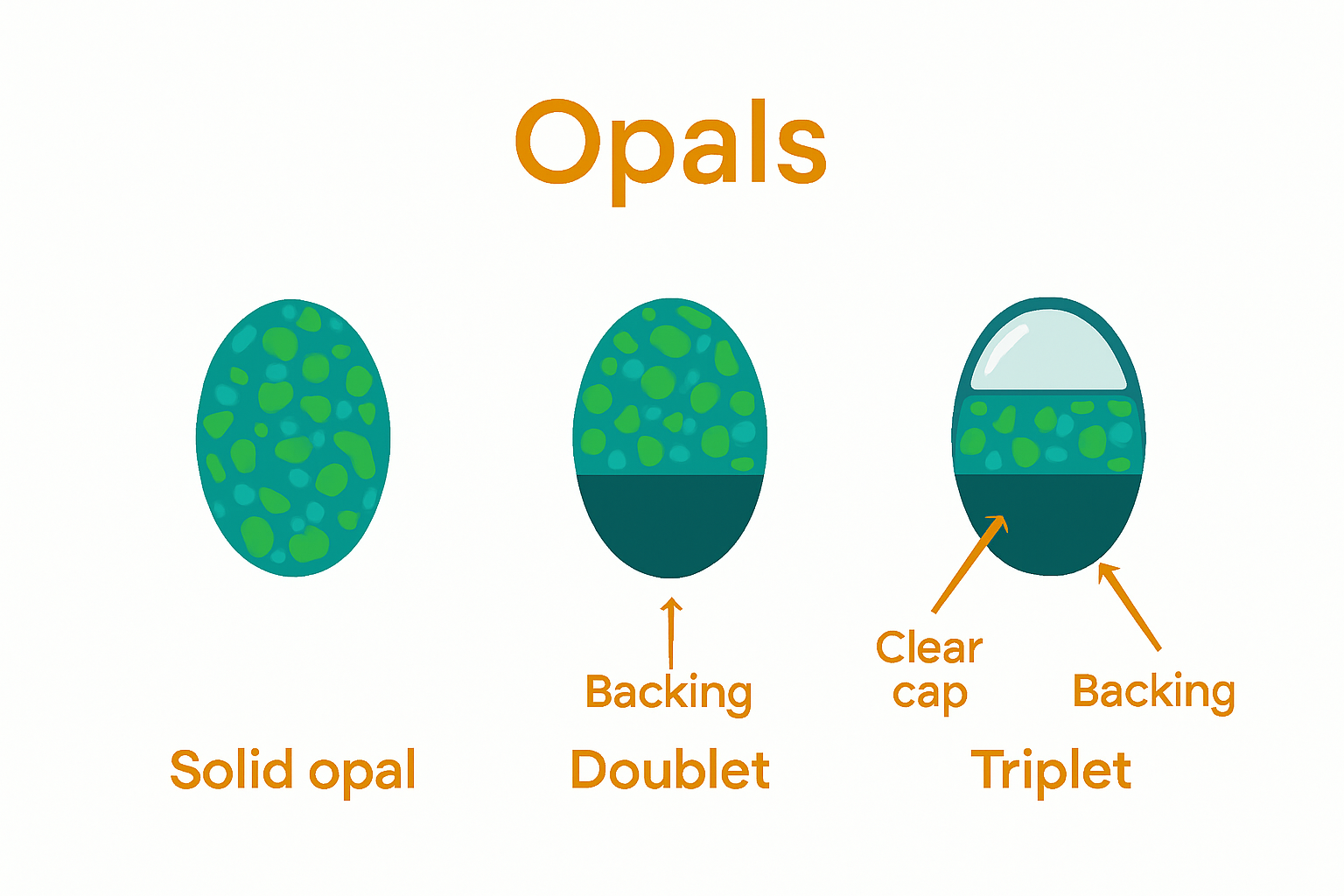
Pro tip: Request a detailed certification from the seller that includes the opal’s specific geographic origin, mining conditions, and a comprehensive description of its physical properties. Reputable dealers will provide transparent information about the stone’s provenance, helping you confirm both its authenticity and ethical sourcing standards.
Step 5: Evaluate Provenance and Certification
Major opal mining locations play a critical role in determining an opal’s authenticity, value, and historical significance. Understanding the precise geographic origin of a stone helps collectors and enthusiasts make informed purchasing decisions that go beyond surface level aesthetic appeal.
Carefully examine the certification documentation, looking for comprehensive details about the opal’s specific mining region. Museum experts emphasize that opals from renowned areas like Lightning Ridge, Coober Pedy, and Queensland carry distinct characteristics that significantly impact their market value. Authentic certifications should include precise information about the stone’s geographic origin, extraction date, mining conditions, and unique geological characteristics that distinguish it from other regional varieties.
Pro tip: Request a comprehensive provenance report that includes not just the geographic origin, but also details about the mining process, environmental conditions, and potential geological treatments. Reputable dealers will provide transparent documentation that tells the complete story of your opal from earth to market, giving you confidence in both its authenticity and ethical sourcing.
Discover Authentic Rare Opals with Confidence
Spotting truly rare and valuable Australian opals requires expertise in visual indicators, color play, and provenance. If you are searching for exceptional opals from Lightning Ridge, Coober Pedy, or Queensland that promise authenticity and ethical sourcing, we understand your desire for transparency and quality. Key challenges like verifying an opal’s origin, assessing its vibrant color dynamics, and ensuring its ethical mining can feel overwhelming without trusted guidance.
At Australian Opal Direct, we solve these challenges by offering a curated collection of genuine opals backed by direct miner relationships. Each exquisite piece comes with detailed provenance and certification to guarantee both rarity and ethical sourcing. Whether you seek stunning rings, pendants, or custom jewelry, you gain access to rare gemstones that reflect passionate craftsmanship and the rich heritage of Australia’s premier opal fields.
Elevate your collection today and experience the undeniable energy and history embodied in every stone.
Explore our exclusive range now

Ready to own an authentic rare Australian opal? Visit Australian Opal Direct to browse our unique offerings and enjoy benefits like free shipping, complimentary insurance, and a 90-day warranty. Your perfect opal awaits—discover it with us today.
Frequently Asked Questions
How can I identify different types of Australian opals?
Understanding different types of Australian opals involves researching their unique characteristics, such as body tone and color play. Focus on learning about Black Opals, Boulder Opals, White Opals, and Crystal Opals to recognize their distinct features. Use reputable resources to compare images and descriptions to build your knowledge.
What are the key visual indicators to look for in rare opals?
To identify rare opals, examine their color play, brilliance, and pattern complexity. Look for vibrant colors, dynamic patterns, and transparency as indicators of value. Analyze the opal under natural light and from multiple angles to fully appreciate its unique visual properties.
How do I assess the quality of color play in an opal?
Assessing the quality of color play requires focusing on intensity, distribution, and interaction of colors across the opal’s surface. Search for stones that display a full spectrum of colors with smooth transitions rather than fragmented patches. Rotate the opal under different light conditions to see how the colors shift.
What steps should I take to verify an opal’s authenticity?
To verify an opal’s authenticity, examine its composition and request detailed documentation from the seller. Look for information that distinguishes solid opals from composite types like doublets and triplets. Ensure that the documentation includes the opal’s geographic origin and production method to confirm its authenticity.
Why is provenance important when choosing an opal?
Provenance is important because it provides details about an opal’s geographic origin and historical significance, which can impact its value. Check for certification that includes specifics about the mining region and conditions. A comprehensive provenance report adds to the confidence in your purchase and helps ensure ethical sourcing.
Recommended
- Opal Stone 101: History, Symbolism, and Uses - Australian Opal Direct
- Rare Opals Explained: Identifying Value and Rarity - Australian Opal Direct
- 7 Best Opal Jewelry Tips Every Collector Should Know - Australian Opal Direct
- Comment identifier une opale authentique avec méthode - Australian Opal Direct
- How to Spot Perfume Discounts for Quality Fragrances