Understanding solid opals: value, rarity, and craftsmanship
Posted by AOD on 19th Mar 2026
Understanding solid opals: value, rarity, and craftsmanship
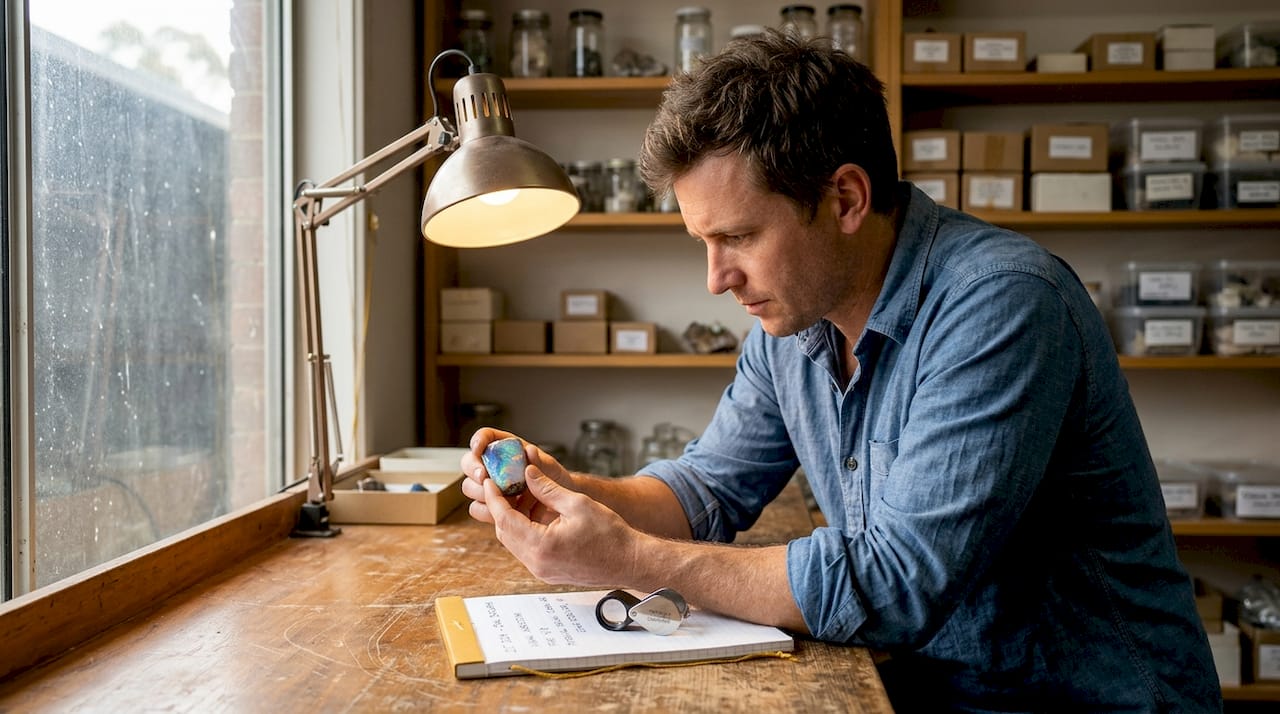
Many collectors assume all opals are equal, but solid opals represent the pinnacle of natural gemstone purity and ethical craftsmanship. Unlike assembled pieces, these single-origin gems from Australia’s legendary mining regions offer unmatched authenticity and investment value. This guide reveals how to identify genuine solid opals, understand their geological rarity, verify ethical sourcing, and build a collection that celebrates both natural beauty and responsible mining practices. You’ll gain the expertise to confidently evaluate quality, authenticate pieces, and preserve your opals for generations.
Table of Contents
- What Are Solid Opals? Defining The Natural Gem
- Australian Opals: Formation, Rarity, And Ethical Sourcing
- How To Identify And Authenticate Solid Opals For Collectors
- Choosing And Caring For Your Solid Opal Collection
- Discover Authentic Australian Solid Opals Today
- Frequently Asked Questions
Key takeaways
| Point | Details |
|---|---|
| Solid opals are single-piece gems | Unlike doublets or triplets, solid opals contain 100% natural opal without backing or capping layers, ensuring maximum value and authenticity. |
| Australian opals dominate global supply | 95% of precious opal originates from Australia, with Lightning Ridge, Coober Pedy, and Queensland producing the world’s finest specimens. |
| Ethical sourcing matters for collectors | Australian mining operations follow strict rehabilitation standards and fair labor practices, making these opals ethically superior to alternatives from regions with weaker regulations. |
| Authentication requires multiple criteria | Genuine solid opals display consistent color patterns, appropriate weight, no visible layering, and verifiable origin documentation from reputable sources. |
| Proper care preserves long-term value | Opals require gentle handling due to their 5.5-6.5 Mohs hardness, avoiding heat, impacts, and harsh chemicals to maintain brilliance. |
What are solid opals? Defining the natural gem
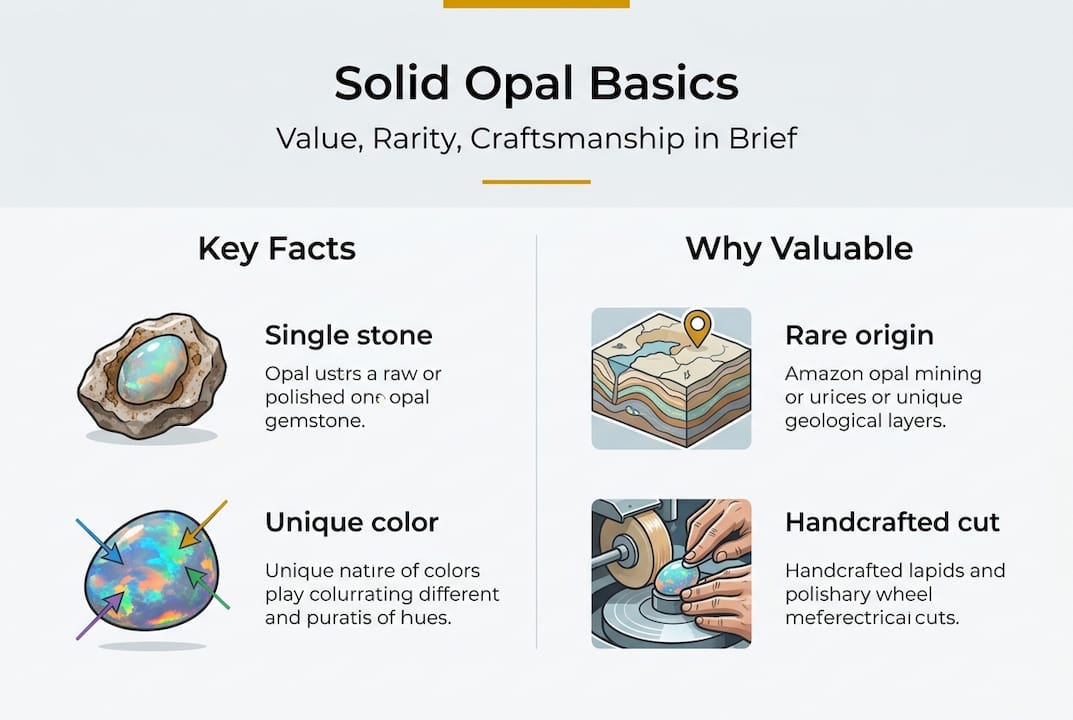
Solid opals represent the purest form of this mesmerizing gemstone, consisting of a single, unaltered piece of natural opal without any artificial backing or capping. This distinguishes them fundamentally from doublets, which feature a thin opal layer glued to a dark backing, and triplets, which add a protective dome over the opal slice. The distinction matters enormously for value, durability, and collectibility.
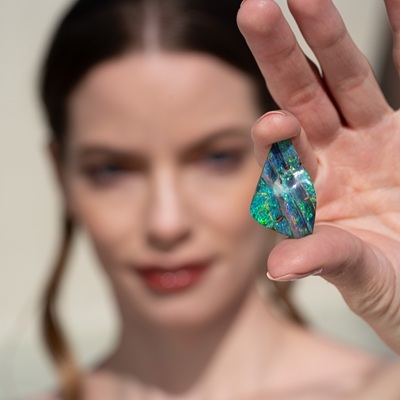
The magic of solid opals lies in their internal structure. Microscopic silica spheres arranged in precise grids diffract light, creating the signature play of color called opalescence. This phenomenon occurs naturally within the gem’s body, not from surface treatments or enhancements. When you hold a solid opal, you’re experiencing pure geological artistry formed over millions of years.
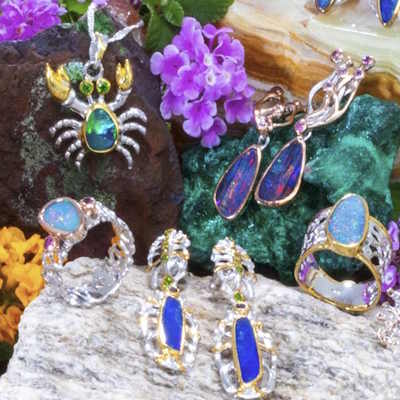
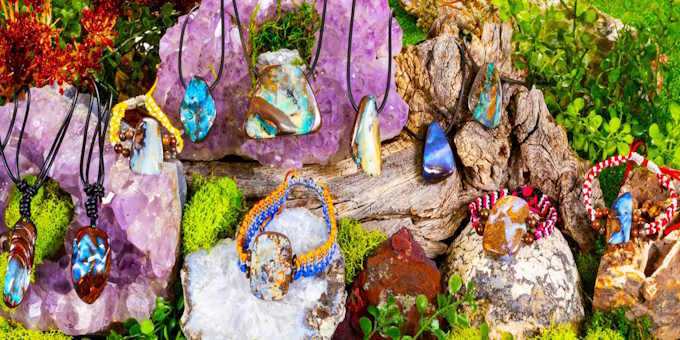
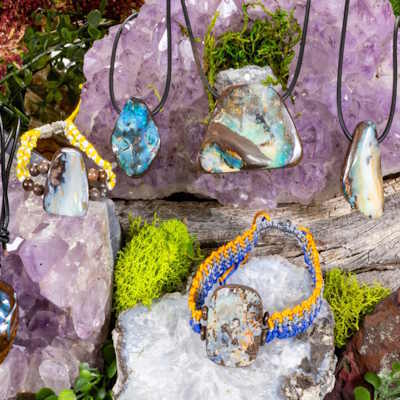
Australian solid opals fall into several distinct categories, each with unique characteristics. Black opals from Lightning Ridge display vibrant color against dark body tones, commanding premium prices due to their rarity. Boulder opals feature precious opal naturally attached to ironstone matrix, creating dramatic contrasts. Crystal opals offer transparent to translucent bodies with exceptional clarity. White or light opals showcase pastel colors against pale backgrounds. Each type appeals to different collector preferences and budgets.
| Opal Type | Primary Origin | Appearance | Rarity Level |
|---|---|---|---|
| Black Opal | Lightning Ridge, NSW | Dark body tone with brilliant color play | Extremely rare |
| Boulder Opal | Queensland | Opal veins in ironstone matrix | Rare |
| Crystal Opal | Multiple regions | Transparent to translucent clarity | Moderately rare |
| White/Light Opal | Coober Pedy, SA | Pale body with pastel colors | Common |
The single-piece composition of solid opals ensures structural integrity that assembled pieces cannot match. Without glue layers that can separate or protective caps that can scratch, solid opals maintain their beauty indefinitely when properly cared for. This durability makes them ideal for heirloom jewelry and serious collections.
Pro Tip: Always examine an opal’s side profile under magnification. Solid opals show consistent material throughout, while doublets reveal distinct layers and triplets display three separate components. This simple check instantly identifies assembled pieces.
Understanding these fundamental distinctions empowers you to evaluate opals with confidence. The types of Australian opals each offer unique visual appeal and investment potential, but solid specimens always represent the most authentic and valuable choice for discerning collectors.
Australian opals: formation, rarity, and ethical sourcing
The formation of Australian opals began millions of years ago through a remarkable geological process. Silica-rich water seeped through sedimentary rock, filling cracks and voids. As water evaporated, silica particles settled in precise spherical arrangements. The size and uniformity of these spheres determine which wavelengths of light get diffracted, creating the spectacular color displays collectors prize.
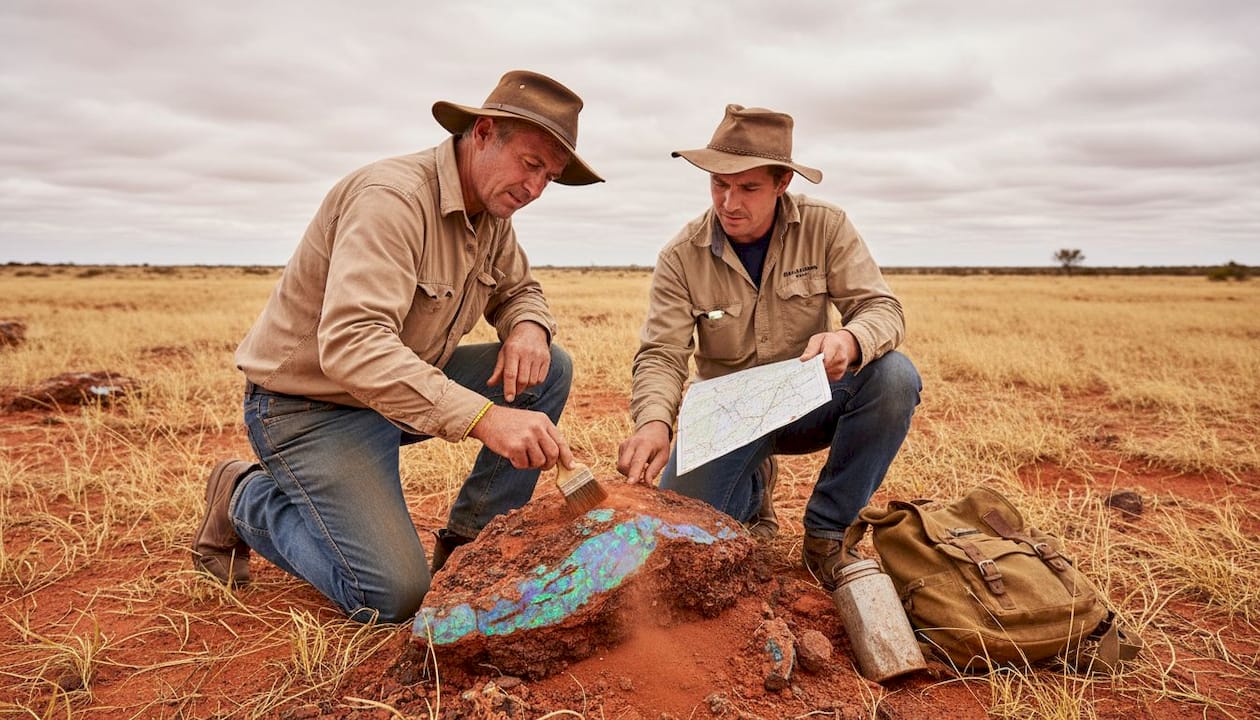
This formation process requires extraordinarily specific conditions. The right combination of silica concentration, water chemistry, temperature, and time occurs rarely in nature. Australia’s ancient inland seas and unique geology created the perfect environment, explaining why 95% of precious opal comes from this continent. No other region on Earth has consistently replicated these conditions at scale.
Three primary mining regions produce Australia’s legendary opals, each with signature characteristics:
- Lightning Ridge in New South Wales yields coveted black opals with intense color against dark backgrounds
- Coober Pedy in South Australia produces the majority of white and crystal opals, operating the world’s largest opal fields
- Queensland’s boulder opal deposits feature precious opal intimately bonded with ironstone host rock
- Mintabie and Andamooka contribute additional white opal production with distinct regional characteristics
The rarity of Australian opals extends beyond their limited geographic distribution. Unlike diamonds or sapphires found in multiple continents, precious opal deposits of significant quality exist almost exclusively in Australia. This geographic monopoly creates inherent scarcity that supports long-term value appreciation for collectors.
Ethical considerations distinguish Australian opals from alternatives in other countries. Australian mining operations remain predominantly small-scale, family-run enterprises that follow strict environmental rehabilitation requirements and fair labor standards. Miners must restore landscapes after extraction, preventing the environmental devastation common in industrial mining operations elsewhere.
Australian opal mining respects Indigenous heritage sites, employs local communities fairly, and operates under stringent environmental oversight, making these gems ethically superior to opals from regions with weaker protections or exploitative labor practices.
The opal supply chain in Australia maintains transparency from mine to market. Direct relationships between miners and retailers eliminate middlemen who obscure provenance. This traceability ensures collectors can verify their opals’ origins and support responsible mining practices.
Pro Tip: Request documentation of your opal’s specific mining region and miner when purchasing. Reputable dealers provide this information readily, while vague sourcing claims often indicate questionable origins or assembled pieces misrepresented as solid Australian opals.
Understanding these formation and sourcing factors transforms how you evaluate opals. The geological rarity combined with ethical sourcing practices makes Australian solid opals uniquely positioned as both beautiful gemstones and responsible luxury purchases.
How to identify and authenticate solid opals for collectors
Authenticating solid opals requires systematic evaluation of physical, optical, and documentary evidence. Developing this expertise protects your investment and ensures your collection contains genuine specimens. Follow this methodical approach:
- Examine the side profile under 10x magnification to check for layering or glue lines that indicate doublets or triplets
- Assess the weight, as solid opals feel substantially heavier than thin assembled pieces of similar size
- Observe color consistency throughout the stone, noting that solid opals display patterns that extend through the entire depth
- Check for a natural backing, as genuine solid opals show rough potch or matrix on the back, not polished dark material
- Verify documentation including origin certificates, miner information, and any gemological laboratory reports
- Research the seller’s reputation and direct mining relationships to ensure supply chain transparency
The authentication process combines visual inspection with knowledge of how genuine opals should appear and feel. Solid opals possess distinct characteristics that assembled pieces cannot replicate convincingly.
| Feature | Solid Opal | Doublet | Triplet |
|---|---|---|---|
| Composition | Single piece natural opal | Thin opal slice on dark backing | Opal slice between backing and dome |
| Side view | Uniform material throughout | Visible glue line and layers | Three distinct layers visible |
| Weight | Substantial for size | Lighter due to thin opal layer | Variable, often lighter |
| Back surface | Natural rough potch or matrix | Polished dark backing material | Backing material visible |
| Durability | Excellent with proper care | Vulnerable to layer separation | Dome can scratch or separate |
| Value | Highest | Moderate | Lowest |
Visual examination reveals telltale signs of authenticity. Solid opals display color play that shifts naturally as you rotate the stone, with patterns that appear consistent from multiple angles. The color should seem to emanate from within the stone’s depth rather than from a surface layer. Any abrupt color changes or patterns that appear painted on suggest treatments or assembled construction.
Physical testing provides additional verification. Solid opals feel cool to the touch initially, warming gradually with body heat. They exhibit a certain heft appropriate to their size. When gently tapped, they produce a distinct sound different from the hollow resonance of triplets with air gaps beneath protective domes.
Pro Tip: Beware of opals offered at prices far below market value for their apparent quality. Genuine high-grade solid opals command premium prices reflecting their rarity. Suspiciously cheap specimens often prove to be synthetics, simulants, or misrepresented doublets and triplets.
Provenance documentation adds crucial authenticity verification. Legitimate Australian opals come with information about their specific mining location, often including the miner’s name and extraction date. This traceability distinguishes genuine Australian specimens from opals of uncertain origin or synthetic materials.
Common authentication pitfalls include confusing treated opals with untreated specimens. Some opals undergo smoke treatment or sugar-acid treatment to darken their body tone artificially. While still natural opal, these treatments significantly reduce value compared to untreated stones. Spotting rare opals requires understanding these subtle distinctions.
Developing authentication skills takes practice, but the investment protects you from costly mistakes. Handle multiple specimens, compare solid opals directly with doublets and triplets, and study examples of different opal types. This hands-on experience builds the intuitive recognition that separates knowledgeable collectors from novices.
Choosing and caring for your solid opal collection
Building a meaningful opal collection starts with defining your focus and budget parameters. Some collectors pursue specific types like black opals exclusively, while others appreciate the diversity of including specimens from different regions. Consider whether you prioritize investment-grade stones, wearable jewelry pieces, or a combination that balances beauty with value appreciation.
When selecting individual opals, evaluate these key factors. Body tone ranges from black through dark, light, and crystal, with darker tones generally commanding higher prices when color play is strong. Pattern type matters significantly, with harlequin, ribbon, and broad flash patterns highly prized. Color dominance affects value, as red and orange generally rank above green and blue. Brightness on a scale from subdued to brilliant dramatically influences desirability and price.
Size considerations balance visual impact with budget constraints. Larger opals naturally cost more, but exceptional color in a smaller stone often represents better value than mediocre color in a larger specimen. The expert guide to buying emphasizes quality over size for building collections with lasting value.
For jewelry applications, durability becomes paramount. While all opals require care, solid specimens in protective settings like bezel mounts offer the best longevity for daily wear. Selecting engagement opals requires particular attention to durability factors and setting designs that shield the stone from impacts.
Proper care preserves your opals’ brilliance indefinitely. The Mohs hardness of 5.5-6.5 makes opals softer than quartz, requiring gentle handling to prevent scratches. The silica sphere structure that creates opalescence can be damaged by sudden temperature changes, causing crazing or cracking.
Follow these essential care guidelines:
- Store opals separately in soft cloth pouches to prevent scratching from harder gemstones
- Clean with lukewarm water and mild soap using a soft cloth, never ultrasonic or steam cleaners
- Remove opal jewelry before activities involving impacts, chemicals, or extreme temperatures
- Avoid prolonged exposure to direct sunlight or heat sources that can dry the stone
- Have settings checked annually by jewelers to ensure prongs remain secure
- Apply lotions, perfumes, and cosmetics before putting on opal jewelry to minimize chemical exposure
Humidity considerations vary by opal type. Most Australian opals contain minimal water content and tolerate normal environmental conditions well. However, extreme dryness over extended periods can potentially cause some specimens to develop fine surface cracks called crazing. Maintaining moderate humidity prevents this rare occurrence.
Pro Tip: Verify your opal’s provenance documentation and store it securely with purchase receipts. This paperwork becomes increasingly valuable over time, establishing authenticity and origin for insurance purposes, resale, or estate planning. Opals with documented mining history command premium prices.
Insurance protection makes sense for valuable collections. Photograph your opals from multiple angles in good lighting, document their characteristics, and obtain professional appraisals for significant pieces. Update appraisals every few years as market values change and your collection grows.
Long-term collection strategy balances acquisition with preservation. Focus on acquiring fewer, higher-quality pieces rather than accumulating numerous mediocre specimens. Quality opals appreciate more reliably and provide greater enjoyment. As your expertise grows, you’ll develop refined preferences that guide future purchases toward pieces that truly resonate with your aesthetic and investment goals.
Discover authentic Australian solid opals today
Your journey into solid opal collecting deserves the foundation of genuine Australian specimens backed by verifiable provenance and ethical sourcing. The knowledge you’ve gained about formation, authentication, and care empowers you to make confident decisions that build lasting value.

Explore curated collections of solid opals sourced directly from Australian miners, each piece accompanied by detailed origin information and authenticity documentation. Whether you seek investment-grade black opals, distinctive boulder specimens, or luminous crystal varieties, direct miner relationships ensure competitive pricing without middleman markups. Expert guidance helps match your preferences with pieces that deliver both aesthetic pleasure and sound value. Discover your next treasured addition at Australian Opal Direct, where every solid opal tells a story of geological wonder and ethical craftsmanship.
Frequently asked questions
What is a solid opal?
A solid opal consists entirely of natural opal material from a single piece, without backing layers or protective caps. This distinguishes it from doublets and triplets, which combine thin opal slices with other materials to enhance appearance or durability at lower cost.
How can I tell if my opal is solid or a doublet?
Examine the stone’s side profile under magnification. Solid opals show consistent material throughout, while doublets reveal a visible glue line separating the thin opal layer from its dark backing. Solid opals also feel heavier and display color patterns extending through the entire depth.
Why are Australian opals more valuable than opals from other countries?
Australia produces 95% of the world’s precious opal, including the rarest black opals found nowhere else. The unique geological conditions that formed these deposits cannot be replicated, creating inherent scarcity. Australian mining’s ethical practices and transparent supply chains add further value for conscientious collectors.
Do solid opals require special care compared to other gemstones?
Solid opals need gentler handling than harder gemstones due to their 5.5-6.5 Mohs hardness. Avoid sudden temperature changes, harsh chemicals, and impacts that could cause scratching or cracking. Clean with lukewarm water and mild soap, and store separately from harder gems to prevent damage.
What factors most influence a solid opal’s value?
Body tone, color brightness, pattern type, and size determine value. Black opals with brilliant red and orange flashes in harlequin patterns command the highest prices. Rarity of the specific type, documented provenance from premium mining regions, and overall visual impact also significantly affect market value.
Can solid opals be used in engagement rings safely?
Solid opals work beautifully in engagement rings when set in protective designs like bezels that shield the stone from impacts. Choose opals with excellent durability characteristics and avoid wearing during activities that risk damage. With proper care and appropriate settings, solid opals create distinctive, meaningful engagement jewelry.