How Location Shapes the Role of Opal Value
Posted by AOD on 31st May 2026
How Location Shapes the Role of Opal Value
TL;DR:
- Geographic origin is the most influential factor in opal valuation, with Australian regions like Lightning Ridge commanding premium prices. Provenance documentation, including mine-specific details and independent appraisals, significantly enhances a stone’s value and resale confidence. Overall, verified Australian opals, especially from Lightning Ridge, remain the highest standard for long-term investment and market respect.
Geographic origin is the single most powerful modifier in opal valuation, with stones from Lightning Ridge, Coober Pedy, and Queensland commanding prices that similar-quality opals from other regions simply cannot match. The role of location in opal value goes far beyond geography. It determines the type of opal formed, the rarity of its play-of-color, and the confidence buyers place in its authenticity. Understanding how mining regions shape opal worth is not optional for serious collectors. It is the foundation of every sound purchasing decision.
How opal mining regions define quality and character
Australia produces approximately 95% of the world’s precious opal, and the country’s three primary regions each yield gemstones with distinct geological fingerprints. This concentration of supply in one continent is not coincidental. It reflects millions of years of silica-rich groundwater percolating through ancient seabeds, creating conditions found nowhere else on Earth at commercial scale.
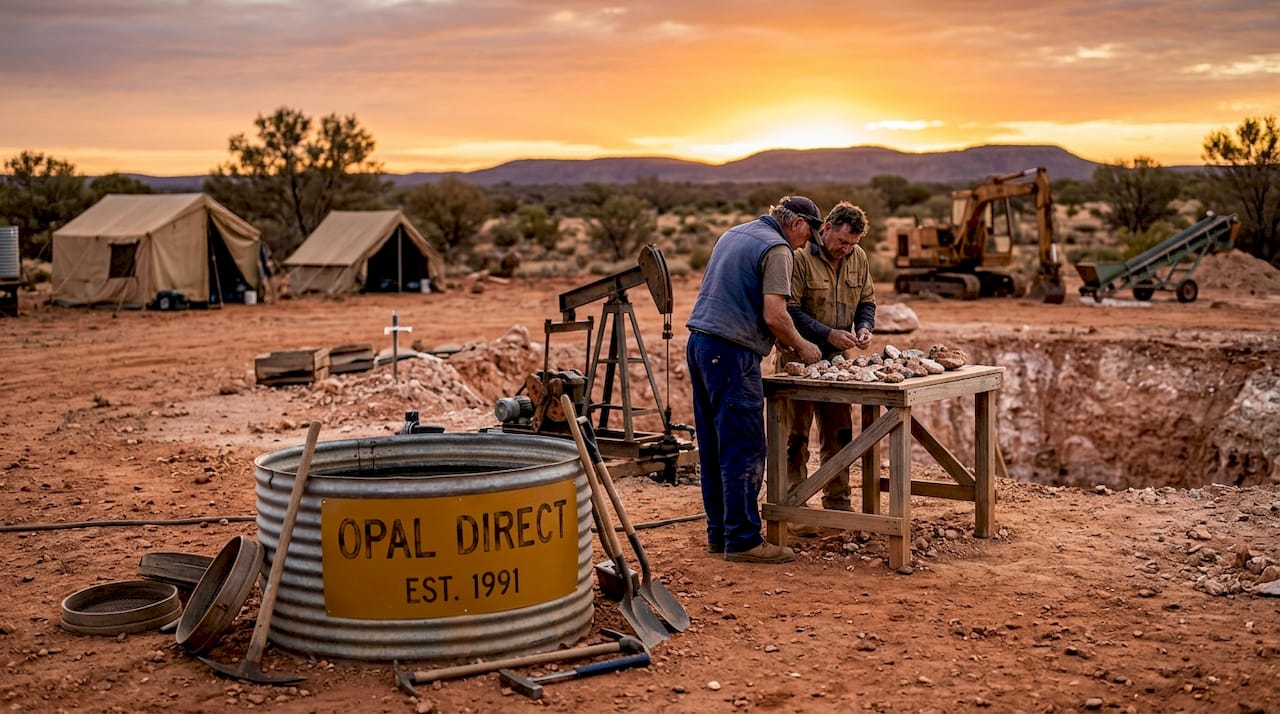
Lightning Ridge, located in New South Wales, is the world’s only significant commercial source of black opal. The dark body tone of these stones, ranging from N1 to N4 on the gemological scale, creates a backdrop that makes play-of-color appear to ignite from within. No other location replicates this effect at the same quality or volume.
Coober Pedy, in South Australia, is the global capital of white and crystal opal. The pale body tone of Coober Pedy stones allows light to diffuse broadly, producing a softer, more ethereal display. These opals are the most widely recognized in jewelry markets worldwide, prized for their accessibility and consistent quality.
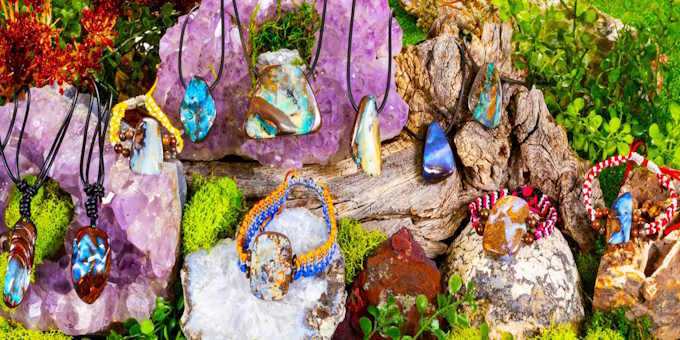
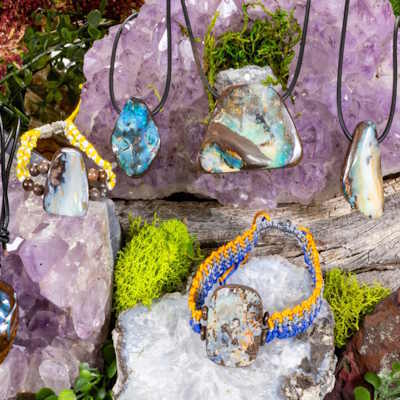
Queensland’s boulder opal occupies a category of its own. Formed within ironstone host rock, boulder opal carries its matrix as a natural backing, giving each stone a sculptural, one-of-a-kind character. Boulder opal value has risen steadily as designers and collectors recognize its durability and artistic depth.
| Region | Opal Type | Key Characteristic | Market Position |
|---|---|---|---|
| Lightning Ridge, NSW | Black opal | Dark body tone, vivid play-of-color | Highest commercial value |
| Coober Pedy, SA | White and crystal opal | Pale body, broad color diffusion | Most widely traded |
| Queensland | Boulder opal | Ironstone matrix, sculptural form | Rising designer demand |
| Ethiopia | Hydrophane opal | Porous, absorbs water, vivid color | Growing but volatile market |
| Virgin Valley, NV | Black opal | Rare, collectible, fragile | Lower commercial premium |
Pro Tip: When examining an opal’s origin, ask specifically which field or mine area it came from within a region. Lightning Ridge alone contains dozens of distinct fields, and stones from areas like Three Mile and Grawin carry their own reputational weight among experienced buyers.
Why location drives market demand and price premiums
Australian opals, particularly Lightning Ridge black opals, command premiums over stones of comparable visual quality from other origins. This is not sentiment. It is a market reality rooted in decades of gemological reputation, controlled supply, and buyer confidence in documented origin.
Several forces converge to make geographic origin a pricing lever:
- Rarity at source. Lightning Ridge is the world’s only significant commercial black opal deposit, meaning supply is finite and geologically irreplaceable. Scarcity at the source translates directly into price floors that other origins cannot sustain.
- Cultural and investment demand. International demand, especially from Asian markets, has grown steadily for fine black opal. Cultural symbolism around the stone’s shifting colors, combined with its status as a tangible investment, has driven consistent price appreciation tied directly to Lightning Ridge provenance.
- Buyer perception and resale confidence. Collectors and investors pay premiums for stones they can resell with confidence. A Lightning Ridge black opal with documented origin carries a story that a visually identical but undocumented stone cannot replicate at auction or private sale.
- Market transparency. The opal supply chain for Australian stones is increasingly traceable, from miner to retailer, which reinforces buyer trust and supports premium pricing.
The importance of opal origin extends to how retailers and auction houses categorize their inventory. Stones listed as “Australian black opal, Lightning Ridge” consistently open at higher reserve prices than unlabeled equivalents, regardless of visual similarity.
Pro Tip: Request a written statement of origin from any seller, not just a verbal assurance. Investment-grade stones should come with documentation naming the specific mining field, the miner or mining company, and the approximate extraction date.
How provenance documentation affects opal valuation
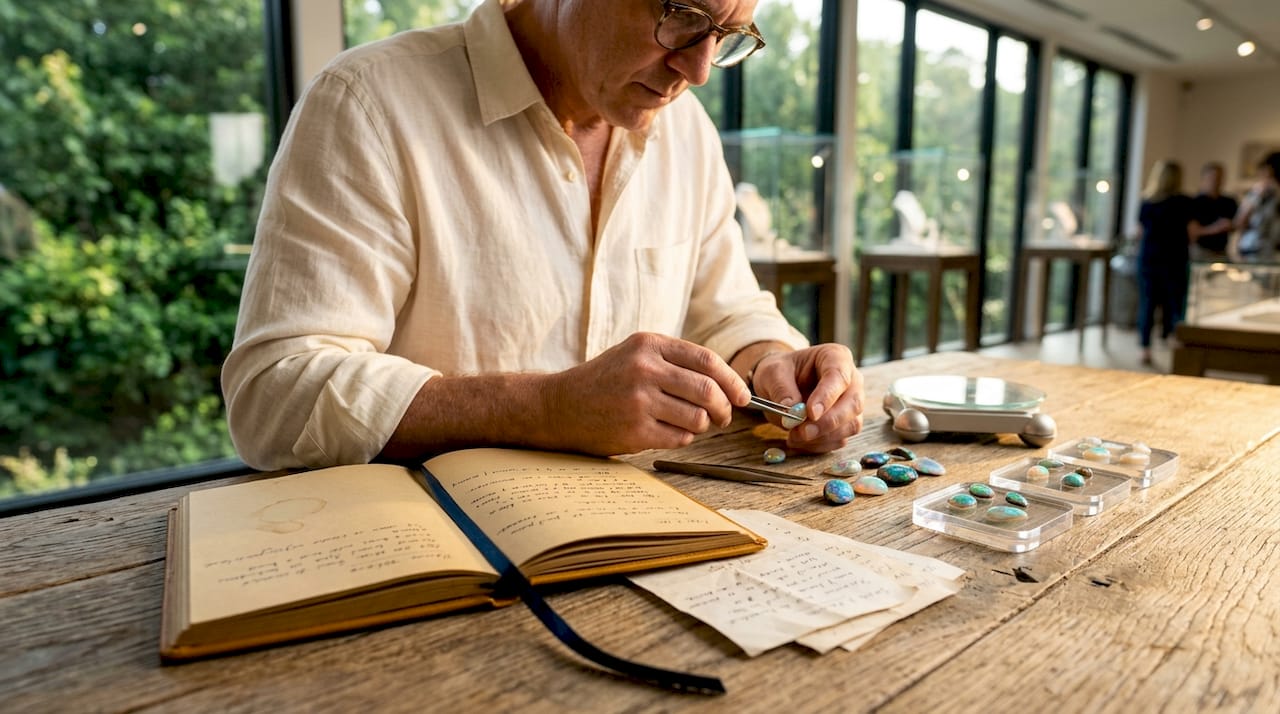
Provenance documentation is the written chain of custody that links an opal from the ground to the buyer’s hand. For investment-grade stones, this documentation is not a formality. It is a financial instrument.
Documented mine provenance can increase black opal prices by 20 to 40 percent even within the same quality tier. That premium reflects what documentation actually delivers: verifiable origin, reduced fraud risk, and a credible resale narrative. A stone without documentation is asking a buyer to accept its value on faith alone.
Provenance certificates and independent lab appraisals are the two pillars of investment-grade opal documentation. A provenance certificate names the mine or field, the miner, and the chain of ownership. An independent appraisal from a certified gemologist confirms the stone’s grading characteristics, including body tone, play-of-color, and any treatments. Together, these documents create a record that survives ownership changes.
Here is how serious buyers should approach provenance verification:
- Request the mine field name. “Lightning Ridge” is a region, not a provenance document. Ask for the specific field, such as Three Mile, Grawin, or Sheepyard.
- Verify the seller’s direct-miner relationship. Retailers who source directly from miners can provide first-hand documentation. Multi-step supply chains dilute traceability.
- Obtain a certified gemological appraisal. An appraisal from a Gemological Institute of America (GIA) certified gemologist or equivalent adds independent verification to the seller’s claims.
- Check for treatment disclosures. Treated or synthetic opals should never be sold as natural stones. Documentation must explicitly state “untreated, natural opal.”
- Retain all documentation permanently. Provenance records increase in value over time, particularly for stones that appreciate. Store them with the stone, not separately.
Collectors who authenticate Australian opals through proper channels protect both their investment and their ability to resell at fair market value.
How do Australian opals compare to other global sources?
Australia’s dominance in the opal market is not simply a matter of national pride. It reflects a genuine quality and rarity hierarchy that the global market has priced accordingly.
Ethiopia emerged as a significant opal source in the early 2000s, producing vivid hydrophane opals from the Welo region. These stones display spectacular play-of-color and have attracted strong collector interest. However, hydrophane opal absorbs water and can crack or cloud with exposure, creating durability concerns that affect long-term value. Ethiopian opals generally trade at lower price points than comparable Australian material, though exceptional specimens command serious collector premiums.
Virgin Valley, Nevada produces black opals that rival Australian material in visual drama, but these stones are notoriously fragile and prone to crazing (a network of fine cracks that develops as the stone dries). Commercial viability is limited, and market premiums remain well below Lightning Ridge equivalents. Virgin Valley opals are primarily collectible curiosities rather than investment-grade gemstones.
| Origin | Primary Type | Typical Value Range | Key Limitation |
|---|---|---|---|
| Lightning Ridge, Australia | Black opal | High to exceptional | Limited supply |
| Coober Pedy, Australia | White/crystal opal | Moderate to high | Competitive market |
| Queensland, Australia | Boulder opal | Moderate to high | Irregular shapes |
| Welo, Ethiopia | Hydrophane opal | Low to moderate | Durability concerns |
| Virgin Valley, Nevada | Black opal | Low to moderate (collectible) | Crazing risk |
| Mexico | Fire opal | Low to moderate | Lacks play-of-color |
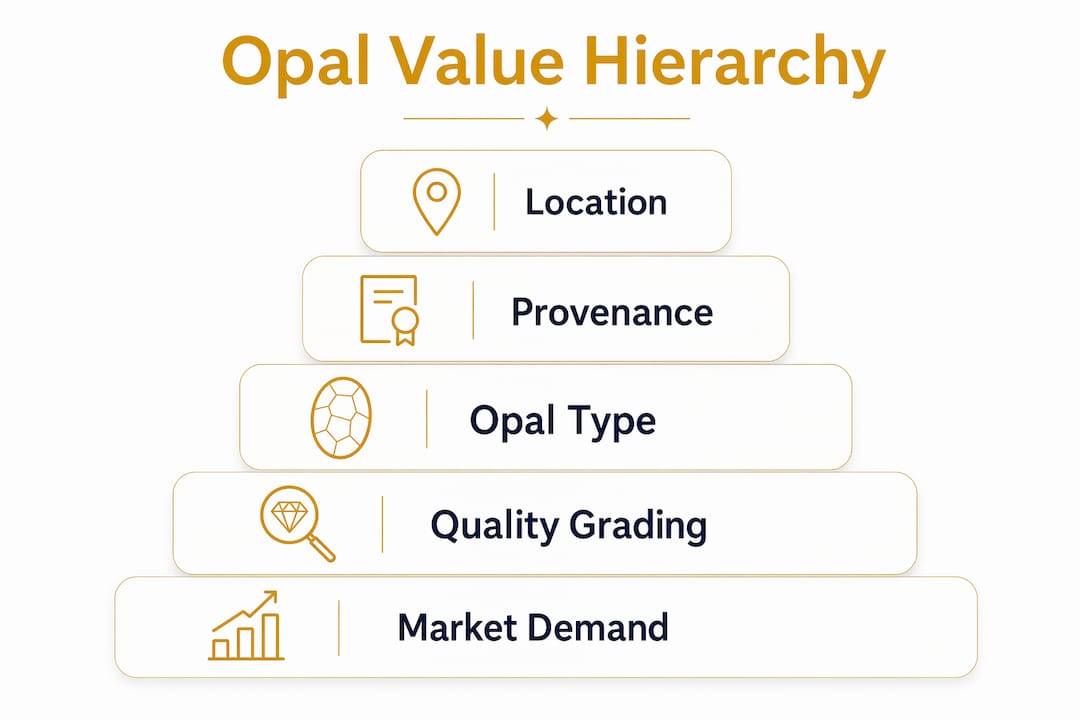
The value of opal by location follows a clear pattern: Australian origins sit at the top of the hierarchy, with Lightning Ridge black opal at the apex. Non-Australian sources can produce beautiful stones, but they carry additional risk factors that the market prices accordingly. For collectors focused on long-term value retention, Australian provenance remains the standard against which all other origins are measured.
Key takeaways
Geographic origin is a decisive pricing modifier in opal valuation, with documented Australian provenance, particularly from Lightning Ridge, consistently commanding the highest market premiums.
| Point | Details |
|---|---|
| Location as value modifier | Origin shapes opal type, rarity, and buyer confidence, directly influencing price. |
| Lightning Ridge supremacy | The world’s only significant black opal source commands premiums no other region matches. |
| Provenance adds 20 to 40 percent | Documented mine provenance increases black opal prices within the same quality tier. |
| Australian dominance is structural | Australia produces 95% of precious opal, giving its regions unmatched market authority. |
| Non-Australian sources carry risk | Ethiopian and Nevada opals face durability and perception challenges that suppress premiums. |
Location is everything, but documentation makes it real
I have spent years examining opals from every significant source, and the pattern never changes. Buyers who focus exclusively on visual beauty without verifying origin consistently overpay for stones that underperform at resale. The play-of-color may be identical between a documented Lightning Ridge black opal and an undocumented stone of similar appearance, but the market does not treat them equally. It never has.
What I find most striking is how many collectors still resist requesting provenance documentation, as if asking for proof signals distrust. In reality, any reputable seller welcomes the question. Documentation protects both parties. It confirms the seller’s integrity and the buyer’s investment simultaneously.
The market trend toward provenance-backed stones is accelerating, particularly as Asian collectors enter the fine opal market with sophisticated buying criteria. These buyers understand that investing in Australian opals means paying for verified origin, not just visual appeal. That shift is raising the floor for documented stones and widening the gap between provenance-backed and undocumented equivalents.
My advice to any collector: treat location verification as non-negotiable, not optional. A beautiful opal without a documented origin is a beautiful mystery. A beautiful opal with full provenance is a sound investment.
— Renee
Discover authentic Australian opals with verified provenance
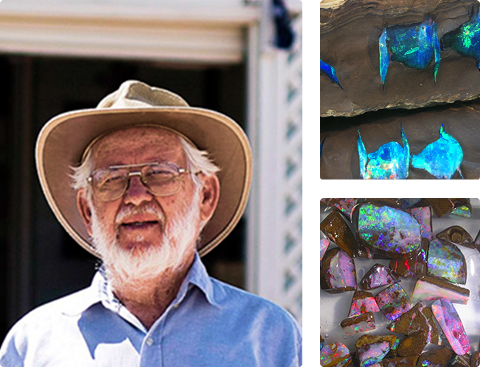
Australianopaldirect sources directly from miners across Lightning Ridge, Coober Pedy, and Queensland, which means every stone in the collection carries a traceable origin story. There are no middlemen obscuring the chain of custody, and no ambiguity about where each opal was born from the earth.

For collectors who understand that opal quality and geography are inseparable, Australianopaldirect offers curated selections with full provenance documentation, independent appraisals, and the confidence of direct-miner relationships. Every piece reflects the geological character of its specific Australian region, from the kaleidoscopic brilliance of Lightning Ridge black opals to the sculptural depth of Queensland boulder opals. Explore the collection at Australianopaldirect and find a stone whose origin is as extraordinary as its beauty.
FAQ
What makes Lightning Ridge black opal so valuable?
Lightning Ridge is the world’s only significant commercial black opal deposit, making its stones geologically irreplaceable. The dark body tone unique to this region creates a backdrop that intensifies play-of-color beyond what any other origin produces at scale.
Does location alone determine an opal’s price?
Location is a critical modifier, but professional appraisals prioritize grading factors like body tone and play-of-color first, with origin serving as an added premium lever. A visually poor stone from Lightning Ridge will not command the same price as a fine stone from the same region.
How much does provenance documentation increase opal value?
Documented mine provenance can increase black opal prices by 20 to 40 percent within the same quality tier. Written chain-of-custody records naming the specific mine field are standard for investment-grade stones.
Are Ethiopian opals a good alternative to Australian opals?
Ethiopian Welo opals display vivid color but are hydrophane stones that absorb water and can crack over time. They generally trade at lower price points than comparable Australian material, making them a higher-risk choice for long-term investment.
How can buyers verify an opal’s geographic origin?
Request a provenance certificate naming the specific mine field, the miner or mining company, and the extraction date. Pair this with an independent appraisal from a GIA-certified gemologist to confirm the stone’s grading characteristics and treatment status.