Australian opal myths: uncover the truth in 2026
Posted by AOD on 8th Mar 2026
Australian opal myths: uncover the truth in 2026
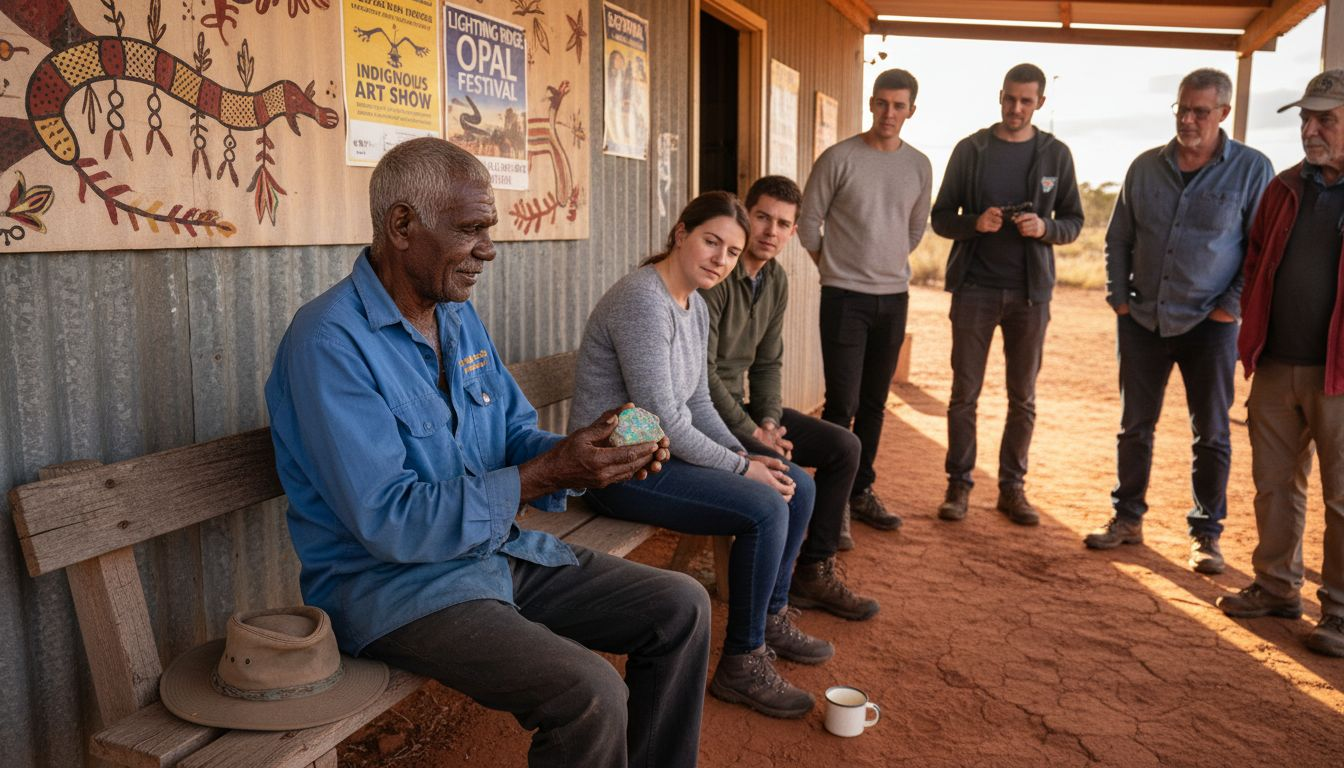
Collectors often struggle to separate genuine Aboriginal opal mythology from Victorian superstitions and misinformation. Understanding which myths hold cultural authenticity, scientific backing, or market relevance helps you appreciate and value Australian opals accurately. This guide provides clear criteria to evaluate myths and distinguishes truth from fiction across indigenous legends, popular misconceptions, scientific realities, and regional folklore.
Table of Contents
- 1. Indigenous Australian Opal Myths And Their Meaning
- 2. Popular Opal Myths Debunked
- 3. Scientific Facts Vs Myths About Opal Formation And Properties
- 4. Myths Influencing Opal Valuation And Buyer Behavior
- 5. Regional Myths In Australian Opals
- 6. Opal Care Myths And Realities
- 7. Summary Table: Comparing Australian Opal Myths And Facts
- 8. Situational Recommendations For Collectors And Enthusiasts
Key takeaways
| Point | Details |
|---|---|
| Indigenous myths link opals with spiritual symbols | Aboriginal Dreamtime stories connect opals with the Rainbow Serpent and creation narratives. |
| Bad luck myths originated in 19th century Europe | Victorian novels created the curse narrative, which has no Aboriginal cultural basis. |
| Scientific evidence contradicts fragility myths | Opals withstand water exposure and normal wear with proper care. |
| Myths significantly influence market prices | Healing and mystical claims add 15-20% premiums to opal valuations. |
| Regional myths vary across Australian mining areas | Lightning Ridge and Coober Pedy each have distinct local folklore shaping collector interest. |
How to choose what myths matter: selection criteria
Evaluating Australian opal myths requires a structured approach. Start by assessing cultural authenticity: myths rooted in Aboriginal traditions carry genuine spiritual and historical significance, while later inventions often reflect European folklore. Historical timelines matter because evaluating myths by cultural origin helps you distinguish indigenous knowledge from colonial additions.
Scientific evidence provides another critical lens. Geological research and gemological testing either support or refute physical claims about opal properties. When myths contradict lab results, collectors gain clarity on actual care requirements and durability. Regional variations also influence myth relevance, as Lightning Ridge opals carry different folklore than Coober Pedy stones.
Market impact represents the final criterion. Some myths inflate prices through perceived mystical value, while others affect care practices and resale potential. Consider these factors:
- Cultural authenticity verified through ethnographic research
- Historical documentation tracing myth origins
- Scientific testing results on opal properties
- Regional folklore specific to mining locations
- Market behavior influenced by myth prevalence
Pro Tip: Cross reference multiple sources when researching opal myths. Aboriginal cultural centers, geological surveys, and gemological institutes provide complementary perspectives that reveal which beliefs hold genuine merit versus speculative fiction.
1. Indigenous Australian opal myths and their meaning
Aboriginal Dreamtime stories represent the most authentic opal mythology in indigenous culture. The Rainbow Serpent, a creator being in many Aboriginal traditions, left opals where its body touched the earth during its journey across the land. This connection explains why over 70% of indigenous groups attribute rainbow symbolism to the gemstone.
These myths carry profound spiritual meaning beyond simple folklore. Opals symbolize fertility, life energy, and connection between the physical and spiritual worlds. Different Aboriginal nations hold distinct stories, but common themes include:
- Creation narratives linking opals to ancestral beings
- Rainbow symbolism representing bridges between realms
- Fertility and life force embodied in the stone’s play of color
- Spiritual protection and guidance from the land itself
Respecting these authentic cultural beliefs enriches collecting practices. Understanding the spiritual significance helps you approach Australian opals with appropriate reverence for their heritage. These myths also provide valuable context for evaluating which later additions lack cultural foundation.
2. Popular opal myths debunked
The most persistent misconception claims opals bring bad luck to anyone except October birthdays. This belief has zero Aboriginal origins. The bad luck myth originated in 19th century Europe through Sir Walter Scott’s 1829 novel “Anne of Geierstein,” where an opal amulet becomes associated with a character’s death. European readers mistook fiction for fact, creating a superstition that damaged the opal market for decades.
Supposed supernatural curses attached to specific famous opals similarly lack evidence. These stories typically emerge from coincidental misfortunes experienced by wealthy owners, with storytellers embellishing details over time. No verifiable documentation supports claims of actual paranormal activity.
“The Victorian bad luck myth nearly destroyed the European opal trade until Queen Victoria publicly wore Australian opals to counter the superstition.”
Rarity myths also mislead collectors. While high quality black opals from Lightning Ridge command premium prices, Australian opals overall are more abundant than folklore suggests. The market reflects quality grades and origin rather than absolute scarcity. Common misconceptions include:
- Opals exclusively form in meteorite impacts (false)
- All opals crack when exposed to air (false)
- Only October babies should wear opals safely (false)
- Opals absorb negative energy requiring cleansing (unverified)
3. Scientific facts vs myths about opal formation and properties
Geological evidence reveals opals form through silica gel deposition in sedimentary rock cavities over millions of years. Water containing dissolved silica seeps into cracks and voids, gradually solidifying into the precious gemstone. Opals form from sedimentation over millions of years, not inside living organisms or through meteorite impacts as some myths claim.
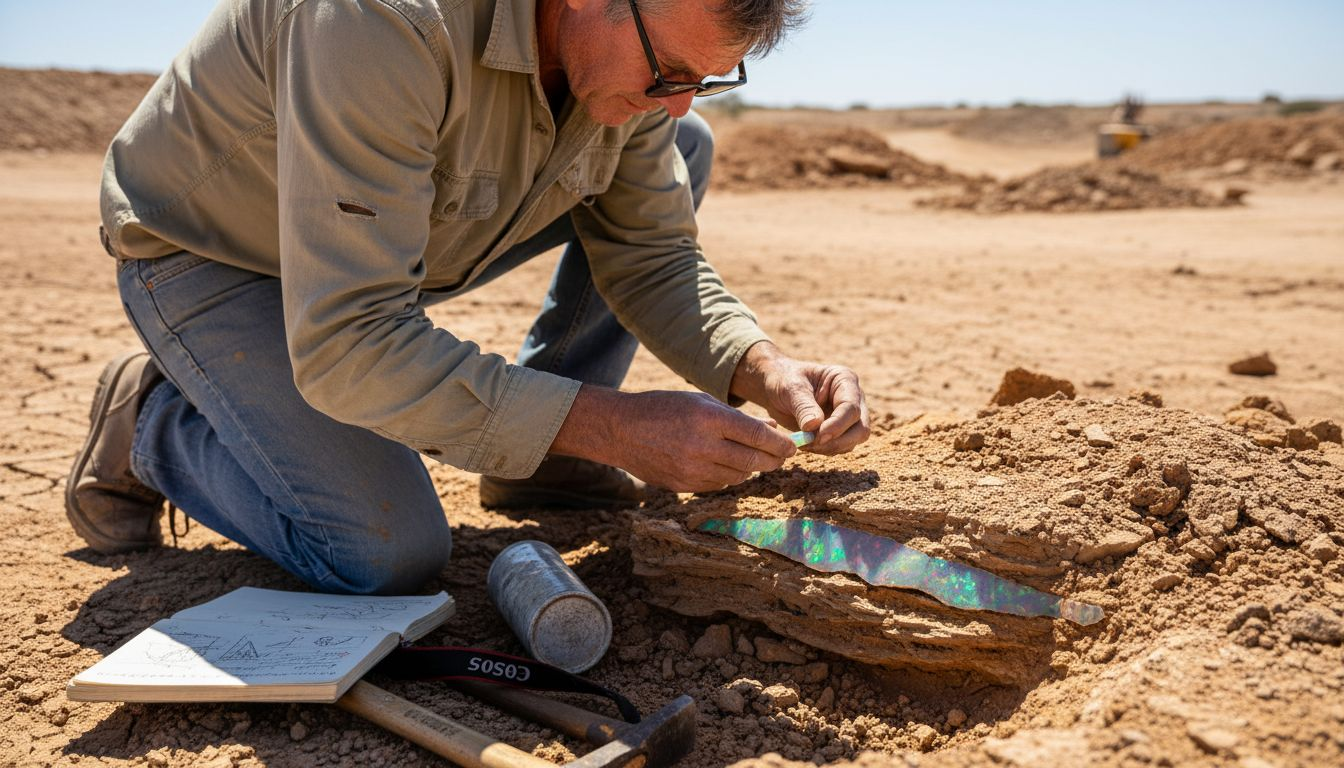
Physical properties confirm moderate durability. The Mohs hardness scale rates opals between 5.5 and 6.5, softer than quartz but harder than glass. This requires reasonable care without extreme fragility. Laboratory testing shows opals withstand 72 hours of water immersion without structural damage, directly contradicting myths about water causing cracks.
| Property | Measurement | Care Implication |
|---|---|---|
| Hardness | 5.5-6.5 Mohs | Avoid harsh abrasives |
| Water Content | 3-21% natural | Normal moisture safe |
| Specific Gravity | 1.98-2.25 | Lighter than most gems |
| Refractive Index | 1.37-1.52 | Creates play of color |
Misapplied myths lead to unnecessary anxiety and improper care. Some collectors avoid wearing opals in humid climates or never clean them with water, both practices stemming from misunderstood science. Understanding actual material properties helps you maintain opals confidently.
Pro Tip: Store opals in moderate humidity rather than completely dry environments. Extreme dryness can cause crazing in specimens with high water content, while normal moisture levels preserve stability.
4. Myths influencing opal valuation and buyer behavior
Cultural beliefs and mystical claims directly impact what collectors pay. Research shows claims of healing properties add a 15-20% price premium on certain opals marketed toward crystal healing communities. Sellers emphasizing emotional balance, chakra alignment, or energy amplification can command higher prices regardless of gemological quality.
This premium reflects buyer psychology more than intrinsic value. Collectors seeking spiritual benefits prioritize mythology over carat weight or color intensity. Meanwhile, investors focused on what affects opal value through traditional metrics may find better opportunities in stones without mystical marketing.
Market dynamics vary by myth type:
- Healing claims increase prices 15-20% in metaphysical markets
- Bad luck superstitions decrease demand from superstitious buyers
- Indigenous cultural significance attracts heritage focused collectors
- Rarity myths inflate expectations beyond actual scarcity
| Myth Type | Price Impact | Buyer Segment |
|---|---|---|
| Healing properties | +15-20% premium | Crystal healing enthusiasts |
| Bad luck curse | -10-15% discount | Superstitious buyers |
| Aboriginal spiritual | +10-25% premium | Cultural collectors |
| Extreme rarity | +30-50% premium | Uninformed buyers |
Understanding the significance of opal in jewelry beyond myths helps you make informed purchasing decisions. Balancing cultural appreciation with factual assessment prevents overpaying for mythology rather than gemstone quality.
5. Regional myths in Australian opals
Lightning Ridge black opals carry folklore about protective magic and spiritual power. Local miners historically attributed successful finds to respecting the land’s spirits, creating rituals around prospecting. These beliefs blend Aboriginal traditions with mining culture developed over 100 years of operation.
Coober Pedy myths center on desert survival and underground living. Stories of protective spirits guarding opal seams reflect the harsh environment where miners literally live below ground. The name itself derives from Aboriginal words meaning “white man in a hole,” connecting geological reality with cultural narrative.
Collector surveys reveal regional preferences influenced by local mythology. Lightning Ridge stones attract buyers seeking bold, dramatic pieces associated with strength narratives. Coober Pedy opals appeal to those drawn to resilience stories and unique boulder opal formations. Queensland opals carry fewer specific myths but benefit from association with tropical abundance.
Regional variations include:
- Lightning Ridge: black magic protection and fortune telling
- Coober Pedy: desert spirit guardianship and underground mysteries
- Queensland: abundance mythology and matrix opal uniqueness
- Andamooka: painted lady legends and color transformation stories
6. Opal care myths and realities
The most damaging myth claims water ruins opals. Scientific testing proves otherwise. Opals naturally contain 3-21% water and tolerate normal exposure without damage. Water exposure myths lead to improper opal care when collectors avoid necessary cleaning or panic over humidity.
Actual care requirements reflect moderate hardness rather than moisture sensitivity. Clean opals with lukewarm water and mild soap using soft cloths. Avoid ultrasonic cleaners and harsh chemicals that might exploit the stone’s porosity. Remove opal jewelry before activities involving hard impacts.
Proper maintenance extends lifespan significantly. Store pieces individually to prevent scratching from harder gemstones. Inspect settings periodically as opals can loosen from thermal expansion differences with metal. Wearing opals regularly actually benefits them by maintaining consistent moisture levels.
Evidence based care practices:
- Clean with mild soap and water monthly
- Store in moderate humidity, not bone dry containers
- Remove before contact sports or heavy manual work
- Inspect prong settings every six months
- Avoid extreme temperature changes
Pro Tip: If you inherit an older opal that appears dried or crazed, a reputable jeweler can sometimes restore hydration through careful treatment. Never attempt home remedies involving oils or glycerin, which can worsen damage.
7. Summary table: comparing Australian opal myths and facts
| Myth Statement | Factual Reality | Cultural Context | Market Impact |
|---|---|---|---|
| Opals bring bad luck | No evidence; European fiction origin | Victorian novel, not Aboriginal | Decreases demand 10-15% |
| Rainbow Serpent created opals | Authentic Dreamtime story | Genuine Aboriginal spiritual belief | Increases cultural value 10-25% |
| Water destroys opals | Bad luck myths lack cultural authenticity and scientific support | Misunderstood natural water content | Causes improper care avoidance |
| Opals amplify healing energy | Unverified metaphysical claim | New Age spirituality, not traditional | Adds 15-20% premium |
| All quality opals are rare | Varies by type and origin | Marketing exaggeration | Inflates prices 30-50% |
| Opals form in living creatures | Geological silica deposition | Scientific misconception | Minimal market effect |
This comparison helps you quickly distinguish culturally significant beliefs from misconceptions and marketing narratives. The 7 most famous Australian opals demonstrate how authentic provenance matters more than attached mythology for long term value.
8. Situational recommendations for collectors and enthusiasts
Your collecting priorities should guide which myths you embrace or dismiss. Matching myth evaluation to personal values creates more satisfying ownership experiences while avoiding overpayment.
-
Cultural heritage appreciation: Prioritize learning authentic Aboriginal stories and how opal value is determined through traditional knowledge. Seek pieces from regions with documented indigenous connections. Support sellers who credit original cultural sources rather than appropriating mythology.
-
Scientific authenticity focus: Base decisions on gemological properties and geological formation facts. Verify seller claims about origin, treatment, and quality through independent certification. Understand how opals are valued through measurable characteristics like play of color, body tone, and pattern.
-
Investment and market strategy: Research which myths currently influence pricing in target market segments. Avoid overpaying for healing claims unless planning to resell in metaphysical markets. Focus on provenance documentation and quality grades that retain value across buyer types.
-
Spiritual and personal meaning: If mythology enhances your connection to a piece, that subjective value matters regardless of scientific verification. Balance personal significance with fair pricing by understanding which premiums reflect myth marketing versus actual rarity.
-
Jewelry durability needs: Dismiss fragility myths but respect moderate hardness ratings. Choose appropriate settings and wear patterns based on scientific care requirements rather than folklore restrictions.
Explore authentic Australian opals today
Now that you understand the truth behind opal mythology, explore our curated collection of genuine Australian opals. Each piece in the Australian Opal Direct collection comes with detailed provenance information, helping you make informed decisions based on cultural authenticity and gemological quality rather than marketing myths.
Our direct relationships with Australian miners ensure you receive ethically sourced stones with verifiable origins from Lightning Ridge, Coober Pedy, and Queensland. Browse opal earrings, rings, and necklaces crafted to showcase each gem’s natural beauty while providing the protection these precious stones deserve.
Whether you seek pieces honoring Aboriginal heritage or simply appreciate the scientific marvel of opal formation, our collection offers authenticated Australian opals backed by 90 day warranties and expert guidance. Discover how separating myth from reality enhances both your appreciation and investment in these remarkable gemstones.
FAQ
What is the origin of the Australian opal bad luck myth?
The bad luck myth originated in 19th century Europe, specifically from Sir Walter Scott’s 1829 novel “Anne of Geierstein.” The story featured an opal amulet associated with a character’s death, and European readers mistakenly accepted the fiction as factual warning. This superstition has no Aboriginal cultural basis whatsoever.
How should I care for my Australian opal to avoid damage?
Clean your opal monthly with lukewarm water, mild soap, and a soft cloth. Despite myths claiming otherwise, normal water exposure does not harm opals since they naturally contain 3-21% water content. Avoid ultrasonic cleaners, harsh chemicals, and hard impacts due to the stone’s moderate hardness rating of 5.5-6.5 on the Mohs scale.
Do myths differ between Australian opal mining regions?
Yes, each major mining area developed distinct local folklore. Lightning Ridge myths emphasize black magic associations and protective spiritual power in black opals. Coober Pedy legends focus on desert spirits and underground mysteries reflecting the harsh environment. Queensland and Andamooka carry their own regional stories that shape collector preferences and market positioning.
Can believing in opal myths impact the price collectors pay?
Absolutely. Research confirms that healing claims add a 15-20% price premium when sellers market to crystal healing communities. Bad luck superstitions conversely decrease demand by 10-15% among superstitious buyers. Understanding these myth driven premiums helps you balance personal beliefs with fair market value when purchasing opals.
Recommended
- 7 Most Famous Australian Opals Every Collector Should Know - Australian Opal Direct
- How Opal Value Is Determined: Insights for Collectors - Australian Opal Direct
- How to Authenticate Australian Opals for Genuine Value - Australian Opal Direct
- Opal Provenance: Ensuring Authenticity and Ethical Value - Australian Opal Direct