How Opals Are Valued – What Every Collector Needs
Posted by AOD on 28th Jan 2026
How Opals Are Valued – What Every Collector Needs
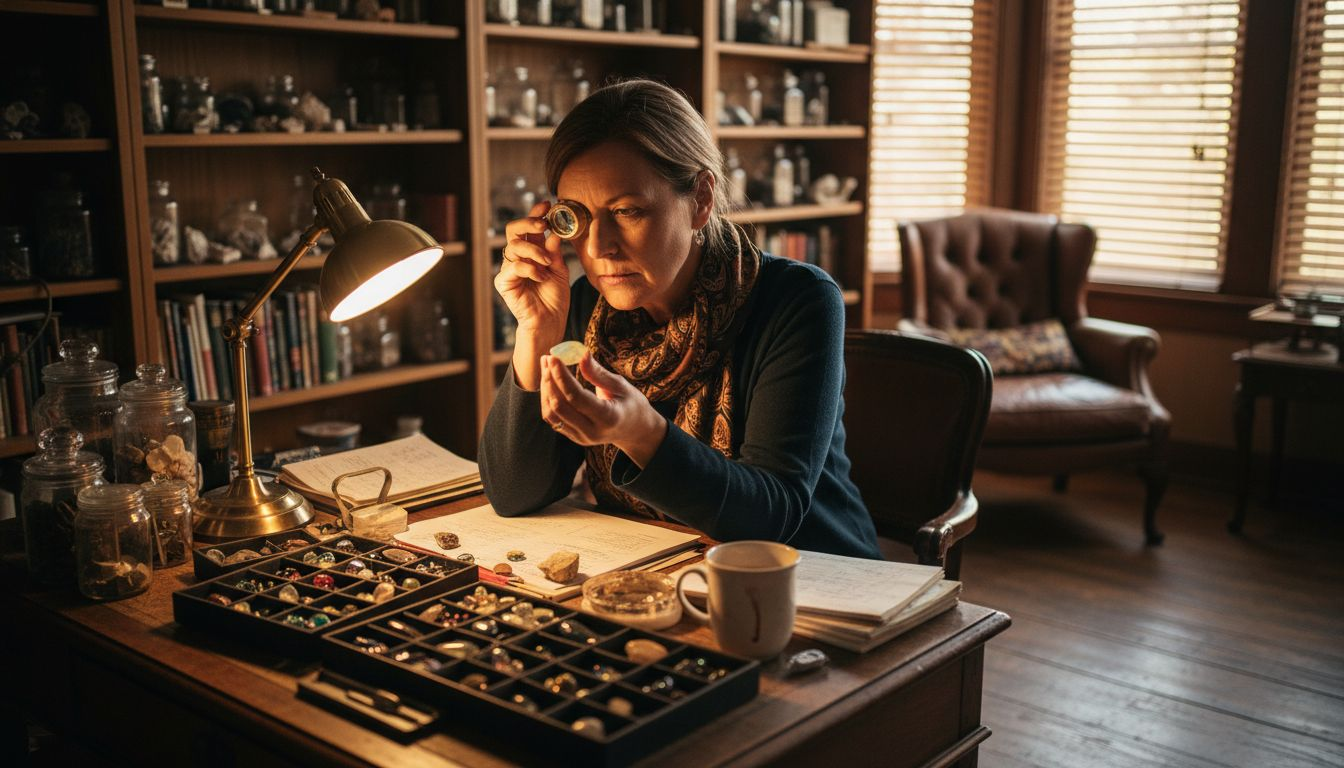
Finding truly exceptional gemstones can be a lifelong pursuit for devoted collectors and luxury buyers. Few treasures rival the allure of Australian opals, which are renowned for their breathtaking play-of-color and intricate natural origins. With about 95% of the world’s opals sourced from Australia, these gems offer a rare blend of beauty, rarity, and cultural legacy. Discover what sets opals apart as both artistic marvels and wise investments for your evolving collection.
Table of Contents
- What Makes Opals Unique and Valuable
- Types Of Australian Opals And Global Rarity
- Essential Grading Factors: Color, Pattern, Brilliance
- Origin, Treatments, And Market Influences
- Risks, Common Mistakes, And Buying Tips
Key Takeaways
| Point | Details |
|---|---|
| Opals’ Unique Value | Opals are valued for their play-of-color and rarity, with 95% sourced from Australia. Light diffraction and geological conditions contribute to their unique appearance. |
| Types of Opals | Australian opals come in various types, each with distinct characteristics and varying values, such as Black Opals being the most prized. |
| Grading Factors | Key factors like color intensity, pattern complexity, and brilliance are essential in determining an opal’s value, with natural stones being the most sought after. |
| Buying Considerations | Potential buyers should verify authenticity and treatment history, as well as understand the intricate nature of opals to avoid common pitfalls in purchasing. |
What Makes Opals Unique and Valuable
Opals are among the most mesmerizing gemstones in the world, distinguished by their extraordinary ability to display an incredible spectrum of colors. Unlike other minerals, opals possess a remarkable quality called play-of-color, which creates stunning visual effects that make each stone truly one-of-a-kind.
The unique characteristics that determine an opal’s value stem from several fascinating scientific and geological properties:
- Light Diffraction: Opals create vibrant spectral colors through the diffraction of light by microscopic silica spheres within their structure
- Water Content: Composed of 5-10% water, these mineraloids are delicate and sensitive to environmental conditions
- Rarity: Approximately 95% of the world’s opals originate from Australian mines, making them exceptionally rare
Historically, opals have been shrouded in cultural mystique. The role of opals in luxury jewelry reveals that these gemstones have been treasured across civilizations, from ancient Sanskrit traditions to Roman aristocracy, adding layers of cultural significance to their inherent beauty.
The mineralogical structure of opals is particularly fascinating. Unlike crystalline gemstones, opals are classified as amorphous mineraloids, composed of hydrated silica that creates a non-uniform internal arrangement. This unique molecular structure is responsible for the kaleidoscopic light display that makes each opal a natural work of art.
The magic of opals lies not just in their appearance, but in their complex geological formation and extraordinary optical properties.
Pro tip: When evaluating an opal’s value, focus on the intensity, pattern, and consistency of its color play, as these factors dramatically influence its collector’s worth.
Types of Australian Opals and Global Rarity
Australia dominates the global opal market, producing an astounding 97% of the world’s most prized gemstones. These extraordinary minerals come in a diverse range of types, each with unique characteristics that fascinate collectors and gemstone enthusiasts worldwide.
The primary types of Australian opals include:
- Black Opals: Considered the rarest and most valuable, predominantly found in Lightning Ridge
- White Opals: Lighter in body color with beautiful play-of-color
- Crystal Opals: Transparent or semi-transparent with vibrant color displays
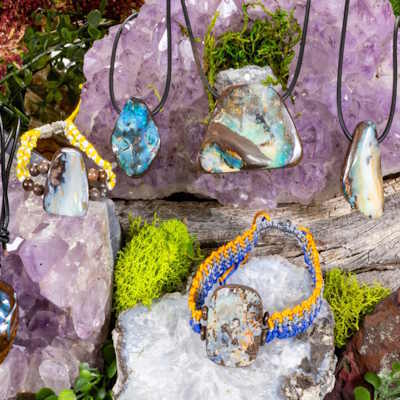
- Boulder Opals: Formed within ironstone, creating distinctive matrix patterns
- Matrix Opals: Opals integrated directly into the host rock
Why Australian opals are rare reveals the extraordinary geological conditions that make these gemstones so exceptional. The unique mineral deposits in regions like Lightning Ridge, Coober Pedy, and Andamooka create environments where opals develop their most spectacular characteristics.
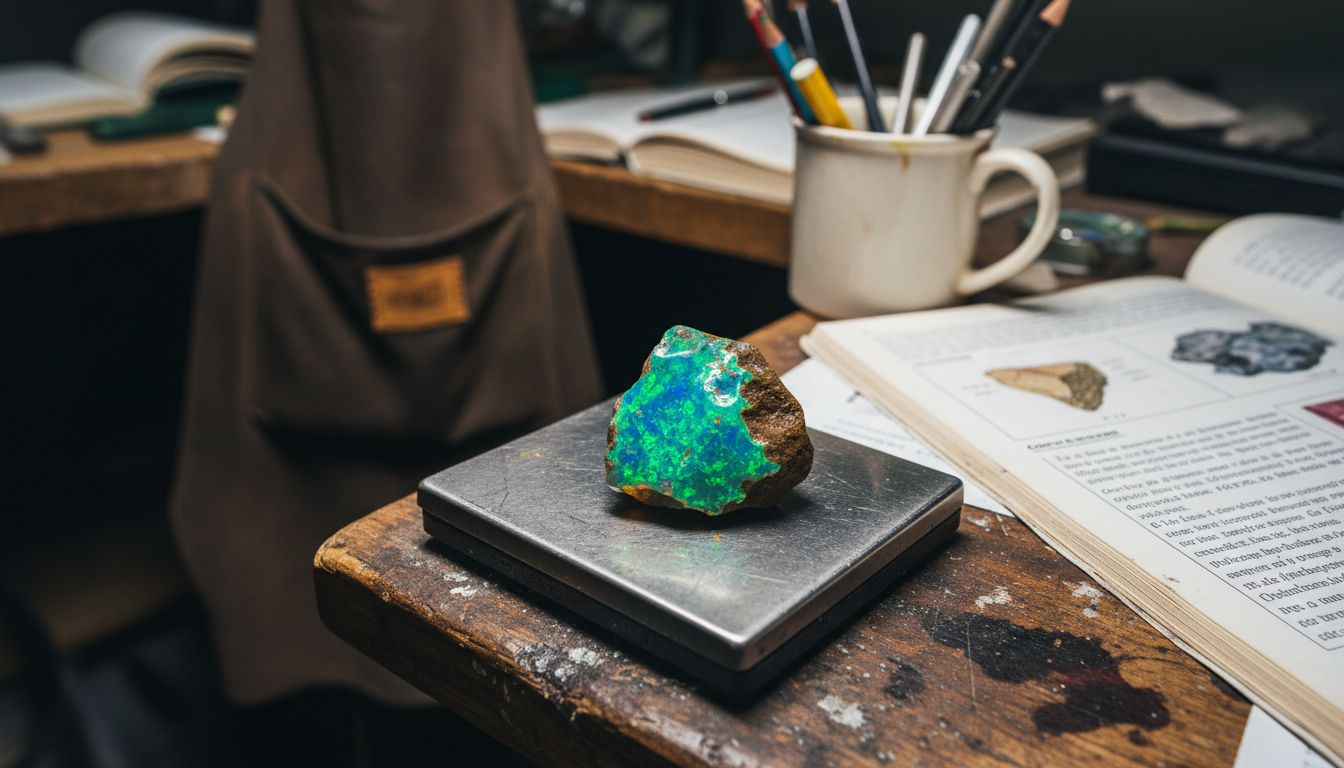
While Australian sources dominate, other global locations contribute to the opal landscape. Mexico is renowned for fire opals, Ethiopia produces remarkable crystal opals, and the United States has several minor opal-producing regions. However, these sources cannot compete with the quality and quantity of Australian deposits.
Here’s a quick summary comparing major types of opals and their unique attributes:
| Opal Type | Visual Characteristics | Main Source | Rarity & Value |
|---|---|---|---|
| Black Opal | Intense play-of-color, dark body | Lightning Ridge, Australia | Extremely rare and highly valuable |
| White Opal | Soft colors, light background | Coober Pedy, Australia | Common, moderate value |
| Boulder Opal | Vivid colors in ironstone matrix | Queensland, Australia | Rare, unique patterns |
| Crystal Opal | Transparent or semi-transparent | Various, Australia | Sought after for strong color |
| Fire Opal | Warm orange or red hues | Mexico | Rarer outside Australia |
The rarity of high-quality opals is not just about geographic origin, but the complex interplay of geological conditions that create their mesmerizing optical properties.
Pro tip: When collecting opals, prioritize stones from recognized Australian regions, as their provenance significantly enhances both authenticity and potential value.
Essential Grading Factors: Color, Pattern, Brilliance
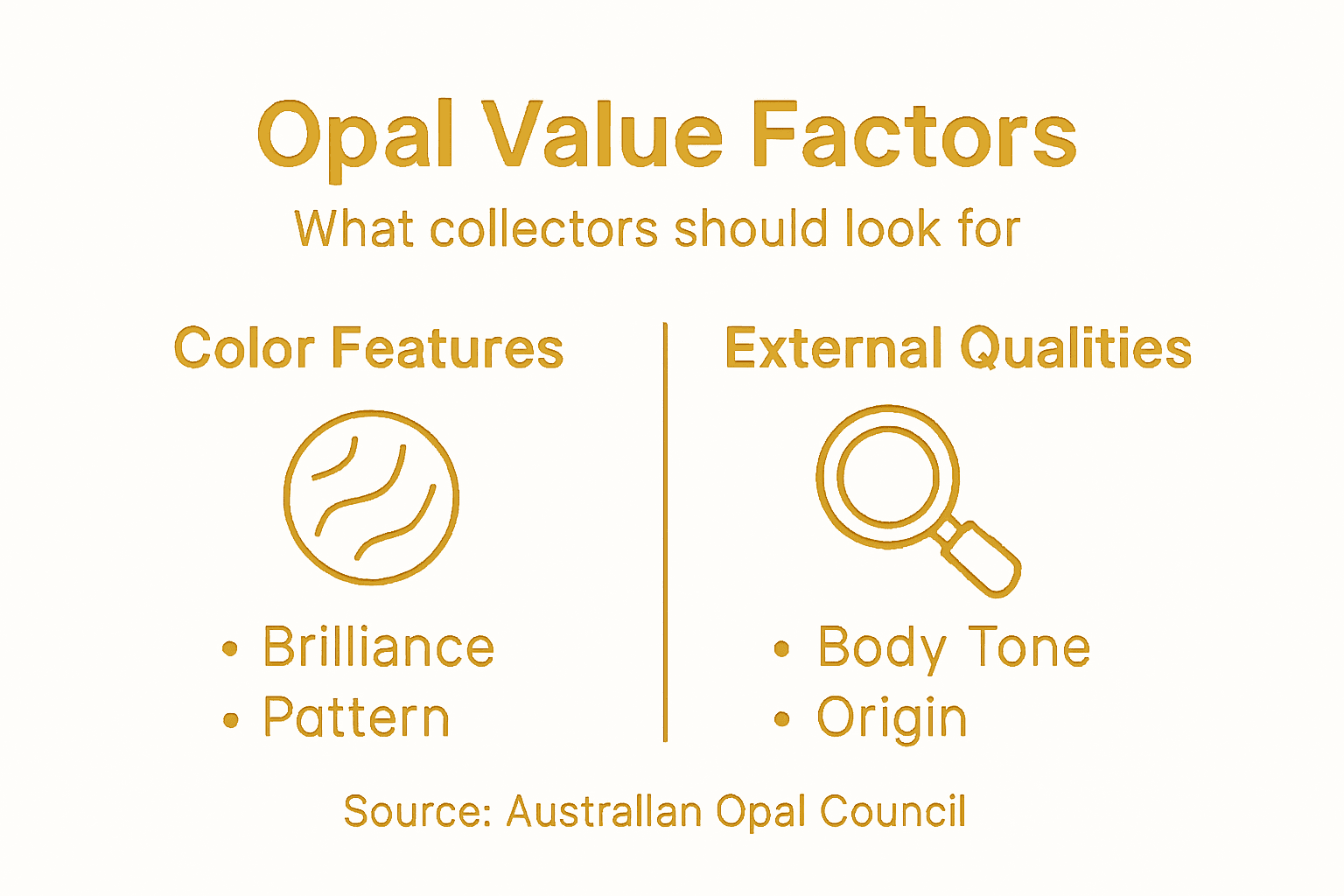
Opal grading is a sophisticated process that transforms these mesmerizing gemstones from beautiful minerals into collectible treasures. Unlike other gemstones, opals are evaluated through a complex lens that considers multiple intricate characteristics, with color, pattern, and brilliance standing as the primary determinants of value.
The key grading factors for opals include:
- Color Intensity: The vibrancy and saturation of colors displayed
- Pattern Complexity: Unique arrangements of color within the stone
- Body Tone: The background color that influences color perception
- Brilliance: The brightness and clarity of the color play
- Transparency: The stone’s ability to transmit light
Rare opal patterns reveal the extraordinary nuances that make each stone unique. Professional gemologists examine how light interacts with the microscopic silica spheres, creating a spectacular display of colors that can range from subtle pastels to intense, fiery hues.
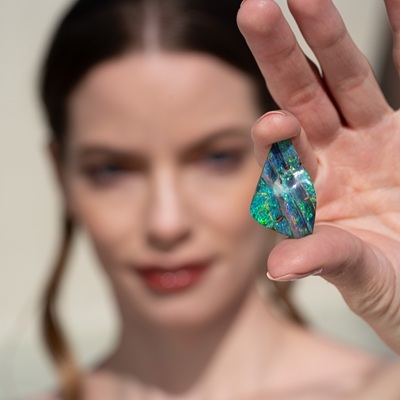
The most prized opals demonstrate exceptional play-of-color, where vibrant colors shift and dance as the stone moves. Black opals from Lightning Ridge are particularly valuable, as their dark body tone dramatically enhances the intensity and contrast of color displays. Patterns like harlequin, pinfire, and flashfire can dramatically increase an opal’s collectible value, with some rare configurations fetching astronomical prices among serious collectors.
The true magic of an opal lies not just in its appearance, but in the unique way it captures and transforms light.
Pro tip: When assessing an opal’s value, examine the stone under multiple light sources to fully appreciate its color play and brilliance.
Origin, Treatments, and Market Influences
The world of opal trading is a complex ecosystem where geological origin, treatment processes, and market dynamics intersect to determine a stone’s ultimate value. Unlike many gemstones, opals present unique challenges in treatment and valuation due to their delicate, water-based composition.
Key market considerations for opals include:
- Geographical Origin: Australian sources commanding highest prices
- Treatment Types: Limited options due to stone’s fragility
- Composite Configurations: Doublets and triplets increasing market accessibility
- Synthetic Production: Providing alternatives to natural stones
- Cultural Demand: Influenced by trends and celebrity endorsements
Why Australian opals are rare illuminates the critical role of geographic provenance in determining an opal’s worth. Lightning Ridge black opals, for instance, represent the pinnacle of collectible stones, with their unique geological formation creating unparalleled value.
Treatment options for opals remain extraordinarily limited. Natural black opals from specific Australian regions are typically untreated, as heat, irradiation, or extensive processing can compromise their delicate internal structure. Composite stones like doublets and triplets offer collectors more affordable options by combining thin opal layers with more durable backing materials, expanding market accessibility without sacrificing visual appeal.
The true value of an opal transcends mere physical characteristics, embodying a complex interplay of geological history, cultural significance, and artisanal craftsmanship.
Pro tip: Always request comprehensive documentation detailing an opal’s origin and any treatments to ensure authenticity and understand its true market value.
Risks, Common Mistakes, and Buying Tips
Opal acquisition is a nuanced journey fraught with potential pitfalls that can challenge even experienced collectors. Understanding the intricate landscape of opal purchasing requires careful navigation through complex technical and market considerations.
Key risks and critical buying considerations include:
- Authentication Challenges: Distinguishing natural from synthetic stones
- Treatment Detection: Identifying undisclosed stone modifications
- Fragility Assessment: Understanding unique care requirements
- Lighting Evaluation: Examining opals under multiple light conditions
- Provenance Verification: Confirming genuine Australian origin
Rare opal patterns demonstrate how subtle details can dramatically impact a stone’s authenticity and value. Professional collectors understand that visual inspection alone is insufficient for comprehensive evaluation.
The most prevalent mistakes buyers make involve underestimating opals’ delicate nature. These stones are extraordinarily sensitive to temperature and moisture, with potential for rapid degradation if improperly handled. Composite stones like doublets and triplets represent another complex category where inexperienced collectors might overpay without understanding their true structural composition and reduced inherent value.
Below is a reference comparing natural vs. synthetic opals and composite stones for collectors:
| Type | Appearance in Jewelry | Durability | Collector Consideration |
|---|---|---|---|
| Natural Opal | Dynamic, exclusive colors | Fragile, needs care | Highest value for authenticity |
| Synthetic Opal | Uniform, vibrant color | More robust | Lower value, disclosure required |
| Composite (Doublet/Triplet) | Enhanced color, layered look | Durable backing, less fragile | Good budget option, lower resale value |
The difference between an exceptional opal investment and a costly mistake often lies in meticulous research and expert consultation.
Pro tip: Always request a detailed gemological certificate and examine potential opal purchases under multiple light sources to reveal their true characteristics and potential imperfections.
Discover Authentic Australian Opals That Match Your Collector’s Standards
Navigating the complex world of opal valuation can be overwhelming. From assessing color intensity and rare patterns to verifying origin and treatments, collectors face many challenges ensuring their investment is genuine and valuable. At Australian Opal Direct, we understand the importance of provenance, meticulous grading, and ethical sourcing. Our curated selection of natural Australian opals, sourced directly from renowned regions like Lightning Ridge and Coober Pedy, guarantees unparalleled authenticity and quality.
Experience the difference of owning an opal with real heritage and mesmerizing play-of-color that meets the highest collector standards. Whether you seek a rare black opal or a custom-designed piece, our expert craftsmanship and trusted miner relationships provide confidence in every purchase. Explore our exclusive collections and valuable insights in our blog posts such as Rare Opal Patterns and Why Australian Opals Are Rare to deepen your knowledge.
Elevate your collection with genuine Australian opals from a source that shares your passion for quality and authenticity.

Begin your journey to owning a precious Australian opal today by visiting Australian Opal Direct. Discover expert guidance, exceptional stones, and the timeless beauty that only true earth-mined opals can offer.
Frequently Asked Questions
What are the key factors that determine the value of opals?
The value of opals is primarily determined by color intensity, pattern complexity, body tone, brilliance, and transparency. Each of these factors plays a critical role in how visually appealing the opal is and how it interacts with light.
How does the geological origin impact an opal’s value?
Geological origin significantly affects an opal’s value, with stones from certain renowned locations often commanding higher prices due to their rarity and unique characteristics. Genuine stones from noted areas are sought after by collectors for their potential appreciation in value.
What are the differences between natural, synthetic, and composite opals?
Natural opals are valued for their authenticity and unique color variation, while synthetic opals provide a more uniform appearance but generally hold less value. Composite opals, such as doublets and triplets, combine layers for durability but can have a reduced resale value compared to natural stones.
What should collectors look for when evaluating opals?
Collectors should examine opals under multiple lighting conditions to assess their color play and brilliance. It’s also crucial to verify their origin and check for any treatments or modifications that might affect their value.
Recommended
- Opal Value Explained: A Complete Collector’s Guide - Australian Opal Direct
- Complete Guide to Investing in Opal Jewelry - Australian Opal Direct
- Valeur émotionnelle des opales : histoire, symboles et impact - Australian Opal Direct
- Opal Pricing Explained: Key Factors for Collectors - Australian Opal Direct