Why Warranty Matters for Jewelry: A Buyer's Guide
Posted by AOD on 13th Jun 2026
Why Warranty Matters for Jewelry: A Buyer’s Guide
TL;DR:
- A jewelry warranty guarantees repairs or replacements for manufacturing defects without extra cost. It covers issues like faulty clasps and structural failures but excludes loss, damage from chemicals, or normal wear. Maintaining active coverage requires registration, authorized inspections, and proper care, while insurance protects against external risks beyond the warranty.
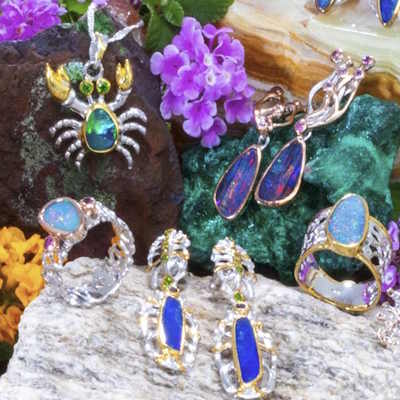
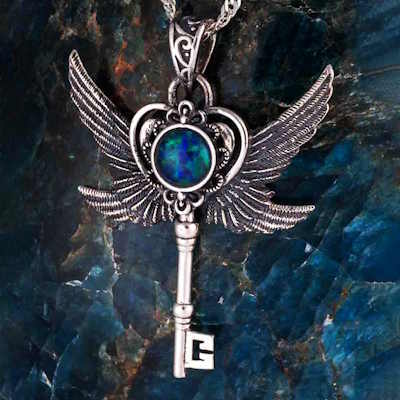
A jewelry warranty is a written commitment from the maker or retailer to repair or replace your piece if manufacturing defects or workmanship failures arise, at no additional cost to you. Understanding why warranty matters for jewelry separates informed buyers from those who discover coverage gaps only after something goes wrong. Not all warranties are equal, and the fine print determines whether yours is a genuine safeguard or a document that sounds reassuring but delivers little. At Australianopaldirect, every piece of earth-mined opal jewelry is backed by clear warranty terms because craftsmanship accountability is part of what makes a gemstone worth owning.
Why warranty matters for jewelry: coverage and exclusions
A jewelry warranty covers the maker’s responsibility for what left their hands. That scope is specific, and knowing its boundaries prevents costly surprises.
What a standard warranty typically covers:
- Faulty clasps, weak solder joints, and loose prong settings that result from manufacturing defects
- Prong tightening, clasp repair, and solder joint restoration as routine maintenance services
- Structural failures in the metal setting that occur under normal wearing conditions
- Workmanship errors identified within the warranty period, whether one year or a limited lifetime
What a standard warranty excludes:
- Loss, theft, and accidental damage, which fall outside the maker’s control
- Damage from improper cleaning or harsh chemicals such as chlorine, bleach, or abrasive compounds
- Normal wear and tear, including surface scratches, metal fatigue, and fading finishes
- Repairs performed by any jeweler other than the authorized service provider
- Cosmetic services like rhodium plating, polishing, and resizing, which often carry out-of-pocket costs even under warranty
Warranty durations vary from one year to limited lifetime coverage, and maintaining that coverage almost always requires compliance with the jeweler’s care guidelines and authorized servicing requirements. A lifetime warranty sounds extraordinary until you realize it can be voided by a single unauthorized repair or a missed inspection. Read the conditions before you celebrate the duration.
For opal jewelry specifically, the organic sensitivity of the stone adds another layer of consideration. Opals from Lightning Ridge or Coober Pedy contain a delicate silica structure that responds poorly to chemical exposure. Following an opal jewelry care routine is not just good practice. It is often a direct warranty condition.
Jewelry warranty vs. insurance: what is the real difference?
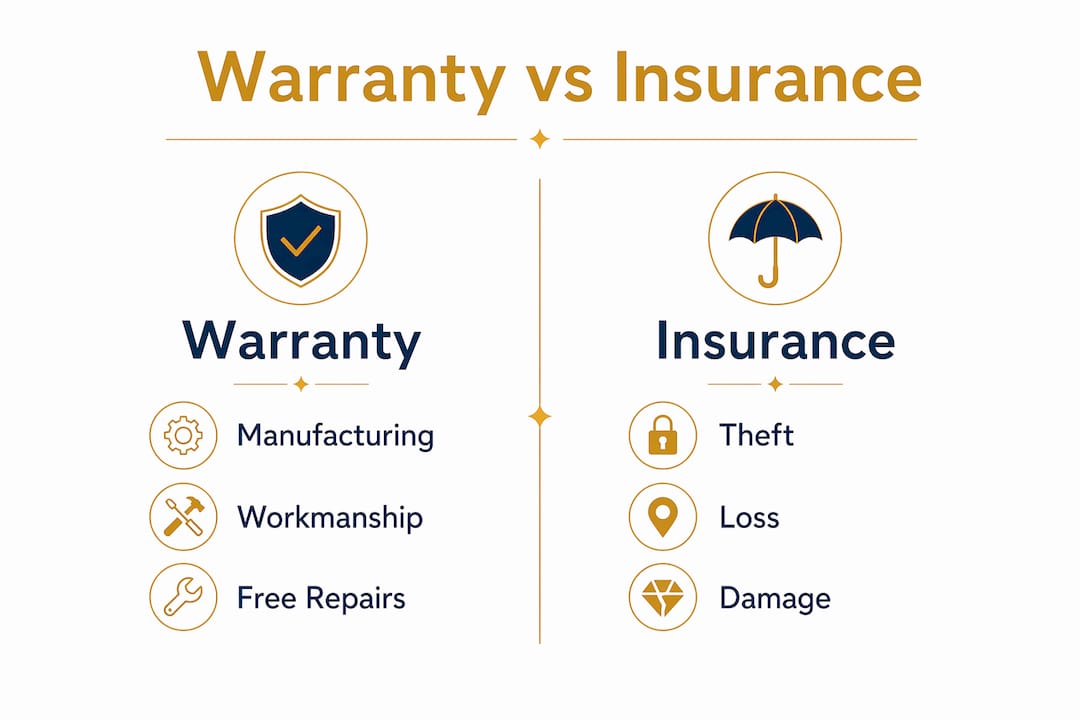
Warranties cover craftsmanship while insurance covers the world outside the jeweler’s workshop. These two protections are complementary, not interchangeable. Confusing them leaves real gaps in your coverage.
| Protection Type | What It Covers | Cost | When You Need It |
|---|---|---|---|
| Jewelry Warranty | Manufacturing defects, workmanship failures, structural repairs | Free or included at purchase | When a clasp breaks or a prong fails |
| Jewelry Insurance | Loss, theft, accidental damage, mysterious disappearance | 1–2% of appraised value annually | When a ring is lost or a stone is chipped |
Insurance typically requires a professional appraisal and pays replacement value based on that document. A warranty requires nothing beyond the original purchase receipt and compliance with care terms. The cost difference reflects the difference in risk scope. Insurance absorbs unpredictable external events. A warranty absorbs the maker’s own errors.
Many consumers mistakenly view warranties as complete protection against all risks. That misunderstanding leads to real financial loss when a stolen ring or a cracked stone turns out to be uncovered. The importance of jewelry warranty lies precisely in what it does cover, not in what people assume it covers.
For opal collectors, the distinction matters even more. A black opal from Lightning Ridge, valued at several thousand dollars, deserves both a warranty that guarantees the setting’s integrity and an insurance policy that protects against loss. Australianopaldirect includes complimentary insurance with purchases for exactly this reason. You can read more about opal insurance coverage to understand how both layers work together.
How do you keep a jewelry warranty valid?
Maintaining warranty coverage is an active responsibility, not a passive benefit. Follow these steps from the moment you receive your piece.
- Register the warranty promptly. Most jewelers require registration within 30 days of purchase to link ownership to the piece and activate claim support. Delay this step and you may find your coverage never formally began.
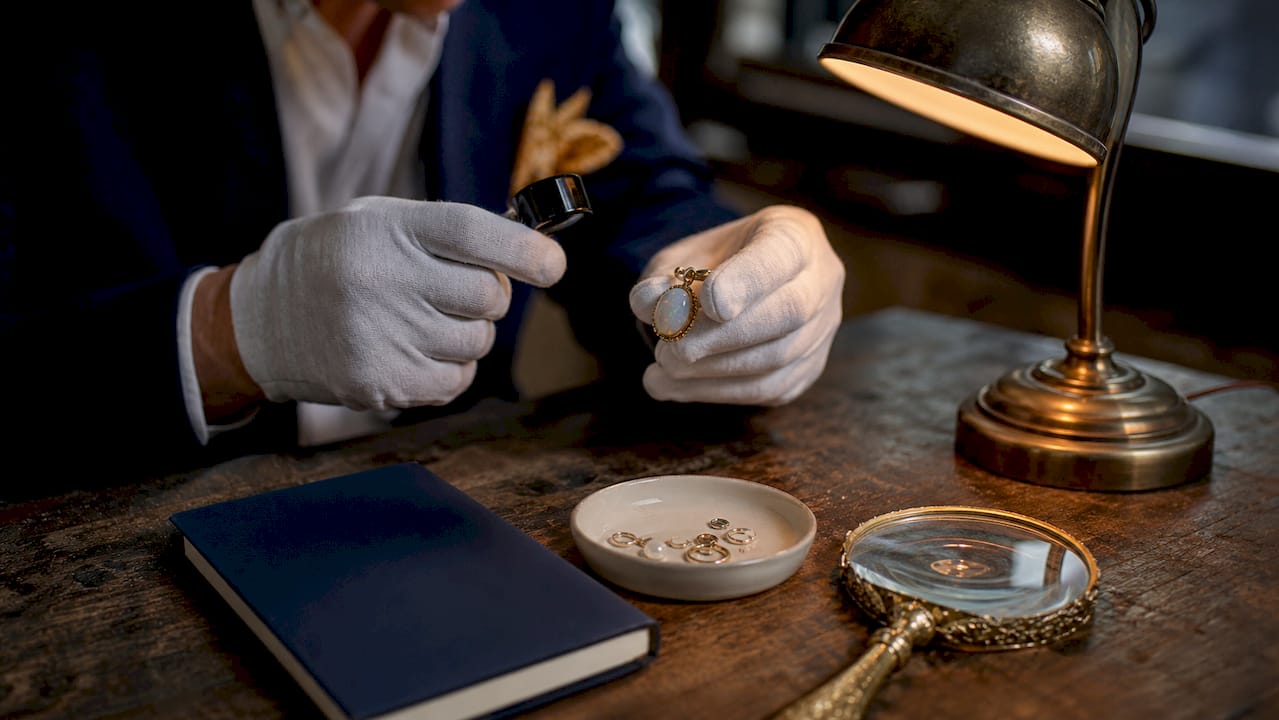
- Schedule professional prong inspections every 6–12 months. Prong inspections every 6–12 months prevent stone loss and satisfy the maintenance conditions most warranties require. This is especially critical for opal rings, where the stone’s softness makes secure settings non-negotiable.
- Use only authorized service providers. Unauthorized repairs void most warranties immediately. A resizing performed by a third-party jeweler, even a skilled one, can terminate your coverage on the spot.
- Keep complete records. Store your purchase receipt, warranty certificate, inspection records, and all repair communications in one place. Digital copies stored in cloud services like Google Drive or Dropbox protect against physical loss.
- Follow the jeweler’s care guidelines precisely. Avoid ultrasonic cleaners, steam cleaning, and chemical exposure unless the jeweler explicitly approves them for your specific piece.
Pro Tip: Set a calendar reminder every six months for a professional inspection. This single habit satisfies most warranty maintenance conditions and catches structural issues before they become expensive failures.
Caring for your piece correctly also preserves the stone’s natural beauty. Australianopaldirect’s guide on caring for opal jewelry walks through the five steps that protect both the gem and the setting over time.
What are the most common jewelry warranty pitfalls?
The benefits of jewelry warranties disappear when buyers misread the terms or ignore the conditions. These are the mistakes that cost people the most.
- Assuming loss and theft are covered. A warranty is a craftsmanship guarantee, not an insurance policy. Buyers who skip separate insurance and rely on their warranty alone discover this gap at the worst possible moment.
- Ignoring mandatory inspection clauses. Many warranties require documented professional inspections at specific intervals. Missing one inspection can void the entire warranty, even if the piece has never had a problem.
- Exposing jewelry to chemicals. Chlorine in swimming pools, bleach in cleaning products, and even some perfumes degrade metal settings and stone surfaces. This type of damage is explicitly excluded from virtually every warranty.
- Confusing a grading report with warranty protection. A GIA or AGS grading report describes a gemstone’s quality characteristics. It does not replace warranty protection for the metal setting or construction. These are entirely separate documents with entirely separate purposes.
- Underestimating the claims process. Claim process clarity and turnaround directly shape how much confidence you can place in a warranty. A warranty with vague procedures or slow response times offers less real protection than its terms suggest.
“A warranty is only as valuable as the process behind it. Clear terms, fast turnaround, and transparent communication are what separate a meaningful guarantee from a piece of paper.”
The total cost of jewelry ownership extends beyond the purchase price. Services excluded from warranty coverage, such as rhodium plating, resizing, and polishing, add up over years of wear. Evaluate these costs before you buy, not after.
Key takeaways
A jewelry warranty protects against manufacturing defects and workmanship failures, but it requires active maintenance, authorized servicing, and a separate insurance policy to provide complete protection for your investment.
| Point | Details |
|---|---|
| Warranty scope is specific | Warranties cover manufacturing defects and workmanship failures, not loss, theft, or accidental damage. |
| Insurance fills the gap | Jewelry insurance covers what warranties exclude and typically costs 1–2% of appraised value annually. |
| Authorized service is non-negotiable | Third-party repairs void most warranties immediately; always use the jeweler’s authorized service provider. |
| Inspections keep coverage active | Professional prong inspections every 6–12 months satisfy most warranty maintenance conditions and prevent stone loss. |
| Grading reports are not warranties | A GIA or AGS report describes gemstone quality only and provides no protection for the setting or construction. |
Warranties reveal what a jeweler actually believes about their work
I have reviewed hundreds of jewelry warranties over the years, and the single most revealing thing about any jeweler is not the length of their warranty. It is the clarity of it. A jeweler who offers a confident, plainly written warranty with a transparent claims process is telling you something direct: they trust what they made. A warranty filled with conditional clauses, vague exclusions, and bureaucratic claims procedures tells you something equally direct.
Most buyers focus on the stone and the setting when they walk into a purchase. That is natural. But the warranty is where the jeweler’s commitment to you extends past the transaction. It is the after-sale relationship made visible on paper. For opal jewelry in particular, where the stone itself carries millions of years of geological history and the setting must honor that, the warranty represents the craftsperson’s word that their work is worthy of the gem.
My honest advice: treat the warranty terms as part of the purchase evaluation, not an afterthought. Ask specifically about the claims process, the inspection requirements, and what voids coverage. A jeweler who answers those questions clearly and without hesitation is one worth trusting with a piece you intend to wear for decades. Pair that warranty with a proper insurance policy, and you have genuine peace of mind, not just a document in a drawer.
— Renee
Explore opal jewelry backed by real warranty commitment
Australianopaldirect sources every opal directly from renowned Australian mining regions, including Lightning Ridge, Coober Pedy, and Queensland, and backs each piece with a 90-day warranty alongside complimentary insurance. The warranty terms are written plainly, the claims process is transparent, and the craftsmanship behind every setting reflects the rarity of the stone it holds.
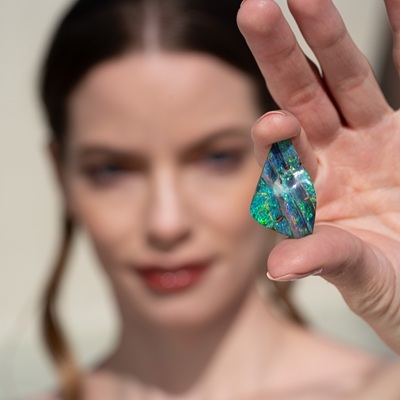
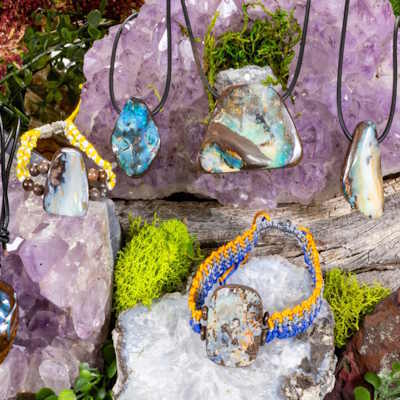
Whether you are drawn to the kaleidoscopic play-of-color in a black opal ring or the celestial fire of a Queensland boulder opal pendant, you deserve to know exactly what protection comes with your purchase. Explore the full collection of opal rings, earrings, and necklaces at Australianopaldirect, where every piece arrives with the documentation, care guidance, and warranty support that a genuine gemstone investment deserves.
FAQ
What does a jewelry warranty actually cover?
A jewelry warranty covers manufacturing defects and workmanship failures such as faulty clasps, weak solder joints, and loose prong settings. It does not cover loss, theft, accidental damage, or normal wear and tear.
How is a jewelry warranty different from jewelry insurance?
A warranty covers the maker’s craftsmanship errors and is usually free at purchase. Insurance covers external risks like loss, theft, and accidental damage, and typically costs 1–2% of the piece’s appraised value annually.
Can a third-party repair void my jewelry warranty?
Yes. Unauthorized repairs, including resizing by a jeweler outside the authorized service network, void most manufacturer warranties immediately. Always use the jeweler’s designated service provider for any repair or adjustment.
Do i need to register my jewelry warranty?
Most jewelers require warranty registration within 30 days of purchase to activate coverage and link ownership. Skipping registration can mean your warranty never formally begins, leaving you without recourse if a defect appears.
Does a GIA grading report replace a jewelry warranty?
No. A GIA or AGS grading report describes a gemstone’s quality characteristics only. It provides no protection for the metal setting, construction, or workmanship, which is precisely what a warranty covers.
Recommended
- Responsible Jewelry Explained: Choosing Ethical Luxury - Australian Opal Direct
- Artisan-Crafted Jewelry: Authenticity & Ethics Guide - Australian Opal Direct
- What defines high jewelry? The key elements of true luxury - Australian Opal Direct
- Luxury gemstone standards explained: Expert guide for collectors - Australian Opal Direct