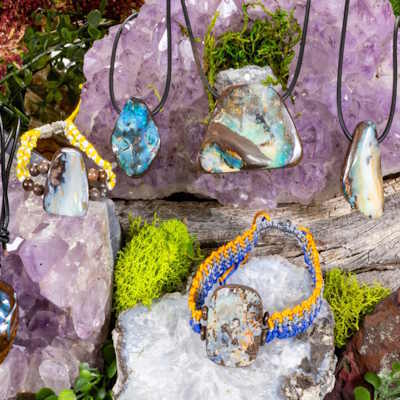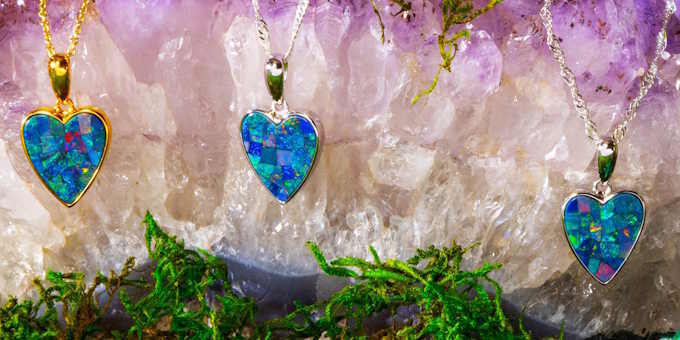
Understanding Opal Durability: A Collector's Guide to Longevity
Posted by AOD on 15th Apr 2026
Understanding Opal Durability: A Collector’s Guide to Longevity

TL;DR:
- Opal durability varies based on type, origin, and proper care, not just hardness.
- Solid Australian opals are most suitable for daily wear when properly selected and protected.
- Correct storage and handling can significantly extend opal longevity and preserve its beauty.
Opals carry an unfair reputation. For generations, collectors have been warned away from wearing them daily, told these luminous gems are simply too delicate to survive the rigors of real life. Yet this sweeping caution overlooks a far more nuanced truth: opal durability is not a fixed quality but a spectrum shaped by type, origin, structure, and care. The kaleidoscopic brilliance that makes Australian opals so captivating does not have to come at the cost of longevity. With the right knowledge, collectors can choose pieces that are as resilient as they are radiant, transforming a gem once feared as fragile into a confident, enduring heirloom.
Table of Contents
- What does durability mean for opals?
- Types of opals and what affects their durability
- Opal durability in everyday wear: Myths, realities, and best practices
- How to preserve opal durability: Storage, care, and environmental factors
- Our perspective: Why opal durability is misunderstood (and how collectors can get it right)
- Find durable Australian opals for your collection
- Frequently asked questions
Key Takeaways
| Point | Details |
|---|---|
| Opal isn’t always fragile | High-grade Australian opals in the right settings can be worn regularly and outlast common myths about fragility. |
| Type and structure matter | Solid opals outperform doublets and triplets for durability, especially when chosen for thickness and integrity. |
| Care prevents cracking | Maintaining moderate humidity and avoiding temperature shocks helps prevent opal crazing and ensures longevity. |
| Right supplier, right gem | Purchasing from reputable dealers guarantees you receive structurally sound, quality-controlled opals for your jewelry. |
What does durability mean for opals?
Gemstone durability is built on three pillars: hardness, toughness, and stability. Hardness measures resistance to scratching. Toughness measures resistance to breaking or chipping. Stability describes how a gem holds up against heat, light, and chemicals. Most collectors focus only on hardness, which is why opals so often get misread.
On the Mohs scale, opal scores 5.5 to 6.5, placing it softer than quartz (7) and even ordinary household dust, which can scratch its surface over time. That number alone sounds alarming. But hardness is only part of the picture.
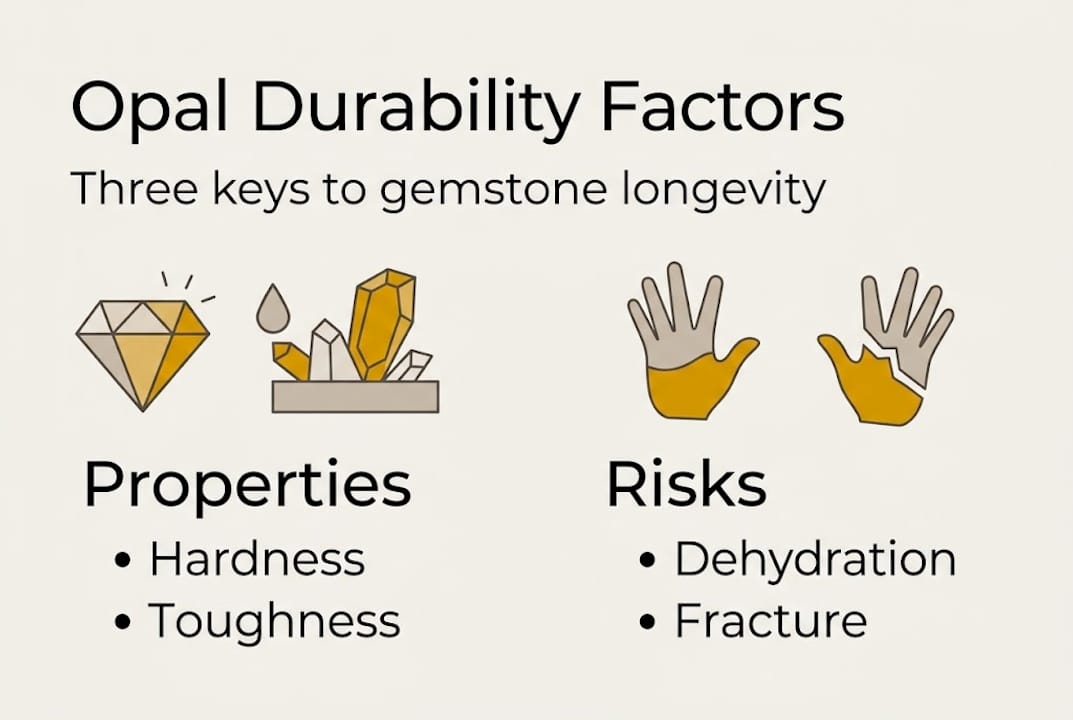
The deeper challenge is toughness. Opal ranks low on advanced durability scales due to brittleness, meaning it can fracture from sharp impacts even when its surface appears intact. This combination of moderate hardness and low fracture toughness is what earns opals their fragile label.
Yet context matters enormously. Diamonds are extremely hard but can shatter from a precise blow. Jade scores lower on hardness than opal but is famously tough. Understanding opal composition and durability reveals that the gem’s internal water content, silica structure, and formation environment all influence how it performs in the real world.
| Durability factor | Opal rating | Practical implication |
|---|---|---|
| Hardness (Mohs) | 5.5 to 6.5 | Scratches from quartz, dust, and harder gems |
| Fracture toughness | Low | Vulnerable to sharp impacts and drops |
| Stability | Moderate | Sensitive to dehydration and temperature shifts |
| Synthetic opal toughness | Variable | Lab versions differ structurally from natural gems |
Key takeaways for collectors:
- Hardness alone does not determine wearability
- Toughness and stability are equally critical for everyday pieces
- Natural Australian opals vary widely in structural integrity
- Origin and formation type influence all three durability pillars
Types of opals and what affects their durability
Not all opals are created equal, and the distinction between solid, doublet, and triplet opals is one of the most important concepts a collector can internalize. Each type carries a different durability profile, and choosing wisely can mean the difference between a gem that lasts a lifetime and one that disappoints within years.
Solid Australian opals are single, natural gems with no adhesives or backing materials. High-quality solid Australian opals are suitable for daily wear in protective settings when selected for structural integrity, meaning no cracks and good thickness. These are the gold standard for collectors who want both beauty and resilience.
Doublets and triplets are assembled stones. A doublet bonds a thin opal slice to a dark backing. A triplet adds a clear dome on top. While these constructions enhance color and reduce cost, the adhesives used are vulnerable to moisture, causing the layers to separate and the stone to cloud over time. Explore the essential types of opal jewelry to understand how each type suits different collecting goals.
Water content is another critical variable. Opal contains 3 to 21% water, typically 6 to 10% in gem-grade stones, which creates vulnerability to crazing (the development of surface cracks) when the gem loses moisture rapidly. Understanding water content in opal is essential before purchasing any piece intended for regular wear.
Hydrophane opals present a special case. These porous stones absorb water readily, temporarily altering their play-of-color and making them more susceptible to staining and structural stress. Non-hydrophane solid opals are far more stable for jewelry use.
| Opal type | Durability | Water sensitivity | Best use |
|---|---|---|---|
| Solid Australian | High | Moderate | Rings, heirlooms, daily wear |
| Doublet | Medium | High | Pendants, occasional wear |
| Triplet | Lower | Very high | Fashion pieces, low-impact settings |
| Hydrophane | Variable | Very high | Collector display, careful wear |
Pro Tip: Always choose solid Australian opals for heirloom-quality jewelry. Their structural integrity and natural formation make them far more resilient than assembled alternatives, especially when sourced from regions like Lightning Ridge or Coober Pedy.
Opal durability in everyday wear: Myths, realities, and best practices
The myth that all opals are too delicate for rings or daily wear has discouraged countless collectors from enjoying their gems as they were meant to be worn. The reality is more encouraging. Not all opals are fragile; Australian solid black and boulder opals are entirely viable for rings when set in bezel or protective settings, contrary to the legends of extreme fragility.
The setting is as important as the stone itself. A bezel setting wraps a metal rim around the opal’s edge, shielding it from lateral impacts. Prong settings, while beautiful, leave the stone exposed on multiple sides. For collectors who want to wear opals suitable for everyday jewelry, the setting choice can extend a gem’s functional life by years.
Here is a practical framework for evaluating any opal before purchase:
- Identify the type. Confirm whether the stone is solid, doublet, or triplet. Ask for documentation.
- Examine for inclusions and cracks. Even hairline fractures compromise structural integrity under daily wear.
- Assess thickness. Thicker solid opals withstand impacts far better than thin slices.
- Consider the setting. Bezel and low-profile settings offer the most protection for rings.
- Match the gem to the lifestyle. A boulder opal in a bezel ring suits an active wearer; a crystal opal in a pendant suits someone seeking occasional elegance.
- Research the origin. Australian black opals from Lightning Ridge and boulder opals from Queensland consistently rank among the most structurally sound.
“The most resilient opals are not the hardest ones but the best-chosen ones: correct type, correct setting, correct origin, worn with awareness.”
For collectors navigating styling opal jewelry every day, the key is pairing the right stone with the right design. Choosing opal for fine jewelry requires understanding how phenomenal opals behave differently from standard gems in terms of light interaction and structural response.
Pro Tip: Black and boulder opals in sturdy bezel settings are the collector’s answer to fragility myths. These varieties carry natural ironstone or dark potch backing that adds structural support, making them among the most wearable of all opal types.
How to preserve opal durability: Storage, care, and environmental factors
Even the finest Australian opal will suffer without proper care. The three greatest threats to opal longevity are dehydration, extreme temperature swings, and physical impact. Each can be managed with simple, consistent habits.
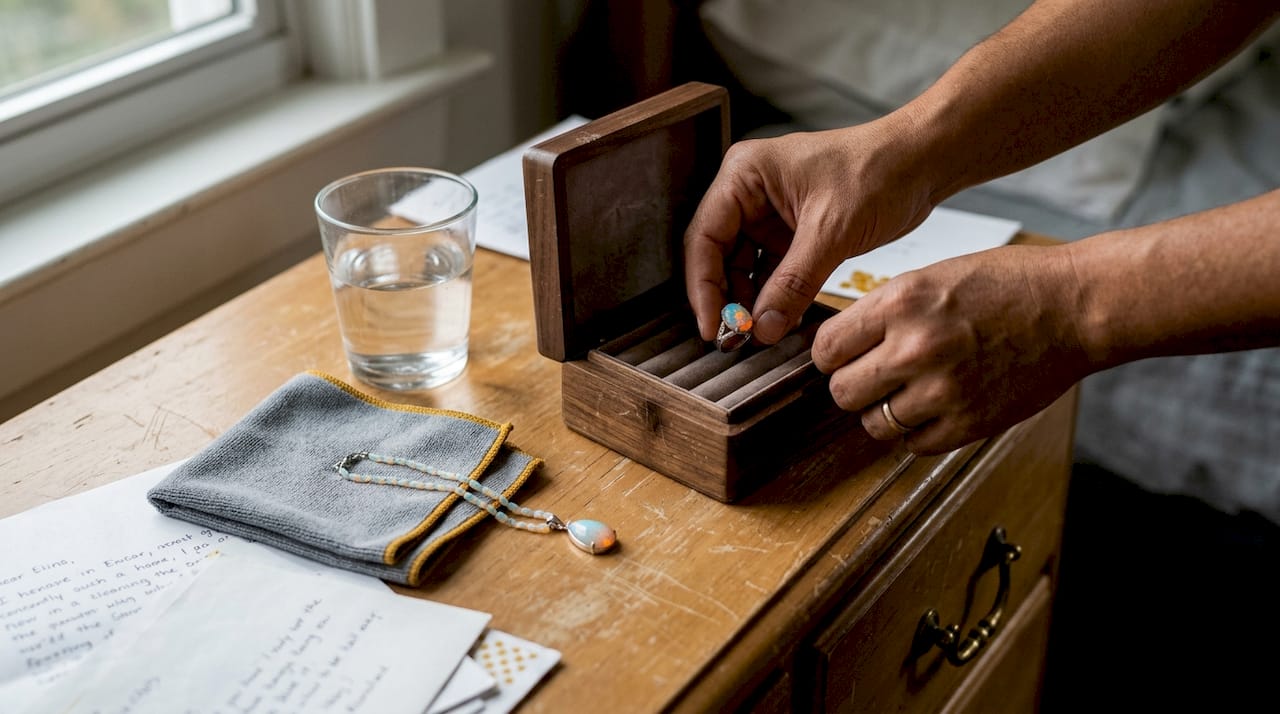
Opal contains 3 to 21% water by weight, and when that moisture escapes too quickly, the internal silica structure contracts unevenly, producing the fine surface cracks known as crazing. Crazing is largely irreversible, which makes prevention far more valuable than any repair. The risk of opal crazing increases dramatically in dry climates, air-conditioned environments, and during winter months with low indoor humidity.
Follow these steps to store opals for the long term:
- Choose a padded, sealed box. Soft fabric lining prevents surface scratches from contact with harder gems or metals.
- Maintain moderate humidity. A small, damp cloth sealed loosely in the same container can buffer against excessive dryness without waterlogging the gem.
- Avoid direct sunlight and heat sources. Prolonged UV exposure and heat accelerate moisture loss.
- Keep opals away from ultrasonic cleaners. The vibrations can fracture already-stressed silica structures.
- Store separately from diamonds and sapphires. These harder gems will scratch opal surfaces on contact.
For caring for opal jewelry in daily life, a few additional practices protect your investment:
- Clean with a soft, barely damp cloth only
- Remove opal rings before washing hands or doing dishes
- Avoid perfumes, hairsprays, and chemical cleaners near opal pieces
- Never soak opals in water, especially doublets or triplets
For collectors looking for unique opal style ideas that also respect the gem’s needs, pendants and earrings naturally experience less physical stress than rings, making them excellent choices for more delicate specimens.
Pro Tip: If you live in a very dry climate or notice your opal looking slightly dull, placing it overnight in a sealed bag with a lightly moistened cloth can gently restore its internal moisture balance. Do this sparingly and never submerge the stone.
Our perspective: Why opal durability is misunderstood (and how collectors can get it right)
The durability conversation around opals has been shaped more by folklore than by gemology. Generations of jewelers, cautious about liability, repeated warnings until those warnings became received wisdom. The result is a market where stunning, structurally sound Australian opals are overlooked because buyers fear a problem that proper selection and care largely eliminates.
The truth, as GIA research on phenomenal gemstones confirms, is that durability depends on quality: high-grade solid Australian opals with balanced cuts and no inclusions outperform low-grade stones by a significant margin. Hydrophane opals are genuinely more porous and fragile, but they represent only one category within a vast and varied family of gems.
Savvy collectors do not avoid opals. They learn to distinguish between varieties, ask the right questions about origin and structure, and invest in expert settings. They wear their Lightning Ridge black opals with quiet confidence, knowing the stone was chosen and set with care. For those selecting engagement opals, this knowledge is especially empowering: the right solid opal, properly set, can anchor a ring worn daily for decades.
The most enduring opal collections belong to those who replaced fear with understanding.
Find durable Australian opals for your collection
Knowing what makes an opal truly durable is only half the journey. The other half is finding a source you can trust to deliver gems that meet those standards with full transparency about type, origin, and structural quality.

At Australian Opal Direct, every piece in our collection is sourced directly from Australia’s most storied mining regions, including Lightning Ridge, Coober Pedy, and Queensland. We specialize in solid Australian opals selected for structural integrity, play-of-color, and long-term wearability. Our team provides complete disclosure on opal type and quality factors, so you can buy with confidence. From protective bezel-set rings to elegant pendants, our curated range pairs beauty with genuine durability. Explore our collection and let our gemstone specialists guide you toward an opal built to last.
Frequently asked questions
Are all opals too fragile to wear every day?
No. High-quality solid Australian opals can be worn daily in protective settings when selected for structural integrity, but doublets and triplets are less durable due to adhesives that are vulnerable to moisture.
Why do some opals crack or craze over time?
Opals contain 3 to 21% water by weight, and when they lose that moisture too quickly through dehydration, low humidity, or sudden temperature changes, the internal structure contracts unevenly and produces surface cracks called crazing.
Which is the most durable type of opal?
Solid Australian black and boulder opals are generally the most durable. Australian solid black and boulder opals are viable for rings in bezel settings, making them the strongest choice for daily wear among all opal varieties.
How should I store my opal jewelry for maximum longevity?
Store opal jewelry in a padded, sealed box away from heat and direct sunlight. Maintaining moderate humidity in the storage environment and keeping opals separate from harder gems will significantly extend their lifespan.
Recommended
- Opal Value Explained: A Complete Collector’s Guide - Australian Opal Direct
- Why opal transparency is highly valued by collectors - Australian Opal Direct
- How to Distinguish Opal Origins for Authentic Jewelry - Australian Opal Direct
- How Opals Are Valued – What Every Collector Needs - Australian Opal Direct