How to Select Opal Types for Fine Jewelry Purchases
Posted by AOD on 31st Dec 2025
How to Select Opal Types for Fine Jewelry Purchases
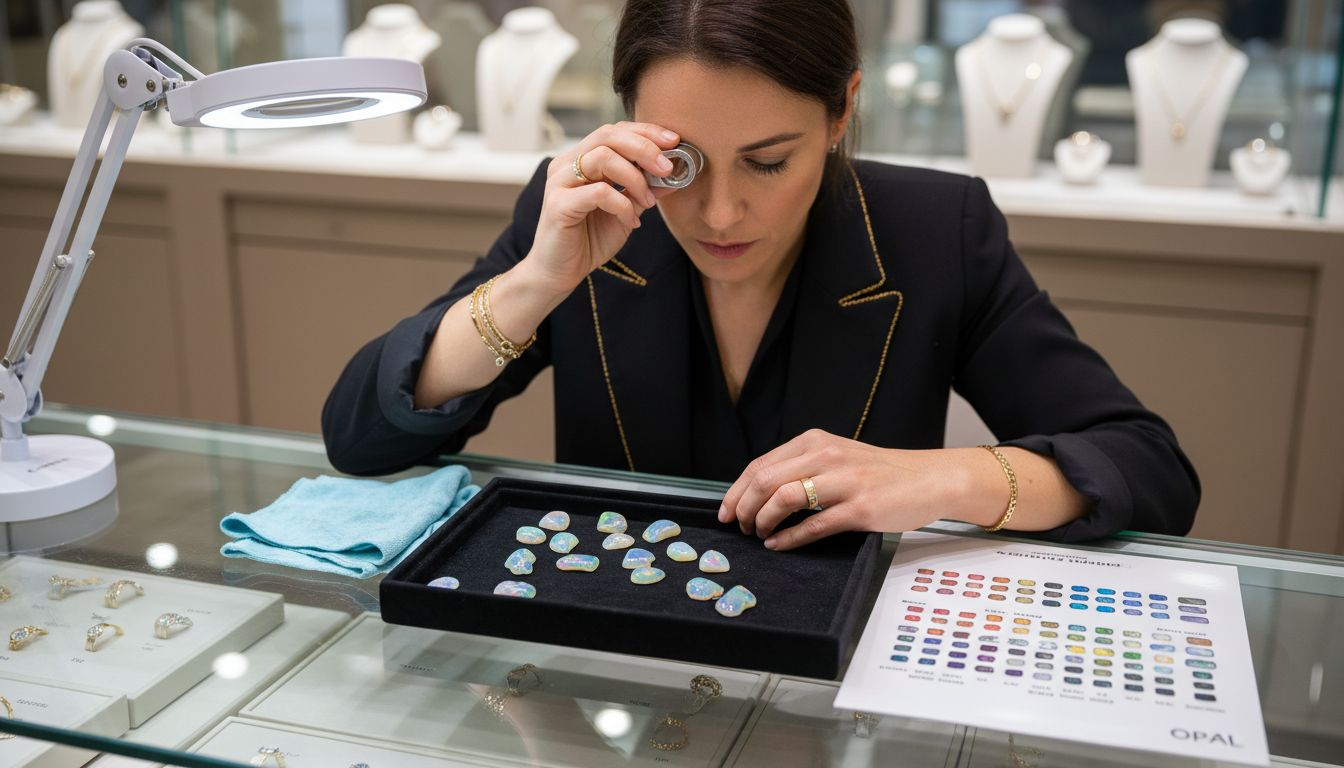
Many experienced collectors know that over 95 percent of the world’s precious opals are discovered in Australian fields, giving these natural wonders an edge when compared to American, Japanese, or Mexican varieties. For luxury jewelry buyers who chase authenticity and ethical practices, finding an opal with certified Australian heritage is an essential part of the journey. Here you will find exactly what sets each opal origin and variety apart, making your investment both meaningful and unique.
Table of Contents
- Step 1: Identify Your Preferred Opal Origin And Variety
- Step 2: Assess Color, Pattern, And Brilliance
- Step 3: Evaluate Cut, Size, And Shape For Your Needs
- Step 4: Verify Authenticity And Ethical Sourcing
- Step 5: Select The Perfect Opal For Your Collection
Quick Summary
| Key Point | Explanation |
|---|---|
| 1. Understand opal origins and varieties | Prioritize knowledge about geographic origins, especially Australian, to select high-quality opals with distinctive qualities. |
| 2. Assess color and brilliance carefully | Evaluate an opal’s color play and transparency to determine its value, as these elements significantly influence appeal. |
| 3. Choose the right cut and shape | Select cuts that enhance beauty while ensuring comfort, as opals require specialized techniques to showcase their features. |
| 4. Verify authenticity with certification | Always request detailed certificates to confirm the opal’s genuine origin and ethical sourcing practices before purchasing. |
| 5. Strategize your collection goals | Develop a focused collecting strategy based on origin, color, or rarity to create a meaningful and diverse opal collection. |
Step 1: Identify your preferred opal origin and variety
Selecting the right opal requires understanding the unique characteristics of different geographic origins. Opals are hydrated silica minerals with remarkable diversity, found across multiple global regions but most prized when sourced from specific Australian locations like Coober Pedy, Lightning Ridge, and Queensland.
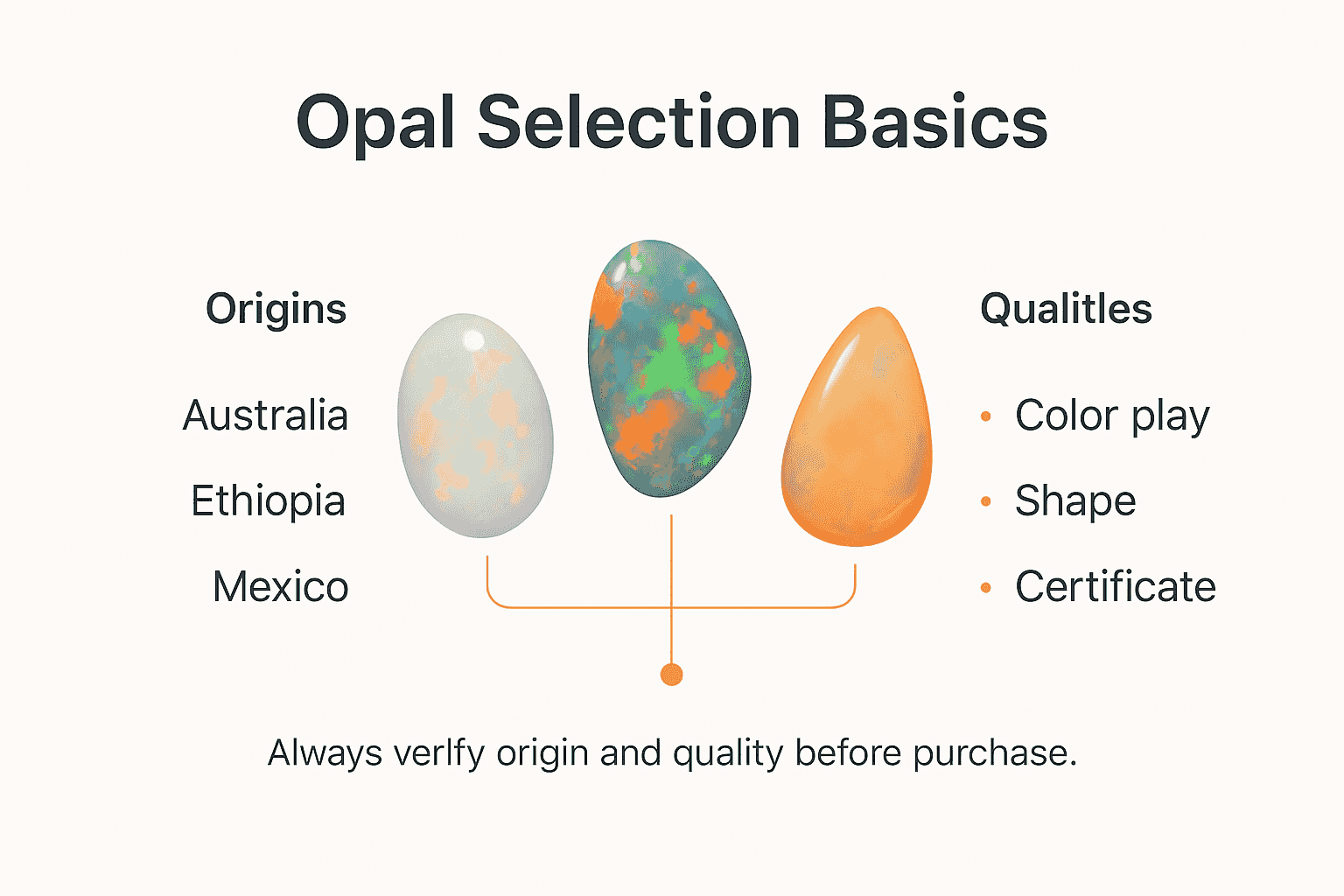
Your selection process should begin by exploring the distinctive features of each opal origin. Australian opals remain the most coveted worldwide, particularly black opals from Lightning Ridge and white opals from Coober Pedy. These regions produce gems with exceptional color play and transparency. While opals also emerge from Japan, Mexico, India, and the western United States, Australian stones consistently command higher value due to their superior quality and intense optical properties.
Consider your aesthetic preferences and budget when matching opal origins to your desired jewelry piece. Some collectors prioritize the deep, mysterious black opals from Lightning Ridge, while others prefer the soft, milky appearance of white opals. Each variety tells a unique geological story and carries distinct visual characteristics that will determine its overall appeal and investment potential.
Pro tip: Always request a detailed origin certificate when purchasing opals to verify their authentic source and ensure you are investing in a genuine, high quality gemstone.
Here is a comparison of notable opal types and their primary characteristics:
| Opal Type | Key Origin | Color Profile | Typical Value Level |
|---|---|---|---|
| Black Opal | Lightning Ridge | Deep, vivid spectrum | Highest investment grade |
| White Opal | Coober Pedy | Milky, pastel hues | Moderate to high |
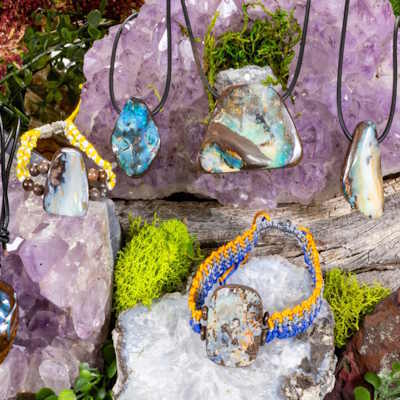
| Boulder Opal | Queensland | Bright, with ironstone | High, unique patterns |
| Fire Opal | Mexico | Warm reds, oranges | Moderate, collector’s gem |
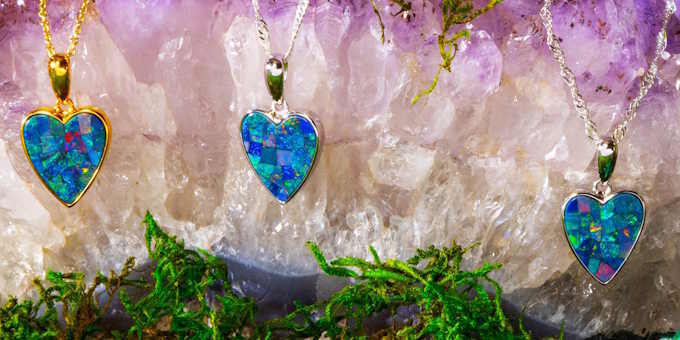
| Crystal Opal | Multiple regions | Transparent, multicolor | High, depending on clarity |
Step 2: Assess color, pattern, and brilliance
Understanding the complex visual qualities of opals requires a discerning eye and knowledge of how light interacts with these extraordinary gemstones. The play of color in precious opals emerges from their unique internal microstructure of silica spheres that diffract light, creating mesmerizing optical displays that determine their true value and appeal.
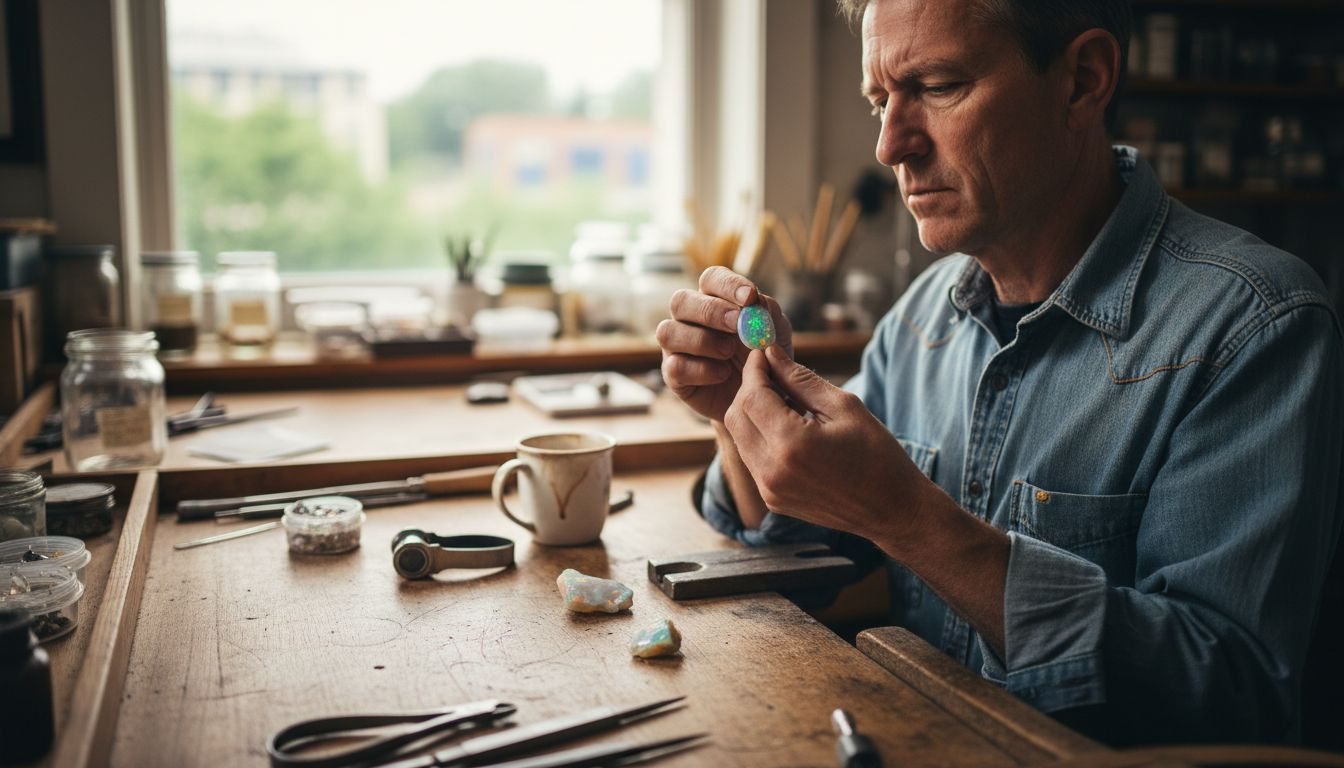
Evaluate an opal’s color by examining its brightness, range, and pattern intensity. Opal value is heavily influenced by its play-of-color, with the most prized stones exhibiting vibrant, dynamic color flashes across multiple wavelengths. Professional gemologists look for specific patterns like harlequin or rolling flash, which can dramatically increase a stone’s worth. Pay attention to how colors shift and dance when you move the stone under different light sources this reveals the depth and quality of its optical performance.
When assessing brilliance, consider the stone’s transparency, color saturation, and the way light interacts with its internal structure. High quality opals will show intense color play even in small viewing angles, with crisp transitions between colors that appear almost electric. Some collectors prefer stones with broad color ranges, while others seek specific color combinations that create a unique visual narrative.
Pro tip: Always examine opals under multiple light sources including natural daylight, LED, and soft ambient lighting to fully appreciate their complex color characteristics.
Use this summary to understand what to evaluate when assessing opals:
| Factor | What to Check | Effect on Value |
|---|---|---|
| Color Play | Range and intensity of hues | Maximum brilliance increases |
| Pattern | Unique shapes or flashes | Rare patterns are prized |
| Brilliance | Light performance | Strong brilliance preferred |
| Transparency | Clarity of the stone | Higher clarity is desired |
Step 3: Evaluate cut, size, and shape for your needs
Choosing the right cut and shape for an opal requires careful consideration of both aesthetic appeal and practical wearability. Opals are uniquely structured gemstones that demand specialized cutting techniques to maximize their extraordinary optical properties. Unlike harder gemstones, opals need cutting approaches that protect their delicate internal structure while showcasing their vibrant color play.
Professional gem cutters typically recommend cabochon cuts for opals, which highlight the stone’s natural color characteristics and provide maximum protection. The size and shape of an opal should align directly with its intended jewelry setting and the wearer’s personal comfort. Consider how the stone will interact with your typical clothing styles, hand movements, and lifestyle. A larger opal might look stunning, but it could become impractical if it catches on fabric or protrudes uncomfortably from a ring or pendant setting.
When evaluating potential cuts, prioritize symmetry and polish that enhance the opal’s natural color display. Some collectors prefer freeform shapes that showcase unique color patterns, while others seek more traditional oval or round cuts that fit standard jewelry mountings. Your choice should balance visual drama with everyday wearability, ensuring the opal remains both a beautiful statement piece and a comfortable accessory.
Pro tip: Request to view potential opal cuts under multiple lighting conditions and try on sample settings to understand how the stone will look and feel when worn.
Step 4: Verify authenticity and ethical sourcing
Authenticating opals requires a sophisticated understanding of their unique geological characteristics and responsible sourcing practices. Genuine opals possess distinctive internal structures that set them apart from synthetic or treated stones, making expert verification crucial for serious collectors and conscientious buyers. Understanding the nuanced differences between natural and artificial opals demands both scientific knowledge and careful examination.
Ethical sourcing has become increasingly important in the gemstone market, with reputable sellers providing comprehensive documentation about an opal’s origin and mining conditions. When purchasing, request detailed certification that confirms the stone’s natural provenance, including specific mining location, extraction methods, and transparency regarding labor practices. Professional gemological laboratories can provide definitive authentication through advanced microscopic analysis that reveals the stone’s unique internal microstructure and water content.
Look for sellers who can demonstrate a clear chain of custody and commitment to responsible mining practices. This means seeking documentation that shows fair worker compensation, environmental sustainability, and minimal ecological disruption during the extraction process. Experienced collectors understand that an opal’s true value extends beyond its visual beauty to include the ethical considerations of its journey from earth to jewelry.
Pro tip: Request a comprehensive gemological certificate from recognized international laboratories and ask specific questions about the opal’s exact origin and mining conditions before completing your purchase.
Step 5: Select the perfect opal for your collection
Curating an exceptional opal collection requires a thoughtful approach that balances personal aesthetic, investment potential, and individual storytelling. Each opal represents a unique geological narrative, with characteristics that reflect its origin, formation, and natural beauty. Understanding how to select the right stones means looking beyond surface appearance to appreciate the deeper qualities that make each gem extraordinary.
Consider your collection goals and personal preferences when choosing opals. Some collectors focus on diversity of origin and color patterns, while others seek specific varieties that resonate with their individual taste and appreciation. Rare black opals from Lightning Ridge might appeal to serious investors, while crystal or white opals could attract those seeking more accessible yet stunning pieces. Think about how each potential addition will complement your existing collection and tell a broader story about geological diversity and natural artistry.
Evaluate each potential opal not just for its immediate visual appeal, but for its long term potential as a meaningful collection piece. Look for stones with exceptional color play, unique patterns, and a clear provenance that adds depth to its narrative. A truly remarkable opal collection is more than an assemblage of beautiful stones it represents a curated journey through geological wonder and personal aesthetic.
Pro tip: Develop a focused collecting strategy by setting specific parameters such as origin, color range, or rarity to guide your selections and create a more meaningful opal collection.
Discover Your Perfect Australian Opal with Confidence
Selecting the ideal opal for fine jewelry involves understanding origins, color play, and ethical sourcing as you learned. We know the challenge of finding genuine, high-quality stones that showcase stunning brilliance and unique patterns while also aligning with your values and lifestyle. Whether you are drawn to the deep hues of Black Opals from Lightning Ridge or the soft glow of White Opals from Coober Pedy, authentic sourcing and expert craftsmanship make all the difference.
At Australian Opal Direct, we specialize in ethically mined, genuine Australian opals that celebrate the rare beauty and heritage of this incredible gemstone. We work directly with miners in Australia to bring you exclusive pieces that shine with natural color play and come backed by trusted certification, free shipping, and custom design options. Explore our curated collection of rings, pendants, earrings, and bracelets to find the perfect stone that harmonizes with your personal style and collection goals.

Unlock the story behind every gem and invest in opal jewelry you will cherish for a lifetime. Start browsing now at Australian Opal Direct to experience unmatched authenticity and craftsmanship rooted in Australia’s legendary opal fields.
Frequently Asked Questions
How do I choose the right opal type for my jewelry?
Selecting the right opal type involves understanding the unique characteristics of each variety. Start by considering your personal preferences for color, pattern, and the intended use of the jewelry piece.
What factors determine the value of an opal?
The value of an opal is primarily determined by its color play, pattern, brilliance, and transparency. Evaluate these factors closely when making your purchase to ensure you choose a high-quality stone that fits your budget.
How can I assess the brightness and intensity of an opal’s color?
To assess an opal’s brightness and color intensity, examine it under various lighting conditions. Move the stone around to see how the colors shift and how vibrant they appear in different lights, as this will showcase their full potential.
What is the importance of cut and shape when choosing an opal?
The cut and shape of an opal are crucial for maximizing its optical properties and ensuring wearability. Prioritize cabochon cuts for better color display and protection, and choose a shape that fits comfortably with your style and lifestyle.
How can I verify the authenticity and ethical sourcing of an opal?
To verify an opal’s authenticity, request a gemological certificate that details its origin and characteristics. Ensure the seller provides documentation of ethical sourcing practices, including fair labor conditions and sustainable mining methods.
What should I consider when curating my opal collection?
When curating your opal collection, focus on a balance of aesthetic appeal, investment potential, and personal storytelling. Set specific parameters for your collection, such as color range or origin, to create meaningful additions that reflect your tastes.
Recommended
- Opal Stone 101: History, Symbolism, and Uses - Australian Opal Direct
- Opal Gemstone Selection Process: A Step-by-Step Guide - Australian Opal Direct
- How to Design Custom Opal Rings for Luxury Jewelry Lovers - Australian Opal Direct
- How to Pick Opal Jewelry: Expert Steps for Gemstone Lovers - Australian Opal Direct