Opals and Pearls: A 2026 Guide to Care and Design
Posted by AOD on 17th Jul 2026
Opals and Pearls: A 2026 Guide to Care and Design
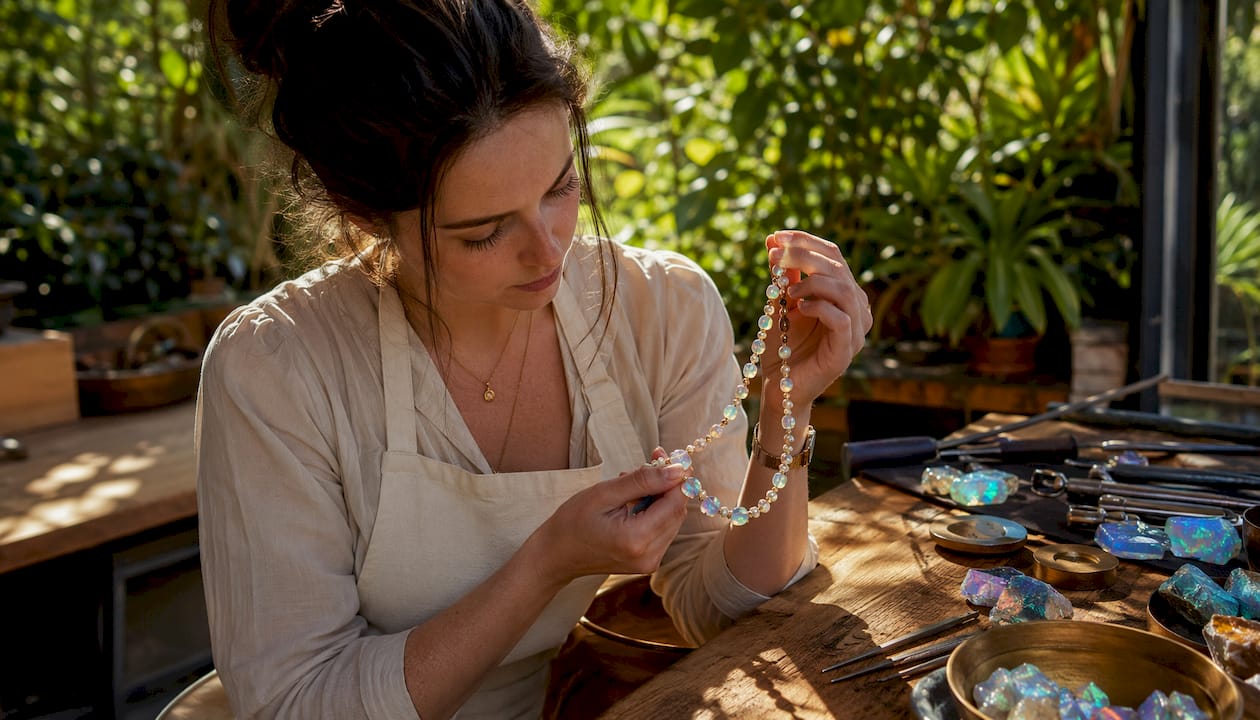
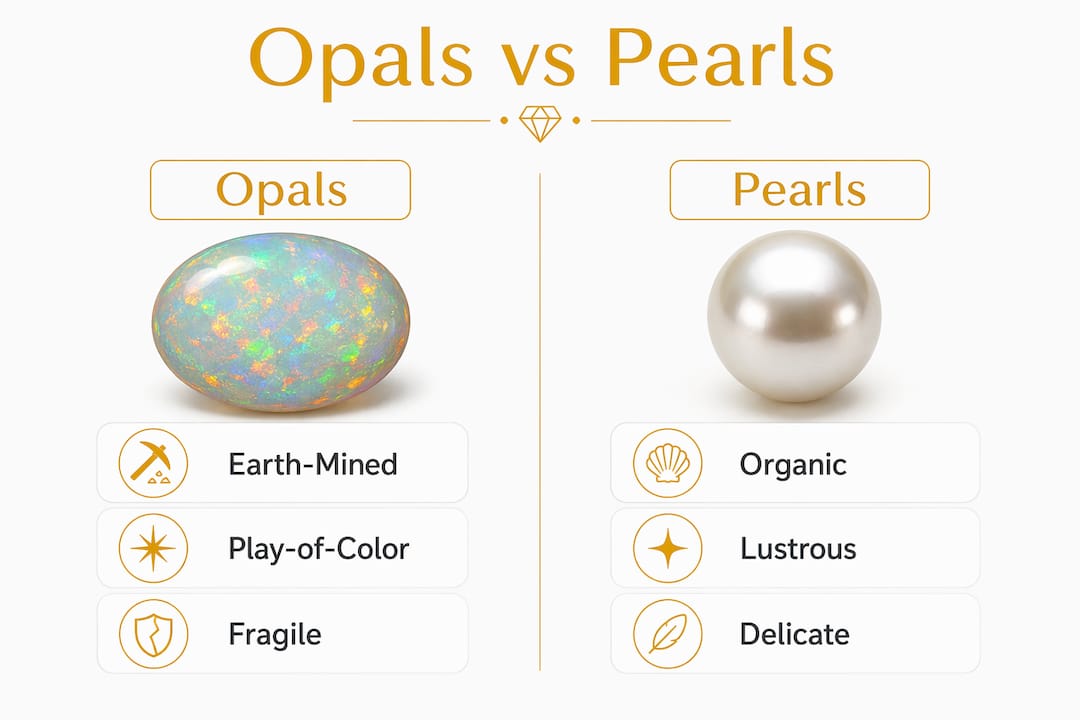
Opals and pearls stand apart from every other pairing in gemstone jewelry. Opals are earth-born minerals, composed of hydrated silica containing water locked inside their structure, while pearls are entirely organic, built layer by layer within mollusks as nacre wraps around an irritant. That fundamental difference in origin shapes everything: how they look, how they age, what they mean, and how you care for them. Together, they embody a rare harmony of earth and sea, fire and serenity. The GIA recognizes opals as October birthstones and pearls as June birthstones, and their pairing in jewelry has long carried a symbolic weight that collectors and designers find irresistible.
| Feature | Opal | Pearl |
|---|---|---|
| Origin | Earth-mined hydrated silica | Organic, produced by mollusks |
| Composition | Amorphous silica with water content | Layers of nacre (calcium carbonate) |
| Color and visual effect | Kaleidoscopic play-of-color | Soft, steady luster |
| Care requirements | Avoid detergents, perfumes; keep hydrated | Wipe after wear; avoid acids and ammonia |
| Symbolism | Creativity, hope, emotional balance | Purity, serenity, timeless elegance |
| Value considerations | Rarity, color intensity, origin | Nacre thickness, shape, luster, origin |
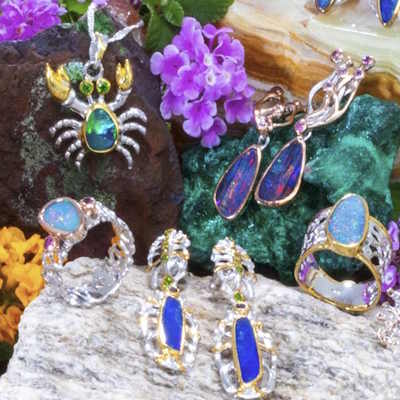
Australianopaldirect sources its opals directly from Lightning Ridge, Coober Pedy, and Queensland, bringing that deep connection to the earth’s geology into every piece it offers.
How opals and pearls truly compare
The contrast between these two gems goes well beyond surface appearance. Understanding their physical properties reveals why designers treat them as complementary opposites rather than similar stones.
Origin and composition
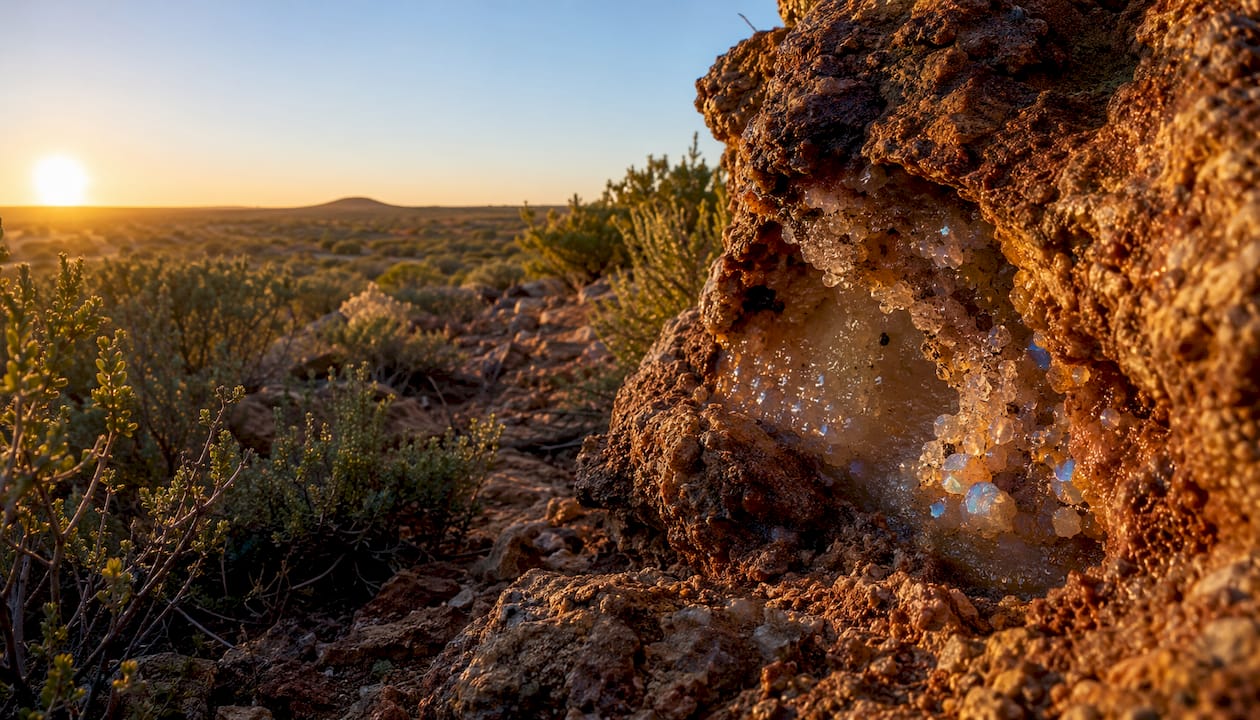
Opals form over millions of years as silica-rich water seeps into rock cavities and slowly dries, leaving behind microscopic spheres of silica arranged in precise grids. No two opals share an identical sphere arrangement, which is why no two opals ever look exactly alike. Pearls, by contrast, emerge from living creatures: oysters, mussels, and other mollusks deposit thin layers of nacre around an irritant, building a gem from the inside out. One is geological patience made visible; the other is biological alchemy.
Visual and color differences
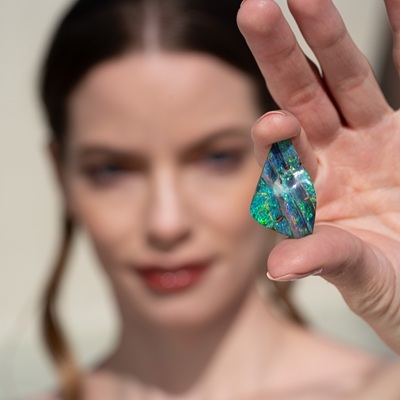
An opal’s play-of-color is a diffraction phenomenon. Light enters the stone, bends around those silica spheres, and scatters into spectral flashes of red, green, blue, and violet that shift with every angle of view. A pearl produces no such spectacle. Its luster is a steady, creamy glow, a soft reflection that comes from light bouncing between nacre layers. Designers who understand both stones describe the pairing as setting a bonfire beside a still lake: the opal blazes, the pearl calms.
Durability and care differences
Opals are softer than quartz and carry that internal water content, making them vulnerable to sudden temperature changes and prolonged dryness. Pearls are sensitive in a different way: acids, ammonia, and even skin oils gradually erode nacre over time. Both gems demand gentle handling, but for entirely different reasons.
- Opals: Mohs hardness of approximately 5.5–6.5; can crack if dehydrated or exposed to sudden heat
- Pearls: Nacre dissolves in acidic environments; surface dulls with chemical exposure
- Combined pieces: Require care routines that protect both vulnerabilities simultaneously
Pricing and market value
Luxury jewelry combining opals and pearls varies widely in price depending on size, quality, and origin, with top-tier pieces commanding values from $4,000 to over $100,000. More accessible combinations using white opals and freshwater pearls bring the pairing within reach for buyers beginning their collections. The rarity of the opal, measured by the intensity and breadth of its play-of-color, drives value more than any other single factor.
| Gem | Primary value driver | Secondary value driver | Price range (luxury tier) |
|---|---|---|---|
| Opal | Play-of-color intensity | Origin (Lightning Ridge, Coober Pedy) | $4,000 to $100,000+ |
| Pearl | Nacre thickness and luster | Shape and surface quality | $4,000 to $100,000+ |
| Combined piece | Opal quality | Pearl grade and design craftsmanship | $4,000 to $100,000+ |
How to care for opal and pearl jewelry the right way
Caring for a piece that holds both an opal and a pearl requires a routine built around the more sensitive of the two at every step. In practice, that means treating the combination with the caution you would give a pearl and the hydration awareness you would give an opal.
Step-by-step cleaning
- Remove the piece before any water exposure. Soaking opals can cause them to absorb impurities, and prolonged water contact weakens the silk thread commonly used in pearl strands.
- Wipe pearls gently after every wear using a soft, lint-free cloth. Skin oils and perspiration are mild acids that slowly erode nacre if left on the surface.
- Clean opals with a barely damp cloth and nothing else. No ultrasonic cleaners, no steam, no jewelry dips. The vibration from ultrasonic devices can fracture an opal’s internal structure.
- Dry both gems completely before returning them to storage. Trapped moisture under a setting can cause long-term damage to both stones.
Storage best practices
Store opal and pearl pieces separately from harder gemstones like diamonds or sapphires, which will scratch both surfaces. A soft pouch or a fabric-lined compartment works well. Opals benefit from a slightly humid environment, so storing them in an airtight container in a very dry climate can accelerate dehydration. Pearls, on the other hand, need air circulation to prevent the nacre from drying out. A shared storage solution that avoids both extremes, such as a fabric-lined jewelry box kept at room temperature, suits both gems.
What to avoid
The GIA’s jewelry care guidelines are clear: both opals and pearls suffer from exposure to perfumes, detergents, hairspray, and lotions. Remove combined pieces before applying any product to your skin. Sweat, chlorine in swimming pools, and household cleaning agents all pose real risks. For luxury opal care at the highest level, the principle is simple: the last thing you put on before leaving the house, and the first thing you take off when you return.
Pro Tip: When wearing a necklace that combines opal beads and pearls on a single strand, have a jeweler check the string tension every 12–18 months. The weight difference between the two stone types can stress the thread unevenly, and a re-stringing before a break is far less heartbreaking than losing stones.
- Avoid ultrasonic and steam cleaners for both gems
- Never use ammonia-based cleaners near pearls
- Keep away from perfumes, hairspray, and lotions
- Remove before swimming, exercising, or household cleaning
- Store in a fabric-lined box, away from harder stones
- Wipe pearls with a soft cloth after every wear
- Check opal settings annually for loosening prongs
Australianopaldirect’s opal care guide offers detailed routines specifically designed for Australian opals, which can serve as a strong foundation for any combined piece.
The symbolism and emotional meaning behind opals and pearls
Few pairings in gemstone jewelry carry as much layered meaning as opals and pearls together. Each stone arrives with centuries of cultural weight, and when they meet in a single piece, their symbolic stories intertwine in ways that resonate deeply with collectors and gift-givers alike.
What opals have meant across history
Romans called the opal the cupid paederos, the “child as beautiful as love,” and ranked it second only to the emerald among all gems. They believed it contained the fire of the carbuncle, the water of the amethyst, and the sky of the sapphire, all held within one stone. That reverence persisted for centuries. A brief period of superstition in the 19th century, largely traced to a single novel by Sir Walter Scott, cast opals as unlucky, but modern collectors have largely set that aside. Today, the opal carries meanings of creativity, hope, and emotional balance. Its shifting colors are read as a mirror of the wearer’s inner life, a stone that reflects mood and imagination rather than concealing them.
What pearls represent
Pearls have symbolized purity and wisdom across cultures from ancient China to Renaissance Europe. In many traditions, they represent the moon, calm water, and feminine grace. Unlike most gemstones, a pearl requires no cutting or polishing to reveal its beauty; it arrives complete, which has long made it a symbol of natural perfection. In the language of gifts, pearls carry connotations of sincerity and enduring love, which is why they remain a classic choice for wedding jewelry and milestone anniversaries.
The meaning of combining them
- Opal symbolism: Creativity, hope, emotional balance, protection, and amplification of personal energy
- Pearl symbolism: Purity, wisdom, serenity, lunar connection, and timeless elegance
- Shared themes: Both stones are associated with water in different ways; opals carry water within their structure, while pearls are born from it
- Combined meaning: Earth meeting sea, fire meeting calm, the dynamic meeting the enduring
- Gift significance: A piece combining both stones suits milestones that honor both transformation and constancy, such as a significant birthday, a new beginning, or a long-lasting relationship
The symbolism of opals runs deeper than most buyers initially realize, and pairing that symbolism with the quiet wisdom of pearls creates a gift with genuine emotional resonance.
Design inspiration for combining opals and pearls beautifully
The most compelling opal and pearl combinations in contemporary jewelry don’t try to match the two stones. They celebrate the contrast. An opal’s kaleidoscopic fire looks most alive when set beside a pearl’s steady, creamy glow, each making the other more vivid by comparison.
Working with contrast, not similarity
GIA design insights confirm what experienced jewelers have long practiced: highlight the opal’s play-of-color against the pearl’s serene luster rather than searching for color harmony between them. A black opal from Lightning Ridge, with its deep body tone and electric flashes of red and green, gains extraordinary drama when flanked by white South Sea pearls. A white opal, softer in its fire, pairs beautifully with cream or blush-tinted freshwater pearls for a more understated elegance.
Metal choices that unify both stones
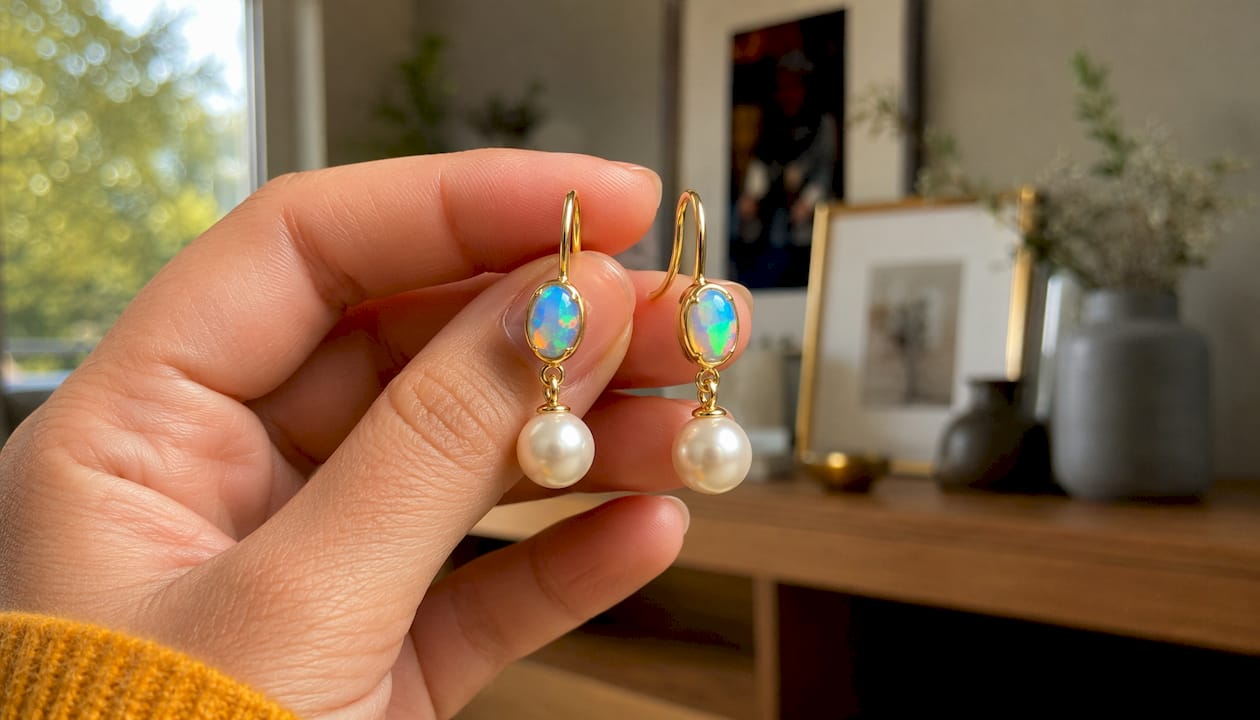
Warm gold, whether yellow or rose, acts as a visual bridge between an opal’s vibrant spectrum and a pearl’s creamy warmth. Both stones carry warm undertones that cool white metals like platinum or white gold can flatten. Yellow gold in particular draws out the amber and orange flashes in many Australian opals while complementing the ivory surface of a South Sea pearl. Rose gold adds a romantic softness that suits more delicate designs.
Practical design techniques
- Cradling pearls in gold mesh or wire: Avoids drilling through the nacre, which preserves luster and structural integrity
- Alternating bead sizes: Pairing larger pearls with slightly smaller opal beads maintains visual rhythm and weight balance on a strand
- Bezel settings for opals: Protects the opal’s softer edges while creating a clean frame that lets the pearl’s luster take equal visual space
- Drop earrings: A classic format where a pearl stud or cluster sits at the ear and an opal drop hangs below, reversing the dynamic in a pendant
- Layered necklaces: A pearl strand worn alongside a single opal pendant on a gold chain creates depth without requiring a single complex piece
Styling suggestions
What to wear with pearls and opals together depends on the occasion and the dominant stone. A piece where the opal leads, with pearls as accents, reads as artistic and expressive, suited to creative environments and evening wear. A piece where pearls dominate and a single opal appears as a focal point carries more formal elegance. For everyday wear, small opal studs paired with a simple pearl bracelet offer a quiet nod to the pairing without demanding attention.
| Design format | Dominant stone | Best occasion | Metal recommendation |
|---|---|---|---|
| Drop earrings | Opal | Evening, creative events | Yellow gold |
| Strand necklace | Pearl | Formal, bridal | Rose or yellow gold |
| Cocktail ring | Opal | Statement occasions | Yellow gold bezel |
| Layered necklace | Equal weight | Everyday, casual elegance | Rose gold |
| Bracelet | Pearl with opal accent | Milestone gifts | Yellow gold |
Australianopaldirect’s custom jewelry service allows you to bring these design ideas to life with ethically sourced Australian opals, working directly with craftspeople who understand how to honor both stones in a single piece.
How to tell real opals and pearls from imitations
Authentication matters more as the market for gemstone jewelry grows. Both opals and pearls have convincing imitations, and knowing the difference protects your investment.
Opals: Synthetic opals exist and are visually impressive, but they typically show a more uniform, grid-like play-of-color under magnification, lacking the organic irregularity of a natural stone. Doublets and triplets, which are thin slices of real opal bonded to a backing material, are legitimate products but should be disclosed and priced accordingly. A reputable seller will always specify whether a stone is solid, doublet, or triplet. Australianopaldirect certifies its stones and maintains direct miner relationships, which provides a clear chain of provenance.
Pearls: The classic test of rubbing a pearl gently against your teeth remains surprisingly reliable: a real pearl feels slightly gritty due to the crystalline nacre surface, while a glass or plastic imitation feels perfectly smooth. Cultured pearls are real pearls, grown with human assistance but with genuine nacre, and they represent the vast majority of the pearl market today. Natural pearls, formed without any human intervention, are rare and command significantly higher prices.
For combined pieces: Request documentation for both stones. A GIA grading report for a significant opal and a pearl grading report covering nacre thickness, luster, and surface quality give you the clearest picture of what you own. Australianopaldirect’s gemstone rarity guide explains the specific quality factors that determine an Australian opal’s authenticity and value.
Key Takeaways
Opals and pearls reward careful pairing: their contrasting origins, visual characters, and symbolic meanings create jewelry with depth that neither stone achieves alone.
| Point | Details |
|---|---|
| Distinct origins, shared appeal | Opals are earth-mined hydrated silica; pearls are organic nacre from mollusks, making their pairing a true union of earth and sea. |
| Care requires dual awareness | Avoid detergents, perfumes, and acids for both gems; wipe pearls after every wear and keep opals away from extreme dryness or heat. |
| Symbolism runs deep | Opals carry creativity and emotional balance; pearls represent purity and wisdom, and combining them suits gifts marking transformation and enduring love. |
| Contrast drives great design | Highlight opal’s play-of-color against pearl’s steady luster; warm yellow or rose gold unifies both stones without flattening either. |
| Authentication protects value | Luxury opal and pearl combinations range from $4,000 to over $100,000; always request provenance documentation and GIA grading reports for significant pieces. |
Recommended
- Luxury Opal Care Essentials: Your Expert Guide - Australian Opal Direct
- Opal Sourcing Tips: Your 2026 Ethical Buying Guide - Australian Opal Direct
- Master the Opal Jewelry Design Process Step by Step - Australian Opal Direct
- Opal Jewelry Gifting Guide: Select, Customize, and Present - Australian Opal Direct