Luxury Opal Care Essentials: Your Expert Guide
Posted by AOD on 6th Jun 2026
Luxury Opal Care Essentials: Your Expert Guide
TL;DR:
- Proper opal care emphasizes gentle cleaning with a microfiber cloth, mild soap, and lukewarm water to prevent moisture loss.
- Storage in soft, breathable pouches away from heat and sunlight helps maintain the opal’s structural integrity and vibrant play-of-color.
Luxury opal care essentials are the specialized tools, products, and behavioral practices that protect an opal’s kaleidoscopic play-of-color and preserve its structural integrity over time. Unlike diamonds or sapphires, opals carry a living quality. They contain 3–10% natural water, which means heat, chemicals, and neglect can extinguish their fire permanently. The GIA, Erin Gallagher Jewelry, and Amaryllis Jewelry all agree: opal gemstone care demands a gentler, more deliberate approach than any other gemstone in a luxury collection. What follows is a curated, expert-informed guide to every essential you need.
1. Must-have cleaning tools for luxury opal jewelry
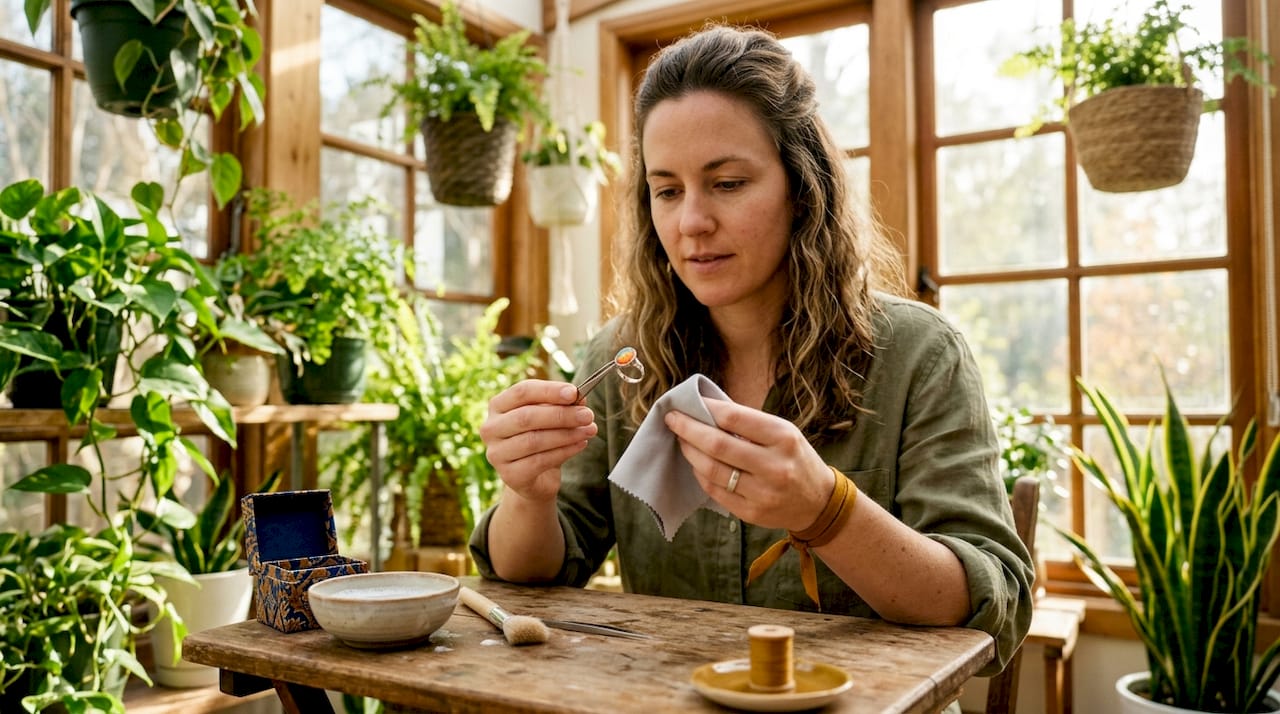
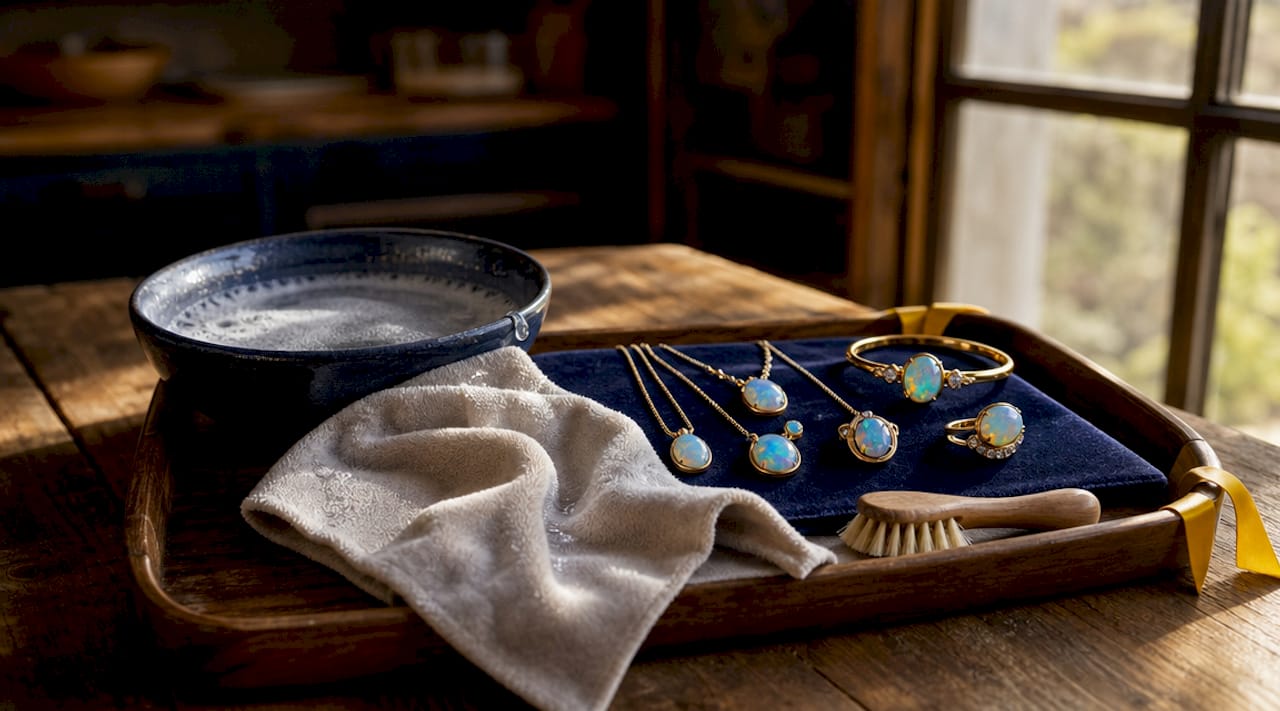
The foundation of any opal cleaning routine is the right physical toolkit. GIA recommends gentle cleaning with a mild detergent and a soft cloth or brush, explicitly warning against harsh chemicals and machine-based cleaning methods. That guidance translates directly into a short list of items every opal owner should keep on hand.
The core opal cleaning essentials:
- Microfiber or lint-free cloth: The gold standard for surface cleaning. Microfiber lifts oils and dust without scratching the stone’s relatively soft surface.
- Mild, fragrance-free soap or baby shampoo: Fragrance compounds and surfactants in standard dish soaps can degrade opal’s surface luster over repeated use. Baby shampoo is pH-balanced and safe.
- Soft-bristle brush: A child’s toothbrush or a dedicated jewelry brush works well for cleaning metal settings without touching the opal directly.
- Lukewarm water: Amaryllis Jewelry specifies 86–104°F as the safe temperature range. Water above this threshold risks thermal shock, which can cause crazing or surface fractures.
The cleaning process itself is straightforward. Dampen the cloth with lukewarm water and a drop of mild soap, then gently wipe the opal’s surface in small circular motions. Rinse briefly under cool running water and dry immediately with a clean, dry cloth. Never let an opal air-dry, as pooled water can seep into micro-fissures.
Pro Tip: Clean the metal setting separately with a soft brush dipped in soapy water, keeping the bristles away from the opal face. This protects the stone while still removing the grime that accumulates in prong and bezel crevices.
Ultrasonic cleaners, steam cleaners, and jewelry dips are all off-limits. These methods generate vibration, heat, or chemical exposure that can fracture the stone or strip its surface sheen permanently.
2. Ideal storage solutions for opal jewelry preservation
Storage is where many opal owners unknowingly cause the most damage. Opals rank 5.5–6.5 on the Mohs scale, making them softer than most gemstones in a typical jewelry collection. A single loose diamond or sapphire resting against an opal in a shared jewelry box will scratch it.
Storage fundamentals for opal jewelry preservation:
- Soft pouches or lined compartments: Velvet-lined individual pouches or dedicated jewelry box sections prevent contact with harder stones.
- Avoid airtight plastic containers: Sealed plastic traps dry air and accelerates moisture loss. Opals need gentle air circulation to maintain their internal water balance.
- Keep away from heat and direct sunlight: Amaryllis Jewelry warns that heat and UV exposure degrade opal’s structure over time, dulling the play-of-color that makes each stone extraordinary.
- Long-term storage moisture trick: For opals stored for weeks or months, place a small damp cotton pad inside the storage box near (never touching) the stone. This maintains ambient humidity without direct water contact.
Moisture loss, known in gemology as crazing, is the most feared form of opal damage. It appears as a network of fine cracks spreading across the stone’s surface, and it is largely irreversible. Proper storage is the most effective prevention.
Pro Tip: Dedicate a single jewelry box exclusively to your opal pieces. Line it with soft padding, keep it away from windowsills and radiators, and treat it as a climate-controlled vault for your most light-filled treasures.
3. Wearing habits that protect opal rings and jewelry
How you wear your opal matters as much as how you clean it. Erin Gallagher Jewelry advises removing opal jewelry before water exposure, applying perfumes or lotions, and any activity that risks impact or chemical contact. This single behavioral shift prevents the majority of opal damage seen in everyday wear.
Activities that require removing your opal jewelry:
- Cooking and washing dishes (heat, steam, and soap exposure)
- Gardening and outdoor work (impact, soil, and abrasion risk)
- Swimming, bathing, and showering (chlorine, salt water, and prolonged moisture)
- Exercising and sports (impact and perspiration)
- Applying lotions, perfumes, hairsprays, and sunscreen
The chemistry here is straightforward. Perfumes and hairsprays contain alcohol and solvents that strip the surface of an opal and dull its brilliance over time. Lotions leave a film that clouds the play-of-color. Applying these products first, then putting on your jewelry, eliminates the risk entirely.
“Rings take more abuse than any other jewelry form. A bezel setting wraps the opal’s edge in metal, shielding it from the lateral impacts that chip prong-set stones.” — Erin Gallagher Jewelry
Bezel settings for rings are the single most protective design choice for daily wear. Halo settings add a secondary ring of smaller stones that absorb peripheral impact. If you wear opal rings daily, these settings are not optional luxuries. They are functional armor for the stone.
Pro Tip: If you want to wear opals every day without anxiety, choose earrings or pendants for your daily pieces. They experience far less mechanical stress than rings and allow you to enjoy opal’s fire without the wear risk.
4. How opal type changes your care approach
Not all opals respond to care the same way. The structure of the stone, whether solid, doublet, triplet, or Ethiopian hydrophane, determines which cleaning methods are safe and which are destructive.
| Opal type | Water tolerance | Cleaning method | Key risk |
|---|---|---|---|
| Solid Australian opal | Brief exposure only | Damp cloth, mild soap, immediate drying | Crazing from heat or prolonged moisture |
| Doublet opal | Minimal | Damp cloth only, no soaking | Adhesive weakening, delamination |
| Triplet opal | Minimal | Damp cloth only, no soaking | Adhesive failure, clouding of top cap |
| Ethiopian hydrophane | Very low | Dry or barely damp cloth, no soap | Temporary color change, soap absorption |
Doublet and triplet opals are composite stones, meaning a thin slice of opal is bonded to a backing material with adhesive. Soaking these pieces, even briefly, weakens the bond and causes the layers to separate. The damage is permanent and expensive to repair.
Ethiopian hydrophane opals present a different challenge. These stones are naturally porous and absorb water readily, which can cause a temporary shift in color. Soap residue absorbed into the stone is far harder to remove and can permanently alter its appearance. A barely damp cloth and immediate air drying is the only safe approach.
Solid Australian opals from Lightning Ridge, Coober Pedy, and Queensland are the most forgiving of the group, but they still require prompt drying and careful handling. Understanding your specific stone type is the first step toward caring for opal rings and other pieces correctly.
5. Expert insider tips that elevate your opal care routine
Beyond the basics, a handful of nuanced practices separate collectors who maintain their opals in museum-quality condition from those who watch their stones fade over years of well-intentioned but imprecise care.
Advanced premium opal care tips from the experts:
- Avoid commercial sparkle and polish products: Many polishing products leave microscopic residue that builds up in the stone’s micro-surface over time, gradually dulling the very brilliance they promise to enhance. Use only products explicitly formulated and labeled safe for opals.
- Build a daily routine around the stone: Putting opals on last and removing them first is the simplest habit that prevents the most damage. Keep your jewelry box near your dressing area so the habit becomes automatic.
- Schedule annual professional inspections: A qualified jeweler can detect early signs of prong wear, setting looseness, and surface crazing before they become serious. This is especially important for opal jewelry preservation of high-value pieces.
- Recognize early damage signals: Crazing appears as fine surface cracks. Dullness that does not respond to gentle cleaning suggests chemical exposure. Chips along the girdle indicate impact damage. Catching these signs early allows for professional intervention before the damage spreads.
- Humidify storage during dry seasons: In climates with low winter humidity, the air inside a home can drop below 30% relative humidity. Storing opals in a box with a small, sealed humidity pack nearby maintains the moisture balance that keeps the stone’s internal structure stable.
The risk of opal cracking increases significantly during seasonal transitions when indoor heating systems strip moisture from the air. Anticipating this seasonal shift and adjusting storage accordingly is a mark of genuine luxury gem maintenance.
Key takeaways
Proper opal care requires moisture stability, gentle cleaning tools, protective storage, and informed wearing habits tailored to the specific opal type you own.
| Point | Details |
|---|---|
| Moisture is the priority | Opals contain 3–10% water; heat, dry storage, and chemicals cause irreversible crazing. |
| Cleaning tools matter | Use microfiber cloths, mild fragrance-free soap, and lukewarm water at 86–104°F only. |
| Storage prevents scratches | Store opals separately in soft pouches, away from heat, sunlight, and airtight containers. |
| Opal type dictates method | Doublets, triplets, and Ethiopian opals require drier, gentler cleaning than solid Australian opals. |
| Bezel settings protect rings | Bezel and halo settings absorb lateral impact and reduce chip risk for daily-wear opal rings. |
Why I think most opal care advice misses the most important point
Most articles on how to care for opals focus almost entirely on cleaning. That is understandable, but it misses the larger picture. In my experience, the opals that age most beautifully are not the ones cleaned most carefully. They are the ones stored and worn most thoughtfully.
The single biggest mistake I see is treating an opal like a diamond. Diamonds are inert. You can toss them in a jewelry box, clean them with anything, and wear them through a rainstorm without consequence. Opals are alive in a way that diamonds are not. That 3–10% water content is not a flaw. It is the source of the fire. Respecting it changes how you think about every aspect of care.
I have also seen collectors invest in extraordinary stones from regions like Lightning Ridge and then store them in plastic zip bags on a sunny windowsill. The stone’s play-of-color fades within months. No amount of cleaning recovers what improper storage destroys. The role of opals in luxury jewelry is precisely their rarity and living beauty. Protecting that beauty starts with storage, not cleaning.
My honest recommendation: invest in a dedicated opal jewelry box before you invest in any cleaning product. Get the setting right before you buy the ring. And learn your specific stone type before you clean it for the first time. The care routine follows naturally from those three decisions.
— Renee
Discover authentic Australian opals crafted for lasting beauty

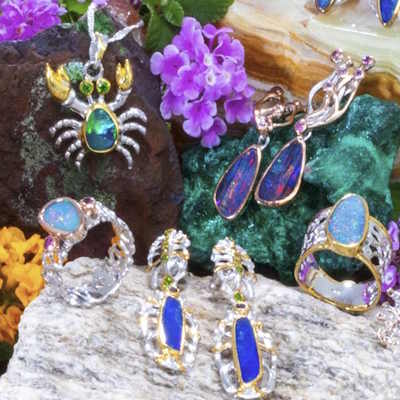
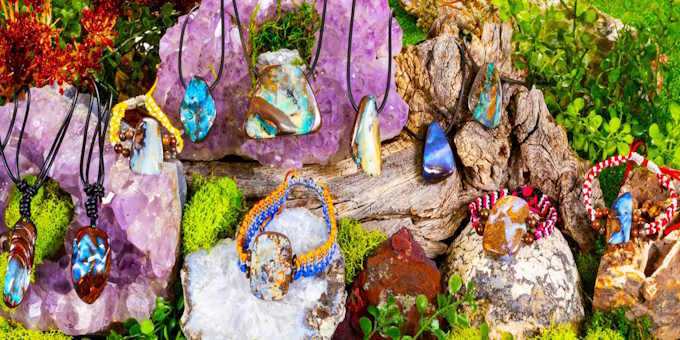
Australianopaldirect sources its opals directly from Lightning Ridge, Coober Pedy, and Queensland miners, which means every piece arrives with the provenance and structural integrity that makes long-term care worthwhile. Their collection of opal rings, earrings, and necklaces includes pieces set in protective bezel designs specifically chosen to reduce daily wear risk. Each stone is selected for its play-of-color, and the craftsmanship is built to support the care practices outlined in this guide. If you are investing in a piece worth protecting, Australianopaldirect is where that investment begins.
FAQ
What are the most important luxury opal care essentials?
The core essentials are a microfiber cloth, mild fragrance-free soap, lukewarm water at 86–104°F, a soft-lined storage pouch, and a dedicated jewelry box kept away from heat and sunlight. These tools address the two greatest risks to opals: physical abrasion and moisture imbalance.
Can you clean opal jewelry with water?
Yes, but briefly and carefully. Use lukewarm water with a drop of mild soap, wipe gently with a lint-free cloth, and dry immediately. Never soak an opal, and never use water on doublet or triplet opals, as the adhesive layers can separate.
How should opal rings be stored to prevent damage?
Store opal rings in individual soft pouches or lined compartments, separated from harder gemstones. Keep them away from direct sunlight, heat sources, and airtight plastic containers, which trap dry air and accelerate moisture loss.
Do different opal types require different care methods?
Yes. Solid Australian opals tolerate brief water exposure with prompt drying. Doublets and triplets must avoid soaking due to adhesive layers. Ethiopian hydrophane opals absorb water and soap readily, so only a barely damp cloth should be used.
How often should opal jewelry be professionally inspected?
Annual professional inspections are the standard recommendation for luxury gem maintenance. A jeweler can identify early crazing, loose settings, and prong wear before minor issues become irreversible damage.
Recommended
- Luxury gemstone gifting: authenticity, opal value, tips - Australian Opal Direct
- Opal polish explained: master care and shine for your gems - Australian Opal Direct
- Luxury gemstone standards explained: Expert guide for collectors - Australian Opal Direct
- Expert luxury jewelry investment tips: Sourcing Australian opals - Australian Opal Direct