Why Opals Crack – Risks for Collectors and Buyers
Posted by AOD on 16th Feb 2026
Why Opals Crack – Risks for Collectors and Buyers
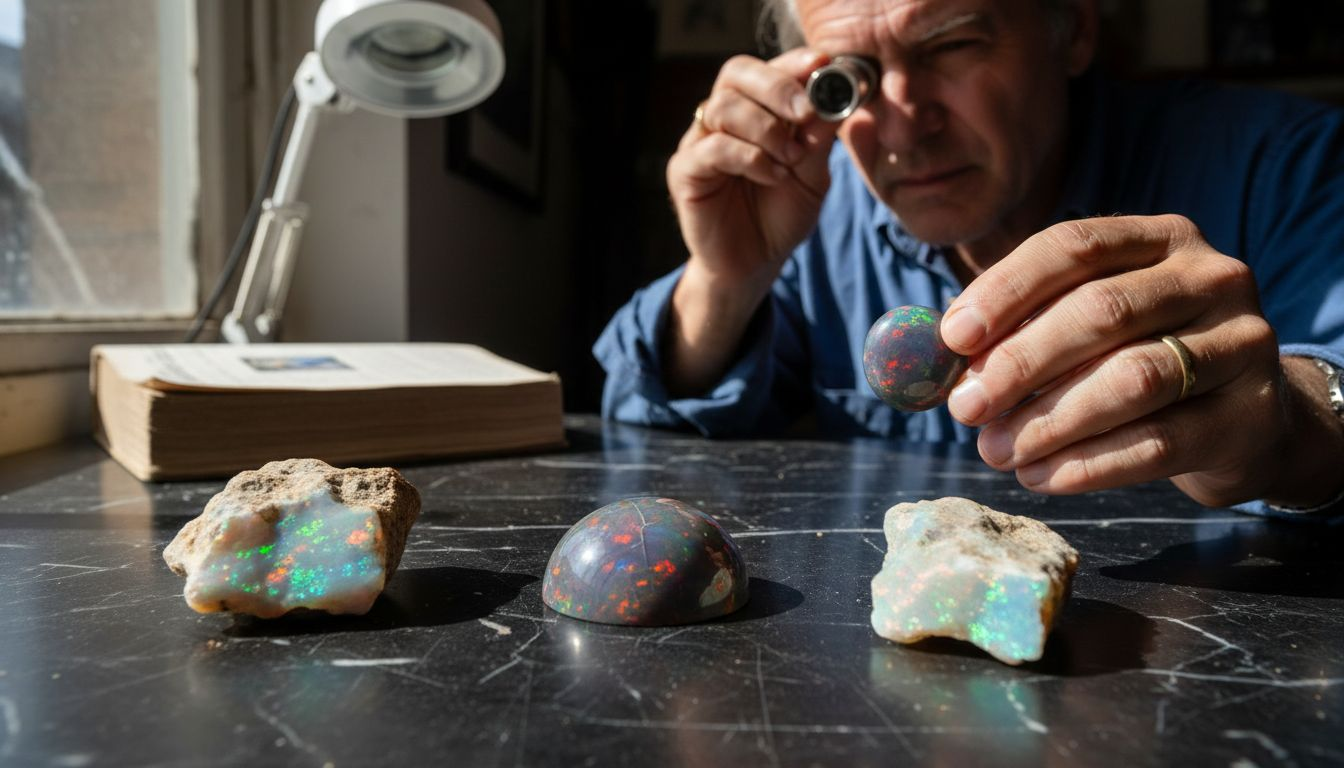
Collectors and enthusiasts know the allure of authentic Australian opals goes beyond dazzling color. Yet preserving these treasures means confronting myths and understanding their scientific vulnerabilities. Opals, as a hydrated amorphous form of silica, contain between 3% and 21% water, a key factor in their stability and susceptibility to cracking. This guide demystifies opal types, their structural complexity, and threats from environmental changes, offering insight into protecting and investing in these remarkable gemstones.
Table of Contents
- Defining Opals And Common Misconceptions
- Types Of Opals And Relative Durability
- What Causes Opals To Crack And Craze
- How Environment Impacts Opal Stability
- Risk Factors For Owners And Wearers
- Prevention And Care Techniques For Opals
Key Takeaways
| Point | Details |
|---|---|
| Understanding Opals | Opals are a unique form of silica, categorized as mineraloids, with significant variations in structure and water content affecting their durability. |
| Types of Opals | Precious opals exhibit vibrant play-of-color, while common opals lack this phenomenon, influencing their value and uses in jewelry. |
| Environmental Sensitivity | Opals are sensitive to environmental conditions, with factors like humidity and temperature affecting their stability and risk of damage. |
| Care and Maintenance | Proper opal care includes avoiding sudden temperature changes and extreme environmental conditions to prevent cracking and crazing. |
Defining Opals and Common Misconceptions
Opals are among the most fascinating and misunderstood gemstones in the world. These extraordinary minerals are a hydrated amorphous form of silica, containing between 3% and 21% water, with most specimens falling in the 6-10% range. Unlike traditional crystalline gems, opals are classified as a mineraloid due to their unique non-crystalline structure.
The world of opals is divided into two primary categories: precious opals and common opals. What distinguishes these varieties is a remarkable optical phenomenon called play-of-color. Precious opals display vibrant, dynamic color shifts when light interacts with their internal structure, creating mesmerizing visual displays. In contrast, common opals lack this spectacular color transformation.
Many misconceptions surround these delicate gemstones, often rooted in mythology and misunderstanding. Some of the most prevalent myths include:
- Opals are inherently fragile and unsuitable for jewelry
- They always bring bad luck to the wearer
- All opals look and behave the same way
- Opals cannot be worn daily or in engagement rings
Historically, opals have been both revered and feared. In some cultures, they were considered stones of royalty and good fortune, while in others, they were associated with unfortunate superstitions. These narratives often stem from the gem’s delicate nature and complex internal structure.
Understanding opals requires appreciating their geological complexity. Opal formation processes reveal how these gems develop unique characteristics through intricate geological conditions, making each stone a singular work of natural art.
The true beauty of an opal lies not just in its appearance, but in understanding its remarkable scientific and geological story.
Pro tip: Always handle opals with care, understanding their unique composition and sensitivity to environmental changes.
Types of Opals and Relative Durability
Opals represent a fascinating spectrum of geological complexity, with multiple categories that significantly impact their durability and aesthetic qualities. Differences in opal types reveal intricate variations in structure, water content, and potential fragility that every serious collector must understand.
The primary classifications of opals include precious opals and common opals, each with distinct characteristics. Precious opals are renowned for their remarkable play-of-color phenomenon, displaying vibrant, dynamic color shifts when light interacts with their internal structure. These varieties include:
- White opals: Pale background with multicolor displays
- Black opals: Dark background with intense color play
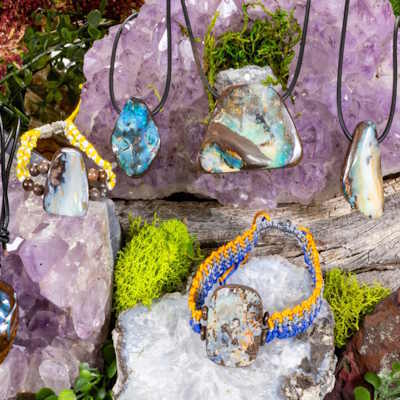
- Boulder opals: Naturally attached to ironstone matrix
- Crystal opals: Transparent with vivid color patterns
From a structural perspective, opals are scientifically categorized into three primary types based on their crystalline properties:
- Opal-A: Completely amorphous structure
- Opal-CT: Partial crystalline transformation
- Opal-C: More advanced crystalline development
Water content plays a critical role in an opal’s stability and durability. Scientific research indicates that water percentage ranges from 3.06% to 8.78%, with higher water content directly correlating to decreased mechanical stability. This variation means some opal types are inherently more prone to cracking and environmental sensitivity.
Here’s a quick comparison of opal varieties and their durability characteristics:
| Opal Type | Visual Appearance | Water Content Range | Relative Durability |
|---|---|---|---|
| White Opal | Pale, multicolor displays | 6%–8% | Moderate, prone to stress |
| Black Opal | Dark, intense color shifts | 6%–10% | More stable, higher value |
| Boulder Opal | Color with ironstone backing | 3%–8% | High, strong matrix support |
| Crystal Opal | Transparent, vivid colors | 7%–10% | Delicate, needs protection |
Opal durability is not just about appearance, but about understanding its complex internal molecular structure and environmental interactions.
Pro tip: Always store opals in controlled environments with consistent humidity to minimize potential structural stress and cracking.
What Causes Opals to Crack and Craze
Opals are uniquely vulnerable gemstones, with a complex internal structure that makes them particularly susceptible to environmental stress and degradation. How to care for opals becomes critical when understanding the intricate mechanisms that lead to cracking and crazing in these delicate minerals.
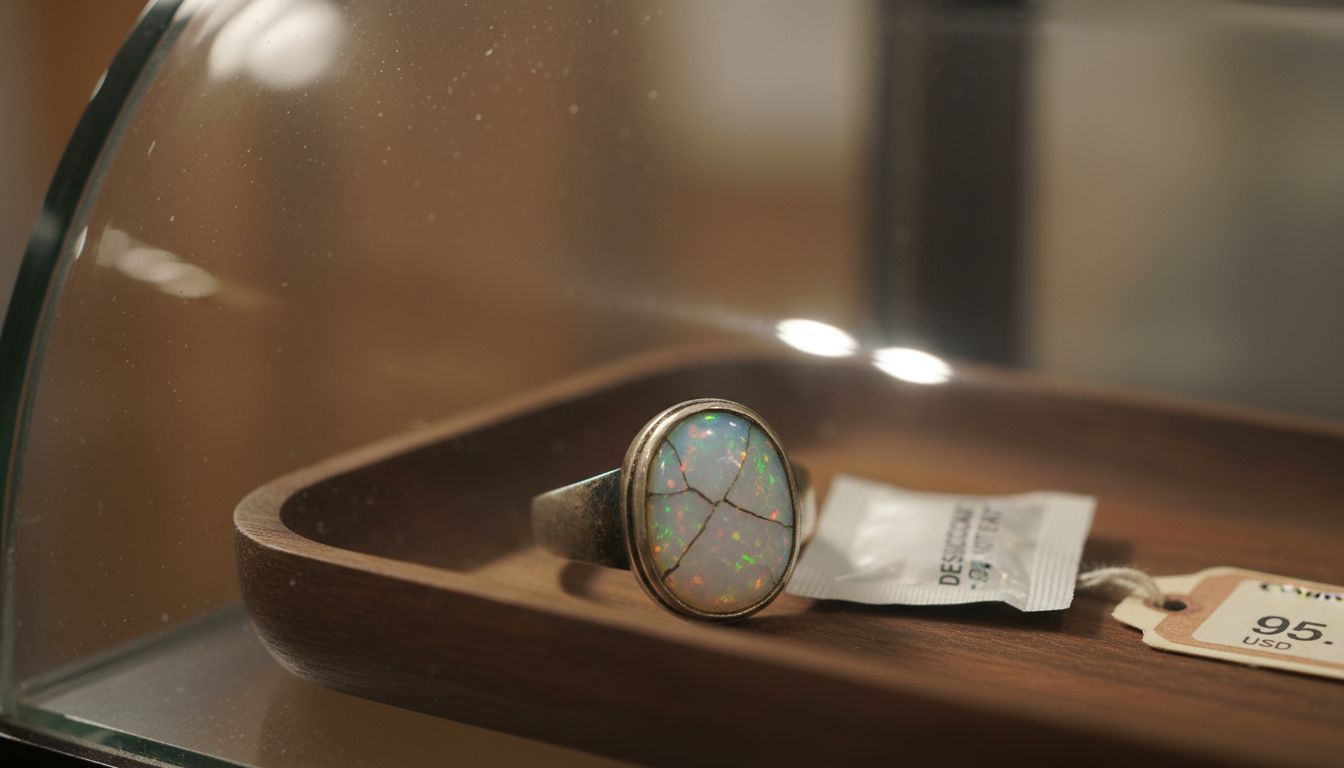
The primary culprit behind opal damage is water loss and dehydration. Opals contain water molecules in two primary forms: molecular water and silanol water, which are integral to their structural integrity. When these water molecules escape, they create internal stress that generates microscopic fractures throughout the gemstone.
Multiple factors contribute to opal instability and potential cracking:
- Sudden temperature changes
- Low humidity environments
- Prolonged exposure to direct sunlight
- Mechanical stress and impacts
- Improper storage conditions
The scientific mechanism of opal cracking is fascinating. As water molecules dissipate, capillary pressures develop within the silica network, generating stress that produces characteristic crazing - a network of fine, interconnected cracks. The porosity of the opal and its specific structural type significantly influence this process.
Opal stability is directly proportional to its water content and environmental conditions.
Different types of opals exhibit varying levels of vulnerability. Opal-A varieties, which are completely amorphous, tend to be more susceptible to cracking compared to more crystalline variants. The percentage of water content, ranging between 3.06% and 8.78%, plays a critical role in determining the gemstone’s long-term stability.
Pro tip: Maintain consistent humidity between 50-60% and avoid extreme temperature fluctuations to preserve your opal’s structural integrity.
How Environment Impacts Opal Stability
Understanding the complex relationship between environmental conditions and opal stability is crucial for collectors and enthusiasts. What affects opal value extends far beyond aesthetic qualities, encompassing the critical role of environmental interactions that can dramatically impact a gemstone’s structural integrity.
Opals are inherently sensitive minerals, with their molecular water content serving as a fundamental vulnerability. Environmental factors that trigger water loss can cause significant damage to these delicate gemstones. The primary environmental stressors include:
- Temperature fluctuations
- Low humidity environments
- Direct sunlight exposure
- Rapid heating and cooling cycles
- Atmospheric pressure changes
The scientific mechanism of environmental degradation is rooted in the unique structural composition of opals. Their amorphous silica network contains molecular and silanol water that can easily escape under stress, leading to internal structural breakdown. Pore size and porosity play critical roles in how quickly and extensively an opal might dehydrate.
Environmental stability is not just a preservation technique, but a fundamental requirement for maintaining an opal’s intrinsic value and aesthetic qualities.
Different opal varieties exhibit varying levels of environmental sensitivity. Opal-A types, being completely amorphous, are particularly vulnerable to environmental changes. The water content, typically ranging between 3.06% and 8.78%, directly correlates with the gemstone’s ability to withstand environmental stress.
Pro tip: Invest in a stable display environment with controlled humidity and temperature to protect your opal’s long-term structural integrity.
Risk Factors for Owners and Wearers
Understanding the vulnerability of opals requires a comprehensive approach to risk management. Opal provenance and authenticity plays a crucial role in identifying potential inherent weaknesses that could compromise a gemstone’s structural integrity.
Opals present unique challenges for owners, primarily due to their low hardness rating of 5.5 to 6.5 on the Mohs scale. This characteristic makes them exceptionally susceptible to damage from everyday activities. The primary risk factors for opal owners include:
- Physical impacts and mechanical stress
- Sudden temperature variations
- Direct prolonged sunlight exposure
- Abrasive surfaces and contact
- Improper storage and handling
Different jewelry types present varying levels of risk. Ring settings are particularly hazardous, as hands encounter constant friction and potential impacts. Pendants and brooches offer significantly more protection, reducing the likelihood of accidental damage.
Opal ownership is not just about possession, but about understanding and mitigating inherent structural vulnerabilities.
The water content and amorphous structure of opals make them uniquely sensitive to environmental conditions. Some varieties are so delicate that they can essentially self-destruct through water loss, creating internal stress that leads to crazing and catastrophic structural failure.
Pro tip: Consider professional insurance and periodic expert assessments for high-value opal pieces to manage potential risks effectively.
Prevention and Care Techniques for Opals
Opals demand meticulous care due to their delicate nature and complex molecular structure. Caring for silver and opal jewelry requires a nuanced approach that protects these fragile gemstones from environmental and physical stressors.
Proper opal preservation involves understanding and mitigating potential damage risks. The critical prevention techniques include:
- Avoiding sudden temperature changes
- Maintaining consistent humidity levels
- Using protective jewelry settings
- Implementing gentle cleaning methods
- Creating stable storage environments
Jewelry settings play a crucial role in opal protection. Bezel and cage settings provide superior protection compared to prong settings, minimizing direct impact and reducing the risk of mechanical stress. These settings create a protective barrier around the opal, buffering against potential damage.
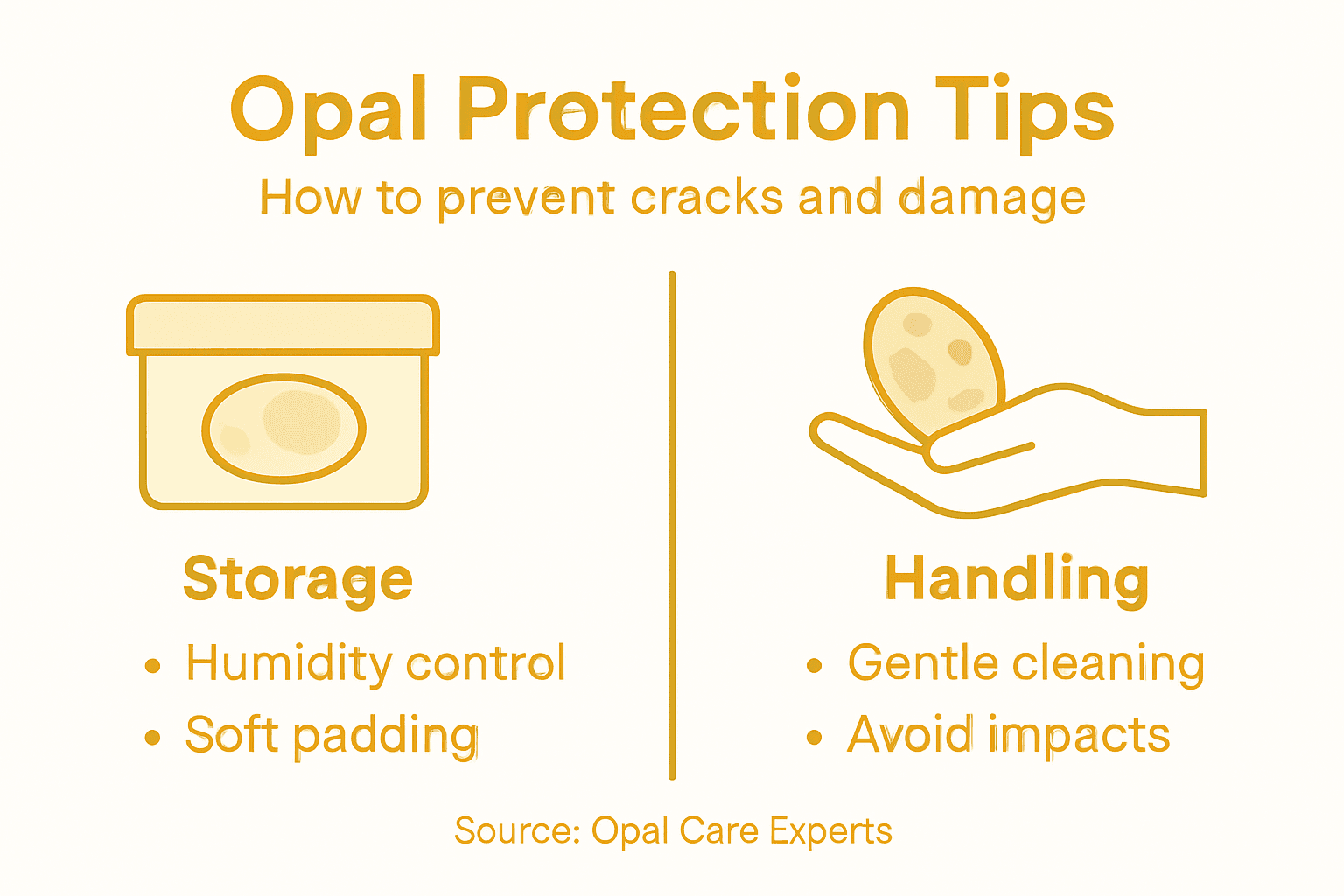
Below is a summary of best practices for opal care based on jewelry setting and environmental management:
| Jewelry Setting | Protection Level | Recommended Care Practice |
|---|---|---|
| Bezel Setting | High | Shields edges, reduces impacts |
| Cage Setting | Superior | Fully encases, minimizes damage |
| Prong Setting | Low | Leaves stone exposed, more risk |
| Storage Environment | Critical | Stable humidity, padded containers |
Opal care is an art of prevention, not just maintenance - understanding its unique vulnerabilities is key to long-term preservation.
Cleaning opals requires an exceptionally gentle approach. Professional recommendations include using mild, lukewarm water and soft cloths, avoiding harsh chemicals, ultrasonic cleaners, and extreme temperatures. When drying, gradual moisture reduction is essential to prevent cracking from sudden dehydration.
Pro tip: Store opals in soft, padded containers with humidity-control packets to maintain optimal environmental conditions and prevent structural degradation.
Protect Your Precious Opals with Trusted Expertise
Cracking and crazing threaten the beauty and value of your opal collection but understanding the underlying causes like dehydration and environmental stress is the first step toward prevention. At Australian Opal Direct, we recognize the delicate molecular structure and water sensitivity that makes opals vulnerable. Our curated selection of genuine Australian opals from renowned regions like Lightning Ridge and Coober Pedy ensures not only authenticity but also superior craftsmanship designed to enhance durability with protective settings.

Explore our exclusive collections of rings, pendants, and custom-designed jewelry that combine mesmerizing play-of-color with expert care solutions. Whether you are a seasoned collector or buying your first opal, shop confidently knowing you receive free shipping, complimentary insurance, and a 90-day warranty from a trusted source that values your gemstone’s longevity. Discover how to cherish your opals today by visiting the Australian Opal Direct landing page and learn more about opal formation processes alongside expert advice on how to care for opals. Take the next step to protect your investment and enjoy the vibrant energy embedded in every stone.
Frequently Asked Questions
What causes opals to crack?
Opals can crack due to water loss and dehydration, which creates internal stress within the gemstone. Environmental factors like sudden temperature changes and low humidity can exacerbate this issue.
How can I prevent my opals from cracking?
To prevent opals from cracking, maintain stable humidity levels, avoid sudden temperature fluctuations, and store them in protective settings. Keeping them away from direct sunlight is also essential.
Are all types of opals equally susceptible to cracking?
Not all opals have the same level of susceptibility. Opal-A types, which are completely amorphous, are generally more prone to cracking than more crystalline variants due to their higher water content and structural characteristics.
What are the best care techniques for protecting opals?
Best care techniques for protecting opals include using gentler cleaning methods, choosing jewelry settings that minimize impact, and storing them in padded containers with humidity-control packets.
Recommended
- What Affects Opal Value – Insights for Collectors - Australian Opal Direct
- How Opal Value Is Determined: Insights for Collectors - Australian Opal Direct
- Opal Insurance Coverage: Protecting Valuable Gemstones - Australian Opal Direct
- Top bijoux opale Australie – Comparaison 2025 - Australian Opal Direct