Opal polish explained: master care and shine for your gems
Posted by AOD on 30th Apr 2026
Opal polish explained: master care and shine for your gems
TL;DR:
- Opal is a delicate, amorphous hydrated silica requiring specialized care and polishing techniques.
- Different opal types (solid, doublet, triplet) need tailored polishing approaches to preserve their natural beauty.
- Proper maintenance involves gentle cleaning, careful storage, and avoiding harsh chemicals to sustain its vibrant play-of-color.
Few gemstones carry as much fragile, luminous magic as an Australian opal. That shifting play-of-color, those ribbons of fire and ocean blue dancing just beneath the surface, can captivate a collector for a lifetime. Yet the moment a stone begins to lose its luster, many owners reach for the wrong tools, apply the wrong pressure, or trust the wrong advice. Polishing opal is not the same as polishing a sapphire or a diamond. It demands a different kind of attention, one rooted in understanding the stone’s nature before touching it with any abrasive at all.
Table of Contents
- What makes opal a unique gemstone?
- Types of opal polish and their uses
- Step-by-step guide: how opal polishing is performed
- How to maintain opal polish and prevent damage
- The overlooked truth about opal polishing
- Explore more opal care and luxury options
- Frequently asked questions
Key Takeaways
| Point | Details |
|---|---|
| Opal’s unique delicacy | Opal requires specialized polish methods because of its softness and sensitivity. |
| Choice of polish type | Different polish finishes enhance either the color play or subtlety of your opal. |
| Step-by-step polishing | Sequential, gentle techniques are crucial to preserving opal’s shine and structure. |
| Post-polish care | Careful storage and gentle cleaning prolong the polish and overall beauty of opal jewelry. |
| Expert perspective | Balancing caution with confidence is key—most collectors can care for their opal polish if provided with the right knowledge. |
What makes opal a unique gemstone?
Before reaching for any polish, every collector should understand what opal actually is at a structural level. Opal is an amorphous hydrated silica (meaning it has no crystalline structure and contains water within its matrix). This is fundamentally different from most precious gemstones, which are crystalline and far more rigid.
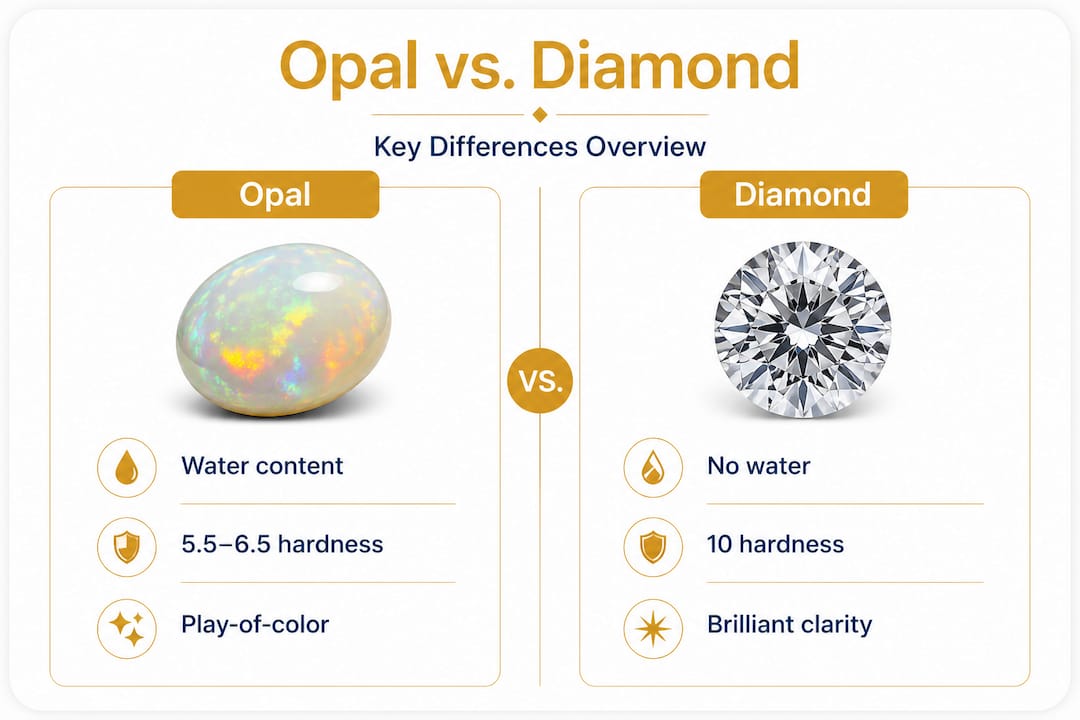
Opal typically contains between 3% and 21% water by weight, and this water content is not incidental. It is part of what gives opal its internal fire, the phenomenon gemologists call play-of-color, produced by the diffraction of light through stacked spheres of silica particles. It is also what makes opal susceptible to cracking, dehydration, and surface damage in ways that harder stones never experience.
| Property | Opal | Diamond | Sapphire |
|---|---|---|---|
| Mohs hardness | 5.5 to 6.5 | 10 | 9 |
| Water content | 3% to 21% | None | None |
| Crystal structure | Amorphous | Cubic | Trigonal |
| Sensitivity to heat | High | Low | Low |
| Sensitivity to chemicals | High | Moderate | Low |
This table makes one thing immediately clear: opal is the most sensitive of the three by a significant margin. Its relatively low Mohs hardness (a scale measuring scratch resistance) means everyday objects like keys, ceramic plates, and even some fabrics can scratch the surface.
A common misunderstanding is that all opals behave the same way. In reality, the type of opal you own determines everything about how it should be polished:
- Solid opal: A single, natural opal stone with no backing or capping. The most durable of the three types and the most suitable for careful polishing.
- Doublet opal: A thin slice of natural opal bonded to a dark backing material. Water and abrasives can seep into the bond line and cause delamination.
- Triplet opal: A very thin opal slice sandwiched between a backing and a clear domed cap. The cap is typically glass or quartz, and polishing the cap is very different from polishing the opal itself.
“Opal is not just a gemstone. It is a living record of ancient water and light, and it asks to be treated accordingly.” This perspective shapes how every informed collector approaches care and polishing.
Exploring the range of opal jewelry styles available also helps collectors understand how different cuts and settings influence the care approach needed for each piece.
Types of opal polish and their uses
With a grasp of opal’s uniqueness, let’s outline the main polish types and how each is used. Not every opal needs the same finish, and choosing the wrong polish type is one of the most common errors collectors make.
Matte finish is a low-sheen result that leaves the opal looking natural and understated. This finish is achieved by stopping the polishing process at a finer sanding stage without proceeding to a high-buff compound. Matte finishes are popular for rough or natural-style display pieces where the collector wants to preserve the stone’s raw character. They are also gentler on the stone because less material is removed.
Semi-gloss finish sits between matte and mirror-bright. It allows the play-of-color to emerge more fully while still retaining some texture on the surface. Many collectors prefer this for everyday jewelry because it shows the opal’s fire without requiring the aggressive buffing that a full gloss demands.
High gloss finish is the mirror-bright polish most people associate with fine opal jewelry. Achieving it requires progressing through multiple grades of abrasive, from coarser grits that remove scratches down to ultra-fine polishing compounds that create a reflective surface. The result is spectacular, but it requires the most skill and carries the greatest risk if done incorrectly.
| Polish type | Sheen level | Best for | Risk level |
|---|---|---|---|
| Matte | Low | Display pieces, rough-cut stones | Low |
| Semi-gloss | Medium | Everyday jewelry | Moderate |
| High gloss | High | Fine jewelry, show pieces | Higher |
The choice of polish is partly aesthetic but also functional. A ring worn daily benefits from a semi-gloss that can be refreshed more easily, while a pendant that rarely contacts hard surfaces can carry a high-gloss finish beautifully for years.
Key considerations when choosing a polish type:
- The opal’s intended use (daily wear vs. display)
- The opal type (solid, doublet, or triplet)
- The stone’s current condition and any existing scratches
- The collector’s comfort level with hands-on polishing
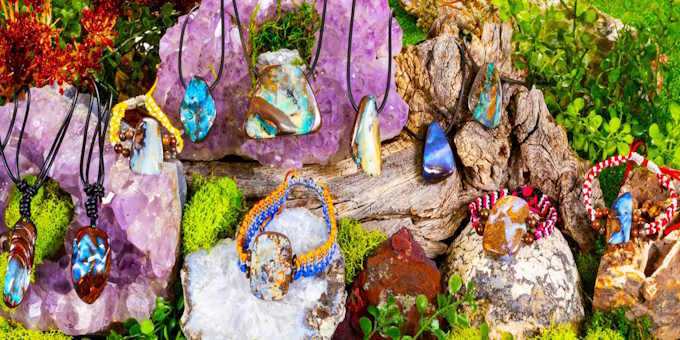
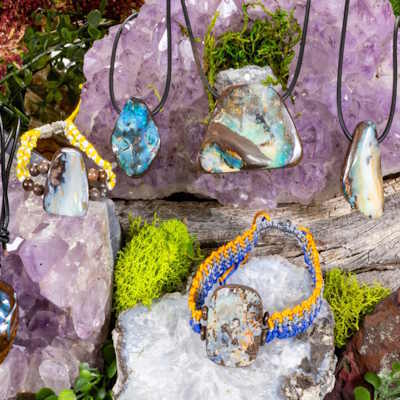
Pro Tip: Not all opals respond well to aggressive polishing. Boulder opals, which form within ironstone host rock, have irregular surfaces where the opal meets the matrix. Attempting a uniform high gloss on a boulder opal can actually diminish its natural character. Always study the stone’s surface carefully before deciding on a finish. Discovering unique opal polish styles can also inspire collectors to think beyond the standard gloss and embrace finishes that honor each stone’s individuality.
Step-by-step guide: how opal polishing is performed
Understanding the polish types makes it easier to follow the actual step-by-step process. Whether you are a hobbyist attempting a light refresh or a collector curious about what happens during professional polishing, knowing each stage helps you make informed decisions about your stone.
-
Inspect the stone thoroughly. Before anything touches the opal, examine it under magnification. Look for existing cracks, crazing (a network of fine surface cracks caused by dehydration), inclusions, or areas of weakness. Polishing a crazed opal can cause those cracks to deepen irreparably.
-
Clean the surface gently. Remove dirt and oils using a soft cloth dampened with lukewarm water. Never use soap with strong chemicals or alcohol-based cleaners at this stage. The goal is simply to see the stone’s true surface without debris obscuring it.
-
Begin with the coarsest appropriate abrasive. For a stone with visible scratches, start with a silicon carbide sanding disc or wet-and-dry sandpaper at around 400 to 600 grit. Keep the stone wet throughout this stage. Hydration prevents heat buildup, which is one of the primary causes of crazing during polishing.
-
Progress through finer grits systematically. Move from 600 grit to 1200, then 2000, then 3000. Each stage removes the scratches left by the previous grit. Skipping grits is tempting when you are eager to see results, but it leads to a surface that looks polished in certain lights and scratched in others.
-
Apply polishing compound. At the final stage, use a cerium oxide or tin oxide polishing compound on a leather or felt buff. These compounds are fine enough to bring up a high gloss without removing significant material. Apply with light, consistent pressure and keep the surface moist.
-
Inspect and finish. Examine the stone again under magnification and in natural light. Rotate it slowly to check for any remaining dull spots or uneven areas. A final gentle buff with a clean microfiber cloth completes the process.
“The difference between a polished opal and a damaged one is almost always patience. Every grit stage is a conversation with the stone, not a battle against it.”
Pro Tip: Rushing the process increases the risk of crazing significantly. Heat is the enemy. If the stone feels warm to the touch during sanding, stop immediately and let it cool in a small bowl of room-temperature water for several minutes before continuing. This opal crafting guide offers additional insight into the craft behind working with opal at every stage of creation.
How to maintain opal polish and prevent damage
After polishing, maintaining that finish is where most collectors go wrong. The work does not end when the stone looks brilliant. Opal requires ongoing, thoughtful care to preserve what polishing achieves.
Storage matters enormously. Opal should never be stored in airtight containers or extremely dry environments. Silica gel packets, commonly used to protect other jewelry, can actually draw moisture out of opal and accelerate dehydration. Store opal pieces in a soft cloth pouch or a padded box with a small, damp cotton ball nearby in very dry climates.
Chemical exposure is a silent destroyer. Perfume, hairspray, household cleaners, and even hand lotion can dull an opal’s polish and, over time, penetrate the surface to cause internal damage. Always remove opal jewelry before applying any product to your skin or hair.
Practical do’s and don’ts for maintaining opal polish:
- Do wipe your opal gently with a soft microfiber cloth after handling to remove skin oils.
- Do store opal away from direct sunlight and heat sources.
- Do inspect your stone every few months for early signs of dullness or micro-scratching.
- Don’t use ultrasonic cleaners on any opal type. The vibrations can cause existing micro-fractures to propagate.
- Don’t expose opal to sudden temperature changes, such as moving from a cold room to a hot environment rapidly.
- Don’t stack opal rings with harder gemstone rings in storage. Even a brief contact with a diamond or sapphire can scratch the opal surface.
Pro Tip: Gentle buffing with a clean microfiber cloth every two to three weeks extends polish longevity considerably. This simple habit removes the microscopic layer of oils and dust that gradually dulls the surface, keeping the play-of-color vivid between professional polishing sessions.
A consistent opal care routine is the single most effective way to protect your investment. For collectors with multiple pieces, the principles of preserving opal jewelry apply universally, regardless of whether the stone came from Lightning Ridge, Coober Pedy, or Queensland’s boulder opal fields.
The overlooked truth about opal polishing
Now that you have a thorough view of opal polish and care, here is a perspective you will not find in most standard guides. The opal care conversation tends to fall into one of two camps. Either it dismisses the risks entirely with cheerful reassurances that opal is easy to care for, or it creates such an atmosphere of fear that collectors are afraid to wear their stones at all.
Both extremes do a disservice to the collector and to the gem.
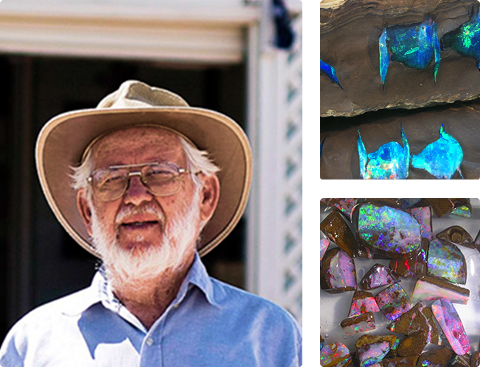
The truth, earned through years of working closely with Australian opal from the source, is that opal rewards those who learn to read it. Every stone is different. A crystal opal from Lightning Ridge with high water content behaves differently under polishing than a semi-black opal with a dense color bar. A Queensland boulder opal set in a bezel is far more protected than a solid white opal in a prong setting. Generic care routines cannot account for these differences.
The most successful collectors treat their opal knowledge as an evolving practice rather than a fixed checklist. They notice when a stone’s fire seems slightly diminished and investigate before damage sets in. They understand that a matte finish on a rough-cut piece is not a flaw but a choice. They know that the goal of polishing is not to make every opal look like every other opal, but to honor what is already there.
There is also a deeper point worth making. Opal’s sensitivity is not a weakness. It is an expression of the same qualities that make it extraordinary. A stone that holds water within its structure, that changes with the light, that responds to its environment, is a stone that is still, in some sense, alive. Treating it with that awareness changes how you polish it, how you store it, and how you wear it.
The best advice for any collector is to invest time in displaying opal pieces thoughtfully and to develop a relationship with your stones rather than simply maintaining them as objects. That shift in perspective is what separates a careful custodian from a true opal connoisseur.
Explore more opal care and luxury options
For those ready to elevate their opal collection or ensure lasting beauty, Australian Opal Direct offers a trusted resource built on direct-miner relationships and a genuine passion for these extraordinary stones.

At Australian Opal Direct, you will find not only a curated selection of ethically sourced opals from Lightning Ridge, Coober Pedy, and Queensland’s boulder opal fields, but also a growing library of care guides, polishing insights, and collection inspiration. Whether you are searching for a new centerpiece for your collection, seeking expert guidance on maintaining a cherished piece, or exploring custom jewelry options that reflect your personal vision, the team at Australian Opal Direct is equipped to help. Browse the collections, read the care resources, and let each stone’s story guide your next step.
Frequently asked questions
Can I polish opal jewelry at home?
You can gently polish some opal jewelry at home using a microfiber cloth for light surface maintenance, but professional polishing is strongly recommended for valuable, crazed, or delicate pieces where incorrect technique could cause irreversible damage.
How do I know if my opal needs repolishing?
Visible dullness, cloudiness, or fine surface scratches that diminish the play-of-color are clear indicators that your opal’s polish has worn down and the stone would benefit from professional attention or careful home maintenance.
What should I avoid when caring for opal polish?
Strong chemicals, ultrasonic cleaners, abrasive cloths, and sudden temperature changes are all threats to opal polish, as each can dull the surface, penetrate the stone’s structure, or cause existing micro-fractures to worsen.
Does polishing opal reduce its carat weight?
Yes, each polishing session removes a very thin layer of material from the stone’s surface, which causes a minimal but real reduction in carat weight, making it important to polish only when necessary rather than as a routine procedure.