Opal’s Luster: How It Impacts Gemstone Value
Posted by AOD on 14th Jan 2026
Opal’s Luster: How It Impacts Gemstone Value
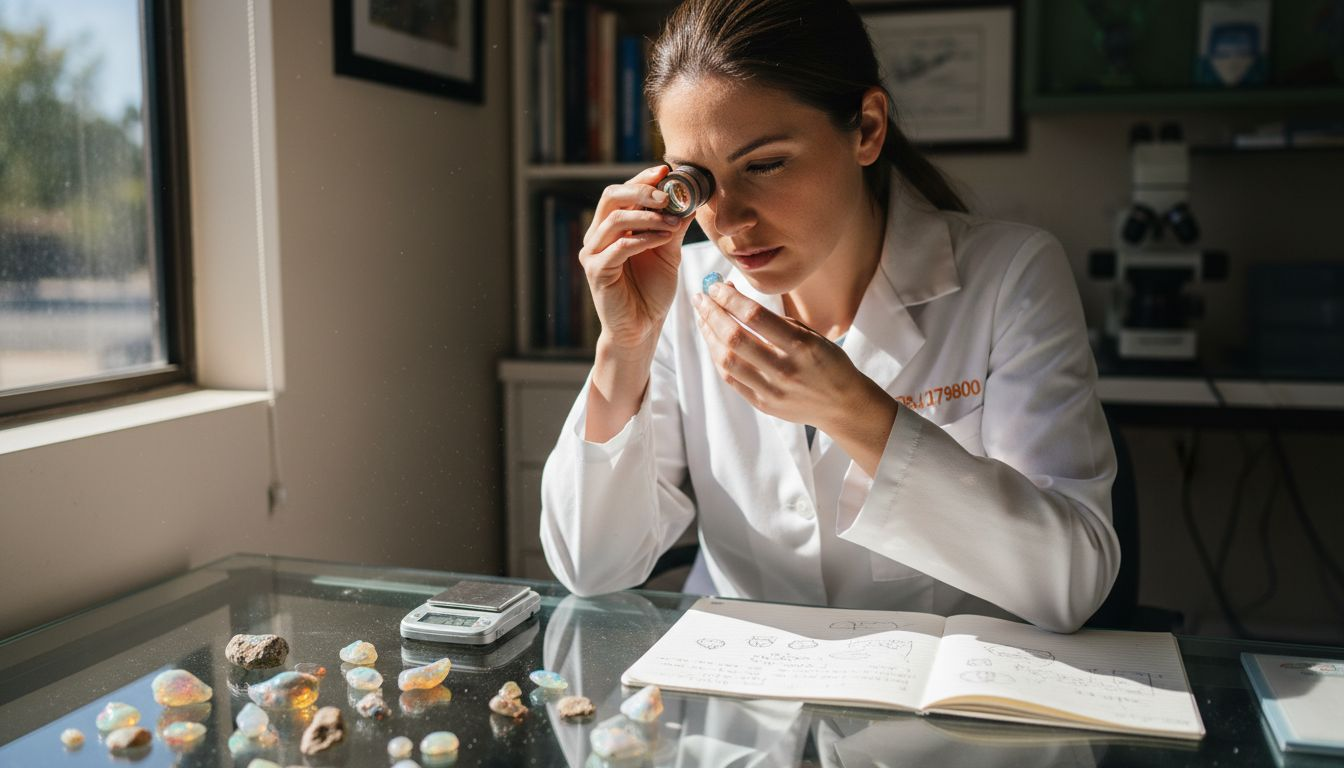
Most American collectors are surprised to learn that some Australian opals can display over 30 distinct color patterns, a phenomenon unmatched by any other gemstone. For serious jewelry enthusiasts, recognizing true opal luster means separating fact from long-held myths that still influence global markets. This guide clarifies how skilled evaluation of luster empowers investors and collectors to identify masterpieces with unmatched visual brilliance and lasting value.
Table of Contents
- Opal’s Luster Defined And Common Myths
- Types Of Luster Seen In Australian Opals
- Factors Shaping Luster Quality In Opals
- Luster’s Role In Grading And Valuation
- What Collectors Should Know When Buying
Key Takeaways
| Point | Details |
|---|---|
| Opal’s Unique Luster | Opals exhibit a distinct play of color, which is influenced by their microscopic silica structure, making each stone visually unique. |
| Types of Opals | Australian opals are categorized into precious and common types, with specific sources greatly affecting their luster and overall value. |
| Luster as a Valuation Criterion | Luster quality plays a critical role in grading opals; black opals from reputable regions command the highest prices due to their vibrant characteristics. |
| Collector Considerations | Collectors should focus on the 4 Cs (Color, Clarity, Cut, Carat weight) and ensure the authenticity of opals through professional certification before purchasing. |
Opal’s Luster Defined and Common Myths
Opals represent one of nature’s most extraordinary gemstones, characterized by an extraordinary optical phenomenon known as play of color that transforms light into a mesmerizing dance across the stone’s surface. Unlike other gemstones that simply reflect light, opals create a dynamic visual experience where colors seem to shimmer and shift with movement, making each stone a unique masterpiece. Opal Stone 101: History, Symbolism, and Uses reveals the fascinating origins behind these remarkable gems.
The term “luster” in opals refers to how light interacts with the stone’s internal structure, specifically its silica spheres arranged in intricate lattice patterns. These microscopic spheres diffract light differently depending on their size and arrangement, creating the stone’s signature iridescent effect. Some opals display a uniform play of color, while others showcase dramatic color transitions that can include blues, greens, reds, and purples in a single stone.
While opals have inspired numerous myths throughout history, modern gemology has demystified many superstitions. Ancient cultures attributed magical properties to these stones some believing they brought good fortune, while others considered them harbingers of misfortune. The Victorian era particularly popularized negative myths about opals, suggesting they were unlucky. However, scientific understanding reveals opals as remarkable geological formations with complex light-refracting properties.
Historically, opals have been subjects of diverse cultural narratives. Aboriginal Australian traditions viewed opals as sacred stones connected to rainbows, while Arabian legends described them as celestial gifts. Roman scholars praised their kaleidoscopic beauty, and European royalty like Queen Victoria actively worked to dispel negative myths by wearing and gifting opals as symbols of hope and purity.
Pro Tip: When evaluating an opal’s luster, examine the stone from multiple angles and under different lighting conditions to truly appreciate its unique color play and internal characteristics.
Types of Luster Seen in Australian Opals
Australian opals represent a stunning spectrum of luster variations, each telling a unique visual story through its interaction with light. Why Australian Opals Are Unique in Luxury Jewelry highlights the remarkable diversity of these gemstones found across different regions of Australia. The primary types of opal luster can be categorized into distinct classifications that reflect their internal structure and optical properties.
The most celebrated type is the precious opal, characterized by its remarkable play of color - an extraordinary phenomenon where the stone displays vibrant, shifting colors when viewed from different angles. Within this category, several subtypes emerge: black opals from Lightning Ridge with intense, dark backgrounds and dramatic color play; white opals with softer, more pastel color displays; and crystal opals featuring transparent to semi-transparent bodies that allow light to penetrate and enhance their internal color dynamics.
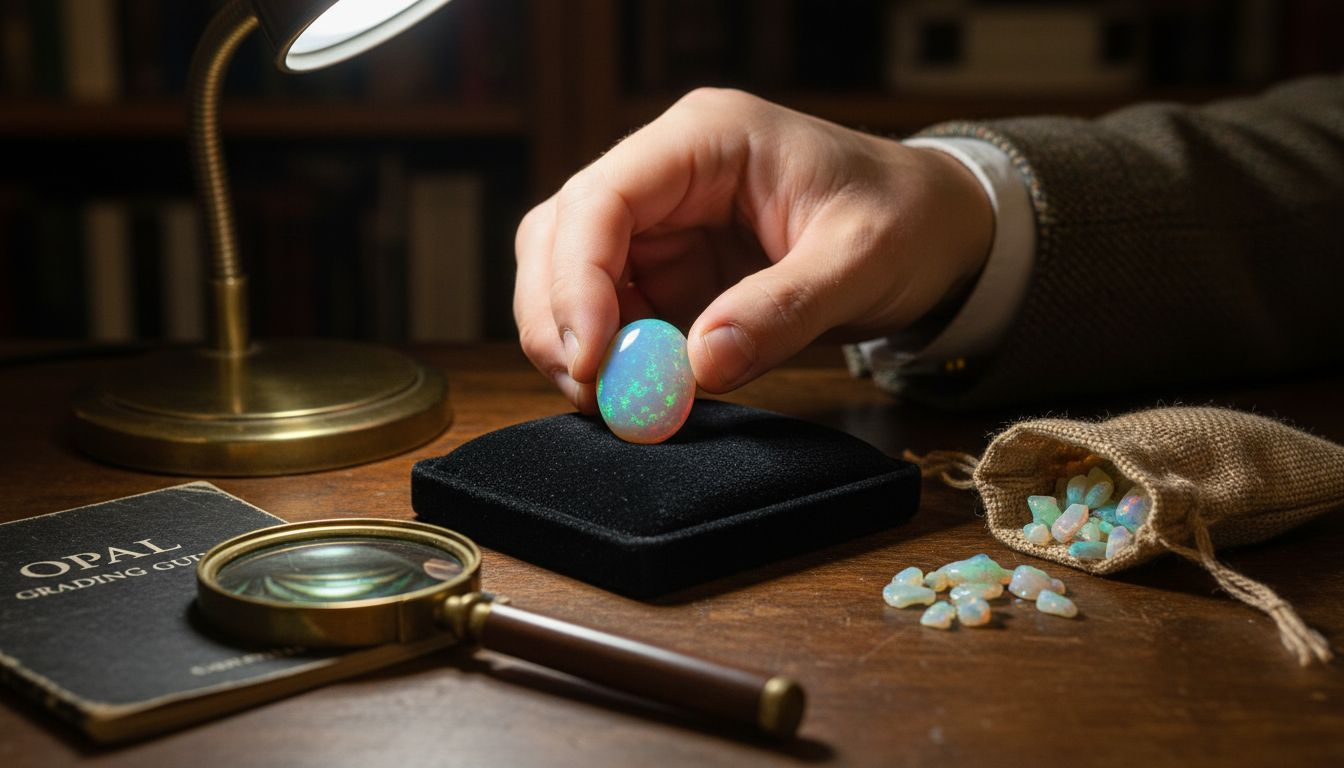
Another significant category is common opal, which lacks the dramatic color play of precious opals but offers its own unique aesthetic. These opals display a more uniform appearance and can range from translucent to opaque, with colors including soft whites, gentle blues, muted greens, and earthy browns. Some common opals, particularly those from Australian regions like Queensland, exhibit subtle iridescence that hints at the potential for color play beneath their surface.
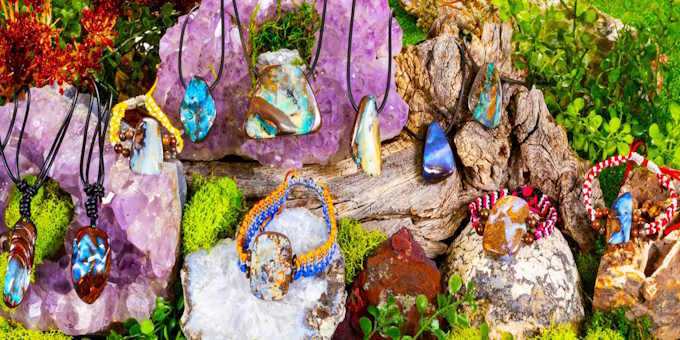
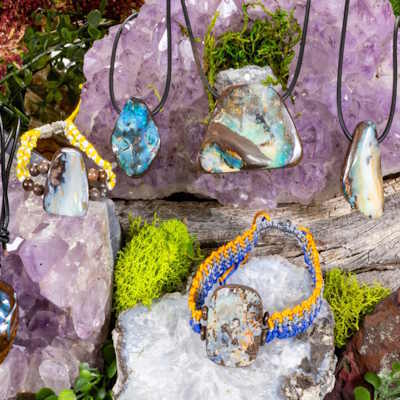
Geographic origin plays a crucial role in determining an opal’s luster characteristics. Australian opal fields like Lightning Ridge, Coober Pedy, and Queensland produce distinctly different stones, each with unique optical properties. Black opals from Lightning Ridge are considered the most valuable, featuring dark body tones that dramatically enhance color intensity. Boulder opals from Queensland present another fascinating variant, often displaying color patterns embedded within ironstone matrix, creating complex and mesmerizing visual effects.
Here’s a concise summary highlighting how key opal types differ by luster and location:
| Opal Type | Body Color | Typical Luster | Main Australian Source |
|---|---|---|---|
| Black Opal | Dark | High, vibrant | Lightning Ridge |
| White Opal | Light | Soft, pastel | Coober Pedy |
| Crystal Opal | Transparent | Intense, sparkling | Various regions |
| Boulder Opal | Mixed with ironstone | Complex, vivid patterns | Queensland |
Pro Tip: When assessing an opal’s luster, examine the stone under multiple light sources and angles to fully appreciate its unique color dynamics and internal complexity.
Factors Shaping Luster Quality in Opals
The luster of an opal is a complex interplay of microscopic structural elements that determine its visual brilliance and aesthetic appeal. Opal Fluorescence: Revealing Hidden Beauty in Light provides insight into the intricate optical properties that make each opal unique. At the core of luster quality are three primary factors: silica sphere arrangement, water content, and structural composition.
The internal microstructure of opals plays a critical role in determining their luster. Silica spheres within the opal create a three-dimensional lattice that diffracts light, producing the stone’s characteristic play of color. Different structural types - ranging from amorphous Opal-A to more crystalline Opal-CT and Opal-C - demonstrate varying levels of light interaction. Amorphous opals typically exhibit higher luster due to their disordered silica structure, which allows for more dynamic light dispersion and more vibrant color displays.
Water content emerges as another crucial factor in opal luster quality. Molecular water and silanol concentrations directly impact the stone’s transparency and optical properties. High water content can both enhance and diminish luster, depending on its distribution within the stone’s microstructure. Opals with optimal water content maintain better structural stability and more consistent light reflection, while those with excessive or uneven water distribution may appear less brilliant and more prone to cracking or color degradation.
Geological origin further influences an opal’s luster characteristics. Australian opal fields like Lightning Ridge and Coober Pedy produce stones with distinct optical properties shaped by unique geological conditions. Factors such as formation temperature, pressure, and mineral inclusions contribute to the final luster quality. Professional gemologists evaluate these characteristics through advanced analytical techniques, assessing aspects like surface smoothness, transparency, and the complexity of color play to determine an opal’s overall visual performance.
Use this table to understand major factors that influence opal luster quality:
| Factor | Visual Impact | Expert Assessment Method |
|---|---|---|
| Silica Arrangement | Intensity of color play | Microscopic analysis |
| Water Content | Transparency, stability | Spectroscopic testing |
| Geological Origin | Luster uniqueness | Regional comparison |
Pro Tip: Always examine opals under multiple light sources and angles to fully appreciate the nuanced variations in their luster and color dynamics.
Luster’s Role in Grading and Valuation
Luster represents a critical determinant in the complex world of opal valuation, serving as a key indicator of a stone’s visual quality and market worth. Opal Pricing Explained: Key Factors for Collectors reveals the intricate nuances that professional gemologists consider when assessing an opal’s value. The interplay of light reflection, surface quality, and color intensity creates a sophisticated evaluation framework that goes far beyond simple visual assessment.
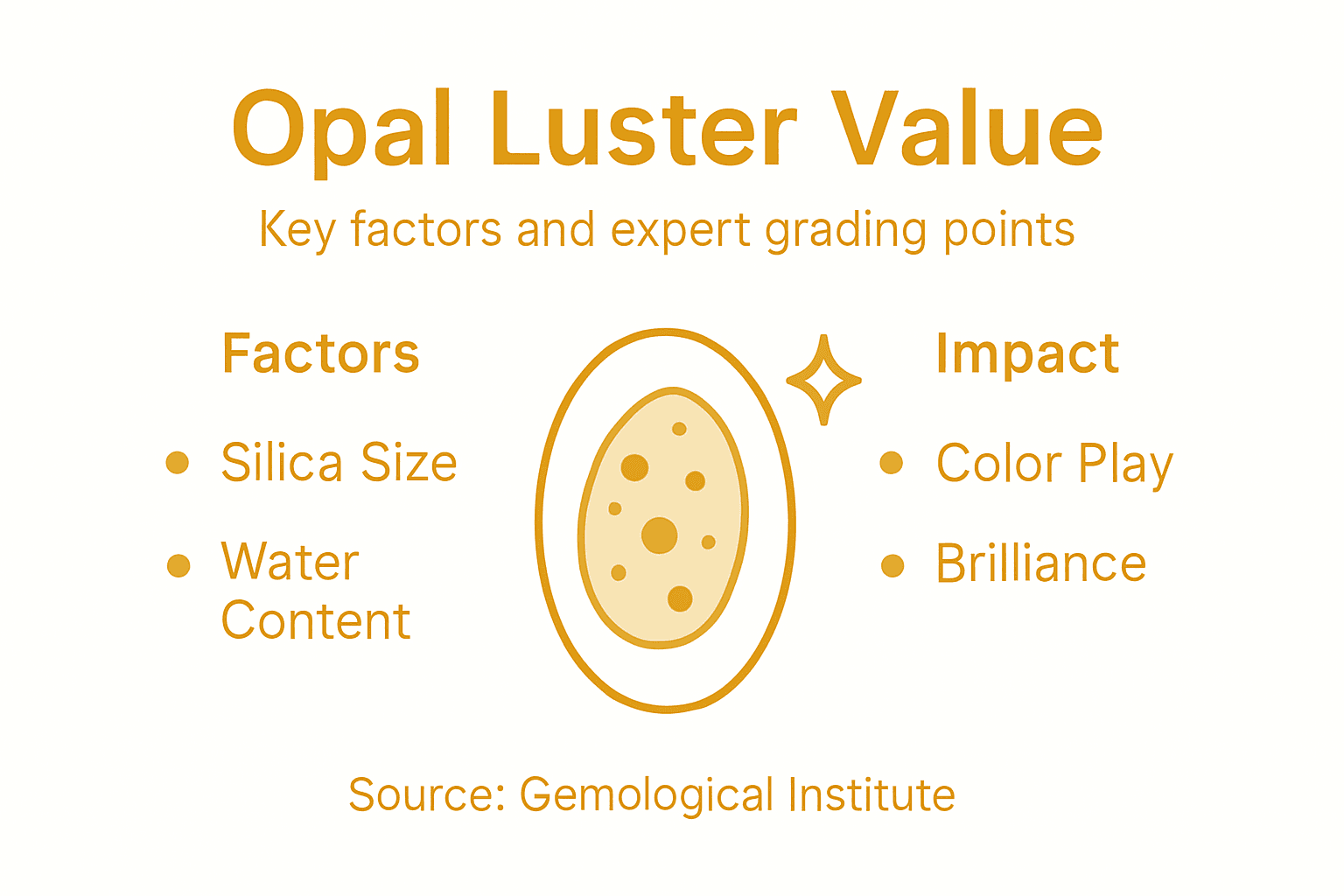
Professional grading systems incorporate multiple dimensions of luster when determining an opal’s market value. Black opals with a bright, vitreous luster typically command the highest prices, particularly when their color play demonstrates exceptional contrast and depth. Gemologists evaluate luster through several critical parameters: surface smoothness, light reflection characteristics, transparency, and the stone’s ability to display dynamic color shifts. A high-quality opal will exhibit a clean, mirror-like surface that allows light to dance across its internal structure, creating a mesmerizing visual experience.
The geographical origin of an opal significantly influences its luster grading, with Australian opal fields like Lightning Ridge and Coober Pedy producing stones of exceptional quality. Different regions contribute unique structural characteristics that impact light interaction. Black opals from Lightning Ridge, for instance, are renowned for their intense dark body tone that dramatically enhances color play and luster, making them particularly valuable in the global gemstone market. The rarity of a specific luster type, combined with its visual performance, directly correlates with its potential market value.
Valuation experts employ sophisticated analytical techniques to quantify luster, considering factors such as color intensity, pattern complexity, and light dispersion. While objective measurement remains challenging, professional gemologists use advanced spectroscopic and microscopic analysis to assess subtle variations in a stone’s optical properties. These evaluations help establish a comprehensive understanding of an opal’s visual performance, ensuring that collectors and investors can make informed decisions based on scientifically rigorous assessments.
Pro Tip: Consult multiple expert gemologists and request detailed luster analysis reports when considering high-value opal investments.
What Collectors Should Know When Buying
Navigating the world of opal acquisition requires a sophisticated understanding of multiple critical factors that determine a stone’s quality and value. Opal Pricing Explained: Key Factors for Collectors provides essential insights into the nuanced landscape of opal purchasing. Collectors must approach their acquisitions with a comprehensive strategy that encompasses authenticity, origin, structural characteristics, and potential investment value.
Understanding the 4 Cs of opal evaluation is paramount for serious collectors. Color represents the primary value indicator, with play-of-color and body tone determining a stone’s visual appeal. Clarity involves assessing the stone’s internal characteristics and transparency, while cut influences how light interacts with the opal’s structure. Carat weight provides context for rarity and market pricing. Different opal types - including black, white, crystal, boulder, and fire opals - each present unique characteristics that require specialized knowledge and careful evaluation.
Authenticity and provenance emerge as critical considerations in opal purchasing. Australian opals, particularly those from renowned regions like Lightning Ridge and Coober Pedy, command significant market premium due to their exceptional quality. Collectors should be aware of various opal classifications, including solid stones, doublets, and triplets, each with distinct composition and value propositions. Professional gemological certification provides crucial verification of an opal’s genuine characteristics, protecting collectors from potential misrepresentation or synthetic alternatives.
Practical considerations extend beyond visual assessment. Understanding proper opal care, storage conditions, and potential treatments is essential for maintaining a stone’s long-term value and aesthetic performance. Collectors should invest time in learning about environmental factors that can impact an opal’s structural integrity, such as humidity, temperature fluctuations, and potential chemical exposures. Consulting with experienced gemologists and obtaining comprehensive analysis reports can provide deeper insights into a specific stone’s unique qualities and potential investment trajectory.
Pro Tip: Always request a detailed gemological certification and conduct thorough personal inspection under multiple lighting conditions before finalizing any significant opal purchase.
Discover the True Brilliance of Australian Opals with Expert Guidance
Understanding the intricate factors that shape an opal’s luster is essential for anyone looking to invest in these mesmerizing gemstones. This article highlights key challenges such as evaluating silica sphere arrangement, water content, and geological origin that directly affect an opal’s visual appeal and value. For collectors and enthusiasts who want to confidently navigate this complex world, finding genuine Australian opals with authentic play of color and superior luster is vital.
At Australian Opal Direct, we connect you directly to ethically mined opals from renowned regions like Lightning Ridge and Coober Pedy where quality and heritage come alive. Our curated collection features exquisite rings, pendants, and custom-designed jewelry pieces that showcase the unique light dynamics described in the article.
Elevate your collection with stones that embody the rare luster and brilliance every connoisseur seeks.
Looking to experience the magic of truly luminous opals?

Explore our premium selection of Australian opals now at Australian Opal Direct and benefit from our 90-day warranties, free shipping, and expert craftsmanship. Take the first step towards owning a gemstone that captures light, history, and mesmerizing beauty all in one.
Visit Opal Pricing Explained: Key Factors for Collectors to deepen your knowledge before selecting your next masterpiece.
Frequently Asked Questions
What is the significance of luster in opals?
Luster in opals refers to how light interacts with the stone’s internal structure, impacting its visual appeal and dynamic play of color, which ultimately contributes to its value.
How does the arrangement of silica spheres affect opal luster?
The arrangement of microscopic silica spheres within an opal creates a unique lattice structure that diffracts light, producing the characteristic play of color that contributes significantly to its overall luster and beauty.
What factors influence the grading of opal luster?
Key factors influencing opal luster grading include silica arrangement, water content, and geological origin, all of which affect the stone’s transparency, color intensity, and surface quality.
Why are black opals considered more valuable than other types?
Black opals are often more valuable due to their vibrant color play and dark body tone, which enhances the intensity of color contrast and depth, making them highly desirable in the gemstone market.