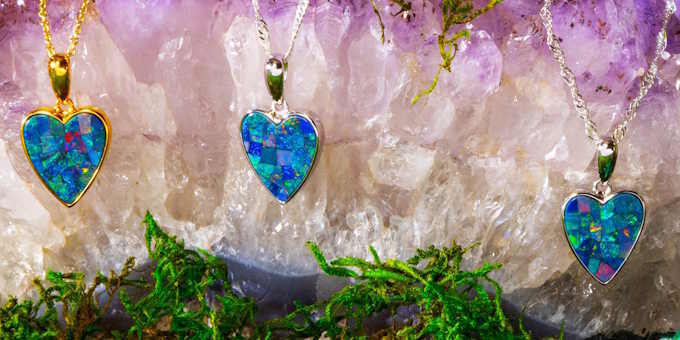
Opal Fluorescence: Revealing Hidden Beauty in Light
Posted by AOD on 28th Dec 2025
Opal Fluorescence: Revealing Hidden Beauty in Light
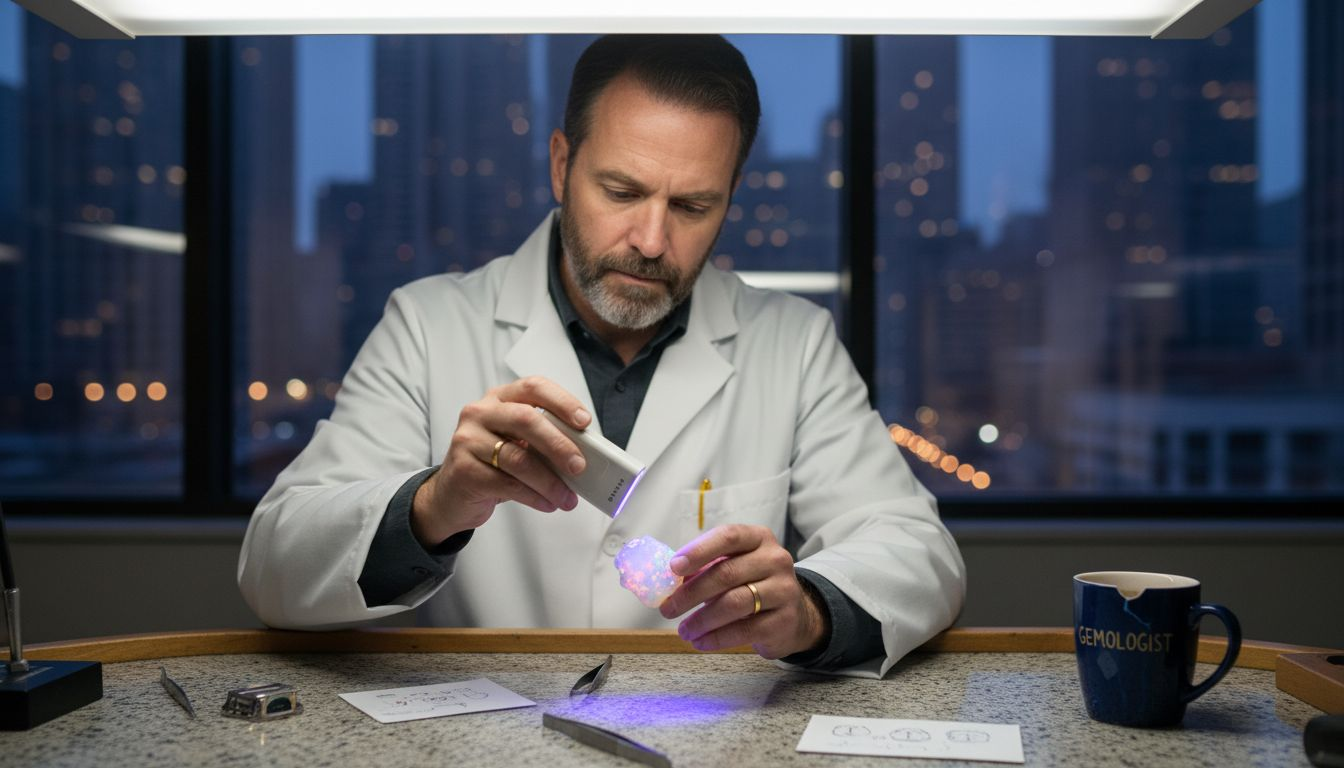
Most collectors are surprised to learn that the mesmerizing glow of fluorescent opals goes far beyond simple color play, with Australian and American experts identifying rare properties that dramatically impact value. For those passionate about luxury gemstones, understanding opal fluorescence is a powerful way to compare specimens from different origins and make smarter collecting decisions. Discover how these scientific secrets reveal a hidden beauty within each stone, guiding you toward truly remarkable additions to your jewelry collection.
Table of Contents
- What Is Opal Fluorescence and How It Works
- Types of Opal Fluorescence in Gemstones
- Causes and Factors Influencing Fluorescence
- Fluorescence and Opal Value for Collectors
- Identifying Natural Versus Synthetic Opal Responses
Key Takeaways
| Point | Details |
|---|---|
| Opal Fluorescence | Opal fluorescence is an optical phenomenon where opals absorb light and re-emit it as different colors, particularly visible under ultraviolet light. |
| Types of Fluorescence | Opals exhibit two primary types of fluorescence: short-lived fluorescence during light exposure and longer-lasting phosphorescence after the light is removed. |
| Factors Affecting Value | The intensity and rarity of fluorescent colors significantly influence the market value and collectibility of opals, with unique visual effects attracting higher prices. |
| Natural vs. Synthetic | Natural opals showcase irregular play-of-color and varied fluorescence, while synthetic opals show uniform patterns, aiding in identification for collectors. |
What Is Opal Fluorescence and How It Works
Opal fluorescence represents a mesmerizing optical phenomenon where opals absorb and re-emit light, creating stunning visual transformations that reveal hidden beauty. At its core, fluorescence occurs when certain molecules within the opal’s structure interact with incoming light wavelengths, causing them to emit a different color that becomes visible under specific illumination conditions.
The scientific mechanism behind opal fluorescence involves complex molecular interactions. Inverse opals exhibit fluorescence through functional molecules embedded in their porous structures, where polymerized fluorescent molecules integrated into the hydrogel matrix produce robust light emission while preserving the stone’s inherent structural colors. This process transforms ordinary opals into extraordinary gems that seemingly come alive under ultraviolet or specialized light sources.
Unlike simple color reflection, fluorescence represents an active energy transformation process. When light strikes the opal, electrons within specific molecular structures become temporarily excited, jumping to higher energy states before rapidly returning to their original configuration. This rapid transition releases energy in the form of visible light, creating the characteristic glow that makes fluorescent opals so captivating. Different mineral compositions and trace elements determine the specific fluorescent colors, ranging from soft blues and greens to vibrant oranges and reds.
Pro Tip: When examining opals for fluorescence, use a professional ultraviolet light source and observe the stone in a darkened room to best appreciate its hidden luminescent qualities.
Types of Opal Fluorescence in Gemstones
Fluorescence in opals represents a complex optical phenomenon with multiple fascinating manifestations. Gemstones including opals can display varied fluorescence and phosphorescence when excited by ultraviolet light, revealing intricate interactions between light and molecular structures that transform these gemstones into living, dynamic entities.
Different types of opal fluorescence emerge from unique mineral compositions and trace element configurations. Gem-quality opals from Idaho demonstrate remarkable fluorescence colors ranging from green and blue to vibrant orange under UV light. These fluorescent variations occur due to specific molecular inclusions and structural characteristics. For instance, orange fluorescence represents a novel phenomenon linked to anhydrite inclusions, while green and blue fluorescences might indicate different trace mineral concentrations.
Fluorescence in opals can be categorized into two primary types: short-lived fluorescence during active light excitation and longer-lasting phosphorescence that continues after the light source is removed. This classification depends on the electron energy transition mechanisms within the opal’s molecular structure. Short-lived fluorescence produces an immediate glow during UV light exposure, while phosphorescence creates a lingering luminescent effect that can persist for several seconds or minutes after the exciting light is extinguished.
Here’s a quick comparison of short-lived fluorescence versus phosphorescence in opals:
| Property | Short-Lived Fluorescence | Phosphorescence |
|---|---|---|
| Duration | Only during light exposure | Persists after light is removed |
| Visual Effect | Instant glow under UV | Fading luminescence in darkness |
| Collector Appeal | Shows play-of-color vividly | Highlights hidden gemstone features |
| Common Colors | Green, blue, orange | Soft blue, subtle green |
Pro Tip: Invest in a high-quality, professional-grade UV light with adjustable wavelengths to accurately analyze and appreciate the nuanced fluorescence characteristics of different opals.
Causes and Factors Influencing Fluorescence
Opal fluorescence emerges from a complex interplay of molecular and structural characteristics that transform light interactions within the gemstone. Fluorescence intensity and spectral features in opal-based photonic crystals are deeply influenced by structural parameters such as silica globule size and arrangement, creating a sophisticated optical phenomenon that goes far beyond simple light reflection.
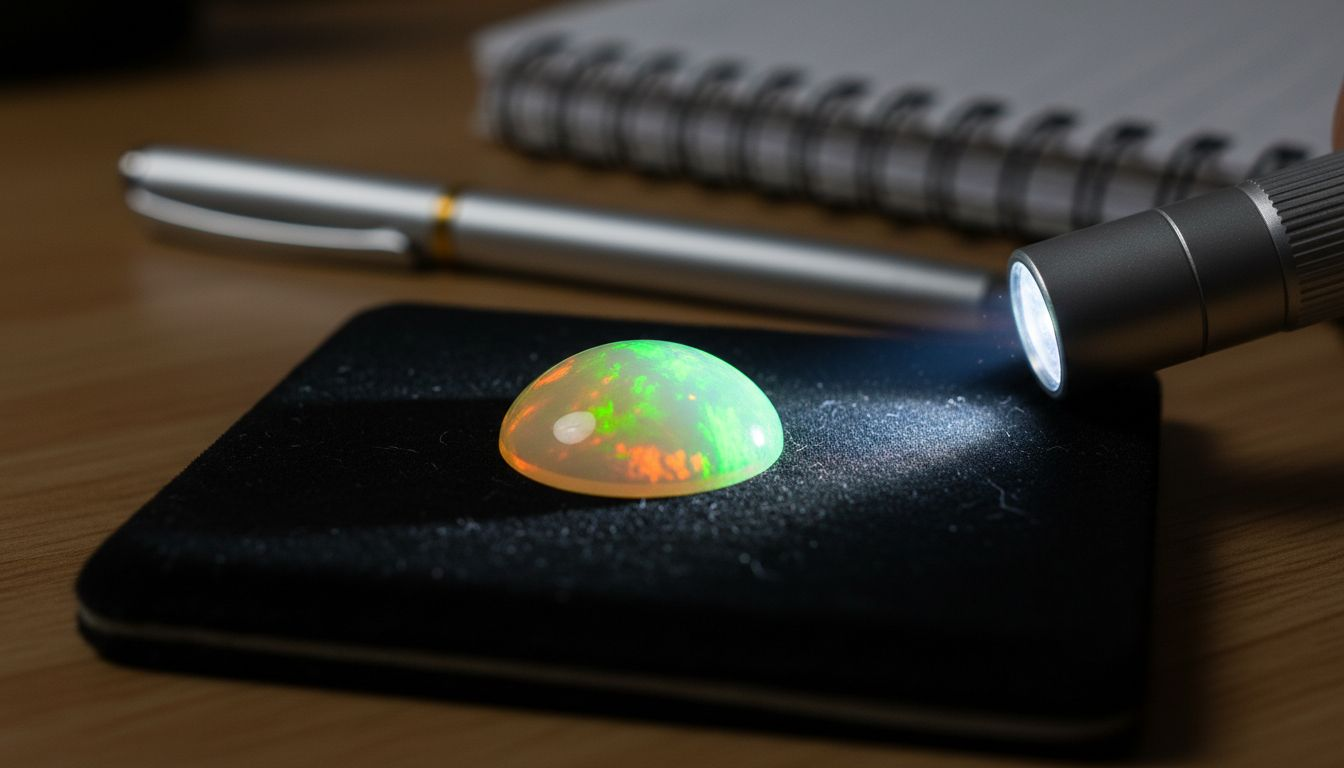
Multiple intrinsic and extrinsic factors contribute to the fluorescent behavior of opals. Trace mineral elements play a critical role, with impurities like chromium, manganese, and rare earth elements introducing specific fluorescent wavelengths. The crystal structure’s microscopic defects and molecular configurations also significantly impact how light is absorbed, transformed, and re-emitted. Environmental conditions such as temperature, pressure, and surrounding mineral composition can subtly modify these fluorescent properties, making each opal a unique light-transformation system.
The mechanism of fluorescence involves complex quantum interactions between incident light and the opal’s molecular structure. When ultraviolet or other high-energy light waves strike the opal, electrons within specific atomic configurations become temporarily excited, jumping to higher energy states. As these electrons rapidly return to their original configuration, they release stored energy as visible light. This process creates the characteristic glow that makes fluorescent opals so captivating. The specific color and intensity of fluorescence depend on the precise energy transition pathways and the molecular environment within the gemstone.
Pro Tip: Collect opals from different geological regions to compare their unique fluorescence characteristics and understand how geographical origin influences light emission properties.
Fluorescence and Opal Value for Collectors
Fluorescence has become a critical factor in determining the value and collectibility of opals, transforming how gemstone enthusiasts assess these remarkable stones. Variations in fluorescence intensity and color can significantly affect a gem’s desirability and market value, creating a nuanced evaluation process that goes far beyond traditional visual assessment.
Gem-quality opals from specific regions like Spencer, Idaho demonstrate how fluorescence characteristics can enhance collector interest. The unique play-of-color combined with distinctive fluorescent properties can dramatically increase an opal’s perceived value. Collectors now look beyond traditional grading metrics, seeking opals with rare and captivating fluorescent behaviors that reveal hidden molecular complexities. These fluorescent attributes provide insights into the stone’s geological origin, mineral composition, and unique structural characteristics.
The market value of fluorescent opals depends on several intricate factors. Strong, distinct fluorescence that reveals unexpected color transformations under different light conditions can command premium prices. Rare fluorescent colors like deep orange, vibrant green, or intense blue become particularly prized. Collectors and gemologists view these fluorescent properties as windows into the opal’s internal structure, appreciating them as evidence of the stone’s complex geological history and unique formation conditions. The more unusual and pronounced the fluorescent effect, the more likely an opal is to attract serious collector interest and command higher market values.
To help collectors, here’s a summary of factors influencing the value of fluorescent opals:
| Value Factor | Impact on Opal Pricing | Collector Interest |
|---|---|---|
| Fluorescence Intensity | Strong intensity raises price | Highly desired for display |
| Rarity of Color | Rare shades command premiums | Sought by specialists |
| Geological Origin | Unique sources add value | Provenance increases interest |
| Structural Uniqueness | Complex patterns attract buyers | Indicates rich geological history |
Pro Tip: Invest in a professional-grade UV light with multiple wavelength settings to accurately evaluate and appreciate the subtle fluorescence characteristics of your opal collection.
Identifying Natural Versus Synthetic Opal Responses
Distinguishing between natural and synthetic opals requires a sophisticated understanding of their unique optical and structural characteristics. Natural opals typically exhibit irregular play-of-color and random inclusion patterns, contrasting sharply with the uniform, columnar color patterns found in synthetic stones. This fundamental difference becomes a critical diagnostic tool for collectors and gemologists seeking to authenticate genuine opal specimens.
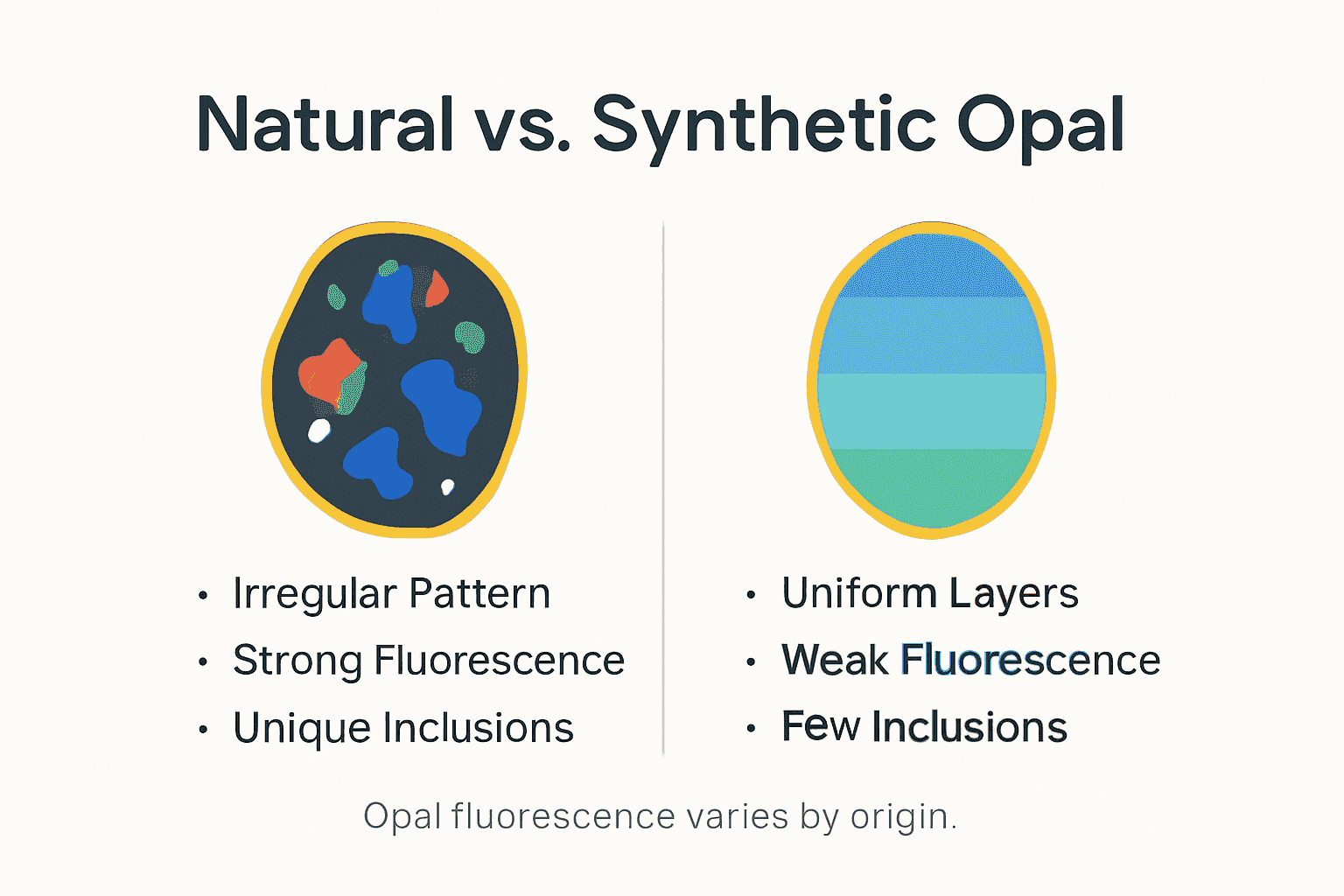
Fluorescence provides another crucial method for differentiating natural from synthetic opals. Natural opals demonstrate remarkable variability in their fluorescent responses, with colors and intensities that reflect their complex geological origins. Synthetic opals, in contrast, often display more consistent and predictable fluorescent signatures directly linked to their manufacturing processes. These fluorescent variations occur because natural opals incorporate trace minerals and structural irregularities that create unique light-interaction properties, while synthetic versions are produced under controlled conditions that minimize such natural variations.
Advanced identification techniques combine multiple diagnostic approaches. Spectroscopic analysis, microscopic examination, and comprehensive fluorescence testing allow experts to definitively distinguish natural from synthetic opals. Key indicators include the randomness of color play, the complexity of internal structures, and the nuanced fluorescent responses that synthetic processes cannot perfectly replicate. Professional gemologists use specialized equipment to detect subtle differences in molecular arrangement, light dispersion, and energy transition characteristics that reveal an opal’s true origin.
Pro Tip: Always request a professional gemological certification when purchasing high-value opals to ensure authenticity and understand the precise characteristics of your gemstone.
Discover the Hidden Light and Value in Genuine Australian Opals
The article highlights the captivating world of opal fluorescence and its vital role in unveiling hidden beauty and increasing gemstone value. If you are fascinated by how ultraviolet light reveals unique colors like green, blue, and orange within opals, you understand the challenge of finding authentic stones that showcase these rare optical effects. Enthusiasts and collectors often struggle with distinguishing natural fluorescence from synthetic imitations, while seeking opals that carry the rich geological story engraved in their structure.
At Australian Opal Direct, we specialize in authentic Australian opals that exhibit remarkable fluorescent qualities sourced ethically from renowned regions such as Lightning Ridge and Queensland. Our collection embraces the mysterious play-of-color and natural luminescence described in the article, offering:
- Genuine earth-mined opals with unique fluorescence verified by experts
- Custom-designed jewelry that celebrates the remarkable light transformations
- Competitive pricing thanks to direct relationships with miners
Explore Our Opal Collection to experience firsthand the energy and history within each stone

Elevate your jewelry collection with an opal that transforms under UV light revealing its hidden beauty. Do not miss your chance to own a premium Australian opal that captivates collectors and connoisseurs alike. Visit Australian Opal Direct now and discover pieces that glow with authenticity, rarity, and timeless elegance.
Frequently Asked Questions
What is opal fluorescence?
Opal fluorescence is an optical phenomenon where opals absorb and re-emit light, creating remarkable visual effects. This occurs when specific molecules in the opal interact with incoming light wavelengths, resulting in the emission of different colors under certain illumination conditions.
How does fluorescence in opals affect their value?
Fluorescence can significantly influence the value of opals. Strong and distinct fluorescence that reveals unexpected color transformations can command higher prices, especially rare fluorescent colors. Collectors often seek opals with captivating fluorescent behaviors that highlight the stone’s geological origin and unique characteristics.
What are the types of opal fluorescence?
Opal fluorescence can be primarily categorized into short-lived fluorescence, which occurs during active light excitation, and phosphorescence, which continues to emit light after the source is removed. Different fluorescent colors result from various mineral compositions and trace elements present in the opal.
How can I differentiate between natural and synthetic opals using fluorescence?
Natural opals typically exhibit variable fluorescent responses with unique colors and intensities reflecting their geological origins, while synthetic opals often show more consistent fluorescent signatures. This characteristic can aid gemologists and collectors in authenticating genuine opal specimens.