Opal Sourcing Tips: Your 2026 Ethical Buying Guide
Posted by AOD on 4th Jul 2026
Opal Sourcing Tips: Your 2026 Ethical Buying Guide
TL;DR:
- Verifying the provenance of opals from Australian mining fields is essential to ensure ethical sourcing and high quality. Understanding the construction type of opal stones, whether solid, doublet, or triplet, affects their value and care requirements. Patience and detailed inspection, including daylight videos and certifications, are crucial for making informed and ethical opal purchases.
Opal sourcing tips are defined as the practical guidelines buyers and businesses use to secure authentic, ethically mined, and high-quality opals from verified origins. Australia supplies approximately 90%–95% of the world’s precious opals, making it the undisputed center of the global opal trade. Fields like Lightning Ridge, Coober Pedy, and Queensland each produce distinct opal types with different value profiles. Knowing how to navigate origin, construction, quality indicators, and ethical sourcing protocols separates confident buyers from those who overpay for inferior or misrepresented stones.
1. Opal sourcing tips start with verifying provenance
Provenance is the documented record of where an opal was mined. Without it, buyers risk purchasing stones tied to unethical labor practices or environmental damage, and they lose a key driver of resale value.
Australian fields define the benchmark for opal quality and origin:
- Lightning Ridge produces black opal, the most valuable type, prized for its dark body tone and vivid play-of-color.
- Coober Pedy yields white and crystal opals, the most widely traded variety globally.
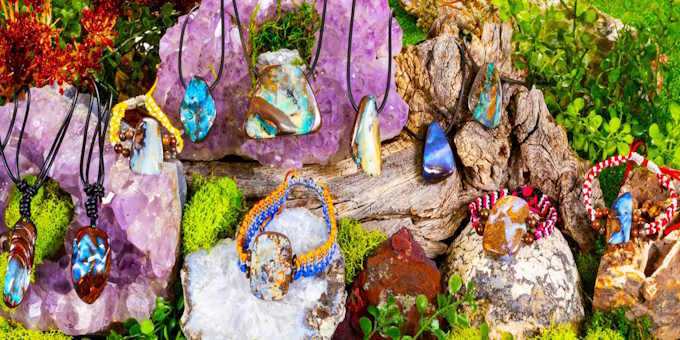
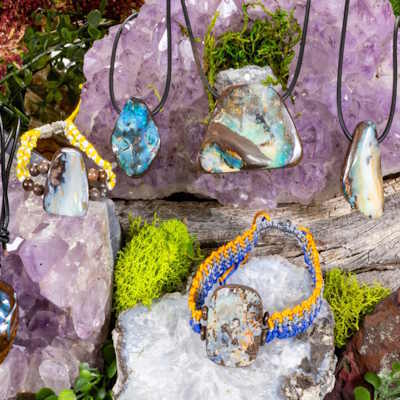
- Queensland fields produce boulder opal, where the gem forms within ironstone host rock, creating striking natural patterns.
Secondary sources exist outside Australia, but their rarity or treatment history demands extra scrutiny. Ethiopian opals, for example, are hydrophane stones that absorb water, which can alter their appearance and long-term stability. Buyers should request documented origin from laboratory reports or written supplier disclosures before committing to any purchase.
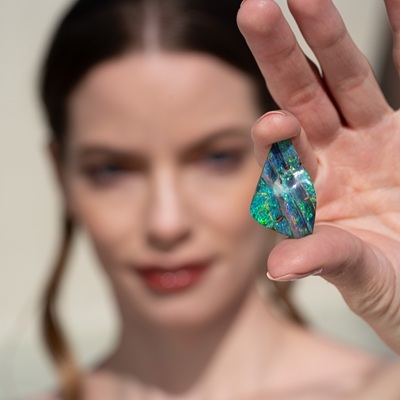
Pro Tip: Ask your supplier for video footage of the opal filmed under natural daylight from multiple angles. Video under daylight reveals play-of-color far more reliably than static photographs.
2. Understand opal construction types before you buy
Not every stone labeled “opal” is a solid natural gem. The opal market includes three distinct construction types, each with very different value and care implications.
- Solid opals are entirely natural, cut directly from rough opal material. They carry the highest value and require no special adhesive-related care.
- Doublets consist of a thin slice of natural opal bonded to a dark backing material. They display vivid color but cost significantly less than solids.
- Triplets add a clear quartz or glass cap over the opal slice, giving extra depth and protection at an even lower price point.
The critical issue with doublets and triplets is their adhesive. Doublets and triplets use adhesives that degrade with water and heat exposure, making them unsuitable for ultrasonic cleaning. Prolonged moisture contact causes the layers to separate, destroying the stone’s appearance permanently.
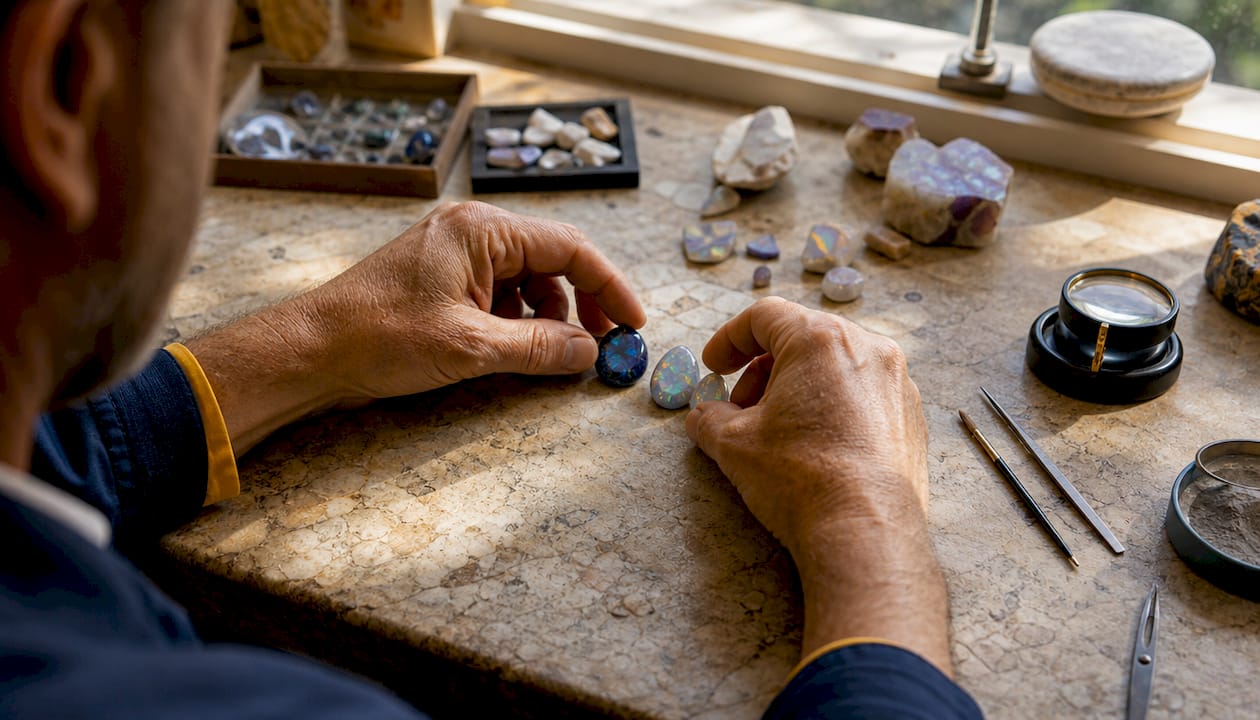
Inspect any stone carefully for a visible seam along the girdle, which reveals a doublet or triplet construction. A reputable seller will disclose construction in writing before the sale.
Pro Tip: Always request written confirmation of construction type. Independent certificates for high-value stones should explicitly state whether the opal is solid, doublet, or triplet, along with any treatments applied.
3. Evaluate play-of-color as the primary quality indicator
Play-of-color is the optical phenomenon where spectral colors shift and dance across the stone’s surface as the viewing angle changes. It is the single most important factor in opal valuation.
Red hues in play-of-color are the most prized, but a broad full-spectrum display spanning red through violet is the rarest and most valuable expression. A stone showing only blue and green, while still beautiful, commands a lower price than one with a full spectral range.
Brightness matters as much as color range. Gemologists rate brightness on a scale from dull to brilliant, and a stone with vivid, high-contrast color commands a premium even if its body tone is lighter. Pattern types, including harlequin, rolling flash, and pinfire, also influence desirability. Harlequin patterns, with their mosaic-like color blocks, are exceptionally rare and fetch the highest prices at auction.
4. Learn the body tone scale and its effect on value
Body tone describes the base color of an opal when viewed face-up, ranging from N1 (jet black) to N9 (clear or white). This scale directly determines how dramatically play-of-color appears against the stone’s background.
Black opals from Lightning Ridge typically fall in the N1 to N4 range. Their dark backgrounds make spectral colors appear more vivid and saturated, which is why they consistently achieve the highest prices per carat. White and crystal opals from Coober Pedy sit in the N7 to N9 range, offering a softer, more diffuse color display.
When assessing body tone, view the stone face-up under consistent lighting. Avoid relying solely on seller photographs, which can be manipulated with filters or artificial lighting to make a lighter stone appear darker than it truly is. Pair body tone assessment with the opal quality checklist developed by Australianopaldirect for a structured evaluation.
5. Check for clarity, damage, and structural integrity
Clarity in opals refers to the presence of inclusions, potch (colorless opal), sand, or matrix within the stone. Unlike diamonds, where clarity grading follows a strict GIA scale, opal clarity is assessed more holistically based on how inclusions affect the play-of-color and structural soundness.
Crazing is the most serious defect to watch for. It appears as a network of fine cracks across the surface or interior of the stone, often caused by rapid dehydration or improper handling after mining. Freshly dug opals from certain regions require careful moisture management to avoid crazing, with slow drying being the standard practice.
Opals rate 5.5–6.5 on the Mohs hardness scale, making them susceptible to scratches from everyday wear. Bezel settings offer better protection for opal rings than prong settings, which leave the stone’s edges exposed. Buyers should inspect stones under magnification for pre-existing scratches, chips, or surface pitting before purchase.
| Quality Factor | What to Look For | Impact on Value |
|---|---|---|
| Play-of-color | Full spectrum, red present | Highest premium |
| Body tone | N1–N4 (dark) vs. N7–N9 (light) | Dark tones increase value |
| Brightness | Vivid, high-contrast display | Strong price multiplier |
| Clarity | Free from crazing and inclusions | Affects durability and price |
| Pattern | Harlequin, rolling flash | Rare patterns command premiums |
6. Apply ethical opal sourcing protocols
Ethical sourcing in the opal trade means confirming that the stone was mined under fair labor conditions, with minimal environmental disruption, and that its supply chain is transparent from mine to market. Proper sourcing protocols include transparency from suppliers, ethical mining practices, and acquisition of certificates.
Practical steps for ethical procurement:
- Request origin documentation. Ask for a written statement or laboratory report confirming the mining region and field.
- Verify supplier relationships. Australianopaldirect sources directly from Australian miners, cutting out intermediaries and ensuring traceable provenance.
- Obtain independent certificates. For investment-grade stones, certificates from recognized gemological laboratories confirm origin, construction, and treatments.
- Confirm return and refund policies. Reputable sellers stand behind their stones with clear policies. Vague or absent policies are a warning sign.
- Test for hydrophane behavior. If purchasing Ethiopian opals, understand that their porous nature means submersion in water can temporarily or permanently alter their appearance.
- Avoid submersion of doublets and triplets. Water degrades the adhesive bonds in composite stones, so buyers should follow care instructions specific to construction type.
Building a long-term relationship with a trusted supplier is the most reliable defense against scams and misrepresented stones. Patience and research consistently outperform impulse purchases in this market.
7. Use daylight video and multi-angle inspection
Static photographs are the weakest tool for assessing opal quality. Light direction, camera settings, and post-processing can all misrepresent a stone’s true play-of-color, body tone, and surface condition.
Video footage filmed under natural daylight, with the stone rotated slowly through multiple angles, reveals how color shifts, where dead spots exist, and whether the play-of-color is consistent across the face. This is the closest a remote buyer can get to holding the stone in person. Australianopaldirect provides detailed visual content for its listings precisely because buyers deserve to see what they are purchasing.
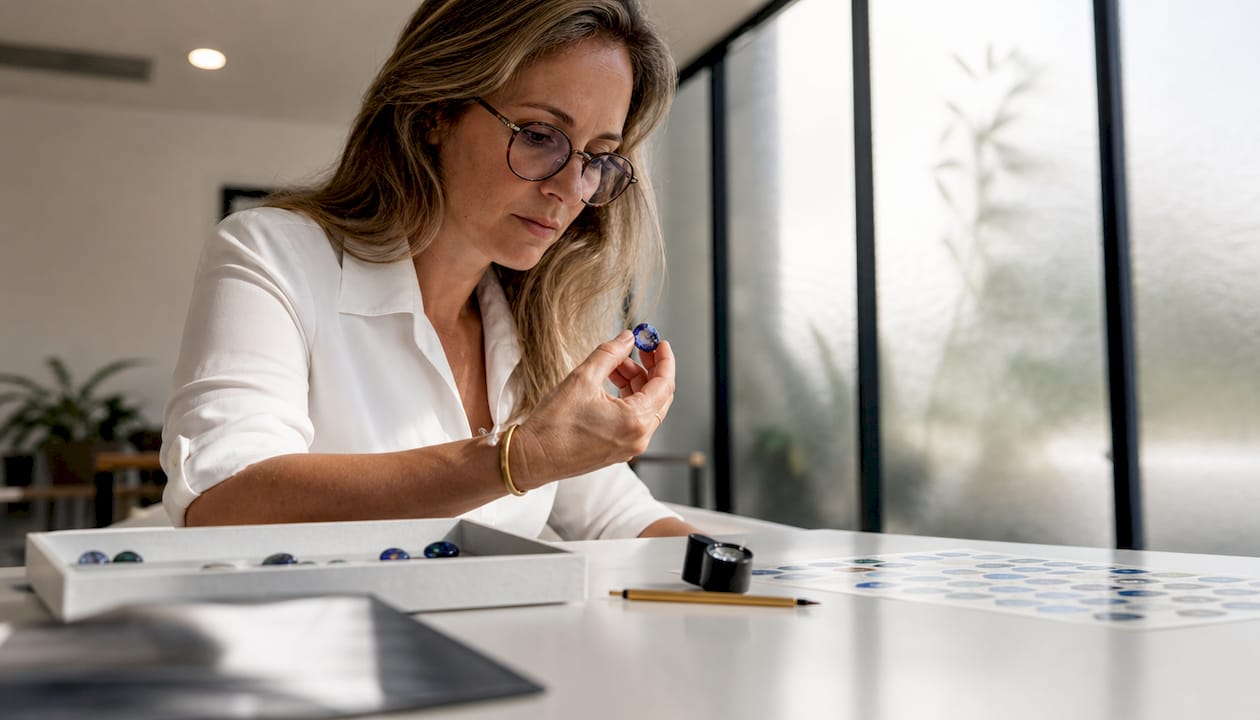
For in-person purchases at gem shows or mining fields, carry a small penlight and a loupe. Examine the stone under the penlight at multiple angles, then step outside to assess it under natural daylight. The difference between indoor and outdoor assessment can be dramatic, especially for lighter body-tone stones.
Pro Tip: Request a short video of the stone filmed outdoors in shade, not direct sunlight. Shade provides even, diffuse light that shows play-of-color without the glare that direct sunlight creates.
8. Budget for quality over quantity
A single high-quality solid opal with vivid play-of-color and a dark body tone will hold its value far better than a collection of low-grade stones purchased at the same total cost. This principle applies equally to individual collectors and jewelry businesses building inventory.
Entry-level buyers often gravitate toward triplets because of their lower price point and impressive visual appearance. Triplets are a legitimate product, but buyers should understand they are purchasing a composite stone, not a natural gem. For resale, gifting, or investment purposes, solid naturals from documented Australian origins carry significantly more credibility and long-term value.
Set a realistic budget before approaching any seller. Australianopaldirect’s direct-miner model removes intermediary markups, which means buyers access genuine stones at prices that reflect actual market value rather than inflated retail margins. Review the 2026 buying guide for current pricing benchmarks and sourcing workflows.
9. Understand care requirements before purchase
An opal’s care requirements are not optional knowledge. They are part of the sourcing decision itself. A stone that suits a collector’s display case has very different care needs than one set into a daily-wear ring.
Avoid ultrasonic cleaners and steam cleaners for all opal types. For doublets and triplets, water immersion is equally damaging. Solid naturals tolerate gentle cleaning with a soft damp cloth, but prolonged soaking is still inadvisable. Follow the opal jewelry care routine recommended by Australianopaldirect to preserve color and surface integrity over time.
Ethiopian hydrophane opals require particular attention. Their porous nature means they can absorb liquids, including lotions, perfumes, and cleaning agents, which may permanently alter their color or cause structural instability. Buyers should factor these care demands into their purchasing decision, especially for wearable jewelry.
Key takeaways
Ethical opal sourcing requires verifying origin, confirming construction type, assessing play-of-color and body tone, and building relationships with transparent suppliers who provide documented provenance.
| Point | Details |
|---|---|
| Australia dominates supply | Lightning Ridge, Coober Pedy, and Queensland produce 90%–95% of the world’s precious opals. |
| Construction type determines value | Solid naturals outperform doublets and triplets for investment, resale, and durability. |
| Play-of-color drives price | Full-spectrum display with red hues commands the highest premiums in the opal market. |
| Certificates protect buyers | Independent laboratory reports confirm origin, construction, and treatments for high-value stones. |
| Care knowledge is part of sourcing | Understanding cleaning limits and moisture risks before purchase prevents costly damage. |
What I’ve learned from years of watching buyers get opal sourcing wrong
The most common mistake I see is buyers treating opal sourcing like a transaction rather than a process. They find a stone that looks stunning in a photograph, pay quickly, and then discover the color is barely visible under natural light or that the stone is a doublet they were never told about. That frustration is entirely preventable.
The rise of Ethiopian hydrophane opals has added a new layer of complexity to the market. Their colors can be genuinely spectacular, but I have watched buyers invest significantly in stones that developed milky patches or structural issues after minimal wear. The instability risk is real, and it deserves honest conversation before any purchase.
My strongest advice for both new collectors and experienced buyers is this: slow down. Request video. Ask for written disclosures. Verify the opal’s origins before you fall in love with its color. The opal market rewards patient, research-driven buyers and punishes impulsive ones. A stone that has been properly vetted, certified, and sourced from a transparent supplier will bring far more satisfaction than one that raises questions the moment it arrives. Ongoing education, supplier vetting, and a willingness to ask hard questions are the real foundations of ethical opal procurement.
— Renee
Australianopaldirect: a trusted source for authentic Australian opals
For buyers who want to skip the guesswork and source with confidence, Australianopaldirect offers a curated collection of genuine, earth-mined Australian opals with direct-miner provenance.

Every stone in the Australianopaldirect collection comes with transparent origin documentation and detailed product storytelling that connects each gem to its field of origin. The site also offers in-depth educational resources, including care guides and sourcing workflows, so buyers can make informed decisions at every stage. Whether you are building a jewelry collection, sourcing stones for a business, or searching for a single statement piece, explore the full opal collection at Australianopaldirect for stones that meet the highest standards of authenticity and ethical procurement.
FAQ
What makes Australian opals more valuable than other origins?
Australia supplies 90%–95% of the world’s precious opals, and its fields produce the benchmark types, including black opal from Lightning Ridge, which consistently achieves the highest prices per carat due to its dark body tone and vivid play-of-color.
How do I tell a solid opal from a doublet or triplet?
Examine the stone’s girdle under magnification for a visible seam or layer line. Independent certificates from reputable gemological laboratories will explicitly state construction type, and any seller who refuses to disclose this in writing is a red flag.
What is the body tone scale and why does it matter?
Body tone runs from N1 (jet black) to N9 (clear white) and describes the opal’s base color. Darker body tones make play-of-color appear more vivid and saturated, which is why N1–N4 black opals from Lightning Ridge command the highest market premiums.
Can I clean opals with an ultrasonic cleaner?
No. Opals rate 5.5–6.5 on the Mohs scale and are sensitive to heat and vibration. Ultrasonic and steam cleaners can cause crazing in solid opals and delamination in doublets and triplets. Use only a soft damp cloth for routine cleaning.
What should I ask a supplier before buying an opal online?
Request video footage filmed under natural daylight, written disclosure of construction type and any treatments, documented origin from a specific Australian field, and a clear return policy. Suppliers who provide all four are operating with the transparency that ethical opal sourcing requires.
Recommended
- Top gemstone collecting tips for ethical and smart choices - Australian Opal Direct
- Ethical opal sourcing: your guide to authentic Australian gems - Australian Opal Direct
- Steps for Ethical Jewelry Buying: Your 2026 Guide - Australian Opal Direct
- Opal Purchasing Workflow: Your 2026 Buying Guide - Australian Opal Direct