Steps for Ethical Jewelry Buying: Your 2026 Guide
Posted by AOD on 8th Jun 2026
Steps for Ethical Jewelry Buying: Your 2026 Guide

TL;DR:
- Effective ethical jewelry buying requires active verification of fair labor, environmental practices, and traceability for every component. Certifications like RJC, Kimberley Process, and Fairtrade Gold must be checked through official registries, and chain-of-custody documentation is essential for genuine provenance. Asking specific questions and comparing suppliers with structured checklists help buyers identify true responsible sourcing beyond marketing claims.
Ethical jewelry buying is defined as the practice of verifying fair labor conditions, environmental stewardship, and traceable sourcing across every component of a piece before purchase. The steps for ethical jewelry buying go far beyond trusting a retailer’s marketing language. Certifications like the Responsible Jewellery Council (RJC), the Kimberley Process, Fairtrade Gold, and SCS-007 each address different parts of the supply chain, and none alone guarantees item-level provenance. Chain-of-custody documentation, grading reports from IGI or GIA, and direct supplier transparency are the real pillars of responsible gemstone sourcing. This guide walks you through each step with the precision that genuine ethical purchasing demands.
1. Understand what the steps for ethical jewelry buying actually require
Ethical jewelry purchasing, known in the industry as responsible sourcing, demands active verification rather than passive trust. The word “ethical” covers three distinct dimensions: fair labor for miners and artisans, minimal environmental harm from extraction and production, and transparent traceability from mine to market. Each dimension requires its own documentation, and a gap in any one of them compromises the whole picture. Recognizing this from the start saves you from being misled by partial compliance dressed up as full accountability.

The most common misconception is that a single certification covers all three dimensions. It does not. RJC certification, for example, covers company practices, not the provenance of the specific ring or pendant you are buying. Understanding this distinction is the foundation of every other step in this guide.
2. Verify certifications through official registries, not just labels
Certification labels on a jeweler’s website are a starting point, not a finish line. Verify certification numbers directly through the official registries of the issuing organizations. RJC maintains a public database of certified members. Fairtrade International publishes its licensed operators. SCS Global Services lists SCS-007 certified companies. Cross-referencing these databases takes five minutes and immediately distinguishes genuine compliance from borrowed credibility.
Understanding what each certification actually covers is equally important:
- RJC (Responsible Jewellery Council): Audits a company’s overall business practices, including labor, environment, and human rights. It does not trace individual products.
- Kimberley Process Certification Scheme (KPCS): Addresses only conflict diamond financing. It does not cover labor or environmental standards, making it insufficient as a standalone ethical proof.
- Fairtrade Gold: Provides mine-level certification for small-scale miners, covering fair wages and safe conditions. It is one of the few standards with direct miner benefit.
- SCS-007 Sustainability Rated Diamonds: A multi-attribute standard covering provenance, environmental impact, and social responsibility for diamonds specifically.
Pro Tip: When a retailer offers only general claims about responsible sourcing, request exact certification numbers and chain-of-custody paperwork for specific materials. This single request separates marketing language from verified provenance.
3. Request chain-of-custody documentation for every component
Chain-of-custody documentation traces a material from its point of origin through every stage of processing to the finished piece. Most buyers focus on the center stone and overlook side stones, accent diamonds, and the metal setting. Ethical gaps often exist in these secondary components, and a jeweler who cannot provide origin details for all parts of a piece has an incomplete ethical profile.
Ask specifically for third-party audit reports, refinery certificates for metals, and mine-of-origin documentation for gemstones. A reputable jeweler will have these on file or be able to obtain them. Reluctance or vague responses at this stage are a clear signal that the supply chain has not been fully mapped. The documentation does not need to be elaborate, but it must be specific and verifiable.
4. Evaluate lab-grown stones and recycled metals as sustainable alternatives
Lab-grown diamonds and recycled metals offer measurably clearer provenance than newly mined counterparts. Lab-grown gemstones and recycled metals reduce supply chain uncertainty because their origins are controlled and documented from the point of creation or recovery. A lab-grown diamond produced by a facility with a known energy source eliminates the ambiguity of artisanal mining regions entirely.
When evaluating these materials, consider the following:
- Lab-grown diamonds: Request a grading report from IGI (International Gemological Institute) or GIA (Gemological Institute of America) to confirm the stone’s origin as laboratory-created and verify its quality grades.
- Recycled metals: Ask for the percentage of recycled content and the refinery source. Certified recycled gold from refineries like Hoover & Strong or SCS-certified facilities carries documented chain-of-custody.
- Vintage and second-hand jewelry: Pre-owned pieces sidestep new sourcing entirely. A vintage opal ring from a reputable estate dealer carries no new mining footprint whatsoever.
- Lab-grown stone energy sourcing: A lab-grown diamond produced using renewable energy has a substantially lower carbon footprint than one grown with coal-powered electricity. Ask the jeweler which energy source the production facility uses. You can also shop lab diamonds confidently by knowing which questions to ask before committing.
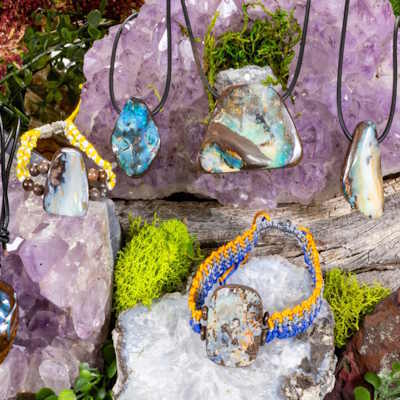
For earth-mined gems like Australian opals, the ethical calculus shifts toward direct-miner relationships and regional traceability. Opals from Lightning Ridge, Coober Pedy, and Queensland carry a geographic identity that supports provenance claims in ways that anonymous bulk-traded stones cannot.
5. Ask jewelers pointed questions to detect greenwashing
Greenwashing in jewelry retail is the practice of using vague sustainability language without the documentation to support it. Phrases like “responsibly sourced” or “eco-friendly” are commonly deployed without verification. The antidote is a set of specific, direct questions that require specific, direct answers.
Use this numbered sequence when speaking with any jeweler:
- Where exactly were the center stone and side stones mined? Ask for country, region, and mine name where possible.
- Which refinery processed the metal, and does it hold a recognized certification? Acceptable answers include SCS-certified or Fairtrade-licensed refineries.
- What labor audits have been conducted on your supply chain in the past 24 months? Ask for the auditor’s name and the date of the most recent report.
- Do you publish a sustainability report or supply chain transparency policy? Brands with genuine commitments make this information publicly accessible.
- What energy source powers your lab-grown stone production? Renewable energy certification from the facility is the gold standard answer.
- Can you provide written documentation for all of the above? Verbal assurances are not sufficient. Documentation of certifications and origin information must be available in writing.
Pro Tip: Pay close attention to how quickly and specifically a jeweler responds. A brand with genuine ethical practices has these answers ready. Evasion, deflection, or promises to “look into it” are red flags worth taking seriously.
6. Compare suppliers using a structured ethical sourcing checklist
Comparing multiple jewelers side by side transforms an emotional purchase into an informed one. An ethical jewelry sourcing checklist applied consistently across suppliers reveals which brands have substance behind their claims and which rely on atmosphere and aesthetics alone.
| Evaluation Criterion | What to look for |
|---|---|
| Certification scope | Does the brand hold RJC, Fairtrade Gold, or SCS-007? Are certificates current and verifiable? |
| Chain-of-custody documentation | Can the jeweler provide written provenance for stones and metals in the specific piece? |
| Material sustainability | Does the piece use lab-grown stones, recycled metals, or certified earth-mined gems? |
| Labor transparency | Are third-party labor audits conducted and results available on request? |
| Production model | Is the piece made-to-order, reducing overproduction and inventory waste? |
| Communication responsiveness | Does the jeweler answer detailed sourcing questions promptly and specifically? |
Made-to-order jewelry deserves particular attention. It reduces overproduction and is generally associated with stronger sustainability commitments because the brand only creates what is needed. Mass-produced inventory, by contrast, generates waste and often relies on opaque bulk purchasing from commodity markets. When budget allows, a made-to-order piece from a transparent artisan is the most defensible ethical choice.
Balancing budget, style, and sustainability is a real consideration. A recycled-metal ring with a lab-grown center stone from a certified supplier may cost less than a newly mined equivalent while offering superior traceability. The ethical sourcing practices of a given brand are often reflected in how openly they discuss their supply chain, not just in the price tag.
7. Confirm artisan labor practices and direct-miner relationships
The human dimension of ethical jewelry buying is as significant as the environmental one. Fair wages, safe working conditions, and freedom from coercive labor are non-negotiable standards. Yet they are also the hardest to verify from a consumer’s position, which makes direct-miner and direct-artisan relationships particularly valuable.
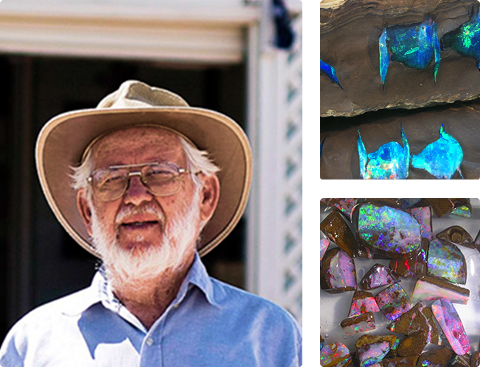
Brands that work directly with miners, as Australianopaldirect does with opal miners in Lightning Ridge and Coober Pedy, eliminate layers of intermediaries where labor abuses most commonly occur. Each additional hand in the supply chain is a point where accountability can dissolve. When a retailer can name the miner, the region, and the conditions under which a stone was extracted, that specificity is itself a form of ethical assurance. Explore how artisan-crafted jewelry documentation and verification processes work to understand what genuine labor transparency looks like in practice.
Key takeaways
Ethical jewelry buying requires active document verification, not passive trust in labels or marketing language. Certifications like RJC and the Kimberley Process are starting points, not complete ethical proofs, and chain-of-custody documentation for every component is the true standard.
| Point | Details |
|---|---|
| Certifications have limits | RJC is company-level assurance; always request item-specific chain-of-custody documentation. |
| Kimberley Process is insufficient alone | It covers only conflict financing; pair it with RJC or SCS-007 for labor and environmental coverage. |
| Materials matter for traceability | Lab-grown stones and recycled metals offer clearer provenance than most newly mined alternatives. |
| Greenwashing is widespread | Vague phrases like “responsibly sourced” require specific documentation before they carry any weight. |
| Made-to-order reduces waste | Choosing made-to-order jewelry supports sustainability by eliminating overproduction and bulk sourcing. |
Why I think single-label certification gives buyers false confidence
I have spent years watching well-intentioned buyers walk away from a purchase feeling virtuous because they saw an RJC logo on a website. That logo matters, and I do not dismiss it. But it tells you the company passed an audit of its business practices. It does not tell you where the specific stone in your ring was pulled from the earth, or whether the miner who found it was paid fairly that week.
The most honest thing I can say about how to buy ethical jewelry in 2026 is this: the brands worth trusting are the ones that find your questions refreshing rather than inconvenient. When you ask a jeweler for chain-of-custody paperwork and they respond with enthusiasm and specifics, you have found a genuine partner in ethical purchasing. When they respond with silence or a link to a vague sustainability page, you have your answer.
Lab-grown stones and recycled metals have genuinely changed the calculus for buyers who want clarity without compromise. For earth-mined gems, regional identity and direct-miner relationships carry weight that no certification alone can replicate. Australian opals from named mining regions carry a geographic story that connects the buyer to a specific place and a specific community. That connection is not just poetic. It is a form of accountability. You can deepen that understanding by reading about responsible jewelry choices and what genuine ethical luxury looks like in practice.
Consumer pressure works. Every buyer who asks detailed sourcing questions, requests documentation, and chooses verified suppliers over convenient ones shifts the incentive structure of the entire industry. That is not idealism. It is how markets change.
— Renee
Discover ethically sourced opals at Australianopaldirect
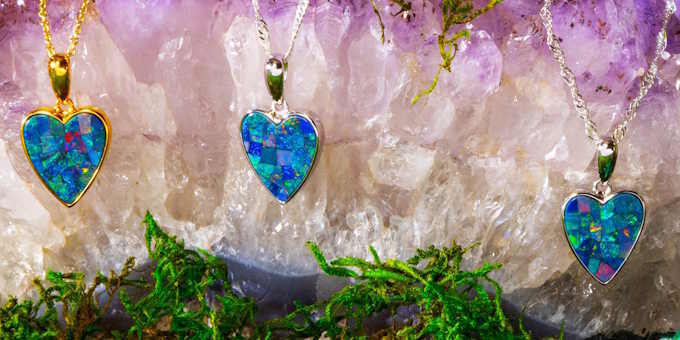
Australianopaldirect sources its opals directly from miners in Lightning Ridge, Coober Pedy, and Queensland, maintaining the kind of direct-miner relationships that make genuine traceability possible. Every piece is crafted by skilled artisans using recycled metals where available, with transparent labor practices that go beyond marketing language. The collections, from the Nature’s Light series to Limited Edition Opals, carry the geographic identity and provenance documentation that responsible gemstone sourcing demands. If you are ready to apply your ethical jewelry guide knowledge to a real purchase, explore the full range of certified opal jewelry and find a piece whose story you can verify from mine to setting.
FAQ
What does RJC certification actually guarantee?
RJC certification confirms that a company follows responsible business practices across labor, environment, and human rights. It does not guarantee the provenance of any specific jewelry item you purchase.
Is the Kimberley Process enough for ethical diamond buying?
No. The Kimberley Process only addresses conflict financing and excludes labor conditions and environmental standards. Buyers should also request RJC or SCS-007 certification alongside it.
How do I verify a jeweler’s ethical certifications?
Request the exact certification number from the jeweler, then check it directly in the official registry of the issuing organization, such as the RJC member database or the Fairtrade International licensed operators list.
Are lab-grown diamonds more ethical than mined diamonds?
Lab-grown diamonds offer clearer provenance and eliminate artisanal mining risks, but their ethical profile depends on the energy source used in production. Ask for documentation on the facility’s energy sourcing before assuming full sustainability.
What is the single biggest mistake ethical jewelry buyers make?
Relying solely on the Kimberley Process as proof of ethical sourcing is the most common and consequential error, as it leaves labor conditions and environmental impact entirely unaddressed.
Recommended
- Responsible Jewelry Explained: Choosing Ethical Luxury - Australian Opal Direct
- 7-Step Custom Opal Jewelry Checklist for Collectors - Australian Opal Direct
- Opal Jewelry Gifting Guide: Select, Customize, and Present - Australian Opal Direct
- Artisan-Crafted Jewelry: Authenticity & Ethics Guide - Australian Opal Direct