Opal Purchasing Workflow: Your 2026 Buying Guide
Posted by AOD on 28th Jun 2026
Opal Purchasing Workflow: Your 2026 Buying Guide

TL;DR:
- The opal purchasing process involves careful steps to evaluate authenticity, origin, and construction type. Following a structured workflow protects buyers from misrepresentation, overpayment, and damage. Proper evaluation and aftercare are essential for preserving opal beauty and value over time.
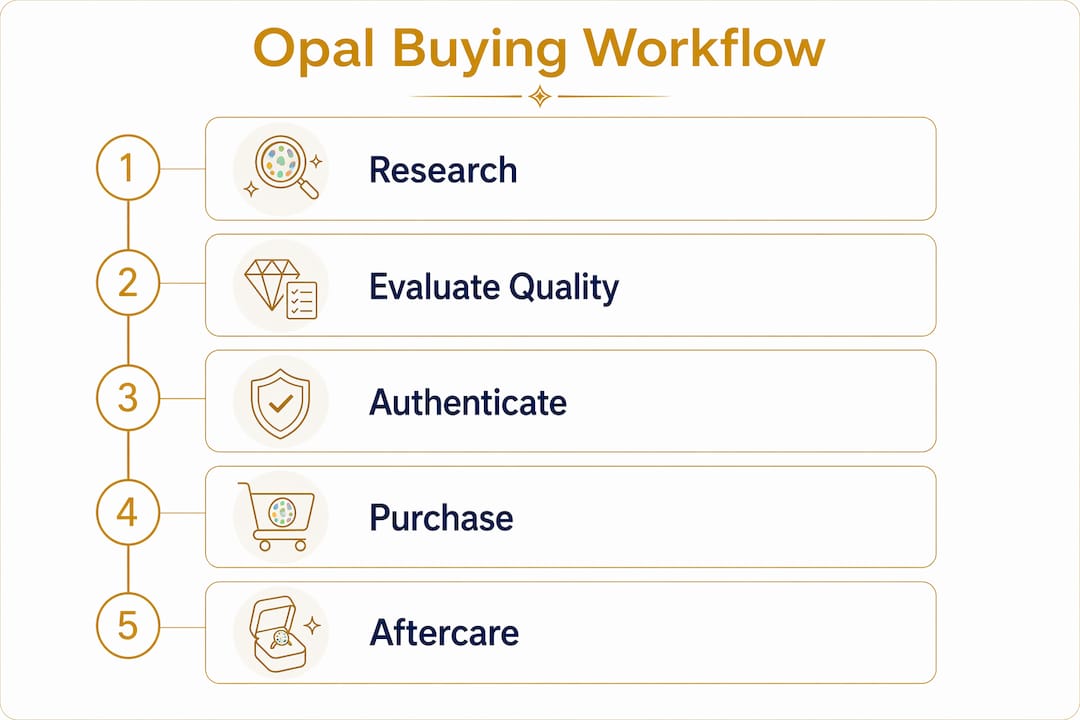
The opal purchasing workflow is a structured, step-by-step process for selecting, evaluating, authenticating, and acquiring opals and opal jewelry with confidence. Without a clear process, buyers risk overpaying for layered constructions sold as solid stones, or receiving gems that look nothing like their online photos. This guide draws on CIBJO disclosure standards and gemological best practices to walk you through every stage of the procurement process, from pre-purchase preparation to post-delivery care. Australianopaldirect applies this exact framework to source ethically mined gems directly from Lightning Ridge, Coober Pedy, and Queensland.
What do you need before starting the opal purchase?
A disciplined opal buying checklist begins before you ever contact a seller. Preparation separates confident collectors from buyers who later regret their decisions.
Knowledge you must have first:
- Opal construction types. Solid, doublet, and triplet opals are fundamentally different products. A solid opal is a single piece of natural gem material. A doublet bonds a thin opal slice to a dark backing. A triplet adds a clear dome cap on top. Each type carries a different price point and care requirement.
- Origin distinctions. Australian opals from Lightning Ridge (black opal), Coober Pedy (white opal), and Queensland (boulder opal) differ from Ethiopian hydrophane opals in porosity, stability, and market value. Origin affects both beauty and durability.
- Disclosure requirements. Ethical sellers must state in writing whether a stone is solid, doublet, or triplet, and identify its geographic source. Proper disclosure of opal origin and type is a legal and ethical standard in reputable gem trade.
Tools to have ready:
- A daylight lamp or access to natural sunlight
- An indoor incandescent or LED light source
- A 10x loupe or magnification tool for examining join lines
- A notepad or digital checklist to record observations per stone
Requesting video before you commit is not optional when buying opal online. Photos can mislead; a short video filmed in natural light shows how color shifts as the stone moves, which is the single most important quality indicator.
Pro Tip: Build a simple opal buying checklist with columns for stone type, origin, lighting behavior, price, and seller disclosure status. Fill it in for every stone you evaluate. Patterns become obvious fast.
How to evaluate opal quality and authenticity during purchasing
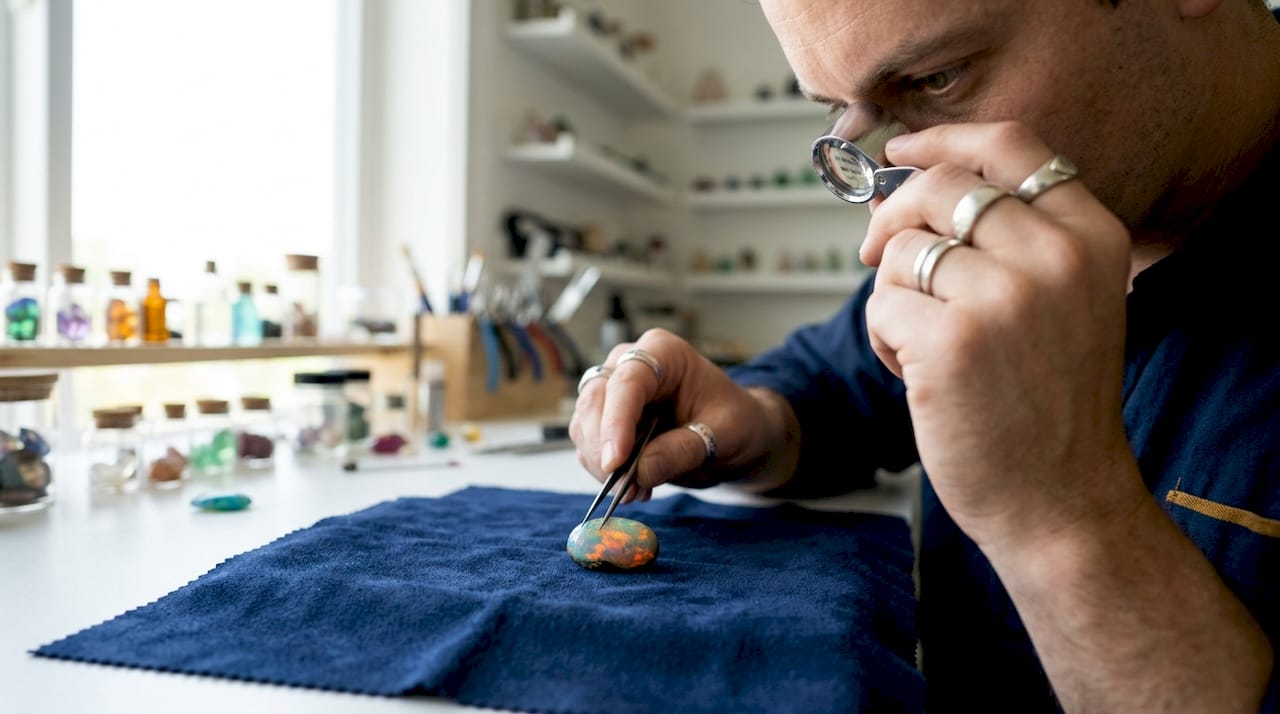
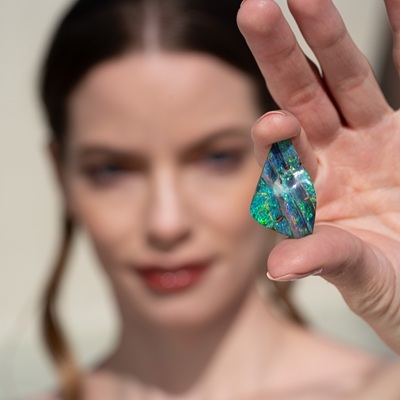
Opal quality assessment is the heart of any sound opal procurement process. The gem’s defining characteristic, play-of-color, originates from the orderly arrangement of silica spheres that diffract light into spectral colors. Smaller spheres produce blues and greens; larger spheres produce oranges and reds. Red and orange play-of-color is rarer and commands higher prices.
Judging play-of-color
Opals reveal their full character only under multiple light sources. Viewing under daylight, indoor lighting, and LEDs shows how the color play shifts, brightens, or fades. A stone that blazes under one light but goes dark under another is less desirable than one that performs brilliantly across all conditions. Always ask for video shot in natural daylight, not just studio photography.
Identifying construction type
The side view is your most reliable tool. Examine the stone’s profile with a loupe and look for a visible join line between layers. Examining the join line in side views reveals whether a stone is a doublet or triplet, which directly affects its durability and care requirements. A solid opal shows consistent material throughout. A doublet shows two distinct layers. A triplet shows three, including a glass or quartz dome on top.
| Construction | Layers | Water safe? | Relative value |
|---|---|---|---|
| Solid opal | 1 (natural gem) | Yes | Highest |
| Doublet | 2 (opal + backing) | No | Moderate |
| Triplet | 3 (opal + backing + cap) | No | Lowest |
Solid opals are the most valuable form; doublets and triplets must be disclosed and priced accordingly. A seller who presents a triplet at solid opal prices is either uninformed or deceptive.
Common pitfalls to avoid:
- Mistaking a bright triplet dome for natural brilliance
- Accepting photos alone as proof of color quality
- Skipping written confirmation of construction type and origin
- Overlooking adhesive lines that indicate a layered stone
Pro Tip: Look for adhesive lines or a plastic-like dome surface when examining a stone under magnification. These are clear signs of a doublet or triplet, and they matter for both pricing and long-term care.
Step-by-step process for selecting and finalizing your purchase
A clear opal order workflow removes guesswork and protects your investment at every stage. Follow these steps in sequence.
- Research sellers. Prioritize sellers who publish their sourcing regions, offer written disclosure of stone construction, and provide verifiable return policies. Australianopaldirect, for example, maintains direct-miner relationships and publishes origin details for each piece.
- Request detailed information. Ask for high-resolution photos from multiple angles, a side-view image showing the stone’s profile, and a video filmed in natural daylight. For authentic jewelry evaluation, ask specifically whether the stone is solid, doublet, or triplet, and request the geographic origin.
- Verify authenticity. Ask for a certificate or written receipt that explicitly states opal type and source. Reputable sellers provide this without hesitation. Cross-reference the stated origin with known characteristics of that region’s opals.
- Compare prices against type. A solid Lightning Ridge black opal and a triplet from the same region are not comparable products. Use opal jewelry pricing factors to understand what drives value: color intensity, pattern type, body tone, and carat weight.
- Confirm return and warranty terms. Read the return policy before paying. Australianopaldirect offers a 90-day warranty and complimentary insurance, which sets a useful benchmark for what a trustworthy seller provides.
- Use a secure payment method. Credit cards and established payment platforms offer buyer protection. Avoid wire transfers or cryptocurrency payments to unknown sellers, as these offer no recourse if a dispute arises.
- Inspect upon delivery. Compare the received stone against the photos, videos, and written description provided before purchase. Check for join lines, surface condition, and color performance under multiple light sources. Contact the seller immediately if discrepancies exist.
- File your documentation. Keep the receipt, certificate, and any written disclosures together. These records support insurance claims, resale, and warranty service.
How to care for opal jewelry after purchase
Opal aftercare is not optional. Opals rate 5.5 to 6.5 on the Mohs hardness scale, making them softer than most gemstones and vulnerable to scratching, thermal shock, and chemical damage. Protecting your purchase starts the day it arrives.
Safe care practices:
- Clean with a soft, damp cloth and mild soap only. Rinse gently and pat dry.
- Store opals separately from harder gems like diamonds or sapphires, which can scratch the surface.
- Keep opals away from perfume, hairspray, and household cleaning products.
- Avoid sudden temperature changes, such as moving from a cold room to a hot shower, which can cause crazing (fine surface cracks).
What to avoid absolutely:
- Ultrasonic cleaners and harsh chemicals damage opals and must never be used.
- Steam cleaning generates heat and moisture that can crack or cloud the stone.
- Prolonged water exposure for doublets and triplets. Moisture weakens the adhesive in layered constructions, causing the layers to separate.
Bezel settings offer the best physical protection for opal rings and pendants, surrounding the stone’s edge with metal rather than exposing it to impact. Prong settings, while beautiful, leave the stone more vulnerable to chips.
“An opal’s beauty is its fragility made visible. Treat it with the same care you would give to any living, light-filled thing.”
Pro Tip: Inspect doublets and triplets every few months under magnification. Early signs of adhesive weakening, such as a cloudy or lifting edge, are far easier to address before the layers fully separate.
Key takeaways
A disciplined opal purchasing workflow protects buyers from misrepresentation, overpayment, and post-purchase damage by combining pre-purchase preparation, rigorous quality evaluation, and proper aftercare.
| Point | Details |
|---|---|
| Know your opal types | Solid, doublet, and triplet opals differ in value, care, and disclosure requirements. |
| Demand video in natural light | Photos mislead; daylight video reveals true play-of-color and color shift behavior. |
| Examine the side view | A visible join line confirms a doublet or triplet, which affects pricing and durability. |
| Secure written disclosure | Receipts and certificates must state construction type and geographic origin explicitly. |
| Follow strict aftercare | Avoid ultrasonic cleaners, moisture on layered stones, and harsh chemicals to preserve the gem. |
Why most opal buyers get burned before they even pay
Renee here. After years of watching buyers make the same costly mistakes, the pattern is clear: most problems start not at the point of purchase, but in the preparation stage that never happened.
The single most common error I see is treating all opals as interchangeable. A buyer sees a vivid, color-shifting stone in a photo, assumes it is a solid gem, and pays solid-gem prices for what turns out to be a triplet. The stone looks identical in a photograph. Under a loupe, the join line tells the whole story in seconds.
The second mistake is skipping the video request. Opal play-of-color is a living, moving phenomenon. A static image captures one moment of one angle under one light. A 30-second daylight video captures the truth. Buyers who skip this step are essentially purchasing blind.
The workflow in this guide is not bureaucratic caution. It is the minimum standard for buying a gem that can vary wildly in quality, construction, and value within the same price range. Follow it once, and you will never buy an opal any other way.
— Renee
Authentic opals, transparent process: Australianopaldirect
Australianopaldirect was built on the principle that buyers deserve full transparency at every step of the opal procurement process. Each piece in the collection is sourced directly from Australian miners in Lightning Ridge, Coober Pedy, and Queensland, with origin and construction details published for every listing.

The site’s 90-day warranty, complimentary insurance, and free shipping reflect the same disciplined standards this guide recommends. Whether you are selecting your first solid black opal ring or adding a boulder opal pendant to a curated collection, the full opal collection is a reliable starting point for buyers who want authenticity without the guesswork of the open market.
FAQ
What is an opal purchasing workflow?
An opal purchasing workflow is a structured process covering pre-purchase research, quality evaluation, authenticity verification, secure payment, and post-delivery inspection. Following each step reduces the risk of buying misrepresented or overpriced stones.
How do I tell a solid opal from a doublet or triplet?
Examine the stone from the side using a 10x loupe and look for a visible join line between layers. A solid opal shows consistent material throughout; doublets and triplets show two or three distinct layers with adhesive between them.
Why does lighting matter so much when buying opal online?
Opals show dramatically different color plays under daylight, indoor lighting, and LEDs. A stone that looks brilliant in one light may appear dull in another, so requesting a natural-daylight video is the most reliable way to judge true quality remotely.
What should a certificate or receipt include for an opal purchase?
A proper receipt or certificate must state whether the opal is solid, doublet, or triplet, identify its geographic origin (such as Lightning Ridge or Coober Pedy), and confirm any treatments or enhancements. This documentation supports insurance, resale, and warranty claims.
Can doublets and triplets get wet?
Doublets and triplets are not water safe. Prolonged moisture exposure weakens the adhesive between layers, which can cause them to separate or cloud. Solid opals tolerate brief water contact, but all opals should be dried promptly and kept away from prolonged immersion.
Recommended
- Buying Australian Opals Step by Step: Expert Guide for Collectors - Australian Opal Direct
- Opal investment guide: maximize value and returns - Australian Opal Direct
- Opal Jewelry Gifting Guide: Select, Customize, and Present - Australian Opal Direct
- Expert Guide to Buying Australian Opals for Collectors - Australian Opal Direct