Opal Jewelry: A Buyer's Guide to Authentic Gems
Posted by AOD on 8th Jul 2026
Opal Jewelry: A Buyer’s Guide to Authentic Gems
TL;DR:
- Opal jewelry features a unique play-of-color caused by microscopic silica spheres that diffract light. Authentic, ethically sourced opals from Australia are prized for their vivid, natural optical effects and deep cultural significance. Proper care and careful selection of setting and source ensure the gemstone’s beauty and value last for generations.
Opal jewelry is defined by the gemstone’s extraordinary “play-of-color,” a natural optical phenomenon where blues, greens, pinks, and golds dance across the stone’s surface with every shift of light. No two opals produce the same pattern. That individuality makes each piece a wearable work of art rather than a commodity. Australianopaldirect sources its opals directly from legendary Australian mining regions including Lightning Ridge, Coober Pedy, and Queensland, cutting out middlemen to deliver authentic, ethically mined gems to collectors and casual buyers alike.
What makes opal jewelry so uniquely captivating?
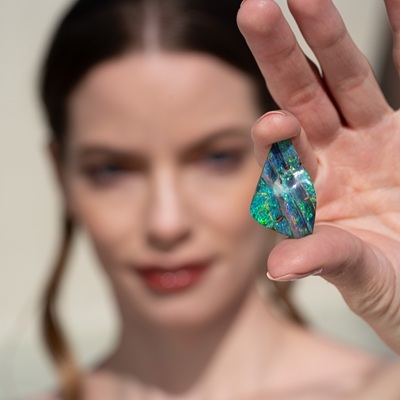
The play-of-color is not surface decoration. It is a structural phenomenon produced by microscopic silica spheres inside the stone diffracting light into a kaleidoscopic spectrum. This means the color you see shifts as you move, as the light changes, and even as your mood shifts your gaze. No synthetic coating or treatment can fully replicate that living quality.
High-quality natural opals with vivid play-of-color command premium prices precisely because that optical depth cannot be manufactured on demand. The rarity is real. A black opal from Lightning Ridge showing full-spectrum color is among the most prized gemstones on earth, rarer than diamonds of comparable size.
Opal’s profound symbolism runs deep across cultures. Ancient Romans called it the “Queen of Gems.” Aboriginal Australians believed opals were the Creator’s footprints left on earth. That layered history gives every piece a weight that goes far beyond aesthetics.
Which types of opals appear most often in fine jewelry?
Understanding opal varieties helps you make a confident purchase. Each type carries a distinct visual character and a different price range.
- Black opal. The rarest and most valuable variety. Black opals display intense, high-contrast color flashes against a dark body tone. Lightning Ridge in New South Wales produces the finest examples in the world.
- White opal. The most widely available variety. White opals show a milky, translucent base with subtle, pastel iridescence. They suit everyday wear and pair beautifully with silver or white gold.
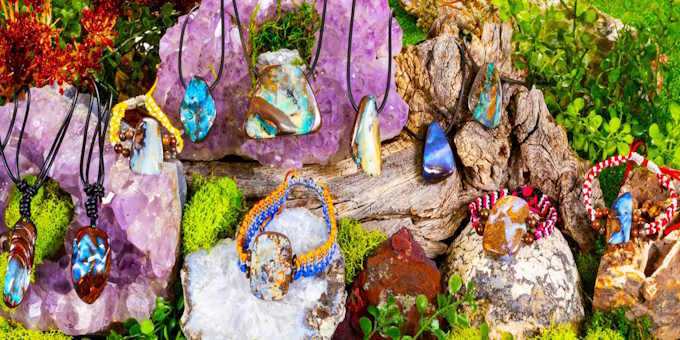
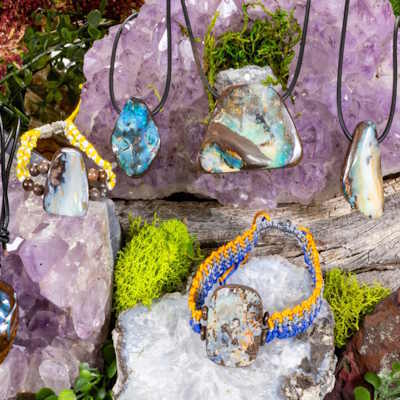
- Boulder opal. Mined in Queensland, boulder opals form within ironstone host rock. The natural matrix creates dramatic, earthy patterns that no lapidary can replicate.
- Fire opal. Warm orange and amber tones define fire opals. They originate primarily in Mexico and display a transparent to translucent body with flashes of red and yellow.
- Pink opal. A softer, more romantic variety with a rose-tinted base. Pink opals carry gentle iridescence and appeal to buyers who prefer understated elegance.
Black opals are rarer with intense color flashes, while white opals display milky bases with subtle iridescence. That contrast in rarity directly shapes pricing. A fine black opal ring will cost significantly more than a white opal pendant of similar size, even from the same jeweler.
How do you select authentic and ethically sourced opal pieces?
Authenticity is the single most important factor when you buy opal jewelry. The market contains natural opals, synthetic opals, and assembled doublets or triplets. Each category has legitimate uses, but the price and value differ enormously.
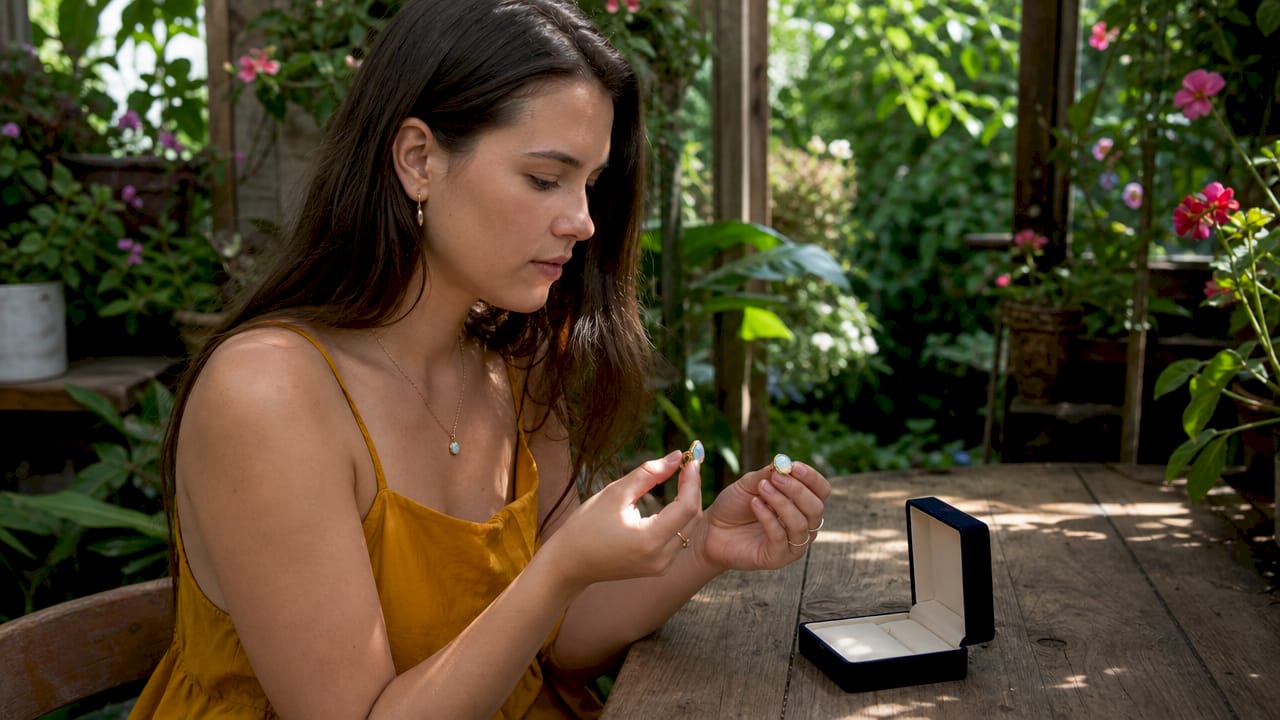
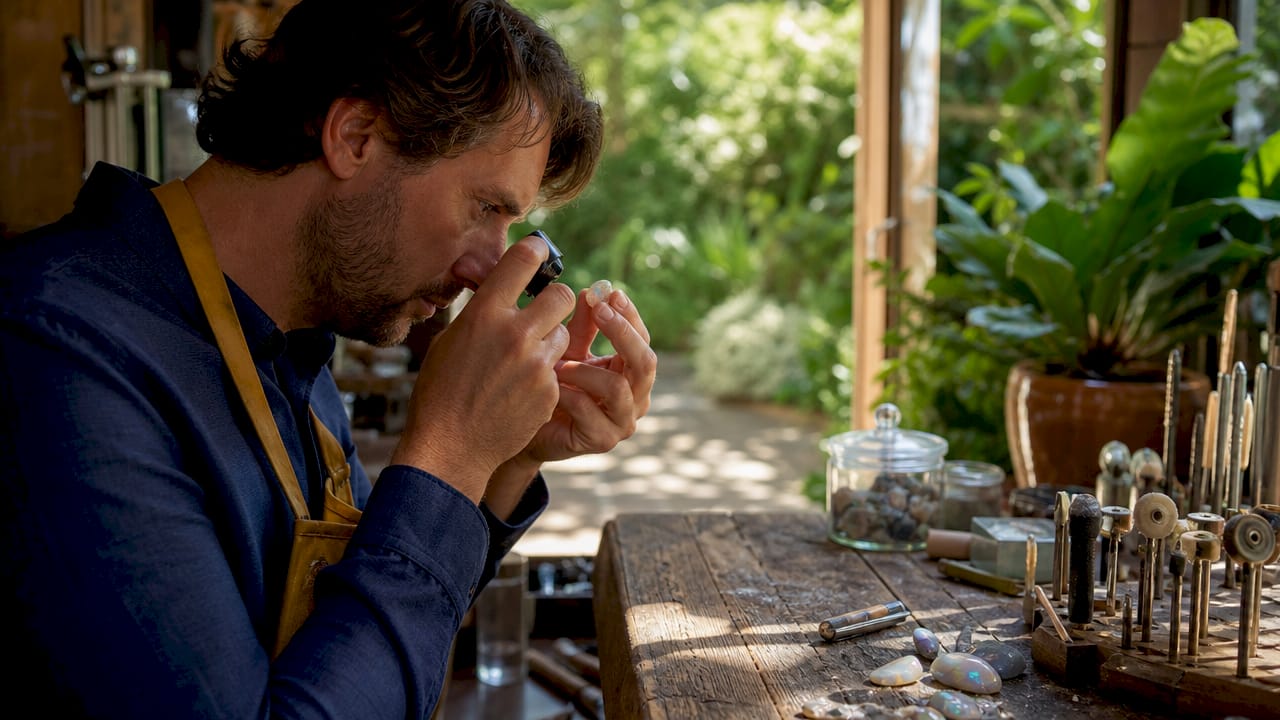
Natural opals display organic, irregular color patterns, while synthetic opals tend to show uniform, repeated patterns. Hold the stone under a loupe or magnifying glass. If the color grid looks perfectly geometric, the stone is almost certainly synthetic. Natural opals have a beautiful randomness that no factory process has yet matched.
Ethical sourcing matters beyond personal values. Opals mined under responsible conditions carry documented provenance, meaning you know which region and which miner produced the stone. Australianopaldirect maintains direct relationships with Australian miners, providing that chain of custody from the ground to your hand.
When evaluating a retailer, ask these questions:
- Does the retailer disclose the opal’s country and region of origin?
- Are the stones described as natural, doublet, or triplet? Each is legitimate, but each must be labeled correctly.
- Does the setting protect the stone? Secure, high-quality settings not only protect the soft opal but also maximize color vibrancy by allowing optimal light exposure.
- Does the retailer offer a warranty, return policy, or authentication certificate?
Setting quality deserves special attention. Opals rank 5.5–6.5 on the Mohs hardness scale, making them softer than sapphires or rubies. A bezel setting, which wraps a metal collar around the stone’s edge, offers the best physical protection. Prong settings expose more of the stone’s surface and show off color brilliantly, but they require more careful daily handling.
Pro Tip: Ask your retailer whether the opal is a solid natural stone, a doublet, or a triplet before purchasing. Doublets and triplets are assembled pieces with a thin opal layer bonded to a backing. They are beautiful and affordable, but they require different care and carry a lower resale value than solid naturals.
Use the opal selection guide from Australianopaldirect to compare stone types, setting styles, and sourcing standards before committing to a purchase.
Popular styles and settings for every occasion
Opal pieces work across a wide range of occasions and personal styles. The key is matching the stone variety, setting, and metal tone to the mood you want to create.
-
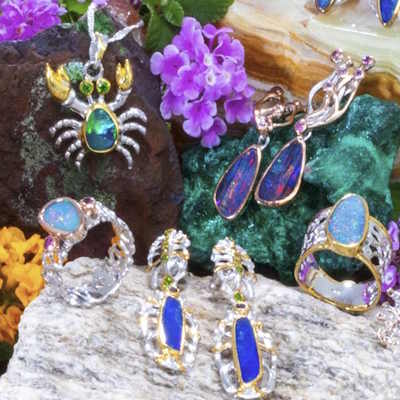
Opal rings. Rings place the stone in constant contact with surfaces, so setting choice matters most here. A bezel-set black opal ring in yellow gold reads as a statement piece for formal occasions. A white opal ring in a delicate prong setting suits everyday elegance. For custom opal rings, Australianopaldirect offers sizing and design consultations to protect the stone while honoring your vision. The custom ring sizing process accounts for the opal’s dimensions before the setting is fabricated.
-
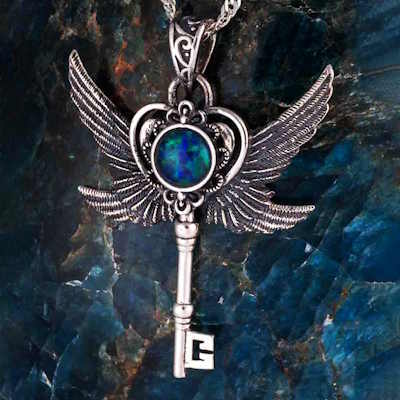
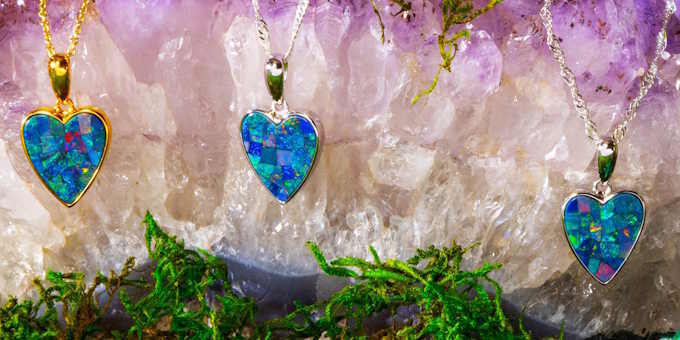
Opal necklaces and pendants. Pendants rest against fabric and skin, reducing the risk of hard impacts. This makes them ideal for showcasing larger, more dramatic stones. A boulder opal pendant in rose gold captures warm, earthy tones. A white opal necklace on a fine chain reads as effortlessly versatile, moving from office to evening without adjustment.
-
Opal earrings. Studs and drop earrings catch light with every turn of the head, which makes the play-of-color particularly alive. Fire opal drops in yellow gold glow warmly against darker skin tones. Black opal studs in white gold create a striking contrast that works for both formal and casual settings.
-
Metal tone pairings. Yellow gold enriches warmth, rose gold adds romance, and white gold contrasts sharply to highlight the opal’s color range. Selecting the right metal tone is not a minor detail. It changes the entire emotional register of the piece.
How to care for opal jewelry and preserve its beauty
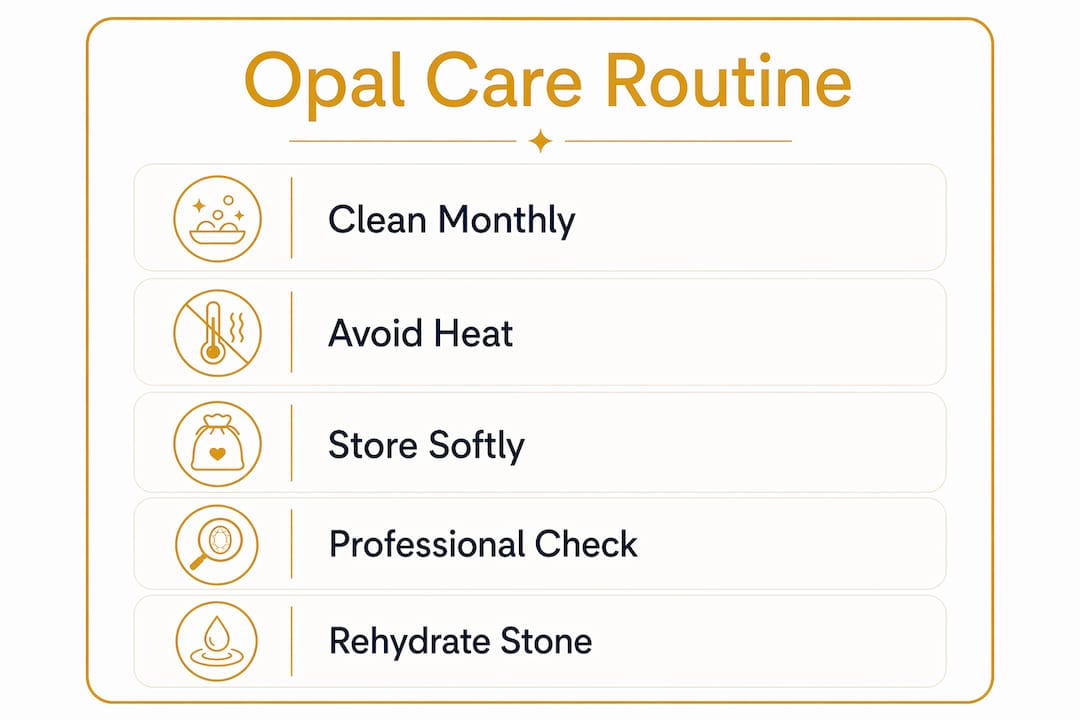
Proper opal jewelry care is non-negotiable. Opals contain water within their silica structure, typically between 3% and 21% by weight. That water content makes them sensitive to extreme heat, sudden temperature changes, and prolonged dryness.
Proper care preserves the play-of-color and structural integrity over time. Neglect can cause crazing, a network of fine cracks that permanently damages the stone. The good news is that consistent, simple habits prevent most damage.
Follow these care practices:
- Avoid harsh chemicals. Remove opal pieces before applying perfume, hairspray, sunscreen, or household cleaners. These substances degrade both the stone and the setting over time.
- Store separately. Opals scratch easily. Store each piece in its own soft pouch or lined compartment, away from harder gemstones like diamonds or sapphires.
- Clean gently. Use a soft, damp cloth and mild soap. Avoid ultrasonic cleaners and steam cleaning, both of which can crack or cloud the stone.
- Remove before activity. Take off opal rings before gardening, exercising, or any task involving impact or heavy water exposure.
Professional cleaning and polishing enhance longevity and maintain the stone’s finish. Schedule a professional check at least once a year to inspect the setting for loose prongs or worn bezels.
Pro Tip: If your opal looks dull, place it briefly in a small dish of room-temperature water for a few minutes. The stone may simply need rehydration. Never use hot water or leave it submerged for extended periods.
| Care task | Frequency | Method |
|---|---|---|
| Gentle cleaning | Monthly | Soft cloth, mild soap, cool water |
| Storage check | Weekly | Confirm separate, padded compartment |
| Professional inspection | Annually | Jeweler checks setting and polish |
| Rehydration (if needed) | As needed | Brief soak in room-temperature water |
The five-step care routine from Australianopaldirect covers each of these practices in detail, with specific guidance for Australian opal varieties.
Key Takeaways
Opal jewelry rewards buyers who prioritize authenticity, ethical sourcing, and consistent care above all other considerations.
| Point | Details |
|---|---|
| Play-of-color defines value | Natural opals with vivid, irregular color patterns command the highest prices and cannot be replicated synthetically. |
| Setting protects the stone | Bezel settings offer the best physical protection for opals, which rank 5.5–6.5 on the Mohs hardness scale. |
| Sourcing transparency matters | Always confirm whether a stone is natural, doublet, or triplet, and verify its regional origin before purchasing. |
| Metal tone shapes the mood | Yellow gold warms the stone, rose gold romanticizes it, and white gold creates sharp color contrast. |
| Consistent care prevents damage | Monthly gentle cleaning, separate storage, and annual professional inspection preserve the stone’s beauty long-term. |
Why I think most buyers underestimate the opal
Most buyers focus on color when they first encounter opals. That is understandable. The play-of-color is the first thing that catches the eye. But after years of working with Australian gems, I have found that the buyers who are most satisfied with their pieces are the ones who thought about the stone’s life beyond the display case.
An opal is not a passive object. It responds to its environment, to light, to humidity, to the care you give it. A well-maintained black opal from Lightning Ridge worn regularly for twenty years develops a kind of presence that a neglected stone never achieves. That relationship between wearer and gem is what makes opals genuinely different from diamonds or sapphires.
My strongest advice is to invest in craftsmanship before you invest in size. A smaller, well-set opal in a protective bezel will outlast and outperform a large stone in a flimsy prong setting. The heirloom preservation guide from Australianopaldirect captures this philosophy well. Opals passed down through generations carry stories that no new purchase can replicate.
Custom pieces deserve more consideration than most buyers give them. A custom opal ring or pendant lets you choose the exact stone, the exact setting, and the exact metal tone. That specificity produces a piece that fits your life rather than a generic market preference. Explore that option before settling for something off the shelf.
— Renee
Authentic Australian opal collections worth exploring
Australianopaldirect offers a curated selection of genuine, earth-mined Australian opals sourced directly from Lightning Ridge, Coober Pedy, and Queensland.

Each piece in the collection comes with full provenance disclosure, a 90-day warranty, and complimentary insurance. The catalog spans opal rings, earrings, and necklaces in gold and silver settings, with custom design options available for buyers who want a piece built around a specific stone. Free shipping and personalized customer service make the process straightforward from selection to delivery. For buyers who want to maintain their pieces over time, the opal care routine guide pairs directly with every purchase.
FAQ
What is the play-of-color in opal gemstones?
The play-of-color is a natural optical phenomenon where microscopic silica spheres inside the opal diffract light into shifting blues, greens, pinks, and golds. It is the defining characteristic of high-quality natural opals and cannot be fully replicated in synthetic stones.
How do I know if an opal is natural or synthetic?
Natural opals display organic, irregular color patterns, while synthetic opals show uniform, repeated grids visible under magnification. Always ask your retailer for a written description of the stone type before purchasing.
Which opal setting best protects the stone?
A bezel setting, which wraps a metal collar around the opal’s edge, offers the strongest physical protection for daily wear. Prong settings expose more of the stone’s surface and show off color well, but they require more careful handling.
How often should I clean my opal jewelry?
Clean opal pieces monthly using a soft cloth, mild soap, and cool water. Schedule a professional inspection annually to check the setting and polish the stone’s surface.
Are black opals really more valuable than white opals?
Black opals are rarer and generally more valuable because their dark body tone creates a dramatic contrast that intensifies the play-of-color. White opals are more widely available and suit buyers who prefer subtle, pastel iridescence at a lower price point.
Recommended
- How to Price Opal Jewelry for Authentic Luxury Buyers - Australian Opal Direct
- Opal Jewelry Gifting Guide: Select, Customize, and Present - Australian Opal Direct
- Opal Sourcing Tips: Your 2026 Ethical Buying Guide - Australian Opal Direct
- How to Distinguish Opal Origins for Authentic Jewelry - Australian Opal Direct