Opal Heirloom Preservation Guide for Lasting Brilliance
Posted by AOD on 2nd Jul 2026
Opal Heirloom Preservation Guide for Lasting Brilliance
TL;DR:
- Opal heirlooms require careful handling due to their water content and fragile internal structure. Proper care includes gentle cleaning, appropriate storage at room humidity, and cautious daily wear to prevent dehydration and damage. Regular professional inspections help preserve the opal’s brilliance and structural integrity across generations.
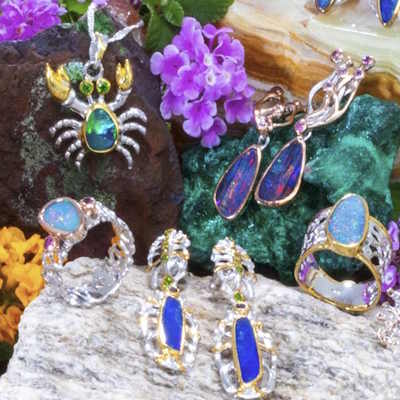
Opal heirloom preservation is defined as the practice of maintaining stable moisture, avoiding chemical exposure, and applying cautious handling to protect an opal’s play-of-color and structural integrity across generations. Unlike diamonds or sapphires, opals are hydrated gemstones that contain up to 20% water by structure, making them uniquely vulnerable to dehydration, heat, and harsh chemicals. The GIA recognizes opals as requiring specialized care protocols that most standard jewelry maintenance guides simply do not address. Whether you inherited a Lightning Ridge black opal ring or a Coober Pedy pendant from a grandparent, understanding this gem’s living, water-bearing nature is the foundation of every care decision you will make.
What makes opals fragile and why it shapes your preservation approach
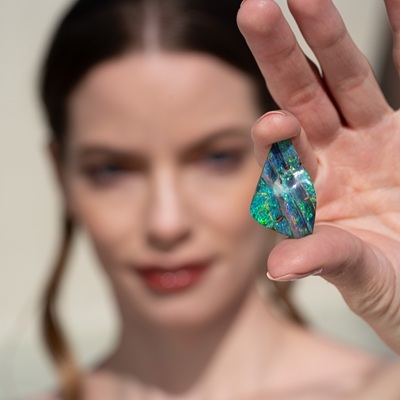
Opals are not like most precious stones. Their internal architecture consists of microscopic silica spheres arranged in a precise grid, and it is the diffraction of light through those spheres that produces the kaleidoscopic play-of-color collectors prize. Disrupt that structure through dehydration or impact, and the colors dim or disappear entirely.
The fragility begins with hardness. Opals rank 5.5–6.5 on the Mohs scale, placing them softer than quartz, granite countertops, and even common dust particles. That means everyday surfaces can scratch an opal’s surface without any dramatic incident.
Opal type also determines care intensity. The three main categories differ significantly:
- Solid opals are cut directly from natural opal material and are the most durable of the three types. They tolerate gentle moisture and occasional wear well.
- Doublets consist of a thin opal slice bonded to a dark backing material. The adhesive layer is water-sensitive, so soaking is never appropriate.
- Triplets add a clear quartz or glass dome over the opal slice for extra protection, but assembled stones must never be soaked because moisture penetrates the layers and degrades the glue, causing clouding and separation.
Rapid temperature changes pose a separate threat. Moving an opal from a heated room to cold air, or placing it near a stovetop, creates thermal stress that can cause crazing. Crazing refers to a network of fine surface cracks that appear when the stone loses moisture too quickly. Once crazing occurs, it cannot be fully reversed.
Pro Tip: If you are unsure whether your heirloom is a solid, doublet, or triplet, examine the stone’s edge under good light. A visible dark layer beneath the opal indicates a doublet or triplet, and stricter water avoidance applies.
How to clean opal heirloom jewelry safely
Safe cleaning is the most misunderstood part of caring for opal heirlooms. Many owners reach for ultrasonic cleaners or steam devices that work perfectly on diamonds but can shatter an opal’s silica structure in seconds.
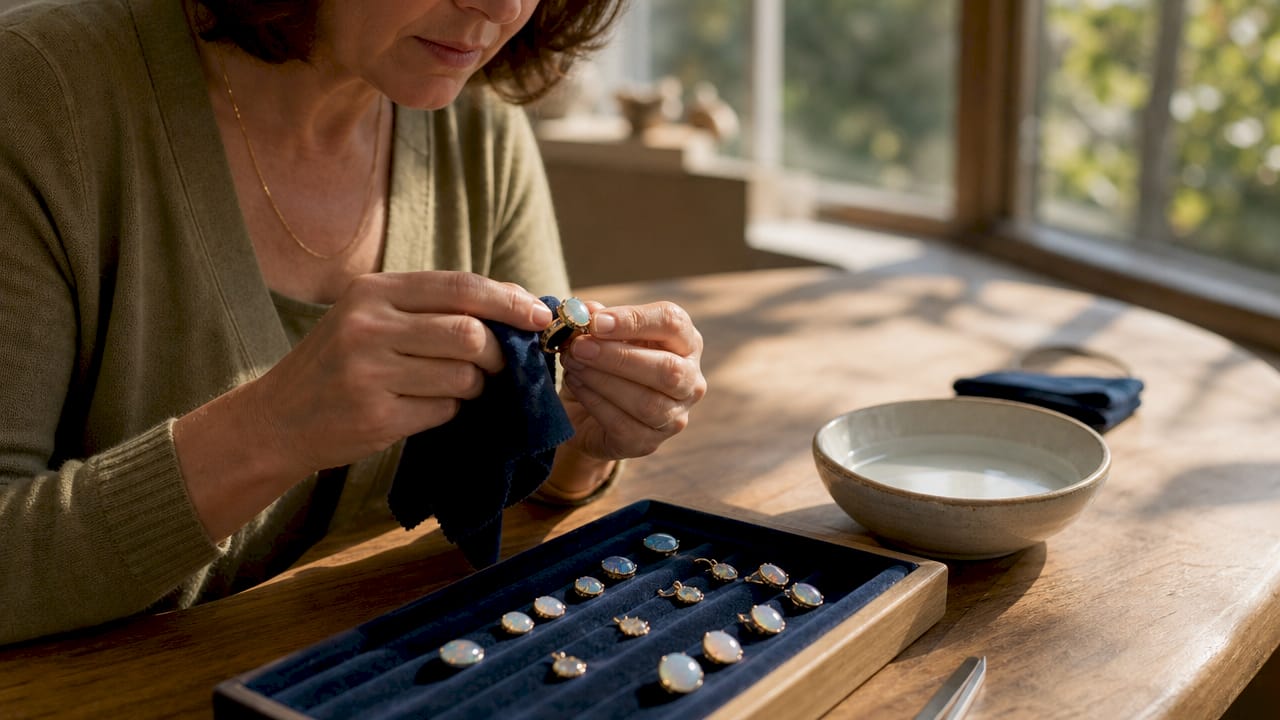
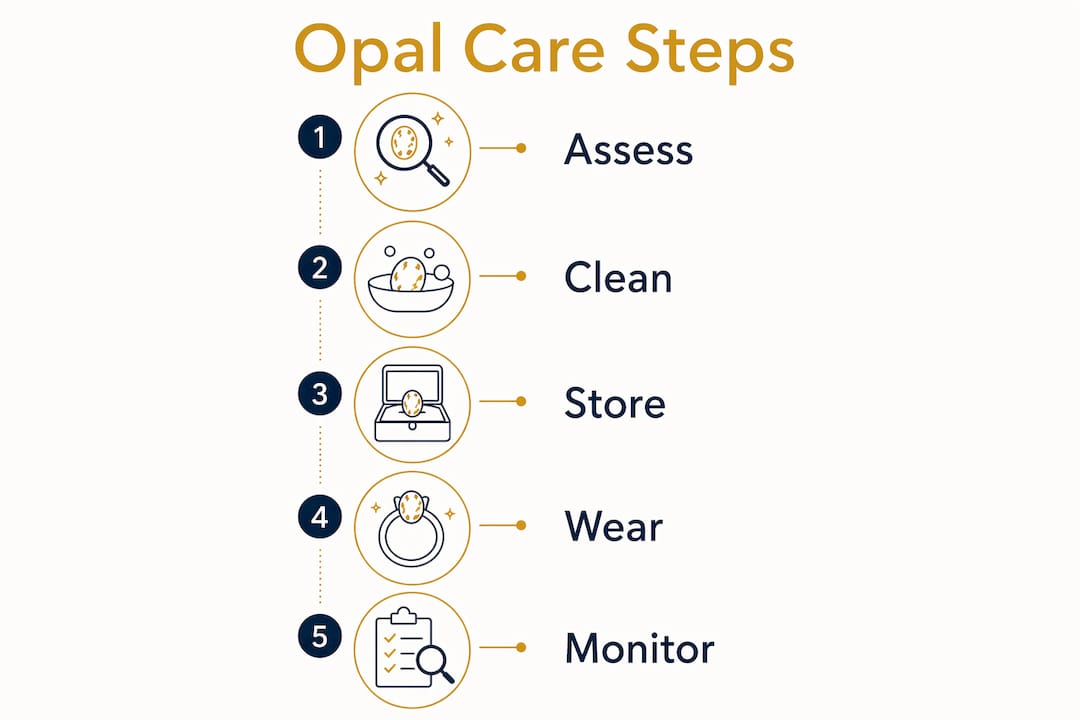
Industry experts and the GIA recommend one method only: lukewarm water, a drop of mild dish soap, and a soft cloth or very soft brush. Follow these steps each time:
- Fill a small bowl with lukewarm water and add one drop of gentle, fragrance-free soap.
- Dip a soft cloth or a baby-grade toothbrush into the solution.
- Gently wipe the opal surface using light circular motions. Do not scrub.
- Rinse the stone briefly under lukewarm running water. Keep the rinse short for doublets and triplets.
- Pat dry immediately with a lint-free cloth. Never air-dry, as pooling water can seep into settings.
- Allow the piece to rest at room temperature for several minutes before storing or wearing.
Never use ultrasonic cleaners, steam cleaners, bleach, ammonia, acetone, or commercial jewelry dips on any opal. These agents either strip moisture from the stone or attack the adhesive in assembled pieces. Even a single exposure can cause permanent dullness or crazing.
Grime buildup is common around prong settings and bezels. A wooden toothpick can dislodge debris from tight corners without scratching the stone. Avoid metal tools entirely.
Chemical exposure from hairspray, perfume, and lotion causes surface hazing over time. The fix is simple: put your opal jewelry on last, after all cosmetics have dried. This single habit prevents the majority of chemical damage owners encounter.
Pro Tip: Schedule a light cleaning after every five to six wears rather than waiting for visible dullness. Consistent, gentle maintenance prevents the buildup that tempts owners toward harsher methods.
How should you store opal heirlooms to prevent damage?
Storage is where most long-term opal damage originates, and the mistakes are rarely obvious. An airtight safe or a sealed plastic bag feels protective but actually accelerates dehydration by cutting off ambient humidity entirely.
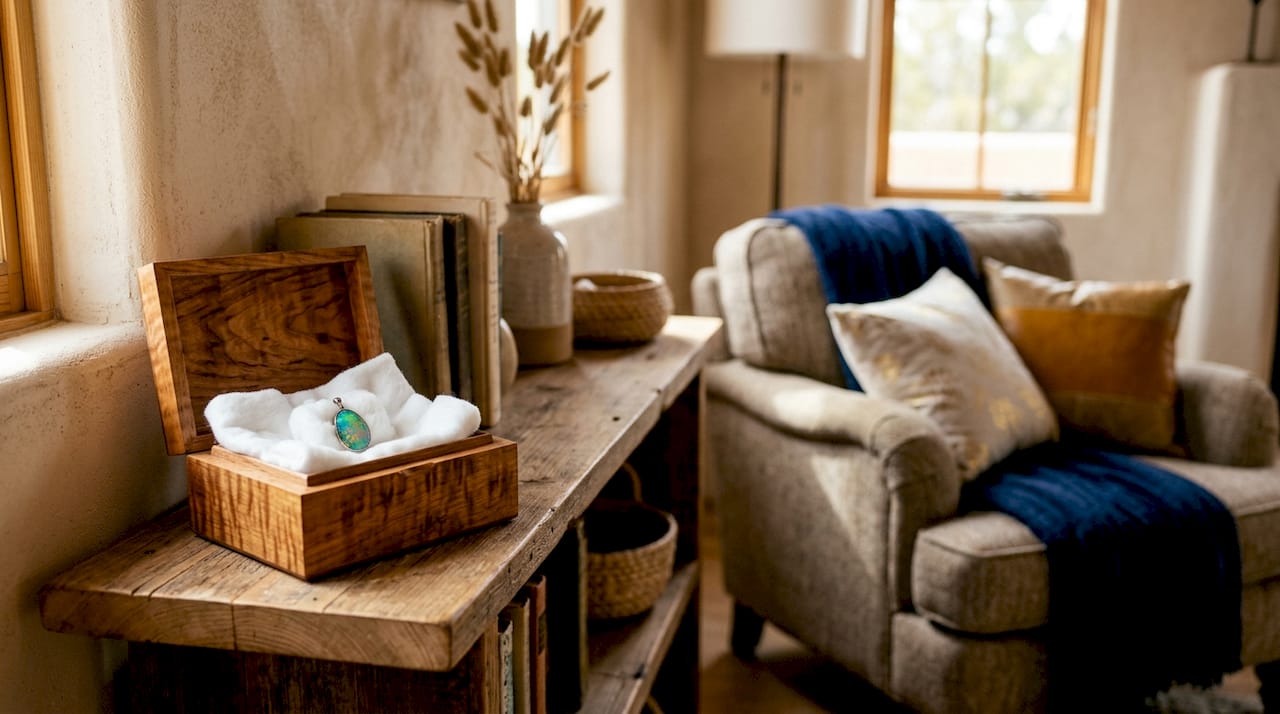
Proper opal storage requires a soft pouch or fabric-lined jewelry box kept at normal room humidity, away from heat sources, direct sunlight, and extremely dry environments. The goal is stable, moderate moisture, not wetness.
Key storage rules to follow:
- Store each opal piece separately in its own soft pouch to prevent contact scratching from harder stones like diamonds or sapphires.
- Avoid placing opals near heating vents, radiators, or sunny windowsills. Heat accelerates moisture loss.
- Never store opals in airtight containers or sealed plastic bags for extended periods.
- For long-term storage exceeding several weeks, place a small piece of damp cotton wool inside the storage container, not touching the stone, to maintain ambient humidity.
- Keep opals away from freezing temperatures and rapid climate shifts, such as those found in uninsulated attics or garages.
The table below summarizes storage conditions at a glance:
| Condition | Recommended | Avoid |
|---|---|---|
| Humidity | Moderate room humidity | Airtight containers, dry safes |
| Temperature | Stable room temperature | Heat vents, direct sunlight, freezing cold |
| Container | Soft pouch or fabric-lined box | Hard plastic cases, sealed bags |
| Proximity to other gems | Stored separately | Contact with diamonds, sapphires, or hard metals |
| Long-term care | Damp cotton nearby (not touching) | Bone-dry environments for weeks at a time |
Pro Tip: If you live in a very dry climate or use forced-air heating in winter, check your stored opals monthly. A stone that looks fine in october may show early crazing by february if the air has been consistently dry.
Daily wear and handling practices that protect your opal
The most counterintuitive truth in opal care is that regular, gentle wear actually benefits the stone. Skin oils and ambient moisture from the air help maintain the opal’s hydration. A piece locked away for years in a dry environment is more likely to craze than one worn occasionally with care.
That said, not all wear is equal. Most opal damage comes from routine activities like cleaning, gardening, and dishwashing rather than dramatic drops or accidents. The cumulative effect of chemical exposure and low-level impacts is what degrades an heirloom over years.
Practical daily wear guidelines:
- Remove opal rings before washing dishes, cleaning bathrooms, or working in the garden. These activities combine impact risk, chemical exposure, and temperature changes.
- Choose opals for low-impact occasions. A pendant or earrings carry far less collision risk than a ring worn during physical work.
- Rotate your opal pieces with other jewelry to reduce cumulative wear on any single stone.
- Pieces set in protective bezel or halo settings resist impact better than prong-only settings. If you wear an opal ring regularly, a bezel setting is worth considering for future pieces.
- Schedule an annual professional inspection to check that prongs are secure, settings are tight, and the stone shows no early signs of crazing. A loose prong is far cheaper to fix than a lost stone.
For guidance on building a consistent care routine, Australianopaldirect’s opal care routine resource covers daily and periodic maintenance in detail.
How do you recognize and address damage in heirloom opals?
Early damage recognition saves heirloom opals from irreversible loss. The two most common problems are crazing and surface dullness, and both respond very differently to intervention.
Crazing appears as a fine web of cracks on the stone’s surface, resembling dried mud. It signals dehydration or thermal shock. Mild crazing caught early can sometimes be slowed by returning the stone to a stable, moderately humid environment, but advanced crazing is permanent. Never attempt to “rehydrate” a crazed opal by soaking it in water. The sudden moisture change can worsen the cracking.
Surface dullness is usually a buildup of oils, cosmetics, or fine scratches. This is the most treatable condition. Professional restoration services offer gentle surface repolishing and controlled rehydration that can restore an opal’s brilliance without risking further damage.
Common warning signs to watch for:
- A milky or cloudy appearance that does not clear after gentle cleaning
- Visible fine cracks spreading across the surface
- Loss of play-of-color in areas that previously showed strong fire
- Lifting or separation at the edges of doublets or triplets
Avoid home remedies entirely. Mineral oil, olive oil, and commercial metal polishes are frequently suggested online, but oils coat the silica structure and attract grime, while polishes abrade the surface. Both worsen the stone’s condition over time.
For vintage or antique pieces, professional vintage opal restoration is the safest path. A skilled gemologist can assess whether repolishing, resetting, or rehydration under controlled conditions will recover the stone’s appearance.
“An opal that has been gently worn, carefully cleaned, and stored with respect for its living nature will outlast any piece locked away and forgotten. The gem rewards attentive ownership with colors that deepen and shift across decades.”
My honest perspective on wearing versus preserving opal heirlooms
The question I hear most often is whether heirloom opals should be worn or kept safely stored. My answer is always the same: wear them, but wear them wisely.
Opals are not museum pieces. They are living stones that respond to the world around them. I have seen beautifully preserved pieces from the 1920s that were worn regularly by careful owners, and I have seen stones from the 1980s that crazed in a decade because they spent years in a dry safe. The difference was not luck. It was practice.
The care steps in this guide are not burdensome. Cleaning takes five minutes. Proper storage costs almost nothing. Removing a ring before doing dishes is a habit that forms within a week. What makes the difference is consistency, not complexity.
One thing I would add that most guides skip: pay attention to the season. Dry winter air, especially in heated homes, is the single biggest threat to stored opals. A small humidifier in the room where you keep your jewelry box does more for long-term preservation than any specialty product.
If you are caring for a piece from Australianopaldirect, you already have the advantage of knowing the stone’s origin, whether it came from Lightning Ridge, Coober Pedy, or Queensland. That provenance matters for insurance, restoration, and resale. Keep the documentation alongside the piece.
For deeper reading on maintaining the luxurious appearance of fine opals, the luxury opal care guide from Australianopaldirect covers advanced techniques worth bookmarking. And if you ever need guidance on setting security and prong checks, the jewelry care guide from British Chains offers solid practical advice on periodic professional inspections.
— Renee
Australianopaldirect’s resources for preserving your opal heirlooms
Preserving an opal heirloom is a long-term commitment, and having the right guidance makes every step more confident.

Australianopaldirect specializes in genuine Australian opals sourced directly from Lightning Ridge, Coober Pedy, and Queensland, and that expertise extends well beyond the sale. The site offers detailed care guides, expert advice on cleaning and storage, and a curated selection of pieces designed with protective settings that support long-term wear. Whether you are caring for a family heirloom or a recently acquired piece, the opal care resources at Australianopaldirect give you the knowledge to protect your stone’s brilliance for generations. Explore the full collection and care library to find exactly what your opal needs.
FAQ
What does an opal heirloom preservation guide cover?
An opal heirloom preservation guide covers safe cleaning methods, proper storage conditions, daily wear practices, and damage recognition to protect the stone’s play-of-color and structural integrity across generations.
How often should I clean my opal heirloom jewelry?
Clean opal jewelry every five to six wears using lukewarm water, mild soap, and a soft cloth. Avoid ultrasonic cleaners and steam, which can cause irreversible damage.
Can I store my opal in an airtight container or safe?
No. Airtight containers and dry safes accelerate dehydration and can cause crazing. Store opals in a soft pouch or fabric-lined box at normal room humidity, with a small piece of damp cotton nearby for long-term storage.
What is the difference between a solid opal and a doublet or triplet for care purposes?
Solid opals tolerate brief water contact during cleaning, while doublets and triplets must never be soaked because water degrades the adhesive layer and causes clouding or separation between layers.
When should I take my opal heirloom to a professional?
Take your opal to a professional if you notice crazing, persistent dullness, loss of play-of-color, or any looseness in the setting. Annual inspections are also recommended to check prong security before damage occurs.
Recommended
- Luxury Opal Care Essentials: Your Expert Guide - Australian Opal Direct
- Step by Step Opal Color Enhancement: A Hobbyist’s Guide - Australian Opal Direct
- Opal jewelry care routine: keep Australian opals vibrant - Australian Opal Direct
- Restoring Vintage Opal Jewelry: Step-by-Step Luxury Guide - Australian Opal Direct