Master must-know opal terminology for confident collecting
Posted by AOD on 5th Mar 2026
Master must-know opal terminology for confident collecting

Selecting quality Australian opals challenges even seasoned collectors when confusing jargon obscures true value. Understanding essential opal terminology unlocks confident assessment of types, colors, patterns, and grading systems. This guide breaks down must-know terms specific to Australian opals, empowering you to make smarter investment decisions and build a collection rooted in genuine expertise.
Table of Contents
- How To Choose Opals: Selection Criteria For Collectors
- Key Opal Terminology: Types, Body Tone, And Color
- Key Opal Terminology: Play-Of-Color And Patterns
- Key Opal Terminology: Clarity, Transparency, And Cut
- Distinctive Australian Opal Mining Regions And Their Terminology
- Opal Grading, Certification, And Ethical Considerations
- Summary Comparison And Situational Recommendations
- Explore Australian Opal Direct’s Expert Guides And Collections
- Frequently Asked Questions
Key takeaways
| Point | Details |
|---|---|
| Body tone and play-of-color are fundamental to opal valuation | Darker body tones with vivid color flashes command premium prices |
| Patterns like Harlequin greatly increase rarity and value | Harlequin accounts for less than 1% of black opals and drives exceptional pricing |
| Clarity and cut influence durability and appearance | Crystal clarity and cabochon cuts maximize play-of-color display |
| Mining region affects terminology and market perception | Lightning Ridge, Coober Pedy, and Queensland each produce distinctive opal characteristics |
| Certification ensures authenticity and ethical sourcing | Verified documentation protects investment value and confirms responsible mining practices |
How to choose opals: selection criteria for collectors
Approaching opal selection requires grasping several interconnected quality factors. Body tone and color intensity shape your initial impression, setting the stage for deeper evaluation. The types of Australian opals range from dark black opals to lighter white and crystal varieties, each carrying distinct visual appeal.
Play-of-color and pattern rarity directly affect desirability and pricing. Stones displaying rare patterns such as Harlequin or vivid color displays fetch significantly higher values. Understanding these differences in opal types helps you recognize when premium pricing reflects genuine rarity versus marketing hype.
Clarity and transparency determine brilliance and long-term durability. Key criteria to evaluate include:
- Body tone darkness or lightness providing contrast backdrop
- Play-of-color vibrancy and spectral range displayed
- Pattern type and distribution across the stone surface
- Clarity level from transparent crystal to opaque
- Cut quality maximizing color display and wearability
- Origin authentication confirming Australian provenance
Knowing origin and mining region informs terminology context accurately. Lightning Ridge produces the world’s finest black opals, while Coober Pedy yields beautiful white and crystal varieties. Queensland boulder opals offer ironstone backing that enhances durability.
Certification and ethical sourcing safeguard your investment value. Verified documentation confirms quality parameters and ensures compliance with Australian environmental standards. Cut style impacts visual appeal and setting options, with cabochon cuts traditionally favored for maximizing play-of-color effects.
Pro Tip: Always request detailed information about body tone grading, pattern type, and origin before purchasing. Vague descriptions often signal lower-quality stones marketed to uninformed buyers.
Key opal terminology: types, body tone, and color
Australian opals fall into four primary types, each defined by body tone and geological formation. Black opals from Lightning Ridge exhibit dark body tones (N1 to N4 on the scale) with intense color contrast. White opals from Coober Pedy show lighter body tones (N7 to N9), offering affordability with beautiful color displays. Boulder opals from Queensland feature thin opal veins attached to ironstone matrix, creating unique patterns and exceptional durability. Crystal opals present transparent to translucent bodies allowing light to penetrate and illuminate internal color.
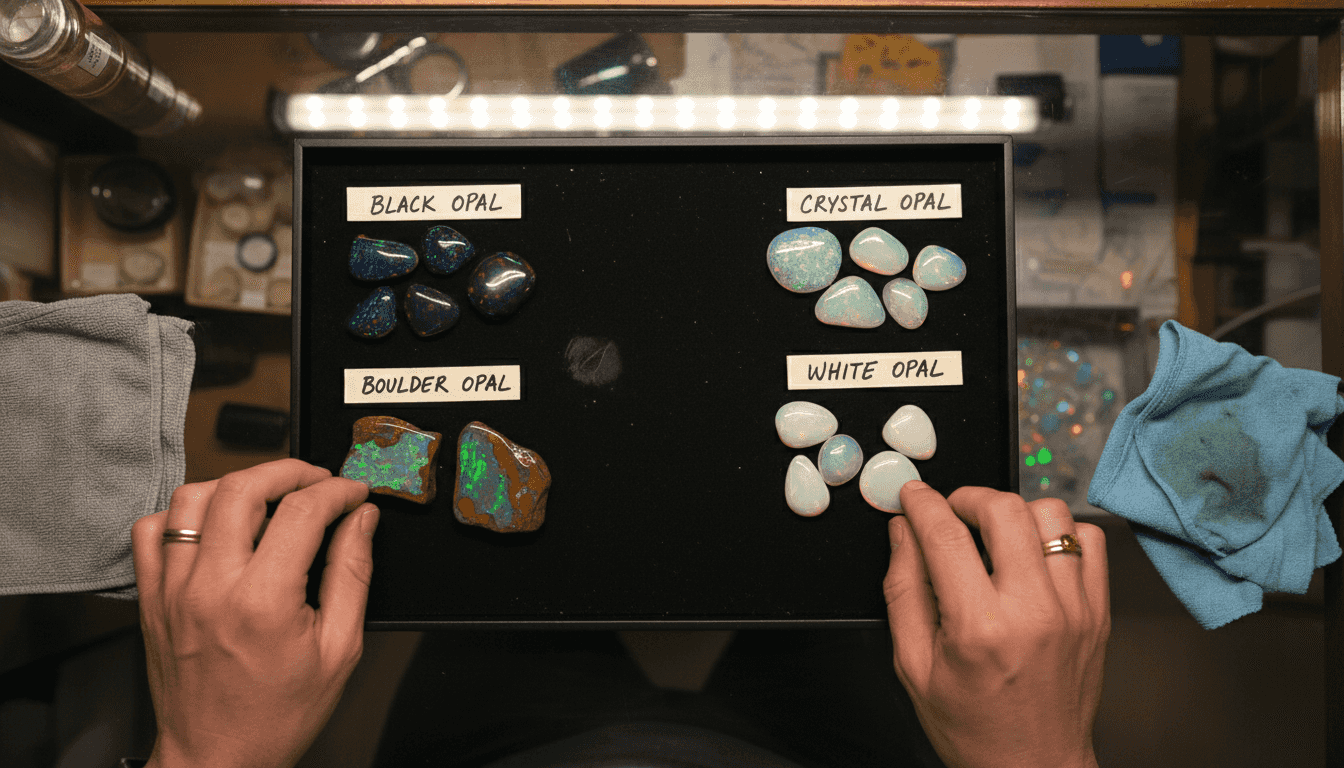
The standard GIA body tone grading scale applies to opal classification, running from N1 (black) through N9 (white). This system provides consistent language for comparing stones across dealers and regions. Body tone profoundly influences value because darker backgrounds create stronger contrast with play-of-color, making color flashes more vivid and striking.
Typical body colors link directly to mining regions and geological conditions. Lightning Ridge black opals display dark gray to jet black bodies. Coober Pedy produces milky white, cream, and light crystal opals. Queensland boulder opals show brown ironstone backing with colorful opal layers.
| Opal Type | Body Tone Range | Primary Origin | Typical Color Display |
|---|---|---|---|
| Black Opal | N1 to N4 (dark) | Lightning Ridge | Intense reds, greens, blues against dark background |
| White Opal | N7 to N9 (light) | Coober Pedy | Pastel to bright colors on white or cream base |
| Boulder Opal | N5 to N7 (medium) | Queensland | Vibrant patterns with ironstone backing |
| Crystal Opal | N5 to N8 (transparent) | Various regions | Colors visible through clear to translucent body |
Understanding these classifications helps you decode dealer descriptions and compare offerings accurately. When evaluating stones, verify body tone against the standardized scale rather than relying on subjective descriptions. Visit GIA opal grading standards for visual references and detailed grading criteria.
Key opal terminology: play-of-color and patterns
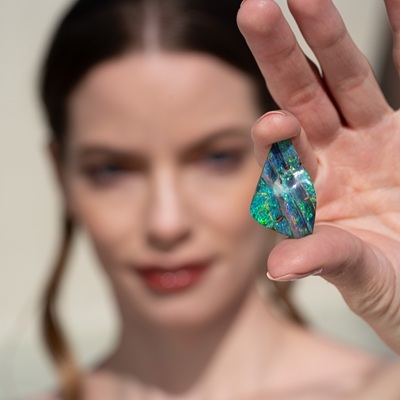
Play-of-color defines opals among all gemstones. This dynamic phenomenon produces shifting color flashes as you rotate the stone, caused by internal silica sphere structures diffracting light into spectral colors. No two opals display identical play-of-color, making each stone genuinely unique.
Major pattern types elevate rarity and collector appeal significantly. Harlequin patterns display broad, angular color patches resembling a checkerboard, creating the most prized and valuable effect. Pinfire patterns show tiny, closely packed color points across the surface, offering subtle sparkle. Flame patterns feature sweeping bands of color suggesting fire or ribbons flowing through the stone. Broad flash patterns produce large areas of single colors that shift as the stone moves.
Pattern rarity dramatically impacts pricing and desirability. Harlequin pattern rarity accounts for less than 1% of all Black Opals mined and greatly raises value, with premium examples commanding tens of thousands of dollars per carat. Well-defined patterns with clear color separation fetch higher prices than diffuse or muddy color displays.
Key pattern evaluation factors include:
- Pattern definition and clarity of color boundaries
- Color brightness and saturation intensity
- Spectral range covering red, orange, yellow, green, blue, violet
- Directional stability maintaining color from multiple viewing angles
- Coverage percentage across the stone’s face
Understanding opal play-of-color mechanics helps you appreciate why certain stones command premium pricing. Brightness matters as much as pattern. A stone with vivid color saturation outperforms one with rare patterns but dull colors.
Harlequin pattern black opals represent the pinnacle of opal collecting, combining exceptional rarity with stunning visual impact. Fewer than one in a hundred black opals displays true Harlequin characteristics, making authenticated examples highly sought after by serious collectors and investors worldwide.
Explore rare opal patterns to develop your eye for exceptional specimens. Study how opal pattern values vary across market segments and quality grades.
Key opal terminology: clarity, transparency, and cut
Clarity classifications profoundly affect appearance and pricing. Crystal opals exhibit transparent bodies allowing light to pass through, creating luminous effects and vibrant color displays. Milky opals show translucent bodies with a cloudy or hazy appearance, softening color intensity. Opaque opals block light transmission entirely, with color visible only on the surface.
Clarity classifications include crystal (transparent), milky, and opaque types influencing price and appearance according to how light interacts with the stone’s structure. Transparent crystal opals generally command higher prices when play-of-color is strong, because light penetrates and illuminates internal color from multiple angles.
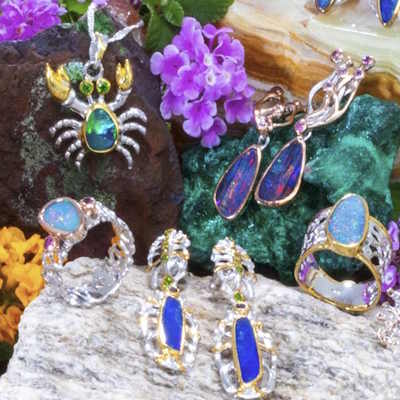
Cabochon cuts dominate opal jewelry because this smooth, domed shape maximizes play-of-color display. The curved surface allows viewers to see color flashes from various angles as the stone moves. Flat or faceted cuts work poorly for opals because they fail to showcase the gemstone’s defining optical effects.
Clarity influences cutting decisions and final value significantly:
- Crystal clarity suits lighter settings allowing light penetration
- Opaque stones require darker backgrounds for color contrast
- Milky clarity offers affordable alternatives with softer aesthetics
- Cabochon domes typically range from low to high profiles based on rough shape
- Thickness affects durability, with thinner opals requiring protective settings
Durability considerations tie directly to clarity and transparency. Thicker opaque stones withstand daily wear better than thin crystal opals. Understanding these relationships helps you select appropriate stones for intended uses, whether investment display pieces or everyday jewelry.
Pro Tip: Examine clarity under consistent lighting to avoid overvaluing stones that appear stunning under jeweler’s lights but disappoint in natural conditions. Request photos showing the stone in varied lighting environments before committing to high-value purchases.
Learn how clarity factors into overall worth by exploring opal clarity and valuation principles. Review detailed opal clarity classifications with visual examples to train your evaluation skills.
Distinctive Australian opal mining regions and their terminology
Lightning Ridge produces the world’s most valuable black opals, characterized by dark body tones (N1 to N4) and intense color contrast. This New South Wales region yields stones with rare patterns including Harlequin, commanding premium prices from collectors. Lightning Ridge terminology emphasizes body tone darkness and pattern rarity as primary value drivers.
Coober Pedy in South Australia supplies the majority of white and crystal opals globally. These lighter-toned stones (N7 to N9) offer larger sizes at more accessible price points while still displaying beautiful play-of-color. Coober Pedy opals suit buyers seeking impressive size and color without black opal premiums.
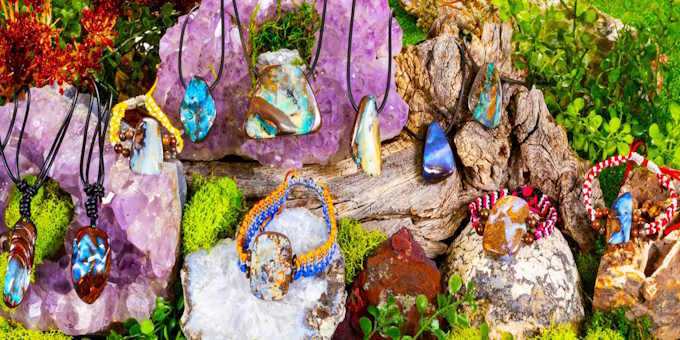
Queensland produces distinctive boulder and matrix opals featuring thin opal layers attached to ironstone backing. This natural bonding creates exceptional durability and unique visual effects impossible to replicate. Boulder opals from Winton, Quilpie, and Yowah display characteristic brown matrix with vibrant color veins.
Regional terminology differences reflect geological and market realities:
- Lightning Ridge dealers emphasize “nobility” referring to premium black opals
- Coober Pedy merchants highlight size and brightness over body tone
- Queensland suppliers stress durability and natural backing authenticity
- “Solid” opals distinguish natural stones from doublets or triplets
- “Seam” or “nobby” describes geological formation affecting stone characteristics
| Region | Primary Opal Type | Typical Body Tone | Market Position |
|---|---|---|---|
| Lightning Ridge | Black Opal | N1 to N4 (dark) | Ultra-premium, highest prices |
| Coober Pedy | White/Crystal | N7 to N9 (light) | Mid-range, excellent value |
| Queensland | Boulder | N5 to N7 (medium) | Durable, unique patterns |
Understanding regional characteristics helps you assess whether pricing reflects genuine provenance value or marketing claims. Verify origin documentation when dealers cite specific regions to justify premium pricing. Explore opal origins authentication methods to confirm regional claims.
Opal grading, certification, and ethical considerations
GIA-style grading criteria focus on brightness, pattern, and body tone to standardize quality assessments across the industry. Professional grading evaluates brightness on a scale from subdued to brilliant, pattern type and definition, body tone using the N-scale, and spectral color range displayed. Consistent grading language allows meaningful comparisons between stones from different dealers and regions.
Certification provides authentication and quality verification essential for investment-grade purchases. Reputable gemological laboratories examine opals to confirm natural origin, document treatments if any, grade quality parameters objectively, and provide detailed photographic records. Certified stones carry enhanced resale value because documentation reduces buyer risk and validates claims.
Australian opal mining maintains high ethical standards compared to global gem industries. 95% of Australian opal miners comply with certified ethical sourcing standards ensuring environmental responsibility, including land rehabilitation requirements, water usage management, and waste disposal protocols. Government oversight and community accountability maintain these practices.
Key certification and ethical considerations include:
- Laboratory credentials and recognition in the gemological community
- Treatment disclosure requirements for heated or treated stones
- Origin verification confirming Australian provenance
- Environmental compliance documentation from mining operations
- Chain of custody records tracking stones from mine to market
Investment-grade opals warrant professional certification justifying premium pricing. Lower-value stones may not require formal laboratory reports, but reputable dealers should provide detailed descriptions and guarantees. Understanding grading frameworks helps you evaluate whether asking prices align with documented quality.
Ethical sourcing represents more than environmental responsibility. It ensures fair treatment of miners, supports local Australian communities, and preserves opal fields for future generations. Collectors investing in certified ethically sourced opals contribute to sustainable practices while securing authentic gemstones with verified provenance.
Research opal grading standards to familiarize yourself with professional evaluation criteria. Review ethical opal mining standards to understand compliance requirements. Consult the Australian opal investment guide for detailed advice on certification and documentation.
Summary comparison and situational recommendations
Comprehensive comparison across opal types reveals distinct advantages for different collecting goals and budgets. Understanding these differences helps match stones to your specific needs, whether prioritizing investment potential, visual impact, or wearable durability.
| Opal Type | Price Range | Body Tone | Pattern Rarity | Best Uses |
|---|---|---|---|---|
| Black Opal | Premium to ultra-premium | N1 to N4 (dark) | Highest, especially Harlequin | Investment, high-end jewelry, collections |
| White Opal | Affordable to mid-range | N7 to N9 (light) | Moderate | Larger statement pieces, accessible collecting |
| Boulder Opal | Mid to premium | N5 to N7 (medium) | Unique matrix patterns | Durable jewelry, distinctive designs |
| Crystal Opal | Mid-range | N5 to N8 (transparent) | Bright, luminous | Elegant jewelry, light settings |
Situational recommendations guide smart purchasing decisions. For investment focus, prioritize Lightning Ridge black opals with documented rare patterns and N1 to N3 body tones. These stones appreciate most reliably and maintain liquidity in collector markets. Seek certification from recognized gemological laboratories to support future resale.
For affordable larger stones offering visual impact, Coober Pedy white opals deliver excellent value. You can acquire impressive sizes displaying beautiful play-of-color at accessible price points. These suit buyers building collections without ultra-premium budgets.
For durable everyday jewelry, Queensland boulder opals provide natural ironstone backing that resists damage better than delicate crystal opals. The unique matrix patterns offer distinctive aesthetics unavailable in other types.
Pros and cons by collecting goal:
- Investment collectors: Black opals offer best appreciation but require highest initial capital and authentication diligence
- Visual impact seekers: White opals provide size and color at lower cost but appreciate more slowly
- Jewelry wearers: Boulder opals balance durability with beauty but may show less color intensity than black varieties
- Design enthusiasts: Crystal opals suit modern settings with light backgrounds but require careful handling
Review factors affecting opal value to refine your evaluation skills. Match stone characteristics to your priorities rather than chasing every quality factor simultaneously.
Explore Australian Opal Direct’s expert guides and collections
Mastering opal terminology opens doors to confident collecting and smart investments. Australian Opal Direct offers comprehensive resources to deepen your knowledge further, from detailed guides on types of Australian opals to strategic advice in our investment guide for Australian opals.

Our curated collections showcase premium specimens from Lightning Ridge, Coober Pedy, and Queensland, each authenticated and ethically sourced. We maintain direct miner relationships ensuring competitive pricing and verified provenance. Whether you seek investment-grade black opals, stunning white opal statement pieces, or durable boulder opal jewelry, our experts provide personalized guidance matching stones to your goals.
Explore our full range at Australian Opal Direct, where transparency meets expertise. Every piece comes with detailed documentation, complimentary insurance, and our commitment to your collecting success.
Frequently asked questions
What does ‘body tone’ mean in opal terminology?
Body tone refers to the underlying darkness or lightness of an opal’s base color, graded on a scale from N1 (black) to N9 (white). Darker body tones generally increase rarity and value, especially in black opals, because they create stronger contrast with play-of-color flashes.
How do opal patterns influence price and rarity?
Patterns such as Harlequin are extremely rare, accounting for less than 1% of all black opals mined, and significantly boost value. Collectors highly prize distinct and well-defined patterns with clear color boundaries and broad coverage across the stone’s surface.
Why is certification important when buying Australian opals?
Certification verifies quality parameters including body tone, pattern type, and color range while confirming natural origin. It provides assurance of ethical mining compliance and supports resale value by offering documented proof of authenticity and grade.
What is the difference between crystal and boulder opals?
Crystal opals are transparent to translucent with vibrant play-of-color visible through the clear body. Boulder opals have ironstone backing naturally bonded to thin opal layers, offering exceptional durability and unique patterns created by the stone matrix interface.
Recommended
- How Opals Are Valued – What Every Collector Needs - Australian Opal Direct
- What Affects Opal Value – Insights for Collectors - Australian Opal Direct
- How to Distinguish Opal Origins for Authentic Jewelry - Australian Opal Direct
- How to Spot Rare Opals: Expert Guide for Authentic Finds - Australian Opal Direct